
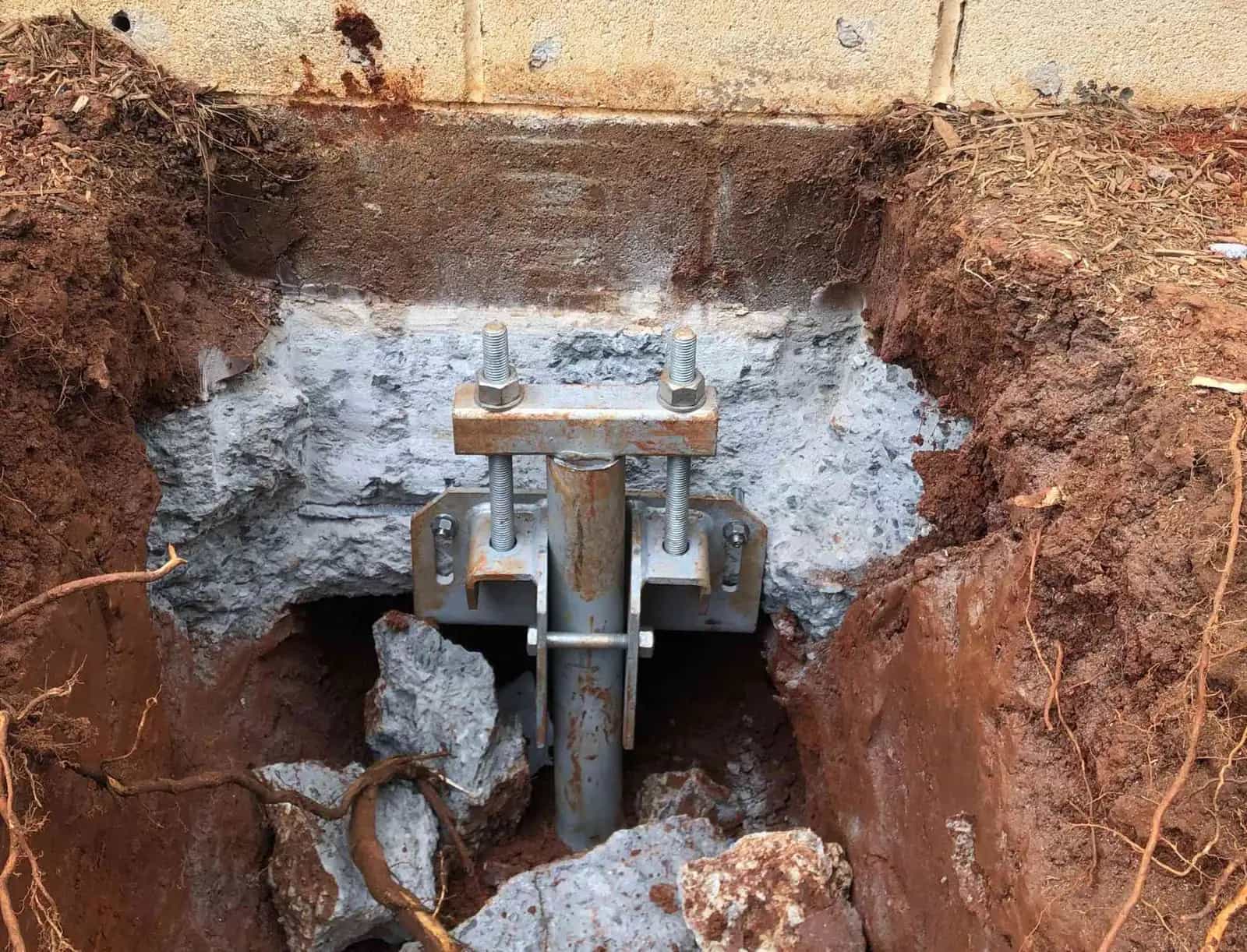
Foundation Repair Problem Signs and What Causes Them
Explained in plain language by our inspectors. Free inspections across North and South Carolina.
Get a Free Inspection
Two ways to start. Both are free, with no obligation.
Pick your own day in our calendar. You save $250 if you go ahead with the work.
Send a short form, and our office will call to book a time that suits you.
For new customers who book online through our website and then sign a contract.
Foundation Repair Warning Signs We Diagnose
The warning signs we diagnose for foundation repair: bouncing floors, bowing walls, ceiling gaps, a cracked block foundation, cracked bricks, cracks in door frames, ceilings, and corners, and 21 more. Each page explains what can cause the sign and the repairs that address it, and every inspection is free and ends with a written estimate.
- Cracks: 10 signs
- Doors and Windows: 5 signs
- Floors: 6 signs
- Outside the House: 6 signs
Cracks in Walls, Brick and Block
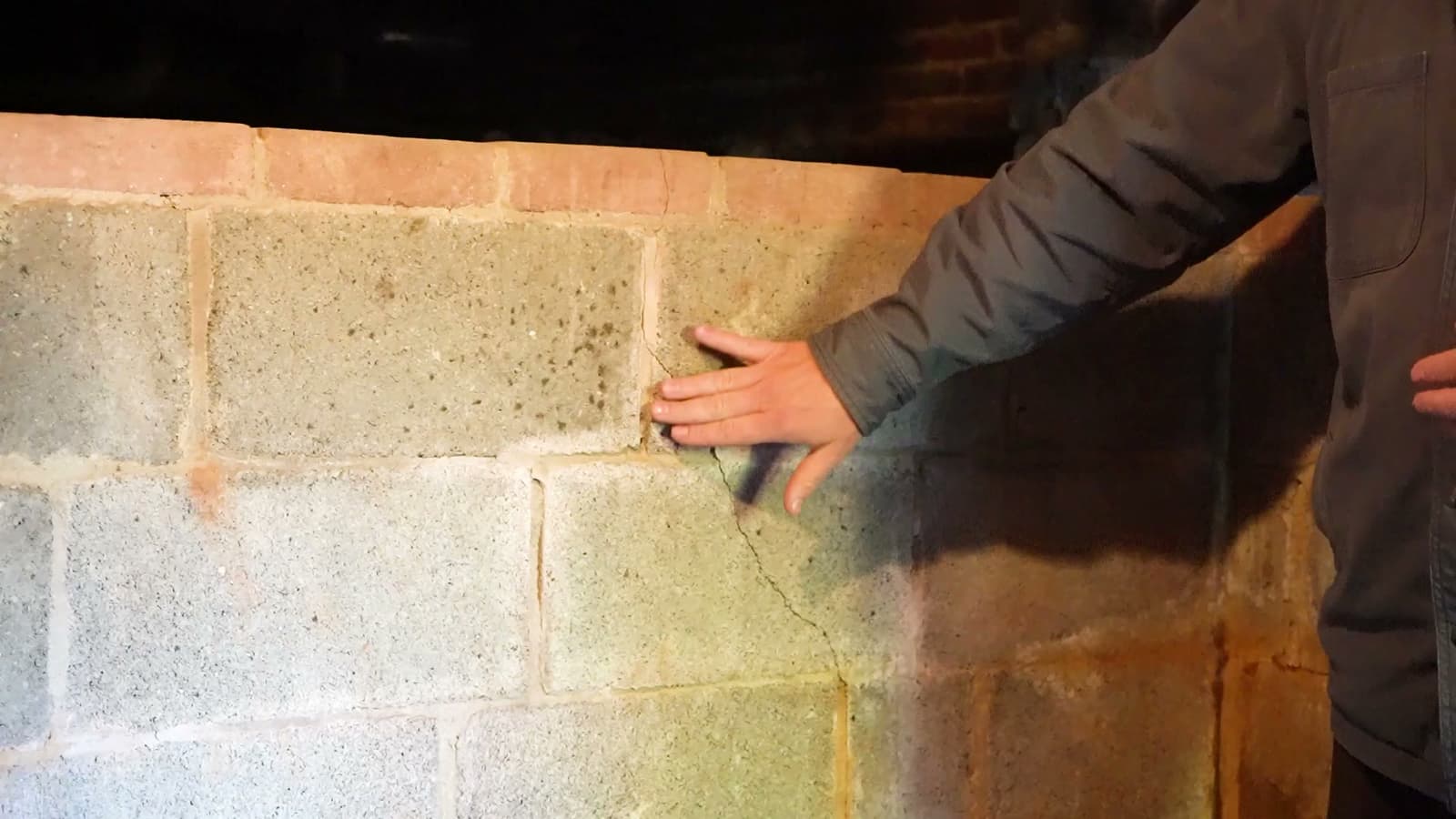
Cracked Block Foundation
When a concrete block foundation cracks, the wall is telling you that either the footing beneath it has settled or soil outside it is pushing inward.
Learn More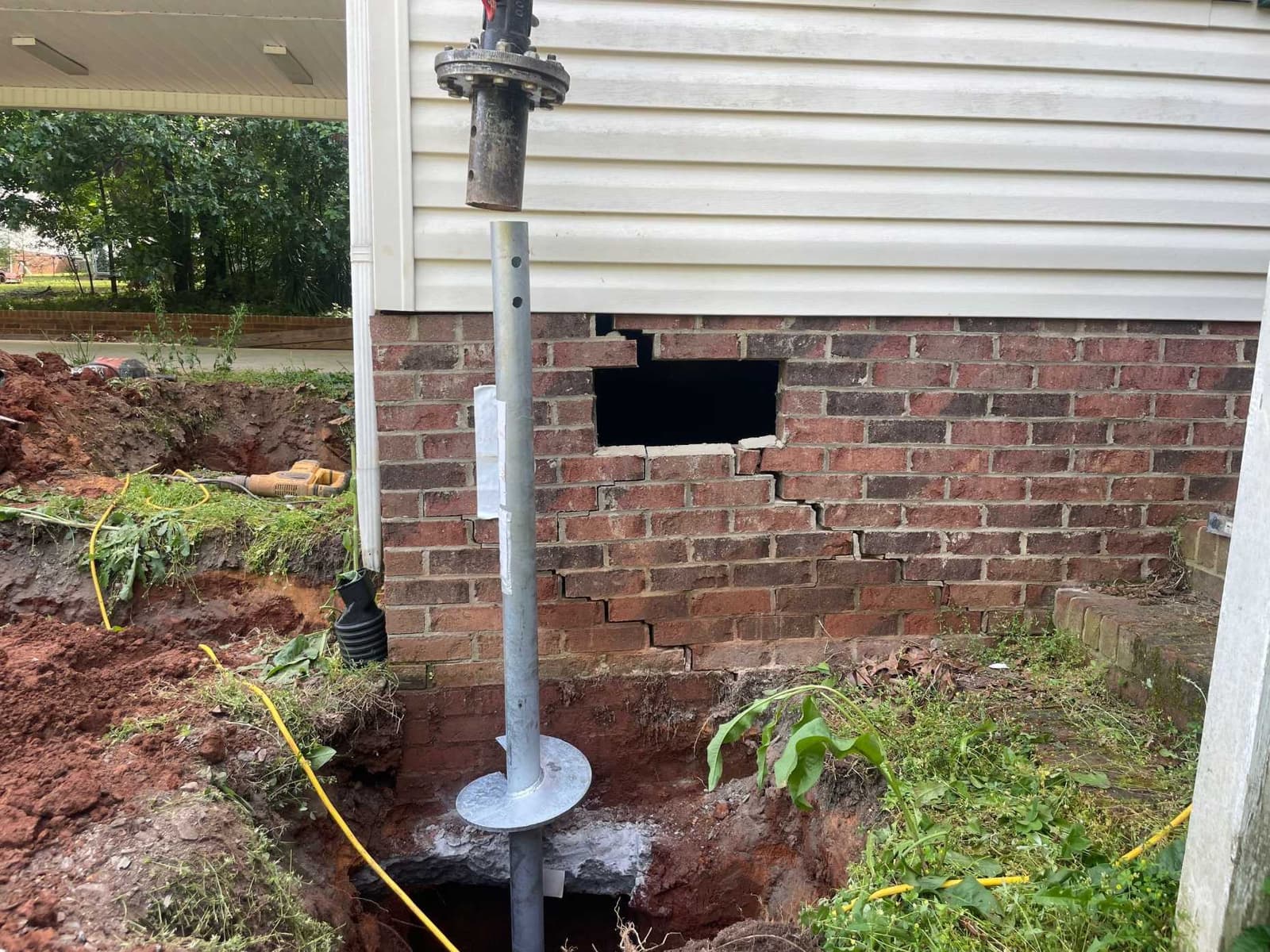
Cracked Bricks
When the brick on your home cracks, the masonry is telling you the structure underneath it has shifted.
Learn More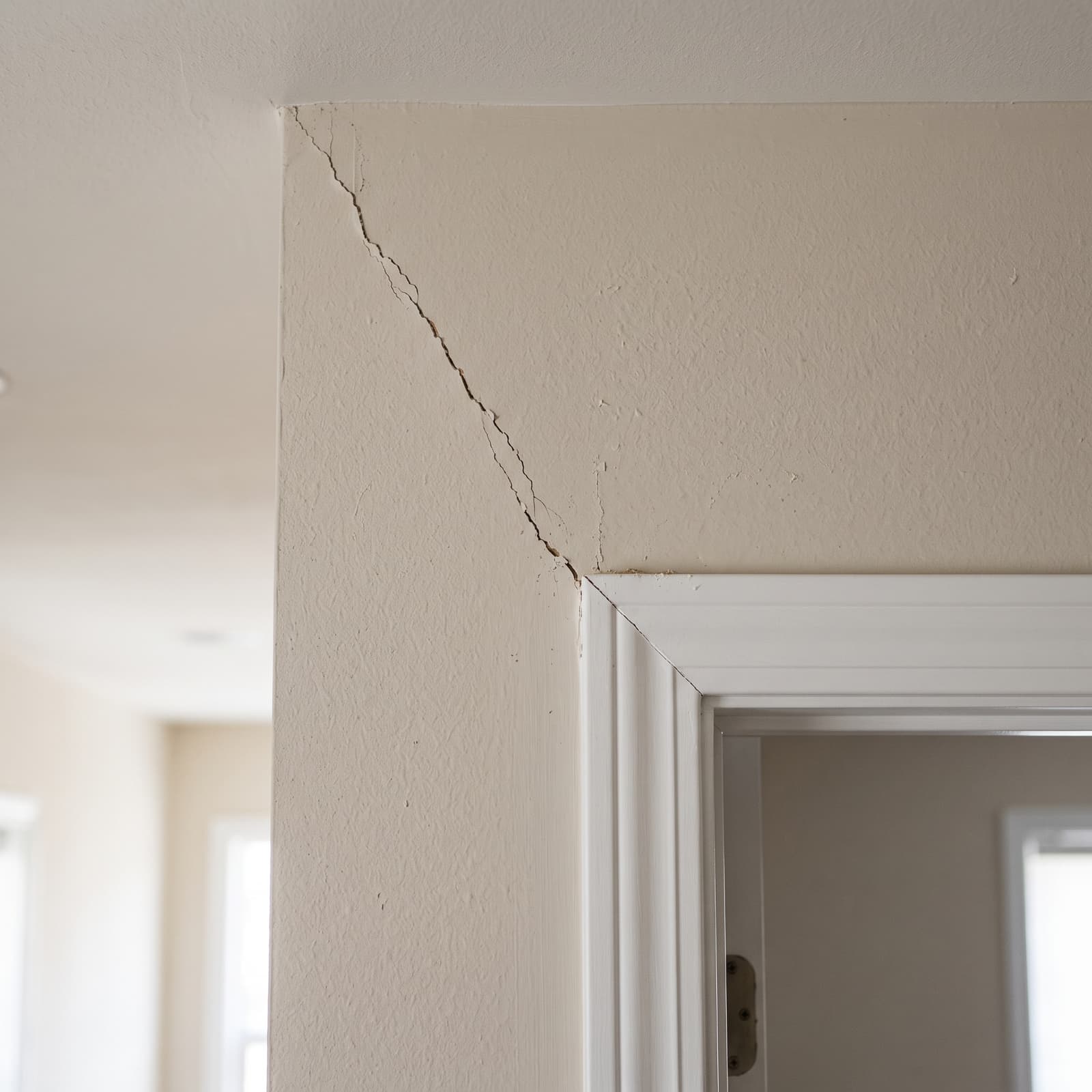
Diagonal Cracks
A crack running on an angle out of a doorway corner, across a wall, or up through brick is one of the clearer signs that a foundation has shifted.
Learn More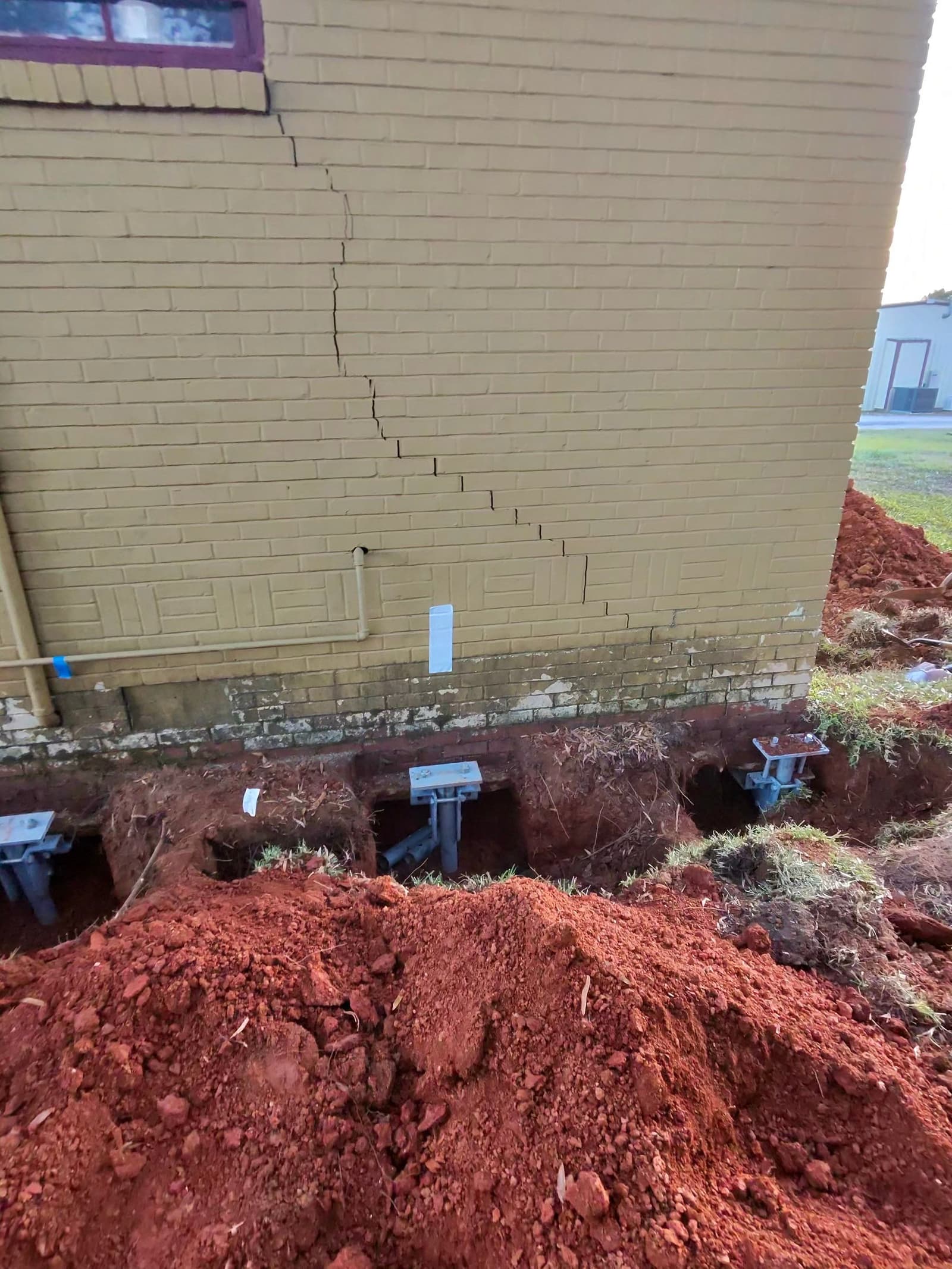
Stair Step Cracks
When cracks climb diagonally along the mortar joints of a brick or block wall, the masonry may be showing you that one part of the foundation has shifted.
Learn More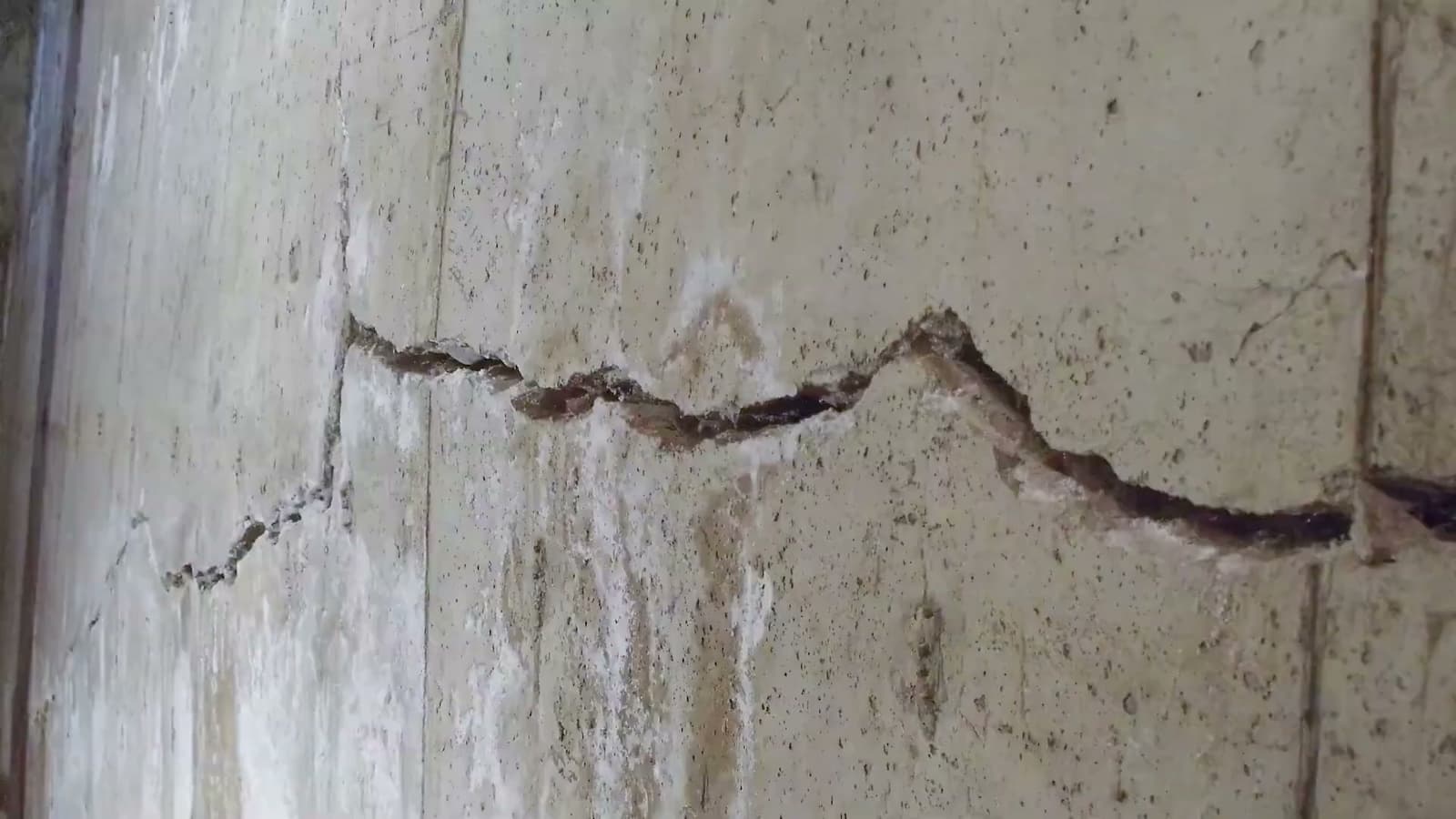
Large Cracks From Shifting or Water Pressure
A wide or growing crack is often more than a surface flaw.
Learn More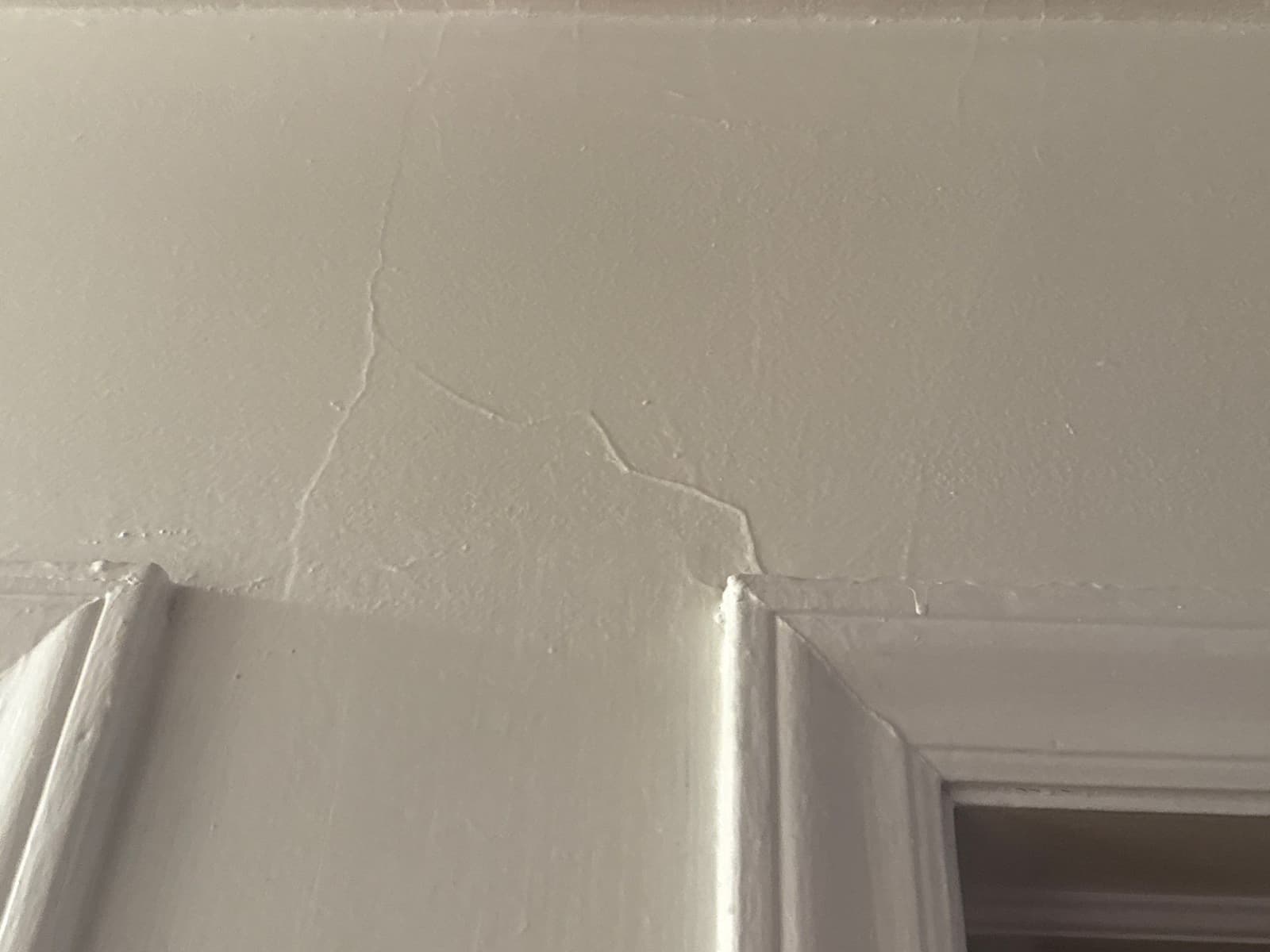
Drywall Cracks
A crack creeping out of a doorway corner or above a window is one of the first things homeowners notice when a foundation moves.
Learn More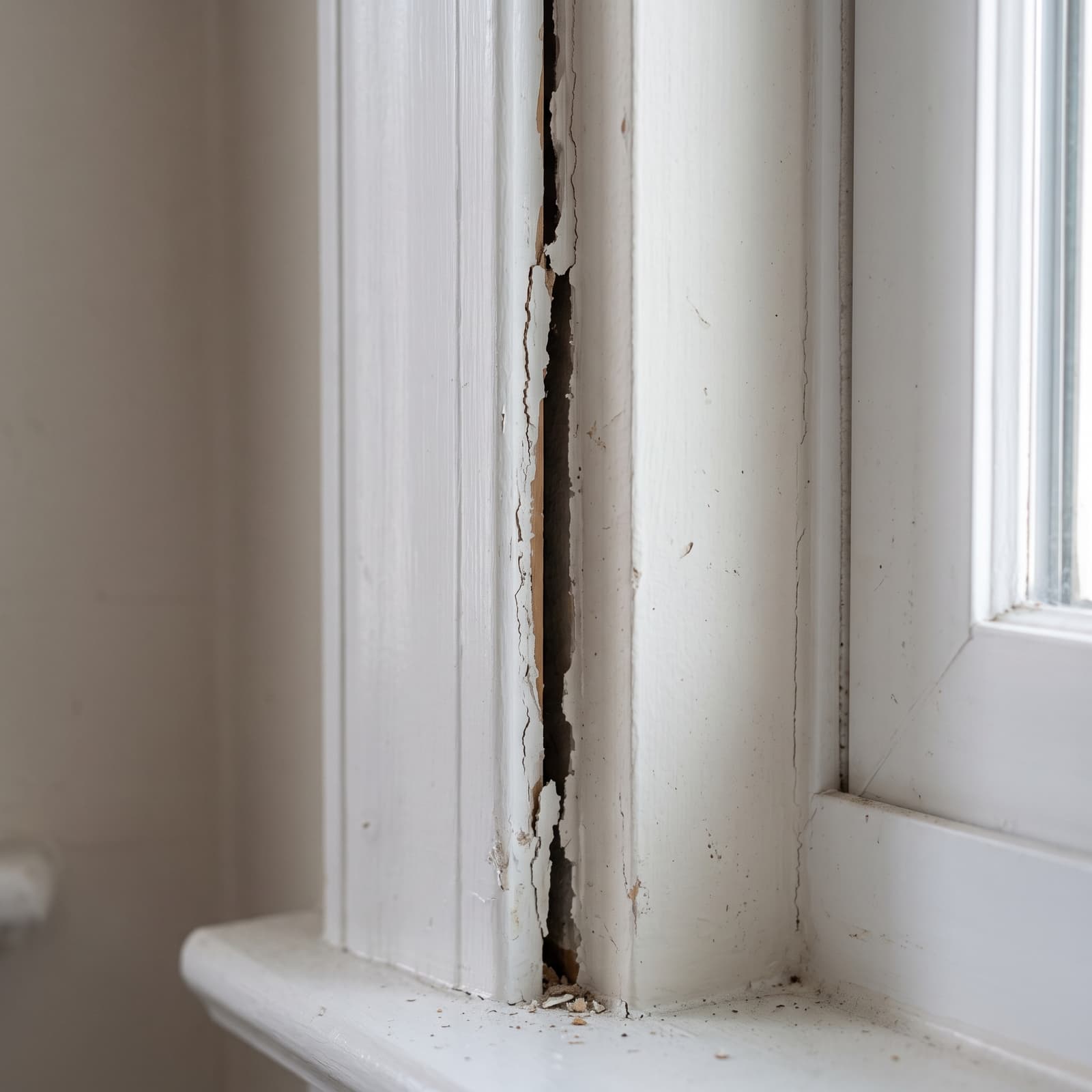
Cracks in Door Frames, Ceilings, and Corners
These three spots are where a home shows movement first, because they are where the structure is already weakest.
Learn More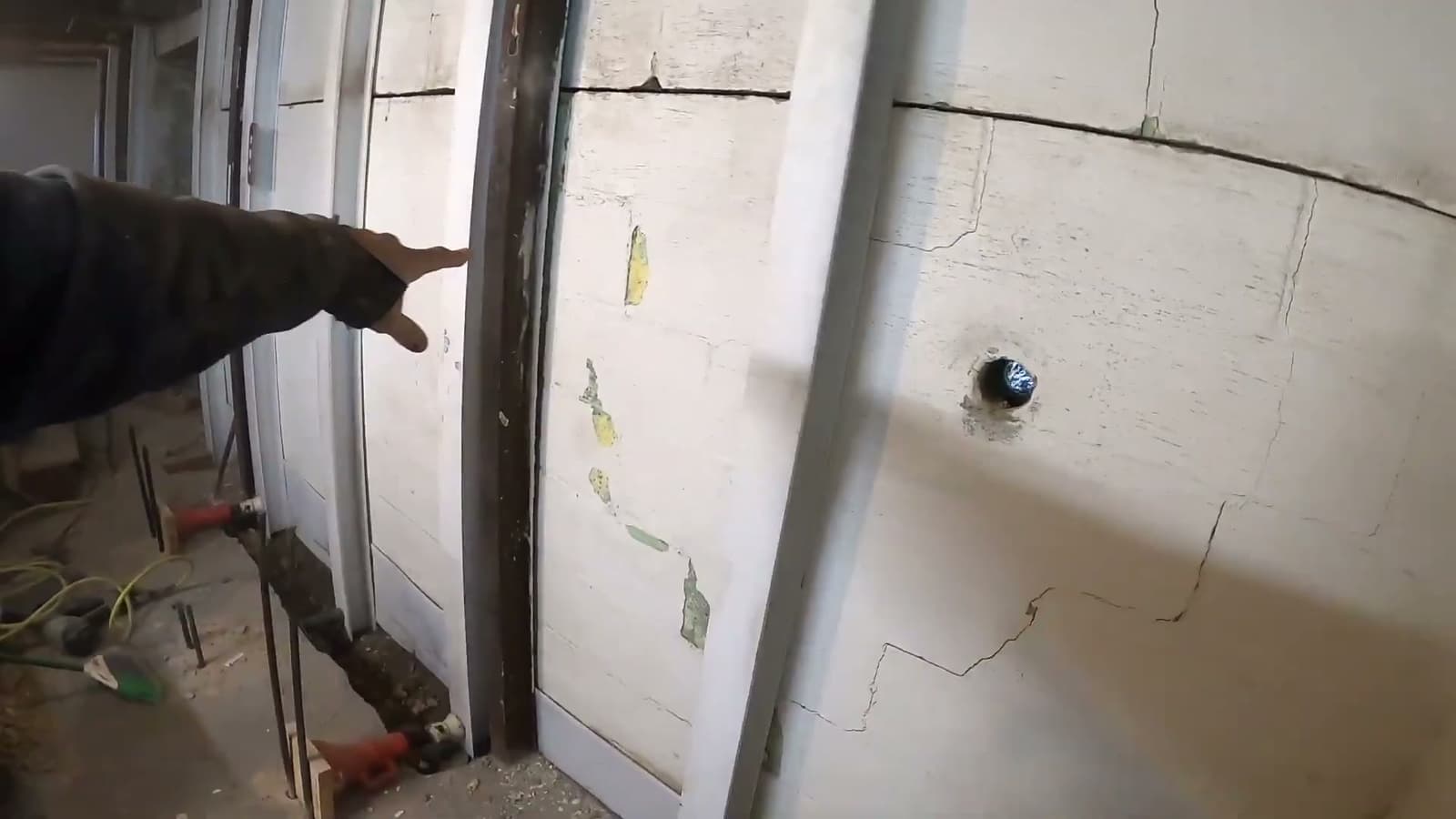
Bowing Walls
When a basement or foundation wall curves, leans, or bulges, the soil outside is pushing harder than the wall was built to resist.
Learn MoreDrywall Nail Pops
A small round bump or a popped screw head pushing through paint is one of the most common things homeowners notice on a wall or ceiling.
Learn MoreCeiling Gaps
A line of separation where the top of a wall pulls away from the ceiling is one of the clearer signs that something structural has shifted.
Learn MoreDoors, Windows and Cabinets
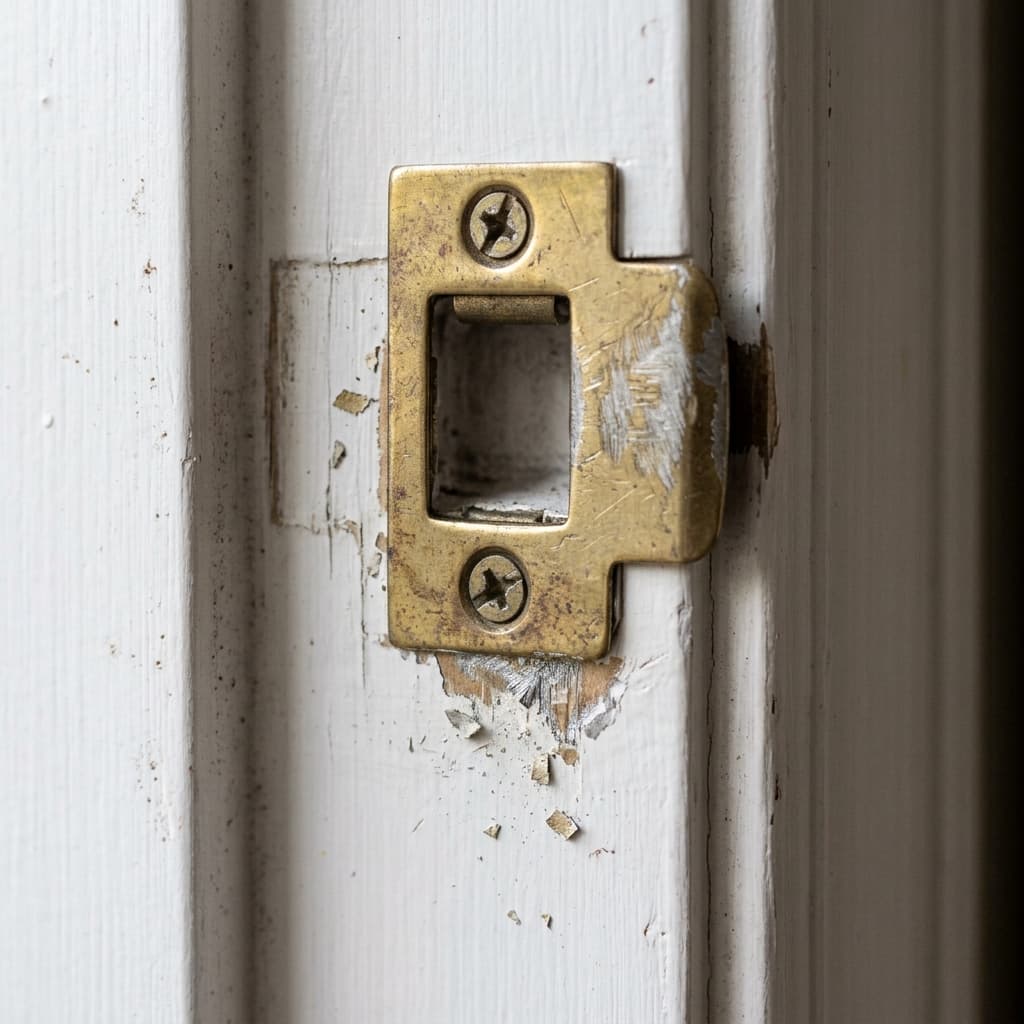
Doors Not Latching
A door that sticks, drags, or won't catch its strike plate is often a sign that the structure holding the frame has shifted.
Learn More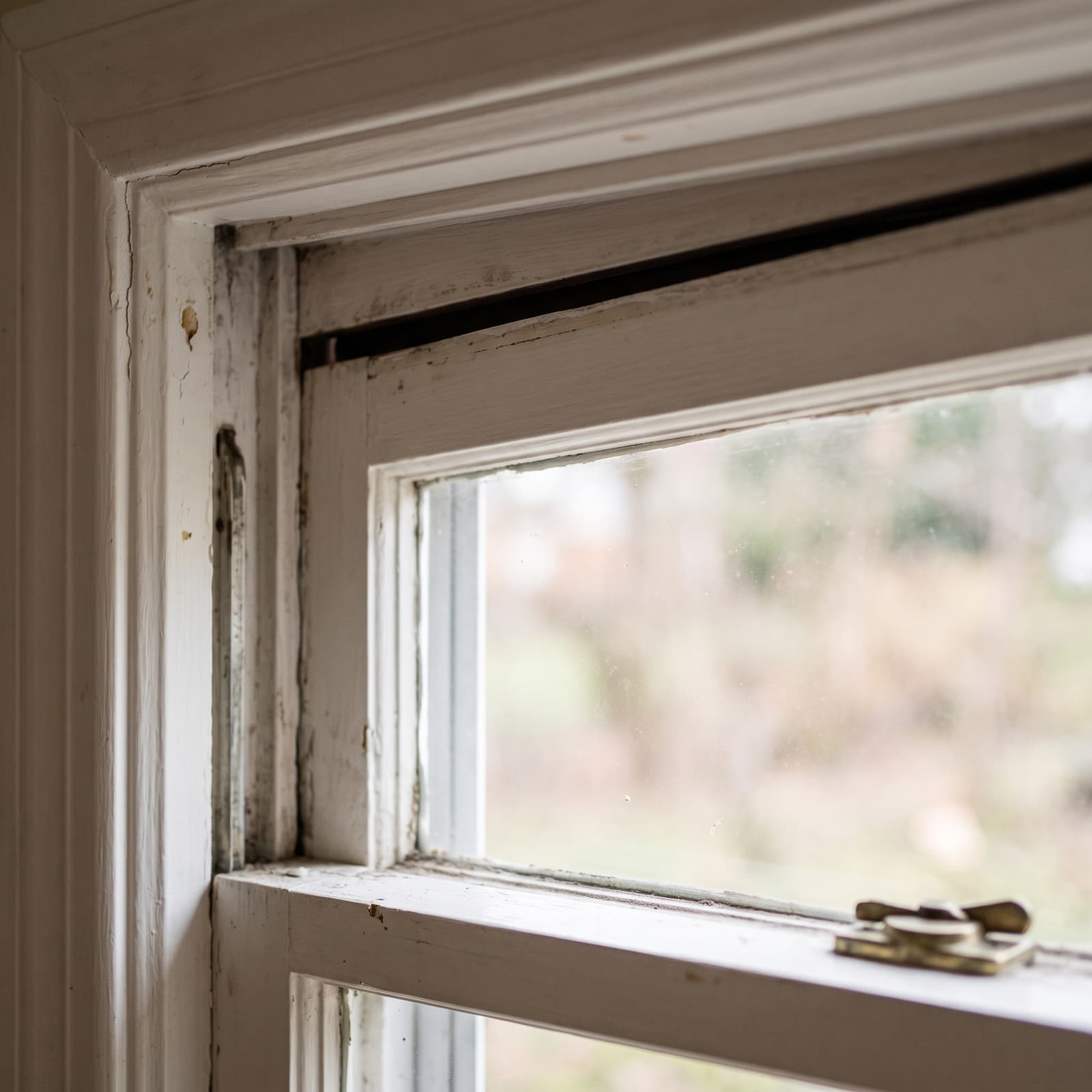
Doors and Windows Misaligned
Uneven gaps, a door that no longer meets its frame square, a window sash sitting crooked in its track.
Learn More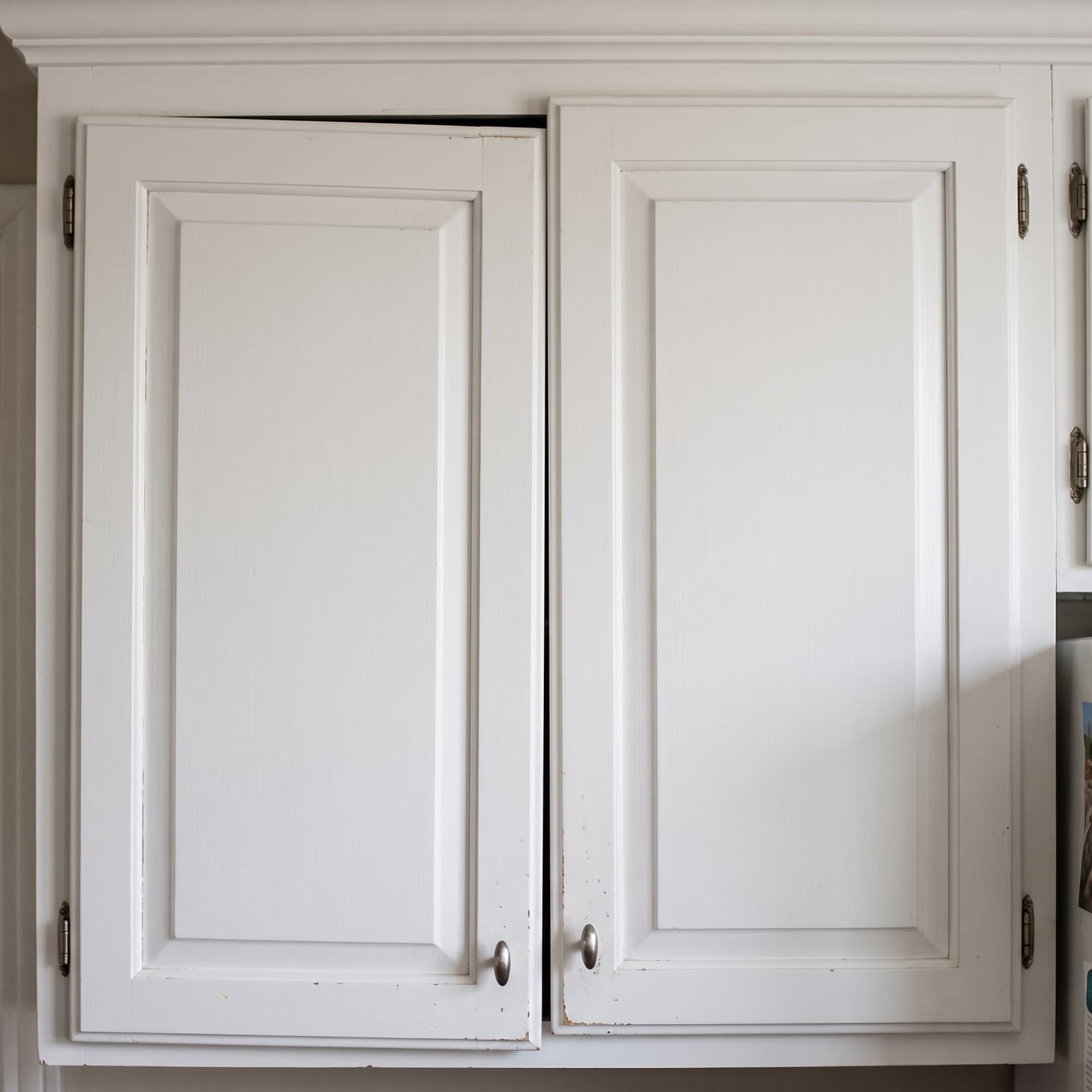
Detached Cabinets
A gap opening between an upper cabinet and the wall, a countertop separating from the backsplash, or a cabinet run that no longer sits level is often how a kitchen or bathroom shows that the structure underneath has shifted.
Learn MoreGaps Around Windows and Doors
A widening gap along one side of a window, a door that no longer meets its frame evenly, or trim separating from the wall is often how a foundation shows it has moved.
Learn MoreSticking Doors and Windows
A door that suddenly drags or a window that won't slide is often the first thing homeowners notice when a foundation moves.
Learn MoreFloors and the Framing Beneath Them
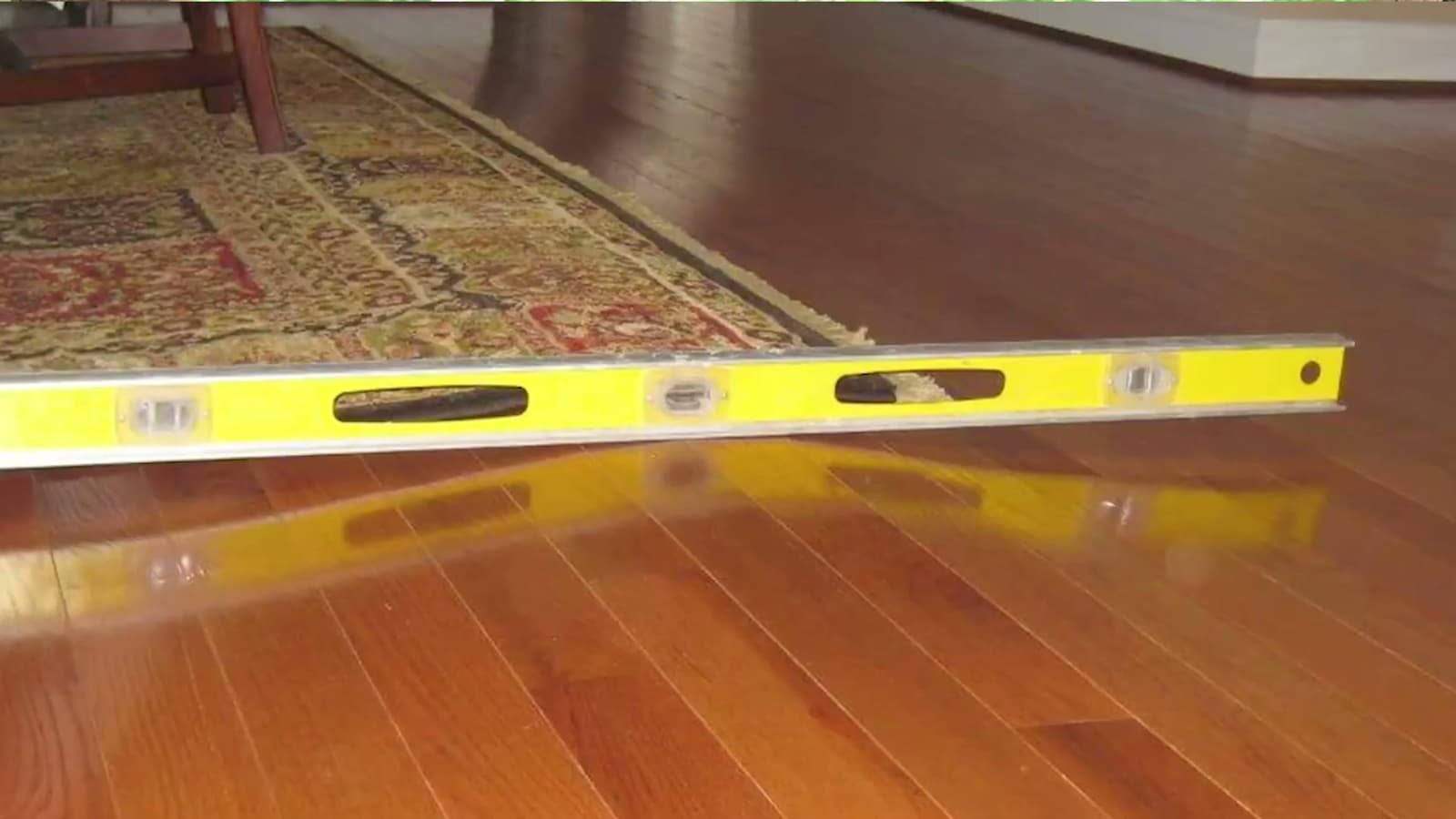
Uneven Floors
Sloping, dipping, or bouncy floors are one of the clearest signs that the support beneath your home has moved.
Learn More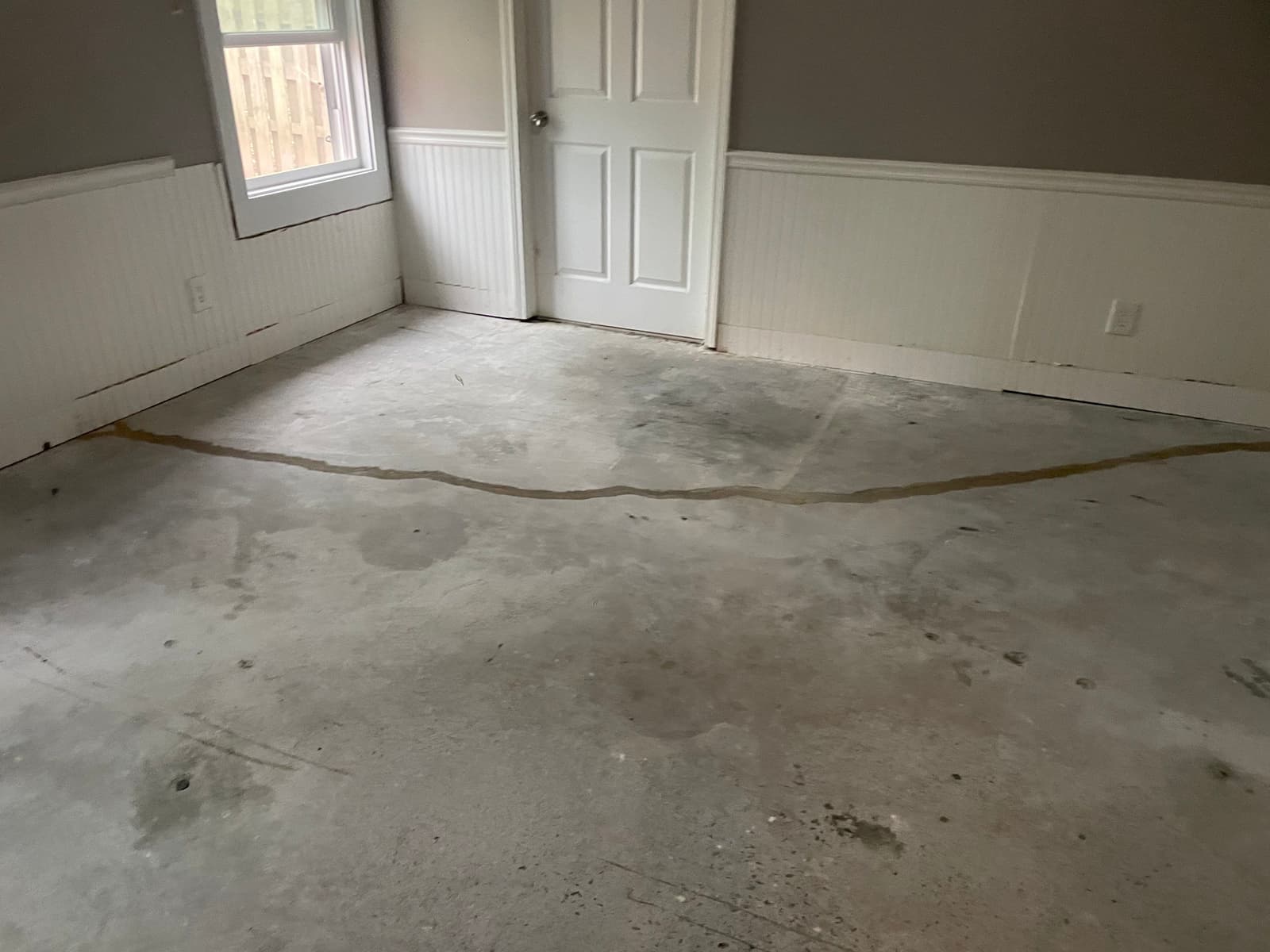
Floor Cracks
Cracks in a concrete slab, or in tile and grout, can be cosmetic, or they can be the floor reacting to a foundation that has moved.
Learn More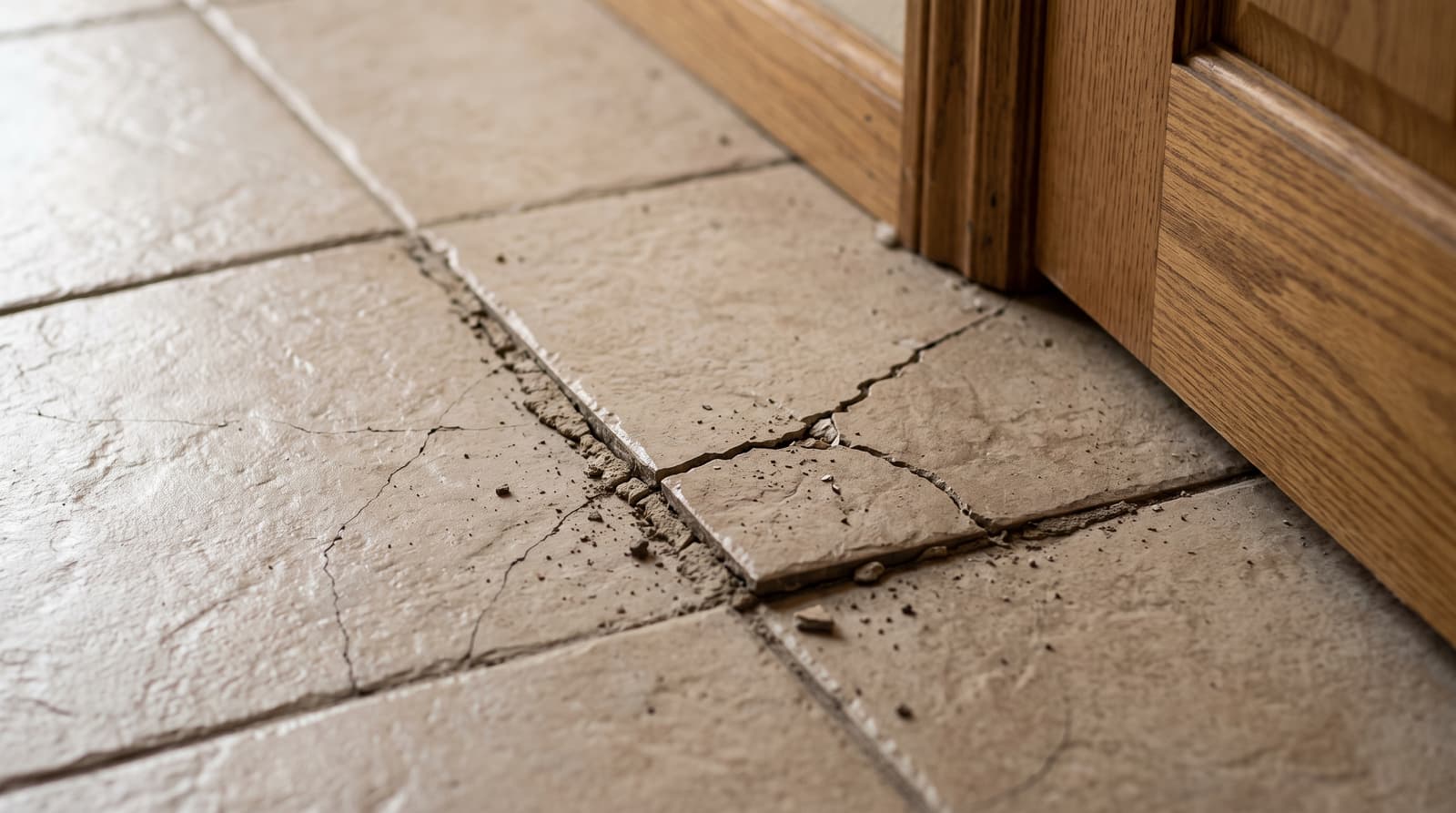
Cracks in Floor Tiles and Grout
Tile and grout are rigid, so they crack when the floor under them flexes or drops.
Learn MoreBouncing Floors
Springy, bouncy floors point to something under the finished surface that has weakened or shifted, often a sagging crawl space beam or settling support.
Learn MoreRotten Wood
When the beams, joists, and sill plates in a crawl space stay damp, the wood softens, darkens, and loses the strength it needs to carry your floors.
Learn MoreTermite Infestation
Termites do not damage concrete or block foundations directly.
Learn MoreOutside the House and Under It
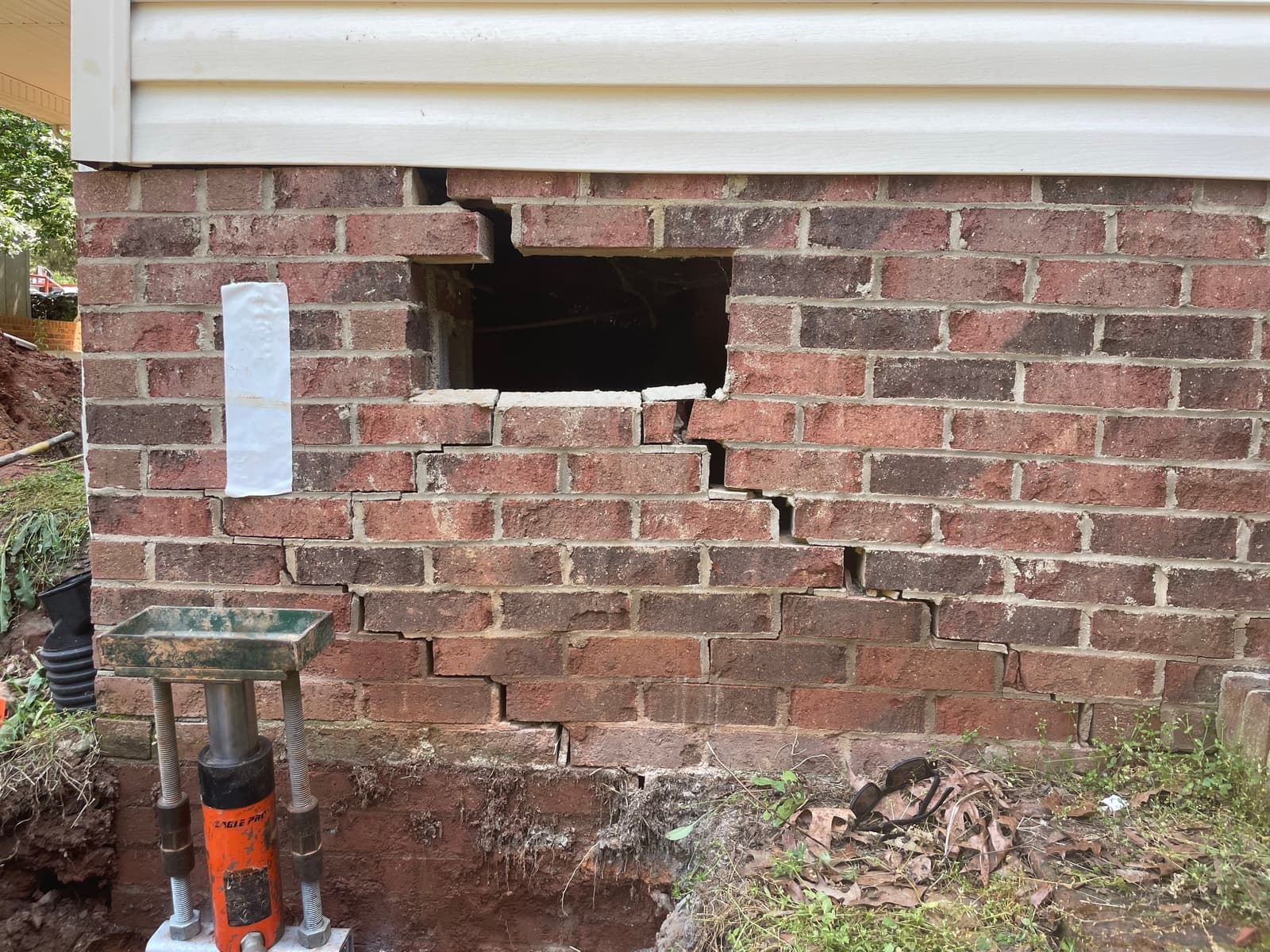
Foundation Settlement
When part of your home drops because the soil beneath it has moved or compressed, the symptoms show up as cracks, sticking doors, and uneven floors.
Learn More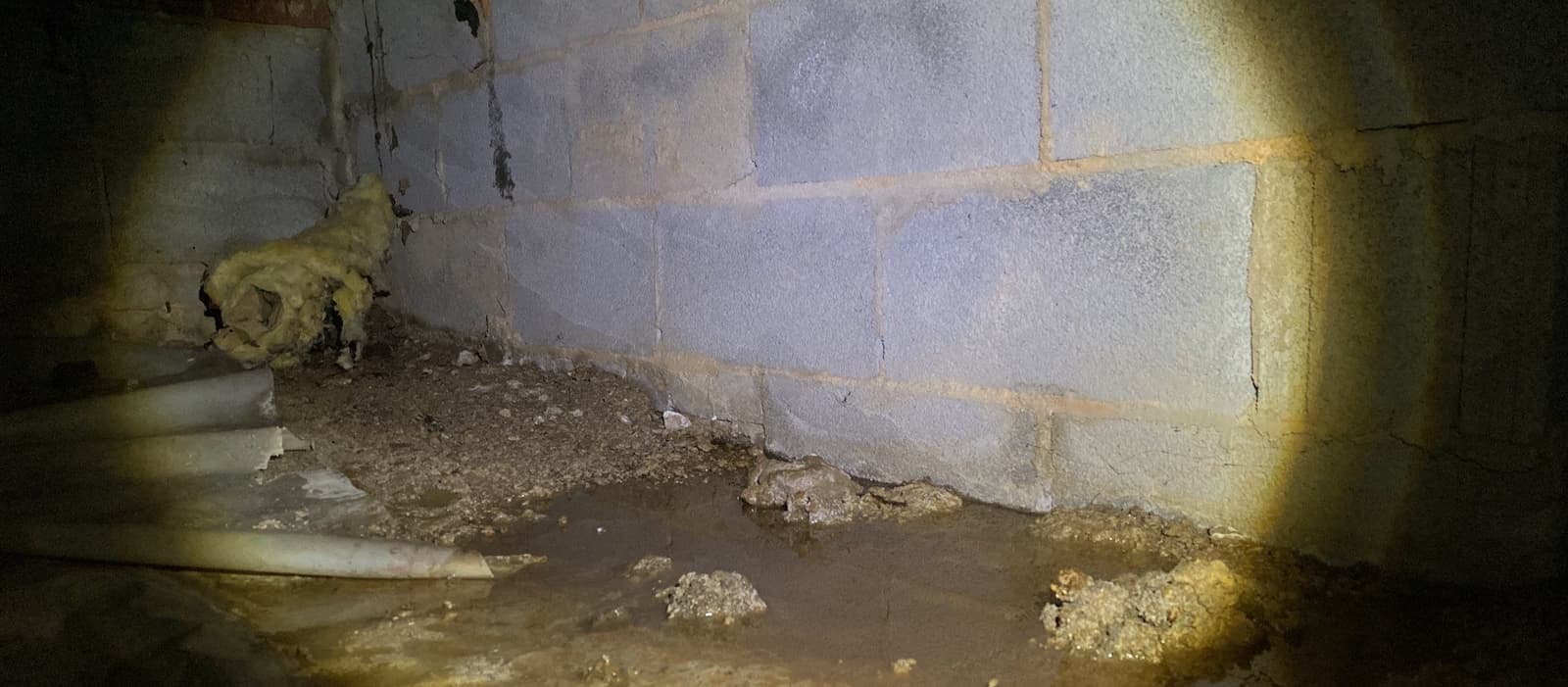
Improper Drainage
When water is not carried away from the house, it saturates the soil next to the footings and can build pressure against basement and crawl space walls.
Learn MoreSinking Foundation
When part of your home is dropping because the soil beneath it can no longer hold the load, the signs show up as cracks, sticking doors, and floors that pull away from level.
Learn MoreExpansive Soil
Expansive soil changes volume as it gains and loses moisture.
Learn MoreLeaning Chimneys
When a chimney starts to tilt or pull away from the house, the cause is often below the masonry, in the footing underneath it.
Learn MoreFlood Vents Failing
Flood vents are meant to let rising water flow in and out so it does not load your foundation walls.
Learn MoreNot Sure Which Sign Matches Your Home?
Answer three quick questions about what you're seeing. We'll match it to the most likely cause and point you to the right next step.
Care and Expertise From a Team Serving the Carolinas Since 2017
We are locally owned and operated in Gaston County, North Carolina, with eight offices serving homeowners across North and South Carolina.
An inspector looks at your home, finds the source of the problem, and explains each finding in plain language. There is no obligation.
We are headquartered in Dallas, North Carolina, with eight offices across North and South Carolina.
Foundation repair, crawl space repair and encapsulation, basement waterproofing, framing repair, and concrete leveling are the whole focus of the team.
We have 1,300+ verified Google reviews (4.9 stars) from homeowners across the Carolinas and are BBB A+ Accredited.
For example, helical and push piers carry a lifetime warranty that no additional settlement will occur in the area of installed piers, once the final invoice is paid in full. Read the warranty terms.
Ask your inspector about financing when you get your written estimate. See financing options.
How Does the Repair Process Work?
Three steps, from your free inspection to the finished repair.
Schedule Your Free Inspection
Call or fill out our quick online form, and we contact you to book a time that works for you. An inspector looks at your home and answers your questions at no cost.
Get a Custom Repair Plan
Your inspector explains what they found in plain language and gives you a written estimate at no cost, with a scope of work written for your home.
Relax While We Handle the Fix
Our crew completes the work described in your written scope, so you know what is being done before it starts.

Get the Free Foundation Repair Guide
A free guide for homes in North and South Carolina: what can move a foundation here, the signs worth writing down, and how foundation repairs work, in plain language.
- A room by room checklist to walk your home with
- Why foundations move in Piedmont clay, on hillsides and near the coast
- How piers, wall anchors and other repairs work
- Five questions worth asking any contractor, including us
1,300+ Verified Google Reviews (4.9 Stars)
A 4.9 star average on Google, from homeowners across our eight offices in North and South Carolina.
How Do I Book a Free Inspection?
Pick your own time online, or fill out our quick online form and we will book a convenient time to assess your home, no cost, no pressure.
- A free inspection of your home
- Every finding explained in plain language
- A written estimate at no cost
- No obligation
Common Questions About Foundation Repair Problem Signs
Don't see your question here? Call or fill out our quick online form, and our team will help.
An inspector looks at the signs you are seeing and the areas around them, finds the cause, and explains it in plain language. You receive written documentation, typically an estimate with photographs, at no cost and with no obligation to go ahead.
Schedule a Free Foundation Repair Inspection
One visit, clear findings, and a written estimate at no cost. Want a starting point first? Try the cost calculator or see our financing options.