Crawl Space Encapsulation
Fayetteville, NC
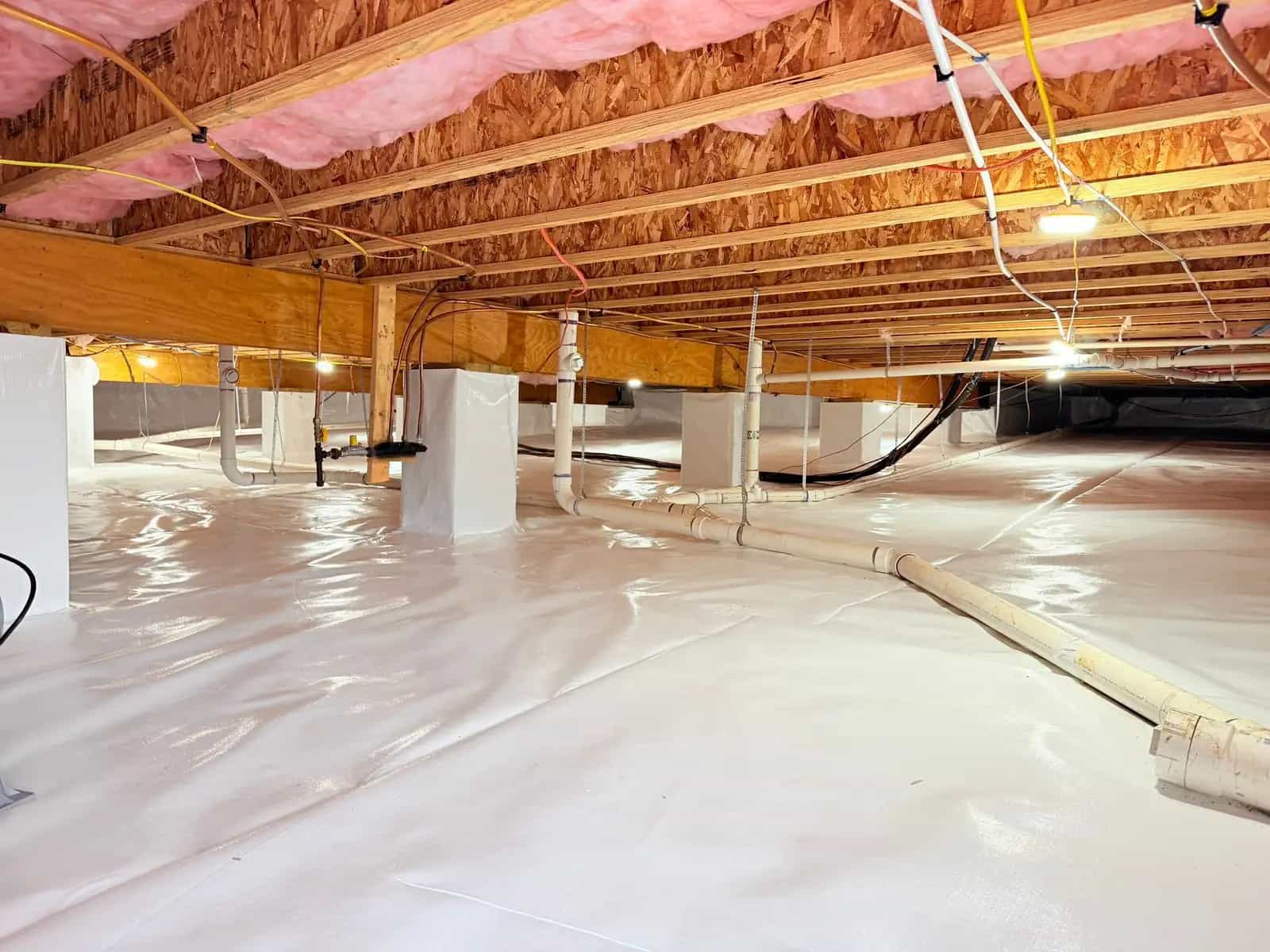
Crawl Space Encapsulation in Fayetteville, NC
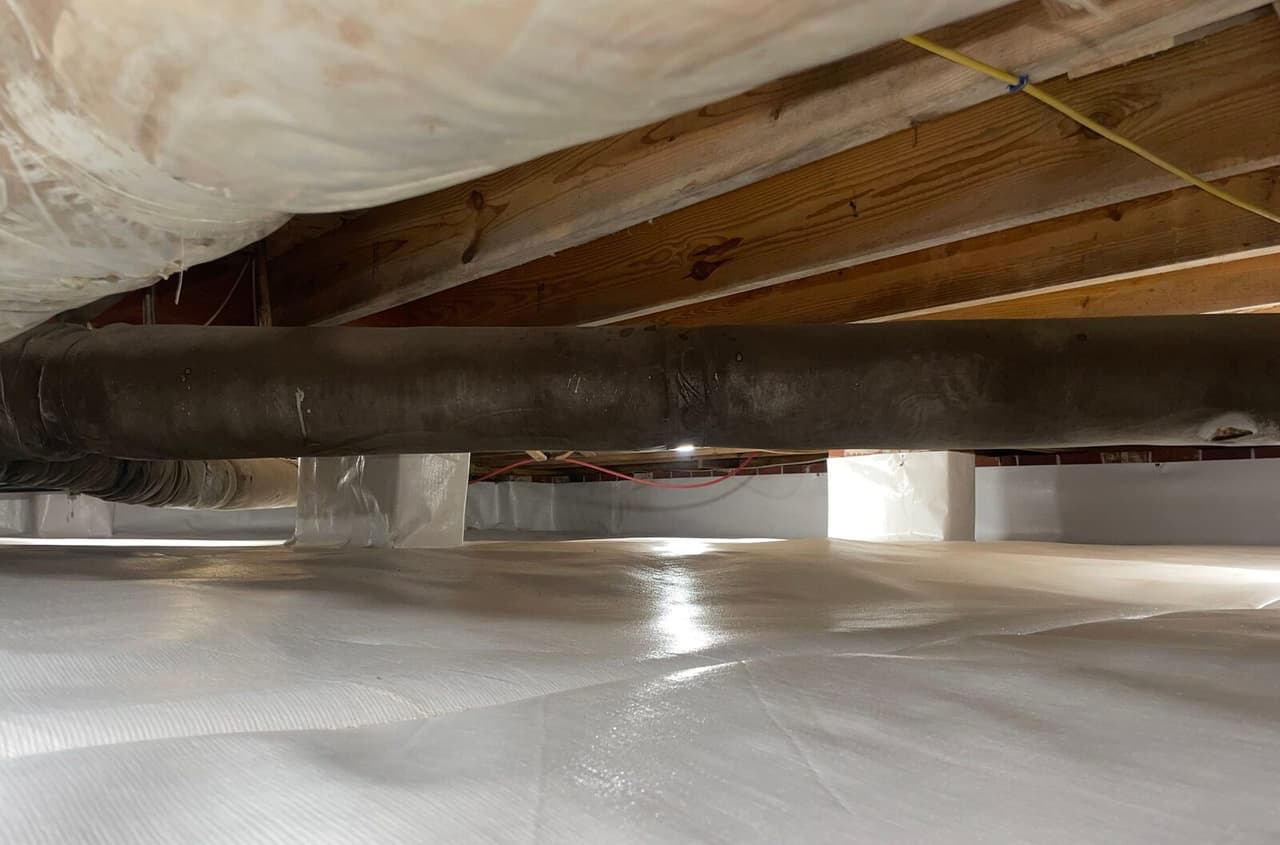
Crawl space encapsulation, completed in October 2026.
View projectWe seal your crawl space against the ground moisture and humid Carolina air that drive most crawl space problems, then explain exactly what your home needs and what it does not. Looking for a reliable crawl space encapsulation contractor? You're in the right place. Read on to learn more.
Two ways to start. Both are free, with no obligation.
Pick your own day in our calendar. You save $250 if you go ahead with the work.
Send a short form, and our office will call to book a time that suits you.
For new customers who book online through our website and then sign a contract.
Most crawl space problems in the Carolinas come down to one thing: moisture. A vented crawl space in our climate is exposed to bare soil below and warm, humid outside air flowing in through the vents, and that combination keeps the space damp for much of the year. Across the Piedmont, around Charlotte, Greensboro, Winston-Salem, and the Triangle, clay soils hold water and release vapor into the crawl space, while humid summers push the relative humidity under the home well past the point where wood stays dry. In the Sandhills near Fayetteville and Pinehurst, sandy soils drain faster but the summer humidity load is just as high. Around Asheville, mountain rainfall and runoff feed groundwater toward hillside crawl spaces. Along the coast near Wilmington and Brunswick County, a high water table and salt air keep saturated, sandy soils close to the surface. Encapsulation addresses the common cause behind all of it by separating the living conditions under your home from the wet ground and humid air around it.
Crawl space encapsulation is the process of sealing the crawl space into a clean, dry, controlled environment. It usually combines a heavy liner across the floor, up the foundation walls and around the piers, sealed foundation vents that stop humid air from entering, insulation where it belongs, and humidity control with a dehumidifier installed in the crawl space, plus interior drainage where water gets in. The result is a crawl space that no longer feeds moisture into the framing, ductwork, and insulation above it. Homeowners often notice lower humidity in the rooms above and less of a musty smell.
HydroHelp911 serves residential homeowners throughout North and South Carolina. Our process is simple: a free inspection to find where the moisture is coming from, a plain explanation of what we see, and a recommendation built around your crawl space. Some homes need full encapsulation with a dehumidifier and interior drainage; others need only a vapor barrier and sealed vents. The crawl space encapsulation warning signs and the crawl space encapsulation solutions explain each one in plain terms. Coverage for the encapsulation liner requires annual maintenance at the owner's expense, and every term is listed in the encapsulation warranty conditions.
1,300+verified Google reviews (4.9 stars)
Since 2017Serving the Carolinas
Eightlocal offices
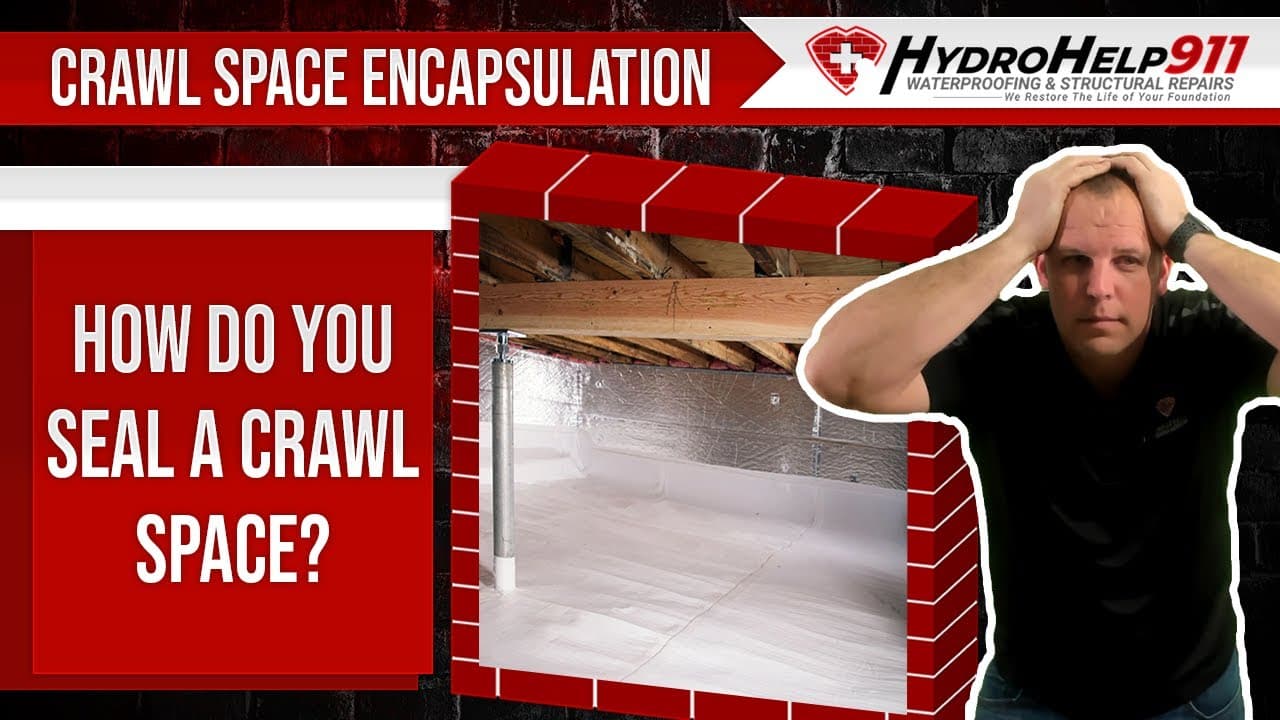
Our team walks through this on camera.
Each method fits a different cause. The free inspection shows which one your crawl space encapsulation problem calls for. The full list is on the solutions page.
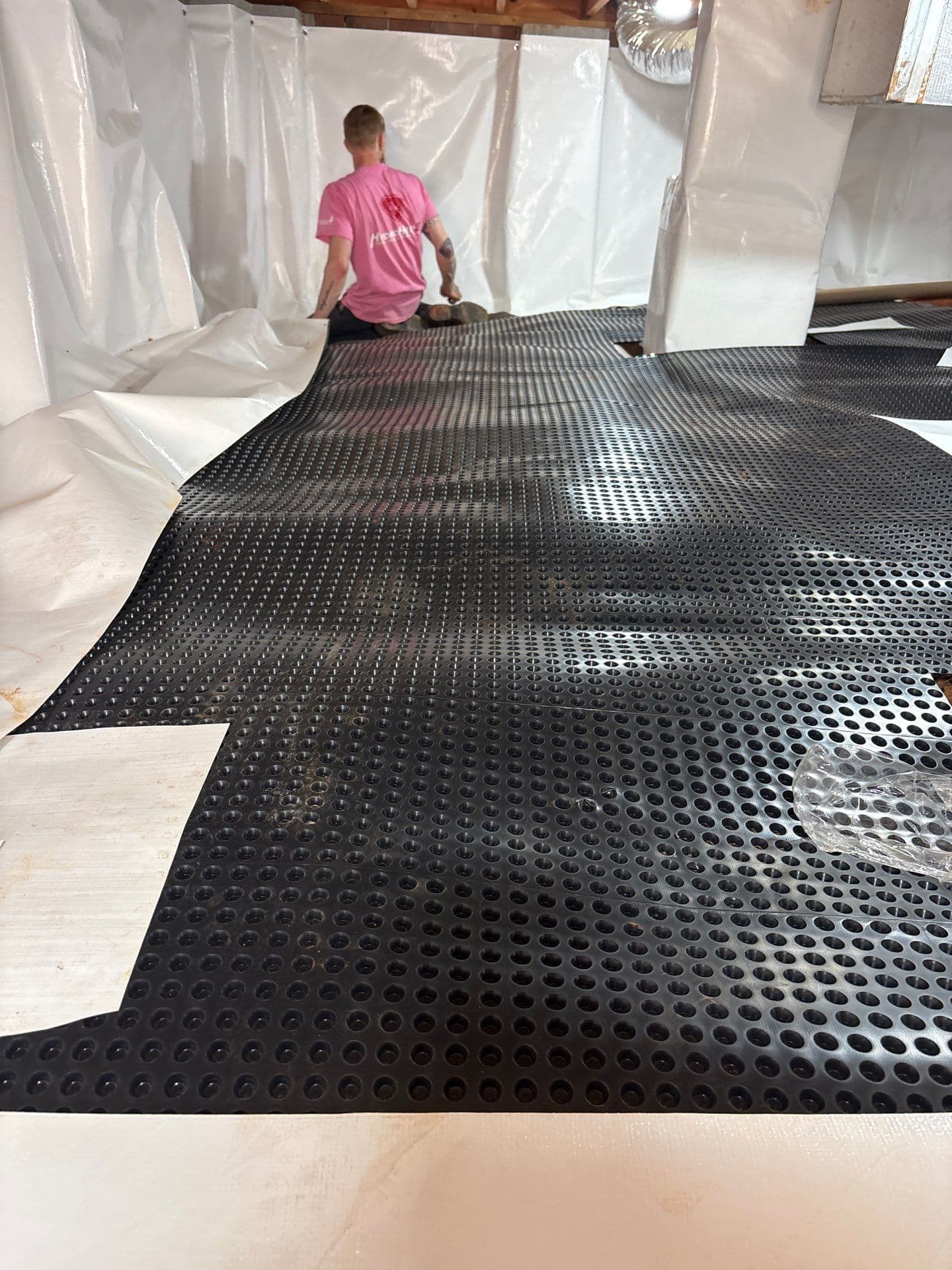
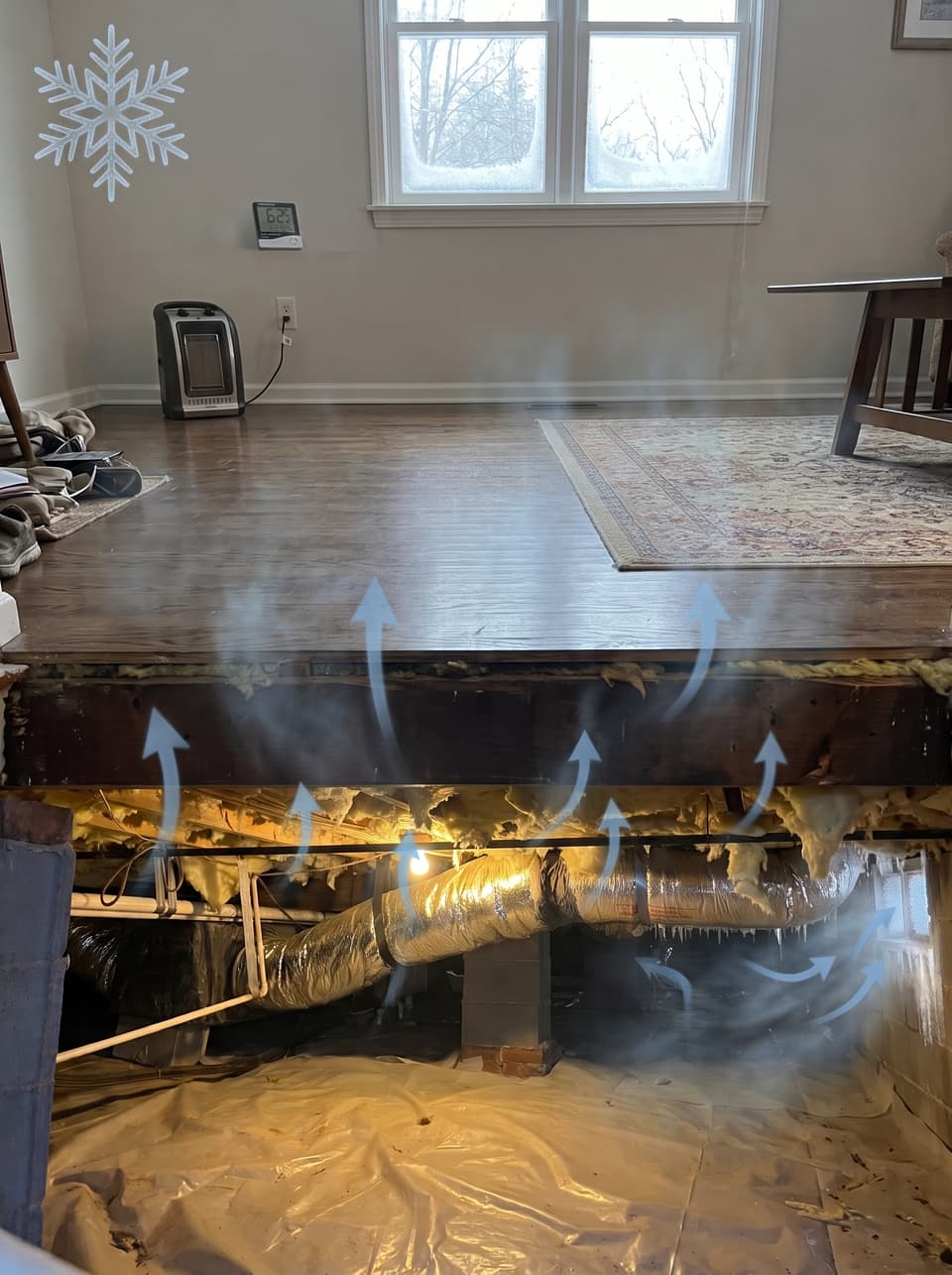
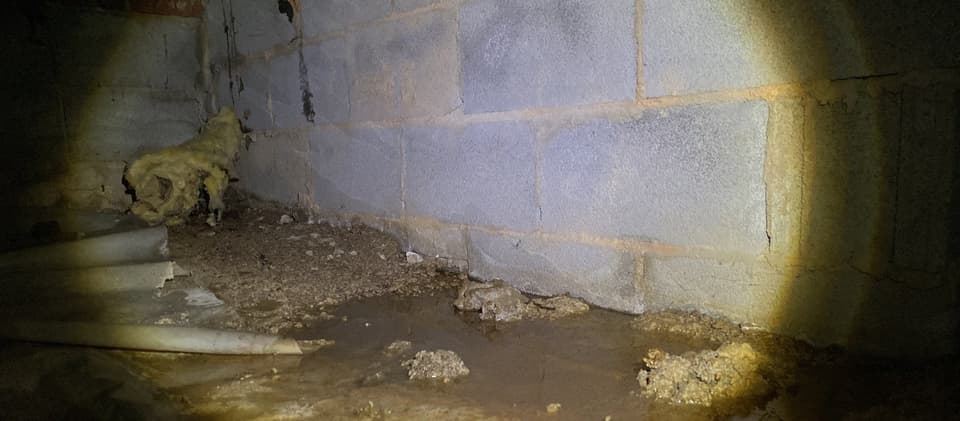
Encapsulation seals out vapor and humid air, but it cannot hold liquid water.
Learn More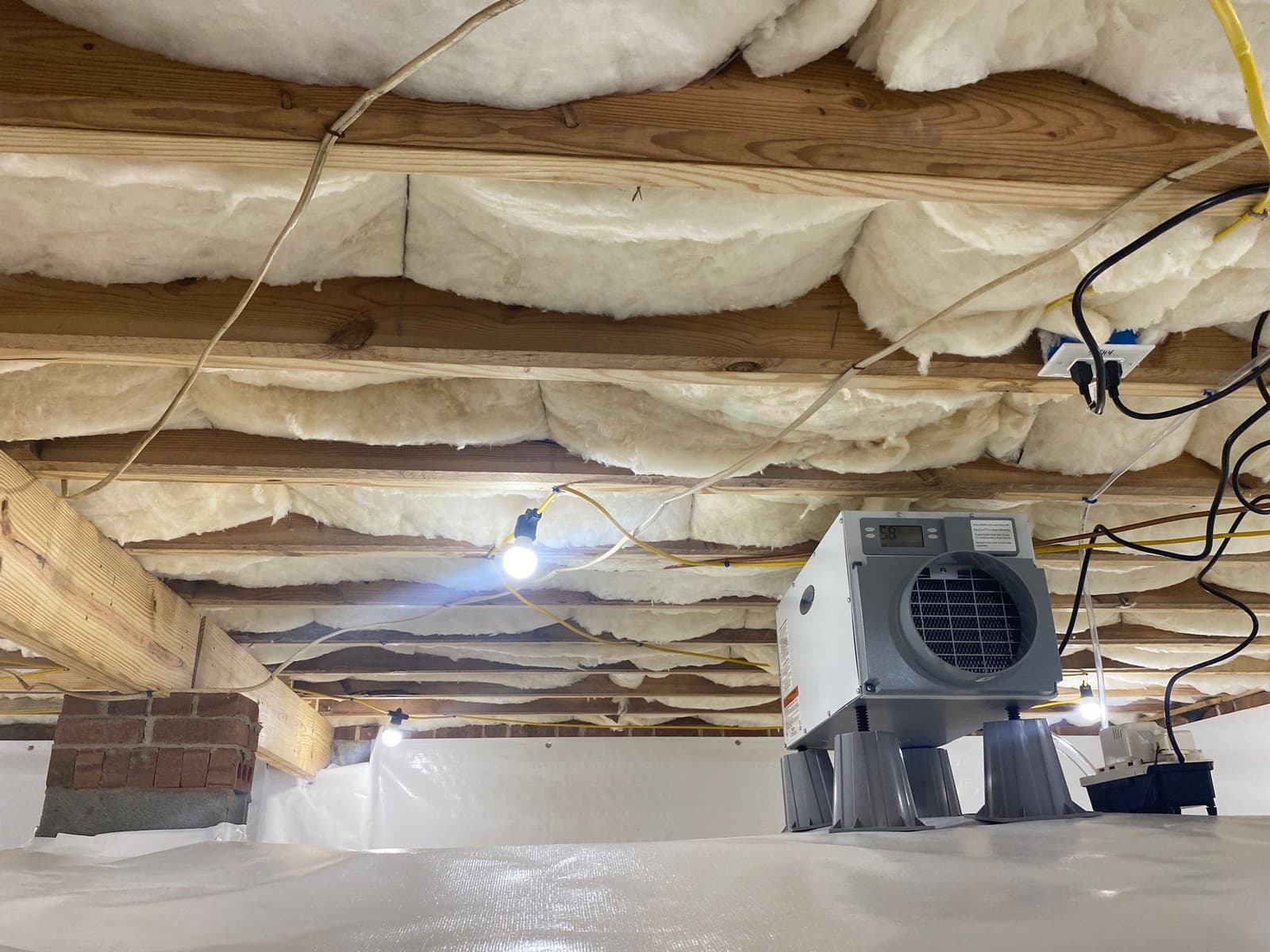
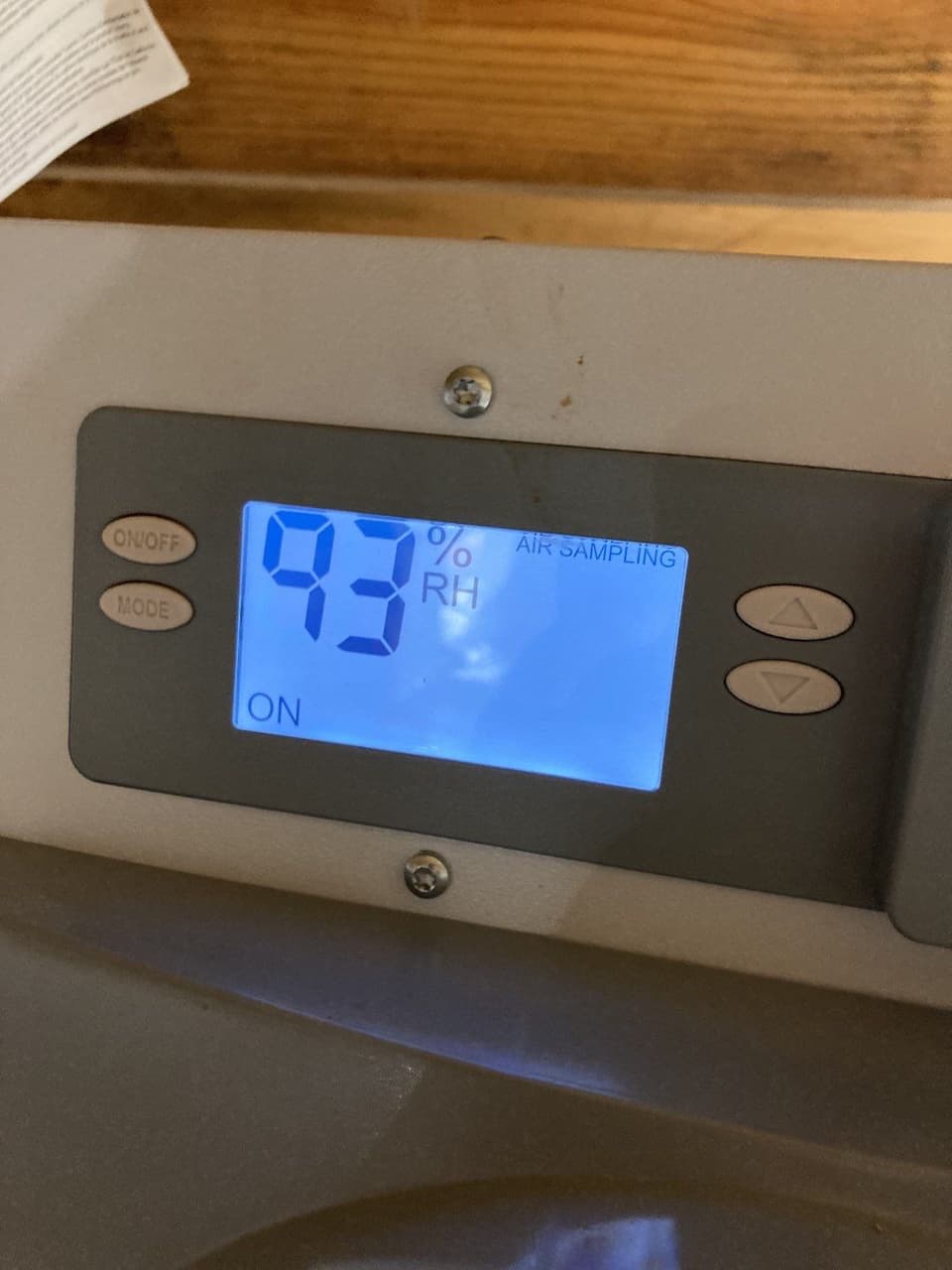
Once your crawl space is sealed, a dehumidifier built for crawl spaces manages the humidity that remains in the conditioned air, so condensation, musty odors, and damp framing have less room to develop.
Learn More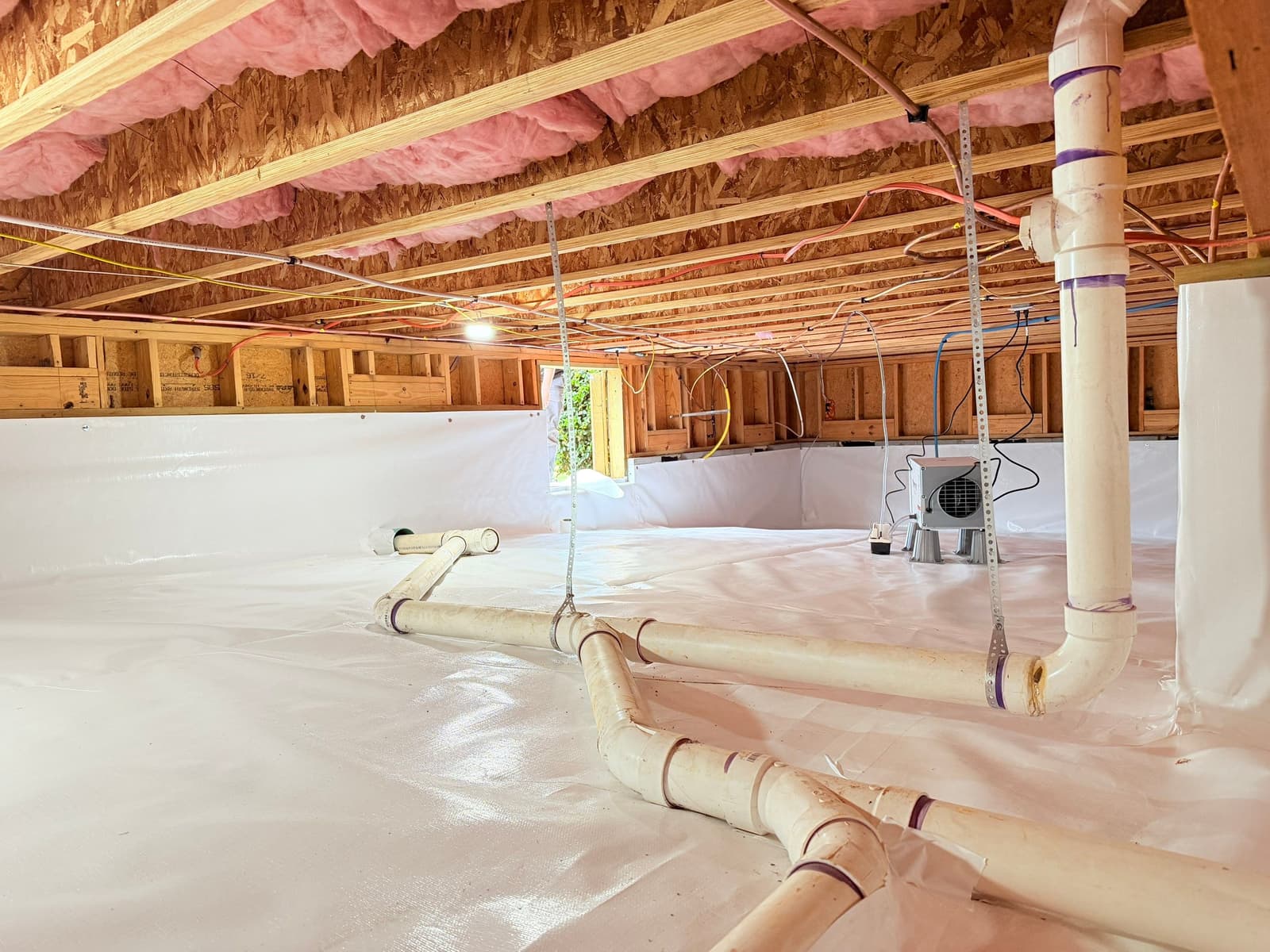
Vent sealing closes the open vents in your foundation walls so humid Carolina air, drafts, and pests can no longer move under your home.
Learn More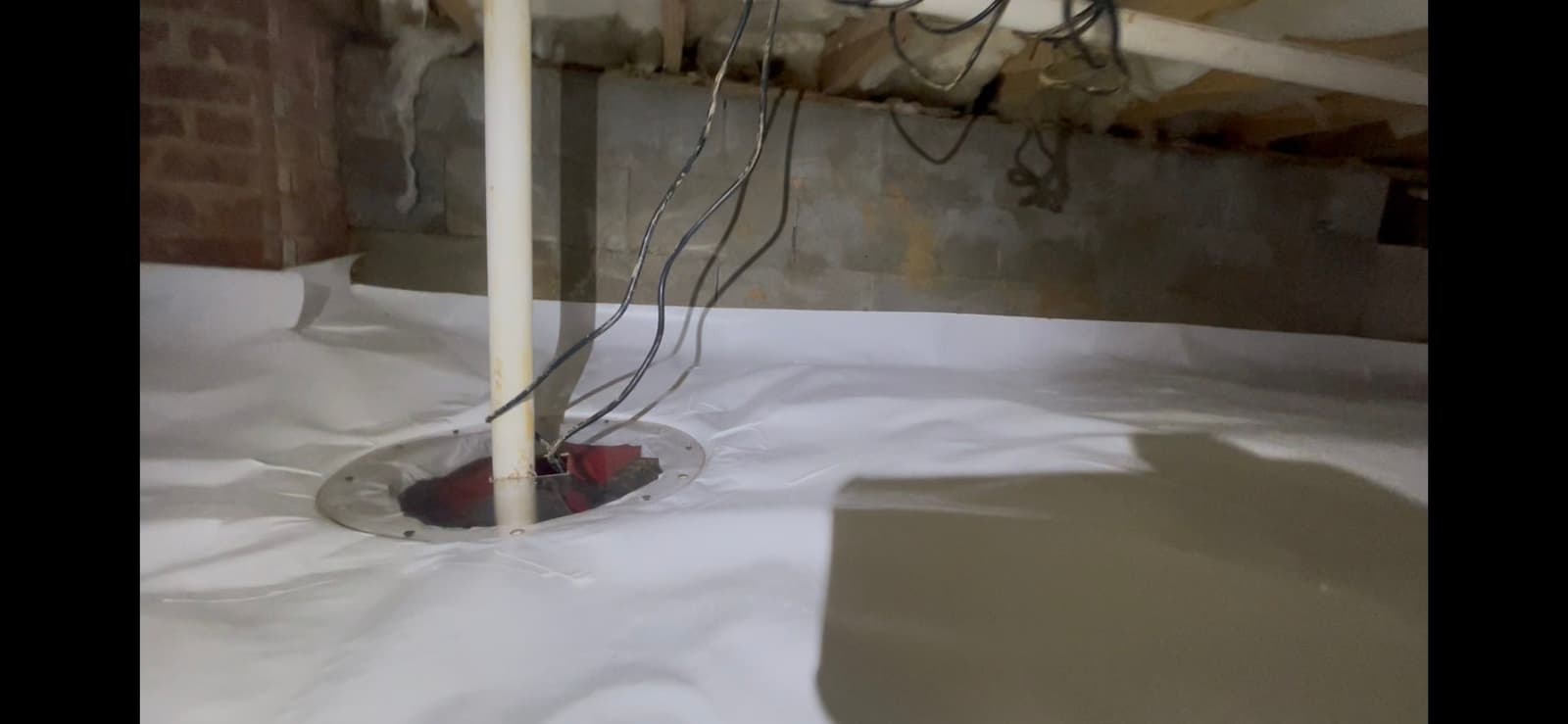
Encapsulation seals out moisture vapor and humidity, but it does not stop liquid groundwater from rising under your Carolina home.
Learn More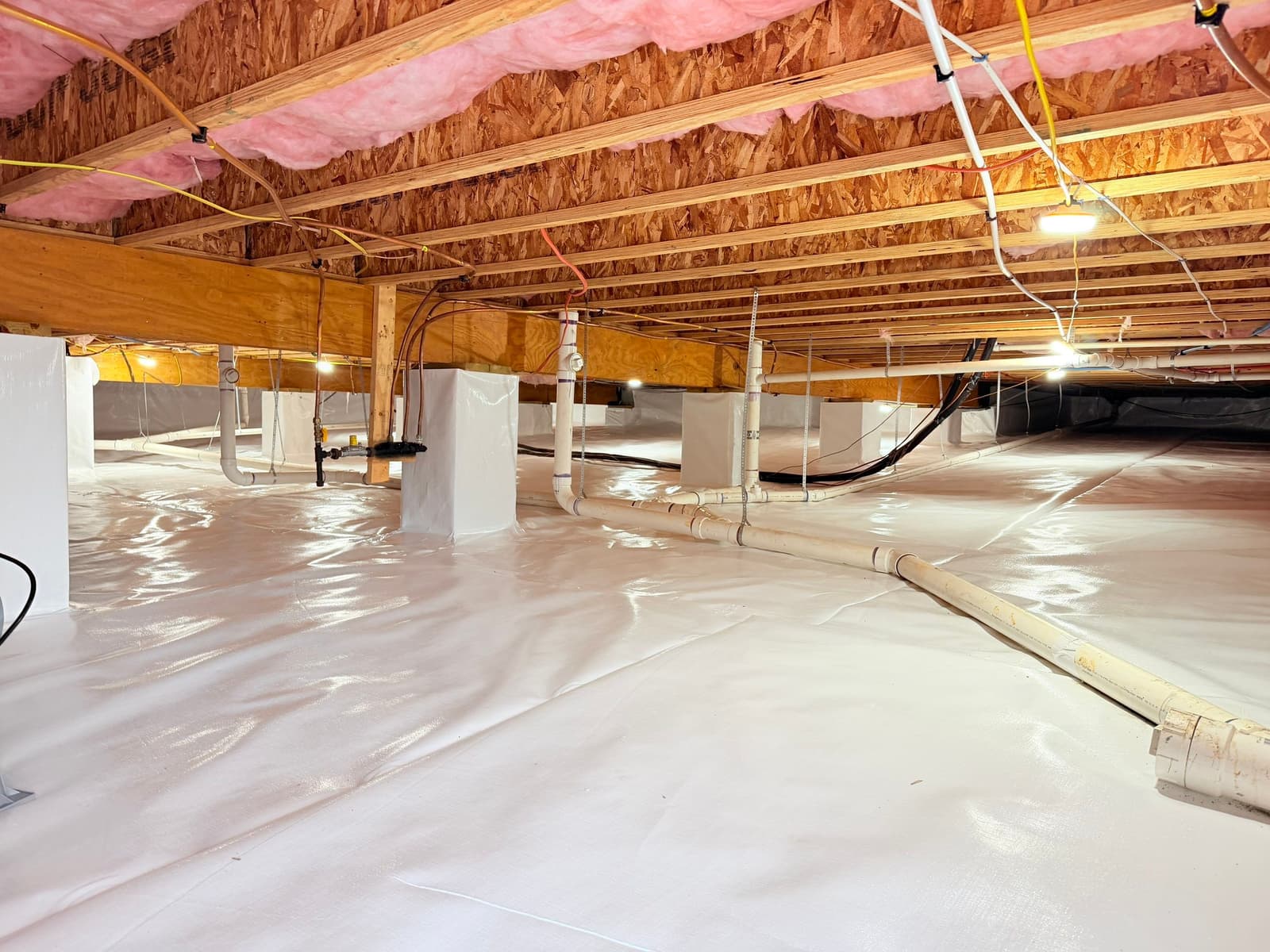
Installing or replacing crawl space insulation the right way for an encapsulated Carolina crawl space, so your home holds a more even temperature, your floors feel warmer, and less conditioned air is lost below the house.
Learn MorePhotos from our own crews and projects. Swipe or use the arrows to see more.
Pick the symptom that best fits. We'll tell you what it likely means and where to go next.
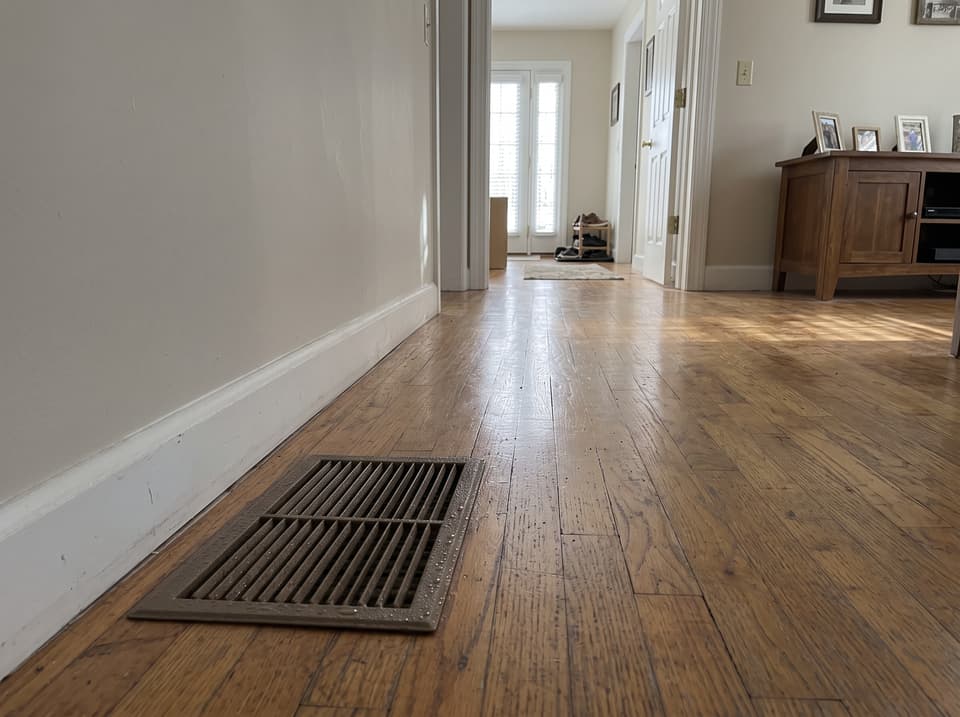
These are the crawl space encapsulation signs homeowners notice most often. Each page explains what the sign can mean and how an inspection confirms the cause.
Finished crawl space encapsulation jobs from our crews, photographed on site. Pick a service to see more of our work, or open any project for the full photo set.
Fayetteville, NC
Crawl space encapsulation, completed in October 2026.
View project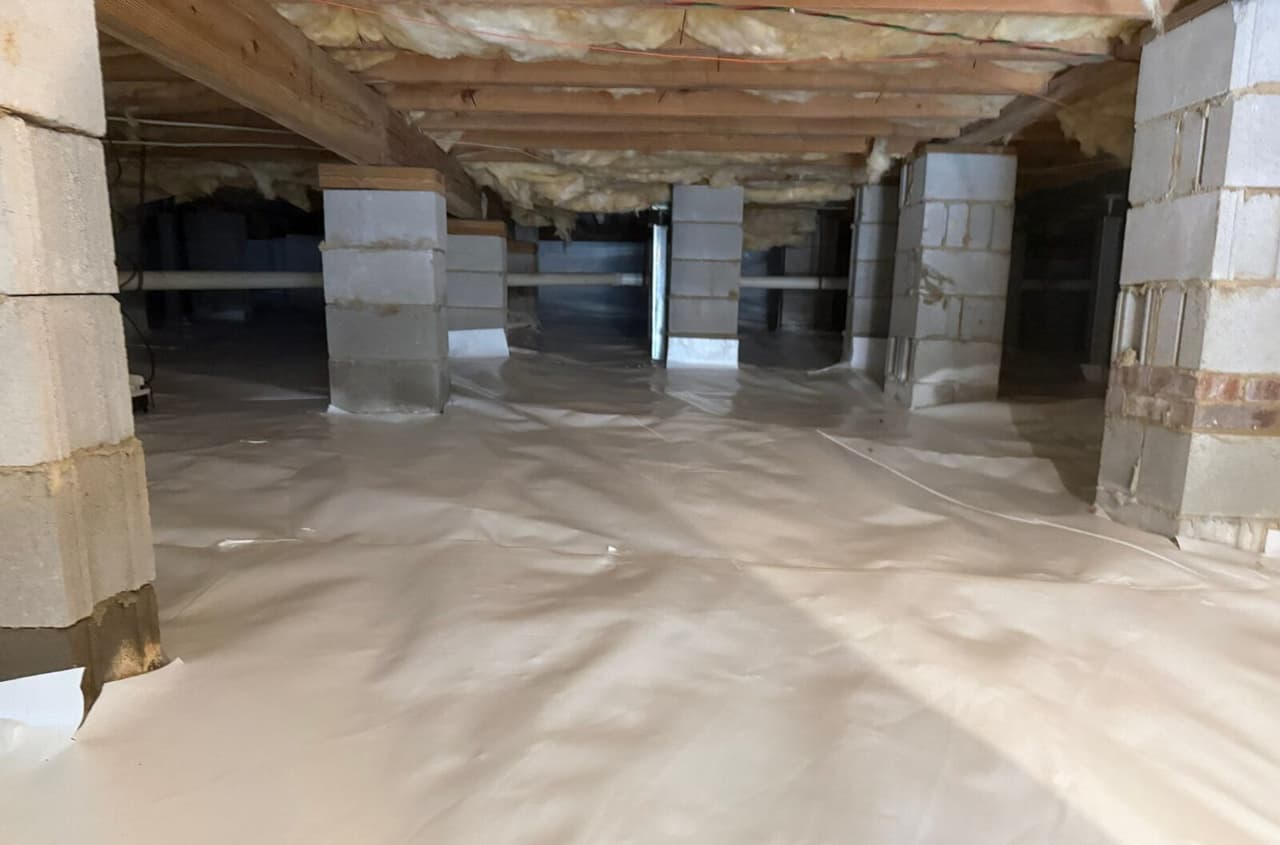
Elgin, SC
Crawl space encapsulation with support jacks under the beams, completed in September 2026.
View project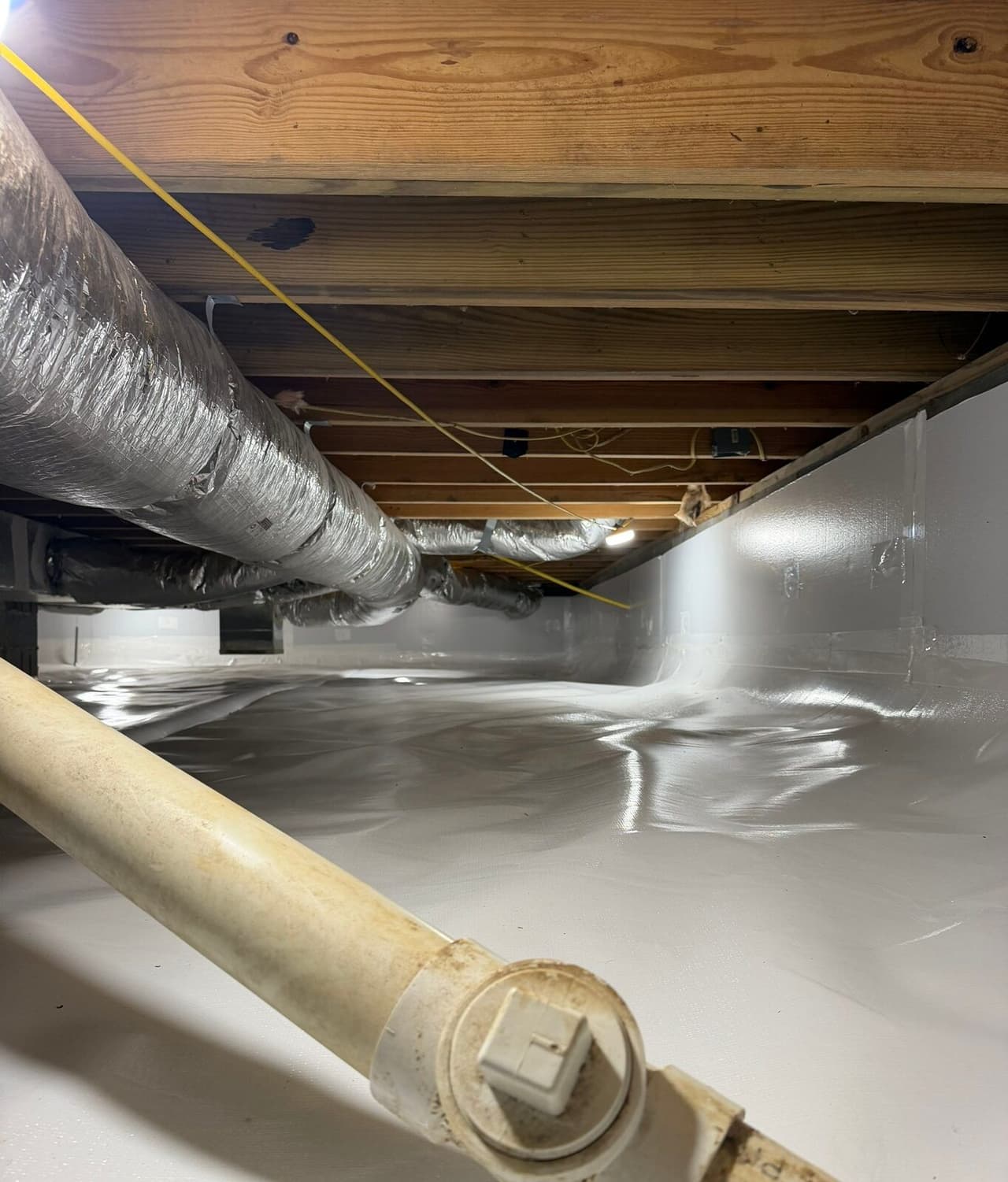
Burnsville, NC
Crawl space encapsulation with an interior drainage system, completed in September 2026.
View project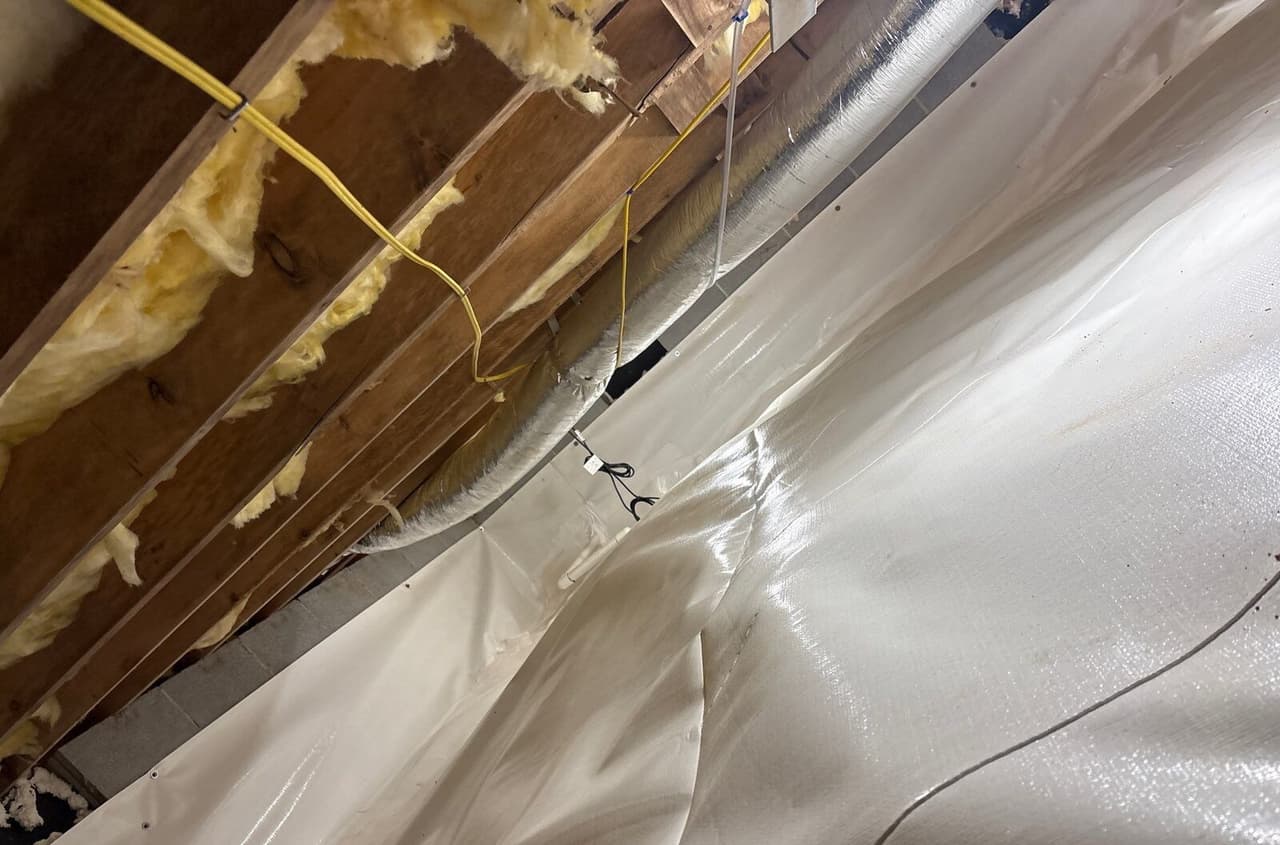
Hendersonville, NC
Crawl space encapsulation with a dehumidifier and structural repair, completed in September 2026.
View project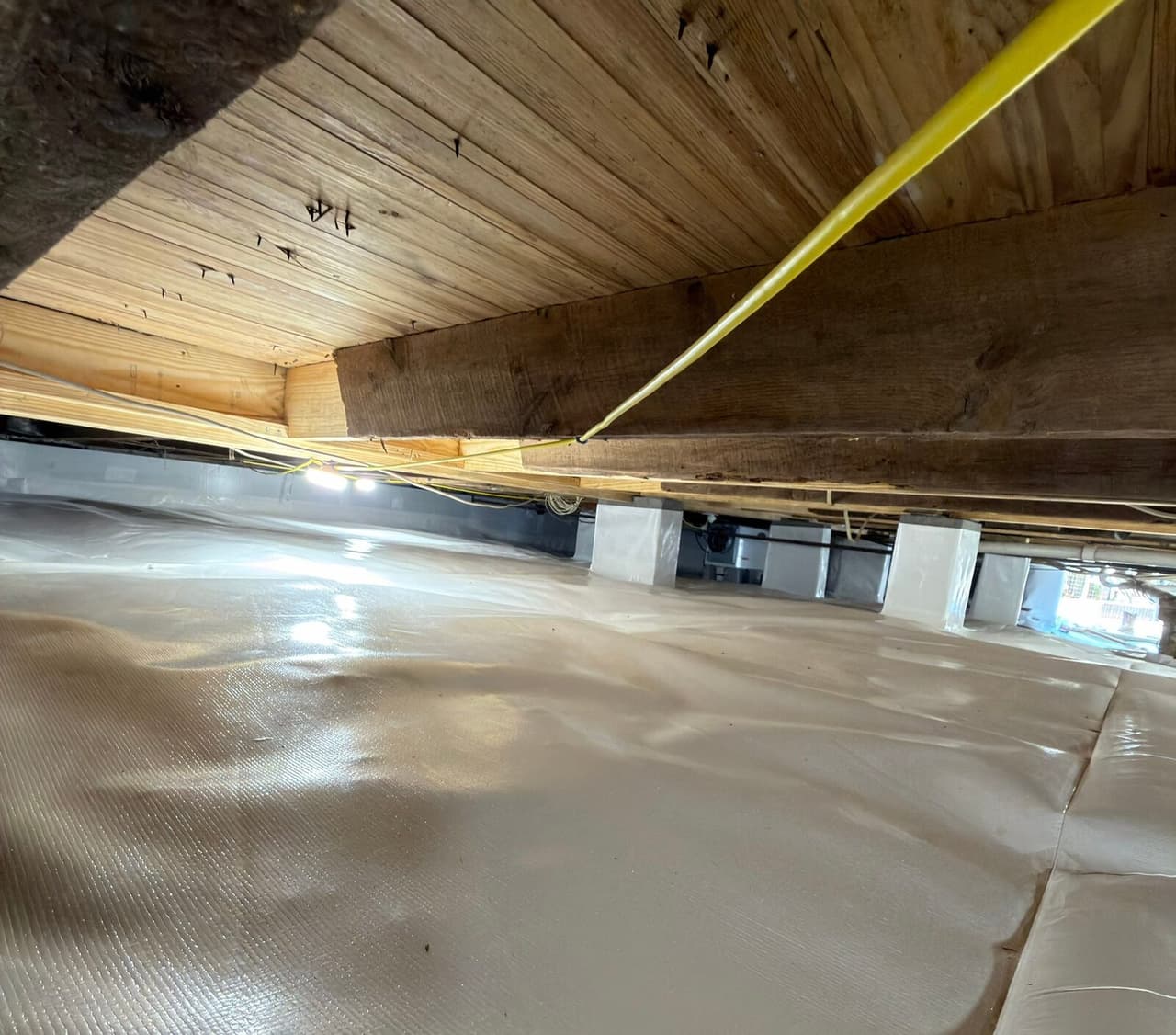
Gastonia, NC
Crawl space encapsulation with sistered floor joists, completed in September 2026.
View project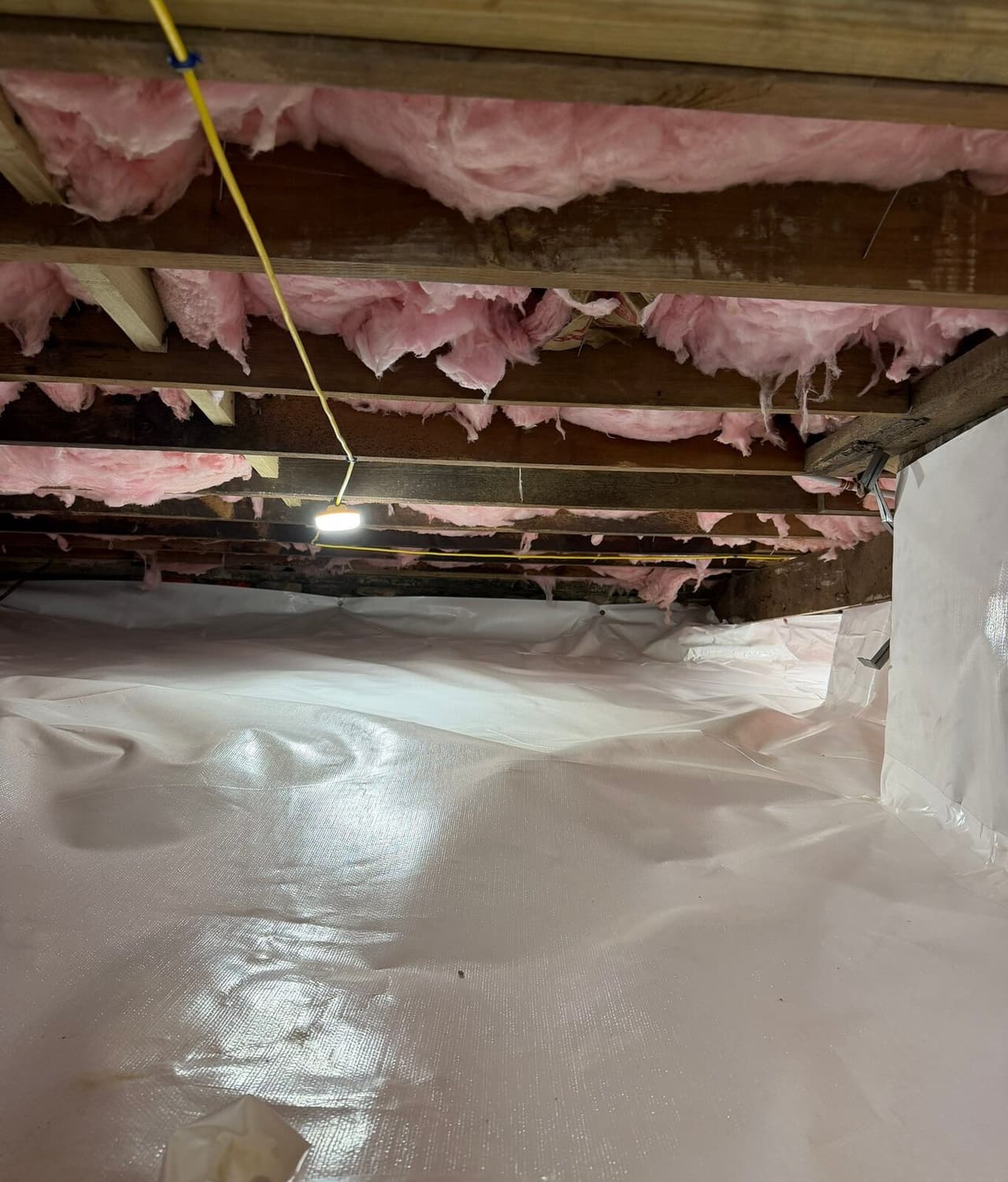
Asheville, NC
Crawl space encapsulation with support jacks under the beams and girder beam work, completed in September 2026.
View project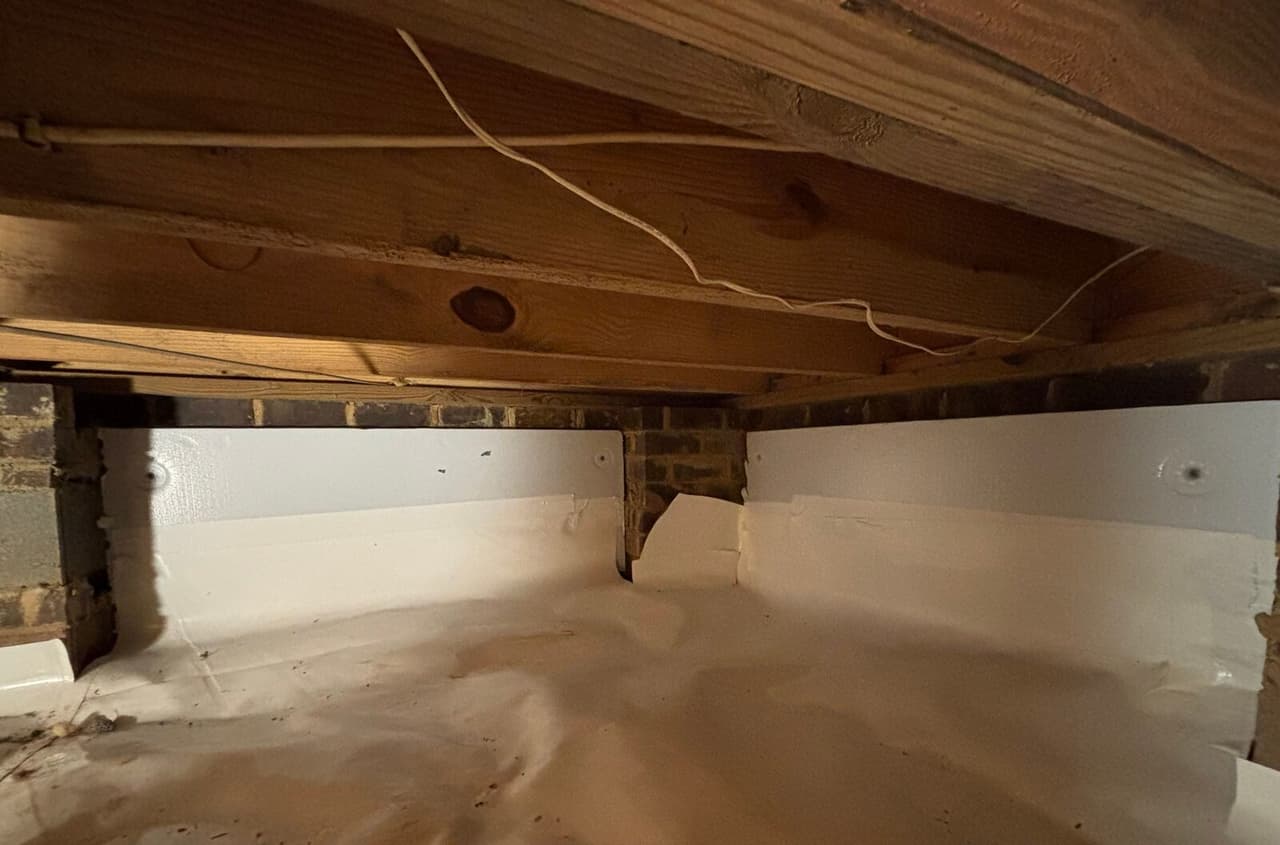
Charlotte, NC
Crawl space encapsulation with foam board insulation, completed in September 2026.
View project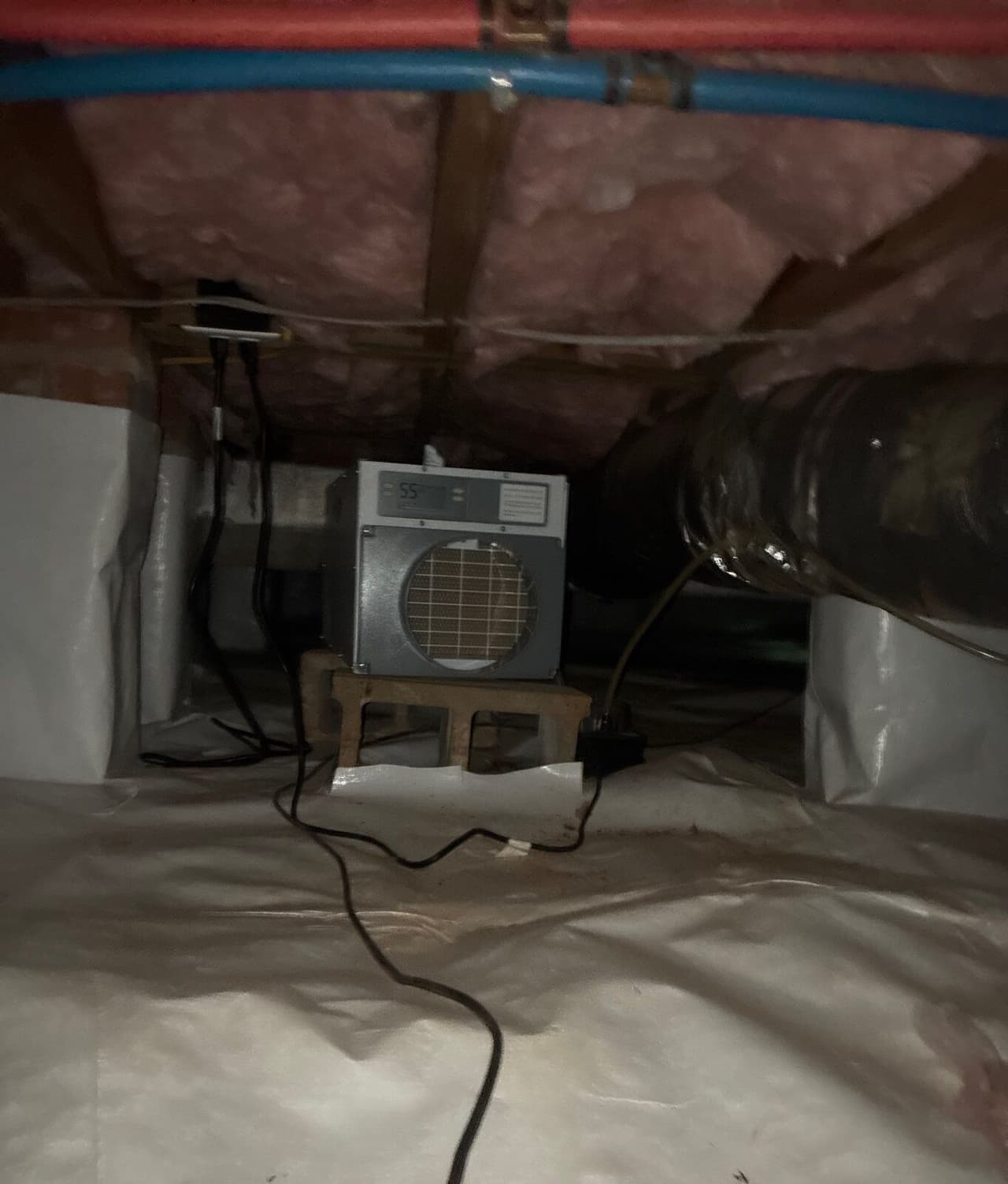
Denver, NC
Crawl space encapsulation with a dehumidifier, completed in September 2026.
View project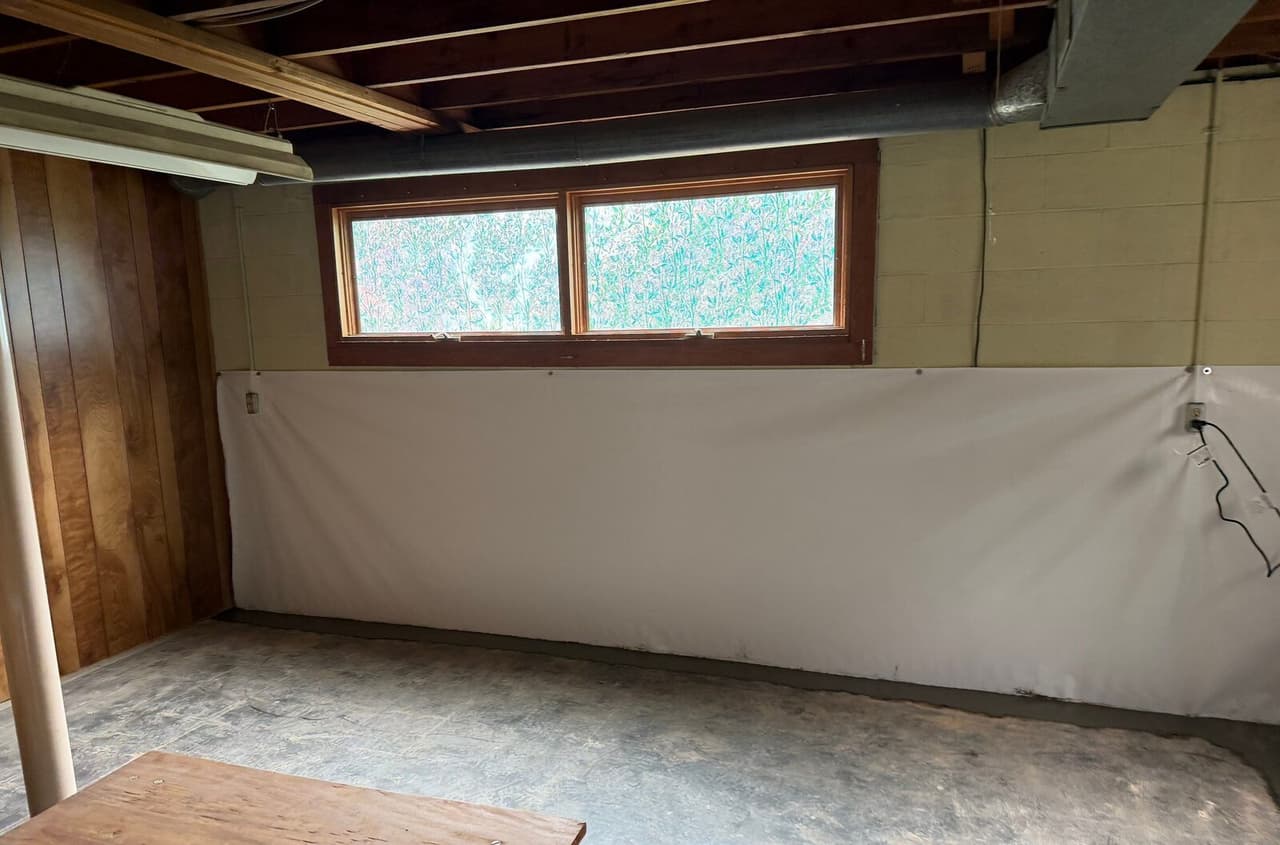
Clyde, NC
Basement waterproofing with crawl space encapsulation and a sump pump, completed in September 2026.
View project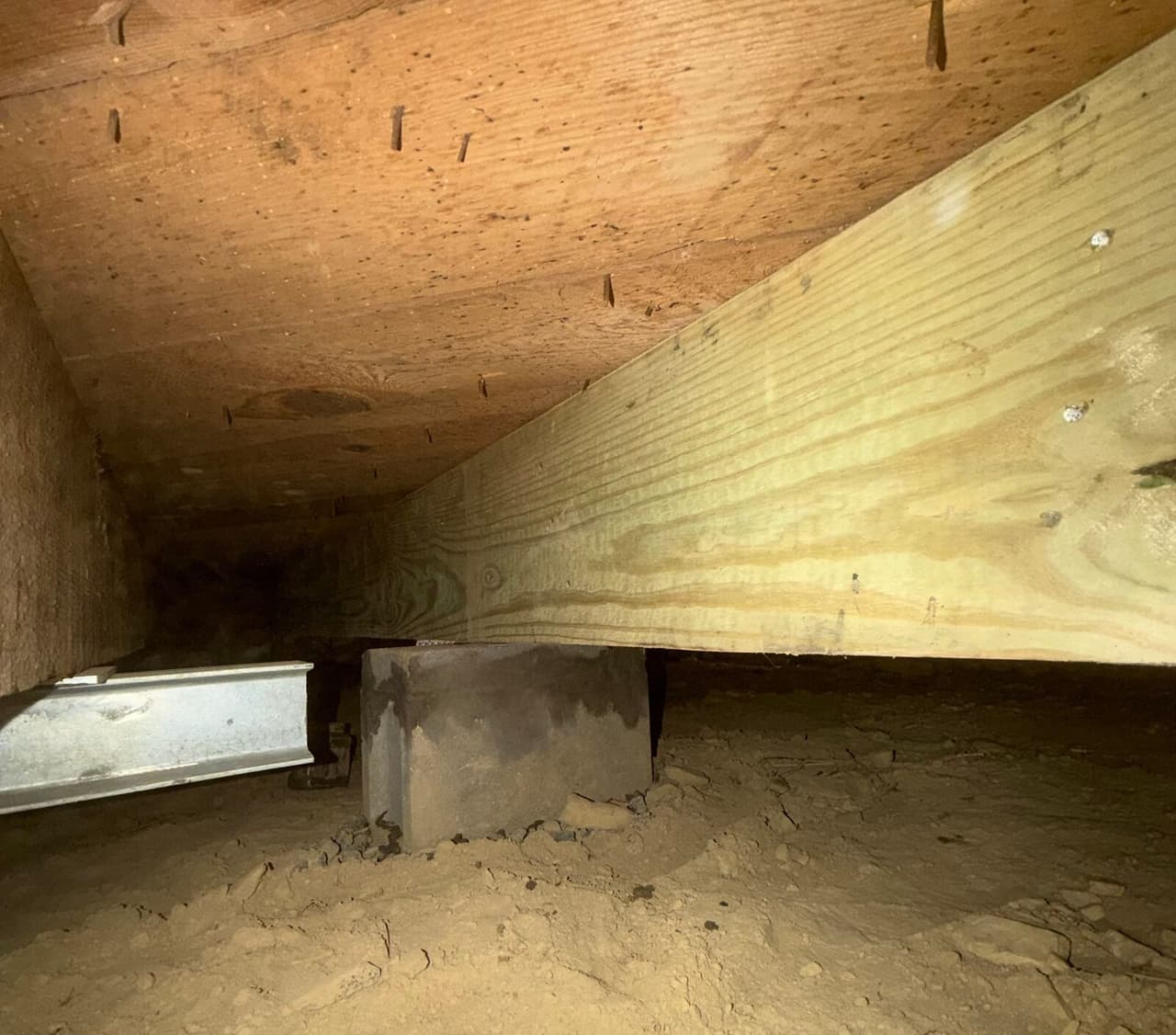
Marshville, NC
Framing repair with sistered floor joists and girder beam work, completed in September 2026.
View project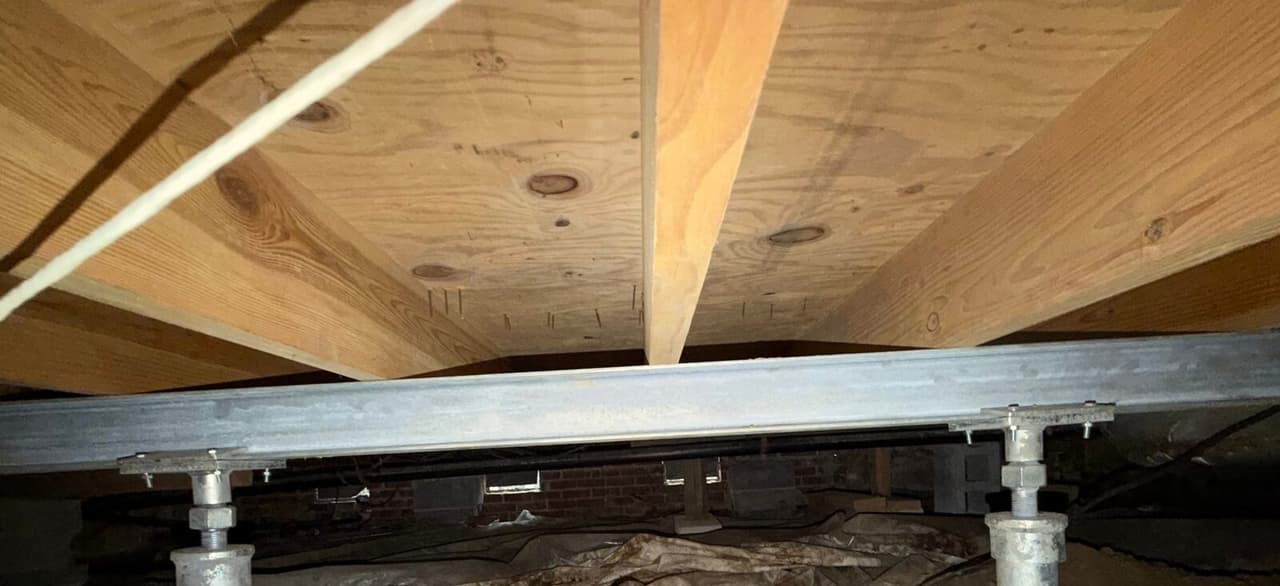
High Point, NC
Framing repair with support jacks under the beams and girder beam work, completed in September 2026.
View project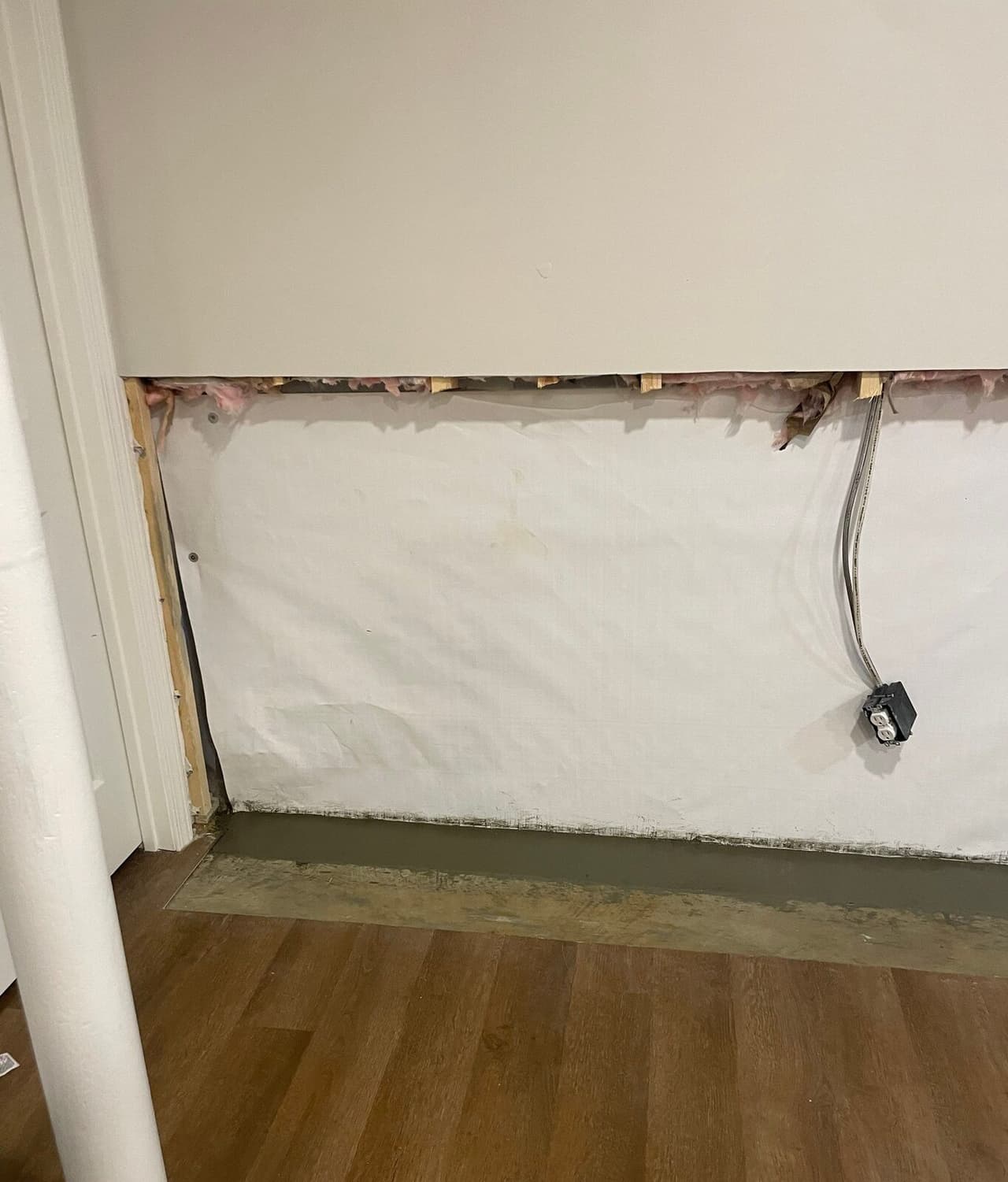
Asheville, NC
Basement waterproofing with basement drainage and a battery backup for the sump pump, completed in September 2026.
View project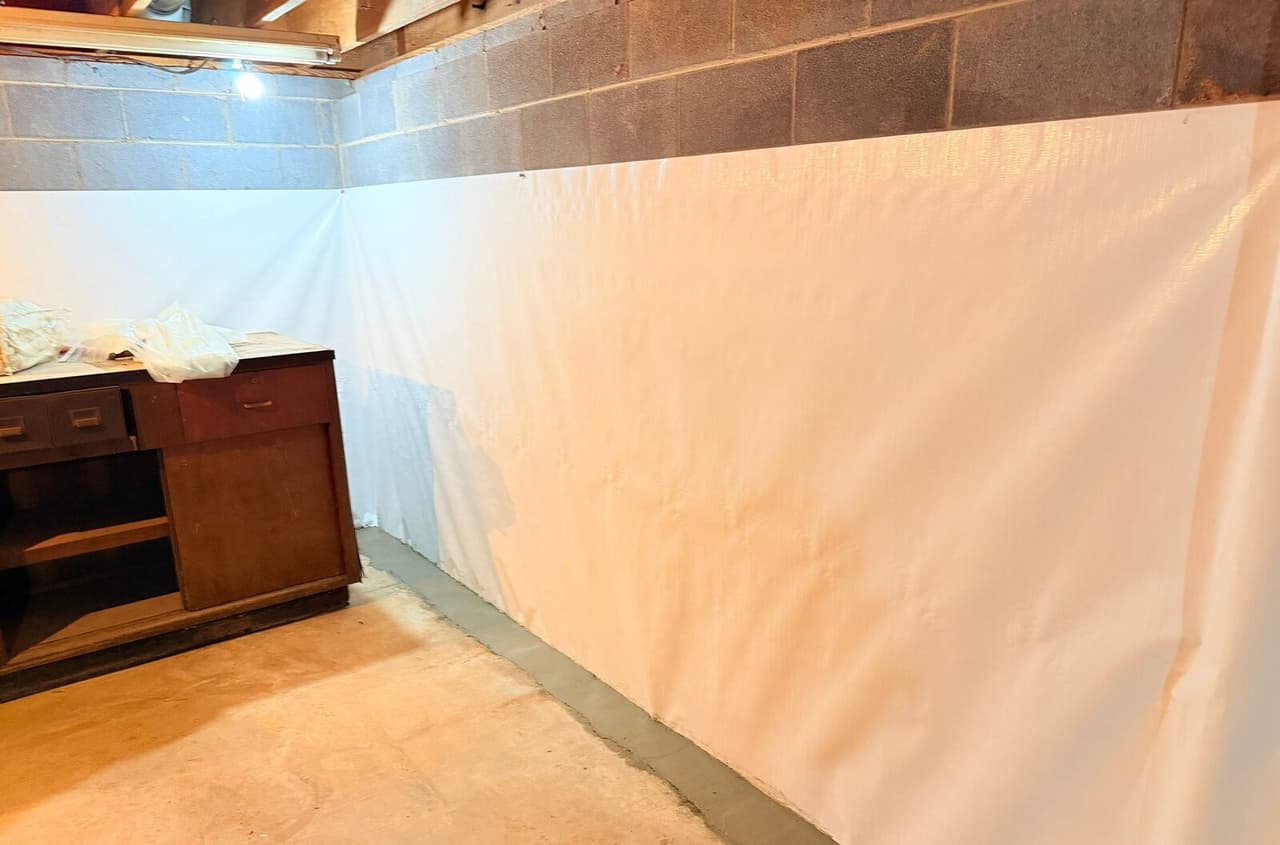
Asheville, NC
Basement waterproofing, completed in September 2026.
View project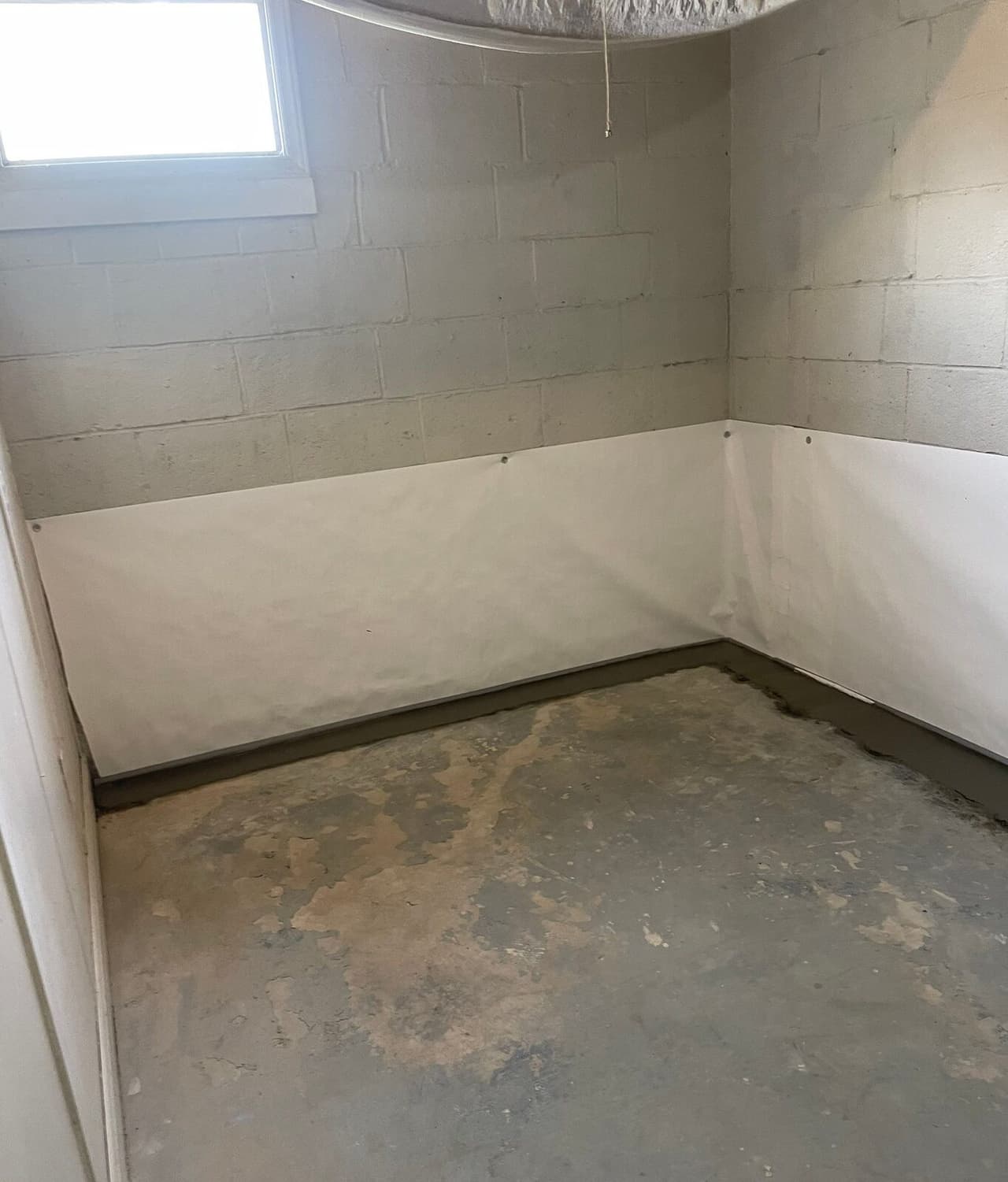
Gastonia, NC
Basement waterproofing with crawl space encapsulation and a sump pump, completed in August 2026.
View project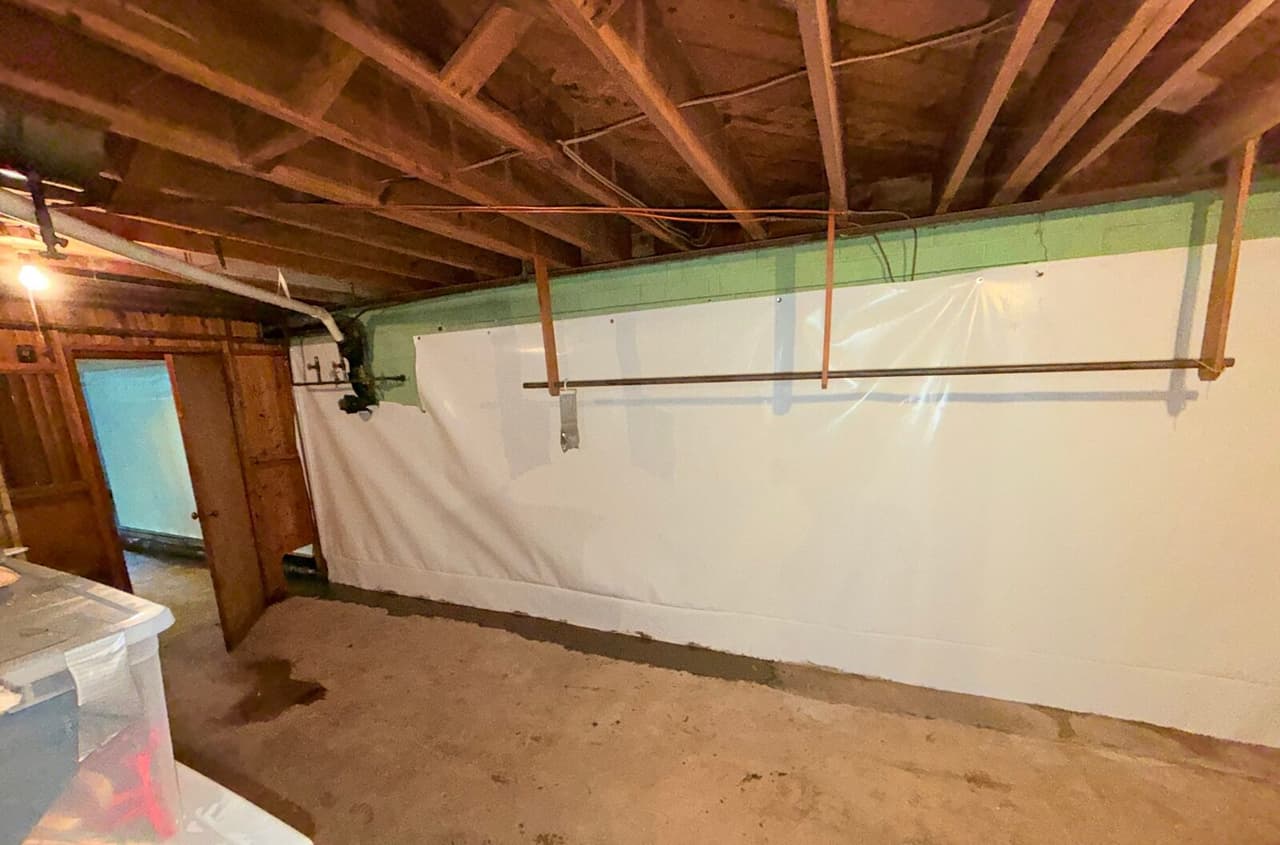
Asheville, NC
Basement waterproofing, completed in August 2026.
View project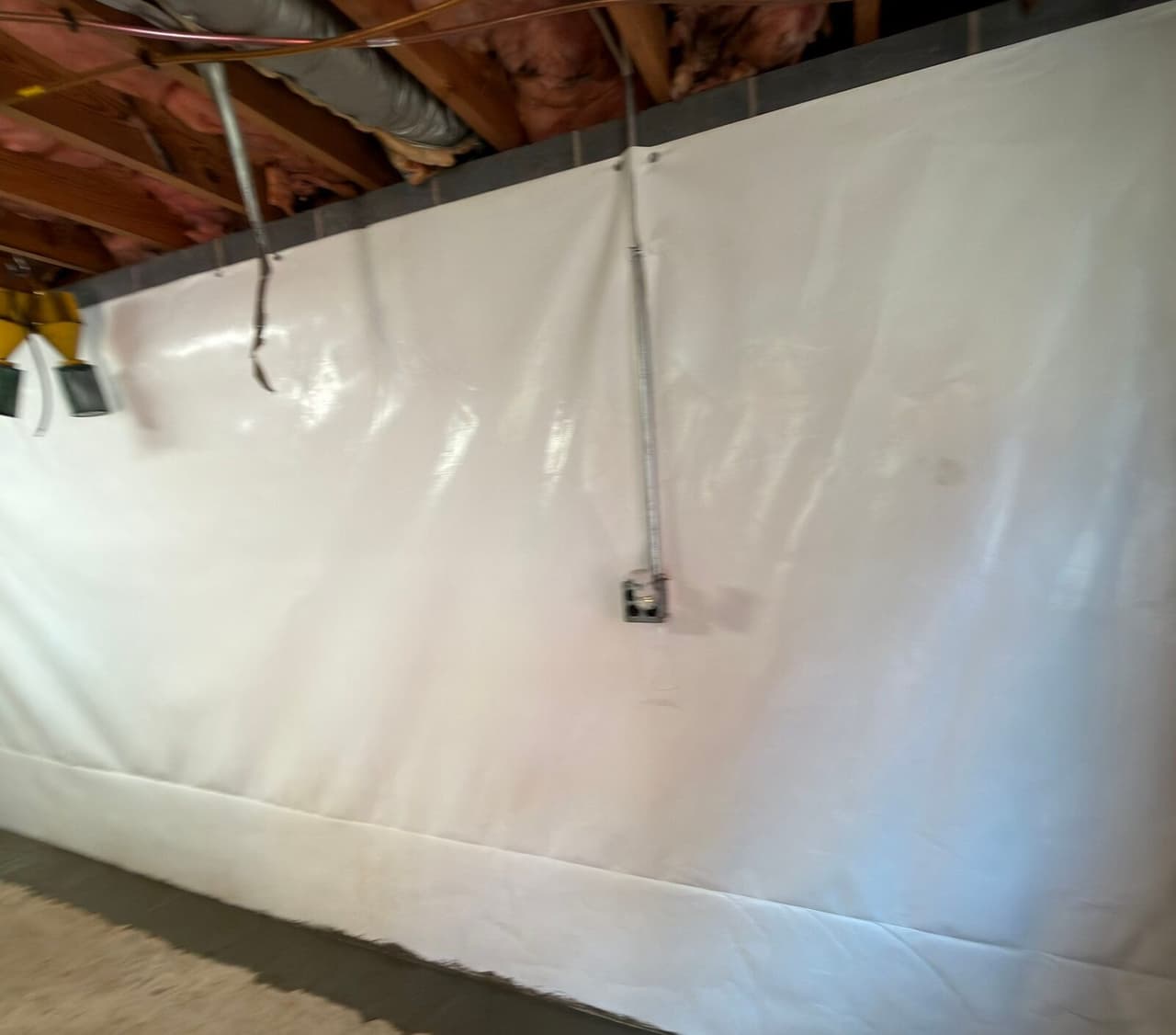
Hickory, NC
Basement waterproofing with a battery backup for the sump pump, completed in July 2026.
View project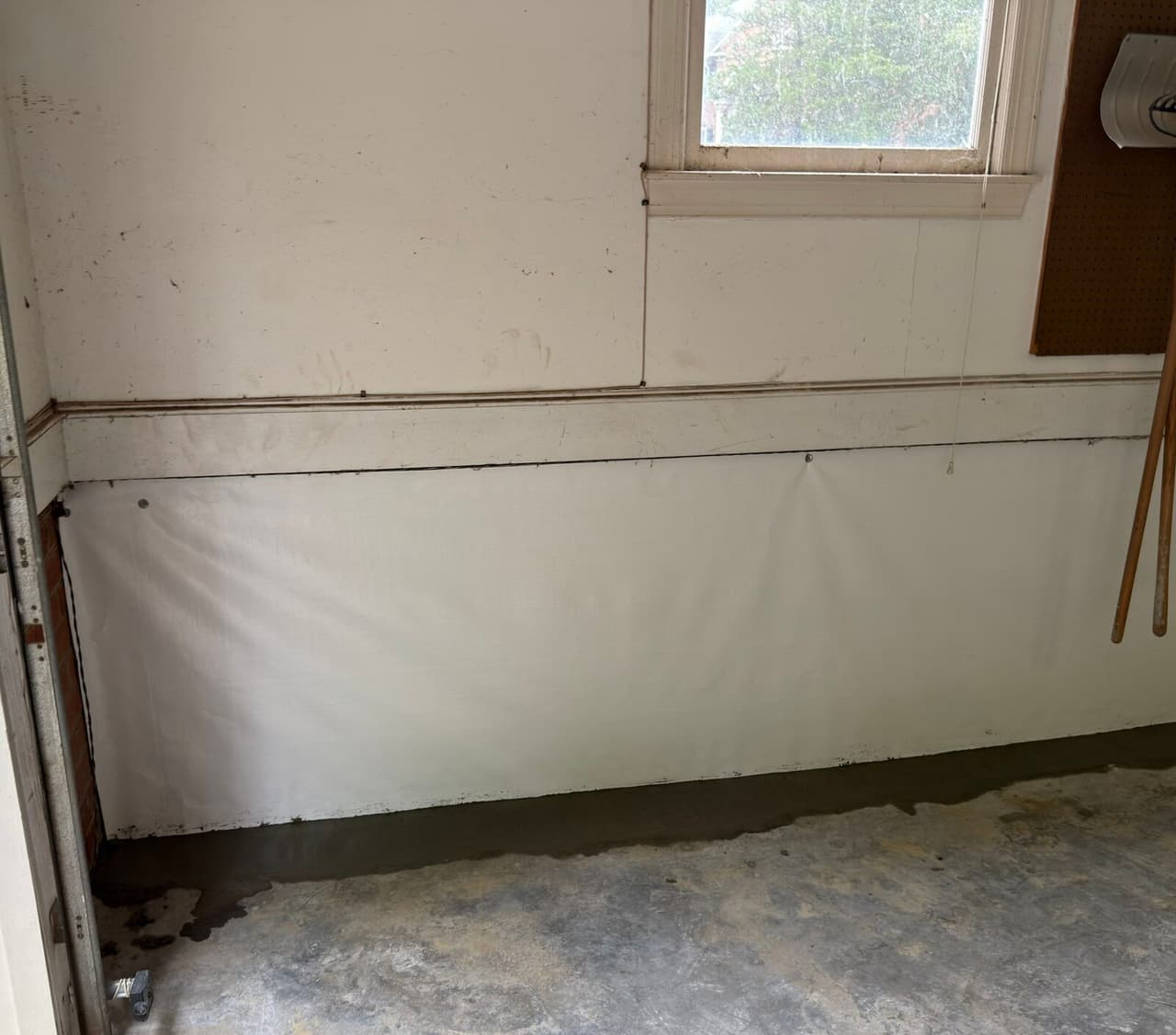
Charlotte, NC
Basement waterproofing, completed in July 2026.
View project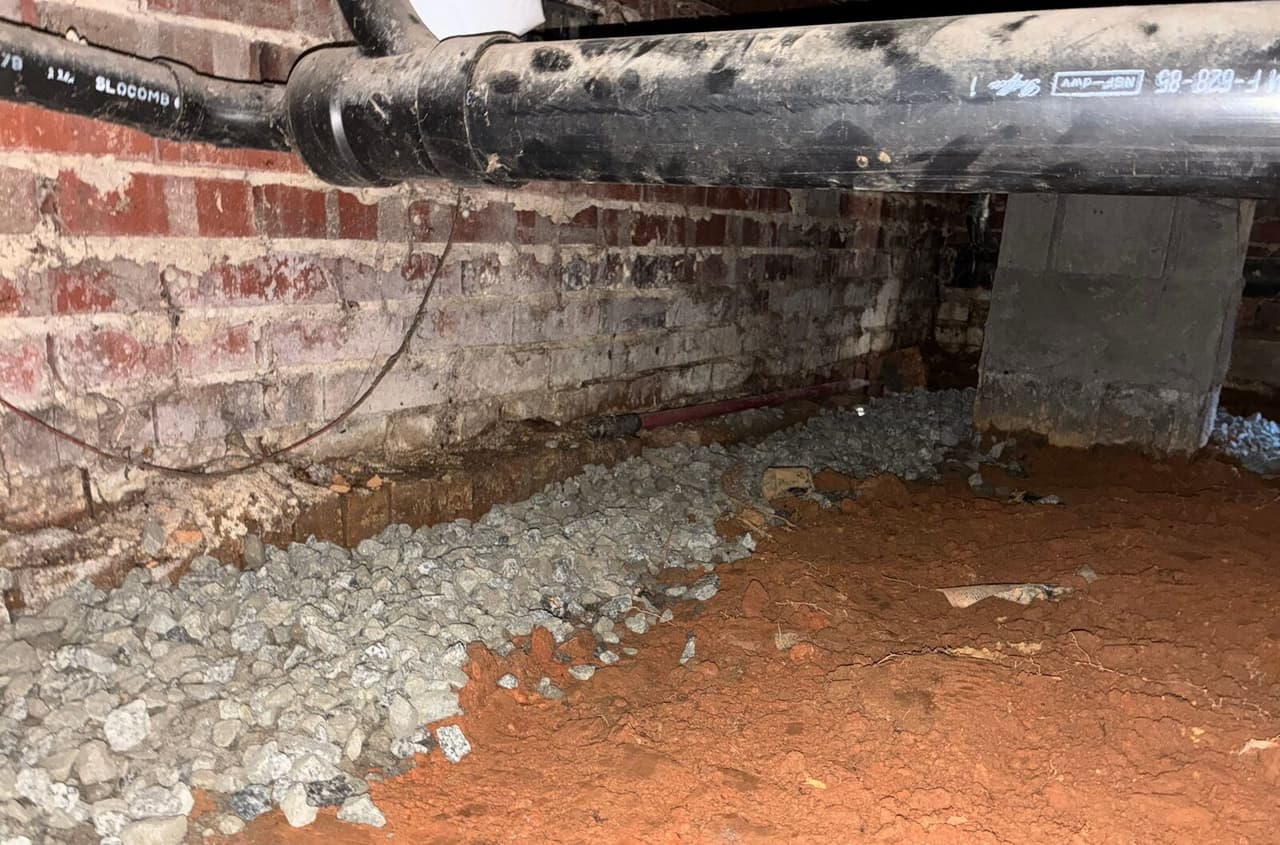
Statesville, NC
Basement waterproofing with crawl space drainage and a sump pump, completed in March 2026.
View project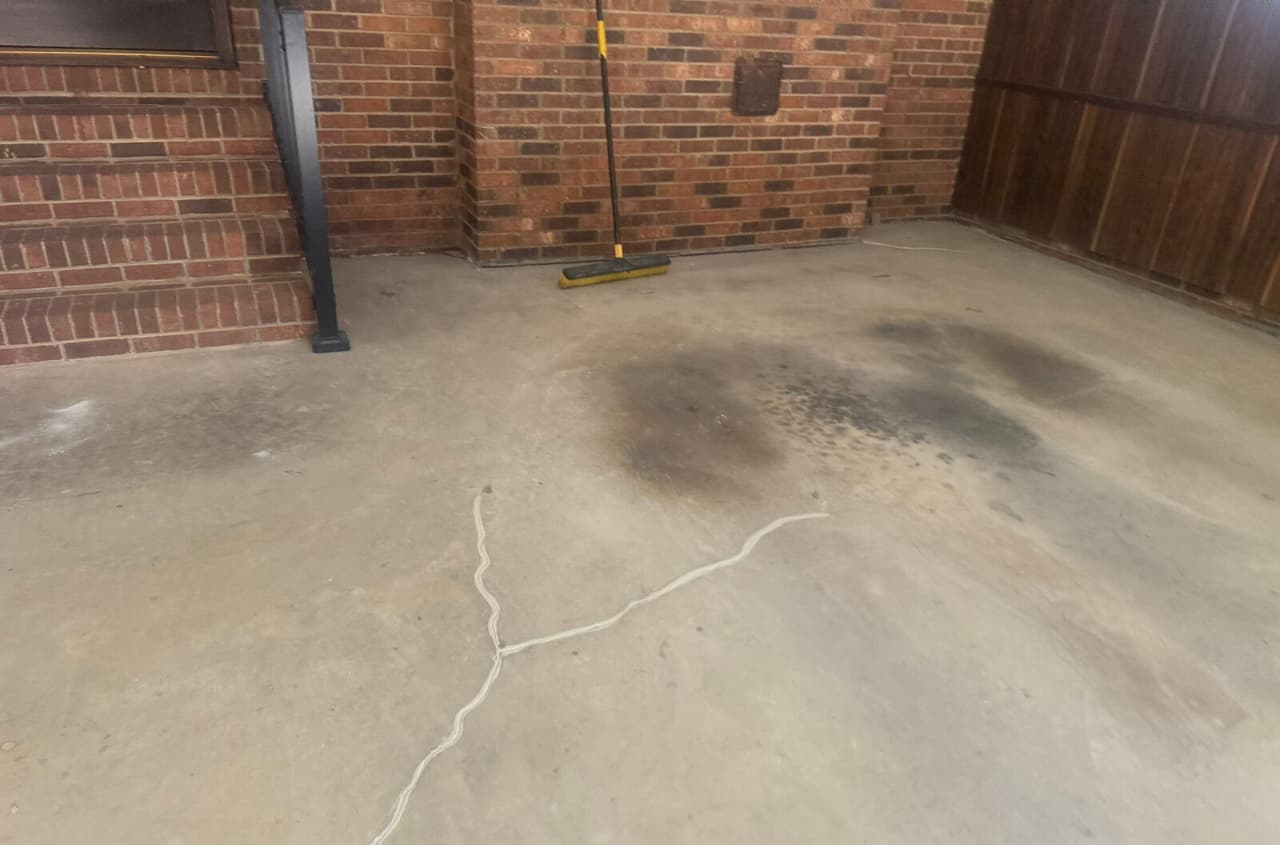
Dallas, NC
Concrete leveling with joint sealant, completed in September 2026.
View project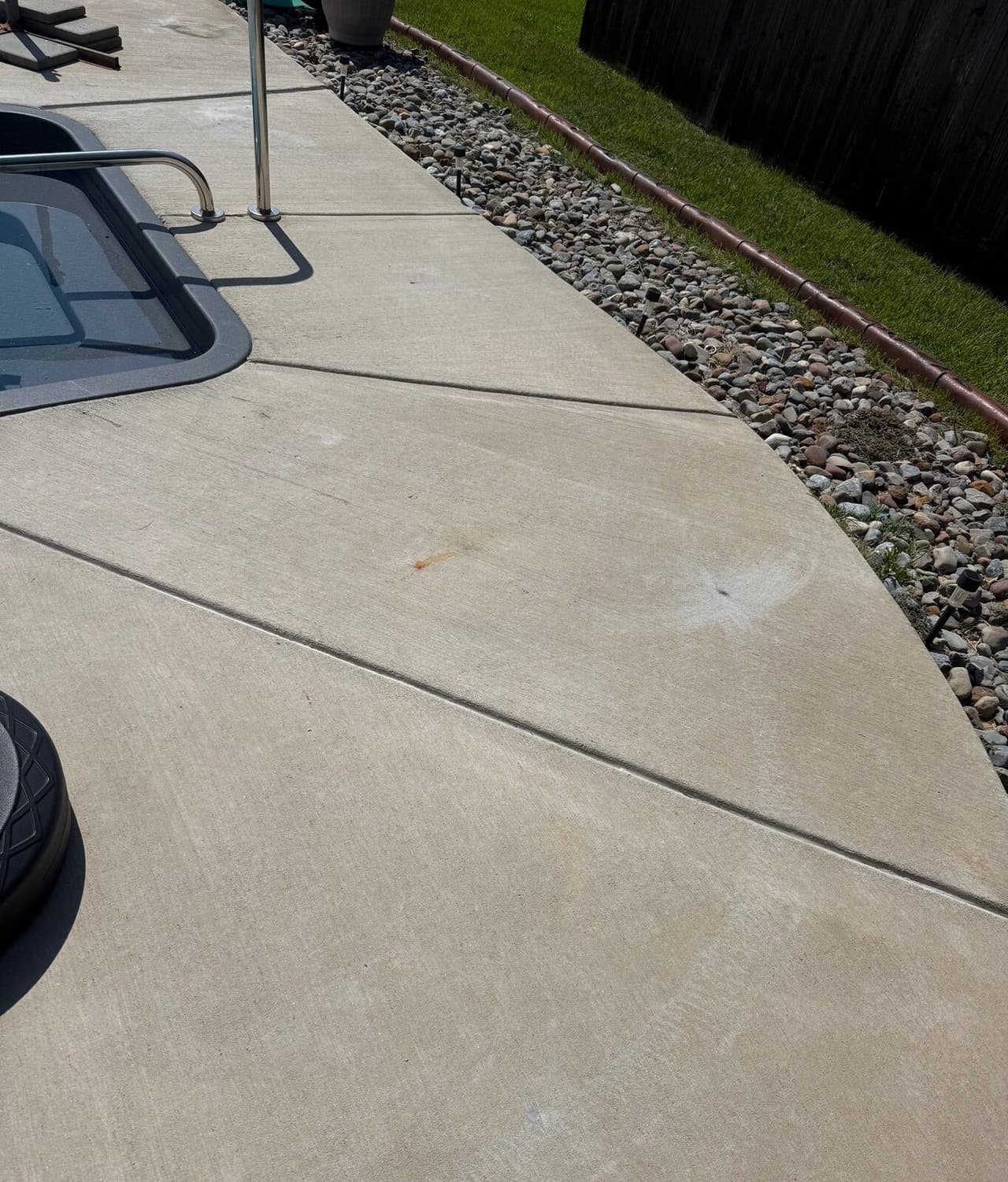
York, SC
Concrete leveling with polyurethane concrete lifting, completed in September 2026.
View project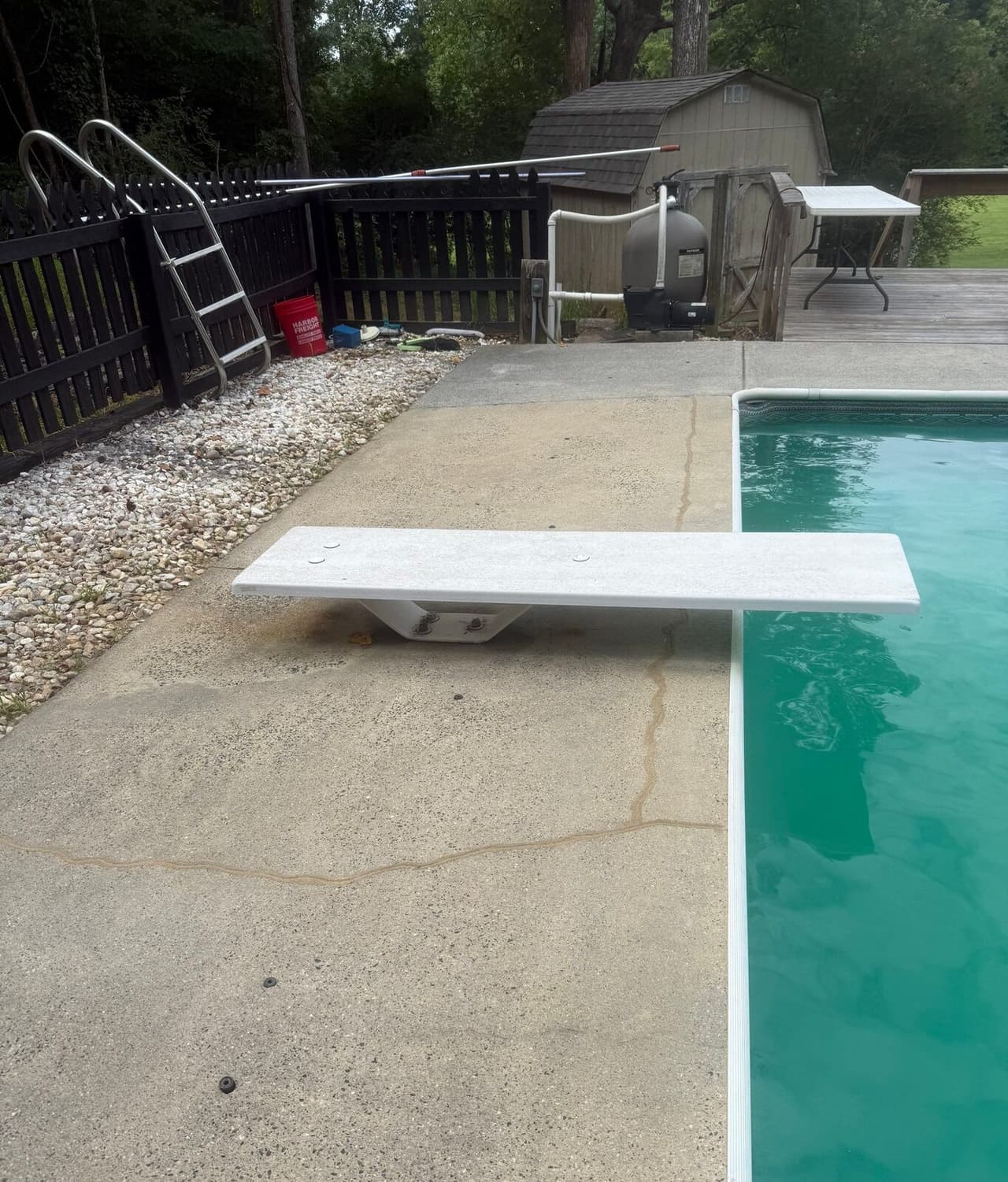
Gastonia, NC
Concrete leveling with polyurethane concrete lifting and joint sealant, completed in August 2026.
View project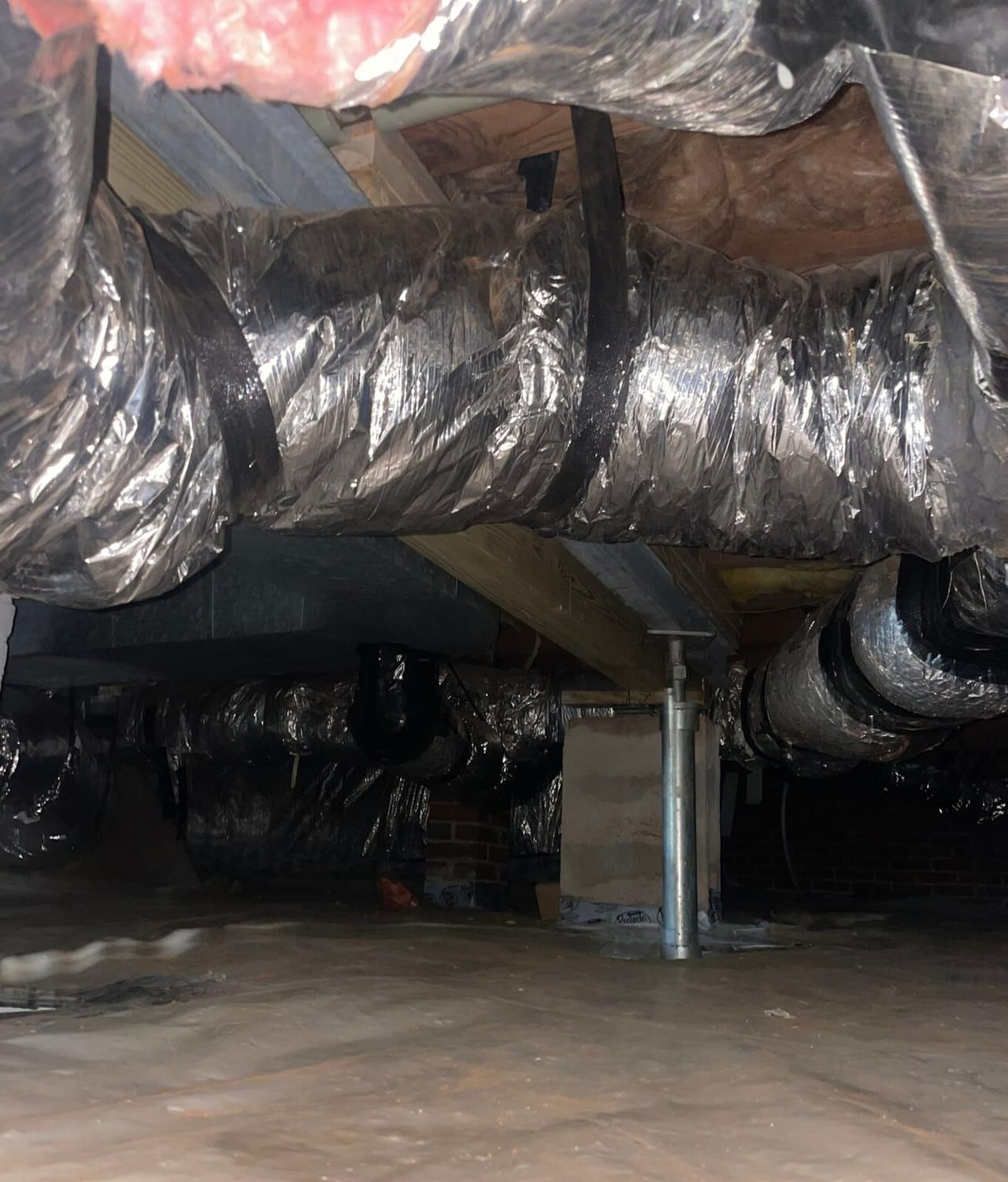
Charlotte, NC
Framing repair with crawl space encapsulation and support jacks under the beams, completed in August 2026.
View project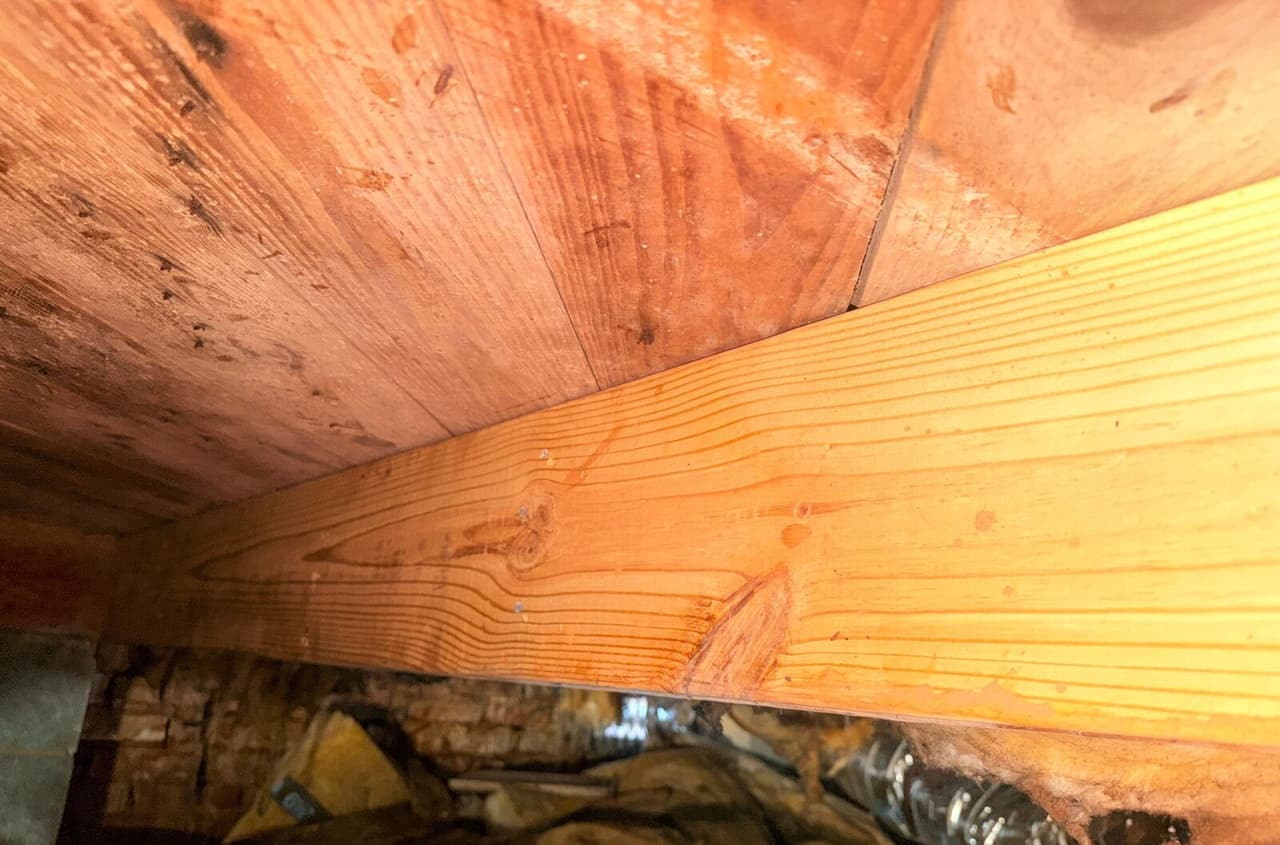
Concord, NC
Framing repair with an interior drainage system and sistered floor joists, completed in July 2026.
View project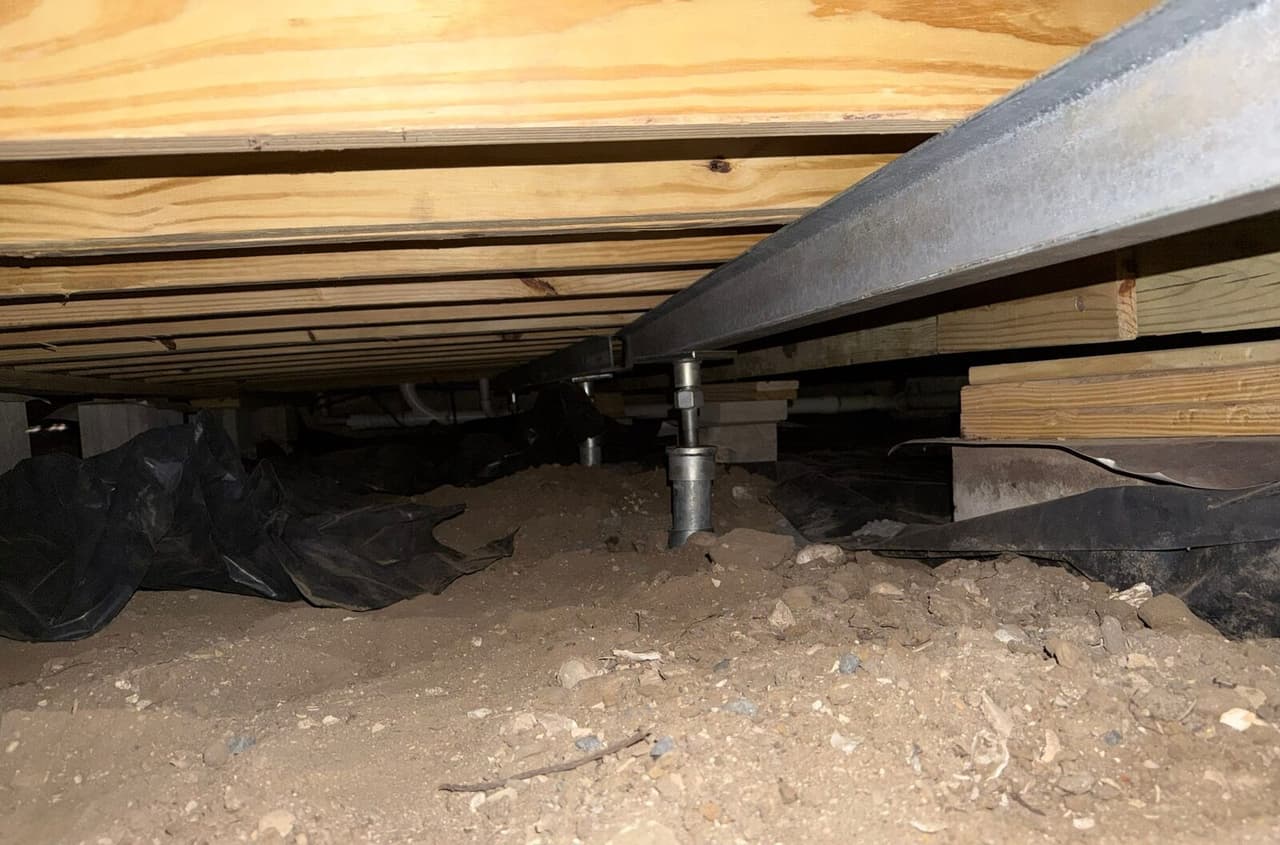
Nakina, NC
Framing repair with crawl space encapsulation and support jacks under the beams, completed in June 2026.
View project48 finished projects from our crews, with new jobs added as they finish.
See Every ProjectWe are locally owned and operated in Gaston County, North Carolina, with eight offices serving homeowners across North and South Carolina.
An inspector looks at your home, finds the source of the problem, and explains each finding in plain language. There is no obligation.
We are headquartered in Dallas, North Carolina, with eight offices across North and South Carolina.
Foundation repair, crawl space repair and encapsulation, basement waterproofing, framing repair, and concrete leveling are the whole focus of the team.
We have 1,300+ verified Google reviews (4.9 stars) from homeowners across the Carolinas and are BBB A+ Accredited.
For example, helical and push piers carry a lifetime warranty that no additional settlement will occur in the area of installed piers, once the final invoice is paid in full. Read the warranty terms.
Ask your inspector about financing when you get your written estimate. See financing options.
Don't see your question here? Call or fill out our quick online form, and our team will help.
Crawl space encapsulation is the process of sealing a crawl space into a clean, dry, controlled environment so it stops drawing in ground moisture and humid outside air. It usually combines a heavy liner across the floor, up the foundation walls and around the piers, sealing the crawl space vents, adding insulation where appropriate, and managing humidity with a dehumidifier and any needed drainage. Together these steps separate the conditions under your home from the wet ground and humid Carolina air around it.
Three steps, from your free inspection to the finished repair.
Call or fill out our quick online form, and we contact you to book a time that works for you. An inspector looks at your home and answers your questions at no cost.
Your inspector explains what they found in plain language and gives you a written estimate at no cost, with a scope of work written for your home.
Our crew completes the work described in your written scope, so you know what is being done before it starts.
A free guide for homes in North and South Carolina: where crawl space moisture comes from, the signs worth writing down, and how crawl space repair and encapsulation work, in plain language.
A 4.9 star average on Google, from homeowners across our eight offices in North and South Carolina.
Pick your own time online, or fill out our quick online form and we will book a convenient time to assess your home, no cost, no pressure.