A trained inspector (not a salesperson) will look at your home, explain what they find in plain language, and send a written estimate.
Framing Repair · North and South Carolina
Post and Pier Replacement Across the Carolinas
The posts and piers in your crawl space carry the floor between supports. When one rots or settles, the floor above it follows. We replace the support, correct the footing it stands on, and bring the floor back toward level gradually. Looking for a reliable framing repair contractor? You're in the right place. Read on to learn more.
Pier and beam homes, common throughout the Carolinas, carry their floors on a grid of support posts and piers spread across the crawl space. Each post takes a share of the load from the beams above and transfers it down to a footing in the ground. When a post or pier fails, that share of the load loses its support, and the floor above it drops, which is why post and pier problems so often show up as a localized dip or sag in one part of a room.
North Carolina · South Carolina
Get a Free Inspection
Two ways to start. Both are free, with no obligation.
What Has Happened to the Support Under Your Floor?
Post and pier replacement restores a support under your floor that has rotted, cracked or settled. The framing above is supported, the failed post or pier is removed, and a new support is set on a sound footing, then the floor is raised back toward level gradually. Because a new post on a sinking footing can settle again, the inspection checks the footing as closely as the post.
Soft, dark wood where the post meets soil or footingA Post Rotted at the Base
Moisture reached the wood and stayed. The post is replaced on sound bearing and the moisture around it discussed.
What a homeowner should understand about this repair, explained in plain language.
Would You Like the Guide by Email?
The Homeowner's Guide to Framing Repair, sent free to your inbox.
Free Homeowner Guide
The Homeowner’s Guide to Framing Repair
What holds up your floors, a checklist of the signs, and how framing repairs work.
HydroHelp911
North and South Carolina
Free Guide
Get the Free Framing Repair Guide
A free guide for homes in North and South Carolina: what holds up your floors, how moisture under a home can damage the wood framing, the signs worth writing down, and how framing repairs work, in plain language.
A floor and crawl space checklist to walk your home with
How joists, beams, sill plates and support posts carry your floors
How sistering, crawl space jacks and other framing repairs work
Five questions worth asking any contractor, including us
Check your inbox
Your guide is on its way. If it has not arrived in a few minutes, check your spam folder, then add us to your contacts so the next one lands where it should.
Pier and beam homes, common throughout the Carolinas, carry their floors on a grid of support posts and piers spread across the crawl space. Each post takes a share of the load from the beams above and transfers it down to a footing in the ground.
When a post or pier fails, that share of the load loses its support and the floor above it drops, which is why post and pier problems so often show up as a localized dip or sag in one part of a room.
Two failures are most common. Wood posts rot at the base where they meet damp soil or a damp footing, especially through humid Piedmont summers and in high water table areas near the coast around Wilmington and Leland. And posts settle when the soil or footing beneath them gives way, including in expansive clay around Charlotte and the Triangle that shifts with seasonal moisture.
CH 02
How Is a Failed Post or Pier Replaced?
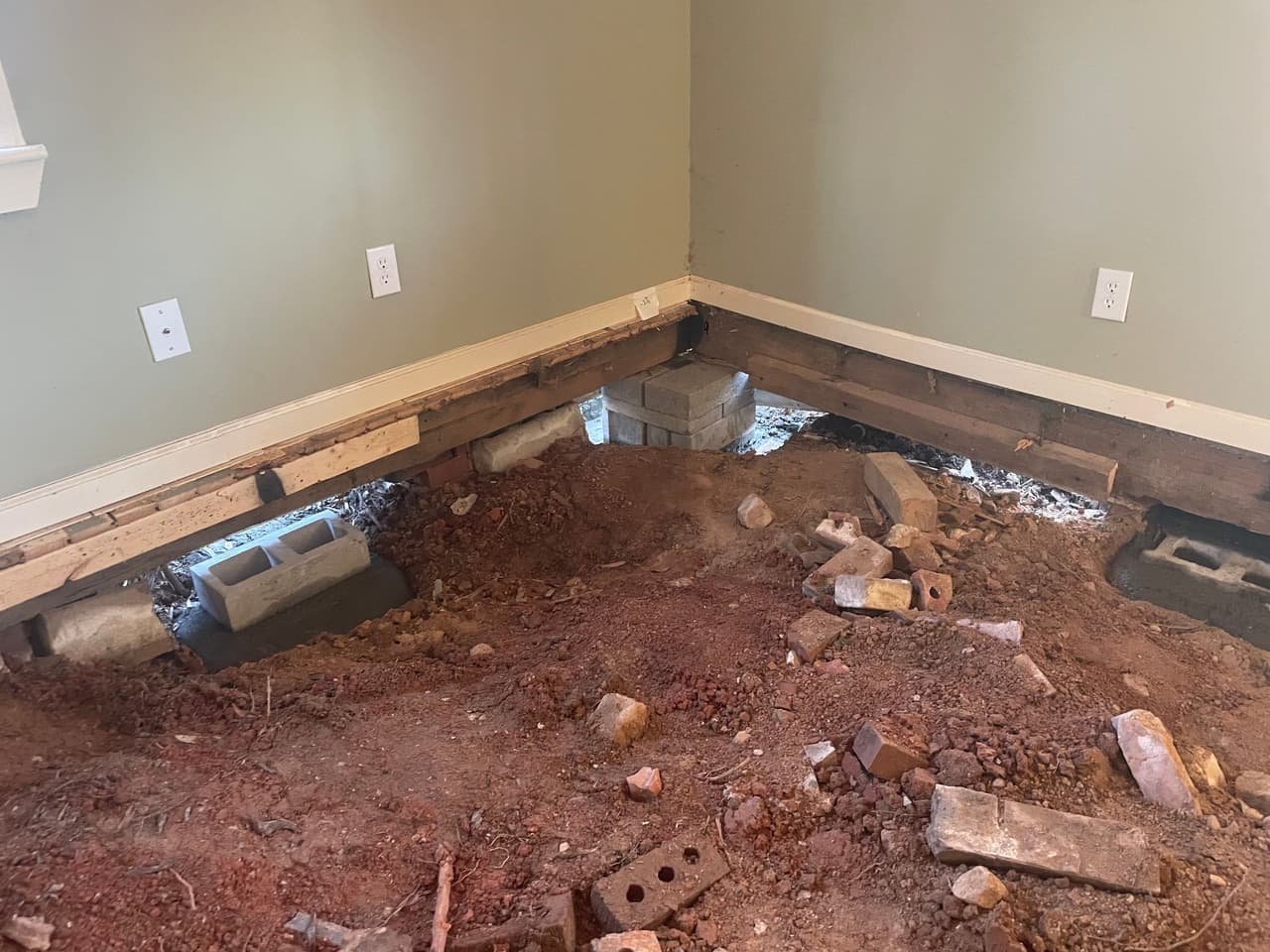
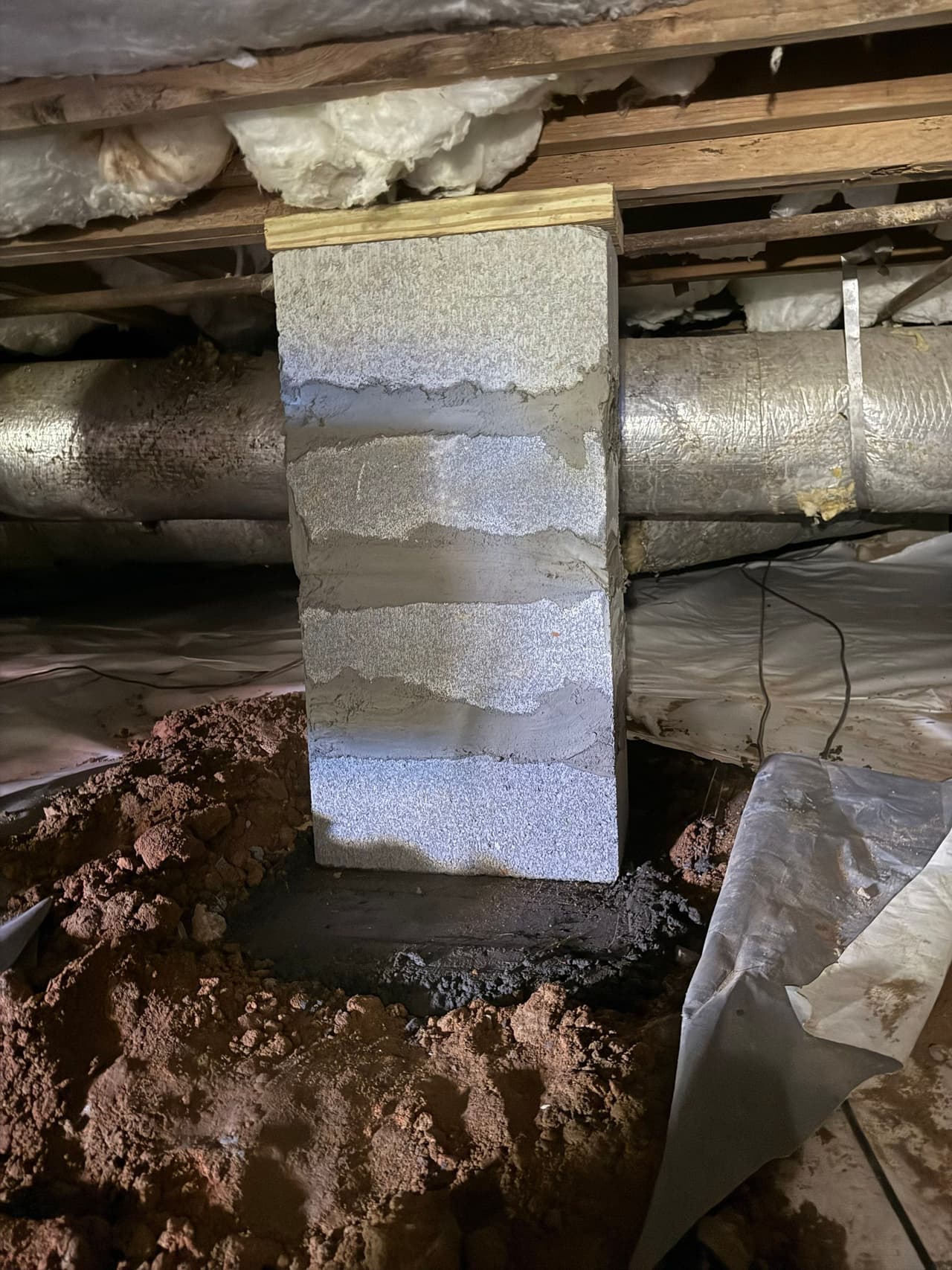
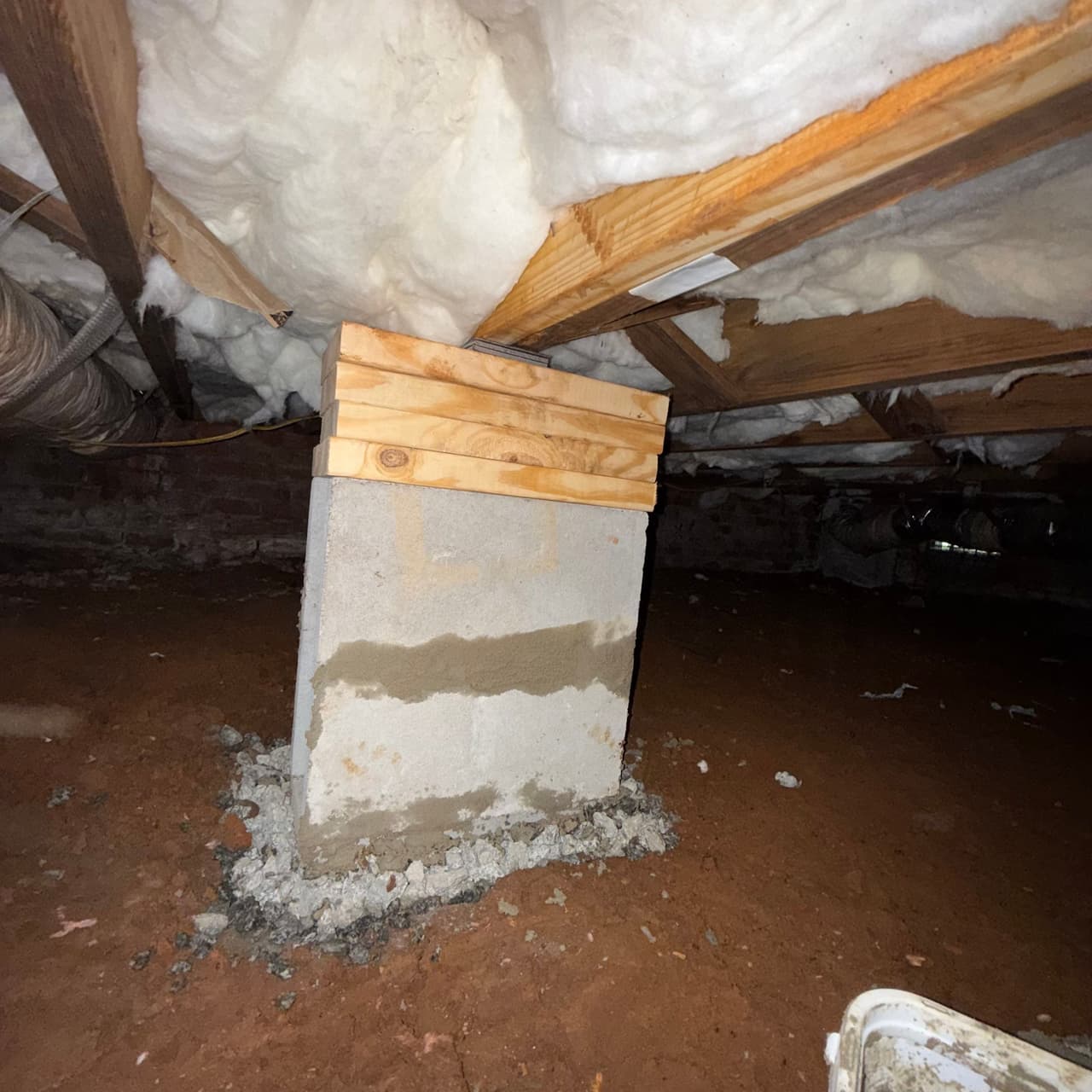
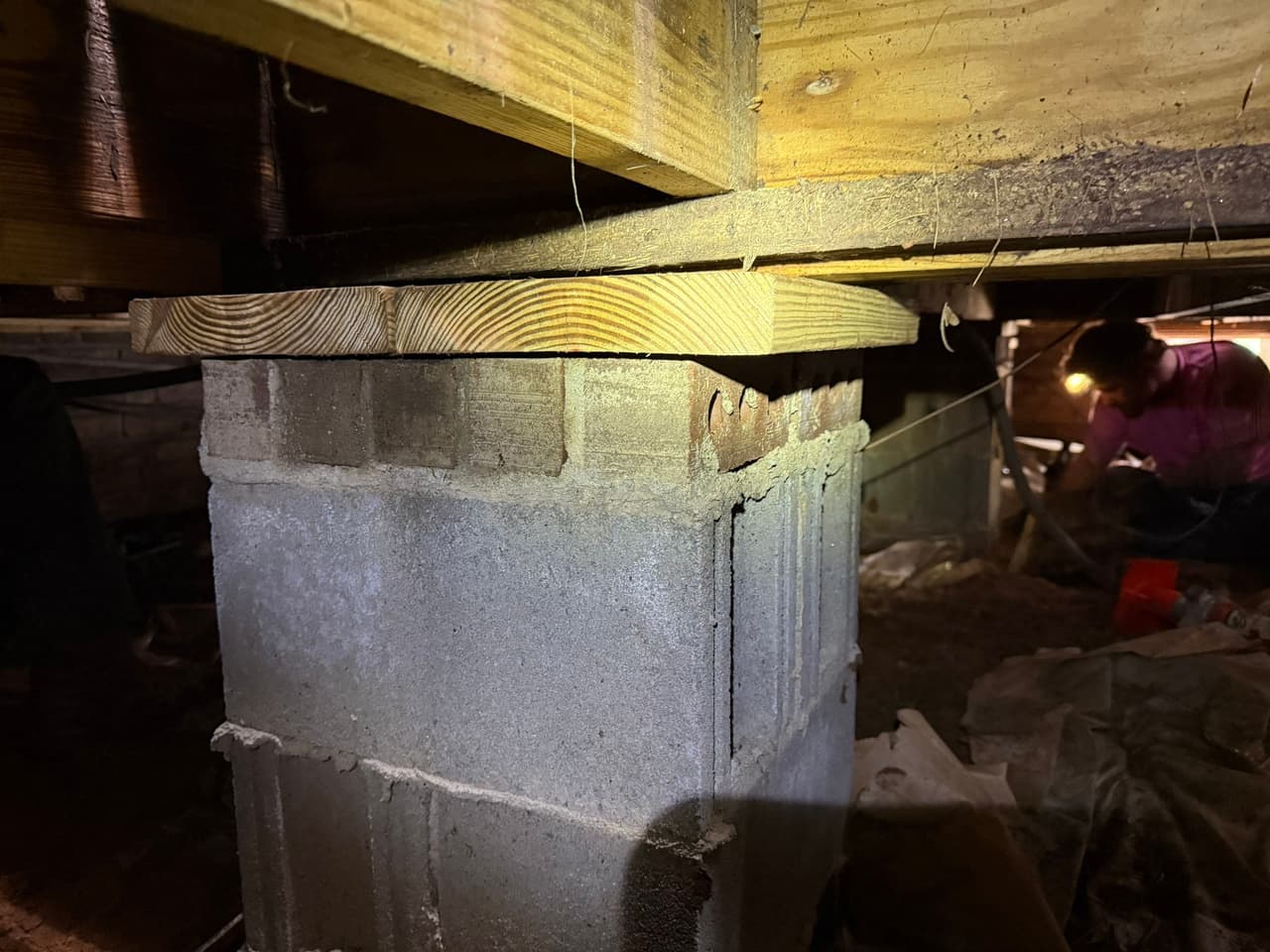
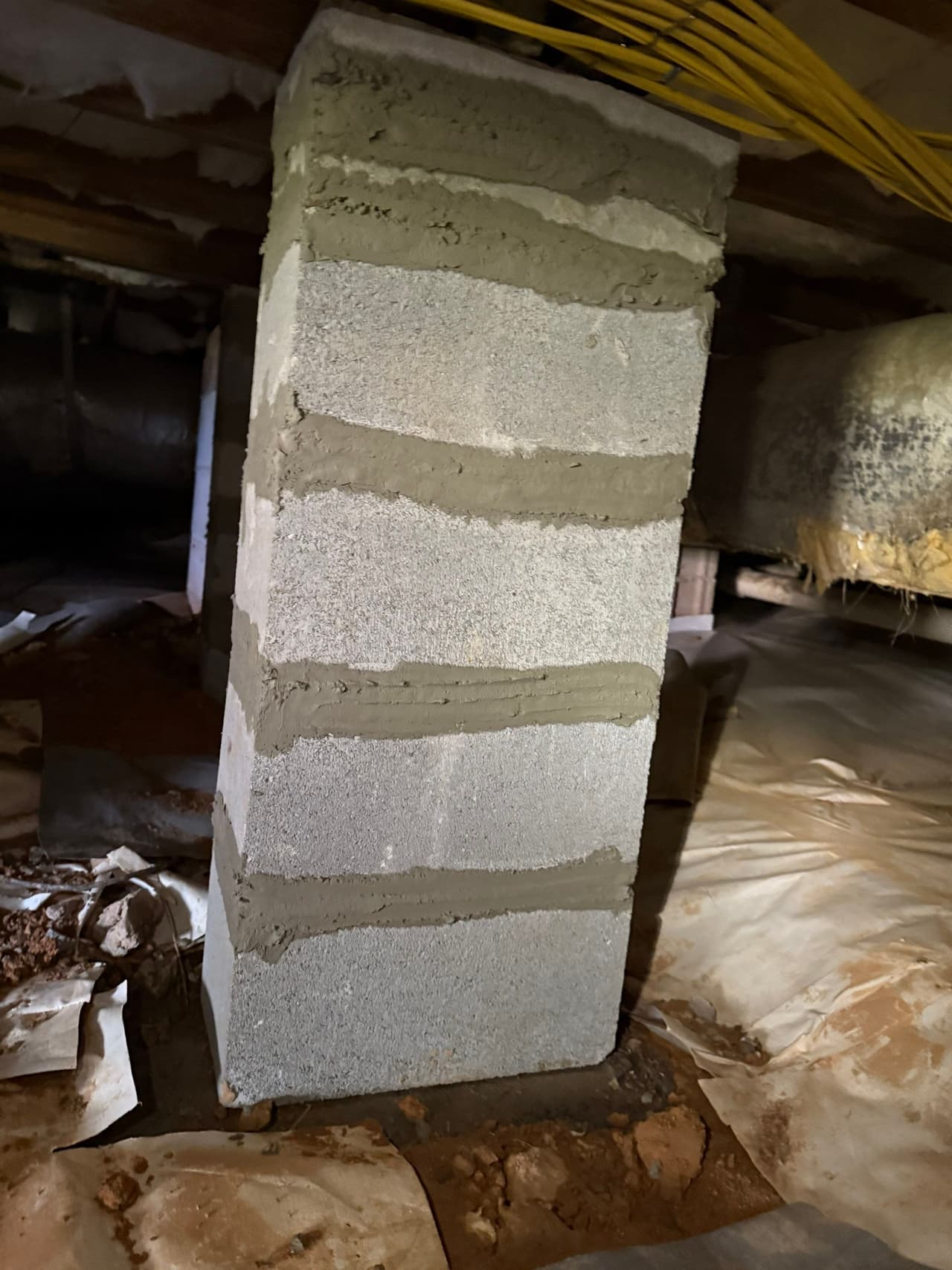
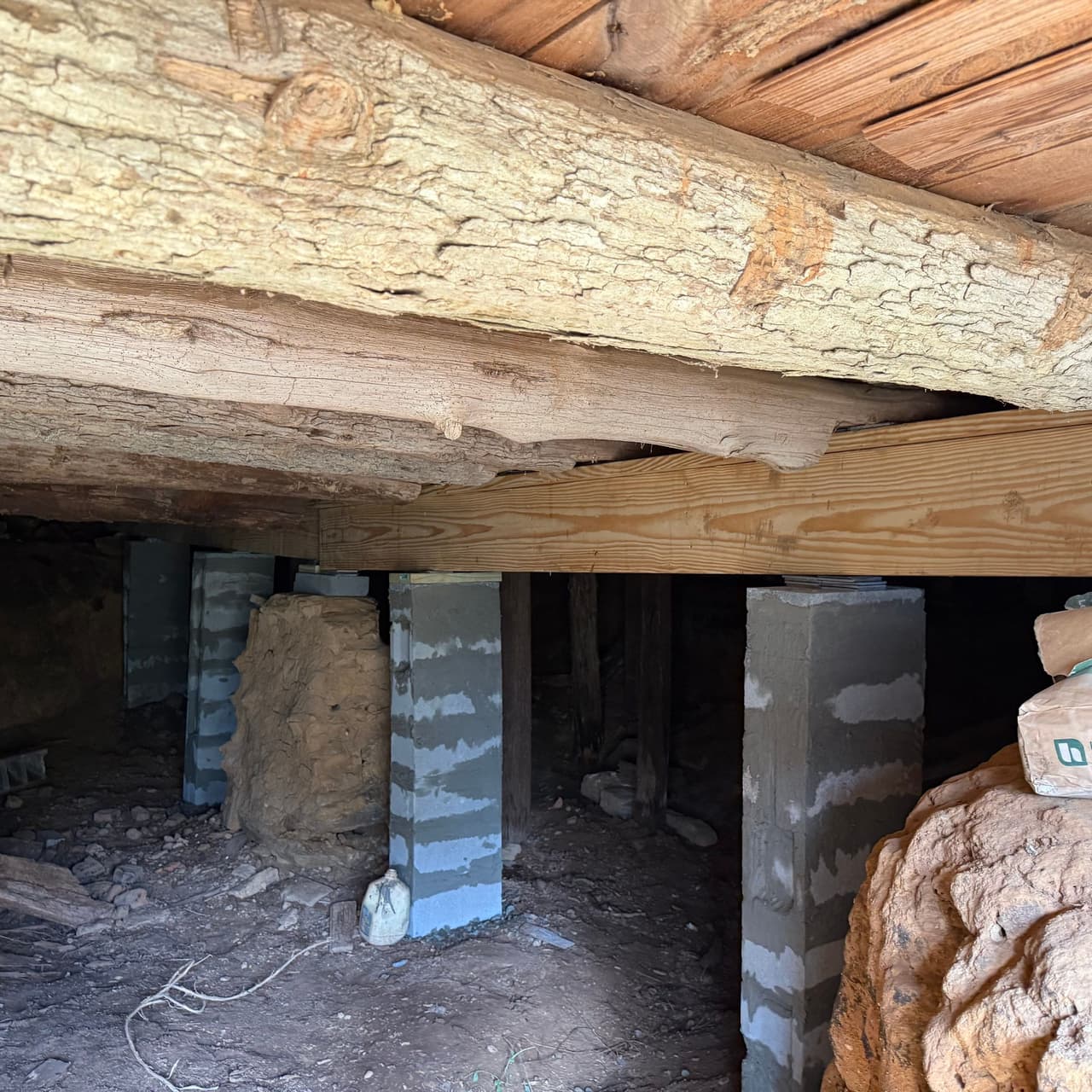
Replacing a post or pier restores that point of support. The framing above is carefully supported and lifted to relieve the load on the failing post, the rotted or settled post is removed, and a new, properly sized support is installed on sound bearing.
The footing matters as much as the post itself. A new post set on a footing that is still settling will follow the old one down, so we address the base as well as the wood. Once the new support is in and bearing properly, the framing is brought back toward level gradually so finishes above are protected.
CH 03
How Big Is a Post and Pier Replacement?
A single dropped post is a contained fix, and we tell you when that is all you are looking at. If the post failure has also let the joists above it sag, those joists are reinforced as part of the plan, and where the beam above has weakened, the carrier beam is evaluated too.
We also explain the cause, because a homeowner who understands why a post rotted or settled can make a sound decision about the crawl space conditions around it.
CH 04
What Are the Signs a Post or Pier Is Failing?
A failing post usually shows up as a dip in the floor over one spot, often in the middle of a room or along a hallway. Doors near that spot may start to stick, and cracks can open in drywall above them.
In the crawl space, warning signs include wood posts that are dark or soft at the base, posts that lean or have sunk into the soil, masonry piers with cracked or loose blocks, shims that have crushed or slipped, and gaps between the top of a post and the beam it should be carrying.
CH 05
Why Do Crawl Space Posts Rot or Settle?
Wood posts often rot at the base, where they sit on damp soil or a damp footing and draw moisture up into the wood. Humid air under the house through Piedmont summers and standing water after storms keep that base wet.
Settlement is a footing problem. Some older homes have posts set on loose block, flat stones or soil with no real footing at all. In clay soil around Charlotte and Greensboro, seasonal wetting and drying can move a shallow footing, and near the coast, saturated sandy soil can let one sink. A post that settles lets the beam above it drop, and the joists follow the beam down.
How a Settled Pier Lets a Floor Sag
1The beam carries the floor joists between the piers.
2When one pier settles, the beam above it loses support and the floor can sag.
3An added support, such as an adjustable steel jack on its own footing, carries the beam again.
CH 06
Wood Posts, Masonry Piers or Steel Jacks: What Is the Difference?
Crawl spaces in the Carolinas carry their floors on wood posts, stacked block or brick piers, or a mix of both. Wood posts are simple and common in older homes but can rot at the base. Masonry piers resist rot but can crack, shift or lose mortar over time.
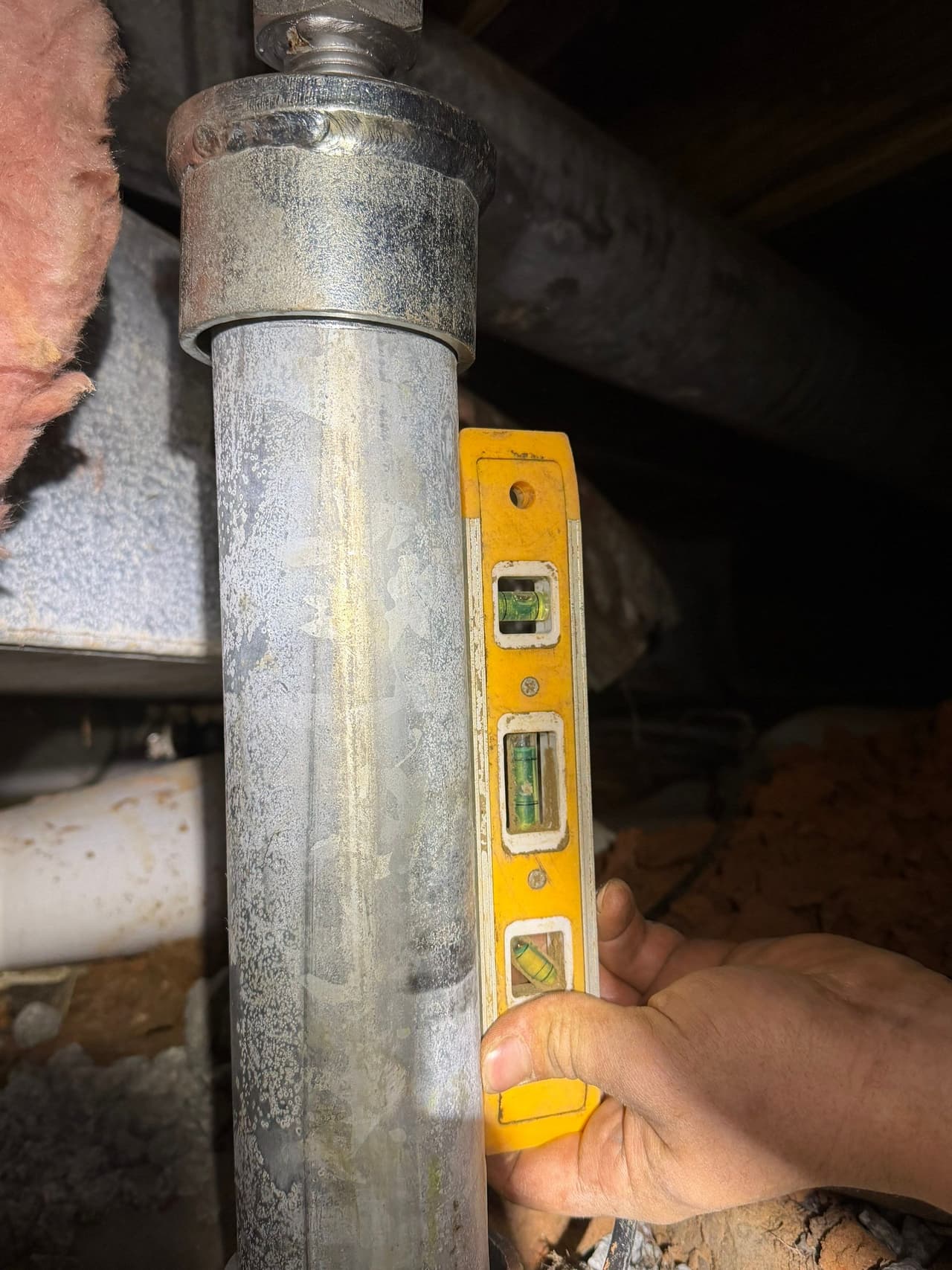
Many replacements use adjustable steel supports set on new concrete footings. They do not rot, and because they can be adjusted, the floor can be raised gradually and fine tuned. Which support fits depends on the load, the spacing of the beam above and the soil below.
CH 07
Why Does the Footing Matter as Much as the Post?
A post only carries the floor as well as the ground under it carries the post. A footing, typically a poured concrete pad, spreads that load across a wider area of soil so the support does not push down into it.
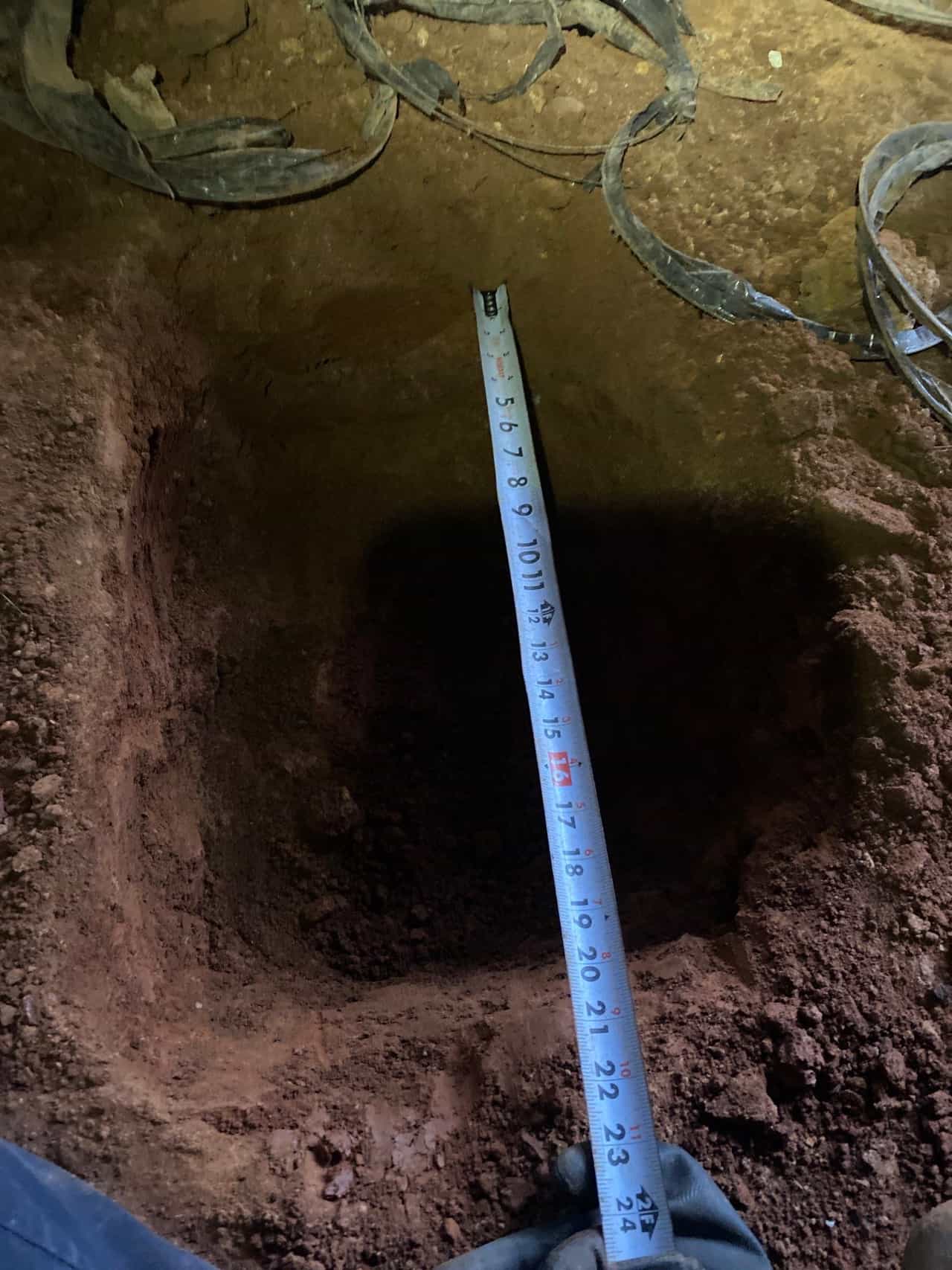
When an old post settled because it had little or no footing, setting a new post in the same place leaves the same problem in place. We check the footing at every failed support and place a new one where it is needed before the new support goes in.
CH 08
What Does Post and Pier Replacement Cost?
Most post and pier replacement projects fall between $5,000 and $20,000. Where a project lands depends on how many posts or piers need replacing, the footings they need, whether the beam or joists above also need work, and how much room there is in the crawl space. A range is not a quote. Your written estimate comes from the free inspection, and financing is available.
CH 09
What Warranty Comes With Post and Pier Replacement?
Framing repairs carry a 30 year warranty that the work was completed correctly per state building code, which begins once the final invoice is paid in full and does not cover termite damage, or moisture or water damage unless a full encapsulation, a drainage system and a dehumidifier are all installed as part of the same project. The complete terms are on our complete warranty terms page.
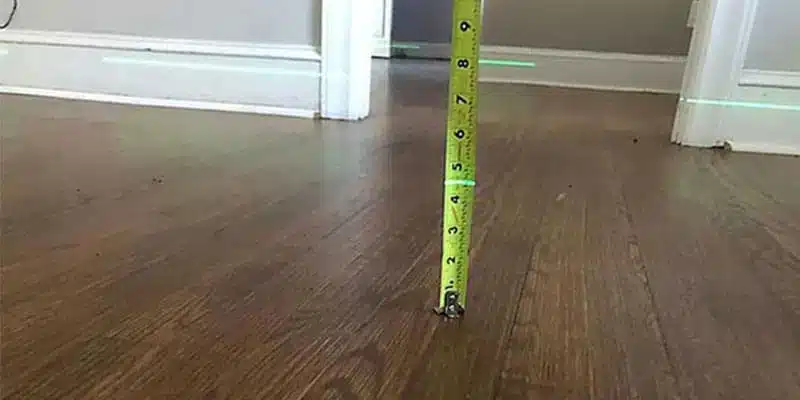
Sagging floors usually come from too few or weakened joists, uneven foundation settlement, or wood damaged by crawl space moisture.
Read the Guide
Why Choose HydroHelp911
Care and Expertise From a Team Serving the Carolinas Since 2017
HydroHelp911 handles framing repair and related structural and moisture work across North and South Carolina. Every repair recommendation starts with a free inspection of the whole home.
01
Trained inspectors, not salespeople.
An inspector looks at your home, finds the source of the problem, and explains each finding in plain language. There is no obligation.
02
Locally owned in Gaston County.
We are headquartered in Dallas, North Carolina, with eight offices across North and South Carolina.
03
Serving the Carolinas since 2017.
Foundation repair, crawl space repair and encapsulation, basement waterproofing, framing repair, and concrete leveling are the whole focus of the team.
04
Rated 4.9 stars on Google.
We have 1,300+ verified Google reviews (4.9 stars) from homeowners across the Carolinas and are BBB A+ Accredited.
05
Written warranty terms.
For example, helical and push piers carry a lifetime warranty that no additional settlement will occur in the area of installed piers, once the final invoice is paid in full. Read the warranty terms.
06
Financing is available.
Ask your inspector about financing when you get your written estimate. See financing options.
Cory ParksOWNER & PRESIDENT
Recent Work
Recent Framing Repair Projects
Finished framing repair jobs from our crews, photographed on site. Open any project to see the full photo set and what we did.
Not Sure Post & Pier Replacement Is What You Need?
Answer three quick questions about your home. We'll match what you see to the most likely cause and point you to the right next step.
1
Symptom
2
History
3
Your Result
Location: Floors & Framing
What Are You Seeing in Your Floors?
Pick the symptom that best describes it.
Frequently Asked Questions
Common Questions About Post & Pier Replacement
Don't see your question here? Call or fill out our quick online form, and our team will help.
A post and pier foundation supports the home on a grid of individual posts and piers spread across the crawl space. Each post carries a portion of the load from the beams above and transfers it down to a footing in the ground. This system is common in Carolina homes and leaves the framing visible and accessible in the crawl space, which makes failing posts and piers identifiable during an inspection.
Replacement is needed when a post or pier can no longer give stable support, most often because wood has rotted at the base or the post has settled into the soil or footing beneath it. Signs include a dip in the floor above, a leaning or sunken post, or soft wood at the bottom. An inspection confirms whether the post can be reset or must be replaced.
Yes, when the sag is caused by a failed post. Replacing the rotted or settled post with a properly sized support on sound bearing, then gradually leveling the framing again, restores support to that section of floor. The key is the footing beneath the new post, since a post set on ground that is still settling will drop again. If the floor is sagging because of a failing beam or weakened joists, those members have to be addressed as well.
Replacement supports are chosen to carry the load and to hold up in crawl space conditions, and they are set on a sound footing. Adjustable steel supports on new concrete footings are common. Because rotted posts point to moisture and settled posts point to the footing or soil, the repair addresses the base as well as the post.
Often, yes. Many failed posts settled because the footing under them was too small, missing or sitting on soft soil. Setting a new post on the same base can lead to the same result, so we check each footing and place a new concrete footing where it is needed before the new support goes in.
Most post and pier replacement projects fall between $5,000 and $20,000. That is an example range, not a quote. Your cost depends on how many posts or piers need replacing, the footings they need and crawl space access, and the written estimate from your free inspection is the price for your home. Financing is available.
Every home is different, so every estimate is written for the home in front of us. A free inspection at your home gives you a written estimate at no cost, based on your scope, access, and conditions.
Example Pricing
How Pricing Works
Most post and pier replacement projects fall between $5,000 and $20,000. Pricing depends on how many posts or piers need replacing, the footings they need, and crawl space access. You receive a written estimate after a free inspection.
Example ranges from the HydroHelp911 price sheet, shown for planning only. They are not a quote. Your price is set after a free inspection of your home and confirmed in your written estimate.
When Is This Not the Right Fix?
A new post is not a lasting fix when it is set on a footing that is still settling, or when the sag comes from a failing beam or weakened joists.
What Does the Free Inspection Include?
Your inspector explains every finding in plain language, and you get written documentation at no cost, typically an estimate with photographs.
Two ways to start. Both are free, with no obligation.