CH 01
Why Do Open Crawl Space Vents Cause Moisture Problems?
For decades, crawl spaces were built with open foundation vents on the idea that outside air would keep them dry. In the humid Carolina climate, that idea often works backward. For much of the year the outside air is more humid than the air under the home, so an open vent lets warm, humid air in and does not dry anything out.
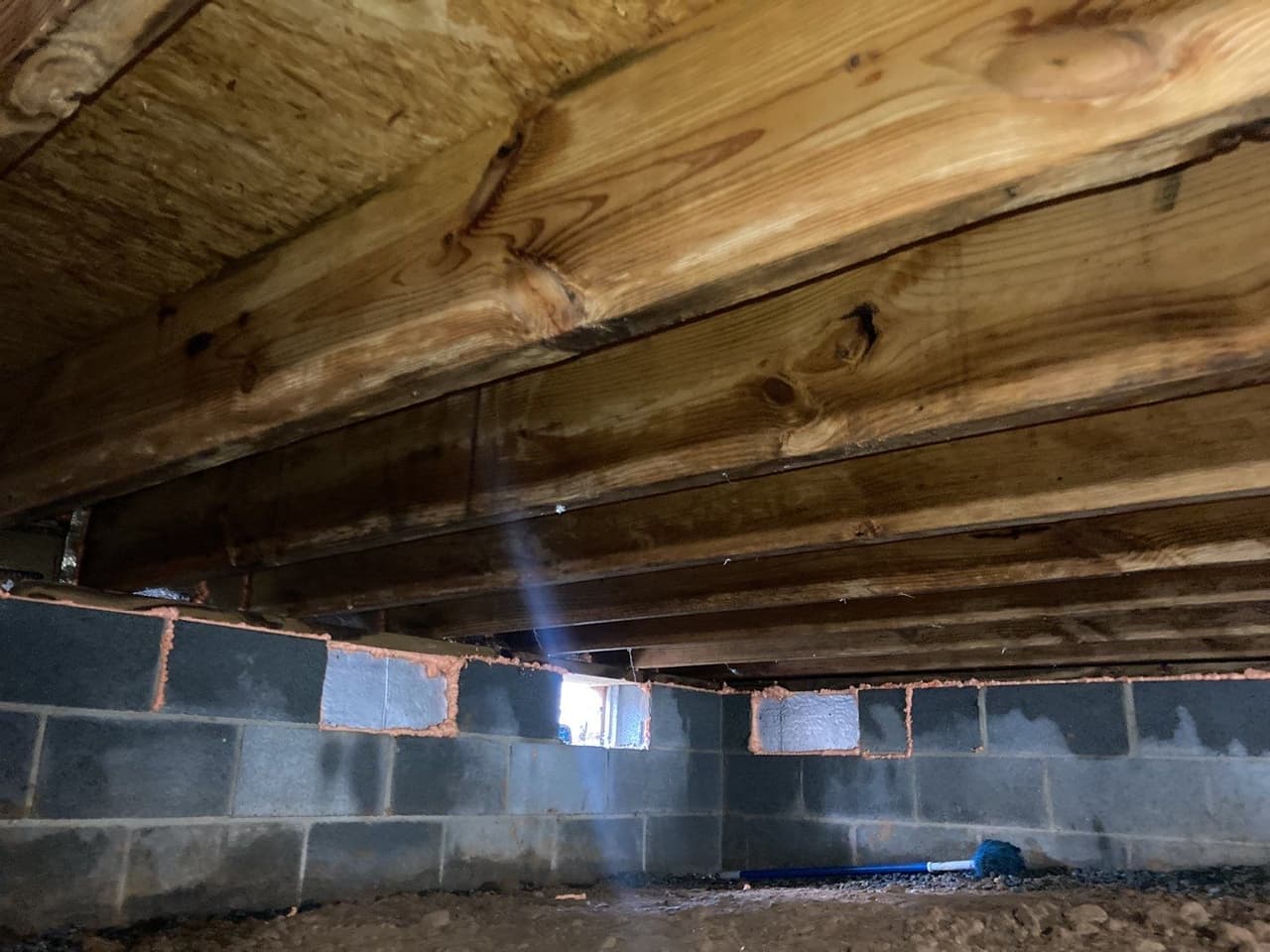
When that air reaches the cooler surfaces of a crawl space, in Piedmont summers around Charlotte and Greensboro or in the salt air near Wilmington, it condenses on framing, ductwork, and pipes and keeps the wood damp. Water beading on ducts and vents and a humid crawl space are common results.
CH 02
What Are the Signs Open Vents Are Letting Moisture In?
The signs usually peak in summer, when the outside air is most humid. Sweating ductwork in the crawl space, water dripping from pipes, damp framing, and a musty smell that drifts up into the house are the most common. Insulation that has darkened and sagged near the vents is another clue.
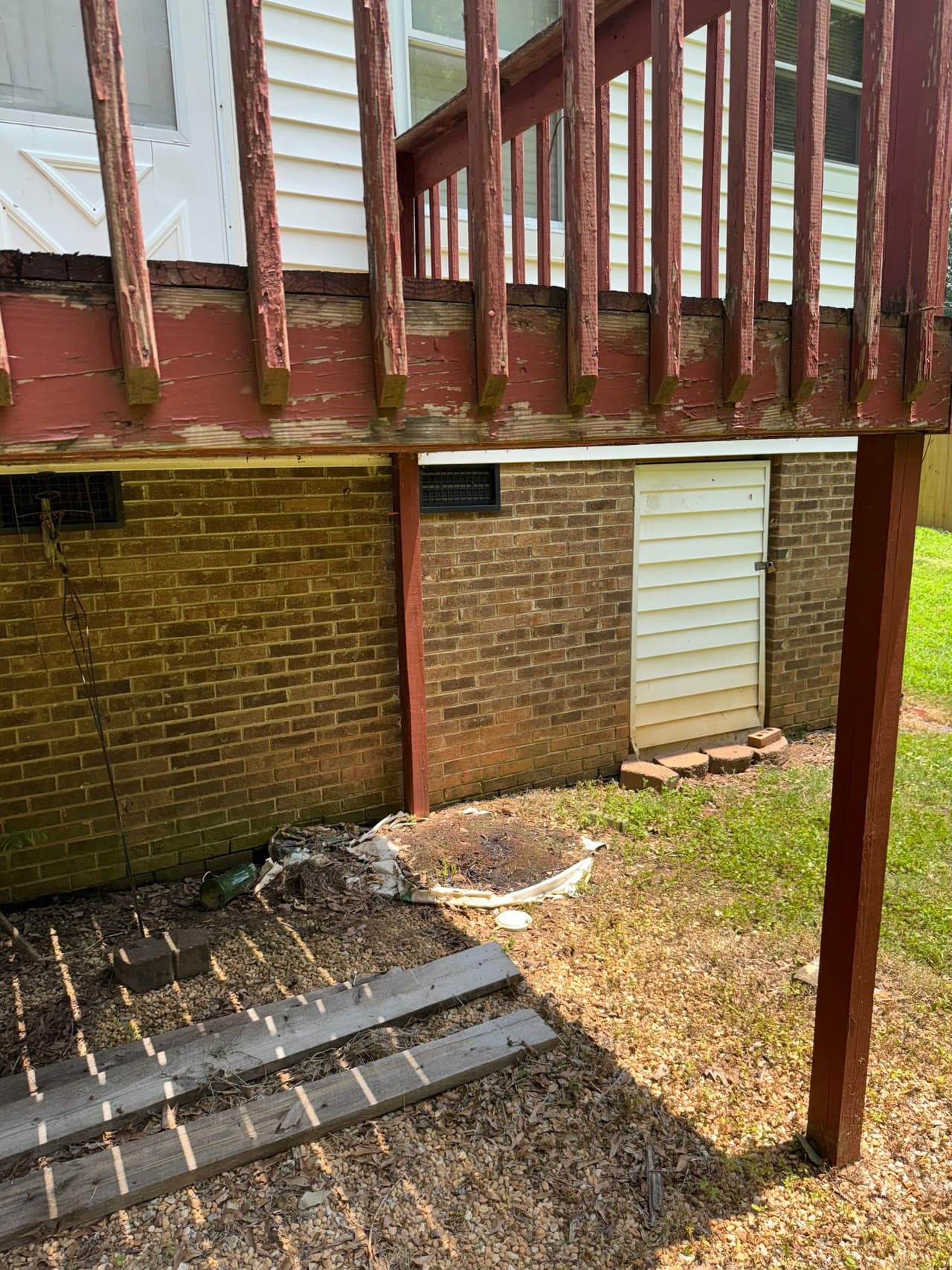
In winter, open vents show up as cold floors and drafts in the rooms above. Leaves, debris, and small animals getting in through damaged vent screens are also common. Because the same signs can come from the soil or from water entering the space, the inspection checks all three sources before we recommend sealing.
CH 03
Should Crawl Space Vents Be Open or Closed?
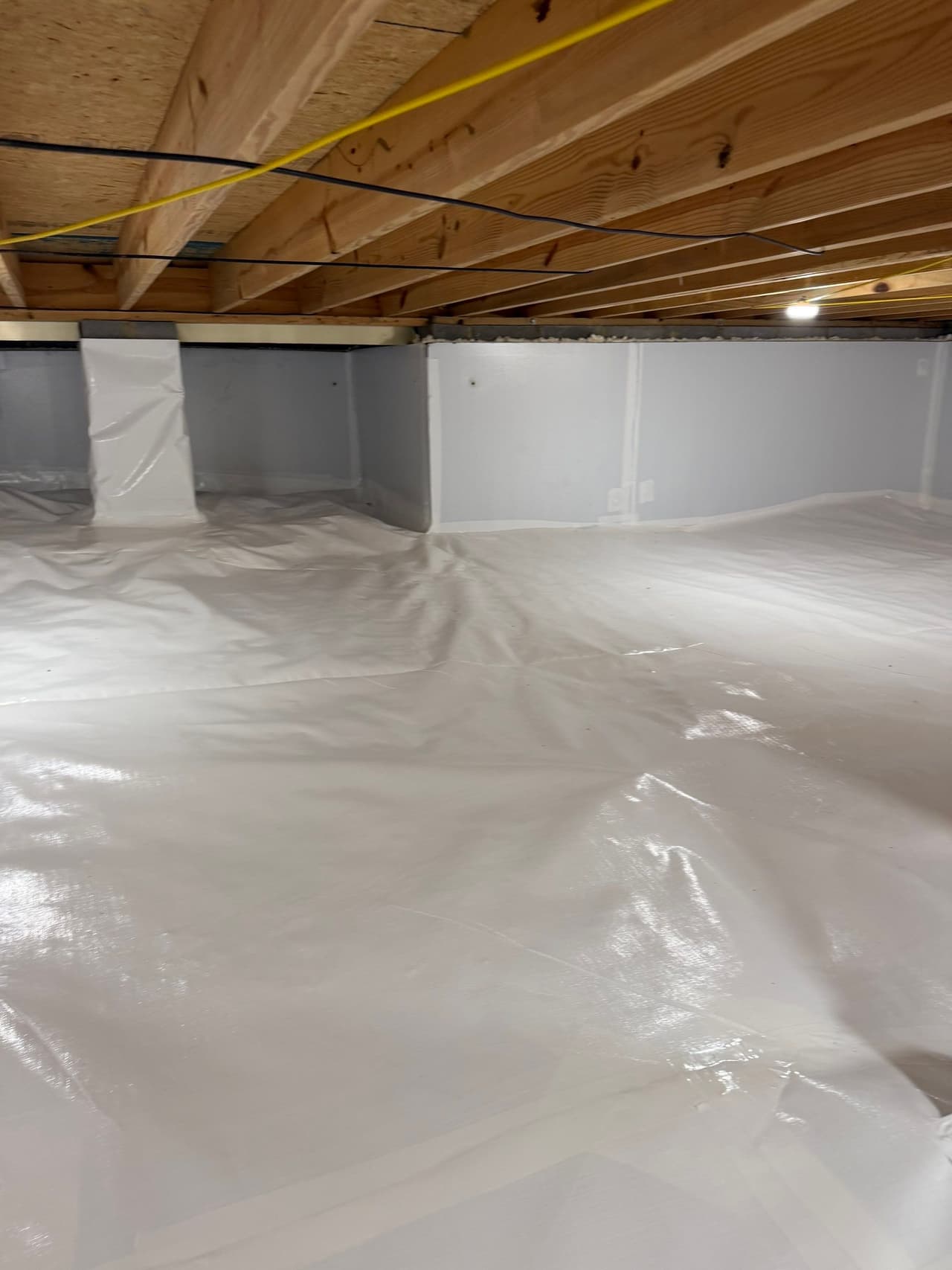
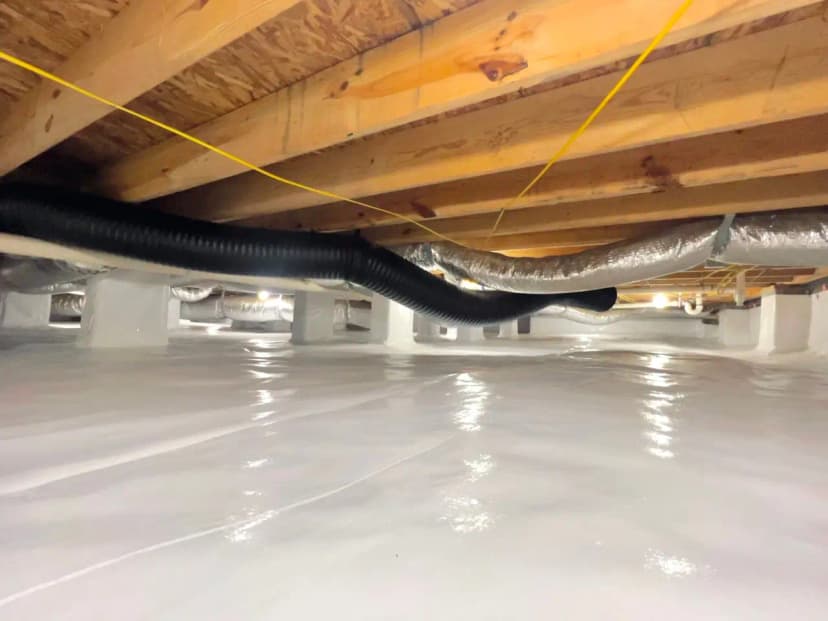
With full encapsulation, the vents stay closed all the time. The crawl space is sealed off from the outside, the ground is covered, and a dehumidifier controls the air, so there is no reason to let outside air in.
Without encapsulation, the older rule is to open the vents in the warmer months and close them in the colder months so pipes do not freeze. Winter air is drier, so closing the vents then is less of a concern, although humidity under the house can still lead to wood rot and mold. Our recommendation for a damp crawl space is to encapsulate it and add a dehumidifier.
CH 04
How Is Crawl Space Vent Sealing Done?
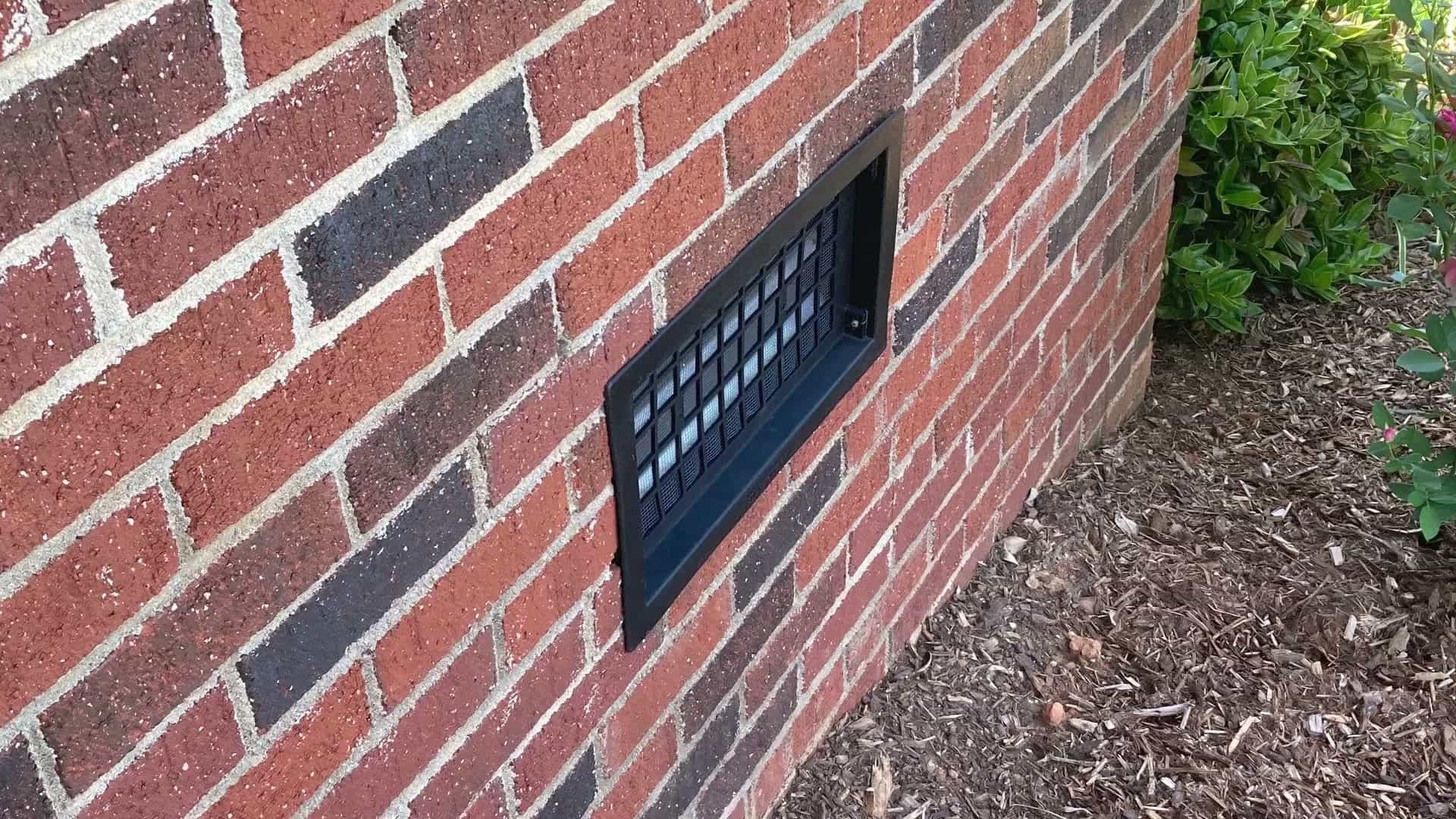
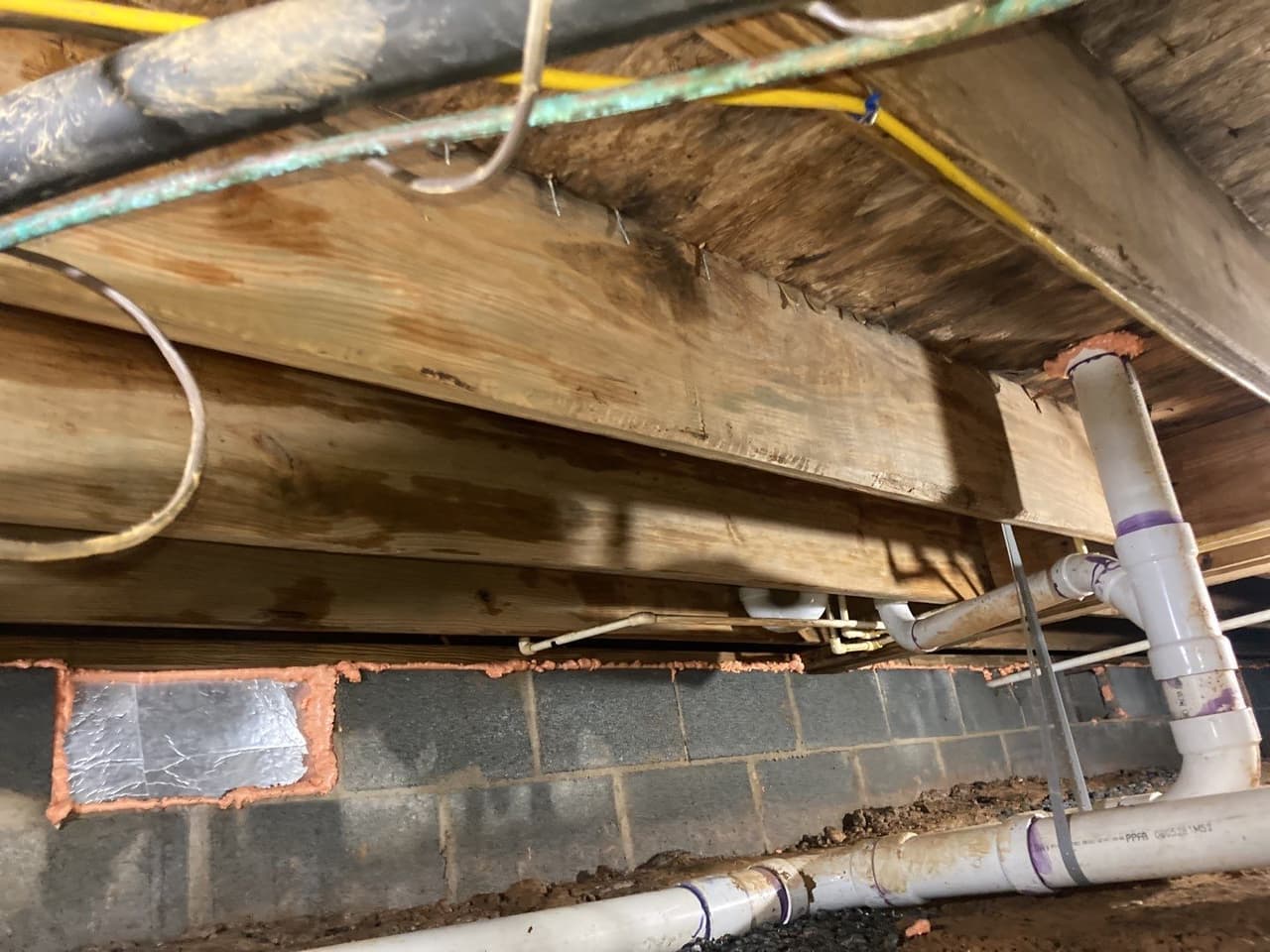
Vent sealing closes each foundation vent and any other openings to the outside with durable, sealed covers, so the crawl space is no longer connected to the humid air outside. It works together with the vapor barrier over the soil: the barrier stops moisture from the ground, and sealed vents stop moisture from the air.
Closing those openings also means that debris, leaves, and the small animals and insects that follow open vents into a crawl space no longer have an easy way in. The vent sealing solution covers how each opening is prepared and sealed.
CH 05
What About Flood Vents in Coastal Homes?
Some homes near Wilmington, Brunswick County and other coastal areas have engineered flood vents. These are built to let floodwater flow through the foundation during a flood, and they need to keep working. They are different from standard foundation vents, which are there for airflow.
We identify which openings are flood vents before recommending that anything be closed, and flood vents stay functional. If a flood vent is damaged or stuck, the inspection notes it. The rest of the crawl space can still be addressed with a liner and humidity control.
CH 06
Should Vent Sealing Be Done With Other Encapsulation Work?
Vent sealing is almost always done as part of encapsulation, because sealing the vents while leaving the ground uncovered, or covering the ground while leaving the vents open, solves only half the problem. In a sealed crawl space, the humidity now enclosed usually calls for a crawl space dehumidifier installation so the air stays dry.
In coastal areas prone to flooding, some openings may be engineered flood vents that should stay functional, and we confirm which kind of vent your home has before recommending that anything be closed. The all crawl space encapsulation solutions shows how the pieces fit together.
CH 07
How Does Vent Sealing Work With the Rest of Encapsulation?
Vent sealing is one part of a sealed crawl space. The liner covers the ground and, in a full encapsulation, runs up the walls and wraps the piers. The vents and gaps are closed. A sealed access door closes the one opening you still use. A dehumidifier then holds the humidity in the closed space.
Each piece covers a different source of moisture, so leaving one out leaves that source open. Encapsulation with sealed vents is also when crawl space insulation usually moves from between the joists to the foundation walls.
CH 08
What Does Crawl Space Vent Sealing Cost?
Vent sealing is done as part of crawl space encapsulation, so it is priced with that project. The size of the crawl space, the number of vents, and what else the space needs all change the estimate. You receive a written estimate after a free inspection, and financing is available.