A trained inspector (not a salesperson) will look at your home, explain what they find in plain language, and send a written estimate.
Concrete Leveling · North and South Carolina
Interior Slab Leveling Across the Carolinas
Sloping or uneven floors inside a home built on a concrete slab usually mean the slab settled. We lift it back to level with minimal disruption. Looking for a reliable concrete leveling contractor? You're in the right place. Read on to learn more.
In a home built on a concrete slab, the floor is the structural slab itself, so when the soil under it settles the floor slopes or dips. We fill the void beneath the settled area with polyurethane foam through small ports and lift the slab back toward level from below. Settlement near a plumbing line is checked first, because a leak under the slab needs attention before any lift.
The work is done from inside the home, with no demolition of the floor
A hollow area that has not dropped can be filled without lifting
Movement from a deeper foundation problem needs a different repair
A free inspection and a written estimate before any work
North Carolina · South Carolina
Get a Free Inspection
Two ways to start. Both are free, with no obligation.
An interior slab can settle, go hollow, or move because of something under it that needs attention first. The inspection separates these before any lift.
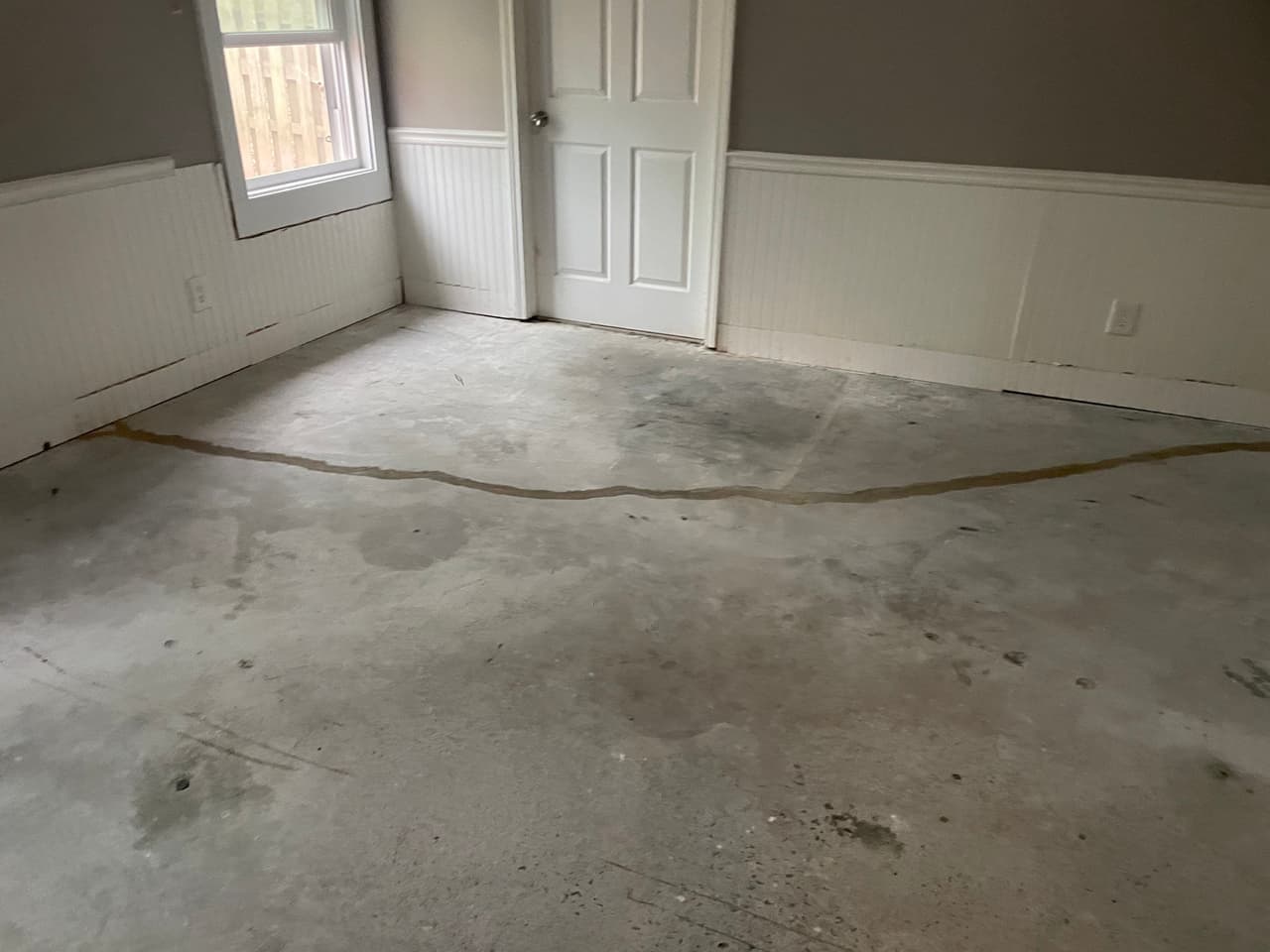
A dip or slope you can feel underfootA Floor That Slopes Toward a Corner
A sound slab that settled into a void can usually be lifted back to level from inside the home.
A low spot near a bathroom or kitchenSettlement Near a Plumbing Line
A leak washing out soil needs to be fixed first, before any lift.
In Depth
What Does This Guide Cover?
What a homeowner should understand about this repair, explained in plain language.
Would You Like the Guide by Email?
The Homeowner's Guide to Concrete Leveling, sent free to your inbox.
Free Homeowner Guide
The Homeowner’s Guide to Concrete Leveling
Why concrete sinks in the Carolinas, a checklist for walking around your home, and what foam lifting is.
HydroHelp911
North and South Carolina
Free Guide
Get the Free Concrete Leveling Guide
A free guide for homes in North and South Carolina: why walkways, patios, steps and garage floors sink, what to look for, and what polyurethane foam lifting is, in plain language.
A checklist to take on a walk around your walkways, patio, steps, pool deck and garage floor
Why concrete settles in Piedmont clay, on slopes and in coastal sand
What polyurethane foam lifting is, and how it compares with mudjacking and replacement
Questions worth asking any contractor, including us
Check your inbox
Your guide is on its way. If it has not arrived in a few minutes, check your spam folder, then add us to your contacts so the next one lands where it should.
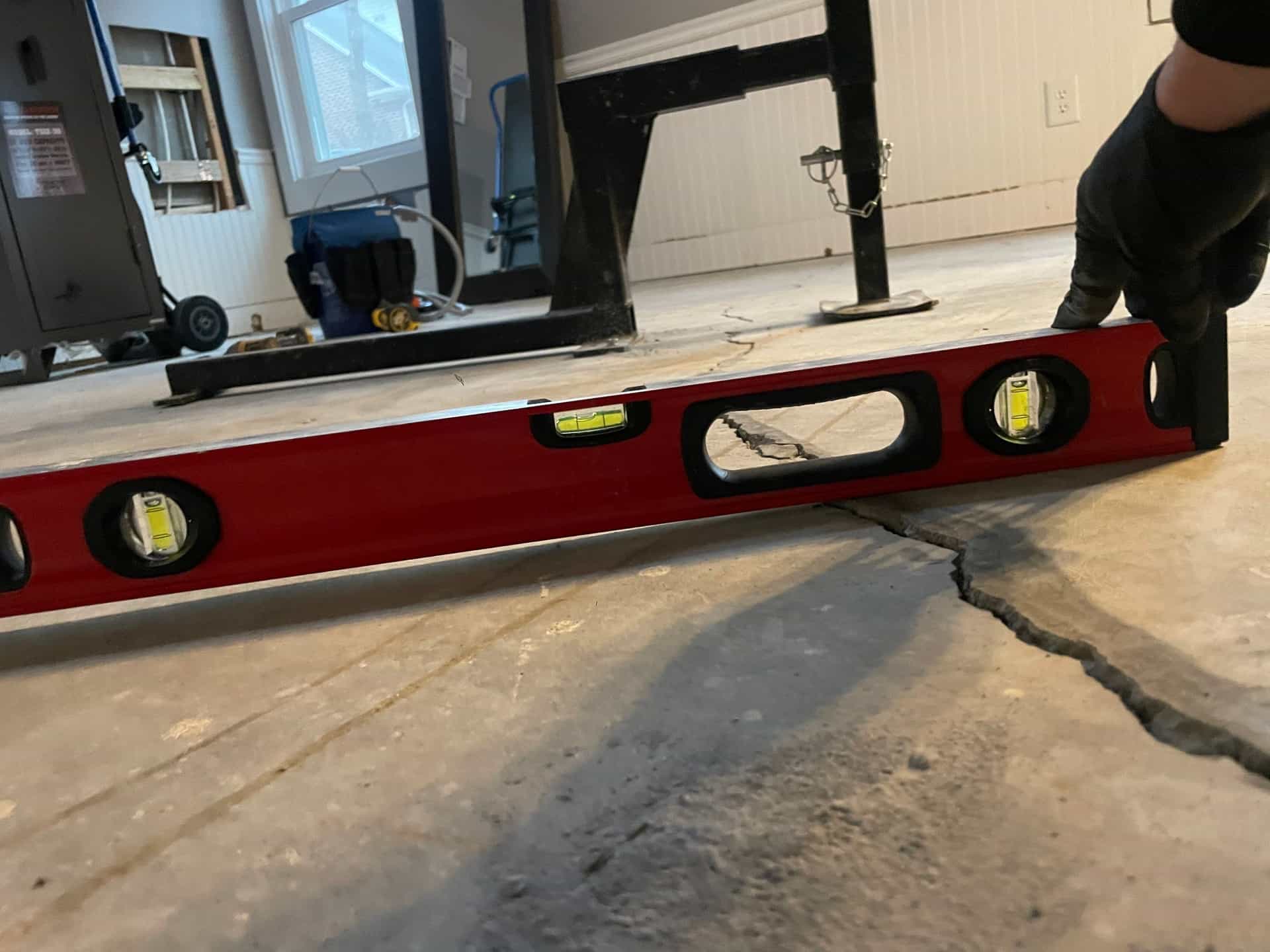
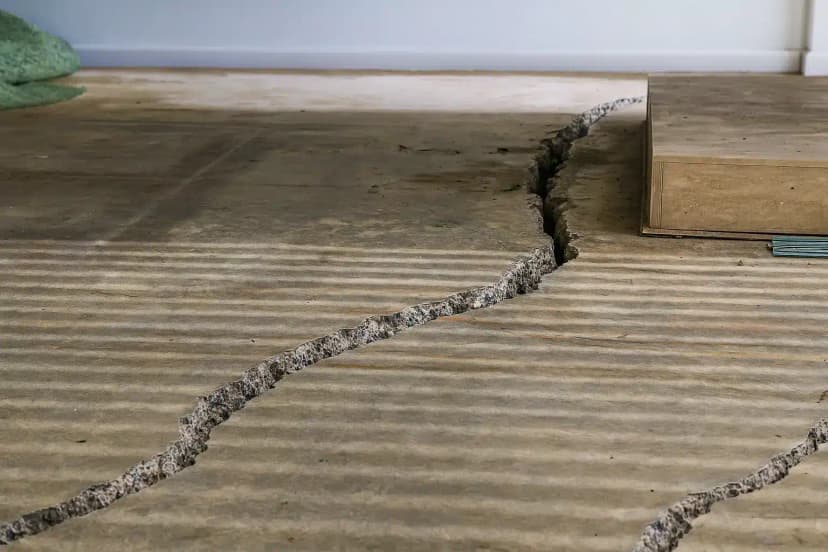
In homes built on a concrete slab, the interior floor is the structural slab itself, so when the soil beneath it moves, you feel it underfoot. Floors that slope toward one corner, dip in a room, or develop cracks across the surface are common signs that a section of the slab has lost its support.
In the Piedmont around Charlotte, Greensboro, and the Triangle, the cause is typically expansive clay that swells in wet seasons and shrinks in dry ones, opening voids beneath the slab.
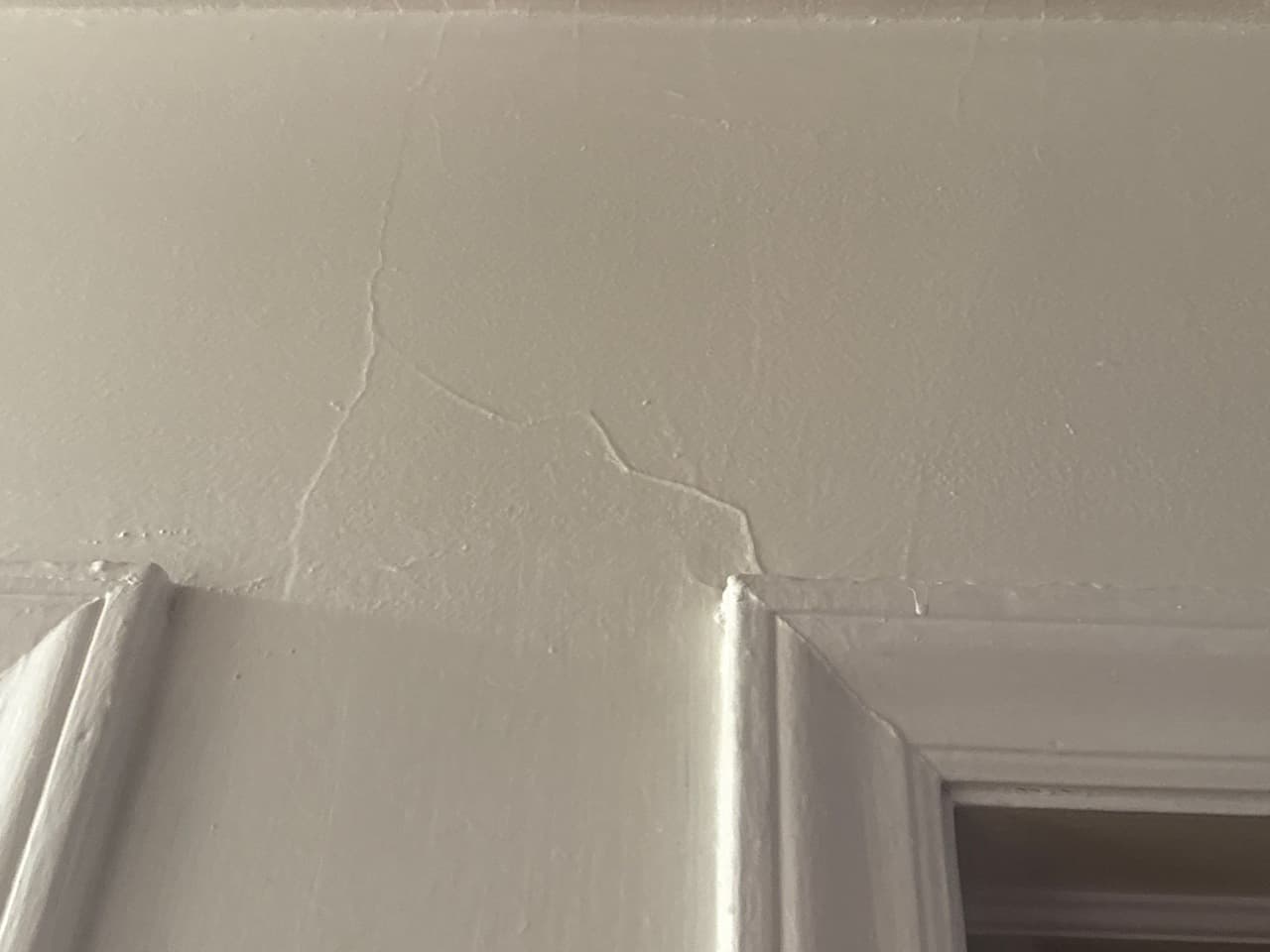
Plumbing leaks under the slab can wash out soil as well, and homes built over poorly compacted fill can see interior settlement early. That movement often shows up as cracks in an interior slab or as an uneven floor surface.
Three Ways a Slab Foundation Shows Movement
1A crack across the slab, which can come from shrinkage as the concrete cured or from movement below.
2A section that dropped over a void, where the soil underneath washed out or compacted.
3An edge of the slab, and the walls it carries, settling with the soil under that side.
CH 02
How Is an Interior Slab Lifted Back to Level?
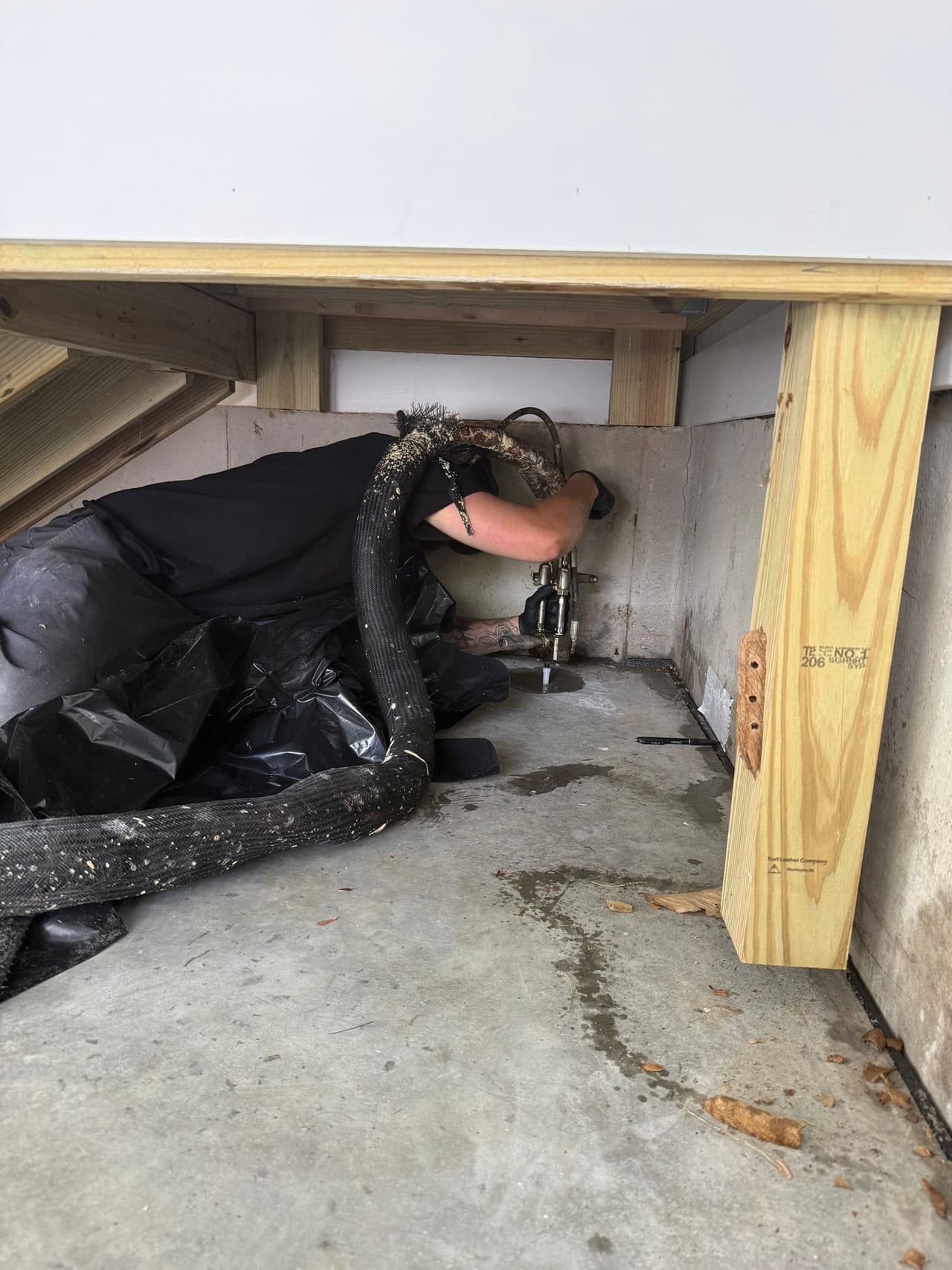
Interior slab leveling lifts the settled portion of the floor by filling the void beneath it and supporting the slab again from below. We drill small ports through the floor, then pump material under controlled pressure until the slab rises evenly back to grade.
Where the floor has not dropped but a section sounds hollow, filling the void under the floor supports it again. The ports are small and patched when the lift is complete, and homeowners can usually remain in the home during the work.
How Polyurethane Foam Lifts a Settled Slab
1Small holes are drilled through the settled slab.
2Polyurethane foam is injected through the holes into the space underneath.
3The foam expands, fills the void and lifts the slab back toward level.
4The holes are patched.
CH 03
When Is Interior Slab Leveling Not the Right Call?
Lifting is the right call when the interior slab is structurally sound and simply settled into a void. It is not the answer when the movement is a symptom of a deeper foundation problem, when a plumbing leak is actively washing out soil and needs to be fixed first, or when flooring above the slab needs its own attention.
Surface cracks that remain once the slab is stable can be patched flush with the floor. The inspection sorts out which situation applies, and we explain what we find in plain terms before recommending anything.
Slab lifting is often worth it for a sunken garage floor, because it raises the existing slab instead of replacing it.
Read the Guide
Why Choose HydroHelp911
Care and Expertise From a Team Serving the Carolinas Since 2017
HydroHelp911 handles concrete leveling and related structural and moisture work across North and South Carolina. Every repair recommendation starts with a free inspection of the whole home.
01
Trained inspectors, not salespeople.
An inspector looks at your home, finds the source of the problem, and explains each finding in plain language. There is no obligation.
02
Locally owned in Gaston County.
We are headquartered in Dallas, North Carolina, with eight offices across North and South Carolina.
03
Serving the Carolinas since 2017.
Foundation repair, crawl space repair and encapsulation, basement waterproofing, framing repair, and concrete leveling are the whole focus of the team.
04
Rated 4.9 stars on Google.
We have 1,300+ verified Google reviews (4.9 stars) from homeowners across the Carolinas and are BBB A+ Accredited.
05
Written warranty terms.
For example, helical and push piers carry a lifetime warranty that no additional settlement will occur in the area of installed piers, once the final invoice is paid in full. Read the warranty terms.
06
Financing is available.
Ask your inspector about financing when you get your written estimate. See financing options.
Cory ParksOWNER & PRESIDENT
Recent Work
Recent Concrete Leveling Projects
Finished concrete leveling jobs from our crews, photographed on site. Open any project to see the full photo set and what we did.
Answer three quick questions about your home. We'll match what you see to the most likely cause and point you to the right next step.
1
Symptom
2
History
3
Your Result
Location: Concrete & Flatwork
What Are You Seeing in Your Concrete?
Pick the symptom that best describes it.
Frequently Asked Questions
Common Questions About Interior Slab Leveling
Don't see your question here? Call or fill out our quick online form, and our team will help.
In a home built on a concrete slab, the interior floor rests on soil, so it settles when that soil moves. In the Piedmont, expansive clay swells with moisture and shrinks in dry periods, opening voids beneath the slab. A plumbing leak under the floor can wash soil away and create a void as well, and homes built over poorly compacted fill are prone to settlement from the start. The slab drops into the void and the floor above it begins to slope or crack.
The process is designed to be minimally disruptive, using small injection ports and no demolition. How flooring is handled depends on the covering. Some hard surfaces may need careful attention around the port locations, while others are easily worked around. We discuss your specific flooring during the inspection so you know what to expect before any work begins, and we plan the lift to limit impact on the finished floor as much as possible.
For a settled floor in a home built on a concrete slab, the slab is lifted from above. We drill small ports through the floor, then inject material beneath it under controlled pressure until the slab rises evenly back to level and the void below is filled. The ports are patched when the lift is complete. The method supports the existing slab again from below and leaves it in place, which is why it can be done from inside the home with the family in place.
Yes. Polyurethane foam is a widely used method for interior slab leveling. It is injected beneath the slab through small ports and cures into a solid material under the floor, so the work stays contained. We evaluate the specific conditions of your home during the inspection and choose the approach that fits. If foam is not the right method for a particular floor, we will recommend an alternative.
There is no set price for leveling an interior slab. Your price depends on the size of the area, how far it has settled, access, the floor covering, and the soil underneath. The inspection is free and ends with a written estimate, which is the price for your home.
Pricing & Scope
How Is Your Repair Priced?
Every home is different, so every estimate is written for the home in front of us. A free inspection at your home gives you a written estimate at no cost, based on your scope, access, and conditions.
How Pricing Works
Pricing depends on the size of the affected area, how far it has settled, access, the floor covering involved, and the soil conditions underneath. You receive a written estimate after a free inspection.
When Is This Not the Right Fix?
Lifting is not the answer when the movement comes from a deeper foundation problem or an active plumbing leak that needs to be fixed first.
What Does the Free Inspection Include?
Your inspector explains every finding in plain language, and you get written documentation at no cost, typically an estimate with photographs.
Two ways to start. Both are free, with no obligation.