A trained inspector (not a salesperson) will look at your home, explain what they find in plain language, and send a written estimate.
Basement Waterproofing · North and South Carolina
Backup Sump Pump Installation Across the Carolinas
The storm that floods a basement is often the same storm that cuts the power. A backup pump sits in the same pit as your main pump and takes over automatically when the main pump loses power or cannot keep up. Looking for a reliable basement waterproofing contractor? You're in the right place. Read on to learn more.
A backup sump pump covers the times when the primary pump cannot run. Basements are most likely to flood during heavy storms, and in the Carolinas those storms that saturate the ground and drive water toward a foundation often knock out power. When that happens, a standard primary pump goes quiet exactly when water is arriving fastest.
North Carolina · South Carolina
Get a Free Inspection
Two ways to start. Both are free, with no obligation.
A backup sump pump is a second pump in the same pit that turns on automatically when the main pump stops, falls behind or loses power. The two common types run on a battery or on your home's water pressure. Which one fits depends on how often your main pump runs, how long outages tend to last where you live, and how you want to maintain the system, and we walk through each during the inspection.
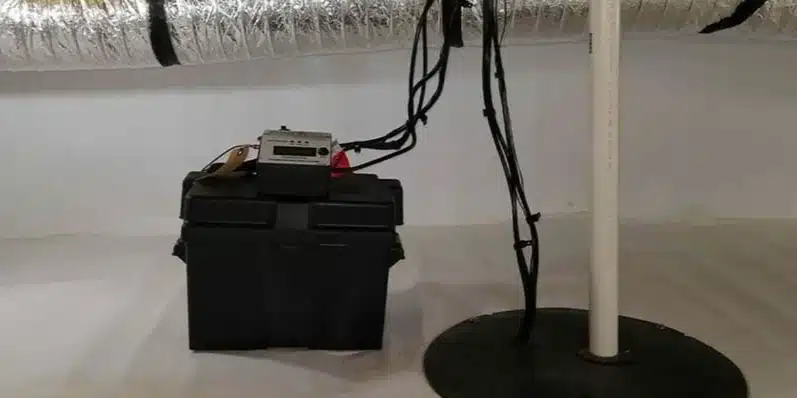
A second pump wired to a dedicated battery and chargerA Backup Pump That Runs on a Battery
When the main pump loses power or cannot keep up, the battery pump turns on and empties the pit until power returns or the battery runs down. The battery needs to stay charged and is replaced over time.
A pump connected to the home's water supply, with no batteryA Backup Pump That Runs on Water Pressure
Water pressure from the home's supply drives the pump, so there is no battery to keep charged. It needs a dependable water supply with enough pressure to work.
Water at the walls and no pit, drain or main pumpA Basement With No Working Primary System
A backup supports a working system. When there is no drain or main pump yet, the interior drainage and primary pump come first, and the backup is added to them.
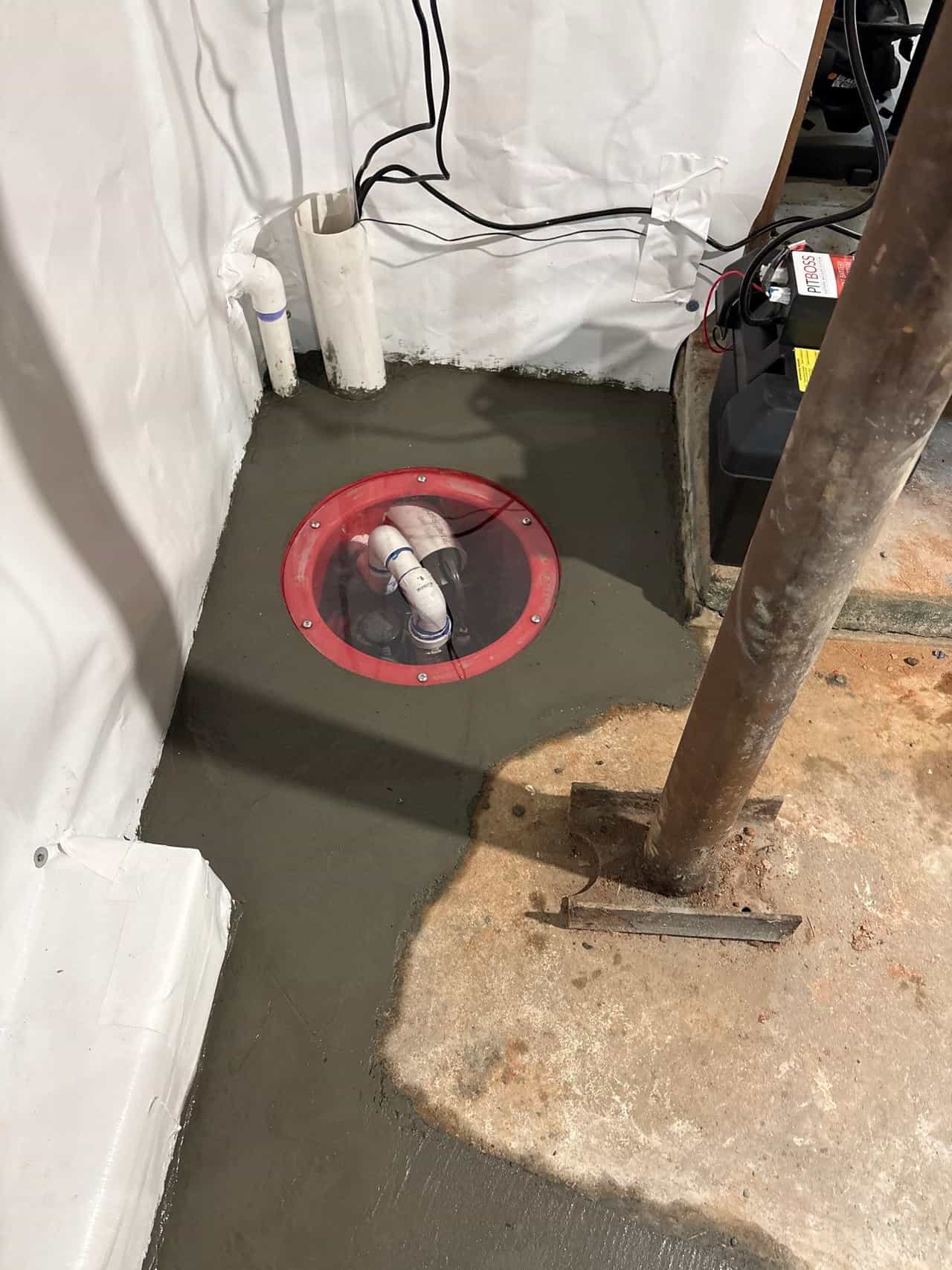
Adding a backup pump that runs on a battery or on water pressure and keeps removing water during a power outage or primary pump failure, when basements are most at risk.
Should a Sump Pump Have a Battery Backup?
In Depth
What Does This Guide Cover?
What a homeowner should understand about this repair, explained in plain language.
Read the full guideHide the full guide
CH 01
What Is a Backup Sump Pump?
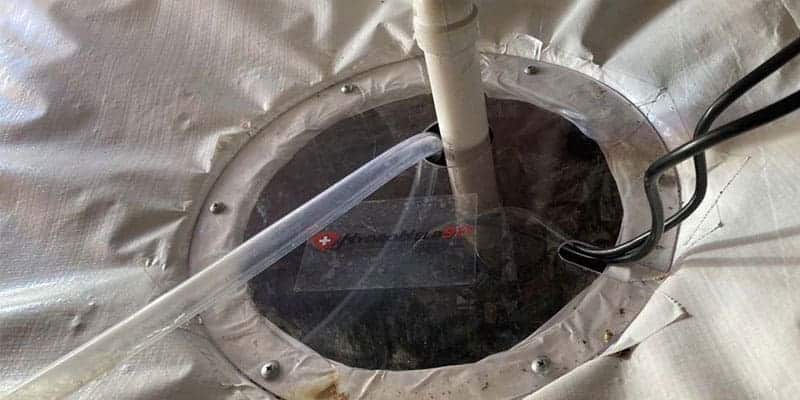
A backup sump pump is a second pump installed in the same pit as the main pump. It sits slightly higher, so it only runs when the water rises past the point where the main pump should have started. If the main pump has lost power, failed or simply cannot keep up, the backup takes over and keeps the pit from overflowing.
The backup does not replace a properly sized primary sump pump or the drainage that feeds the pit. It is a safety net behind them, part of a basement waterproofing system that keeps working when one part stops.
CH 02
Why Do Sump Pumps Stop Working?
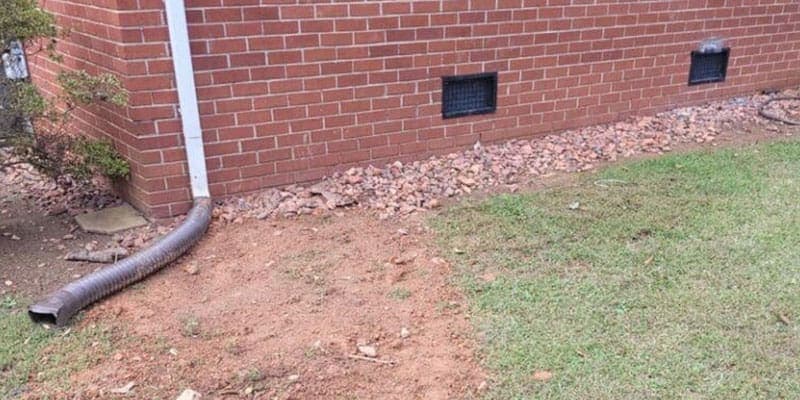
The most common reason is a power outage, and outages tend to happen during the same storms that can leave standing water in a basement. Other causes include a float switch that sticks, a pump that wears out after years of use, a tripped breaker or GFCI outlet, a clogged intake, and a discharge line that freezes or clogs.
Any of these can stop the main pump without warning, often at night or while no one is home. A backup pump covers the time between that failure and someone noticing it.
CH 03
Battery Backup vs. Water Pressure Backup: Key Differences
A battery backup pump draws on a dedicated battery that stays charged while the power is on. When the main pump stops, the battery pump runs until power returns or the battery runs down. The battery needs to be kept in good condition and replaced over time.
A backup that runs on water pressure uses the flow of water from the home's supply to pull water out of the pit, with no battery to maintain. It needs a dependable water supply with enough pressure, which some homes on wells may not have during an outage. We look at your water supply and outage history before recommending one.
CH 04
Which Homes Benefit Most From a Backup Pump?
A backup is most worth considering where a wet basement would cost the most or happen most often. That includes finished basements with flooring, drywall and furniture, basements that store belongings or mechanical equipment, and homes where the main pump runs often.
In coastal areas around Wilmington and Brunswick County, a high water table can keep the main pump busy even between storms, and coastal storms often bring heavy rain and outages together. In the Piedmont, long summer storms can saturate clay soil and keep water moving toward the basement after the power goes out.
CH 05
What Happens During a Backup Pump Installation?
We check the existing pit, primary pump, float switch and discharge line first, because a backup depends on the same pit and plumbing. If the main pump is worn or undersized, we tell you that, since replacing it and adding a backup are often done together.
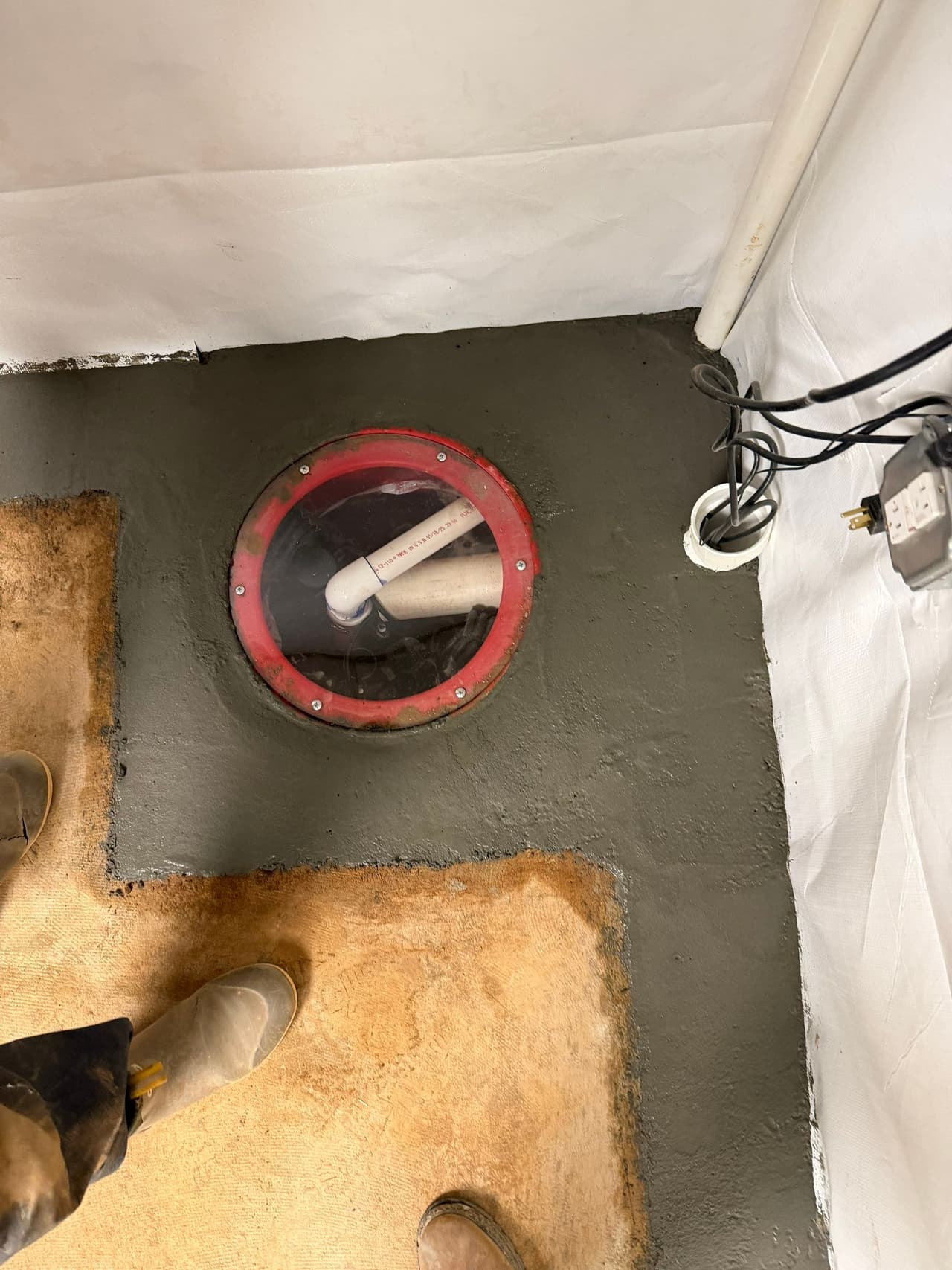
The backup pump is then set in the pit with its own float, connected to its power source or water supply, and tied into the discharge, so it empties the same pit fed by the perimeter drain. We test the handoff by raising the water level with the main pump off, so you can see the backup start on its own.
CH 06
How Do You Maintain a Backup Sump Pump?
A backup only helps if it works when it is needed. For a battery backup, that means checking that the battery holds a charge and replacing it when it no longer does. For either type, it means testing the pump by raising the water in the pit and watching it start and empty the pit.
Signs that the primary system needs attention, such as damp basement walls or water standing near the pit, are worth having checked, since the backup only covers for the main pump for a while.
Which Solution Is Right?
Battery or Water Pressure Backup: Which Fits?
Method
Fits when
Not a fit when
Battery Backup Pump
You want a backup that works without the home's water supply and are able to keep a battery charged and replace it over time.
Outages where you live often last longer than a battery can run the pump.
Water Pressure Backup Pump
The home has a dependable water supply with enough pressure, and you prefer no battery to maintain.
The water supply is weak or may stop during an outage, as some well systems can.
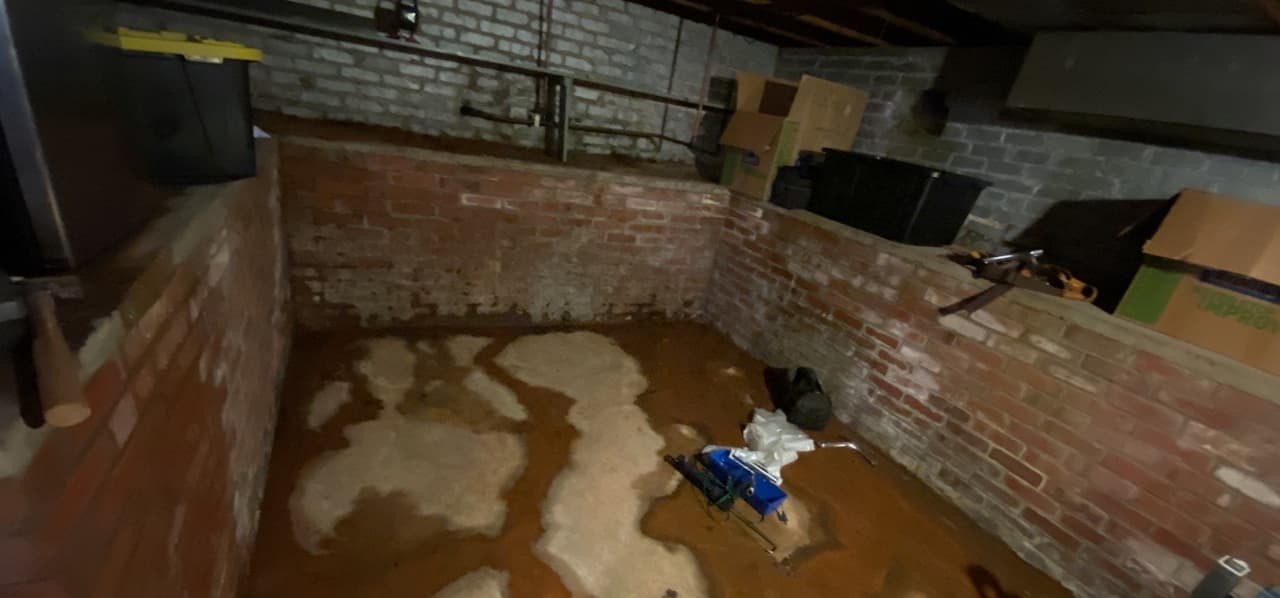
A crawl space that collects water after rain or sits over a high water table often needs a sump pump.
Read the Guide
Why Choose HydroHelp911
Care and Expertise From a Team Serving the Carolinas Since 2017
HydroHelp911 handles basement waterproofing and related structural and moisture work across North and South Carolina. Every repair recommendation starts with a free inspection of the whole home.
01
Trained inspectors, not salespeople.
An inspector looks at your home, finds the source of the problem, and explains each finding in plain language. There is no obligation.
02
Locally owned in Gaston County.
We are headquartered in Dallas, North Carolina, with eight offices across North and South Carolina.
03
Serving the Carolinas since 2017.
Foundation repair, crawl space repair and encapsulation, basement waterproofing, framing repair, and concrete leveling are the whole focus of the team.
04
Rated 4.9 stars on Google.
We have 1,300+ verified Google reviews (4.9 stars) from homeowners across the Carolinas and are BBB A+ Accredited.
05
Written warranty terms.
For example, helical and push piers carry a lifetime warranty that no additional settlement will occur in the area of installed piers, once the final invoice is paid in full. Read the warranty terms.
06
Financing is available.
Ask your inspector about financing when you get your written estimate. See financing options.
Cory ParksOWNER & PRESIDENT
Recent Work
Recent Basement Waterproofing Projects
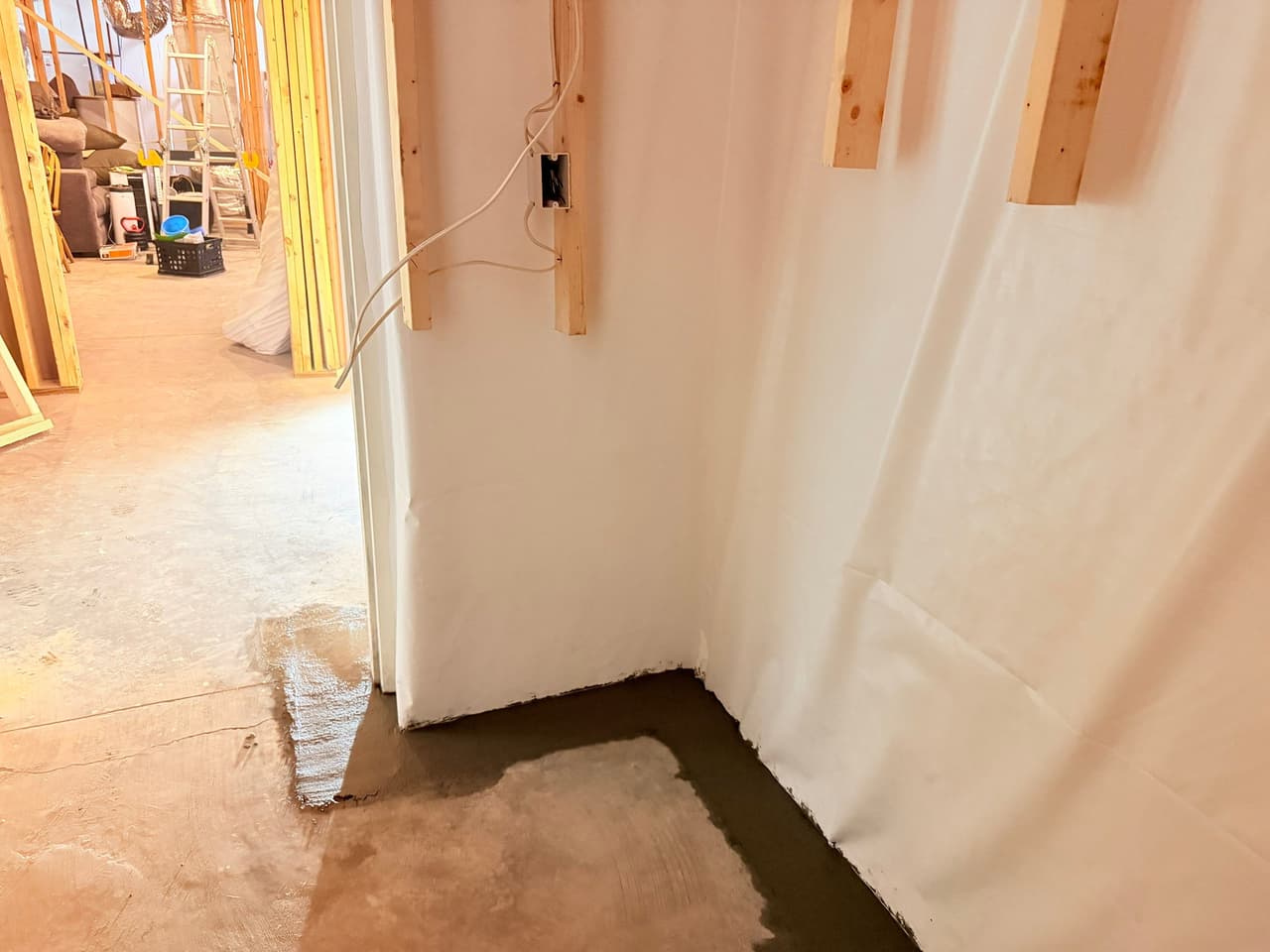
Finished basement waterproofing jobs from our crews, photographed on site. Open any project to see the full photo set and what we did.
Not Sure Backup Sump Pump Installation Is What You Need?
Answer three quick questions about your home. We'll match what you see to the most likely cause and point you to the right next step.
1
Symptom
2
History
3
Your Result
Location: Basement
What Are You Seeing in Your Basement?
Pick the symptom that best describes it.
Frequently Asked Questions
Common Questions About Backup Sump Pump Installation
Don't see your question here? Call or fill out our quick online form, and our team will help.
A primary pump can leave a basement unprotected in two ways. It runs on household power, so an outage during a storm stops it just as water arrives, and it can also fail or jam over time. A backup pump covers both by taking over automatically when the primary cannot run, which matters most in the storms that bring heavy rain and outages together.
A battery backup draws on a dedicated battery and turns on when the main pump loses power, pumping until power returns, so the battery has to stay charged. A backup that runs on your home's water pressure needs no battery, but it depends on a dependable water supply. Both sit in the same pit as the main pump, and we help you choose between them.
Yes. A backup pump is set to activate the moment the primary pump cannot keep up or loses power, with no action needed from you. That automatic handoff is the whole point, because outages and pump failures often happen when no one is home or in the middle of the night during a storm. The backup is installed in the same pit and stands ready so water keeps moving even when the primary pump goes silent.
For coastal homes near Wilmington and Brunswick County, a backup pump is especially worth considering. A high water table means the primary pump may already cycle frequently to manage groundwater, so the consequences of it stopping during a storm or outage are higher. Coastal storms also bring both heavy water and power loss together. A backup gives those homes a second layer of protection during exactly the conditions the area is prone to.
It depends on the battery, the pump and how often water fills the pit. A pit that fills quickly drains a battery faster than one that fills slowly. During the inspection we look at how often your main pump runs and talk through how a battery backup would fit those conditions.
A backup pump is installed as part of an interior drainage and sump system, so it is priced with that system rather than on its own. The cost depends on the type of backup, battery or water pressure, the pit and primary pump it works with, and how the backup ties into the discharge line. A free inspection gives you a written estimate at no cost, and financing is available.
Pricing & Scope
How Is Your Repair Priced?
Every home is different, so every estimate is written for the home in front of us. A free inspection at your home gives you a written estimate at no cost, based on your scope, access, and conditions.
How Pricing Works
A backup pump is part of an interior drainage and sump system, not sold on its own, so it is priced with that system. Pricing depends on the type of backup pump, battery or water powered, and how it ties into the pit and the primary pump. You receive a written estimate after a free inspection.
When Is This Not the Right Fix?
A backup pump is not a replacement for a properly sized primary pump or for the drainage that feeds the pit.
What Does the Free Inspection Include?
Your inspector explains every finding in plain language, and you get written documentation at no cost, typically an estimate with photographs.
Two ways to start. Both are free, with no obligation.