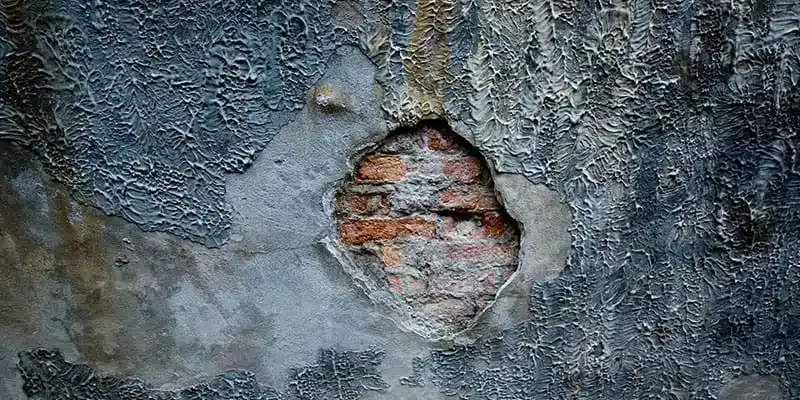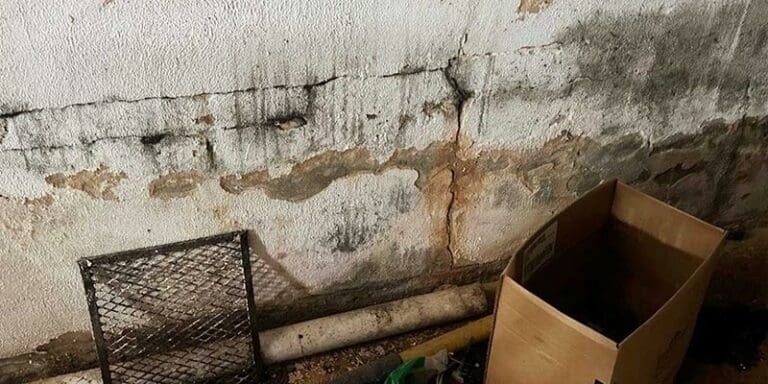

Most cracks in basement walls come from concrete shrinking, normal settling or water and soil pressure against the wall. Thin vertical cracks are often minor; horizontal cracks, cracks that grow and cracks that leak usually point to pressure or movement that an inspection should look at.
Let’s talk about the different kinds of cracks in basement walls, what they mean, what causes them, and how to fix them.
Why Do Basement Walls Crack?
Basement walls can crack for a few reasons. One common cause is the natural settling of your home. As soil shifts or compacts under the foundation, the pressure can lead to cracks. Changes in temperature, water pressure, and construction flaws can also play a part.
When the ground around your home gets too wet, it expands. When it dries, it shrinks. This movement can stress your basement walls. Over time, cracks appear.
Some cracks are normal. But others can let water in, weaken your walls, or point to a structural problem. That’s why it’s important to look closely.
What Are the Types of Basement Wall Cracks?
Hairline cracks in basement walls are very thin and often caused by concrete shrinkage. These are usually not a structural concern, and sealing them helps keep water and pests out.
Vertical cracks in basement walls run up and down. These cracks are often due to settling and may not be serious if they don’t grow over time.
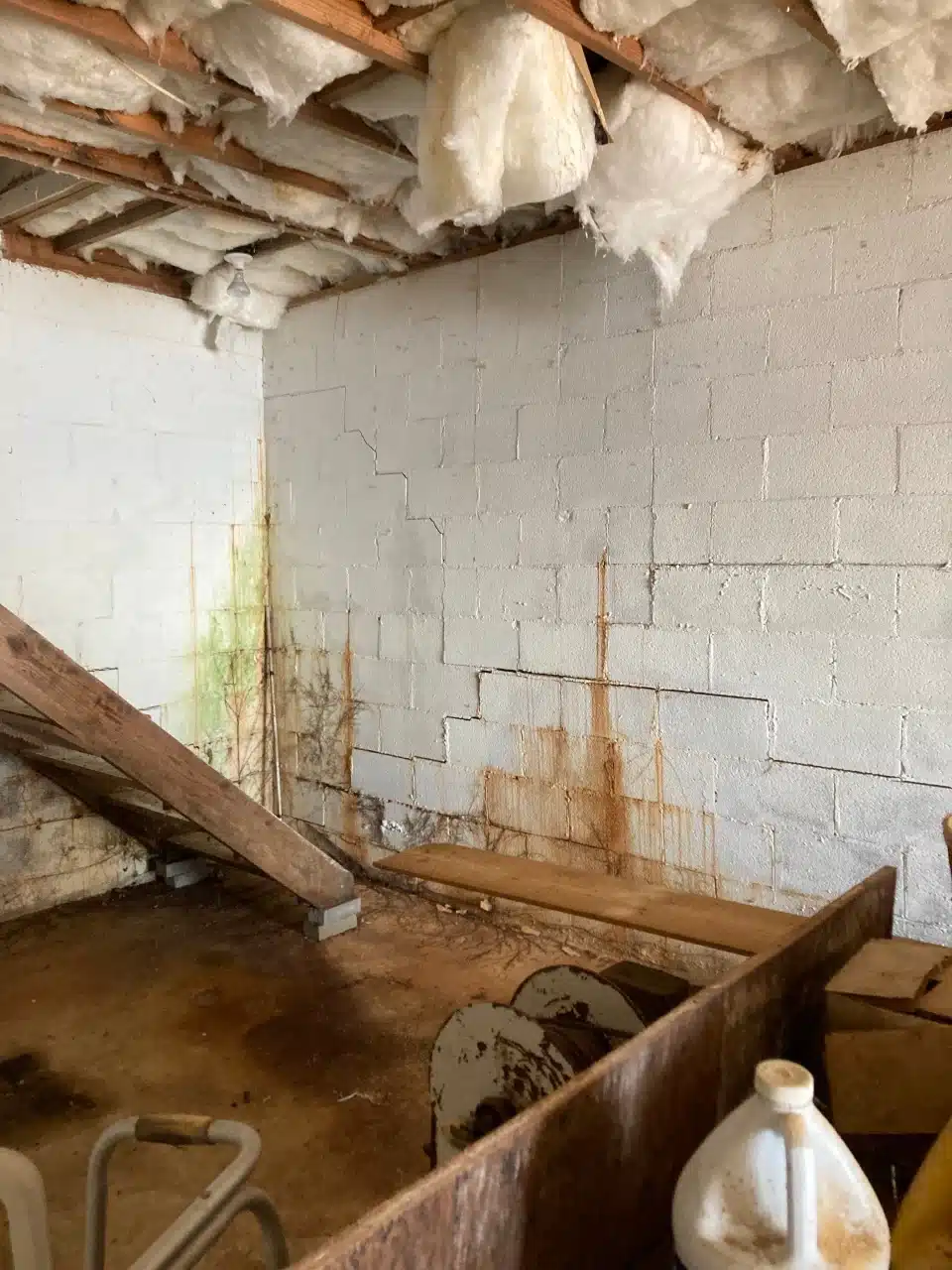
Horizontal foundation cracks are a bigger concern. They often mean that outside pressure is pushing against the wall. This can happen from water buildup, heavy soil or poor drainage. When the pressure is not addressed, these cracks can widen and the wall can start to bow.
Diagonal cracks can form from uneven settling. One side of the wall might be moving more than the other. These cracks may be small at first, but they can lead to larger problems over time.
What Do Cracks in Basement Walls Really Mean?
A small crack doesn’t always mean big trouble. But some cracks are signs of structural damage. It depends on the size, shape, and location of the crack. If the crack is getting longer or letting in water, an inspection can show what is causing it.
Water stains or a musty smell near the crack could mean you have a leaking basement wall. Moisture can cause mold, rot, or damage to anything stored in your basement. It can also weaken the wall itself.
When cracks grow quickly or show up in several places, it might mean the foundation is shifting. In that case, you may need structural wall crack repair.
How Do You Fix Cracked Basement Walls?
Fixing a crack depends on what caused it. For minor cracks, sealing with epoxy or polyurethane can keep water out. This is usually done through basement crack injection, which fills the crack from the inside.
For larger or more serious cracks, the wall may need reinforcement, such as carbon fiber straps or wall anchors. These help stabilize the wall against further movement; wall anchors stop further inward movement but do not straighten a wall.
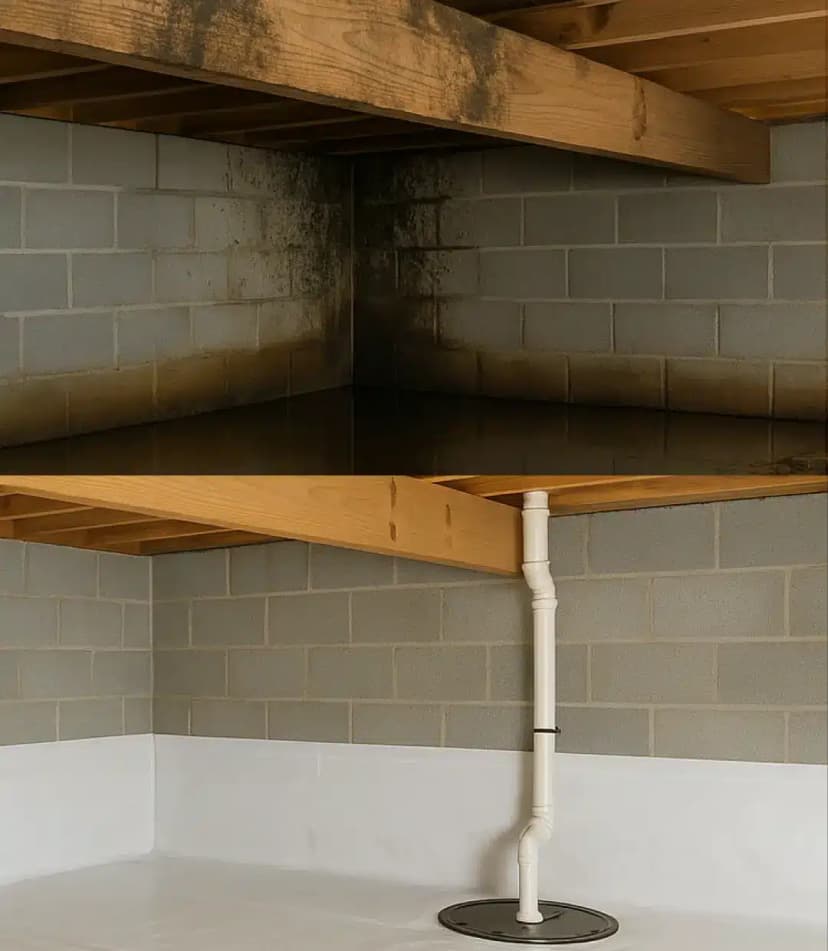
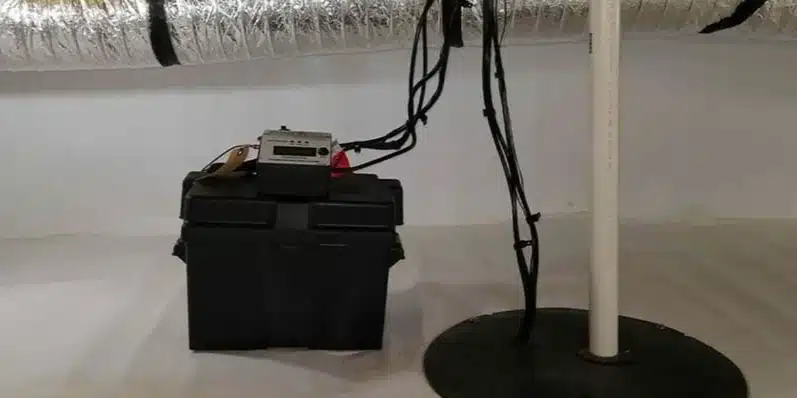
If water is part of the problem, waterproofing is part of the repair. That can mean sealing the walls or adding interior drainage and a sump pump. Managing the water around the wall helps keep cracks from coming back.
Can You Repair Basement Wall Cracks Yourself?
It might be tempting to fix a crack yourself. You can find sealants and fillers at hardware stores. But a surface repair may not address what caused the crack.
Most DIY repairs cover the surface only. If the crack comes from structural movement or water pressure, sealing it may not stop the problem, and the crack can return.
A professional inspection shows which type of crack you have and what caused it.
When Should You Call a Basement Crack Expert?
If a crack leaks, gets bigger or looks serious, a free inspection can show what is causing it. Even when a crack seems small, an inspector can tell you what is going on.
The inspector looks at your basement, finds the cause and recommends a repair that addresses it, along with any waterproofing that would help.
How Can You Help Protect Your Basement From Cracks?
A few homeowner habits help: keep gutters working, keep roof water away from the foundation, and plant new trees well away from the house.
Regular inspections also help, because small cracks are often easier to repair. If your home is older, or you have had water problems before, it is a good idea to have your basement checked.

Get Help With Cracked Basement Wall Repair
Some cracks are signs of age. Others point to pressure or movement. An inspection is the way to know which you have, and our team can help with cracked basement wall repair and interior waterproofing.
Next Step
Schedule a Free Inspection
Call or fill out our quick online form. We'll book a convenient time to assess your home at no cost.
Learn more about our basement waterproofing services.
Found this useful? Share it with someone working on their home.
Written by
Cory Parks
Owner & President, HydroHelp911
Cory Parks founded HydroHelp911 and leads its structural and moisture repair work for homeowners across North and South Carolina, from the clay soils of the Piedmont to the saturated, sandy ground along the coast.
More about CoryGet a Free Inspection
Two ways to start. Both are free, with no obligation.
Pick your own day in our calendar. You save $250 if you go ahead with the work.
Send a short form, and our office will call to book a time that suits you.
For new customers who book online through our website and then sign a contract.