
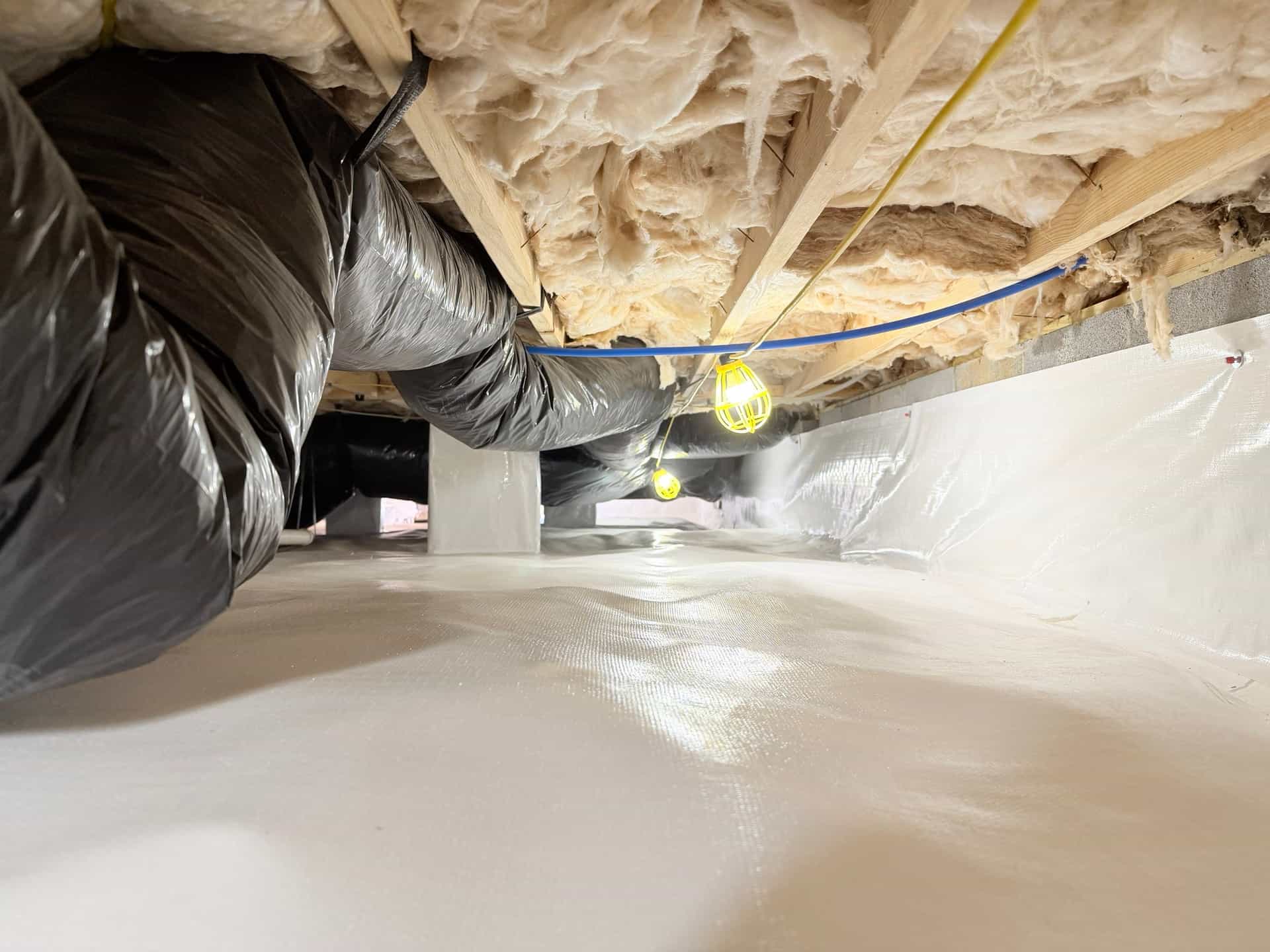
Crawl Space Insulation for an Encapsulated Crawl Space
Installing or replacing crawl space insulation the right way for an encapsulated Carolina crawl space, so your home holds a more even temperature, your floors feel warmer, and less conditioned air is lost below the house.
Get a Free Inspection
Two ways to start. Both are free, with no obligation.
Pick your own day in our calendar. You save $250 if you go ahead with the work.
Send a short form, and our office will call to book a time that suits you.
For new customers who book online through our website and then sign a contract.
What to Know About Insulation Installation
Crawl space insulation adds a thermal barrier below your rooms. Heat moves toward cold, so in winter it drains down through an uninsulated floor, and in summer heat works its way up. Insulation slows that exchange, so floors feel warmer in winter and steadier in summer, and your heating and cooling system cycles less, which is where lower energy loss comes from.
In an encapsulated crawl space, the vents are closed and the space is brought partly inside the home's thermal boundary, so insulation typically goes on the perimeter foundation walls. That keeps the space closer to the temperature upstairs. A vented crawl space instead takes insulation between the floor joists. The construction, the moisture, and whether the space is being sealed decide which fits.
Insulation does not control moisture. Humid Carolina air drawn into a vented crawl space condenses on cooler surfaces, and fiberglass batts soak it up, lose their insulating value, sag, and fall. Encapsulation breaks that cycle by sealing the space and controlling moisture first, so the new insulation stays dry.
The symptoms that usually lead to crawl space insulation are on the crawl space encapsulation problem signs page, alongside the other signs that point to the same underlying cause.
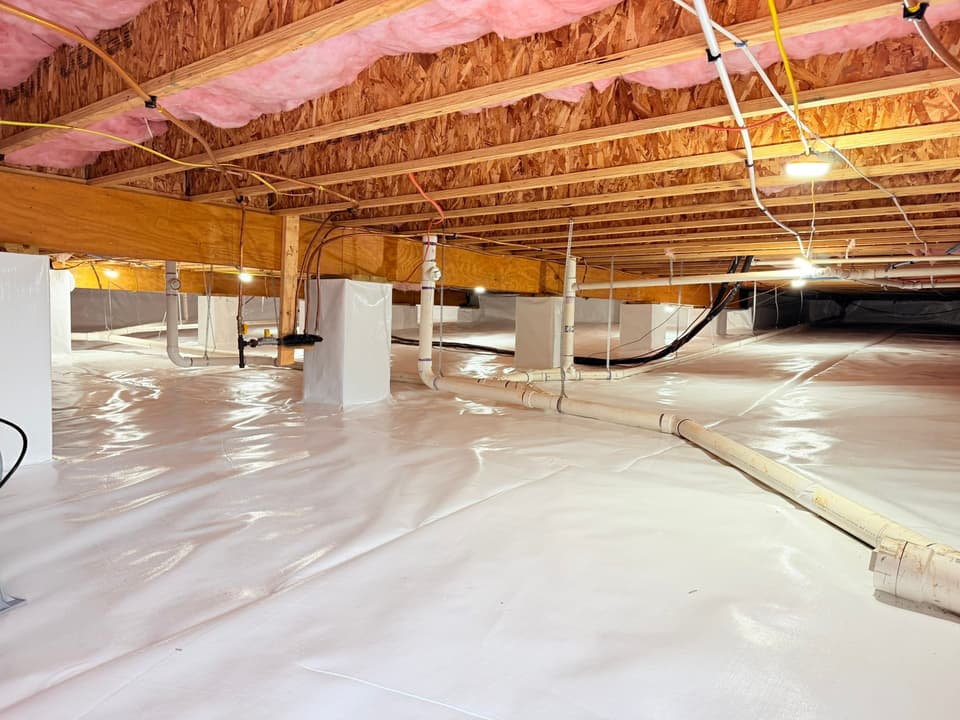
How We Install Crawl Space Insulation
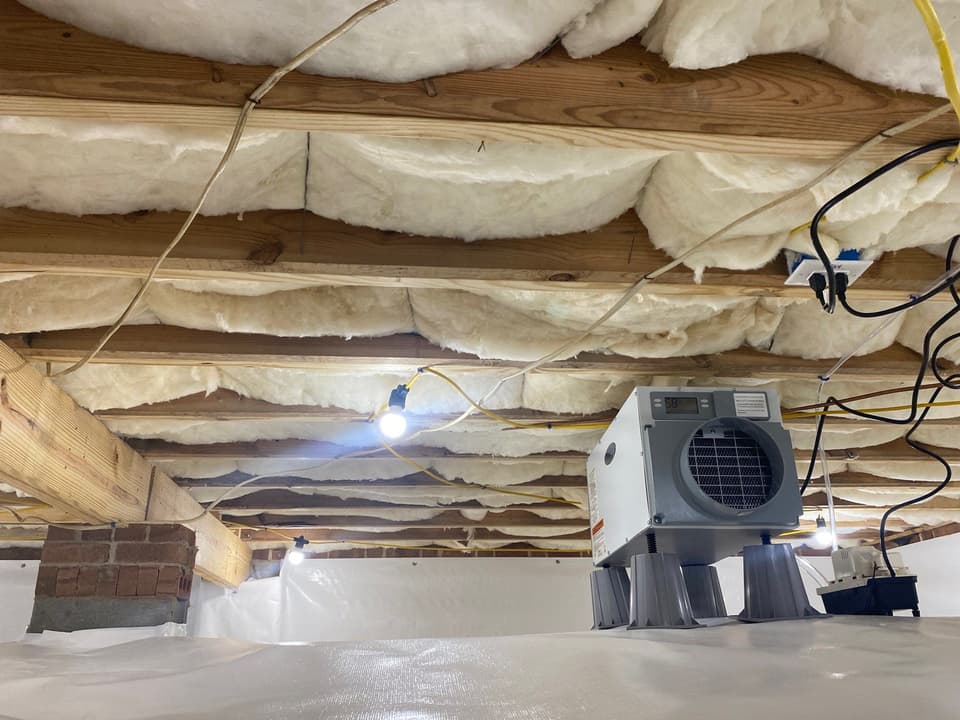
Free Inspection and Moisture Assessment
We evaluate the crawl space as a whole, including the insulation. We check any existing insulation for signs it has been wet, sagging, or has fallen, ask about cold floors in the rooms above, and assess the moisture sources, vapor barrier, drainage, and framing. In the humid Carolina climate, wet or failed insulation is usually a symptom, so finding out why it failed comes before deciding what to install.
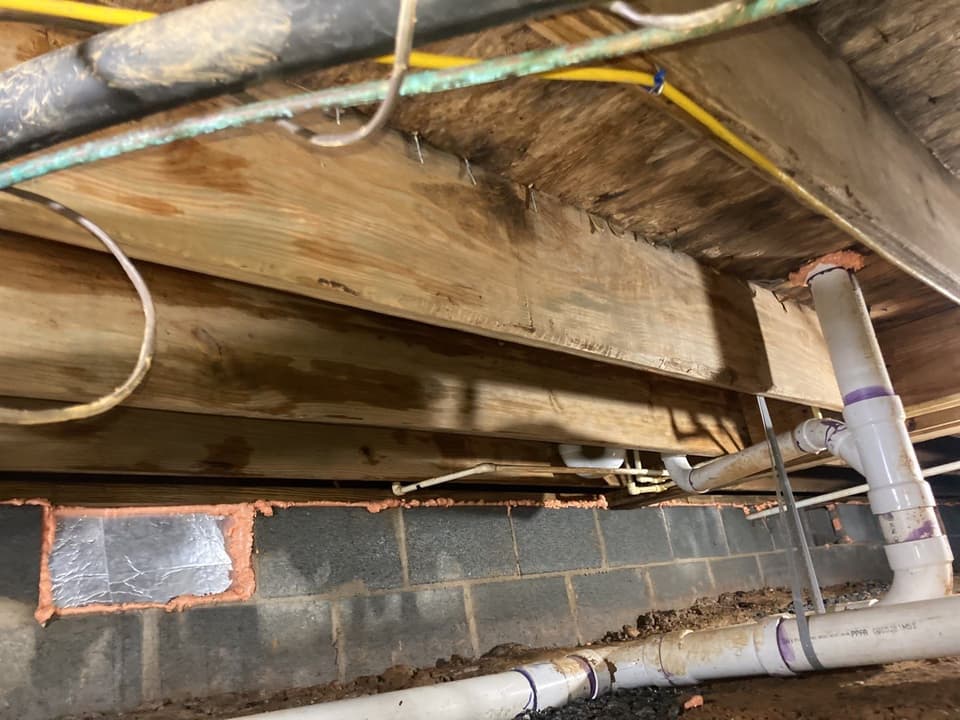
Recommend the Right Approach for Your Crawl Space
Based on what we find, we explain whether your home is better served by wall insulation in a sealed space, insulation between the floor joists in a vented crawl space, or a combination paired with moisture control. We walk you through the tradeoffs for your specific construction and climate, including how the choice affects the temperature and energy loss below your floors, so you understand the plan and the reasoning before any work begins.
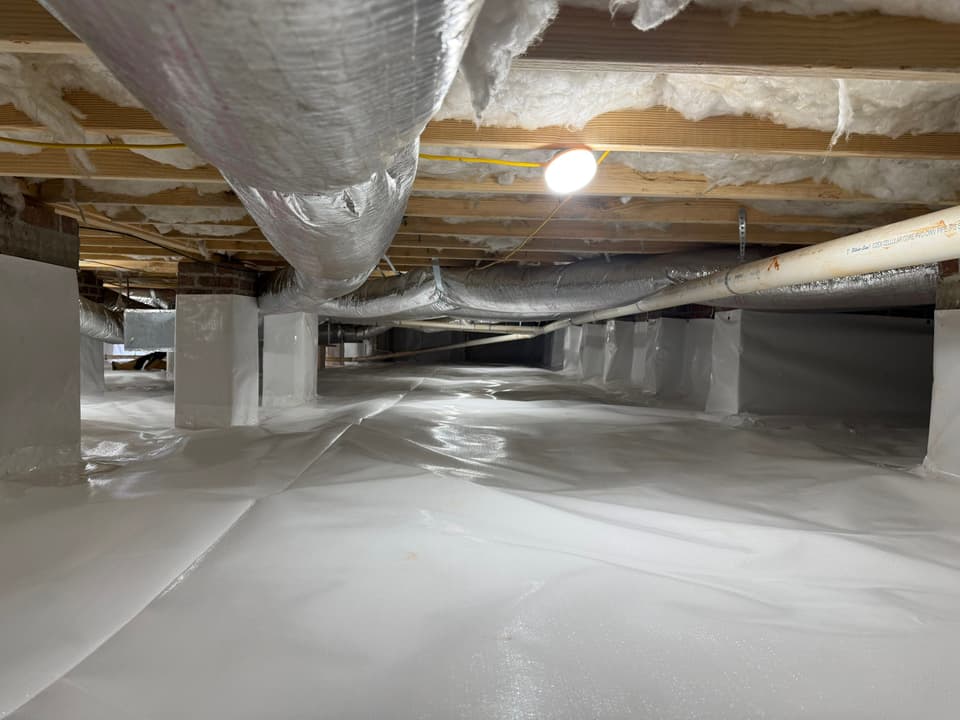
Remove Failed Insulation and Prepare the Sealed Space
If old insulation is wet, compressed, sagging, or has dropped to the ground, we remove it so we are not building over a problem. We prepare the crawl space for the new material, which in an encapsulation includes confirming the crawl space vapor barrier and sealed conditions are in place so the space is dry before we insulate. A clean, dry, sealed starting point is what allows new insulation to perform.
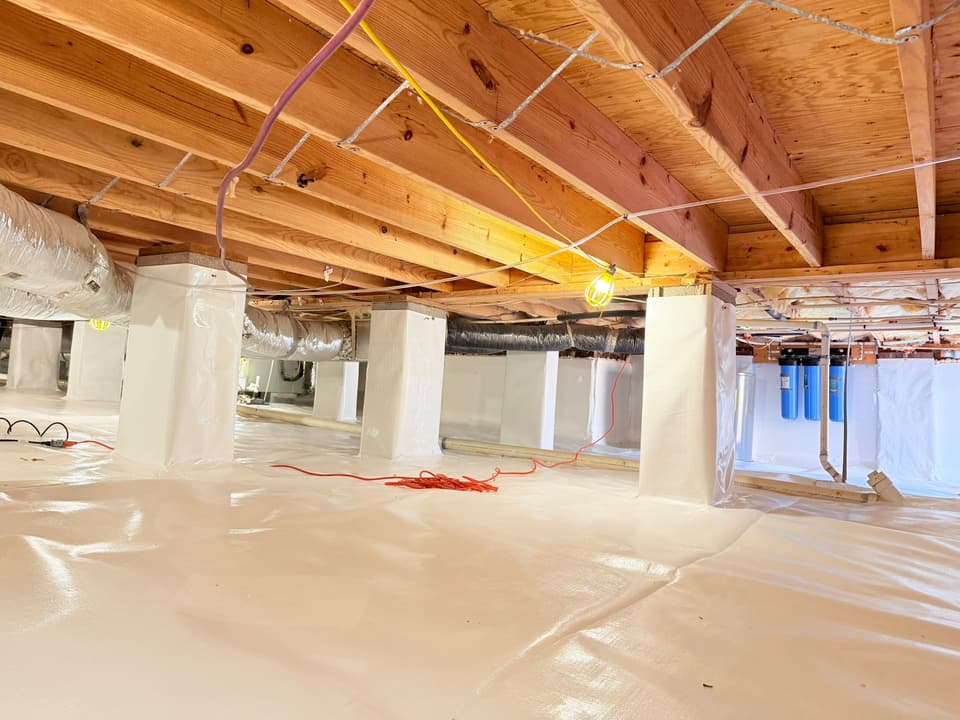
Install the New Insulation
We install the new insulation to the plan for your crawl space, against the perimeter foundation walls in a sealed space or between the floor joists in a vented one, and secure it for continuous coverage, free of the gaps and sagging that let air bypass older, poorly fitted insulation. Open vents are closed first through crawl space vent sealing.
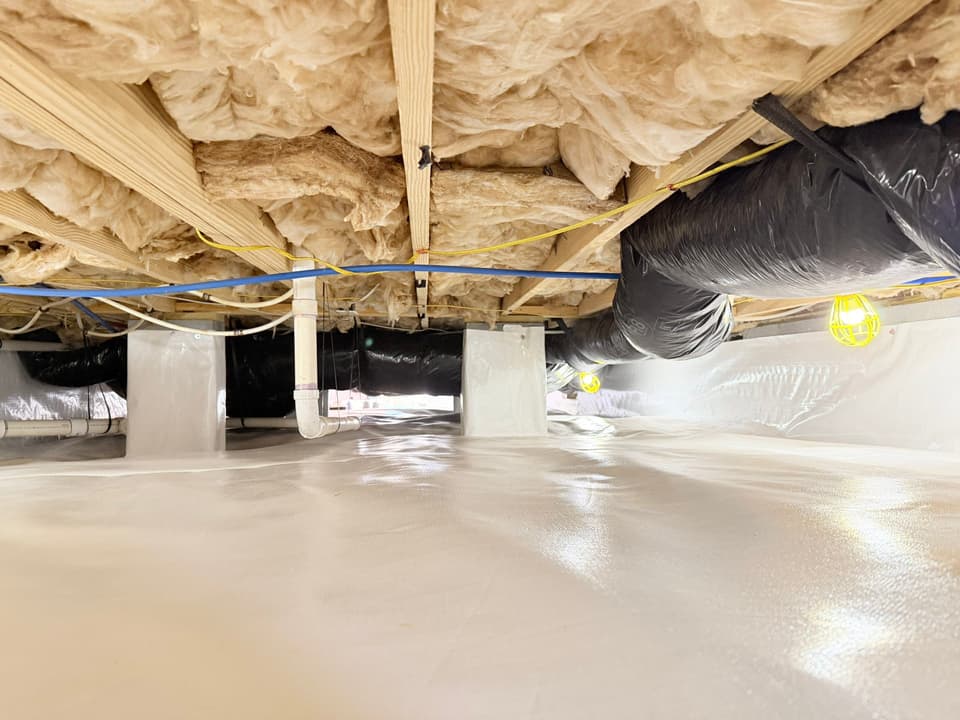
Confirm Moisture Protection and Review the Result
Because insulation lasts only as long as the crawl space stays dry, we confirm the moisture controls that protect it are in place and review the finished work with you. We explain how the new insulation and the sealed, moisture controlled environment work together to steady the temperature below your floors, and what to watch for going forward, so you understand how the system reduces energy loss and keeps the space protected over time.
Insulation Installation on Our Job Sites
Photos from our own crews and projects. Swipe or use the arrows to see more.
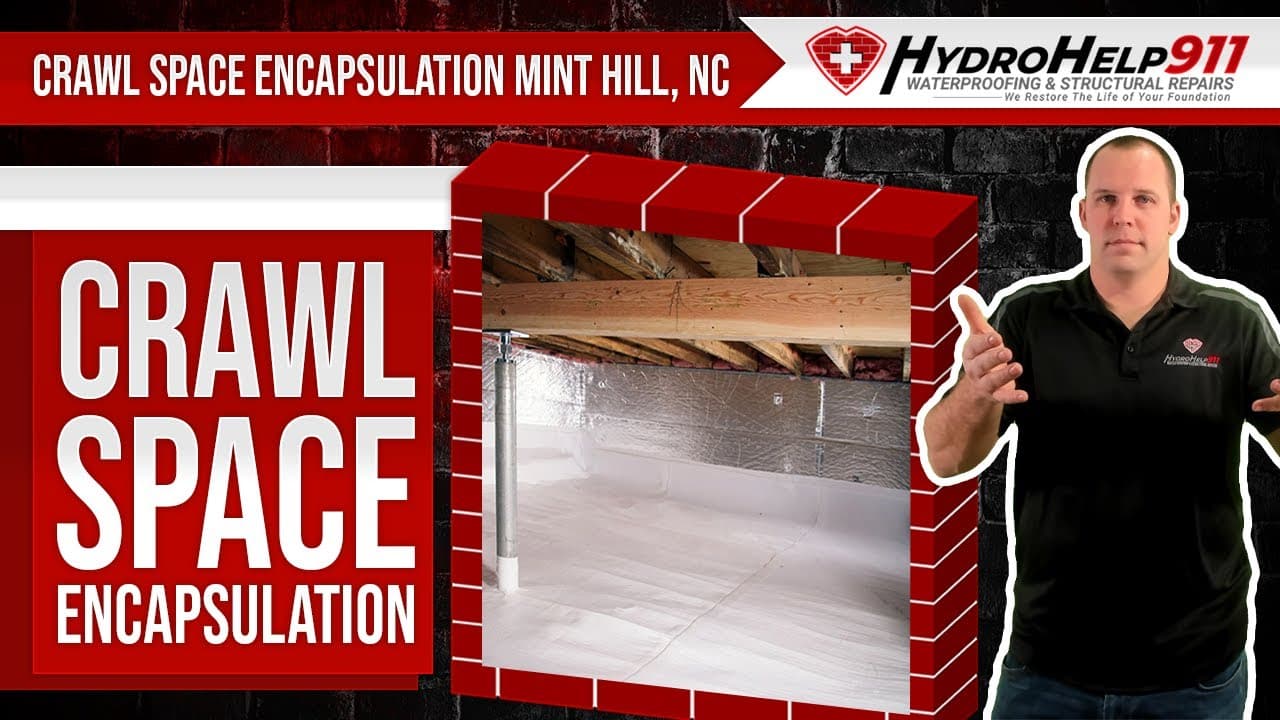
Crawl Space Encapsulation in Mint Hill, NC: Repair, Vapor Barrier and Insulation
Care and Expertise From a Team Serving the Carolinas Since 2017
When the fix is crawl space insulation, our own crews do the work. HydroHelp911 handles crawl space encapsulation and related structural and moisture work across North and South Carolina.
An inspector looks at your home, finds the source of the problem, and explains each finding in plain language. There is no obligation.
We are headquartered in Dallas, North Carolina, with eight offices across North and South Carolina.
Foundation repair, crawl space repair and encapsulation, basement waterproofing, framing repair, and concrete leveling are the whole focus of the team.
We have 1,300+ verified Google reviews (4.9 stars) from homeowners across the Carolinas and are BBB A+ Accredited.
For example, helical and push piers carry a lifetime warranty that no additional settlement will occur in the area of installed piers, once the final invoice is paid in full. Read the warranty terms.
Ask your inspector about financing when you get your written estimate. See financing options.
Common Questions About Insulation Installation
Don't see your question here? Call or fill out our quick online form, and our team will help.
In a sealed, encapsulated crawl space the insulation is typically applied to the perimeter foundation walls. Because encapsulation closes the vents and brings the space partially inside the home's thermal boundary, insulating the walls keeps the whole crawl space closer to the temperature of the rooms above, which holds the floors warmer and steadies the conditioned air in the house. In a traditional vented crawl space, insulation is set in the floor system. During your free inspection we look at your construction and moisture conditions and explain which approach fits your home and why.
Which Crawl Space Encapsulation Problem Signs Can Crawl Space Insulation Help With?
A sign can trace to more than one cause. These are the crawl space encapsulation signs that can point to a cause this method addresses; the inspection shows which cause is at work in your home.
Cold Floors Above Crawl Space
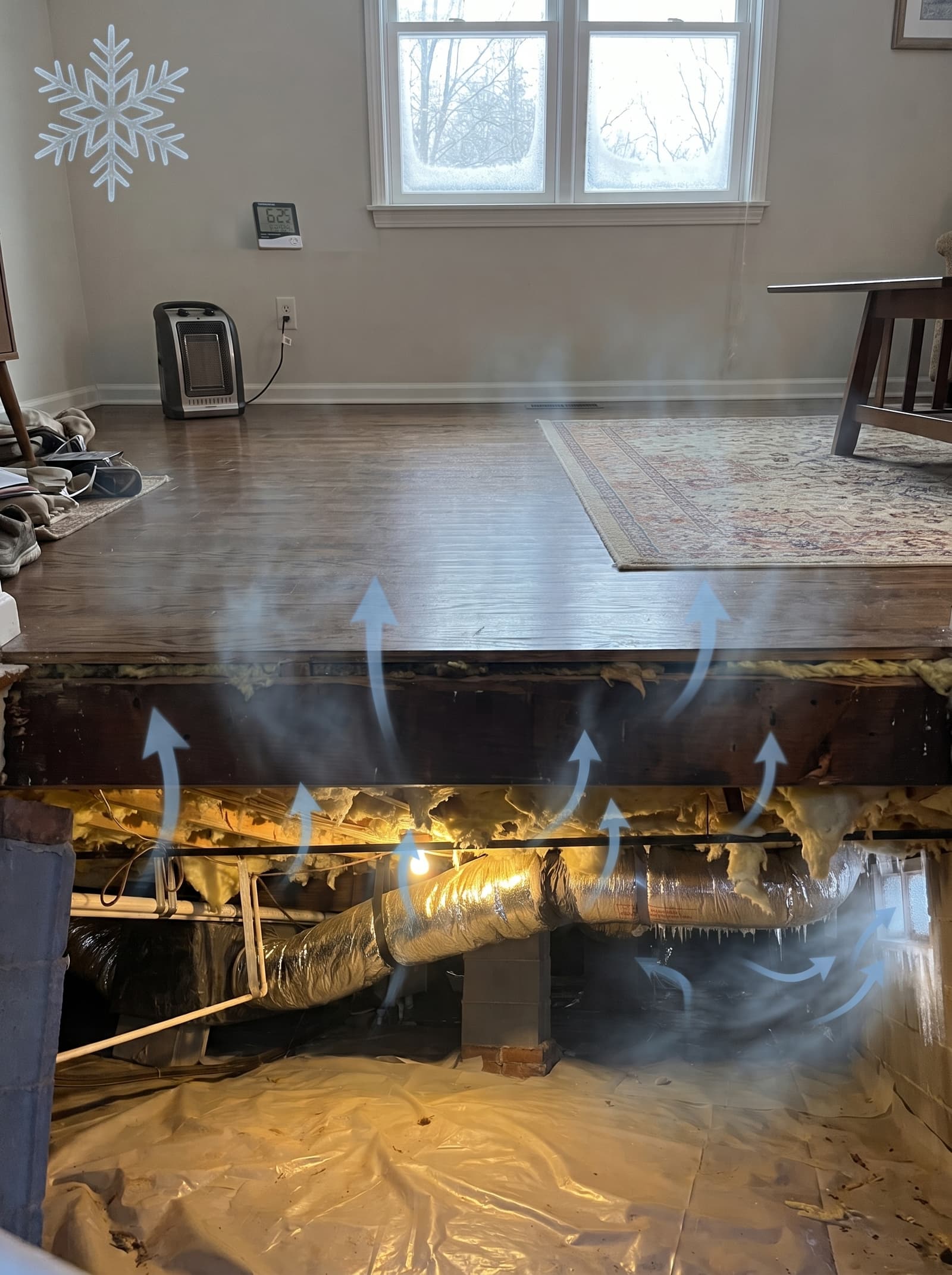
When the floor over your crawl space feels cold underfoot in winter, the cause is almost always below it: insulation that has sagged or fallen, open vents pulling cold outdoor air under the home, or moisture that has soaked the batts and the framing.
Learn More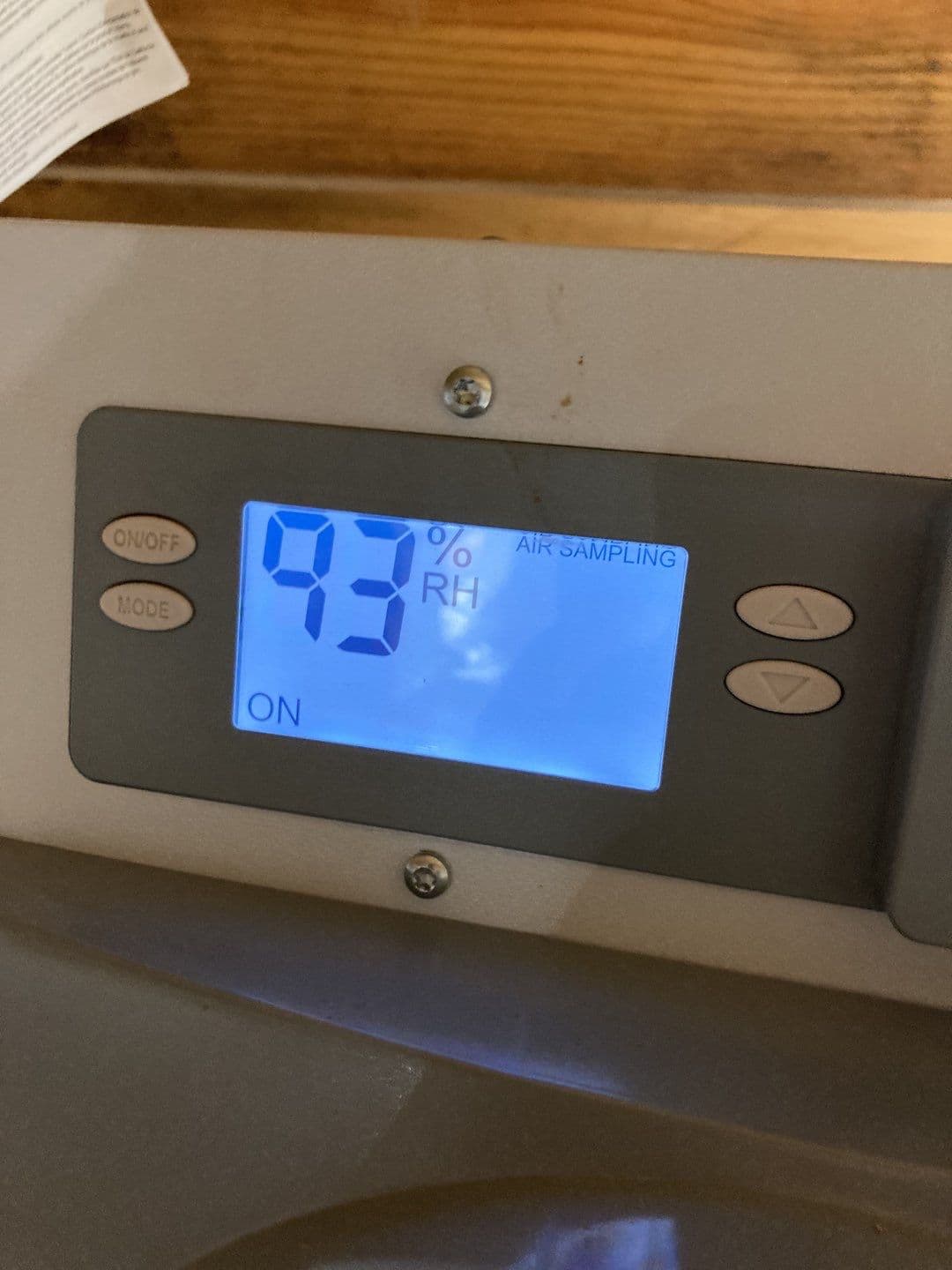
High Humidity Levels
Damp air under your home soaks the framing, raises a musty smell upstairs, and makes your HVAC work harder.
Learn More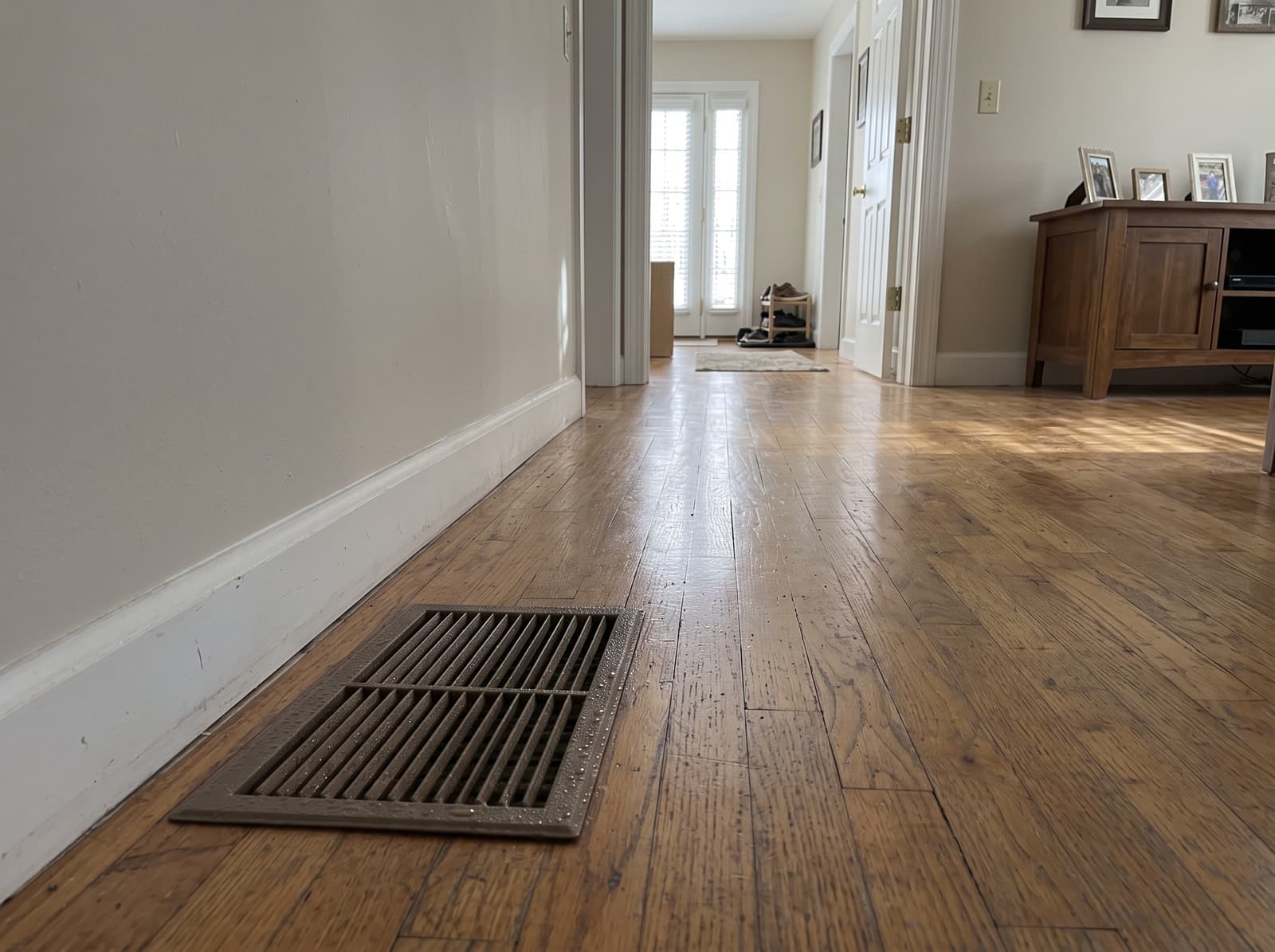
Condensation on HVAC Vents
When warm, humid air meets the cooler metal of supply vents and ductwork, water beads on the surface.
Learn MoreOther Crawl Space Encapsulation Solutions We Install
Each solution fits a different cause. The inspection shows which one your home needs.
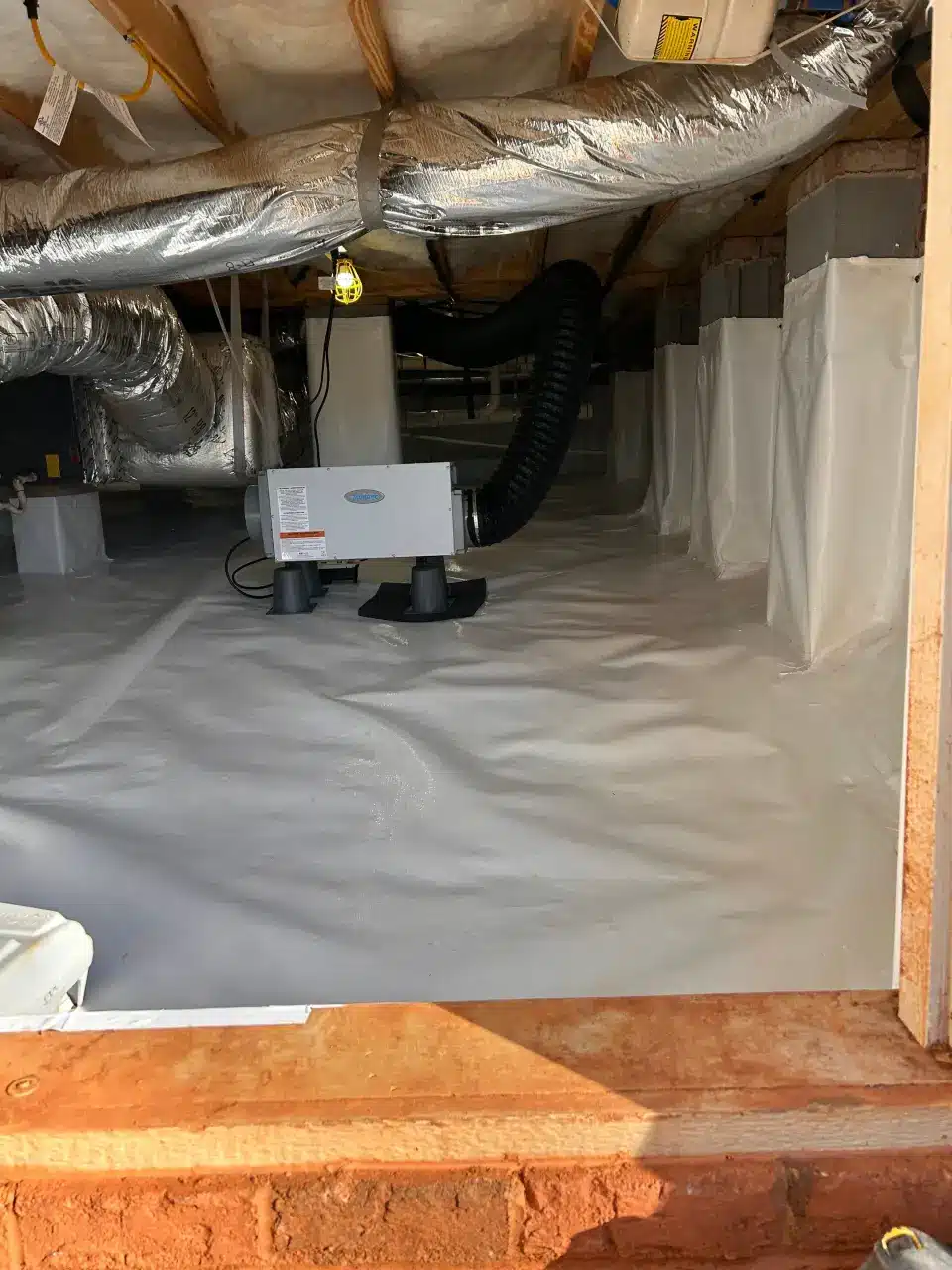
Dehumidifiers
Once your crawl space is sealed, a dehumidifier built for crawl spaces manages the humidity that remains in the conditioned air, so condensation, musty odors, and damp framing have less room to develop.
Learn More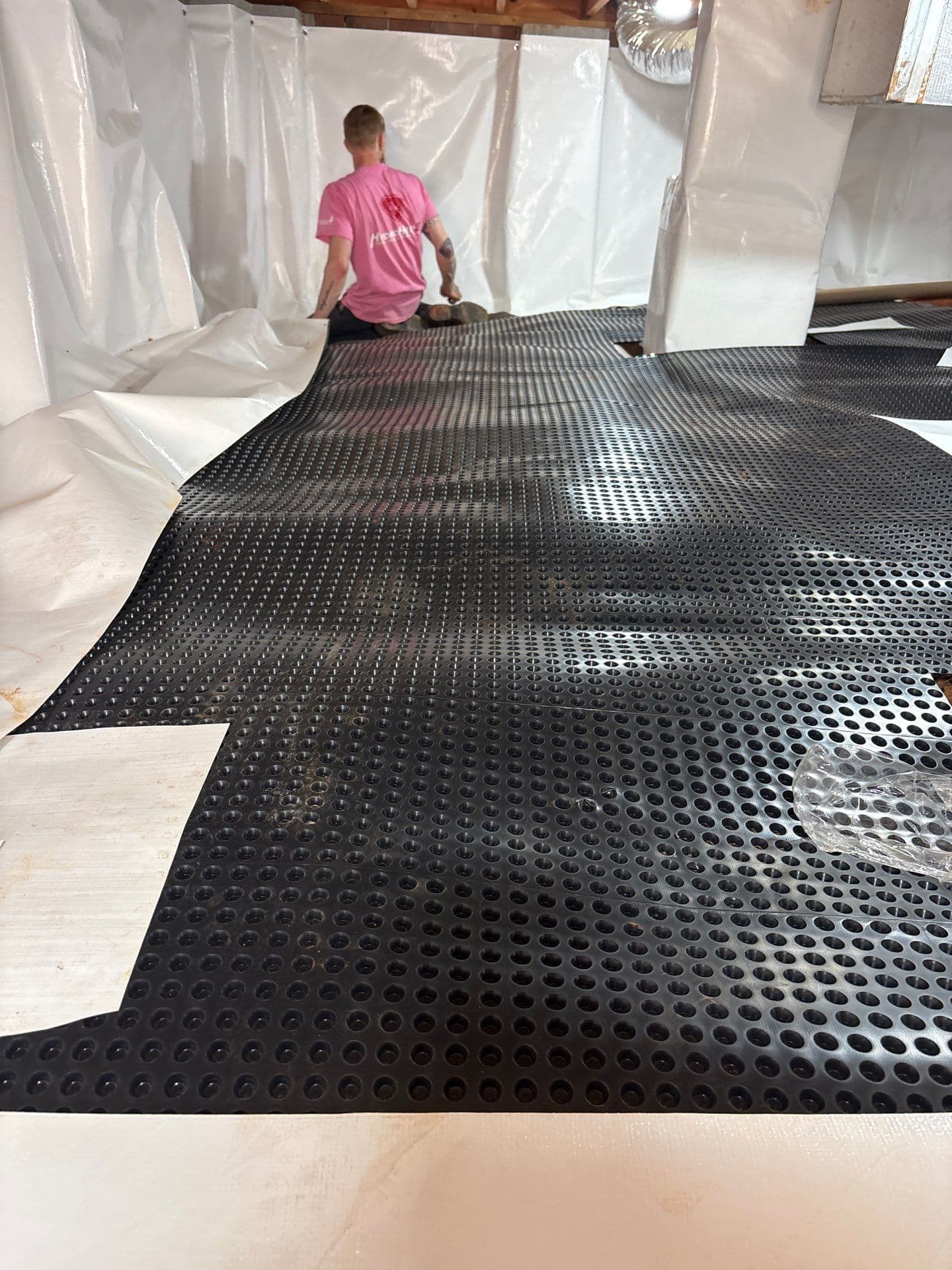
Crawl Space Drainage Systems
Encapsulation seals out vapor and humid air, but it cannot hold liquid water.
Learn More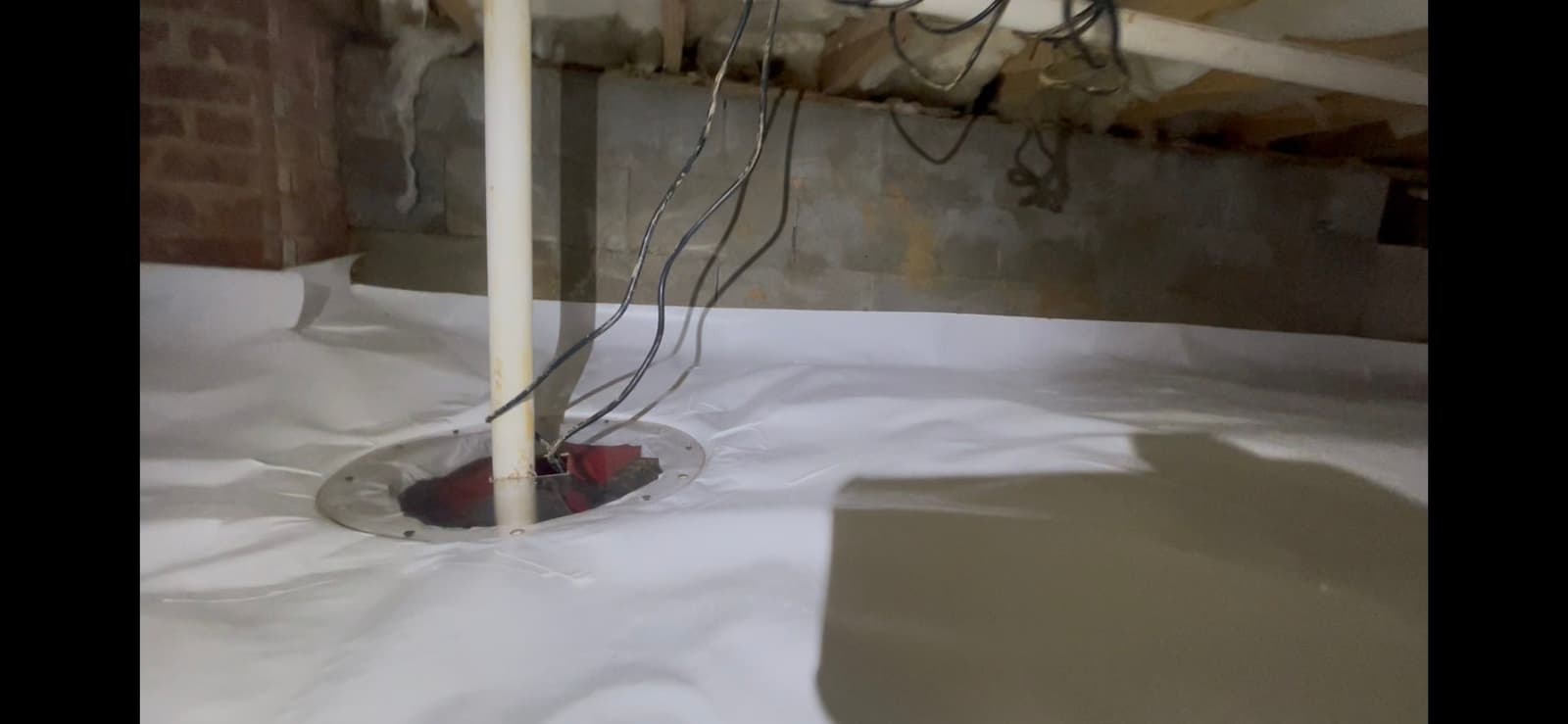
Sump Pumps
Encapsulation seals out moisture vapor and humidity, but it does not stop liquid groundwater from rising under your Carolina home.
Learn More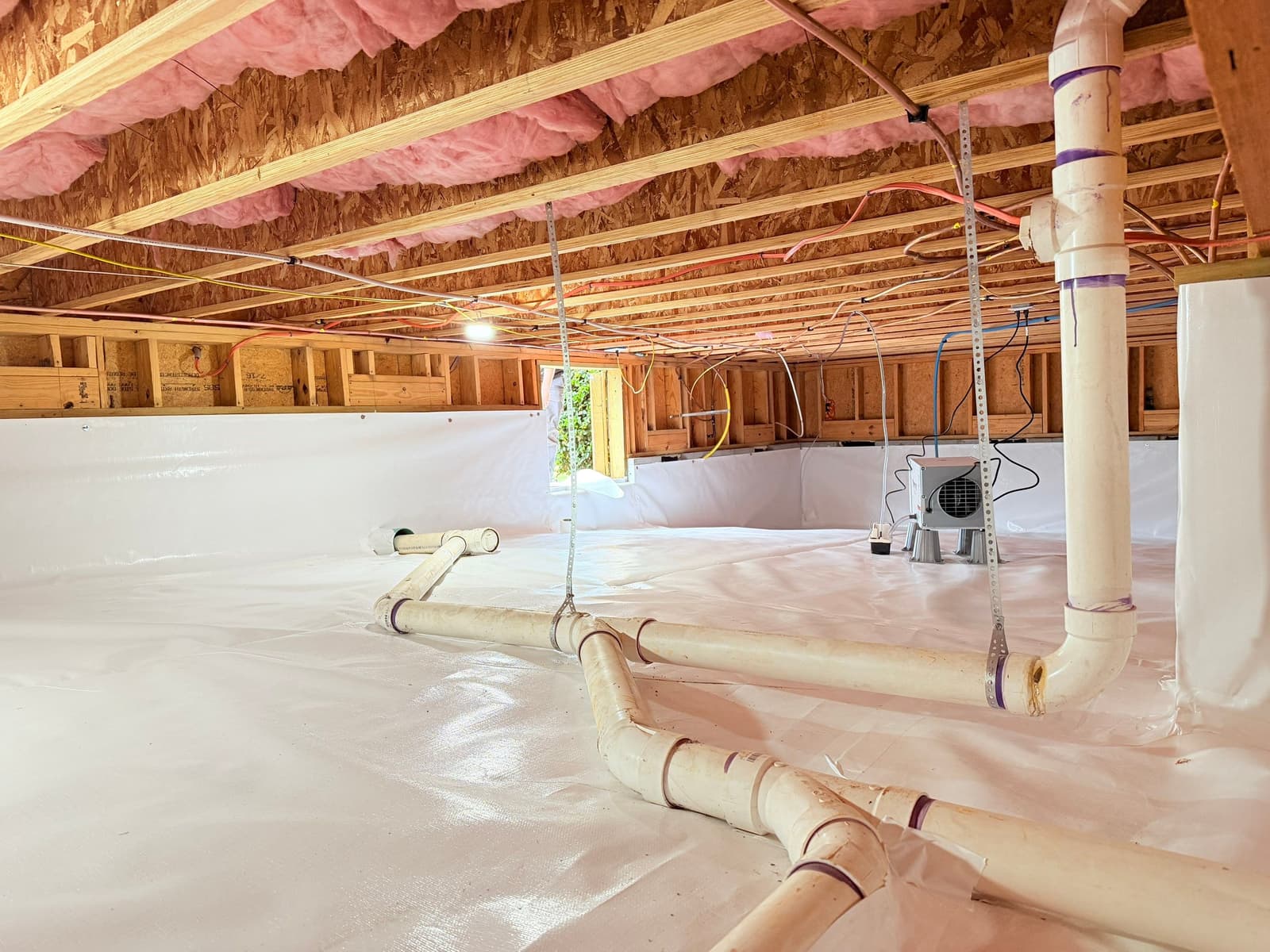
Vent Sealing
Vent sealing closes the open vents in your foundation walls so humid Carolina air, drafts, and pests can no longer move under your home.
Learn MoreGuides and Answers
Guides About Insulation Installation
Articles from our team that go deeper on this topic.
Crawl Space Repair
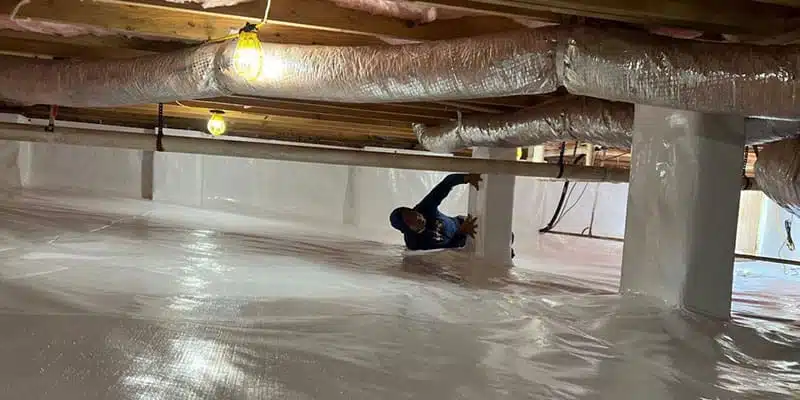
Purpose of Crawl Space Insulation
Crawl space insulation slows heat moving through the floor, which keeps rooms above more comfortable and can lower energy bills.
Crawl Space Repair
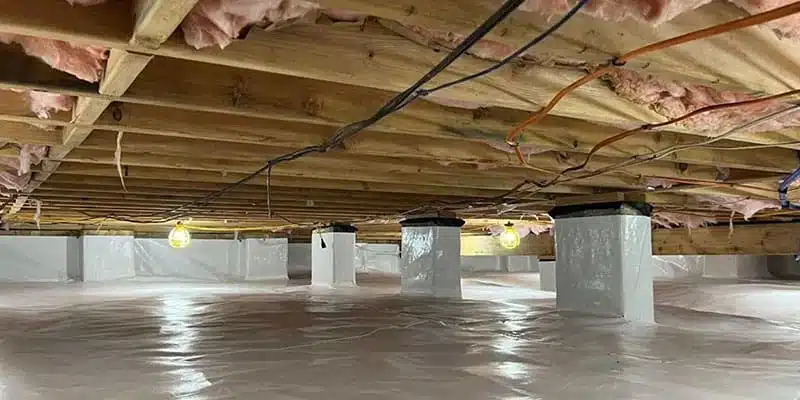
Insulating Crawl Space Walls
Insulating crawl space walls can support the energy efficiency and comfort of your house, as well as the health of its residents.

Get the Free Crawl Space Guide
A free guide for homes in North and South Carolina: where crawl space moisture comes from, the signs worth writing down, and how crawl space repair and encapsulation work, in plain language.
- A crawl space checklist to walk your home with
- Where crawl space moisture comes from, from the mountains to the coast
- How a vapor barrier and full encapsulation differ
- Questions to ask about a crawl space estimate
1,300+ Verified Google Reviews (4.9 Stars)
Before you choose a contractor for crawl space insulation, read how homeowners across North Carolina and South Carolina rate our work.
How Do I Book a Free Inspection?
Pick your own time online, or fill out our quick online form and we will book a convenient time to assess your home, no cost, no pressure.
- A free inspection of your home
- Every finding explained in plain language
- A written estimate at no cost
- No obligation
Not Sure Which Service You Need?
A free inspection covers all of it: one visit, clear findings, and a written estimate at no cost.