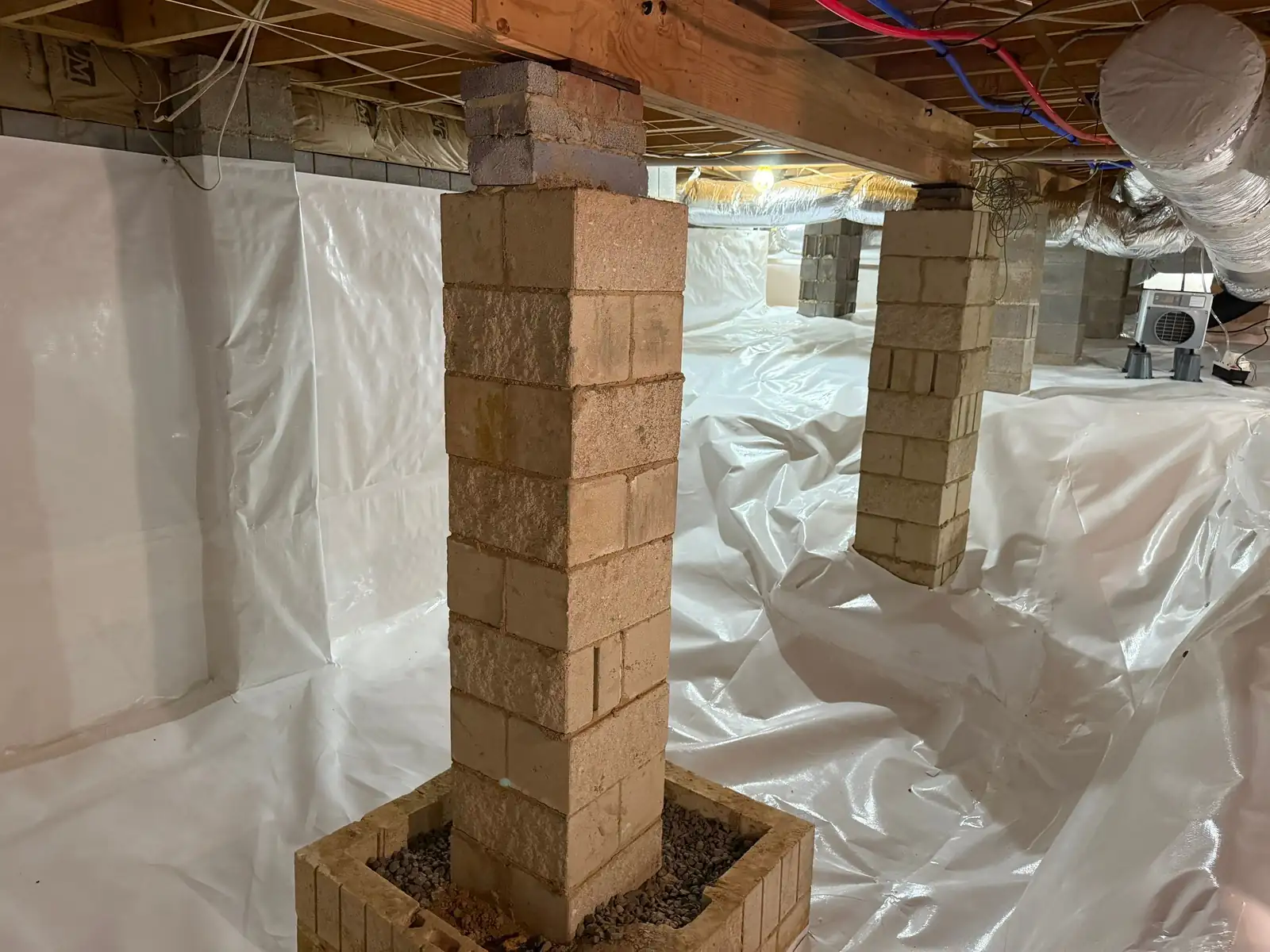

Crawl space ventilation is how air moves in and out of the space under your home, usually through foundation vents. In the humid Carolinas, open vents often let damp outdoor air into a cooler crawl space, where it condenses on ducts and framing. With full encapsulation, the vents stay closed all the time.
What Is Driving the Moisture in Your Vented Crawl Space?
Whether vents help or hurt depends on where the moisture comes from and how the crawl space is built. In a dry climate, outside air can carry moisture away. Across the Piedmont, the coast and the South Carolina Upstate and Midlands, the outside air is humid for much of the year, so open vents often add moisture to a cooler crawl space. Soil vapor and water entering the space need their own repairs.
- Humid Summer Air Through Open Vents. Condensation on ducts and framing in warm months. Outdoor air that is more humid than the crawl space condenses on cooler surfaces. Sealing the vents usually helps more than added airflow.
- Vapor From Bare Soil. Damp air even with the vents open. Moving air does not stop vapor rising from the soil. A vapor barrier over the ground addresses it.
- Water Entering the Crawl Space. Wet soil or standing water after rain. Airflow does not remove water. Interior drainage and a sump pump handle liquid water.
- A Localized Airflow Problem. One damp area in a crawl space that is otherwise dry. One damp corner in an otherwise dry crawl space often has a local cause, such as a blocked vent or a plumbing leak. The inspection finds it before anything changes.
Should a Carolina Crawl Space Be Vented or Sealed?
Crawl space ventilation is one of the most misunderstood topics in home moisture. For decades, homes were built with open foundation vents on the idea that outdoor air would carry moisture away. Across the Piedmont, the coast, and the SC Upstate and Midlands, outdoor air is humid for much of the year, so when warm, moist air flows into a cooler crawl space it can condense on the framing, ducts, and pipes and add moisture.
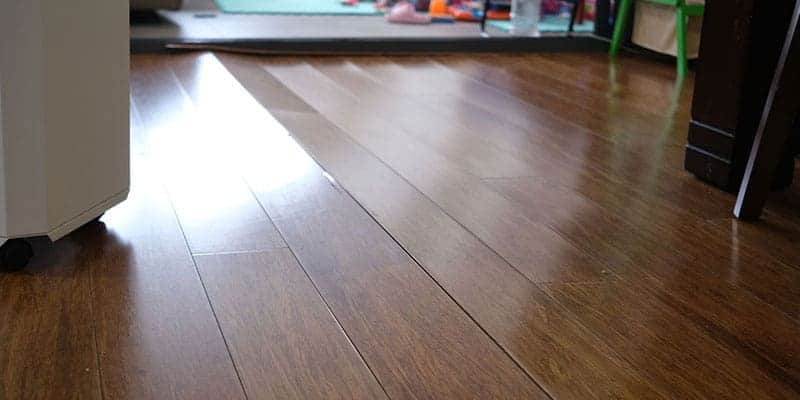
That is why ventilation is assessed for your climate and crawl space. Persistent dampness under the floor and heating and cooling bills creeping up are two common results of open vents in humid weather.
Should Crawl Space Vents Be Open or Closed in Summer and Winter?
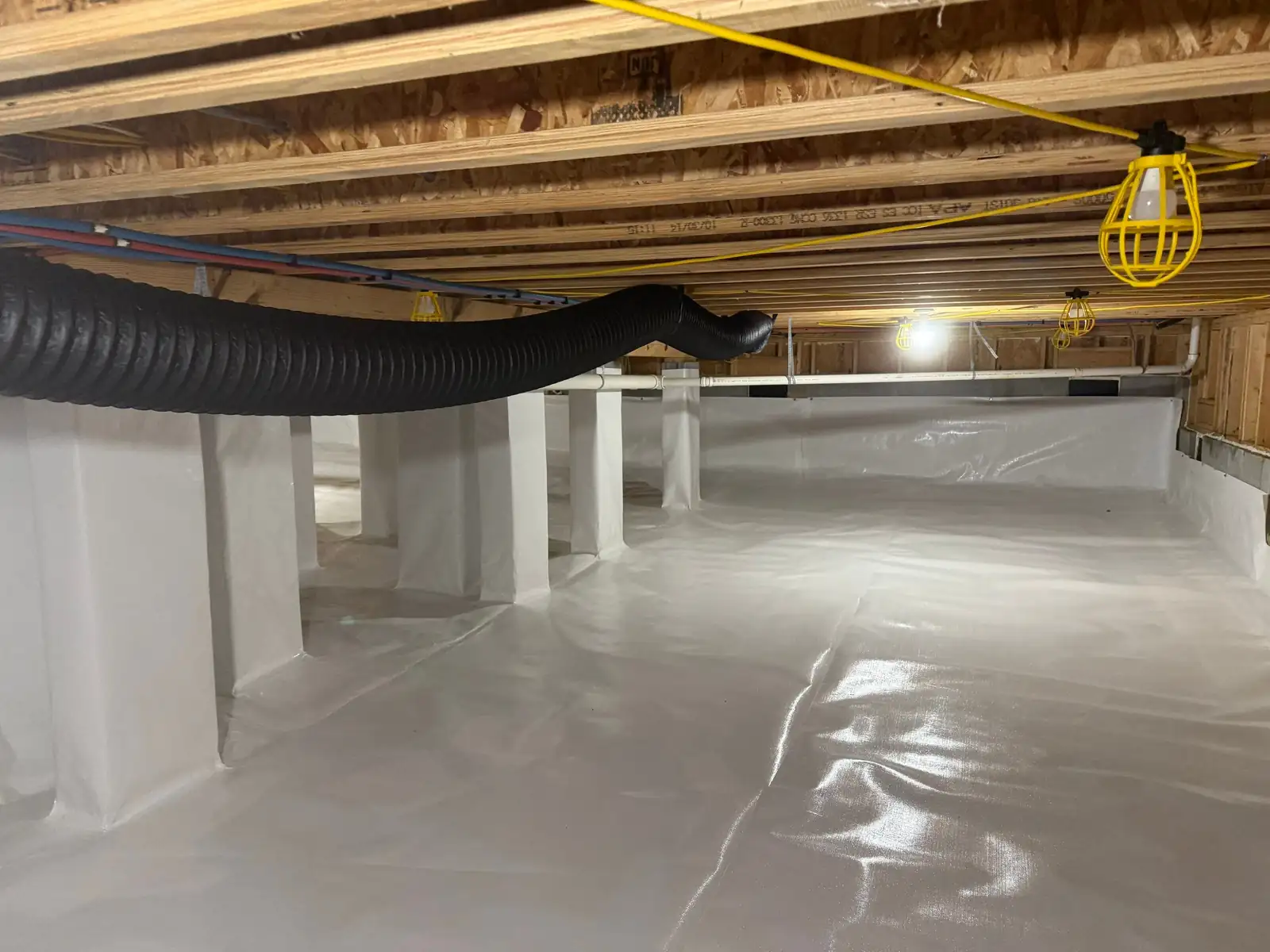
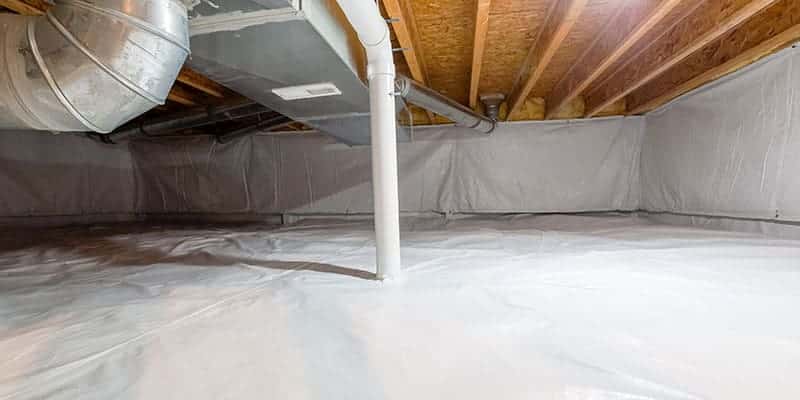
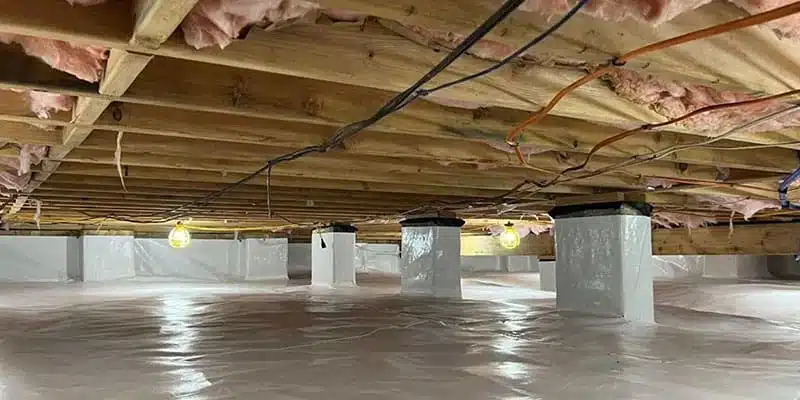
With full encapsulation, the vents stay closed all the time. The ground is covered, the space is sealed, and a dehumidifier controls the air, so there is no reason to let outside air in.
Without encapsulation, the older rule is to open the vents in the warmer months and close them in the colder months so pipes do not freeze. Winter air is drier, so closing the vents then is less of a concern, although humidity under the house can still lead to wood rot and mold. Our recommendation for a damp crawl space is to encapsulate it and add a dehumidifier.
Vents at a Glance
- Encapsulated crawl space: vents closed all year
- Vented crawl space in warm months: often opened
- Vented crawl space in cold months: closed so pipes do not freeze
What Are the Signs Your Crawl Space Vents Are Adding Moisture?
The signs usually peak in summer. Ducts and pipes sweat, the subfloor feels damp, insulation sags near the vents, and a musty smell drifts into the house on humid days. Insulation falling from the joists near a vent is a common finding.
In winter, open vents show up as cold floors and drafts in the rooms above, and pipes near the vents are more likely to freeze. Broken vent screens that let leaves and small animals in are another sign the openings need attention.
How Do You Control Crawl Space Moisture Without Venting?
The approach that controls moisture best in our climate is usually to seal the crawl space, then condition the air inside. That means closing off the foundation vents with sealed foundation vent covers, installing a vapor barrier to stop ground moisture, and managing the remaining humidity with a dehumidifier and controlled air circulation, so the crawl space becomes a dry, stable space.
The guide to crawl space airflow explains when moving air helps and when it adds moisture, and encapsulating the crawl space covers the sealed approach.
What Are Crawl Space Vent Covers?
A vent cover is a fitted panel sealed over a foundation vent, so outside air stops flowing through it. Vent covers are part of closing off a crawl space, along with a liner over the soil and a sealed access door.
Engineered flood vents in some coastal homes are built to let floodwater pass during a flood and must stay functional, so they are never covered. We identify which openings are which during the inspection.
Is Crawl Space Ventilation Required by Code?
Requirements vary, and modern codes increasingly recognize sealed, conditioned crawl spaces as an alternative to open venting, often with specific conditions attached. We factor the code considerations for your area into the recommendation.
Because the right answer depends on the home, a crawl space inspection is meant to settle it. We look at the existing vents, the moisture sources, the condition of the framing, and any condensation already forming, then explain whether sealing and conditioning or another approach fits, and why.
What Does Crawl Space Ventilation Work Cost?
Vent covers and sealing are part of crawl space encapsulation, so the cost follows the encapsulation plan. The number of vents, the size of the crawl space, and the moisture work involved all change the estimate. You receive a written estimate after a free inspection, and financing is available.
Sealing, Vent Covers, or Airflow: Which Fits Your Crawl Space?
- Sealing and Encapsulation fits when humid outdoor air or ground vapor is driving the moisture, as it often is in the Carolinas. It is not the fit when water is actively flowing in. Drainage comes first so the space is dry before it is sealed.
- Vent Covers fits when the vents are being closed as part of sealing the space. It is not the fit when the openings are engineered flood vents in a coastal flood zone. Those stay functional.
- Dehumidifier in a Sealed Crawl Space fits when the vents are sealed and the ground is covered, and the air still holds moisture. It is not the fit when the vents are open. The unit would be drying outside air.
Common Questions About Crawl Space Ventilation
Should a Crawl Space Be Vented or Sealed?
In the humid Carolinas, sealing and conditioning a crawl space usually controls moisture better than venting it, because humid outdoor air often condenses inside a cooler crawl space. With full encapsulation and a dehumidifier, the vents stay closed all the time. In a crawl space that is not encapsulated, the long standing guidance is to open the vents in warm months and close them in cold months so pipes do not freeze.
How Does Ventilation Affect Crawl Space Moisture?
Ventilation can either help or hurt depending on the climate. In a dry climate, airflow can carry moisture out. In the humid Carolinas, drawing in warm, moist outdoor air through open vents frequently raises crawl space moisture, because that air condenses on the cooler framing, ducts, and pipes. That is why controlling the air, often by sealing the space, tends to outperform passive venting here.
Can Poor Ventilation Cause Mold Growth in a Crawl Space?
Moisture is what allows mold to grow, and a ventilation approach that keeps the framing damp, such as open vents pulling in humid Carolina air, creates exactly those conditions. Controlling the moisture, often by sealing and conditioning the space, removes that driver.
How Do You Improve Crawl Space Airflow and Air Conditions?
In the humid Carolinas, the approach that usually keeps a crawl space dry is to seal it: close the vents, cover the ground with a liner, and control the humidity with a dehumidifier. The inspection determines what a particular crawl space needs.
Is Crawl Space Ventilation Required by Code?
Requirements vary, and modern codes increasingly recognize sealed, conditioned crawl spaces as an alternative to traditional open venting, often with specific conditions attached. Because local requirements differ and change over time, we factor applicable code considerations into our recommendation for your area. The inspection is where we sort out what applies to your specific home.
What Does Crawl Space Ventilation Work Cost?
The cost depends on what the crawl space needs, most often sealing the vents as part of encapsulation. The size of the crawl space, the number of vents, and whether a liner or dehumidifier is part of the plan all change it. You receive a written estimate after a free inspection, at no cost.
Next Step
Schedule a Free Inspection
Call or fill out our quick online form. We'll book a convenient time to assess your home at no cost.
Learn more about our crawl space repair services.
Found this useful? Share it with someone working on their home.
Written by
Cory Parks
Owner & President, HydroHelp911
Cory Parks founded HydroHelp911 and leads its structural and moisture repair work for homeowners across North and South Carolina, from the clay soils of the Piedmont to the saturated, sandy ground along the coast.
More about CoryGet a Free Inspection
Two ways to start. Both are free, with no obligation.
Pick your own day in our calendar. You save $250 if you go ahead with the work.
Send a short form, and our office will call to book a time that suits you.
For new customers who book online through our website and then sign a contract.