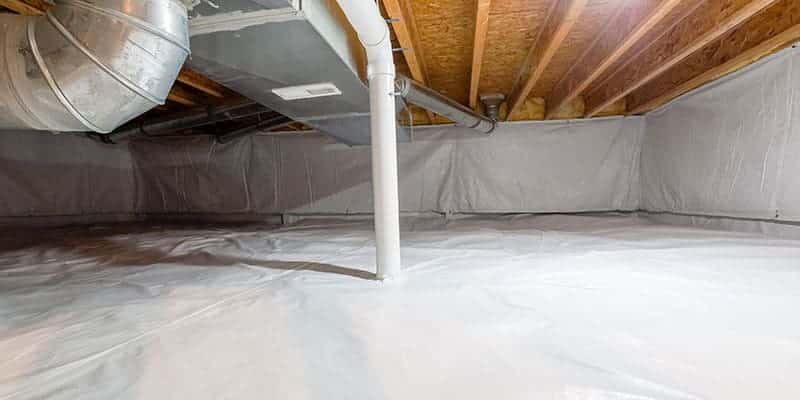

A crawl space vapor barrier is often worth having, especially in a humid climate or a crawl space that takes on ground moisture. Whether a barrier alone is enough depends on where the moisture comes from and how much there is; some crawl spaces need full encapsulation, drainage or a dehumidifier as well.
This article covers the moisture problems a vapor barrier helps with, how it is installed and the other moisture control options.
What Is a Crawl Space Vapor Barrier?
A vapor or moisture barrier is a polyethylene plastic sheet installed on the floor of a crawl space to prevent moisture from the ground from migrating into the space. This barrier acts as a moisture control solution by blocking the natural moisture that evaporates from the ground, reducing humidity levels within the crawl space. Installing a vapor barrier typically involves covering the entire ground surface and securing it to ensure it stays in place.
Crawl Space Encapsulation vs. Vapor Barrier
Crawl space encapsulation and vapor barrier installation both control moisture. They differ in how much of the crawl space they cover.
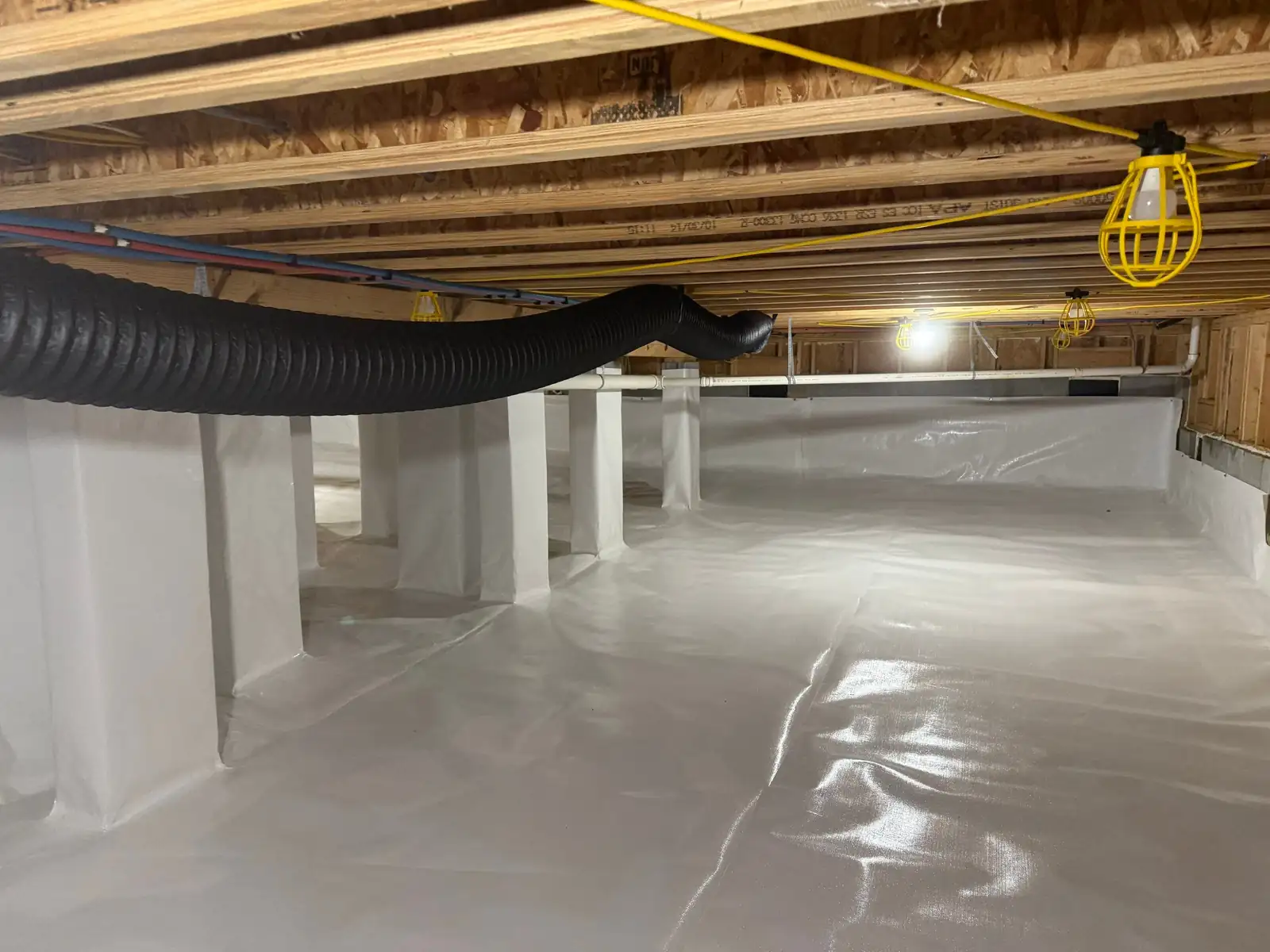
- Vapor Barrier: This involves laying polyethylene sheeting on the ground of the crawl space and overlapping the sheets at the seams. It is typically 6 to 10 mil thick, is not taped, and does not run up the walls or piers. It provides a layer of protection against ground moisture. It is a simpler installation than encapsulation and covers less of the crawl space.
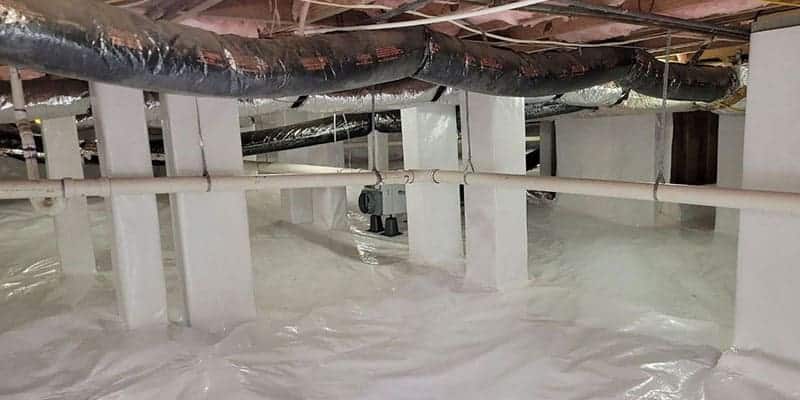
- Crawl Space Encapsulation: This is a more extensive crawl space solution that includes covering the ground, foundation walls, and piers with a thicker, more durable plastic liner. In HydroHelp911 full encapsulation the liner is 14 to 20 mil thick and every seam is taped. Encapsulation also includes sealing the vents and installing a dehumidifier to control humidity in the whole space.

Is a Vapor Barrier Necessary in Your Crawl Space?
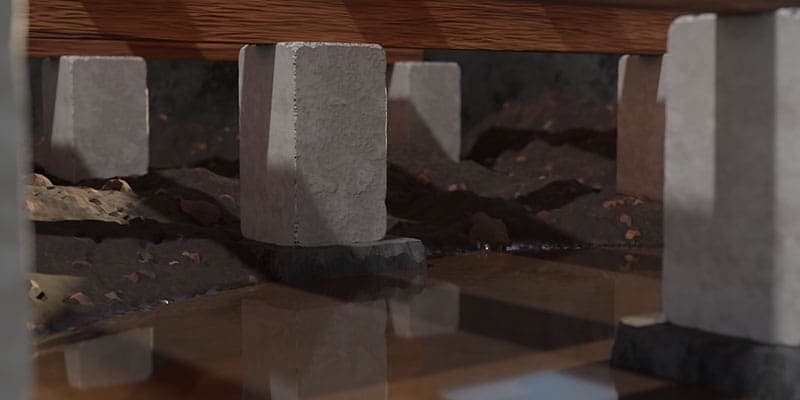
Vapor barriers are often necessary in crawl spaces, especially in regions with high humidity or where the crawl space is prone to moisture issues. A vapor barrier helps by blocking water vapor that rises from the ground, which can help prevent mold and mildew.
Signs That You Need a Vapor Barrier
Determining whether a vapor barrier is necessary depends on various factors. Here are some signs that you might need one:
- High Humidity Levels: If you notice that the air in your crawl space is moist, it’s a sign that ground moisture might be migrating into the space.
- Condensation: Visible condensation on your crawl space’s pipes, walls, or other surfaces indicates excessive moisture.
- Mold and Mildew Growth: Visible mold and mildew growth in your crawl space indicate that moisture is present, and a vapor barrier can help mitigate this issue.
- Wood Rot: Structural components showing signs of rot indicate that moisture control is needed.
- Damp or Musty Odors: Persistent damp or musty odors originating from your crawl space can be another sign that moisture is infiltrating the area and that a vapor barrier is needed.
- Water Damage: If you notice water stains or signs of water damage on the structural elements of your crawl space, a vapor barrier can help protect these components from further damage.
- Cold Floors: Floors above the crawl space that stay cold can point to moisture affecting the insulation under the floor.
- Peeling Paint or Rust: Moisture can cause paint to peel or metal elements to rust. If you notice these signs, it might be time to install a vapor barrier.

What Can Happen When Crawl Space Moisture Is Not Addressed?
Moisture that stays in a crawl space can lead to:
- Structural Damage: Excess moisture can cause wood rot and weaken the framing of your home.
- Mold and Mildew: Persistent moisture gives mold and mildew a place to grow.
- Pest Infestation: Moist environments attract pests like termites, rodents, and insects, which can bring about additional damage.
- Increased Energy Bills: Excess moisture can reduce the effectiveness of your insulation, causing your heating and cooling systems to work harder and increase your energy costs.
- Indoor Air Quality: Air from the crawl space can move up into the house, so a humid crawl space can affect the air you breathe indoors.
- Musty Odors: Constant moisture can produce musty smells that permeate your living spaces.
How Is a Crawl Space Vapor Barrier Installed?
Here is how HydroHelp911 installs a moisture barrier:
Inspection and Preparation
We thoroughly inspect the crawl space for any moisture issues, mold, or structural damage. We remove debris, old insulation, and sharp objects from the crawl space, ensuring the area is clean and dry before starting. We address current water issues, such as leaks or standing water, using a sump pump if necessary.
Measure and Cut the Vapor Barrier
We measure the dimensions of the crawl space to determine the amount of vapor barrier material we will need. Then, we cut the vapor barrier sheets to the appropriate sizes, allowing for overlaps at the seams.
Install the Vapor Barrier on the Ground
Then, we lay the vapor barrier sheets on the ground, ensuring they cover the entire floor area. The edges of the sheets are overlapped to provide comprehensive coverage. The sheets run across the ground only, and the overlapped seams are not taped.
Final Sealing and Inspection
We double check that the sheets overlap at every seam and cover the whole floor. We perform a final assessment to ensure the entire crawl space is covered and the vapor barrier is securely in place.
What Other Crawl Space Moisture Control Options Are There?
- Crawl Space Encapsulation: Crawl space encapsulation involves sealing the whole crawl space with a heavy polyethylene liner that covers the floor, foundation walls, and piers, with every seam taped.
- Dehumidifier Installation: Installing a dehumidifier made for crawl spaces can help maintain low humidity levels, reducing the risk of mold and mildew. This helps keep the air dry and prevents dampness that can lead to structural and health issues.
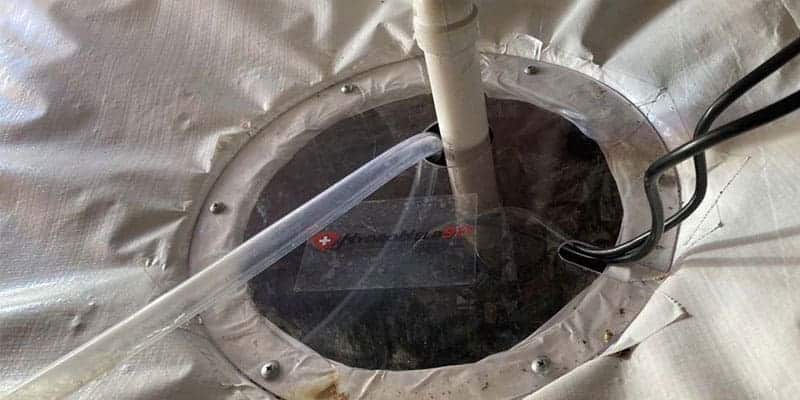
- Sump Pump Installation: A sump pump removes accumulated water from the crawl space and is particularly useful in areas prone to flooding or with high water tables. By preventing standing water, a sump pump reduces the chances of damage from moisture and can be connected to a drainage system for efficient water removal.
- Waterproofing: Waterproofing the crawl space is another effective method. This involves sealing off exterior vents, installing a moisture barrier on the walls and floor, and setting up a sump pump or drainage system to remove any water that can seep in.
- Interior Drainage System: An interior crawl space drainage system (an interior French drain) is a perforated pipe set along the inside perimeter of the crawl space. It collects water and carries it to a sump pump, which sends it out of the house.
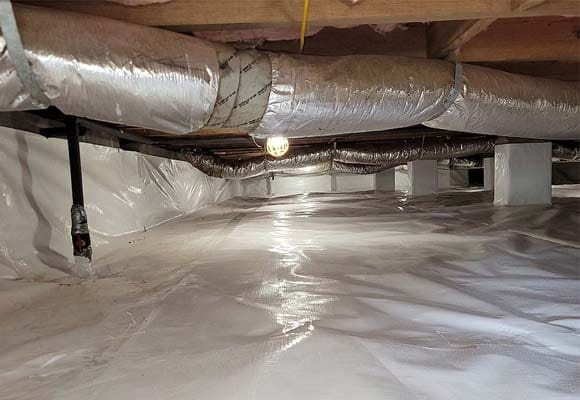
Which Crawl Space Moisture Solution Fits Your Home?
If you are seeing any of the problems above, a crawl space inspection can show the cause. HydroHelp911 has served homeowners across North and South Carolina since 2017, and our inspectors explain whether a vapor barrier, full encapsulation or drainage fits your crawl space.
Next Step
Schedule a Free Inspection
Call or fill out our quick online form. We'll book a convenient time to assess your home at no cost.
Learn more about our crawl space repair services.
Found this useful? Share it with someone working on their home.
Written by
Cory Parks
Owner & President, HydroHelp911
Cory Parks founded HydroHelp911 and leads its structural and moisture repair work for homeowners across North and South Carolina, from the clay soils of the Piedmont to the saturated, sandy ground along the coast.
More about CoryGet a Free Inspection
Two ways to start. Both are free, with no obligation.
Pick your own day in our calendar. You save $250 if you go ahead with the work.
Send a short form, and our office will call to book a time that suits you.
For new customers who book online through our website and then sign a contract.