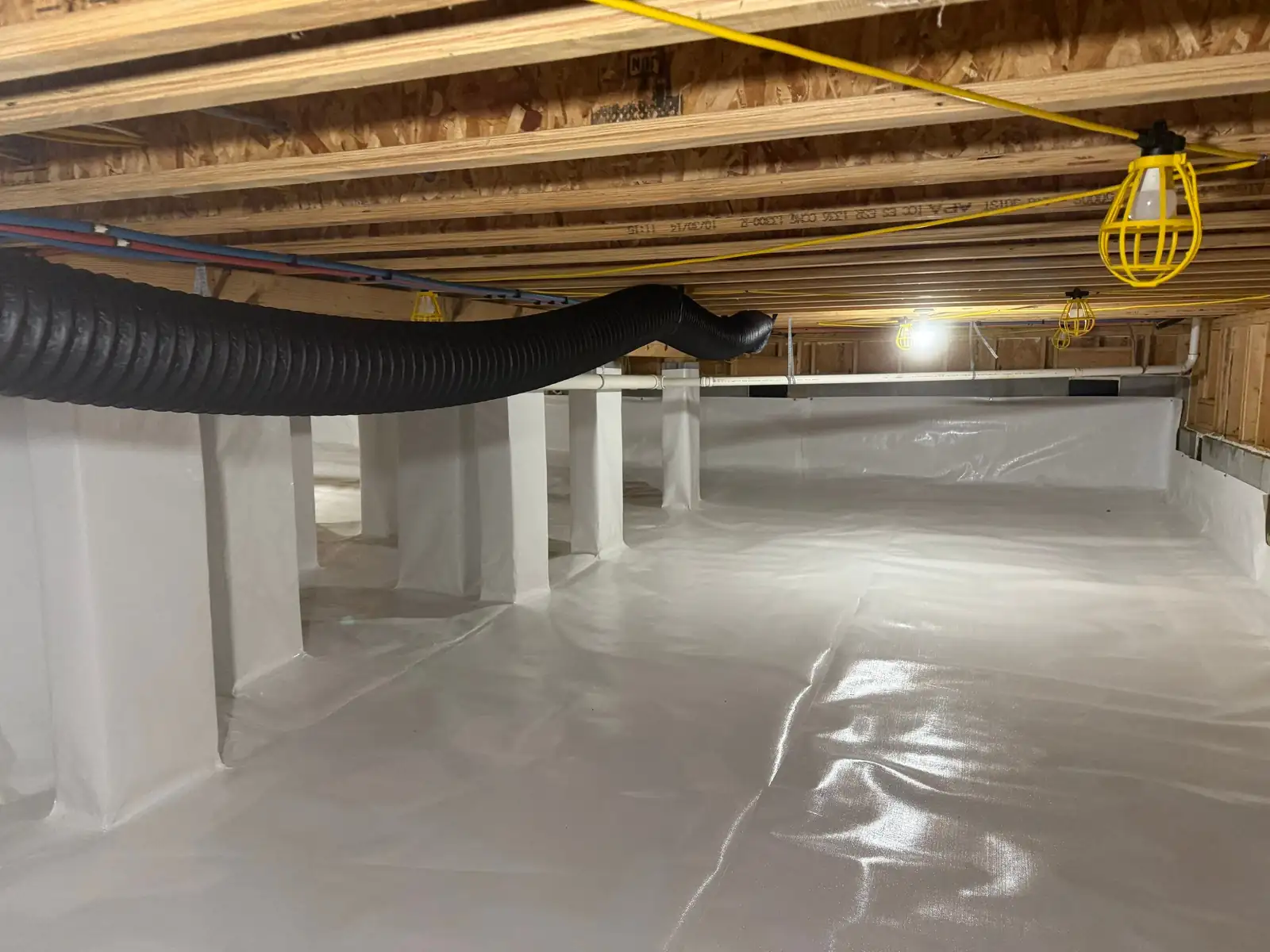

Crawl space ventilation is the practice of managing the air that moves through the space beneath your floor. Traditionally, the standard approach was passive: open vents cut into the foundation walls were meant to let outside air flow through and carry moisture away. The idea was simple, and in a dry climate it can work. In the humid Carolinas, the reality is more complicated, and that is where an assessment of your specific home matters more than one rule for every home.
The complication is the air itself. Across much of North and South Carolina, outdoor air carries a heavy moisture load for a large part of the year. When warm, humid summer air enters a cooler crawl space through open vents, it does not always dry the space out. It can do the opposite, because moisture condenses on the cooler surfaces it meets, the floor joists, the subfloor, ductwork, and insulation. So a ventilation strategy that looks reasonable on paper can, in our climate, end up adding moisture to the space. Finding out which is happening under a specific home is the first job.
The right airflow strategy also depends on where you are. In the Piedmont around Charlotte, Greensboro, Winston-Salem, and the Triangle, clay soils hold and release moisture through the seasonal wet and dry cycle, feeding ground moisture vapor up into the crawl space. Around Asheville and the mountains, hillside lots, runoff, and heavy rainfall push water toward and under homes. Along the coast near Wilmington, Brunswick County, and Leland, a high water table and saturated, sandy soils keep the ground beneath a home damp, and salt air adds its own corrosion load. In the Sandhills near Fayetteville and Pinehurst, sandier soils drain differently again. In the SC Upstate around Greenville and the Midlands around Columbia, foothill clay paired with long, humid summers loads the air with moisture for months at a time. Each of these conditions changes what ventilation can and cannot accomplish.
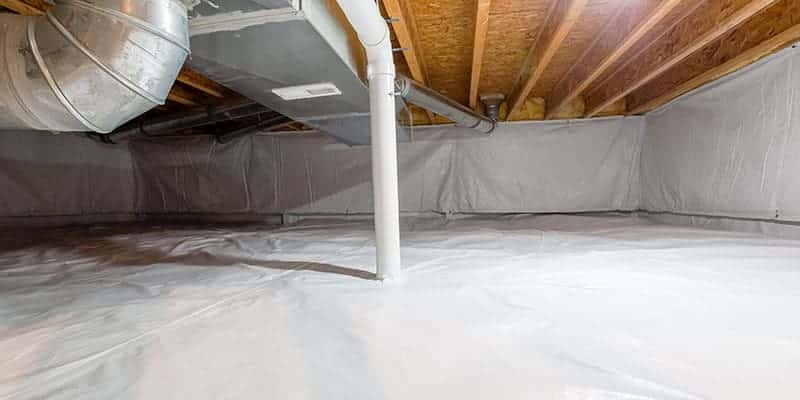
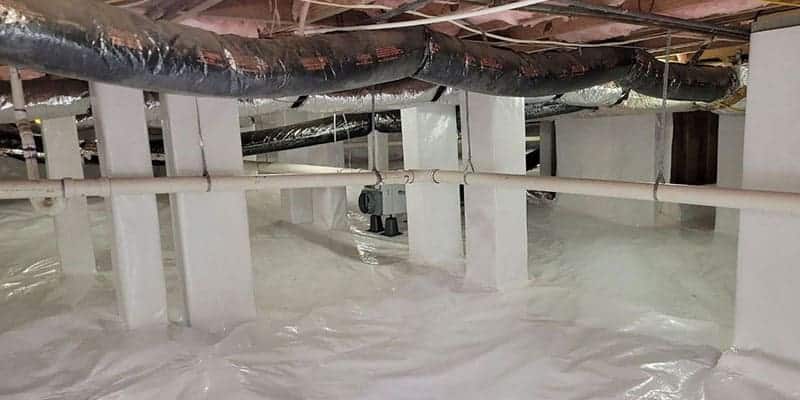
HydroHelp911 treats crawl space ventilation as a question to be answered. We start with a free inspection to measure what the air and the soil are actually doing under your home. In a humid Carolina crawl space, controlling moisture at the source through sealing and encapsulation usually gives a more durable result than open vents. With full encapsulation and a dehumidifier, the vents stay closed all the time. We explain what we find in plain terms and recommend the approach that fits your home, even when that means less work.
What to Know About Crawl Space Ventilation and How the Method Works
Ventilation changes the air in the crawl space, and its effect on moisture depends on the air brought in. Passive vents rely on outdoor air moving through on its own. In a dry climate, that air can carry moisture away. In the humid Carolinas, it is often more humid than the air under the home for much of the year, so passive ventilation can add moisture and feed condensation on cooler surfaces.
Moisture in a crawl space typically arrives through one or more paths:
-
Ground moisture vapor rising from the soil
-
Humid outdoor air entering through vents and gaps
-
Condensation where warm, humid air meets cooler surfaces
-
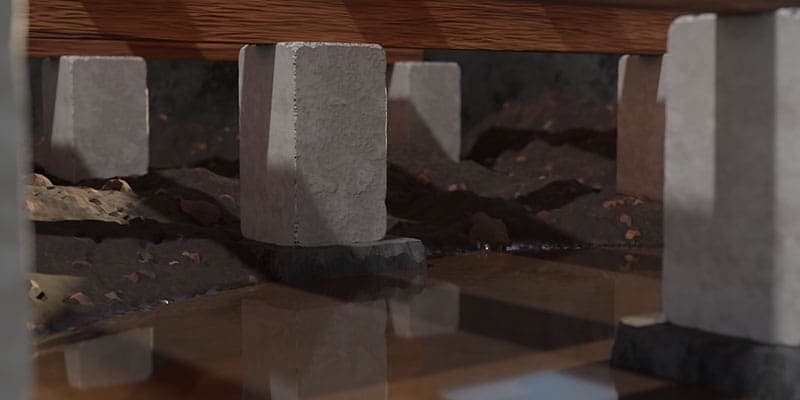
Liquid water intruding through drainage issues
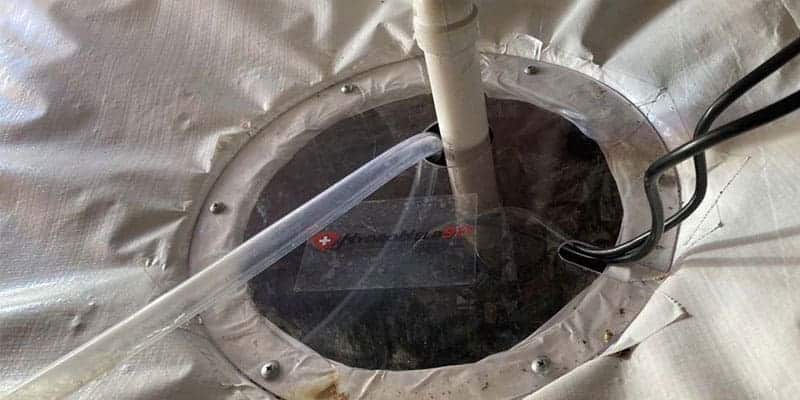
Moving air does nothing to stop vapor rising from bare soil or water seeping in at the footing, so we find the source first. In many Carolina crawl spaces, the fix is sealing the space against humid air and ground vapor by encapsulating the crawl space. In others, managing water with interior drainage and a sump is the proportionate fix.
Common Questions About Crawl Space Ventilation
Do Open Foundation Vents Actually Keep a Carolina Crawl Space Dry?
Not reliably. Open vents were designed on the assumption that outside air is drier than the air under the home. For much of the year across North and South Carolina, the opposite is true: warm, humid outdoor air entering a cooler crawl space can condense on joists, subfloor, and ductwork and add moisture to the space. Whether vents help or hurt depends on the specific home, which is what we measure during the inspection before recommending anything. With full encapsulation and a dehumidifier, the vents stay closed all the time. In a crawl space that is not encapsulated, the long standing guidance is to leave the vents open in the warm months and closed in the cold months so pipes do not freeze.
Should I Add More Vents to Fix Crawl Space Humidity?
Often, no. Adding outdoor air to a crawl space in a humid climate can introduce more moisture, especially in summer. More importantly, airflow does nothing to stop ground moisture vapor rising from the soil or water entering through a drainage issue. We identify where the moisture is actually coming from first. If the source is humid air and ground vapor, sealing the space is usually more effective than adding vents, and we will explain why in plain terms.
What Is the Difference Between Crawl Space Ventilation and Encapsulation?
Ventilation tries to manage crawl space moisture by moving air through the space. Encapsulation takes the opposite approach: it seals the crawl space against humid outdoor air and ground moisture vapor so the moisture never gets in. In the humid Carolinas, sealing the space at the source is frequently the more durable result, while ventilation can struggle against the outdoor dew point. Which fits your home depends on the moisture source, the soil, and the conditions we find during the inspection.
Why Does My Crawl Space Feel Damp Even Though It Has Vents?
A vented crawl space can stay damp for a few reasons common in the Carolinas. Ground moisture vapor rises continuously from bare or clay soil, the Piedmont seasonal wet and dry cycle and coastal high water tables keep the soil moist, and humid summer air drawn in through the vents condenses on cooler surfaces. Vents move air but do not address those sources. We assess all of them during the inspection so the recommendation matches what is actually causing the dampness.
Can Poor Crawl Space Moisture Control Affect My Floors and Structure?
Persistent moisture in a crawl space can, over time, contribute to issues homeowners notice upstairs, such as cooler or springier floors and a musty smell that drifts into living space, along with damp or sagging insulation below. The point of managing moisture properly is to keep the wood and the space beneath your floor dry and stable. During the inspection we look at the whole picture and recommend the proportionate fix.
How Much Does Crawl Space Ventilation or Moisture Control Cost?
There is no set price, because the cost follows the moisture source. It depends on the size of the crawl space, the source and severity of the moisture, access, the condition of the existing vents and insulation, and whether sealing the vents as part of encapsulation, drainage or a dehumidifier is the right approach. The free inspection finds the source, and you receive a written estimate at no cost before any work is scheduled.
Next Step
Schedule a Free Inspection
Call or fill out our quick online form. We'll book a convenient time to assess your home at no cost.
Learn more about our crawl space repair services.
Found this useful? Share it with someone working on their home.
Written by
Cory Parks
Owner & President, HydroHelp911
Cory Parks founded HydroHelp911 and leads its structural and moisture repair work for homeowners across North and South Carolina, from the clay soils of the Piedmont to the saturated, sandy ground along the coast.
More about CoryGet a Free Inspection
Two ways to start. Both are free, with no obligation.
Pick your own day in our calendar. You save $250 if you go ahead with the work.
Send a short form, and our office will call to book a time that suits you.
For new customers who book online through our website and then sign a contract.