CH 01
What Is a Sill Plate?
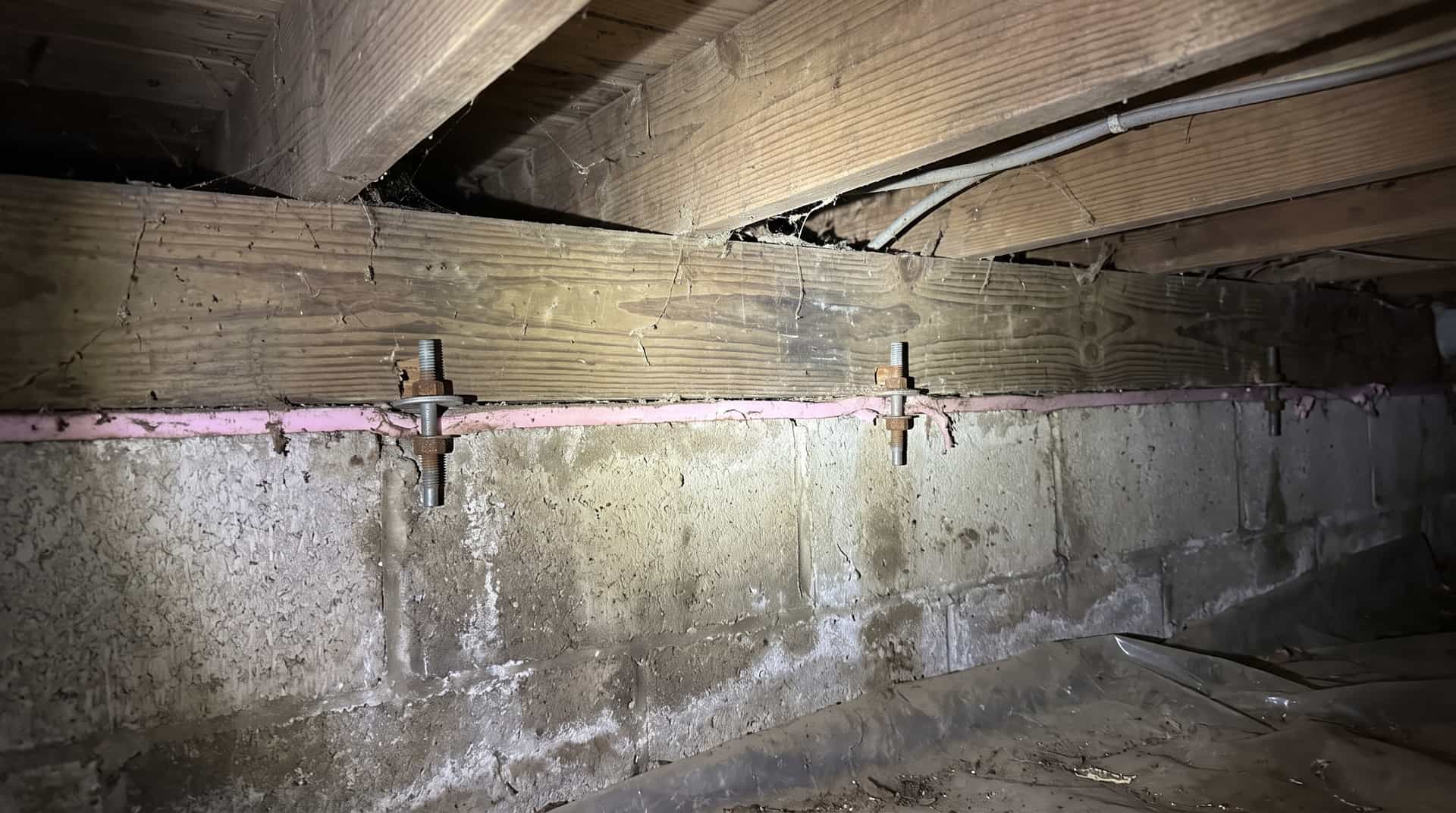
The sill plate is the wood member that sits directly on top of the foundation and ties the home's framing to it, the connection between your foundation and everything built above it. Because it sits at the very bottom of the wood structure, closest to the masonry and the ground, it is also the framing member most exposed to moisture.
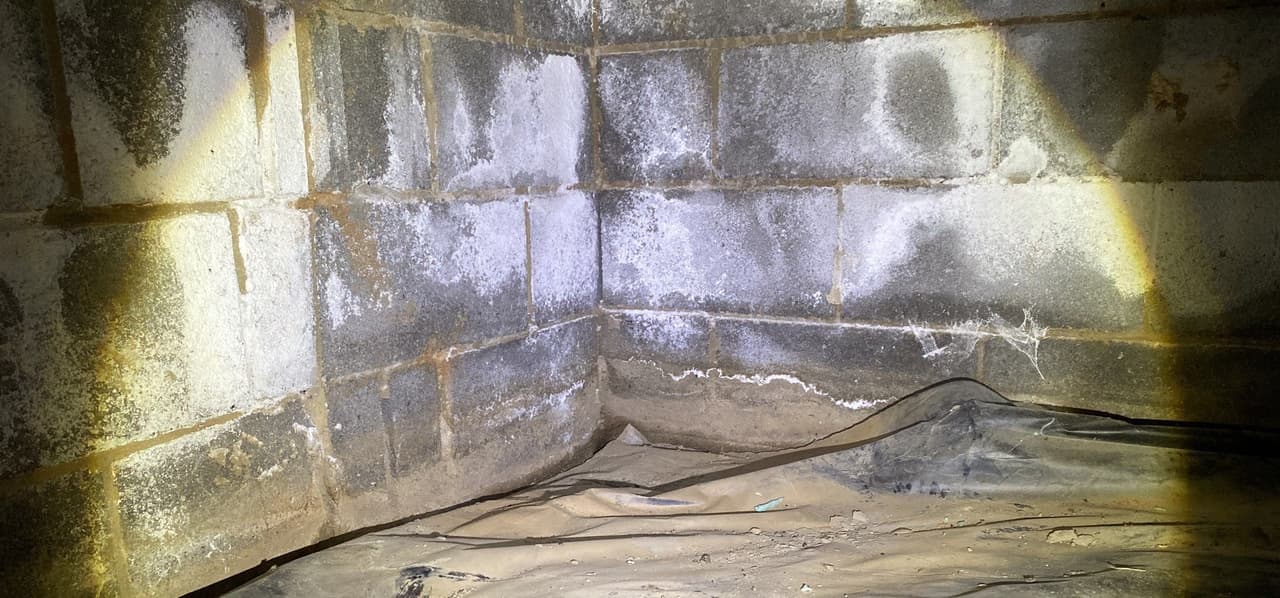
In Carolina homes that exposure is steady: a damp crawl space through humid Piedmont summers, splash and wicking moisture along a coastal foundation near Wilmington and Brunswick County, or water that keeps the base of the wall wet. Over time that moisture can rot the sill plate, and a rotted sill plate can no longer transfer load and anchor the framing. The same damp conditions can soften the joists that rest on it.
CH 02
How Is a Sill Plate Replaced?
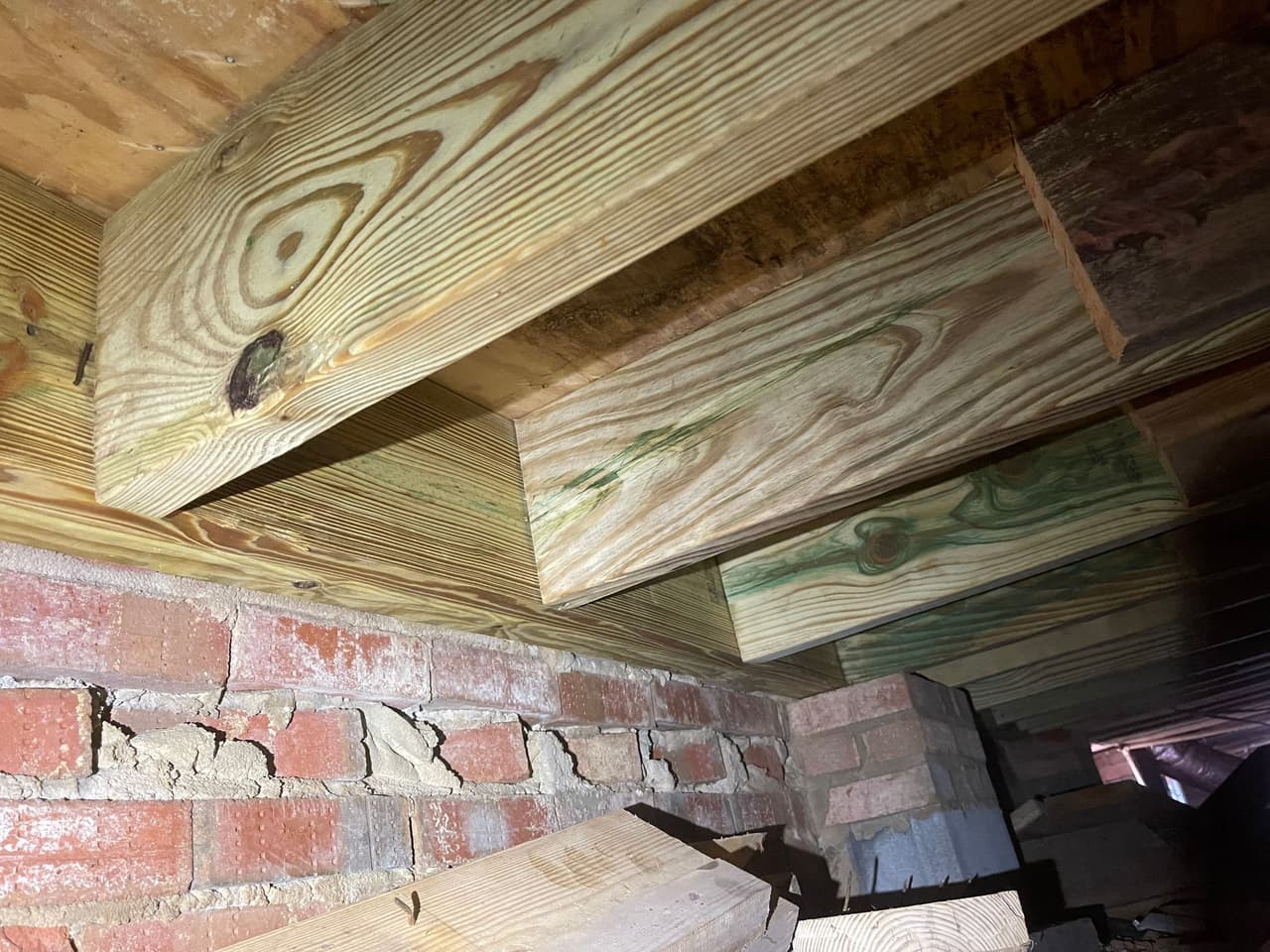
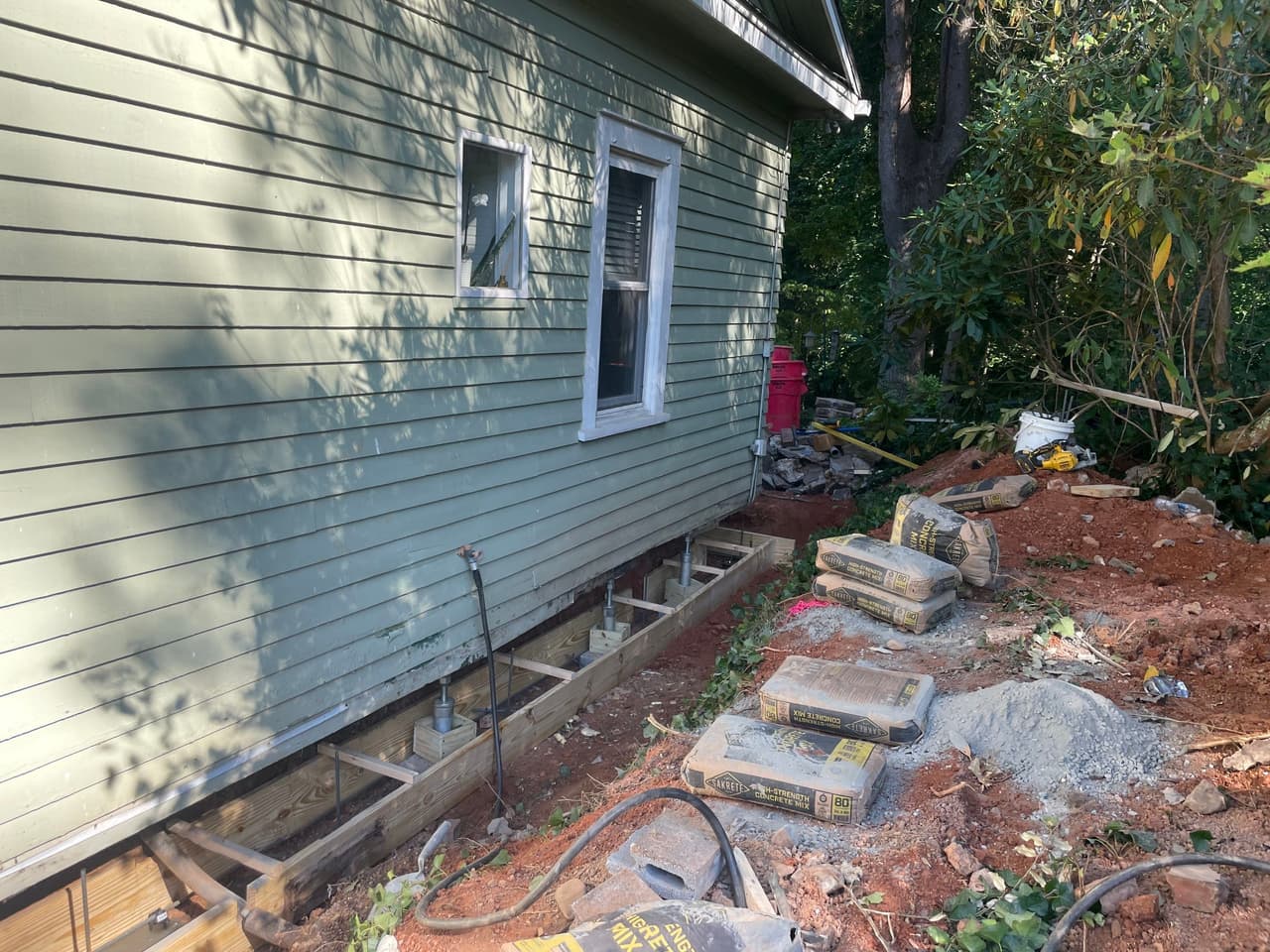
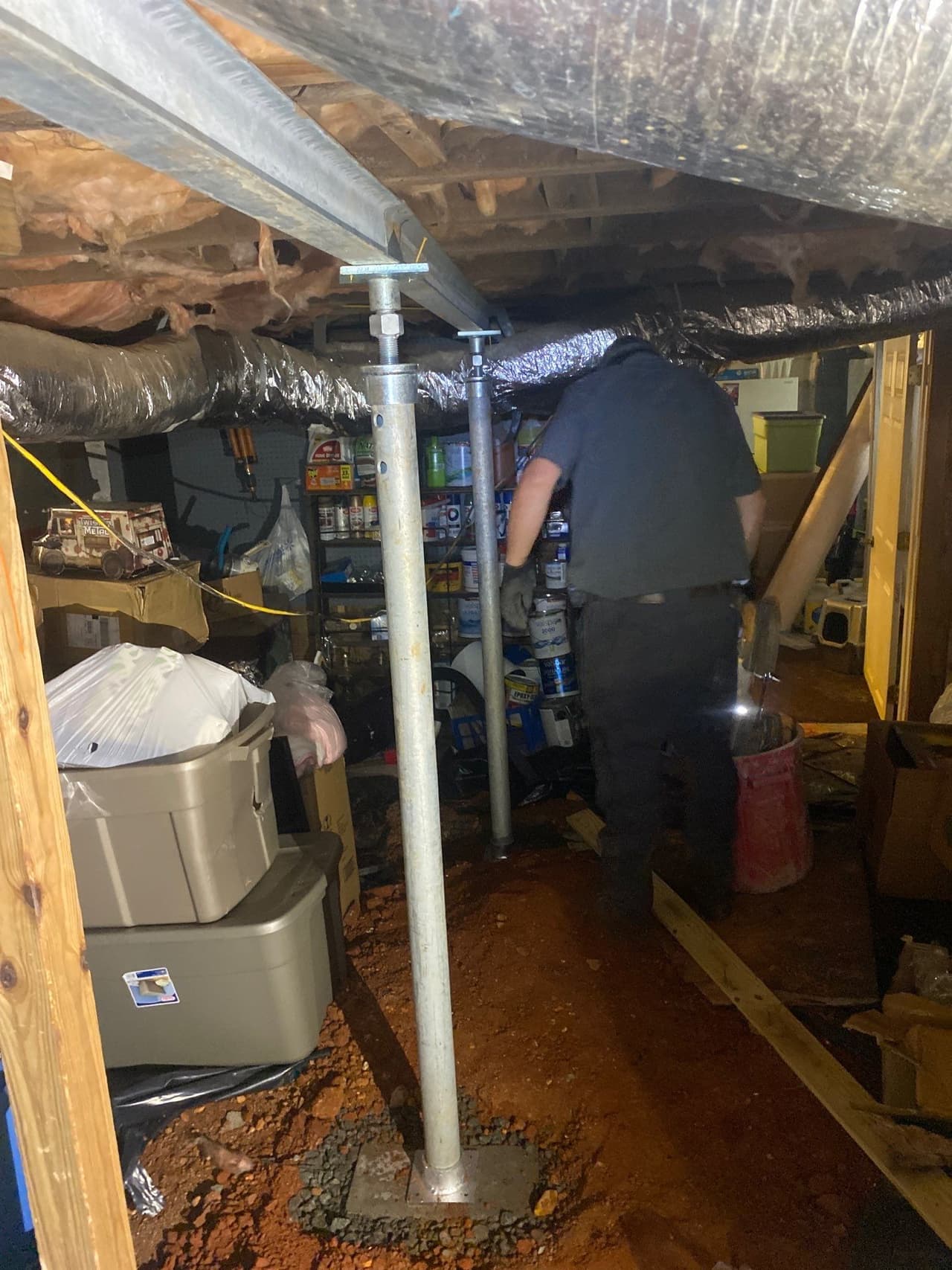
Replacing a sill plate is precise work because it sits under load. The framing above the affected section is carefully supported and lifted just enough to take the weight off the old plate, the deteriorated wood is removed, and a new, sound sill plate is set in its place and connected so it restores bearing and the connection to the foundation.
Where the rot extends into the joist ends or band that bear on the sill, those are addressed as part of the same repair, because a new sill under rotted joist ends solves only half the problem. The work is sequenced so the structure stays supported throughout.
CH 03
What Causes a Sill Plate to Rot?
A sill plate rots because moisture reached it and stayed. We explain what conditions drove that, whether crawl space humidity or water collecting at the base of the wall, so the new plate is not set up to follow the old one. Sill rot often appears alongside rotted floor joist ends, and a section that has lost its bearing can show up upstairs as sloping floors or sticking doors.
If only a section is affected, we tell you that. It is the same approach we take across all framing repair work, and it starts with the cause.
CH 04
What Are the Signs of a Rotted Sill Plate?
Inside the home, a failing sill plate can show up as floors that slope toward an outside wall, gaps opening between the floor and baseboards along that wall, cracks in drywall near windows and doors, or doors that begin to stick. Because the sill sits along the outside edge of the house, the signs often line up with one exterior wall.
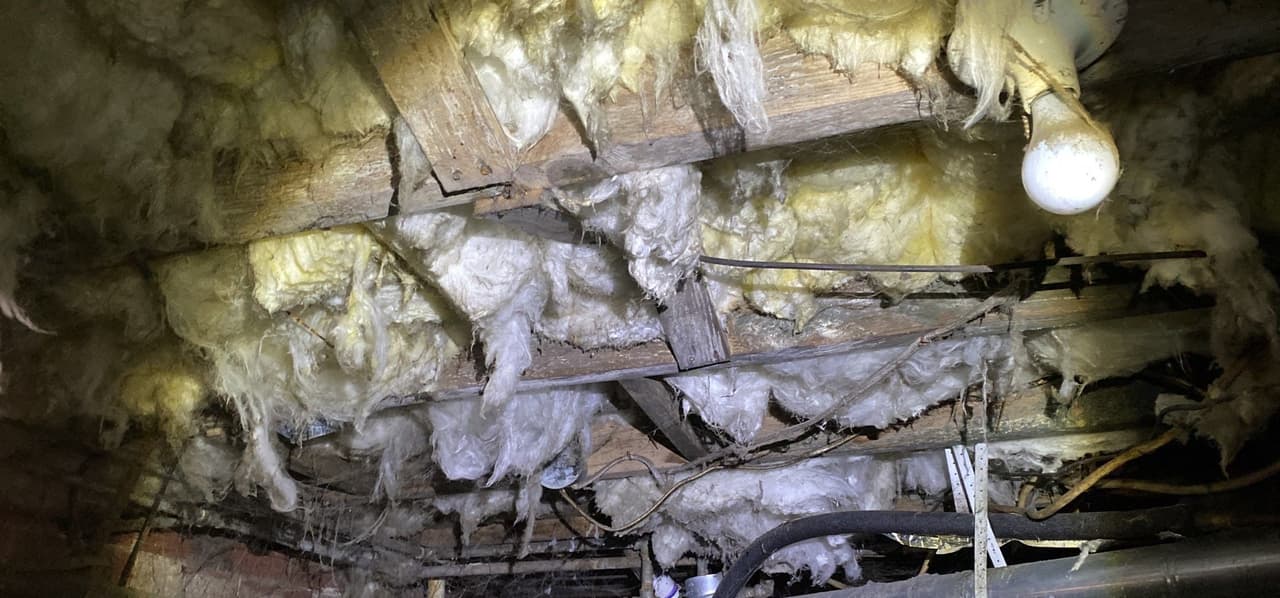
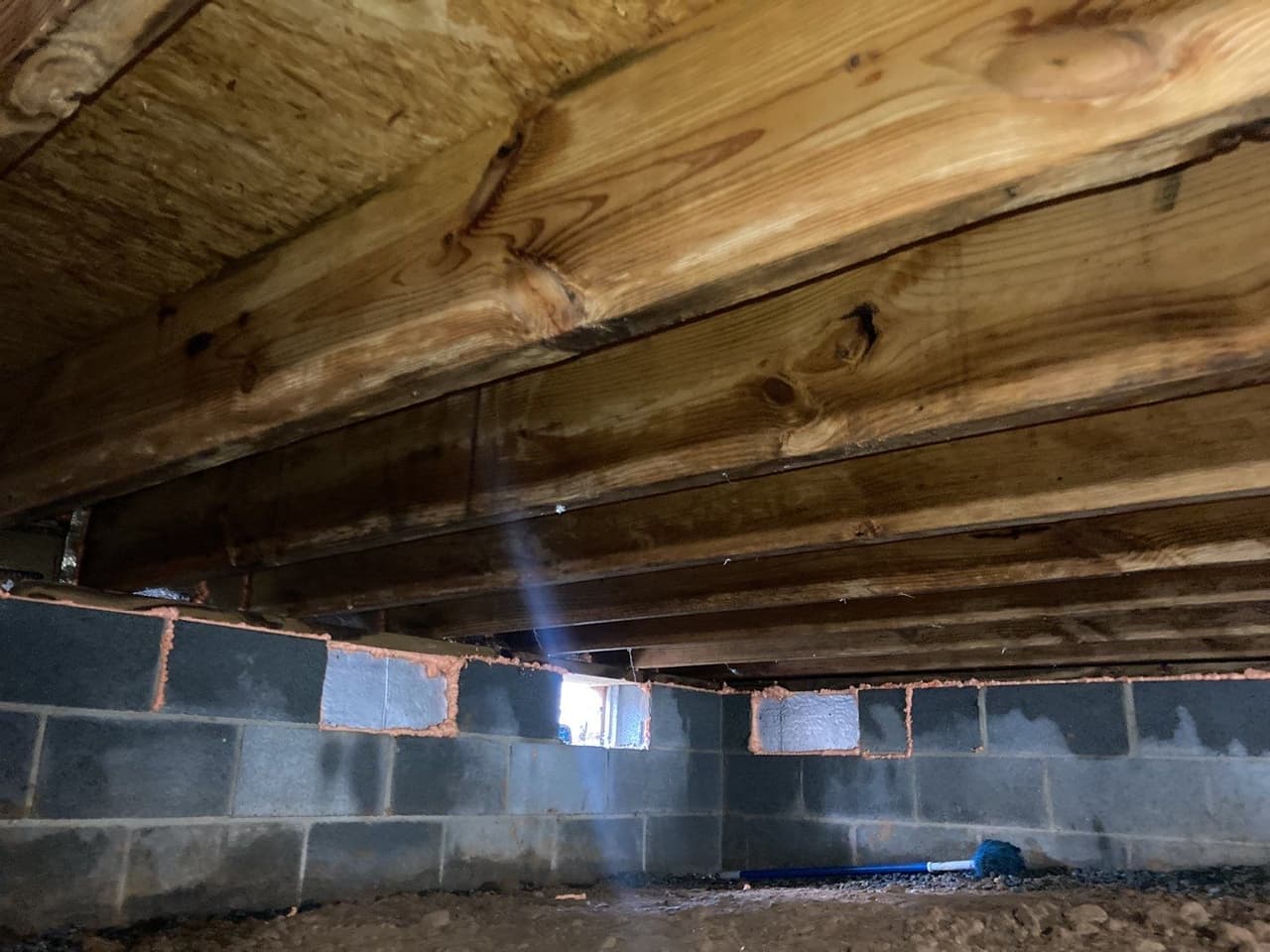
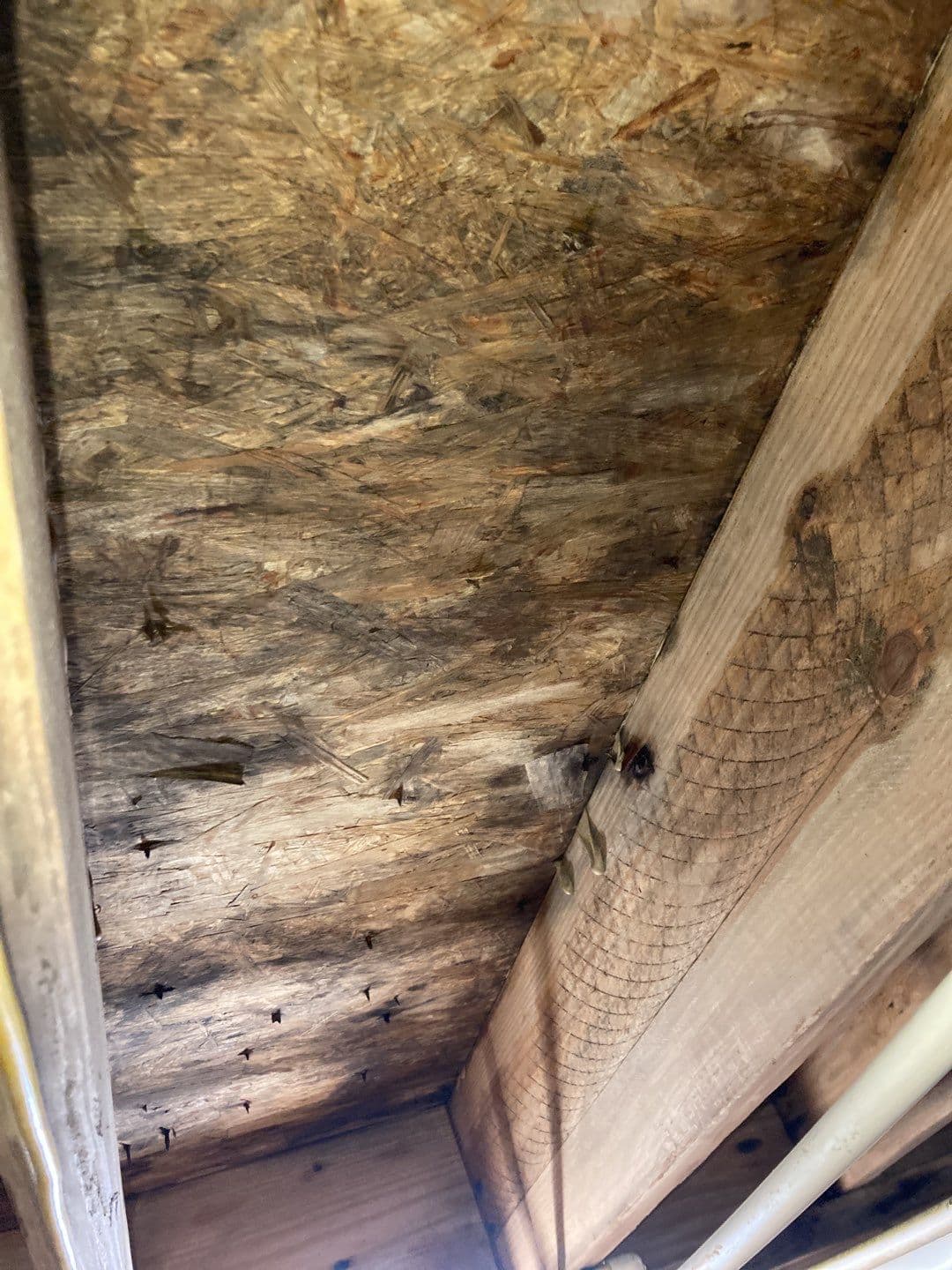
From the crawl space, a rotted sill looks dark, soft or crumbly, and a probe sinks into it easily. The wood may be crushed where the framing above presses down on it, and the joist ends resting on the sill may show the same damage.
CH 05
Where Does Sill Plate Rot Usually Start?
Sill rot usually starts where water reaches the bottom of the wall and has no way to dry out. Common spots include the area below an exterior door or a leaking window, the wall under a deck or porch that drains toward the house, the corner where a downspout empties, and any section where soil or mulch sits high against the siding.
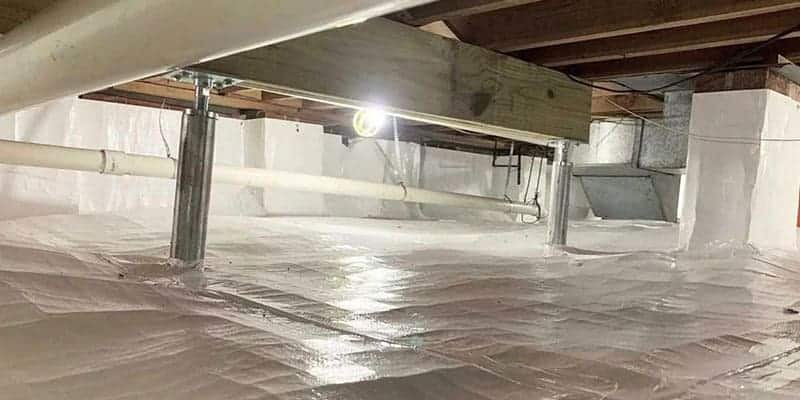
Inside the crawl space, condensation and high humidity can keep the sill damp across a whole wall, especially in humid Piedmont summers and near the coast around Wilmington, where the air under the house rarely dries out. Rot that follows one wall usually points to an outside water source, while rot spread around the whole perimeter usually points to crawl space humidity.
CH 06
Can a Rotten Sill Plate Cause Floors to Slope?
Yes. The floor joists rest on the sill, so when the sill crushes or rots away, the joist ends drop with it and the floor slopes toward that wall. The wall above can settle as well, which is why drywall cracks and sticking doors often appear on the same side of the house.
Replacing the sill restores the bearing under those joists. Where the floor has dropped, the framing is raised gradually as part of the repair, and we tell you how much of the lost height we expect to recover.
CH 07
What Happens During a Sill Plate Inspection?
We walk the rooms along the affected wall and note any slope or cracking, then inspect the sill from the crawl space by eye and with a probe along its length. We check the joist ends, the band board, nearby posts and the moisture conditions that may have reached the wood.
You receive written documentation, typically an estimate with photographs showing which sections are sound and which need replacement. When only a short section is affected, the estimate says so.
CH 08
What Warranty Comes With Sill Plate Replacement?
Framing repairs carry a 30 year warranty that the work was completed correctly per state building code, which begins once the final invoice is paid in full and does not cover termite damage, or moisture or water damage unless a full encapsulation, a drainage system and a dehumidifier are all installed as part of the same project. The complete terms are on our wood repair warranty terms page.