CH 01
What Do Beams and Girders Carry?
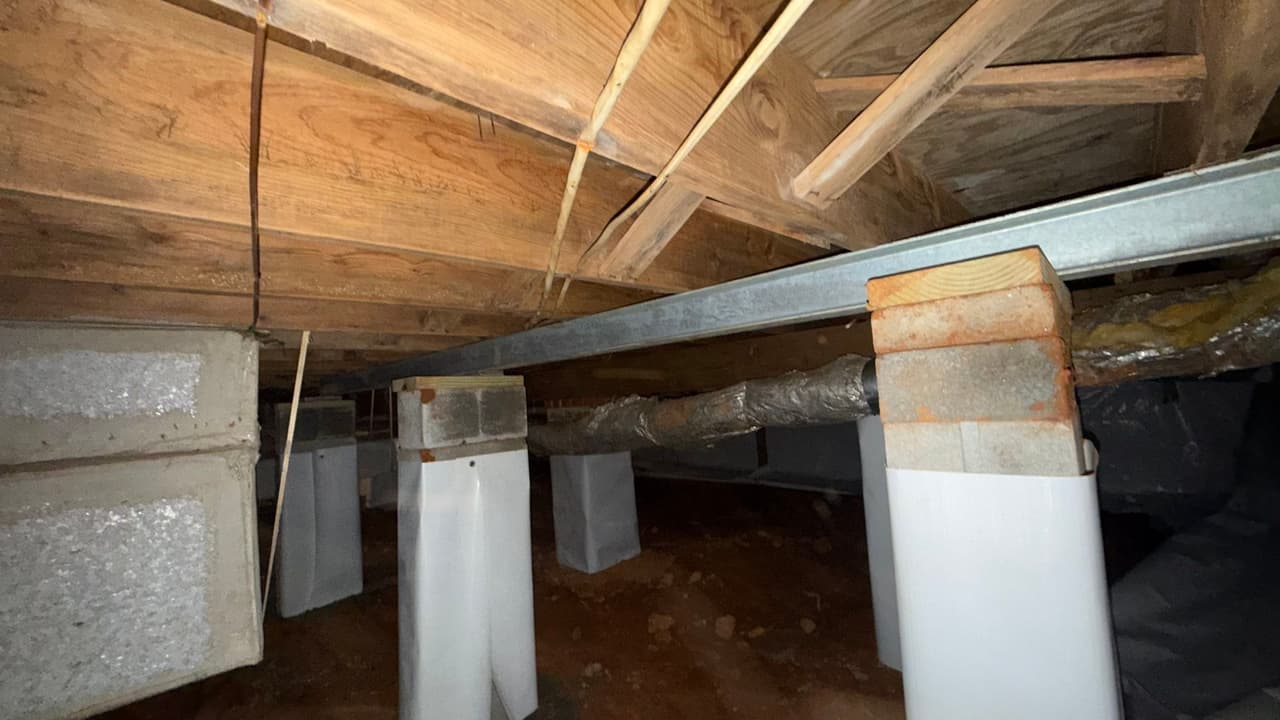
Beams and girders are the primary members that carry the load in a home's floor framing: the main timbers or members assembled from several pieces that the joists rest on and that transfer their load to the support posts and foundation. Because a beam carries a large share of the structure above it, a failing beam can let an entire run of floor sag.
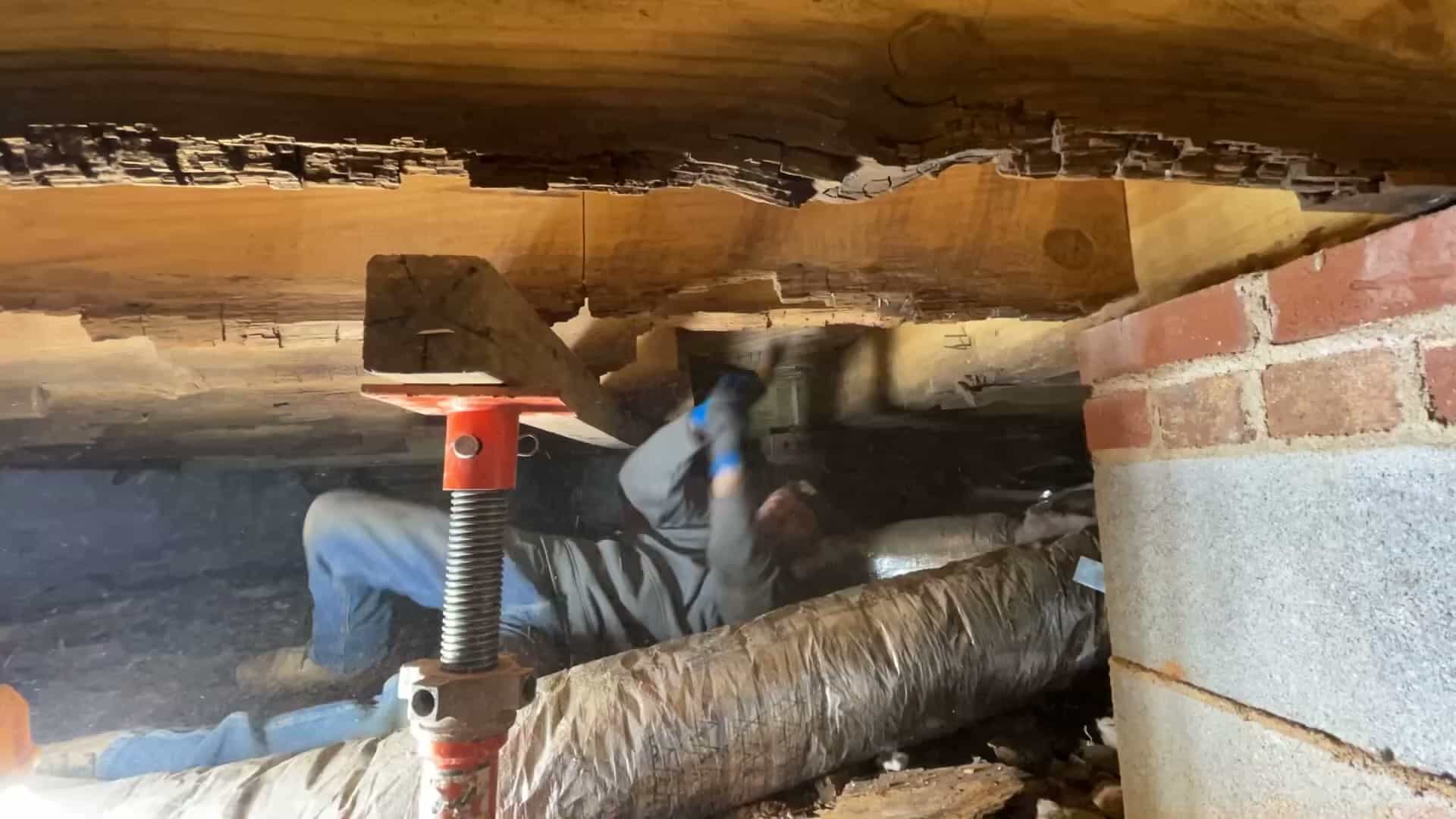
In Carolina crawl spaces, beams fail for the same reasons other framing does, only the consequences are larger. Sustained moisture through humid Piedmont summers softens and rots the beam wood, particularly where a beam bears on a post or pocket and moisture collects.
Coastal homes near Wilmington and Leland face a heavier moisture load from the high water table and salt air. A beam can also sag because it has lost a support beneath it or was carrying more than it should.
CH 02
How Is a Beam or Girder Replaced Safely?
Replacing a beam or girder is among the more involved framing repairs because it is under heavy load. The work is sequenced: the load above the beam is taken up on temporary support, the failed beam is removed, and a new carrier beam sized to carry the load is installed and connected to its bearing points, after which the load is transferred back onto it in a controlled way.
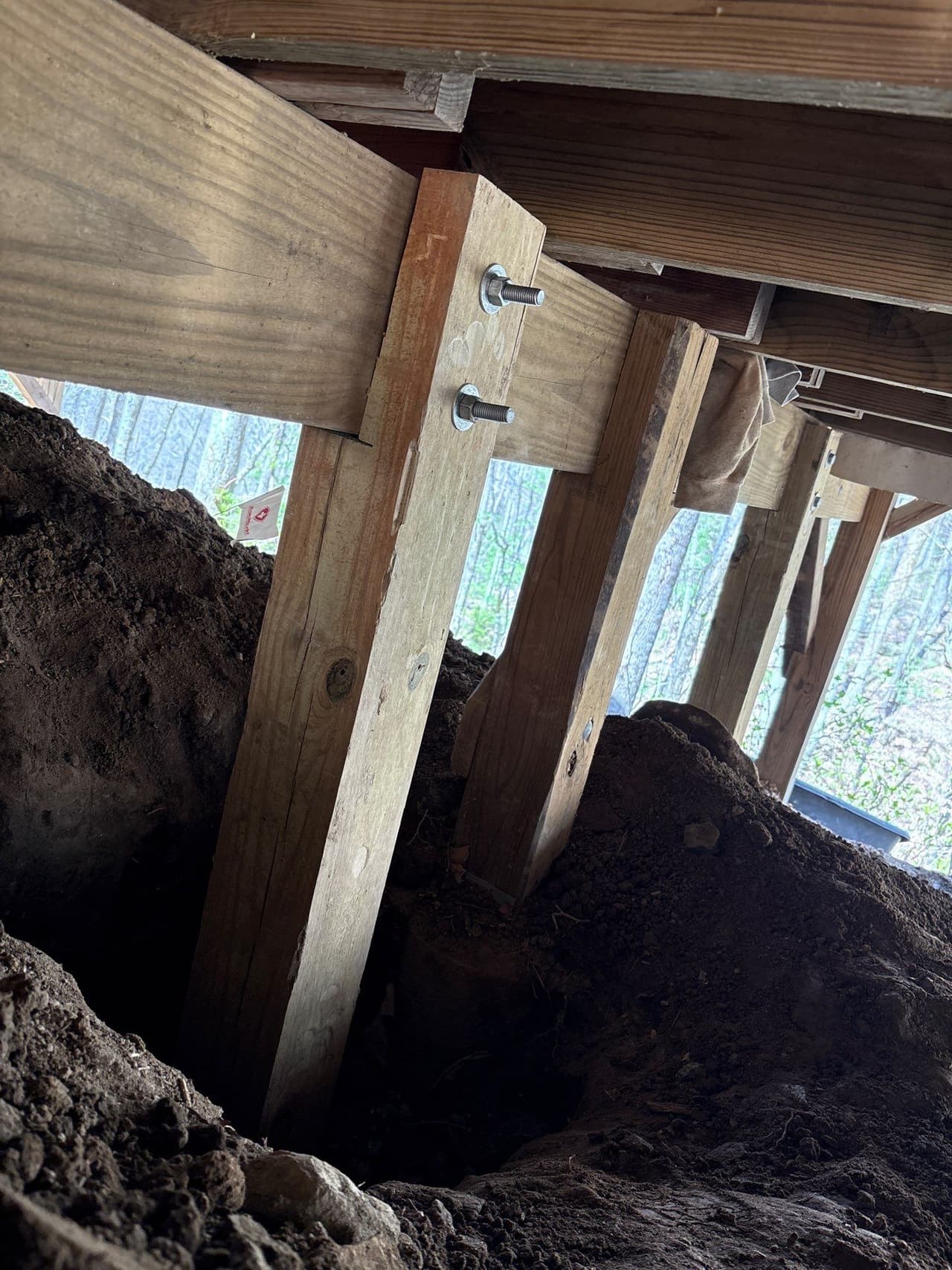
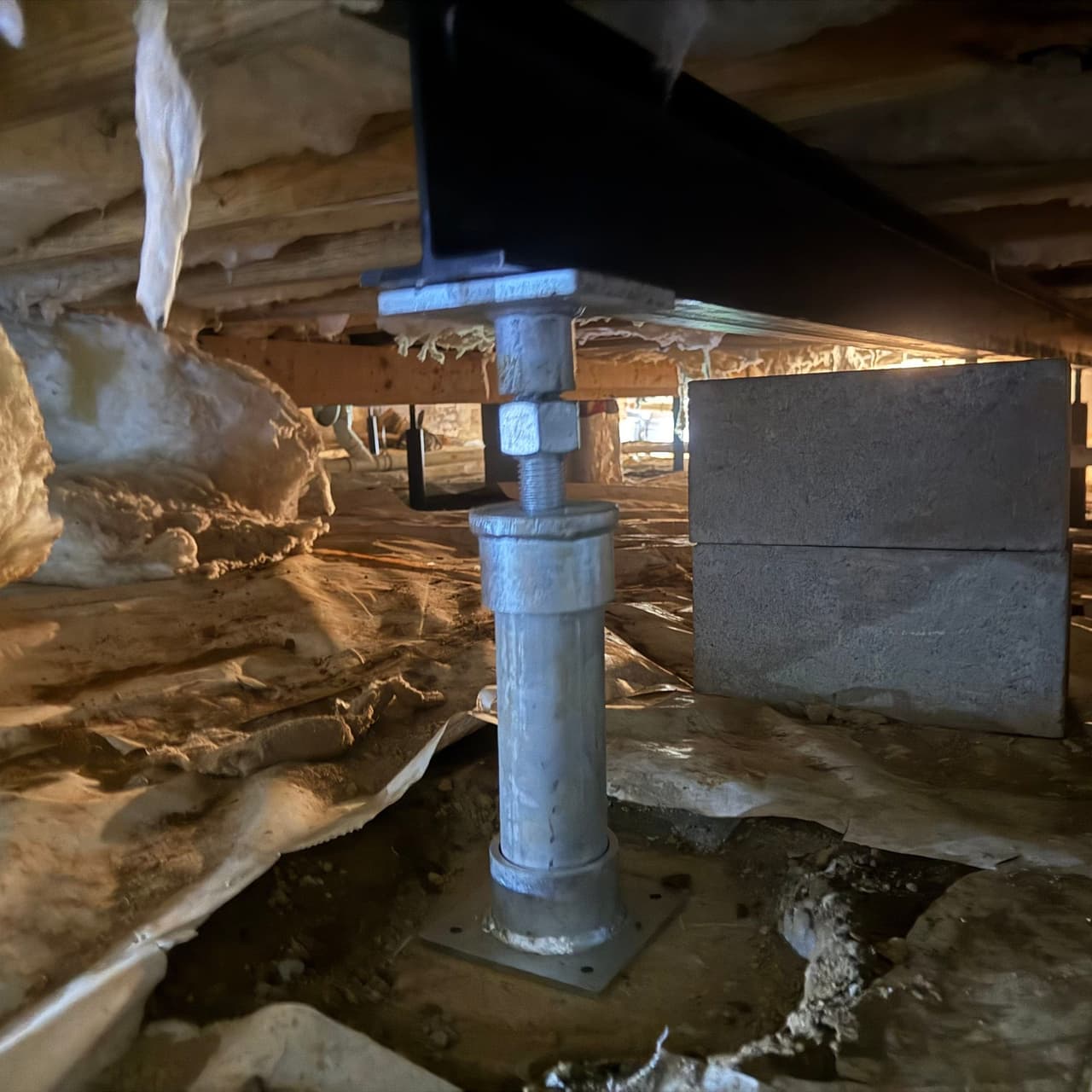
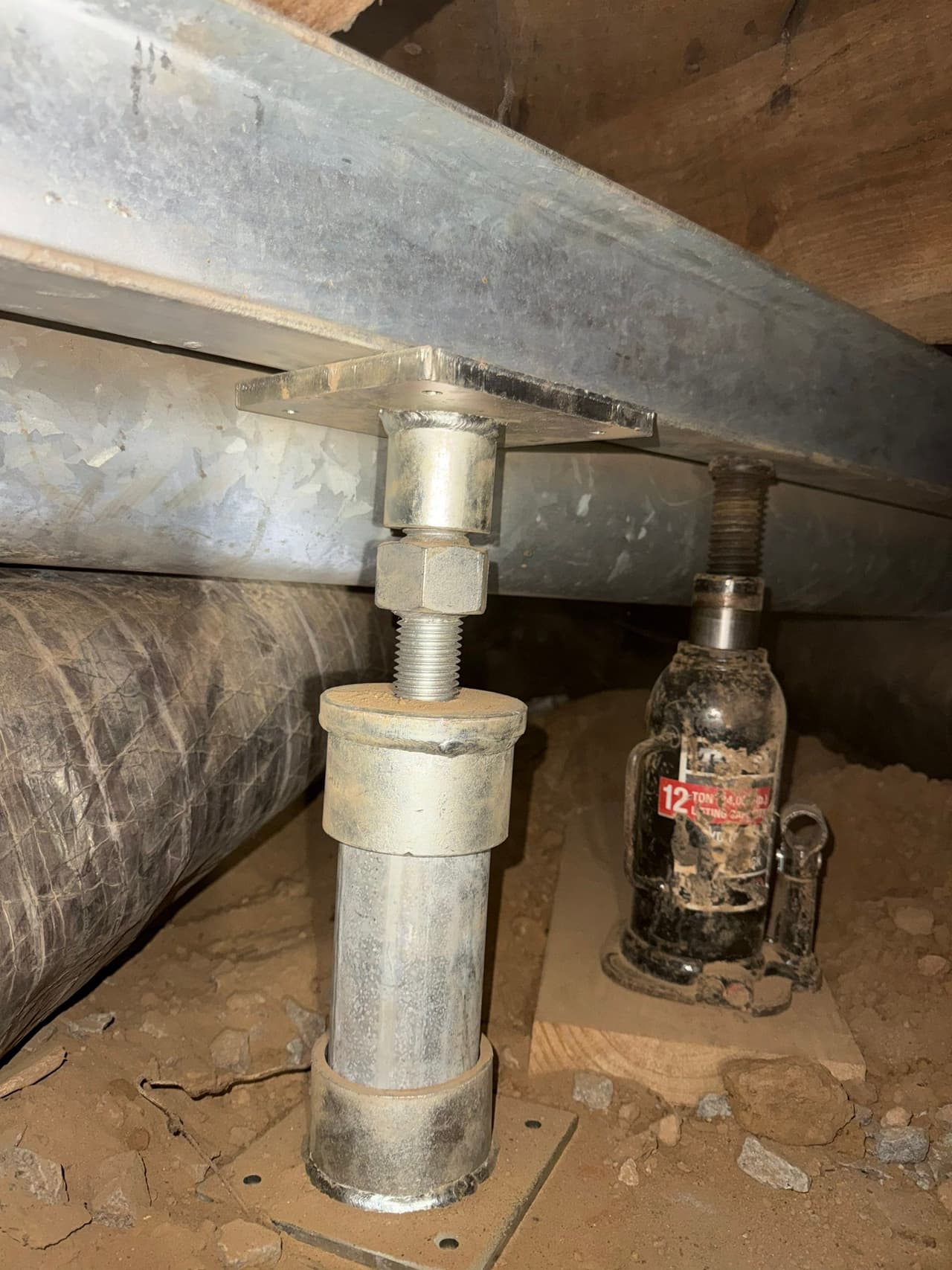
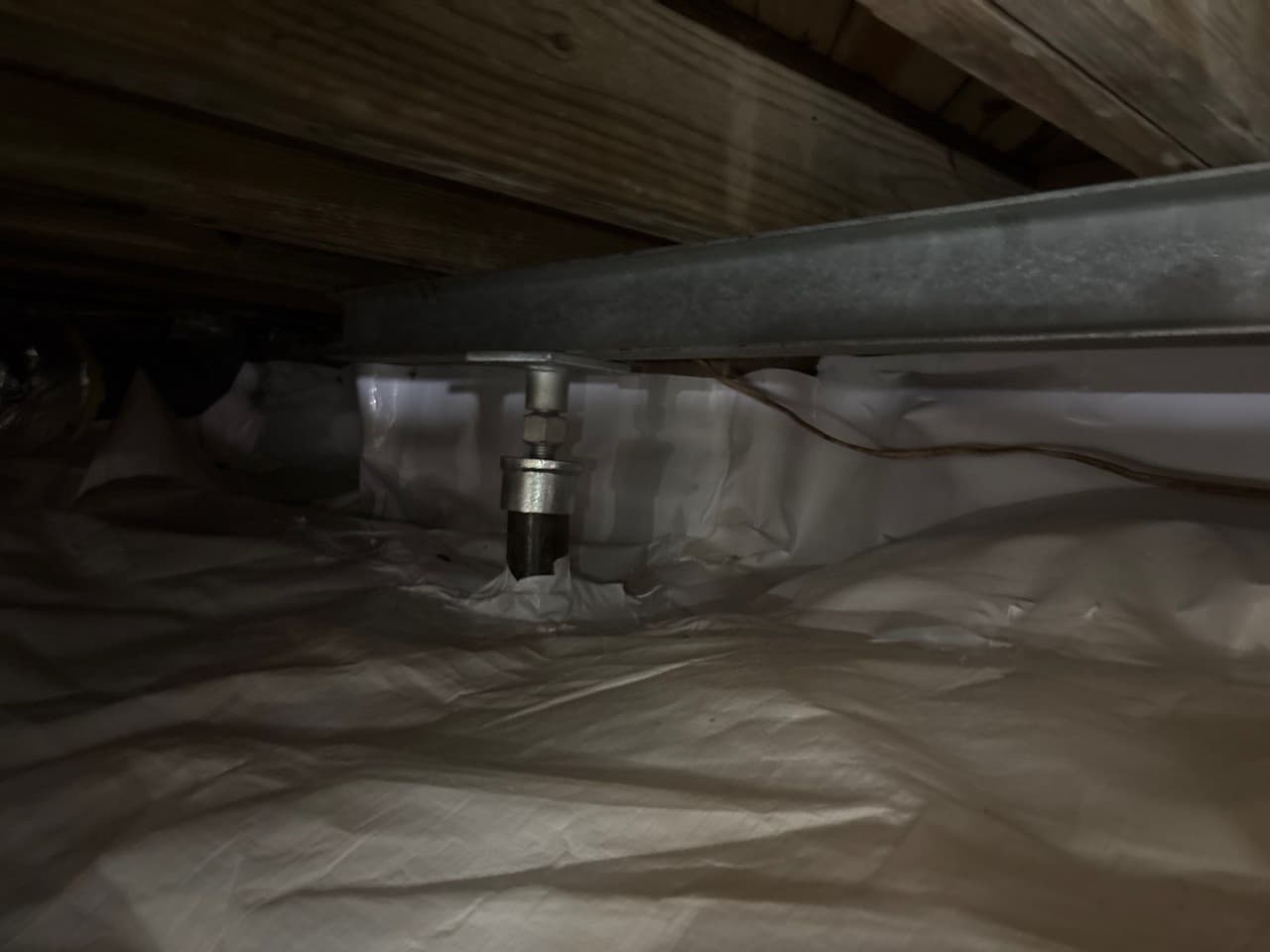
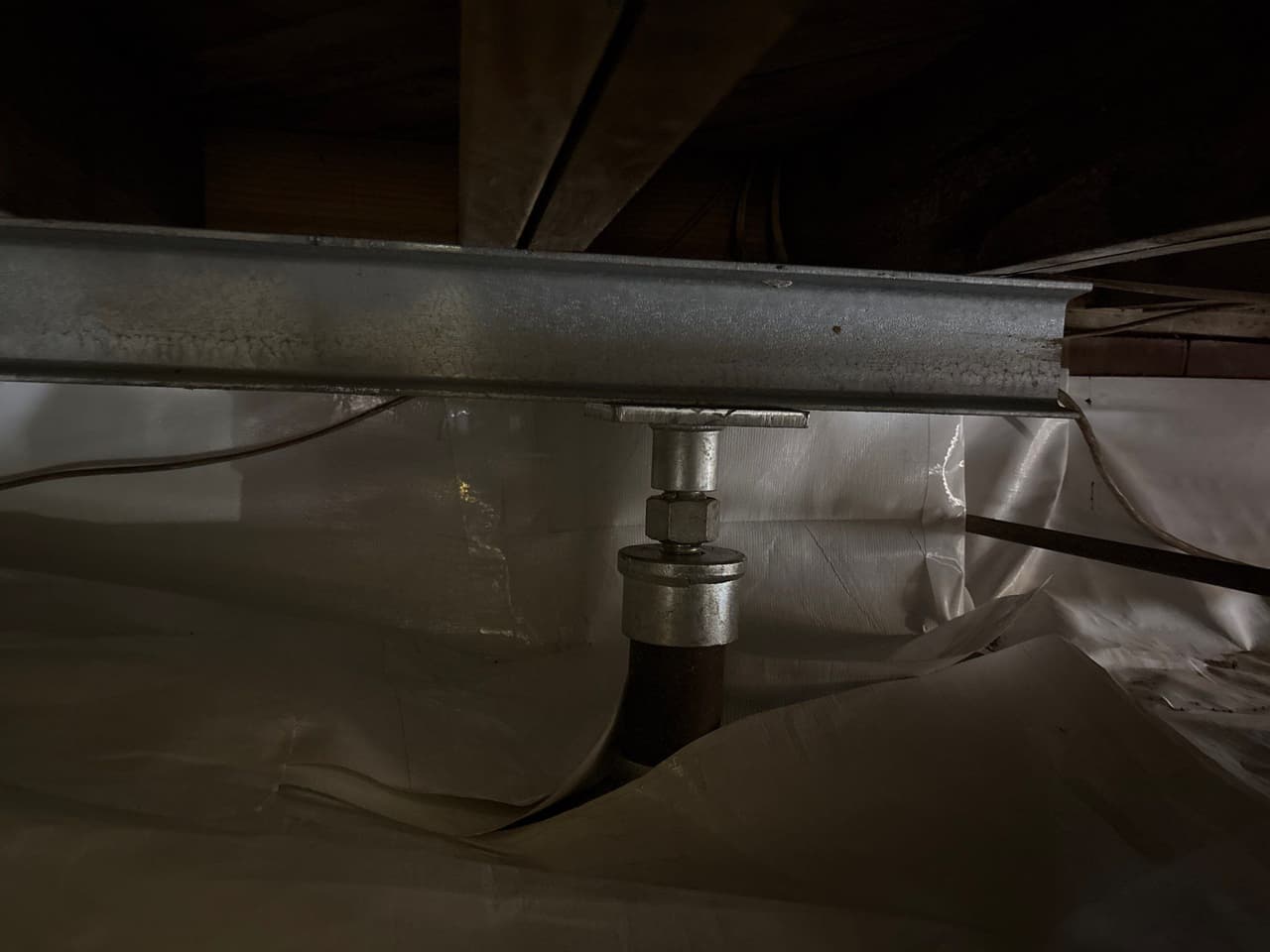
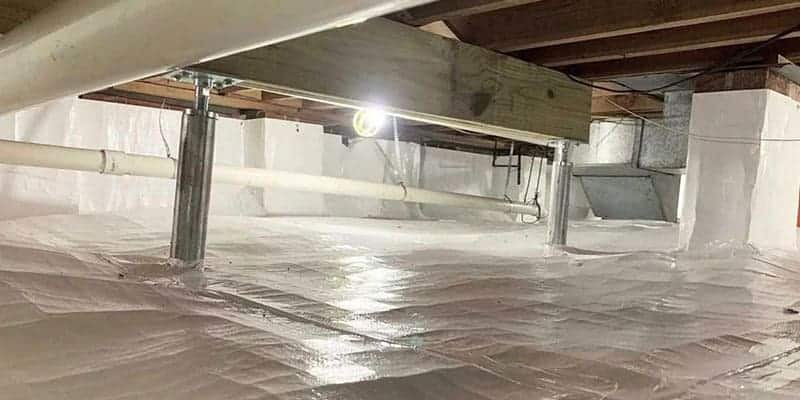
Where the beam had failed at a bearing point, the supporting post or pier and its footing are evaluated and corrected too, often with adjustable steel support posts, because a new beam set onto a failing support has not fixed the underlying problem. Throughout, the structure stays supported.
CH 03
When Does a Beam Not Need Replacing?
If the beam is sound and the sag is coming from the posts beneath it or the joists above it, we tell you the beam does not need replacing and point to the real cause. Some beams can be restored with a targeted beam repair that rebuilds a bearing point.
Weakened joists above a sound beam are handled with joist reinforcement. The goal is a main carrying member you can trust, replaced only when it genuinely needs it. The beam and support options are compared on our framing repair methods page.
CH 04
What Are the Signs of a Failing Beam or Girder?
A failing beam usually shows up as a long dip that runs through the middle of the house, often along a hallway or across several rooms in a line. Interior doors along that line may stick, and cracks can appear in drywall and ceilings above them.
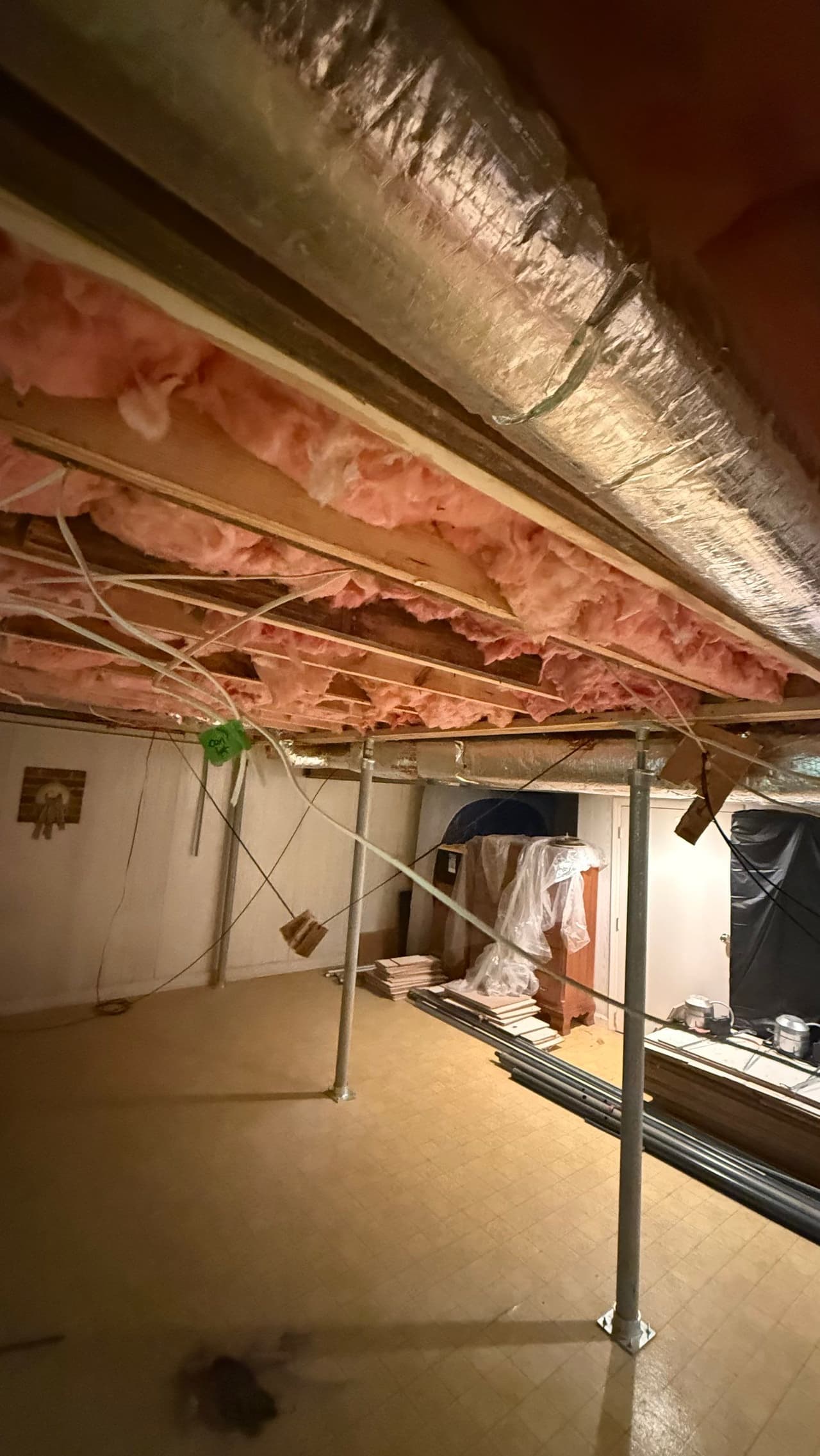
In the crawl space we look for a beam that bows down between its supports, wood that is soft, cracked or crushed where it rests on a post, layers of a built up beam that have separated, and joists that dip where they cross the beam.
CH 05
Can Steel Beams Replace Old Wood Girders?
Sometimes. A replacement beam can be wood made from several boards fastened together, an engineered wood beam, or a steel beam, and the choice depends on the load, the span between supports and the room available in the crawl space. A steel beam can carry a longer span in some layouts, which can reduce the number of posts needed.
Whatever the material, the new beam is sized for the load it carries and set on supports spaced for its span, then connected to the joists above.
CH 06
Why Is a Beam Replaced Under Temporary Support?
A main beam carries the joists, the floor and often the walls above it, so the load has to go somewhere while the old beam comes out. Temporary supports are set on both sides of the beam line and raised to take that load before any cutting begins.
Once the new beam is in place on its supports, the load is transferred back onto it in a controlled way. If the floor has dropped, it is raised gradually so drywall and trim above are protected.
CH 07
What Happens During a Beam and Girder Inspection?
We take floor elevation readings along the beam line to see where the floor is lowest, then inspect the beam along its length by eye and with a probe. Each post, pier and footing under the beam is checked, along with the moisture conditions around them.
You receive written documentation, typically an estimate with photographs. When the beam is sound and the sag comes from a post or footing, we say so and recommend that repair instead.
CH 08
What Warranty Comes With Beam and Girder Replacement?
Framing repairs carry a 30 year warranty that the work was completed correctly per state building code, which begins once the final invoice is paid in full and does not cover termite damage, or moisture or water damage unless a full encapsulation, a drainage system and a dehumidifier are all installed as part of the same project. The complete terms are on our framing warranty conditions page.