A trained inspector (not a salesperson) will look at your home, explain what they find in plain language, and send a written estimate.
Basement Waterproofing · North and South Carolina
Basement Crack Repair Across the Carolinas
A leaking crack is a clue. Before we seal it, we work out whether it is a shrinkage crack that only lets water in or a sign that the wall is under pressure, because the two call for different repairs. Looking for a reliable basement waterproofing contractor? You're in the right place. Read on to learn more.
Cracks in a basement wall are one of the most common ways water gets in, and also one of the most misread. Some are cosmetic, the result of concrete shrinking as it cured years ago, and the only issue is that they now let water seep through. Others are structural, a sign that the wall is taking on soil pressure or that the foundation is moving.
North Carolina · South Carolina
Get a Free Inspection
Two ways to start. Both are free, with no obligation.
Basement crack repair seals a crack in a basement wall or floor so water can no longer pass through it, usually by injecting a flexible polyurethane or a rigid epoxy through the full depth of the crack from inside. Injection fits cracks that are stable. A crack that comes from a wall bowing under soil pressure or from a settling foundation needs that movement addressed first, and the inspection tells you which kind you have.
Thin cracks running up and down a poured concrete wallVertical or Hairline Cracks
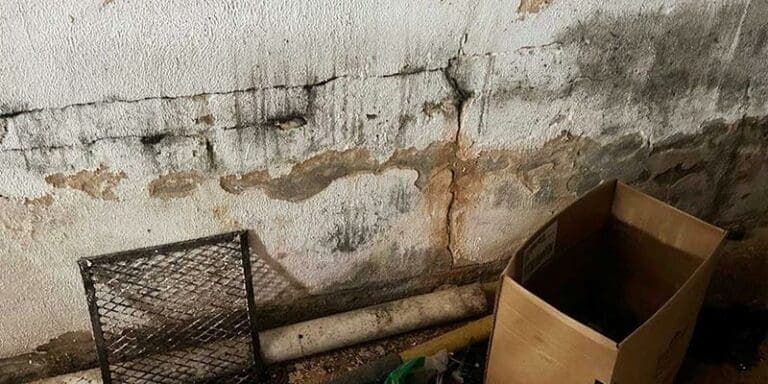
These often form as concrete shrinks while it cures. They may not mean the wall has moved, but they can let water in, and sealing them from inside is a common repair.
A crack running sideways along the wall, often near the outside soil lineHorizontal Cracks
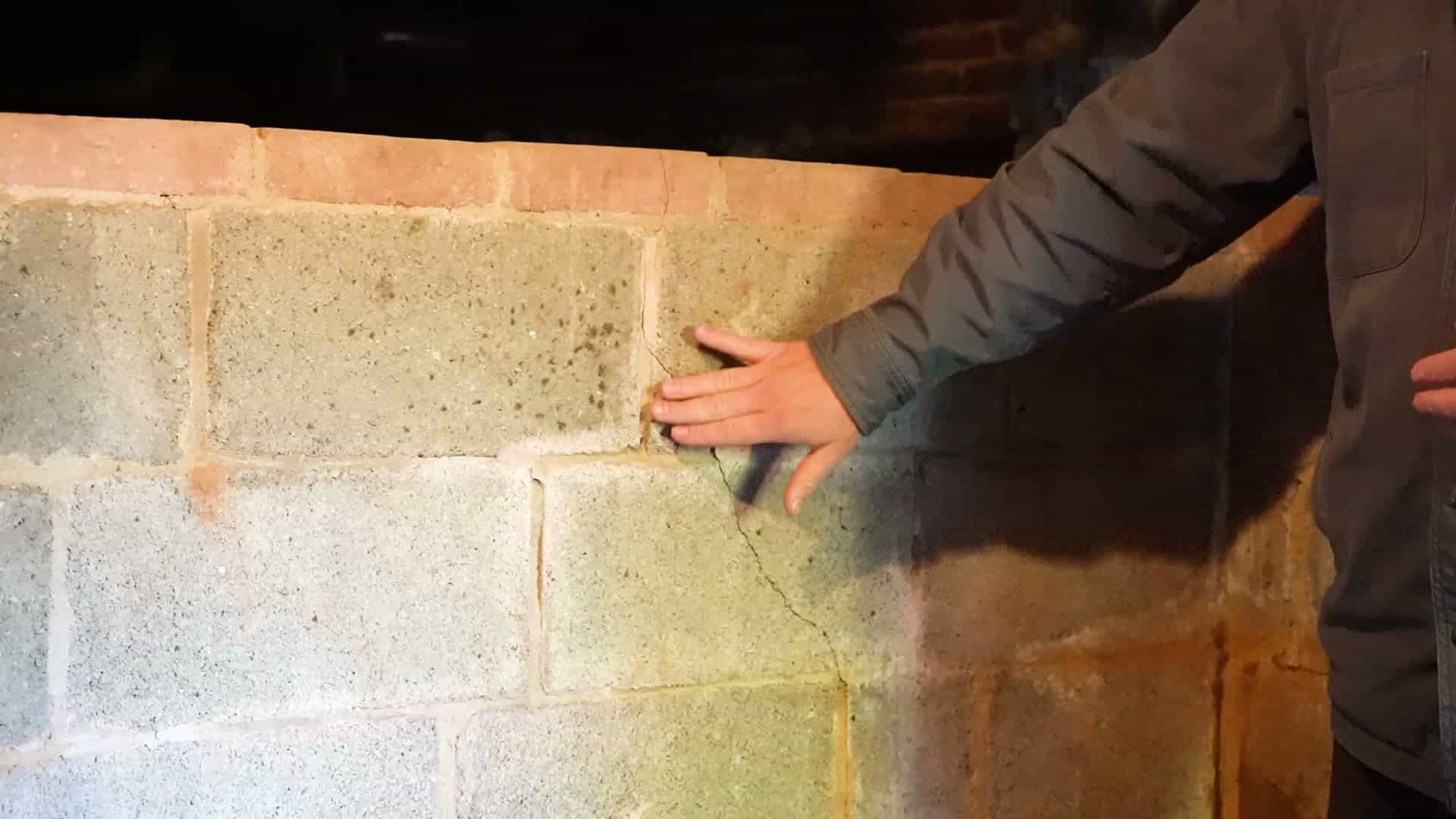
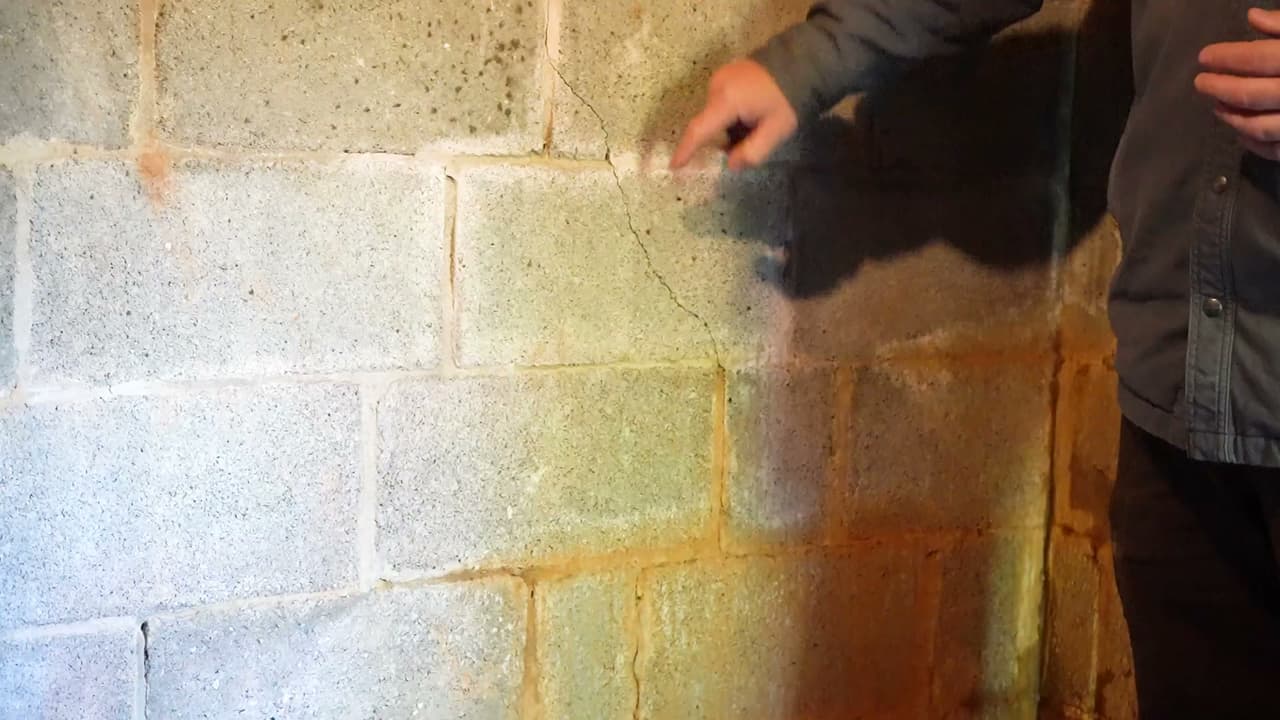
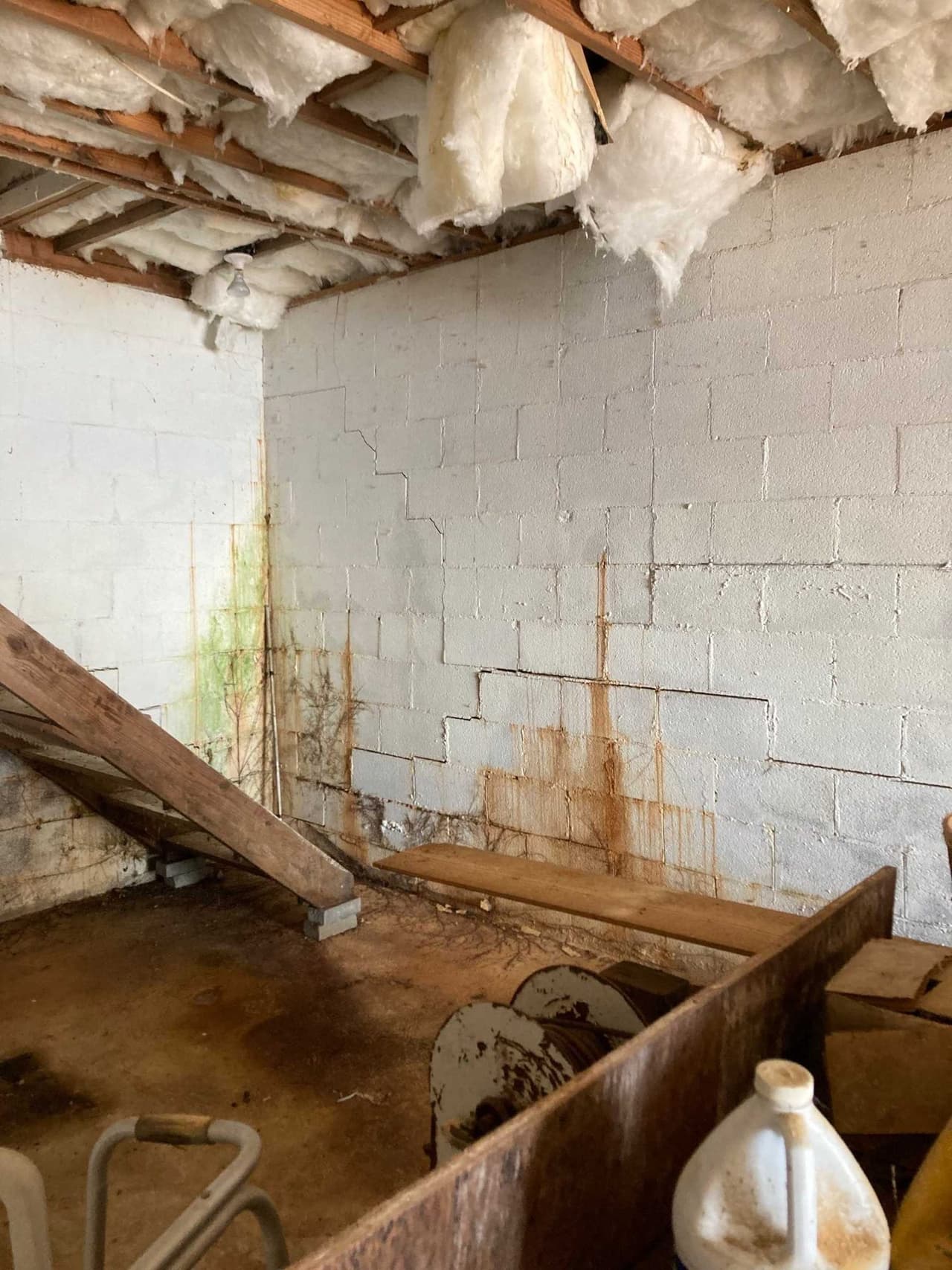
A horizontal crack can mean soil and water outside are pushing the wall inward. The wall is checked for bowing, and stabilizing it comes before or with sealing the crack.
Cracks in the slab, sometimes with water coming up through themCracks in the Basement Floor
Floor cracks are common as a slab cures. When water comes up through them, the pressure under the slab is often the real source, and an interior drain can relieve it.
What a homeowner should understand about this repair, explained in plain language.
Read the full guideHide the full guide
CH 01
What Causes Cracks in Basement Walls?
Most basement cracks come from one of three causes. Concrete shrinks as it cures, which can leave thin vertical cracks in the first years after a house is built. Soil pressure pushes on the outside of the wall, especially when the soil is wet. And settlement under part of the foundation can pull one section away from the next.
In Piedmont clay around Charlotte, Greensboro and the Triangle, the soil swells when it absorbs rain and shrinks as it dries, and that repeated push can open new cracks and widen old ones. Water pressure from saturated soil can also force water through a crack that would otherwise stay dry, which often shows up as cracked and peeling walls. These cracks are one of the most common reasons basement walls get wet.
CH 02
Is a Basement Crack Structural or Cosmetic?
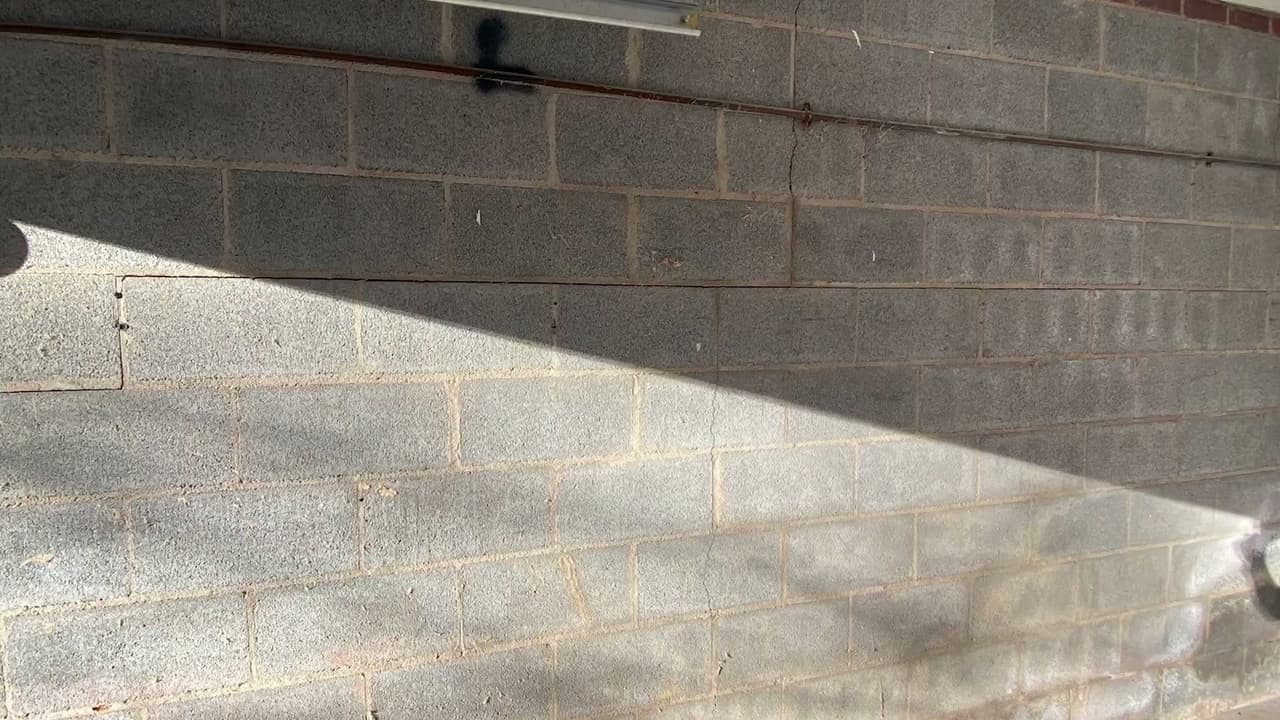
The direction and behavior of a crack are useful early clues. Thin vertical cracks are often from shrinkage, and their main effect is that they can leak. Horizontal cracks, and cracks that step along the mortar joints of a block wall, more often come with soil pressure or settlement. A crack that is getting wider, or one that appears alongside a bowing wall or doors that stick upstairs, also points to movement.
Clues are not a diagnosis. An inspection checks the crack, the wall around it and the rest of the foundation to tell you which kind you have.
Four Common Foundation Crack Patterns
1Shrinkage crack: thin and vertical, often left as poured concrete cures and dries.
2Settlement crack: vertical or diagonal, often wider at one end than the other.
3Lateral pressure crack: horizontal, near the outside soil line, where soil and water push on the wall.
4Stair step crack: follows the mortar joints in a block or brick wall.
CH 03
How Is a Basement Crack Sealed?
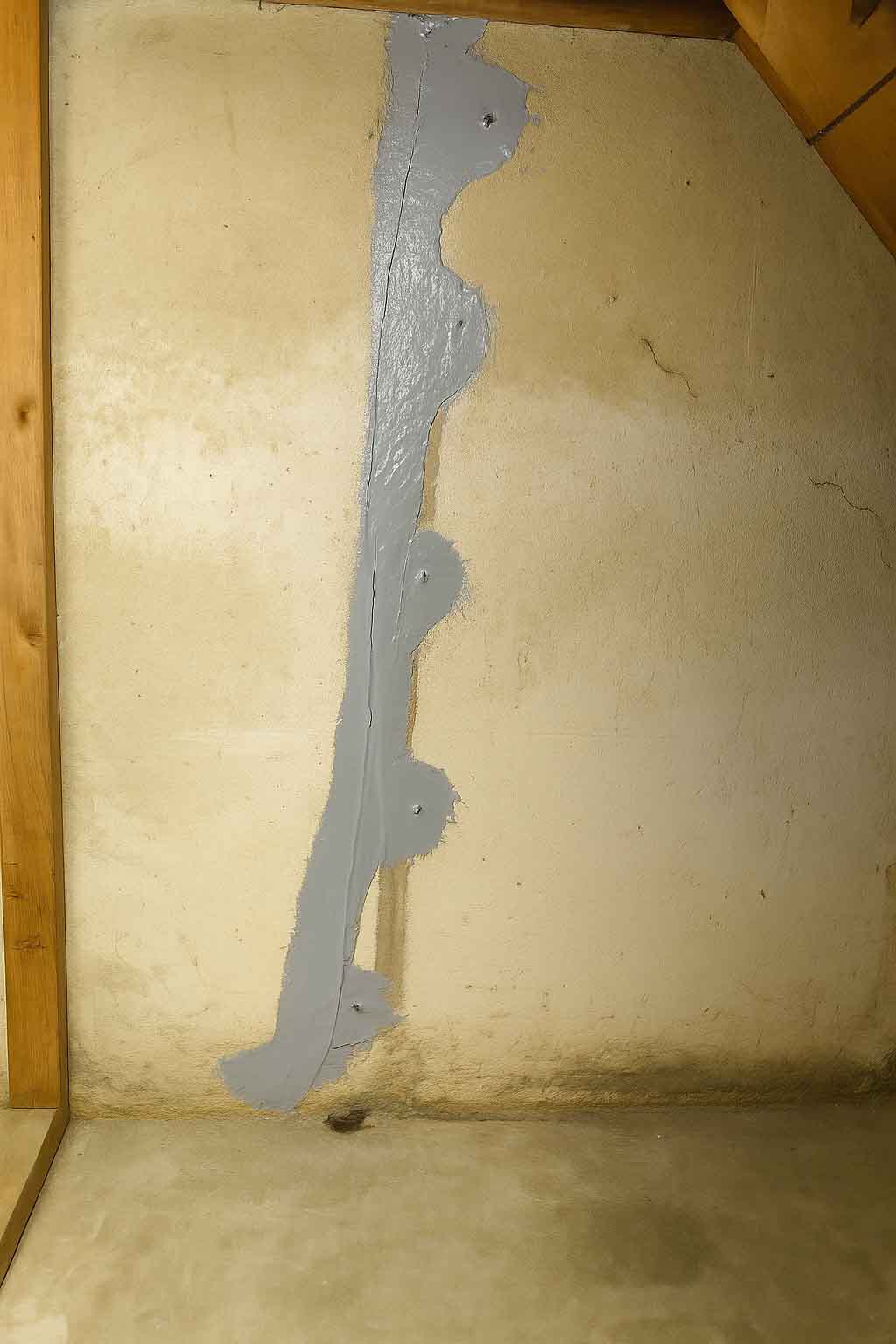
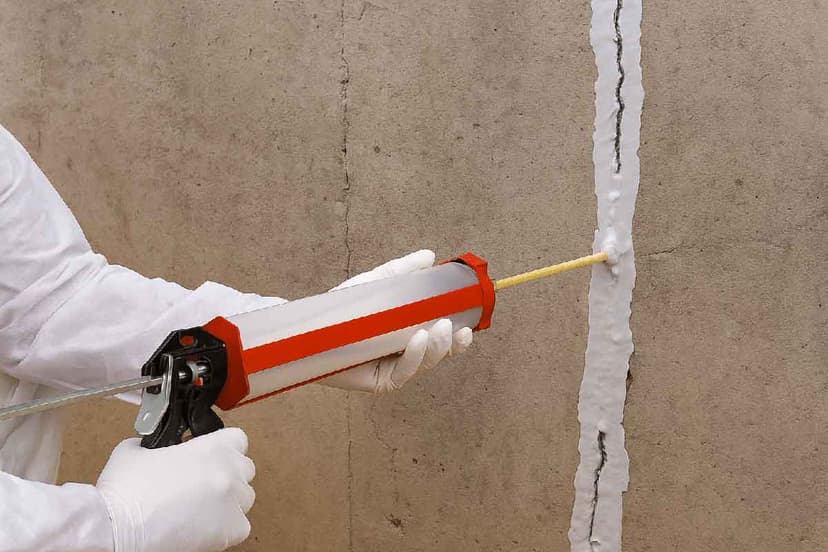
Most stable cracks are sealed by injection from inside the basement. The crack is cleaned, small ports are set along its length, and the surface is sealed over. The repair material is then pumped in through the ports under pressure so it fills the crack through the full thickness of the wall, not just at the surface.
Once the material cures, the ports are removed and the surface is finished. The work happens inside, so there is no digging around the house, and it is one of the basement waterproofing repairs we handle across the Carolinas.
How Crack Injection Seals a Wall From the Inside
1Injection ports are set along the crack on the inside face of the wall.
2The material is injected until it fills the crack through the thickness of the wall.
3The soil side of the wall is left in place, so there is no digging.
CH 04
Polyurethane vs. Epoxy Injection for Basement Cracks
The two materials do different jobs. Polyurethane stays flexible and expands as it reacts with moisture, which makes it well suited to sealing cracks that are damp or leaking. It keeps water out but does not add strength to the wall.
Epoxy cures rigid and bonds the two sides of a crack back together, and it is used on dry, stable cracks in poured concrete. Our foundation crack repair guide explains both materials in more depth, and we choose between them based on what the crack is doing.
CH 05
When Does a Basement Crack Need More Than a Seal?
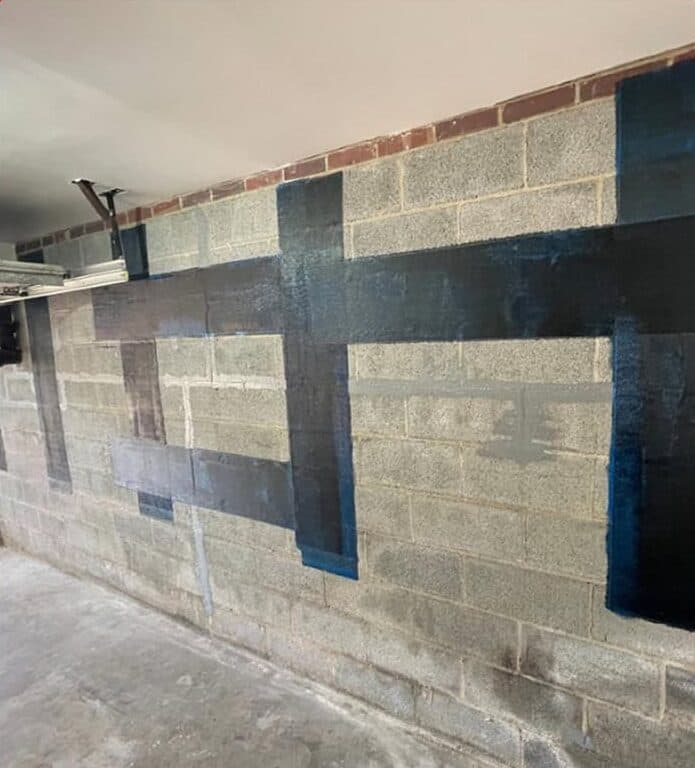
When a crack comes from a wall that is bowing under soil pressure, or from a foundation that is settling, sealing it alone does not last, because the force that opened it is still at work. The movement is addressed first, often by reinforcing or bracing the wall, and the crack is sealed after.
1Soil and water outside push against the wall, more so when the soil is saturated.
2A horizontal crack can open where the wall bends.
3Over time the wall can bow or lean inward.
CH 06
What Does Basement Crack Repair Cost?
Most basement crack repair projects fall between $4,500 and $15,000. Where a project lands depends on the number and length of the cracks, which material they need, access to them, and whether the wall needs stabilizing as well. A range is not a quote. Your written estimate comes from the free inspection, and financing is available.
Which Solution Is Right?
Which Crack Repair Fits Your Wall?
Method
Fits when
Not a fit when
Polyurethane Injection
The crack is stable and the goal is to stop water, including on cracks that are damp or actively leaking.
The wall is still moving or bowing, so the crack would keep opening.
Lower cost options for sealing and stabilizing a cracked foundation in North Carolina.
Read the Guide
Watch
Basement Wall Cracks That Leak Water
1,300+verified Google reviews (4.9 stars)
Since 2017Serving the Carolinas
Eightlocal offices
Why Choose HydroHelp911
Care and Expertise From a Team Serving the Carolinas Since 2017
HydroHelp911 handles basement waterproofing and related structural and moisture work across North and South Carolina. Every repair recommendation starts with a free inspection of the whole home.
01
Trained inspectors, not salespeople.
An inspector looks at your home, finds the source of the problem, and explains each finding in plain language. There is no obligation.
02
Locally owned in Gaston County.
We are headquartered in Dallas, North Carolina, with eight offices across North and South Carolina.
03
Serving the Carolinas since 2017.
Foundation repair, crawl space repair and encapsulation, basement waterproofing, framing repair, and concrete leveling are the whole focus of the team.
04
Rated 4.9 stars on Google.
We have 1,300+ verified Google reviews (4.9 stars) from homeowners across the Carolinas and are BBB A+ Accredited.
05
Written warranty terms.
For example, helical and push piers carry a lifetime warranty that no additional settlement will occur in the area of installed piers, once the final invoice is paid in full. Read the warranty terms.
06
Financing is available.
Ask your inspector about financing when you get your written estimate. See financing options.
Cory ParksOWNER & PRESIDENT
Recent Work
Recent Basement Waterproofing Projects
Finished basement waterproofing jobs from our crews, photographed on site. Open any project to see the full photo set and what we did.
Answer three quick questions about your home. We'll match what you see to the most likely cause and point you to the right next step.
1
Symptom
2
History
3
Your Result
Location: Basement
What Are You Seeing in Your Basement?
Pick the symptom that best describes it.
Frequently Asked Questions
Common Questions About Basement Crack Repair
Don't see your question here? Call or fill out our quick online form, and our team will help.
Direction and behavior are the best early clues. Vertical and hairline cracks often come from concrete shrinking as it cured, and their main issue is that they leak. Horizontal cracks, and cracks that step along mortar joints in block, more often signal soil pressure on the wall. A crack that is widening also points to movement, and an inspection tells you which you have.
Yes, when the crack is stable. We inject it so the material fills the crack through its full depth, using flexible polyurethane when stopping water is the priority and epoxy when bonding the wall matters. The work is usually done from inside with no digging. Sealing cannot hold a crack that keeps reopening because the wall is still moving.
In the Piedmont, the leading cause is clay soil that swells against basement walls when it absorbs rain and shrinks as it dries, which can open new cracks and widen old ones. Concrete shrinkage during the original cure is another common, usually cosmetic, source, and water pressure against the wall can add to it. The cause decides whether a seal is enough.
It depends on why the crack formed. When a crack is stable, a properly done injection seals it through its full depth. When it comes from a wall under soil pressure or a settling foundation, sealing alone may not last, because the force that opened it is still at work and new cracks can appear. That is why we diagnose the cause before recommending a seal.
Usually, yes. Most stable cracks in poured concrete are sealed by injection from inside the basement, with no digging around the house. Cracks that come from a bowing or settling wall need that movement addressed as well, and the inspection tells you whether that applies.
Most basement crack repair projects fall between $4,500 and $15,000. That is an example range, not a quote. Your cost depends on the number and length of the cracks, the material they need, access and whether the wall needs stabilizing, and the written estimate from your free inspection is the price for your home. Financing is available.
Every home is different, so every estimate is written for the home in front of us. A free inspection at your home gives you a written estimate at no cost, based on your scope, access, and conditions.
Example Pricing
How Pricing Works
Most basement crack repair projects fall between $4,500 and $15,000. Pricing depends on the number and size of the cracks and access to them. You receive a written estimate after a free inspection.
Example ranges from the HydroHelp911 price sheet, shown for planning only. They are not a quote. Your price is set after a free inspection of your home and confirmed in your written estimate.
When Is This Not the Right Fix?
Sealing alone is not enough when the crack is a symptom of a wall bowing under soil pressure or a foundation that is settling.
What Does the Free Inspection Include?
Your inspector explains every finding in plain language, and you get written documentation at no cost, typically an estimate with photographs.
Two ways to start. Both are free, with no obligation.