Cold floors above a crawl space are usually a sign the space below has lost its insulation or stayed too damp
When the floor over your crawl space feels cold underfoot in winter, the cause is almost always below it: insulation that has sagged or fallen, open vents pulling cold outdoor air under the home, or moisture that has soaked the batts and the framing. Here is what drives cold floors across the Carolinas and what a no-pressure inspection looks at before any work is discussed.
Let's take the first step toward a healthy home.
A local specialist will inspect your foundation, walk you through the findings, and send a clear estimate. no cost, no pressure.
Cold Floors Above Crawl Space: diagnosed and explained.
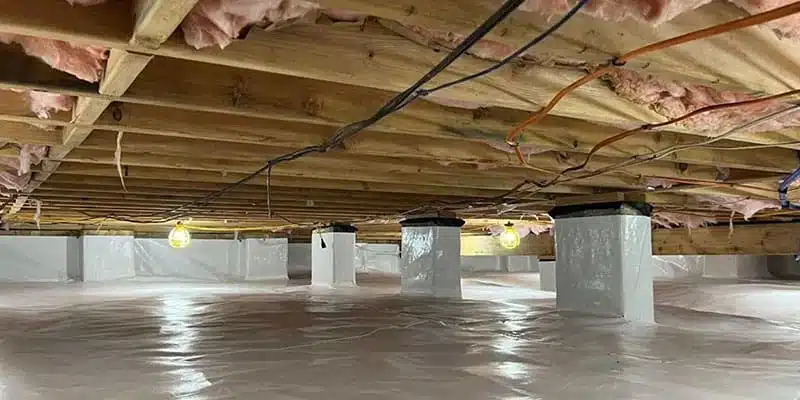
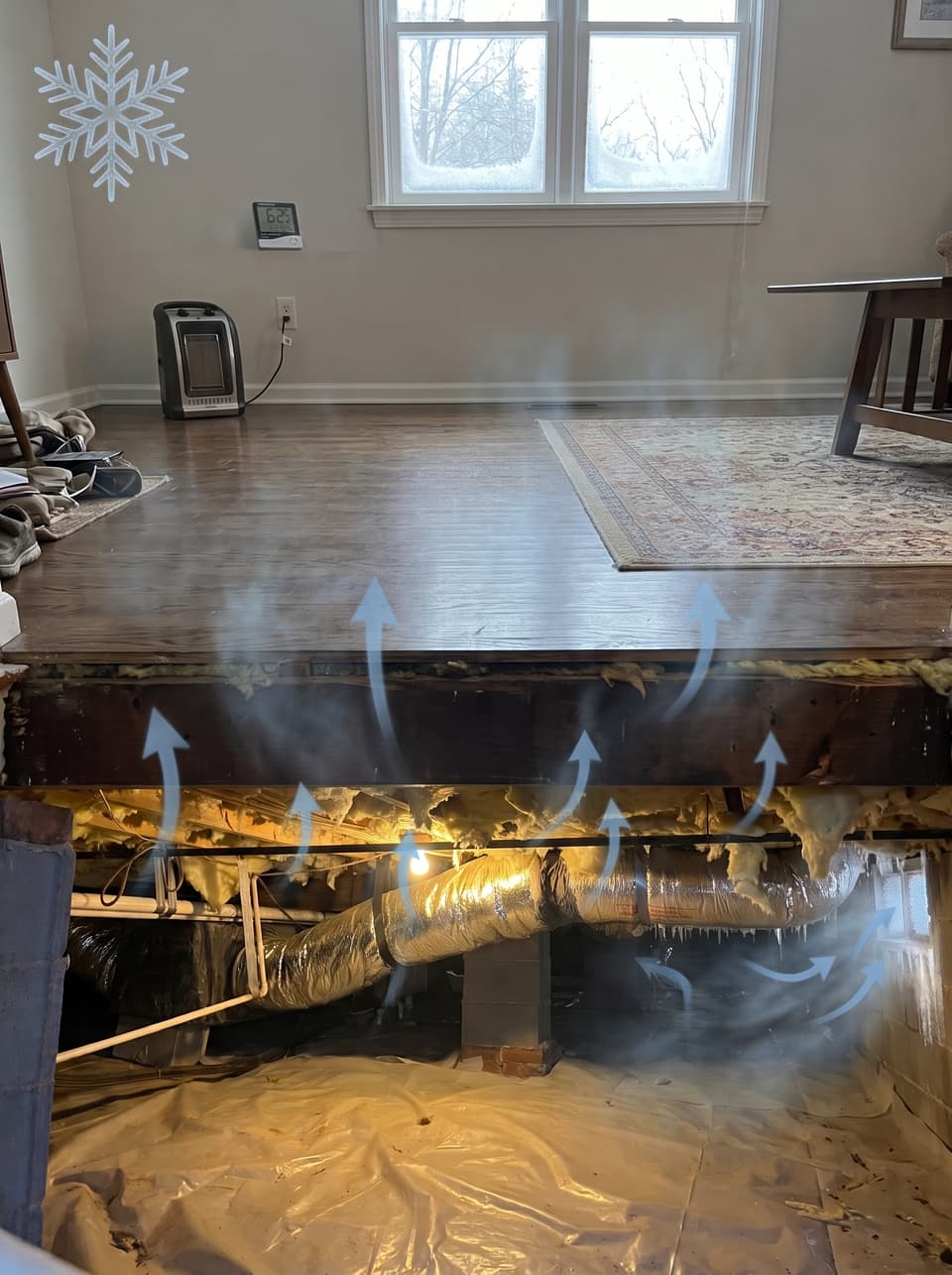
Cold floors above a crawl space are floors that feel noticeably cooler than the air in the room, most often across a whole room or hallway rather than a single spot, and most noticeably through the Carolina winter. The floor covering itself is rarely the cause. What you are feeling is the temperature of the crawl space below coming up through the subfloor because the insulation that should buffer it is missing, fallen, or no longer working. In most Carolinas homes that insulation is fiberglass batting stapled between the floor joists, and in a vented crawl space exposed to cold outdoor air and ground moisture, those batts tend to absorb humidity, grow heavy, and sag or drop away from the subfloor. Once they fall, the floor above has little thermal protection and tracks the crawl space rather than the thermostat. Open foundation vents make it worse by letting cold winter air flow freely under the home, and a damp crawl space both ruins the insulation and feeds humidity upstairs that makes rooms feel clammy in summer and drafty in winter. Cold floors are most often a comfort and efficiency symptom tied to insulation and ventilation, which is what crawl space encapsulation addresses. In some homes, though, the same moisture that soaks the insulation has also been working on the wood framing below, so persistently cold floors can occasionally accompany early rot or weakened joists. Because the cause sits out of sight, the reliable way to know whether you are dealing with an insulation and ventilation issue, a moisture issue, or both is to go into the crawl space, check the insulation and vapor barrier, measure the humidity, and look at the framing. That is the purpose of a no-pressure inspection.
Signs that often show up alongside cold floors above a crawl space
Floors that feel cold across a whole room rather than one spot
When an entire room or hallway over the crawl space feels cold underfoot, rather than a single localized patch, the cause is usually fallen or missing insulation below that lets the crawl space temperature come up through the subfloor.
Rooms over the crawl space that never feel comfortable
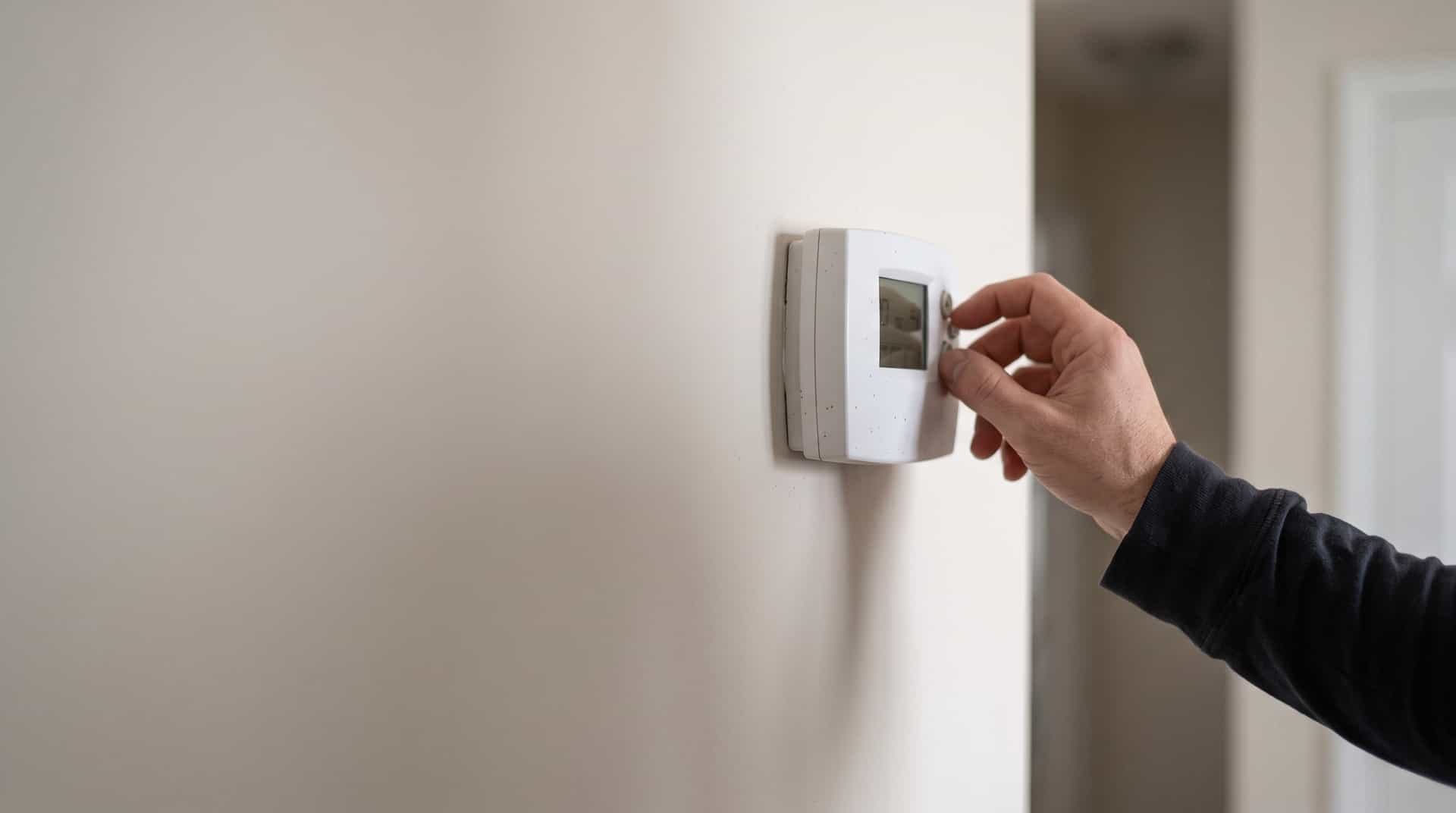
A room that feels drafty in winter and muggy in summer no matter where the thermostat is set often means the floor is tracking a vented, humid crawl space instead of the conditioned air around it.
Heating and cooling bills creeping up through the season
Insulation that has fallen or soaked through lets conditioned air bleed into the crawl space, so the heating and cooling system runs longer to hold the same temperature. A gradual rise in bills, especially through the long Carolina cooling season, can accompany cold floors.
A muggy or clammy feeling indoors even with the system running
If the home feels humid despite the air conditioner running in summer, the crawl space may be feeding moisture upward, the same moisture that soaks the floor insulation and leaves floors cold in winter.
A musty odor rising from the crawl space into the home
A persistent earthy or musty smell inside usually originates in a damp crawl space, and the moisture producing the odor is the same moisture ruining the insulation that should keep your floors warm.
Dark, damp, sagging, or fallen insulation when you look below
If you can access the crawl space, batts that look darkened, feel damp, droop between the joists, or lie on the soil confirm the insulation has taken on moisture and is no longer protecting the floor above.
What causes cold floors above crawl space in Carolinas homes.
How crawl space encapsulation specialists actually fix cold floors above crawl space.
Solving cold floors above crawl space means addressing the underlying soil, pressure, or settlement cause. Not just patching the visible damage. Below are the engineered solutions we install most often for this symptom in Carolinas homes.
Engineered crawl space encapsulation solutions for this problem.
Each method is matched to a specific failure mode and soil profile. Browse the toolkit we draw from when diagnosing your home.
Insulation Installation
Installing or replacing crawl space insulation the right way for an encapsulated Carolina crawl space, so your home holds a more even temperature, your floors feel warmer, and less conditioned air is lost below the house.
Vent Sealing
Vent sealing permanently closes the open vents in your foundation walls so humid Carolina air, drafts, and pests can no longer move under your home. It is one step in encapsulating a crawl space, and we confirm it is the right call before we seal anything. No-pressure inspection across North and South Carolina.
Why crawl space encapsulation works across the Carolinas
Encapsulation works here because it cuts the moisture path at its source. Across the Piedmont and the SC Upstate and Midlands, hot, humid summers push damp air into dirt-floor crawl spaces where it condenses on joists and subfloor. In the coastal markets around Wilmington and Leland, ground moisture rising through sandy, saturated soil adds to that load all year. Sealing the crawl space with a vapor barrier and controlling the air with a dehumidifier stops both the ground moisture and the humid air that drive mold and cool, damp floors in this climate.
Piedmont clay and the crack patterns it produces
Much of the Piedmont, from Charlotte through the Triad, sits on clay-rich soil that holds water. Clay absorbs moisture in wet seasons and swells, then contracts in dry periods. That cycle pulls pressure on and off a foundation, pulling away from footings, creating voids beneath slabs, and producing the vertical and diagonal settlement cracks we see most frequently across the region.
Homes built on uncompacted clay backfill show the highest incidence of progressive settlement cracking in our inspection work. The same clay that looks stable through a normal year can move enough during a long wet spring or a hard summer drought to open a crack that keeps widening.
Coastal and Sandhills soils behave differently
In Wilmington, Brunswick County, and Leland, high water tables, saturated and sandy soils, and salt air drive a different set of failure modes than inland clay. Lateral water pressure, erosion, and corrosion are the drivers here, which is why coastal foundation and seawall work needs an approach that inland techniques don't account for.
Across the Sandhills near Fayetteville and Pinehurst, sandy soils drain differently again, and in the mountains around Asheville, hillside foundations, slopes, and heavy rainfall change the picture once more. We diagnose to the soil and climate of the specific home, not to the Carolinas generically.
"When someone calls about cold floors, the floor is really telling us what is going on underneath it. Most of the time the insulation in the crawl space has soaked up moisture and fallen, and the vents are letting cold air sit right under the house. We go under there, see what is wet or fallen and what is still fine, find where the moisture is coming from, and check the framing while we are at it. If the wood is sound, we will say so. We seal and dry the space first and then insulate it right, because putting fresh batts into a damp, vented crawl space just leaves you with cold floors again next winter. There is no pressure and no upsell here. Cory Parks, Owner, HydroHelp911."
Care and expertise from a team that does this every day.
HydroHelp911 is locally owned and operated, with crews dedicated exclusively to foundation, basement, and concrete work across the Carolinas.
Foundation repair, waterproofing, and concrete leveling are our entire focus. not a sideline.
Deep experience with Carolinas soils, basements, and weather conditions.
Accredited with an A+ rating and thousands of homeowner reviews across the Carolinas.
Lifetime warranties available on many services, backed by the original installer.
Answers to common questions about Cold Floors Above Crawl Space.
Don't see your question here? Our team is happy to help. Reach out anytime.
Other crawl space encapsulation warning signs to watch for.
If you see one, it's worth checking for the others. Most foundation problems show up as more than one symptom.
Serving North Carolina & South Carolina.
Local crews based in offices across the Carolinas, dispatched daily. If your town isn't listed, call us. we likely serve your area.
- Charlotte, NC
- Huntersville, NC
- Matthews, NC
- Greensboro, NC
- Winston-Salem, NC
- Asheville, NC
- Wilmington, NC
- Fayetteville, NC
- Greenville, SC
- Columbia, SC
Take the first step toward a healthy home.
A straightforward path from initial inspection to completed repairs.
Schedule your inspection.
A local specialist visits your home, evaluates the foundation, and answers your questions on site. No cost, no obligation.
Receive an estimate based on your needs.
We provide a clear, written estimate with a scope of work tailored to your home's specific issues. Typically within one business day.
Get your repairs.
Our certified crews complete the work on schedule and back it with product warranties of up to 25 years.
Over 1,750 homeowners have shared their experience.
A 4.9-star average across Google, with verified reviews from homeowners throughout North and South Carolina.
Two ways to start: book instantly, or request an estimate.
Schedule your inspection in seconds with our Driive booking tool, or share a few details and a local specialist will follow up within one business day.
- A local foundation specialist on site
- A complete walk-through of the findings
- A written estimate within one business day
- No cost, no obligation, no high-pressure sales