North Carolina · South Carolina

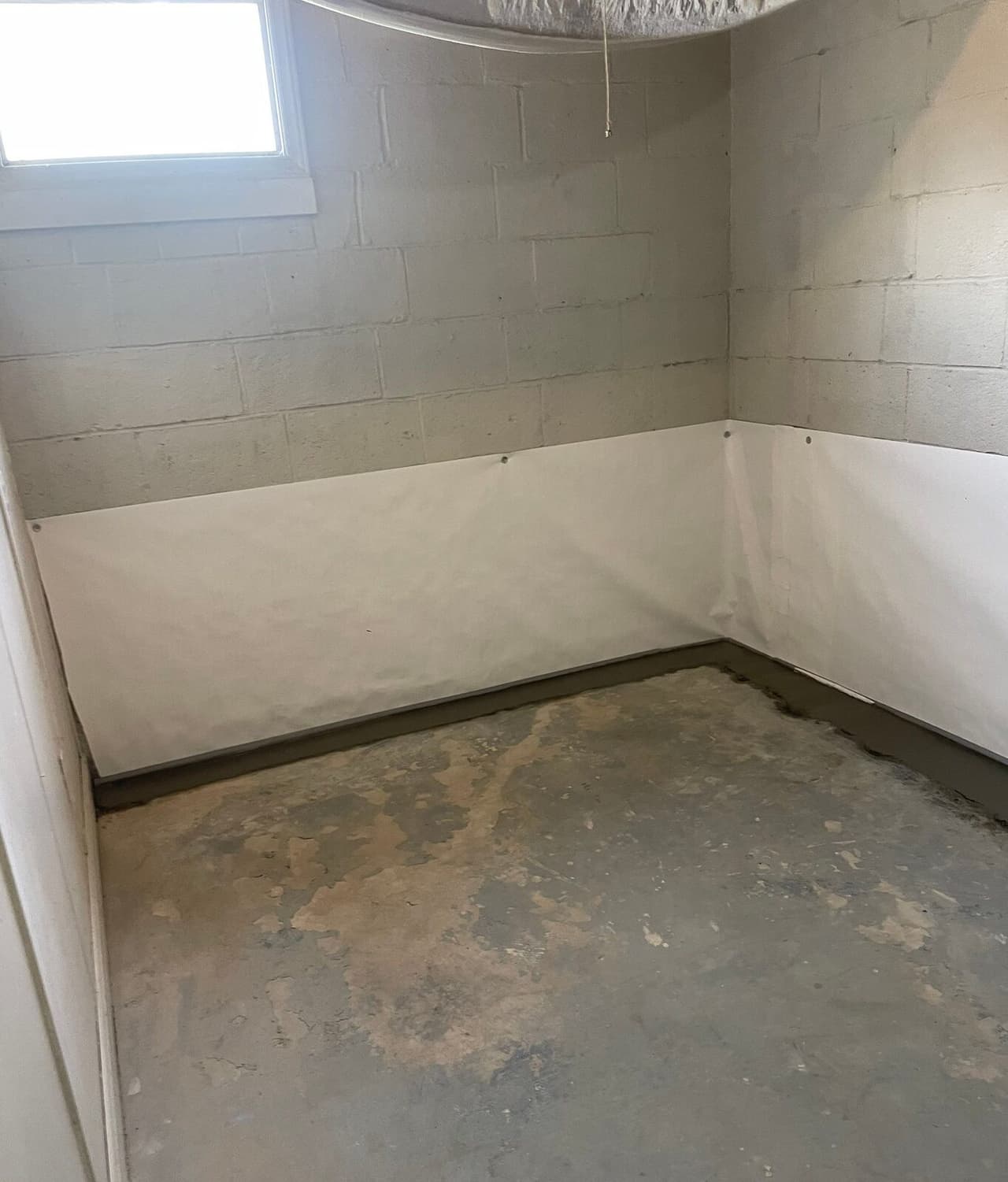
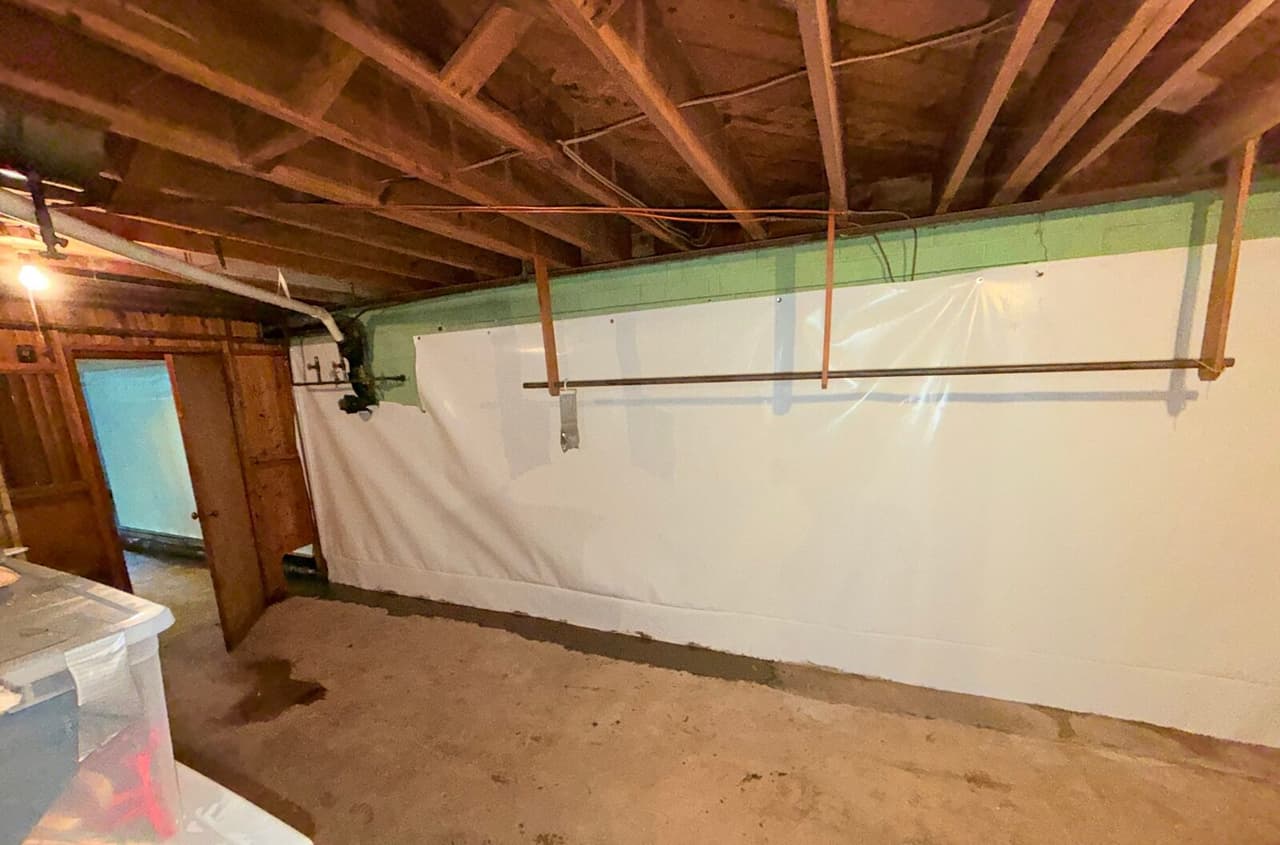
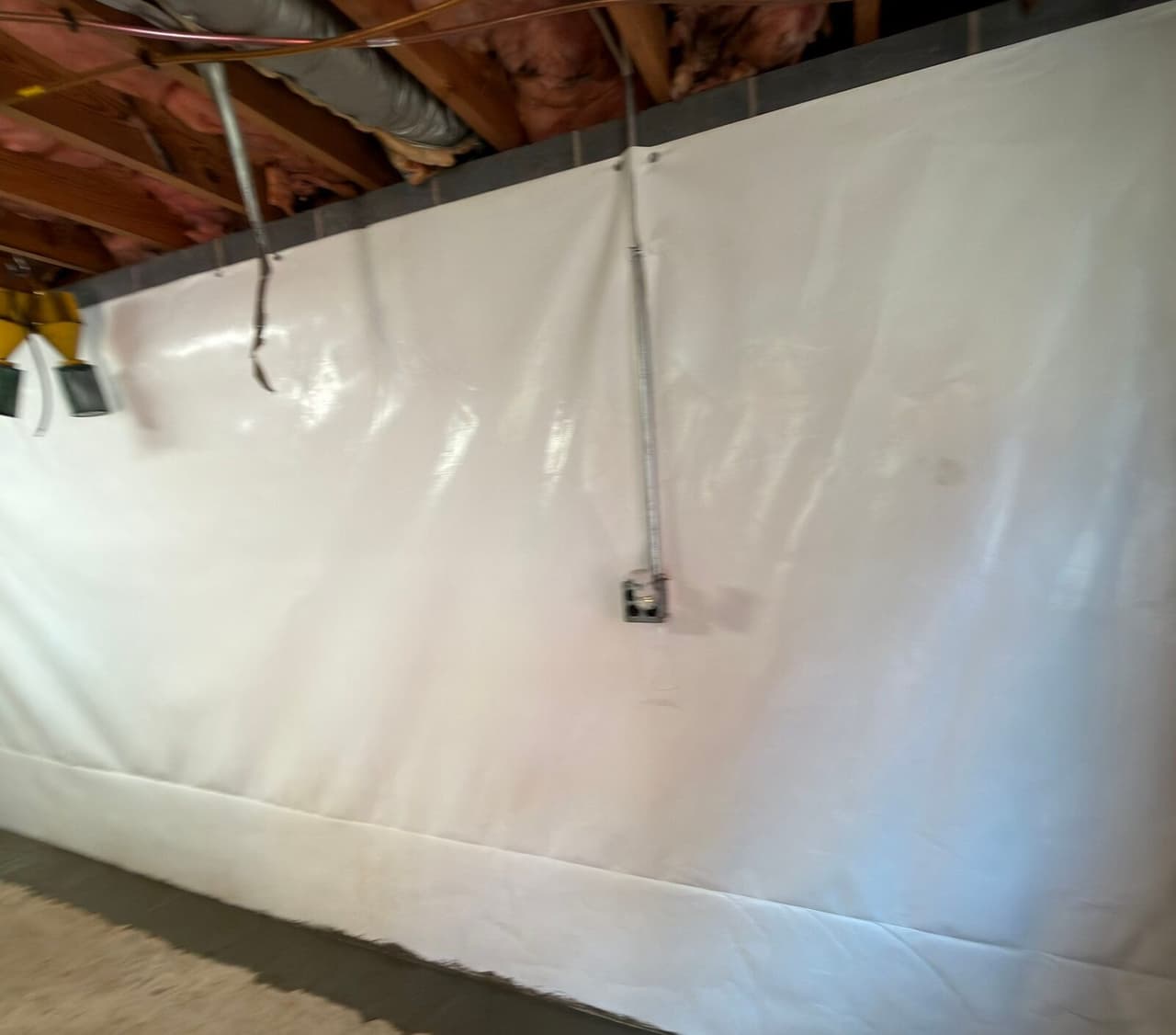
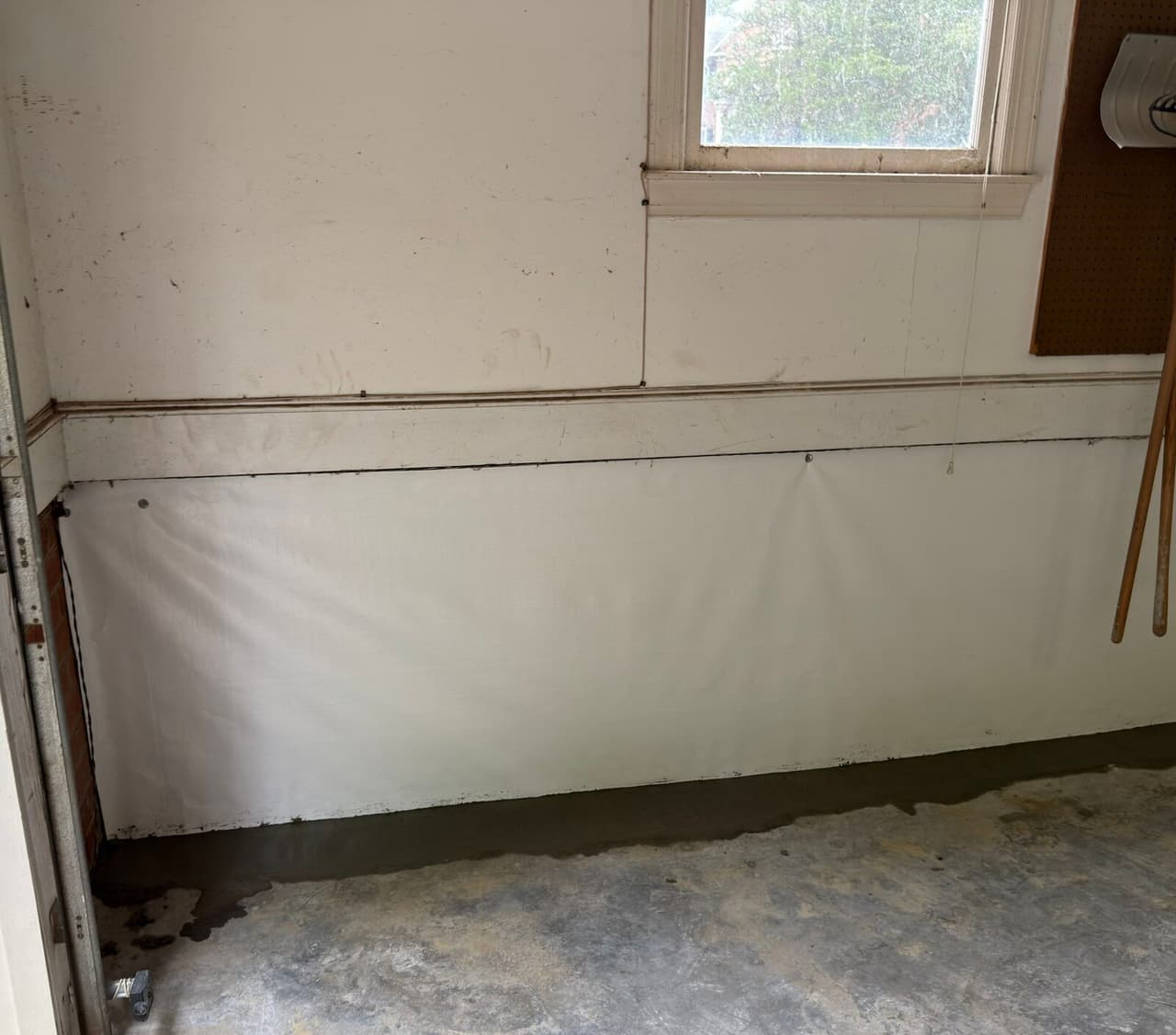
Basement Waterproofing for Homes Across the Carolinas

A wet basement is a water problem with a source. Before we recommend anything, we find where the water is getting in, explain why, and match the fix to your home. No pressure, no scare tactics.

North Carolina · South Carolina BBB A+ Rated

Let's take the first step toward a healthy home.

A local specialist will inspect your foundation, walk you through the findings, and send a clear estimate. no cost, no pressure.

Book instantly with Driive
BBB Accredited
Fully Insured
"By Your Side" Guarantee
What We Repair

6 basement waterproofing specializations under one roof.

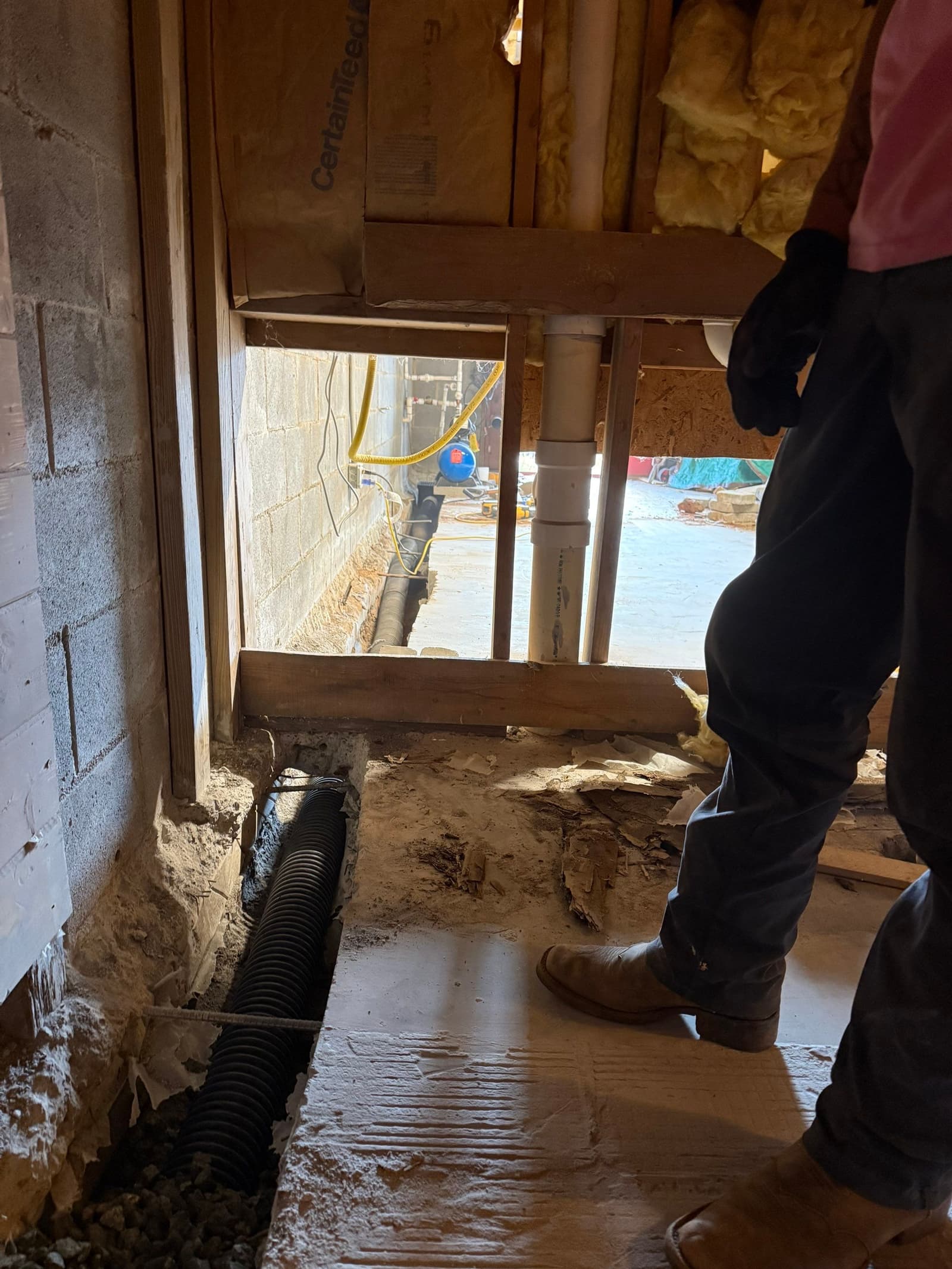
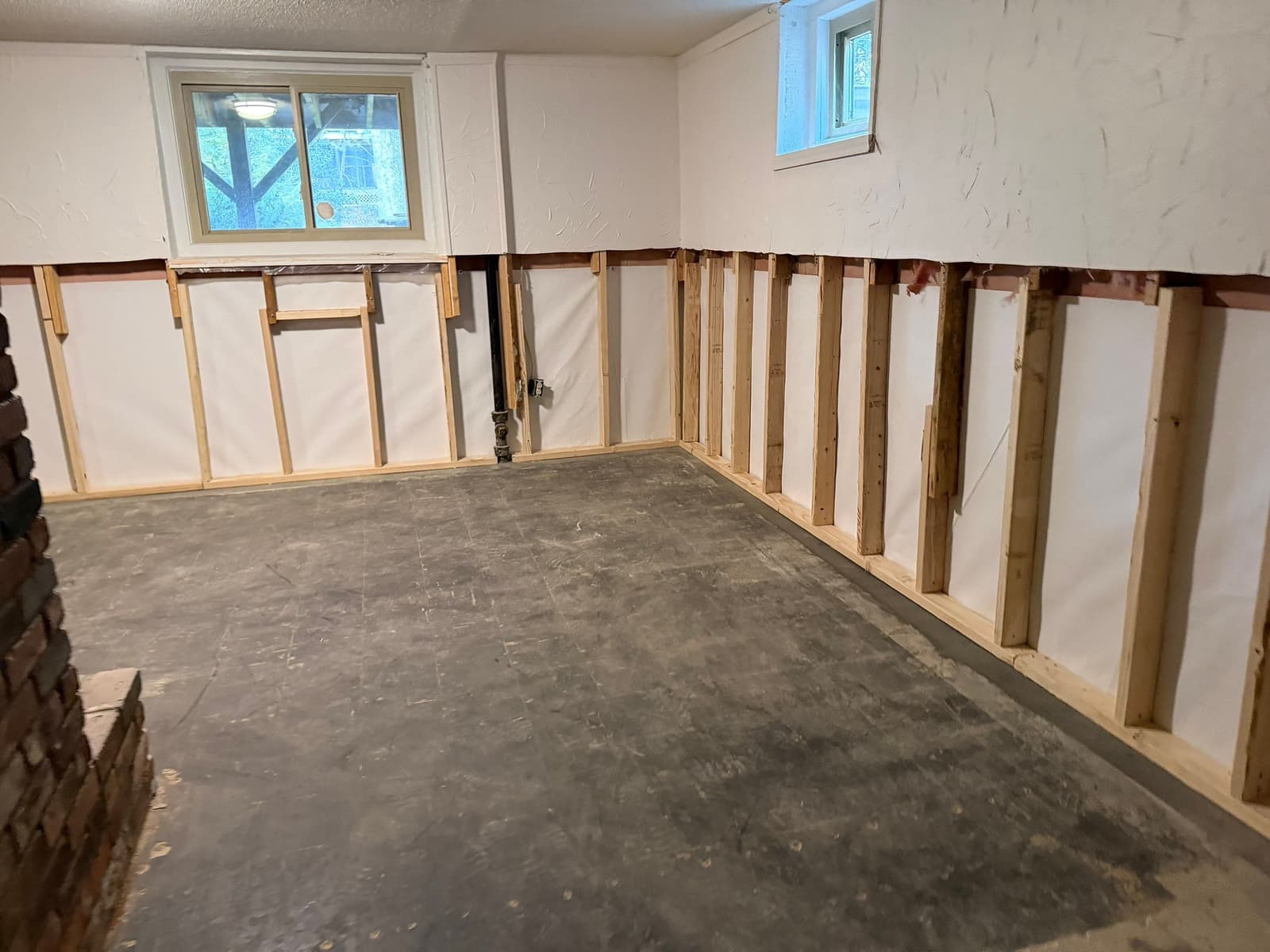
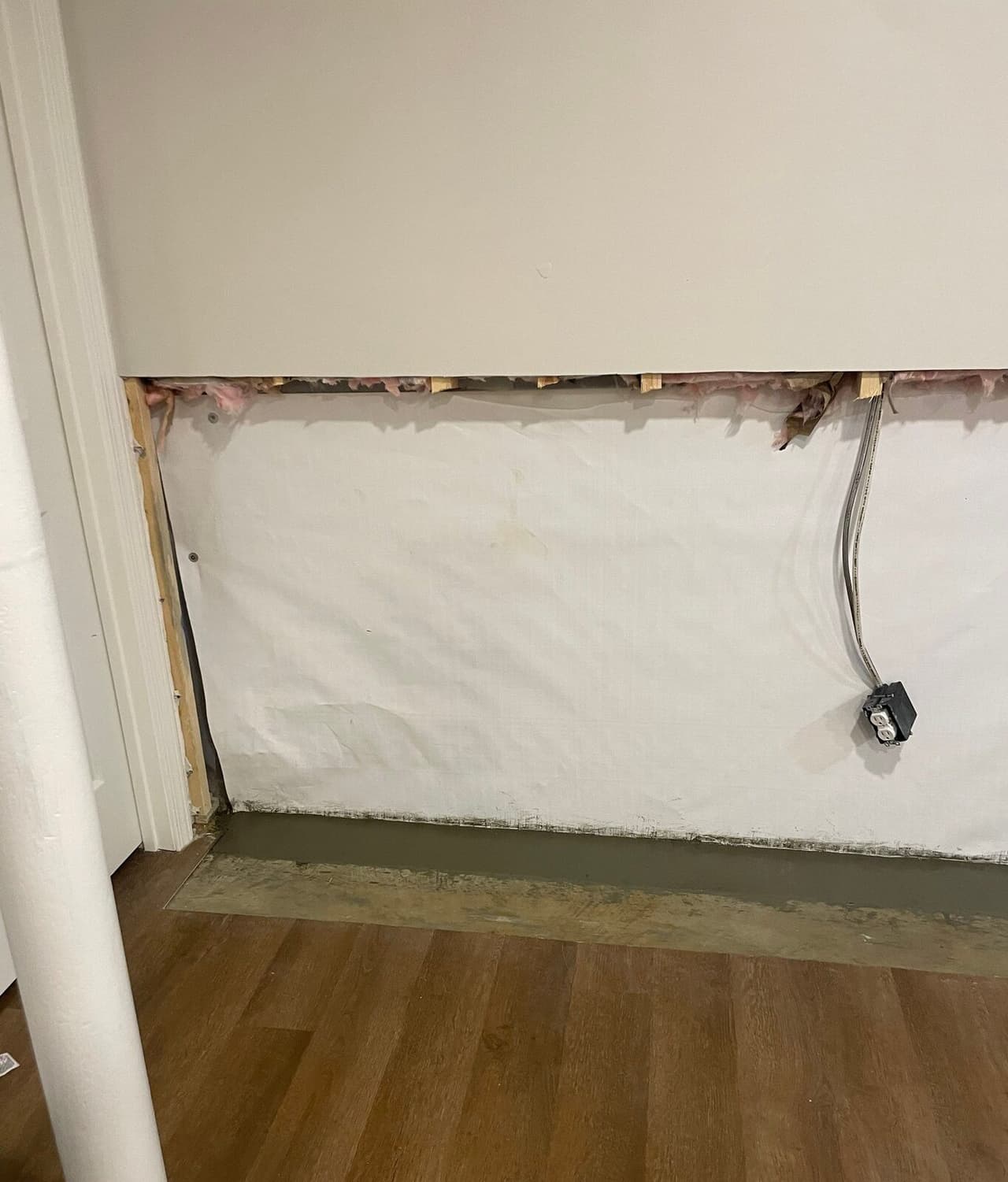
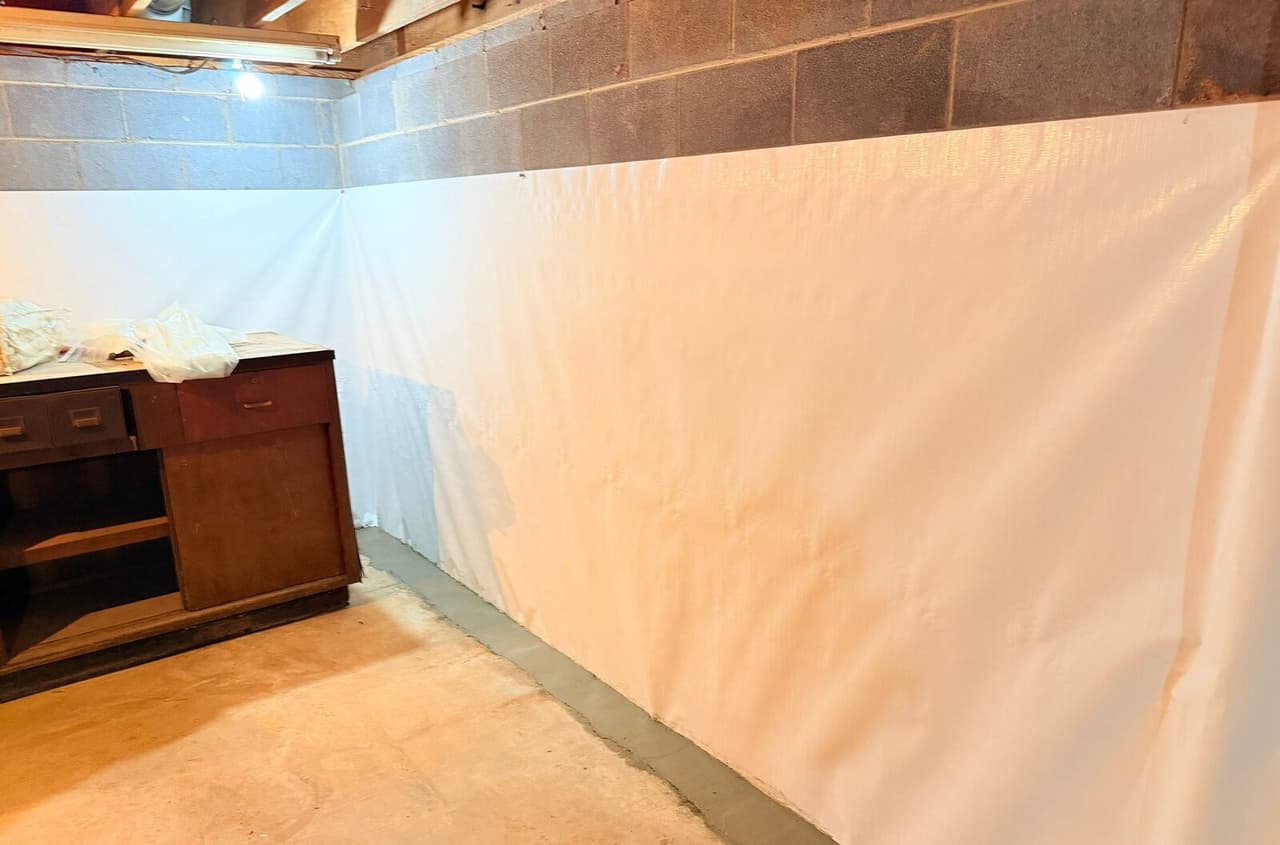
Basement Waterproofing problems rarely come from one cause. We specialize across the full range of basement waterproofing methods so the solution matches the cause. Not the easiest sale.

Unsure What You're Dealing With?

Not sure which basement waterproofing problem you're facing?

Pick the symptom that best fits. We'll tell you what it likely means and where to go next.

Home Problem Finder

What's happening to your home?

1
Location
2
Symptom
3
Urgency
4
Your Result

Where are you noticing the problem?

Select the area of your home that best fits.

Problem Signs

What basement waterproofing problems actually look like.

Most basement waterproofing problems start as small symptoms. Catching them early is the difference between a small, planned fix and a major reconstruction. These are the warning signs we see most often.

01

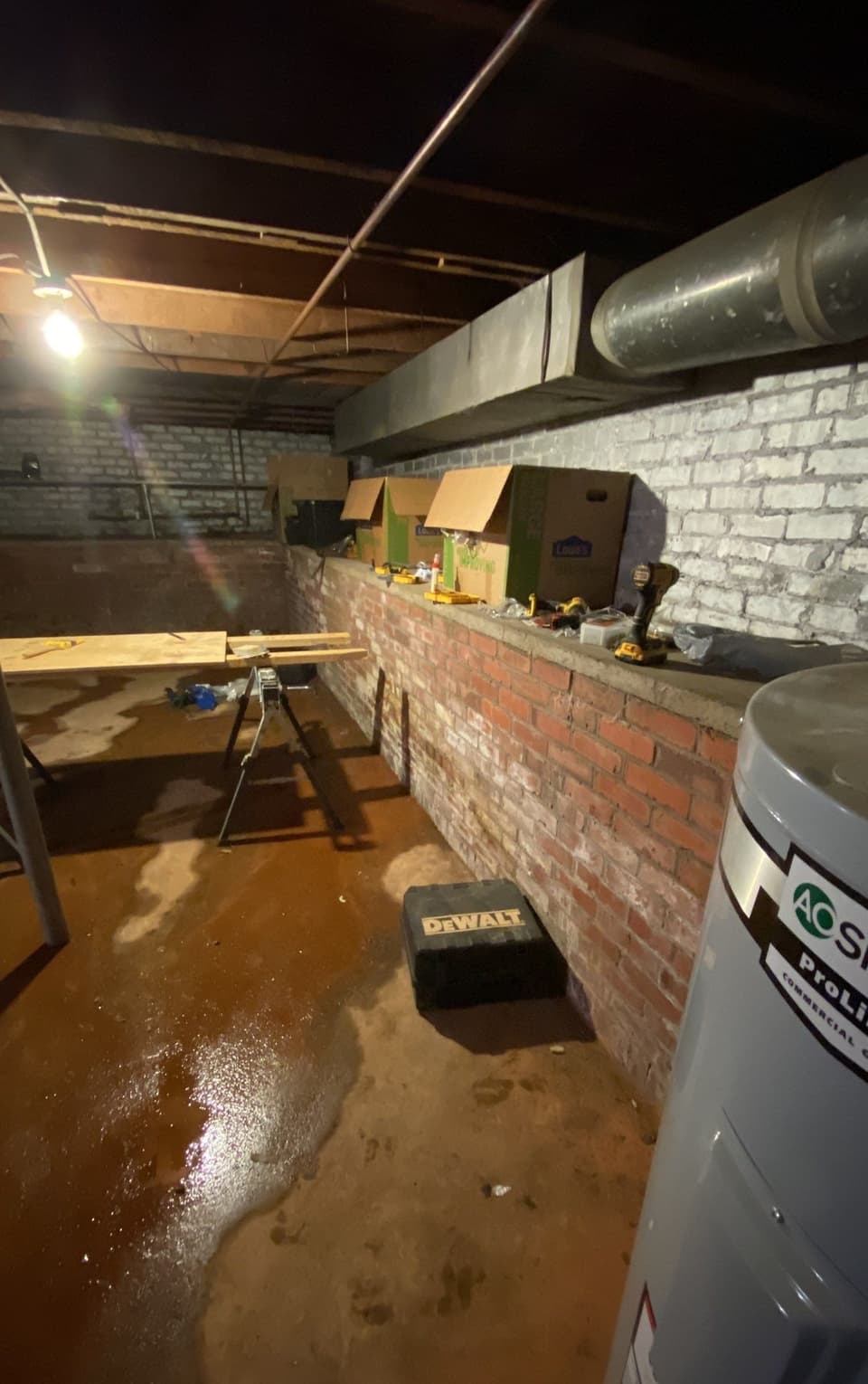
Basement Flooding

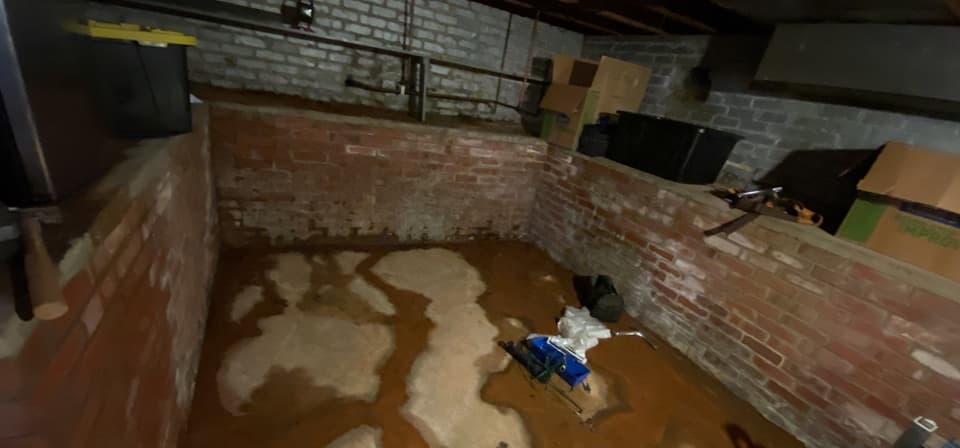
Basement flooding is liquid water entering and collecting on the basement floor, rather than the steady dampness of humidity or a slow weep at a wall. It can arrive fast during a storm, or rise gradually as the ground around and beneath the home stays saturated. The water itself is the visible problem, but it is almost always a symptom of something else: a sump pump that has stopped working or cannot keep up, a heavy rain that has saturated the soil, or hydrostatic pressure forcing water through cracks, cove joints, and the pores of the foundation wall. Because basements are less common than crawl spaces across much of the Carolinas, flooding tends to show up in homes on sloped or hillside lots, walk-out designs cut into a grade, and markets where below-grade space is more typical. What makes flooding worth diagnosing rather than just pumping out is what the water does and what it signals. Standing water keeps the basement and the framing above it damp, which over time feeds wood decay in the sill plate, joists, and subfloor and raises the humidity of the living space. The same saturated ground that lets water in also presses against the foundation, and water held against a block or poured wall exerts the sideways force that can crack or bow it. And a single flood usually is not a one-time event, because the conditions that caused it, the failed pump or the saturated soil and water pressure, tend to remain until they are addressed. The water arrives from a specific source, and the source is what a lasting repair has to manage, so the water and where it is coming from have to be evaluated together. A no-pressure inspection enters the basement, identifies where the water is entering and how it is reaching the space, checks the sump system and the foundation walls and floor, and assesses the framing for moisture damage, before any waterproofing is recommended.

Learn More
02

Musty Odors

A musty odor is a stale, earthy, basement-like smell that tends to be strongest below grade and on humid days. It is a sign, not a thing in itself, and what it usually signals is excess moisture in the basement. The smell is the byproduct of mildew and microbial growth feeding on damp surfaces, paper, fabric, and stored belongings, and of the damp air itself. Because air does not stay put under a home, the odor does not stay in the basement either. Warm air rising through the house pulls basement air upward through a phenomenon known as the stack effect, so a share of the air you breathe on the main floor originates below it. When the basement is humid, that rising air carries the smell of damp concrete, wet wood framing, and microbial growth into the rooms above, which is why a clean, well-kept home can still smell musty. The odor often comes and goes with the weather, growing stronger during humid stretches and after rain, and it can settle into closets, carpets, and soft furnishings on the lower level. Homeowners frequently try to mask it with air fresheners or treat it as an HVAC issue, but if the source is moisture in the basement, the smell returns. That moisture has a source. In a Carolinas basement it usually traces back to one or more things: water vapor migrating through the porous concrete or block walls and floor, humid outdoor air entering through open windows or vents, condensation forming where humid air meets cool below-grade surfaces, and in some homes water actually seeping in at the base of the wall or up through the slab. The same dampness that produces the smell also keeps the framing and finishes wet, so over time it can feed wood decay in the sill plate, joists, and subfloor and corrode metal connectors. A musty odor is therefore worth tracing to its source rather than covering up. A no-pressure inspection enters the basement, measures the relative humidity and the moisture in the walls and any framing, checks for seepage where the floor meets the wall, and identifies where the dampness is coming from before any solution is discussed.

Learn More
03

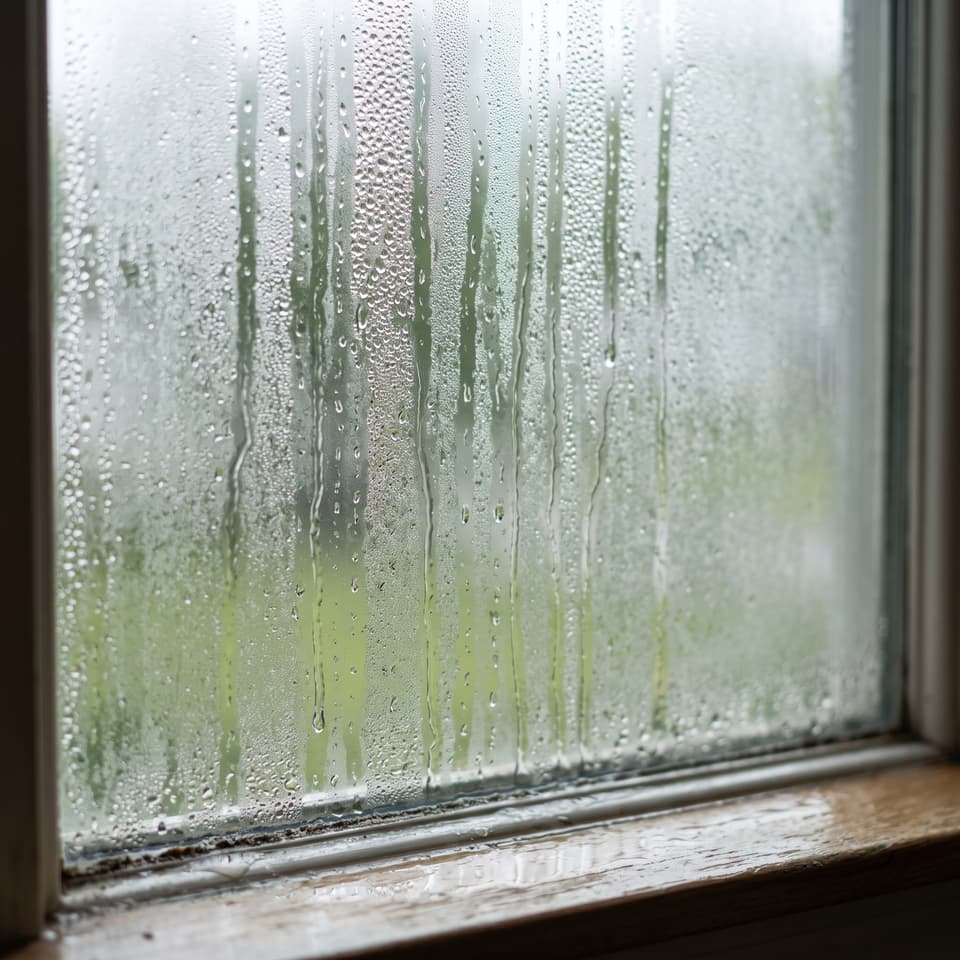
Condensation on Basement Windows

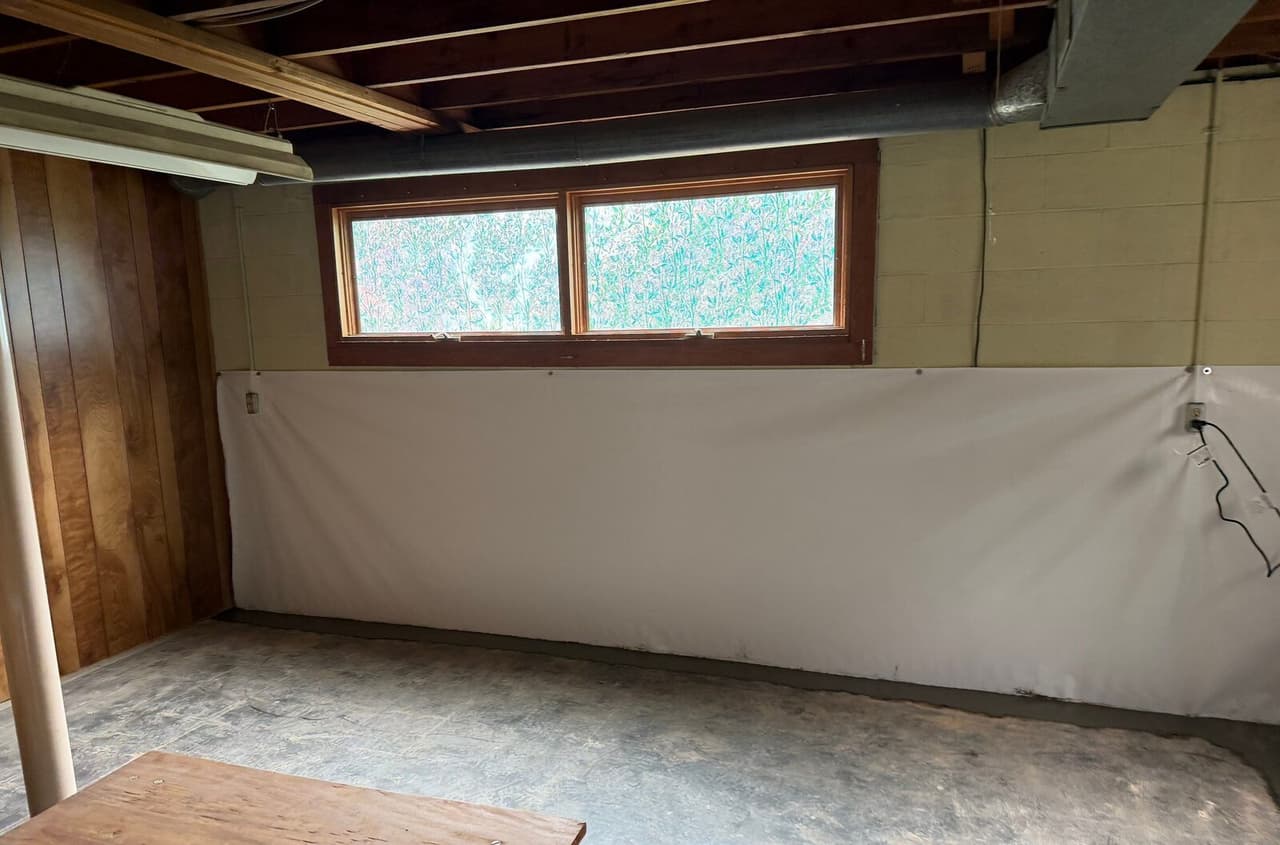
Condensation on basement windows is water that forms on the cooler glass when the surrounding air is warm and humid enough to reach its dew point, the same way a cold drink sweats on a summer day. A basement window sits in or near the foundation wall, where the glass and frame stay cool because the surrounding earth holds them close to ground temperature. When the basement air carries more moisture than that cool glass can stay dry against, the window fogs, beads with water, and can drip down onto the sill, the frame, and the wall below. It is a moisture symptom rather than a structural one, and on its own it is the mildest of the signs that a basement is too humid. The water on the glass is not the problem. It is a signal that the air in the basement is damp enough to deposit moisture on the coolest surfaces it can find, and the window, being cool and easy to see, is usually the first place a homeowner notices it. That humidity has a source. In a Carolinas basement it usually traces back to one or more of a few things: water vapor moving through the concrete or block foundation walls and floor, humid outdoor air entering through open windows or vents, the cool below-grade surfaces meeting that humid air and condensing, and in some homes water actually seeping in at the base of the wall. Left alone, the same humidity that fogs the glass keeps the window frames and sills damp so they can rot or rust over time, settles on stored belongings, raises a musty odor that drifts up into the living space, and makes the home harder and more expensive to keep comfortable. Because the basement is partly below grade and out of the daily path through the house, the dampness often builds for a while before it is noticed. Resolving it is not a matter of wiping the glass dry. It depends on lowering the humidity of the basement air, which means identifying why the basement is holding so much moisture in the first place. A no-pressure inspection enters the basement, measures the relative humidity and the moisture in the walls and any framing, checks for seepage at the floor and wall joint, and traces where the moisture is coming from before any solution is discussed.

Learn More
04

Efflorescence

Efflorescence is the white, chalky, sometimes crystalline powder that appears on the surface of concrete block, poured concrete, or brick foundation and basement walls. It forms through a simple process. Water moves into the porous masonry from the soil outside, dissolves the natural salts and minerals already present in the concrete and mortar, and carries them to the surface. When that water reaches the face of the wall and evaporates into the air, the dissolved minerals are left behind as a white deposit. The powder itself is harmless and can usually be brushed or washed off. What matters is what it proves: for efflorescence to form at all, water has to be passing through the wall. The deposit is essentially a map of where moisture is entering and traveling through the masonry. This is why efflorescence is treated as a sign rather than a defect. It tells you the wall is in contact with wet soil or standing water and that moisture is wicking through the block or concrete, which is the same condition that, left in place, keeps a basement or crawl space damp, raises indoor humidity, corrodes metal connectors and fasteners, and over time can feed wood decay in the framing above. In some cases the same saturated soil that drives the moisture also presses against the wall, so efflorescence can appear alongside the early stages of a structural problem rather than on its own. Because the powder only shows where the water exits, and the actual source sits in the soil and water conditions outside the wall, the reliable way to understand it is to inspect the wall, the surrounding soil, and any related moisture or movement, which is what a no-pressure inspection is for.

Learn More
05

Peeling Paint or Wall Cracks

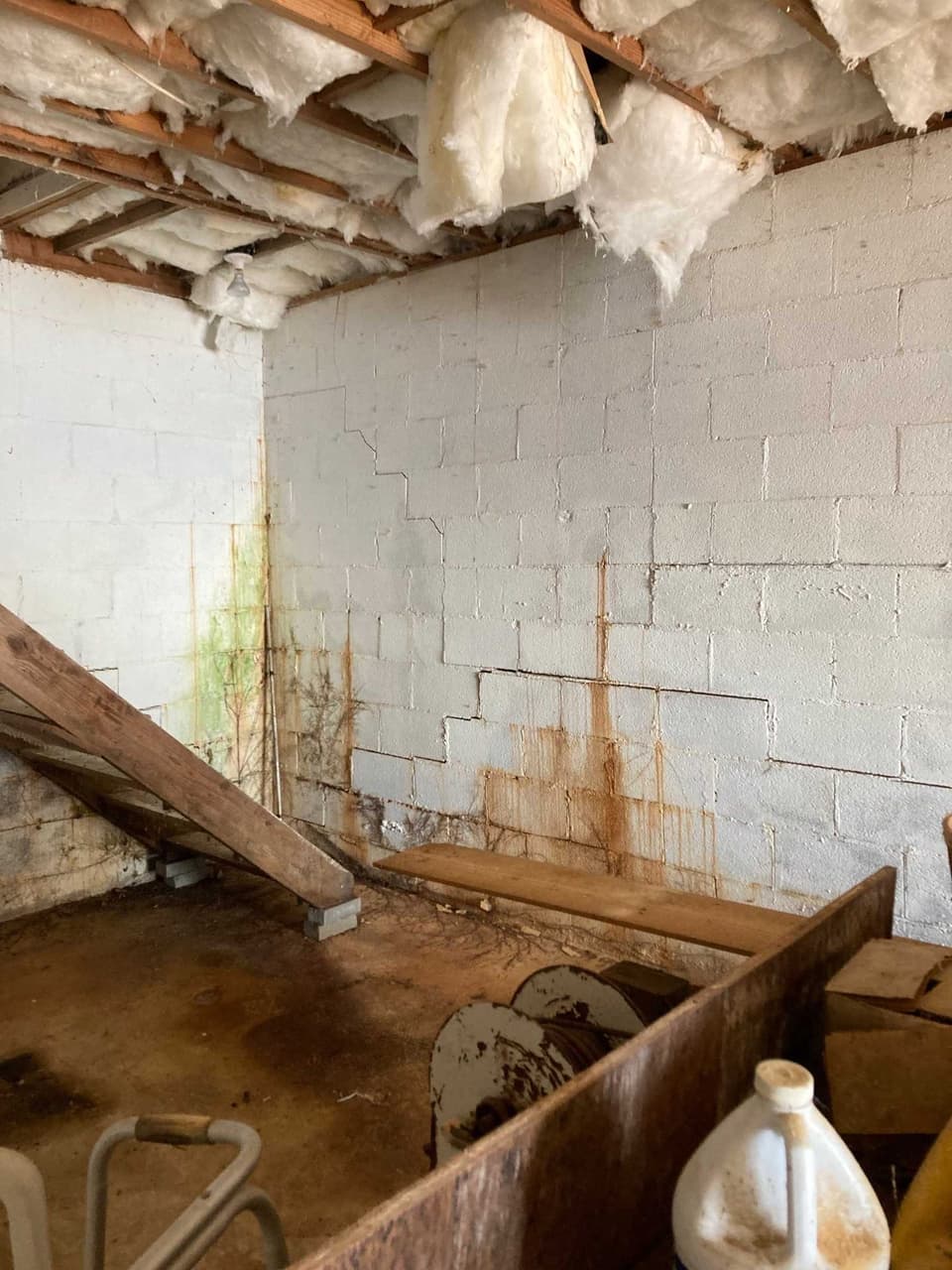
Peeling paint and cracks on a basement wall are two related signs of the same underlying issue: water and pressure in the soil are reaching the wall. Paint peels, bubbles, or flakes when moisture pushes through the concrete or block from the wet soil side and breaks the bond between the paint film and the masonry. This often shows up with a white, chalky mineral residue called efflorescence, which is left behind as water passes through the wall and evaporates. The peeling itself is cosmetic, but it is a reliable indicator that the wall is staying damp. A crack is the more direct concern, because a crack is an open path for that water to enter the basement, and its shape tells you how it formed. Cracks fall into three broad categories. A vertical or near-vertical crack, running roughly straight up and down, is the most common and often comes from concrete curing and shrinkage early in a home's life, though a widening vertical crack can also follow movement. A diagonal crack, and on a block wall a stair-step crack that climbs the mortar joints from one block to the next, usually points to differential settlement, meaning one part of the foundation has dropped relative to the rest. A horizontal crack, running side to side along a wall, is the one to take most seriously, because it usually points to lateral soil and water pressure pushing the wall inward, and it frequently appears with the wall bowing or leaning. Whatever the shape, a crack lets water in, so peeling paint and cracking often appear together as a single moisture-and-pressure story rather than two separate problems. Because the cause sits in the soil and footing outside the wall, the reliable way to know what is happening is to inspect the wall, read the crack pattern, and measure whether the structure has moved, which is what a no-pressure inspection is for.

Learn More
06

Water in the Basement Cove

Water in the basement cove is water appearing along the cove joint, the seam where the basement floor slab meets the bottom of the foundation wall. That seam is the most common entry point for water in a basement, because the floor and the wall are poured separately and the joint between them is the path of least resistance for water held in the soil outside. When the ground around and beneath the basement is saturated, that water exerts hydrostatic pressure, the sideways and upward force of standing water against the structure, and it pushes water through the cove joint, up through cracks in the slab, and through the pores and joints of the wall. The water often shows as a damp or wet line tracing the base of the wall, a puddle that forms along the floor edge after rain, or efflorescence and staining along the seam. A second, separate source can add to it: condensation. The basement walls and floor stay cool because they are surrounded by ground, and when warm, humid Carolinas air meets those cool surfaces it reaches its dew point and beads as water, the same way a cold glass sweats on a summer day, and that moisture can collect low along the wall and on the windows and vents. The two sources look similar but behave differently. Hydrostatic seepage tracks rain and the wet season and arrives under pressure from outside, while condensation tracks indoor humidity and the temperature gap and forms on the inside surfaces. What makes water in the cove worth evaluating rather than mopping up is what it does over time. Standing or recurring water keeps the basement damp, which raises indoor humidity, can grow into the conditions that decay any wood framing and feed musty odors, and signals that the soil outside is loaded with water that also presses on the foundation wall. Because the cove joint, the slab, the wall, and the soil all interact, the water and where it is coming from have to be evaluated together. A no-pressure inspection examines the cove joint and the slab, the foundation walls, the basement humidity, and the soil and drainage conditions around the home to determine how water is entering and what it is doing to the structure, before any repair is recommended.

Learn More
07

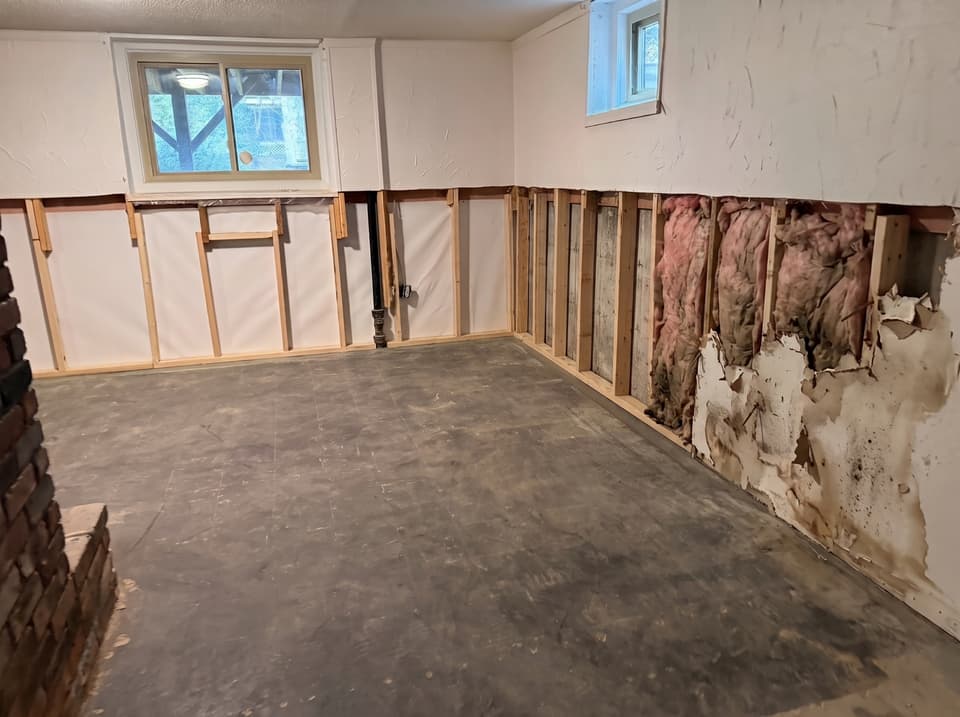
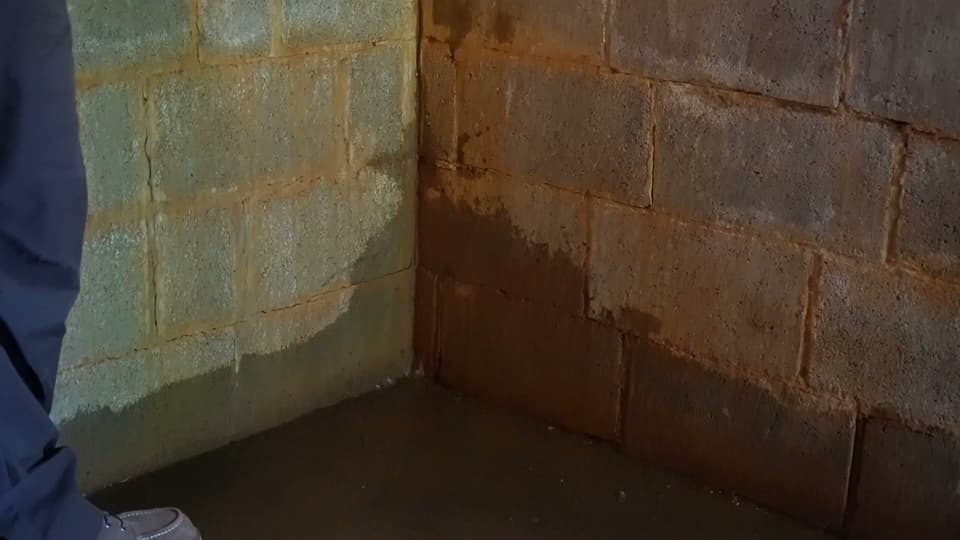
Wet Basement Walls

Wet basement walls are walls that show liquid water, damp patches, beads of moisture, or a trailing stain, most often along the bottom of the wall and at the cove joint, the seam where the foundation wall meets the basement floor. That joint is rarely a continuous, watertight bond, so it is one of the first places water finds when the soil outside is saturated. The driver behind it is usually hydrostatic pressure. As the ground around the basement holds more water, that water presses against the wall and the footing from outside, and the pressure pushes moisture through the pores of the block or poured concrete, through any small crack, and up through the wall-floor joint where the two surfaces meet. The wetness itself is the visible symptom, but the same pressure that wets the wall is also a structural load. Sustained lateral pressure can crack a basement or block wall along a long horizontal line and, in more advanced cases, bow or lean it inward, so wet walls and a moving wall often share one cause. The moisture also keeps the basement humid, which feeds wood decay on any framing in contact with the wall, corrodes metal, and raises humidity in the living space above. Because the water arrives from the soil and the water table outside, you usually cannot confirm the source from inside the basement alone, and it is easy to confuse pressure-driven seepage with condensation or a plumbing leak. A no-pressure inspection examines the basement walls and the cove joint, checks the wall for cracking or inward movement, and assesses the soil, drainage, and water conditions around the home to determine what is driving the water before any repair is discussed.

Learn More
Why Choose HydroHelp911

Care and expertise from a team that does this every day.

HydroHelp911 is locally owned and operated, with crews dedicated exclusively to foundation, basement, and concrete work across the Carolinas.

Specialized expertise.

Foundation repair, waterproofing, and concrete leveling are our entire focus. not a sideline.

Locally owned and operated.

Deep experience with Carolinas soils, basements, and weather conditions.

BBB A+ rated.

Accredited with an A+ rating and thousands of homeowner reviews across the Carolinas.

Warrantied solutions.

Lifetime warranties available on many services, backed by the original installer.

HYDROHELP911

Why hire HydroHelp911.

MEET THE TEAM · 2 MIN
Frequently Asked Questions

Answers to common questions about basement waterproofing.

Don't see your question here? Our team is happy to help. Reach out anytime.

Most wet basements in the Carolinas come from water pressure in the soil around the foundation. In the Piedmont, around Charlotte, Greensboro, and the Triangle, clay soil holds rainwater and presses it against basement walls and the floor joint, pushing moisture through cracks, porous block, and the seam where the wall meets the slab. On sloped lots near Asheville, mountain runoff drives water toward downhill walls. Along the coast near Wilmington and Brunswick County, a high water table keeps the ground saturated. The specific source is what determines the right fix, which is why we inspect before recommending anything.

Pricing ranges above are general estimates only and are not project quotes. A precise figure is provided on each written estimate after on-site inspection.
Service Areas

Serving North Carolina & South Carolina.

Local crews based in offices across the Carolinas, dispatched daily. If your town isn't listed, call us. we likely serve your area.

Top cities we serve
Check Your Service Area
Our Process

Take the first step toward a healthy home.

A straightforward path from initial inspection to completed repairs.

Step 01

Schedule your inspection.

A local specialist visits your home, evaluates the foundation, and answers your questions on site. No cost, no obligation.

Step 02

Receive an estimate based on your needs.

We provide a clear, written estimate with a scope of work tailored to your home's specific issues. Typically within one business day.

Step 03

Get your repairs.

Our certified crews complete the work on schedule and back it with product warranties of up to 25 years.

Customer Reviews

Over 1,750 homeowners have shared their experience.

A 4.9-star average across Google, with verified reviews from homeowners throughout North and South Carolina.

Free Estimate

Two ways to start: book instantly, or request an estimate.

Schedule your inspection in seconds with our Driive booking tool, or share a few details and a local specialist will follow up within one business day.

What to expect
  • A local foundation specialist on site
  • A complete walk-through of the findings
  • A written estimate within one business day
  • No cost, no obligation, no high-pressure sales
Prefer to call
704-610-4399
North Carolina · South CarolinaBBB A+ Rated
HydroHelp911

Let's take the first step toward a healthy home.

A local specialist will inspect your foundation, walk you through the findings, and send a clear estimate. no cost, no pressure.

Book instantly with Driive
BBB Accredited
Fully Insured
"By Your Side" Guarantee
Our Locations

Local offices across the Carolinas.

See all service areas
Dallas, NC
HydroHelp911
111 Iron Station Rd
Dallas, NC 28034
704-610-4399
Huntersville, NC
HydroHelp911
14936 Brown Mill Rd Ste 9
Huntersville, NC 28078
704-610-4399
Matthews, NC
HydroHelp911
11145 Monroe Rd Ste 105
Matthews, NC 28105
704-610-4399
Asheville, NC
HydroHelp911
34 Wall St #805D
Asheville, NC 28801
704-610-4399
Wilmington, NC
HydroHelp911
201 N Front St Ste 214
Wilmington, NC 28401
704-610-4399
Greensboro, NC
HydroHelp911
1515 W Cornwallis Dr Suite 201-B
Greensboro, NC 27408
704-610-4399
Greenville, SC
HydroHelp911
7 Brendan Way #13
Greenville, SC 29615
704-610-4399
Columbia, SC
HydroHelp911
1122 Lady St Suite 208
Columbia, SC 29201
704-610-4399