
The ideal basement humidity level is between 30% and 50%, the range the EPA recommends for homes. In summer, a dehumidifier usually does most of the work of keeping a basement in that range; in winter, the air is drier and a humidifier may be needed instead.
Whether a basement is storage or living space, its humidity affects the rest of the home. This guide covers why basements get humid, what humidity can lead to and how basement humidity control works through the year.

Why Are Basements Humid?
Due to their location below ground level, basements are naturally prone to humidity. The most common reason is that the surrounding soil retains moisture. It seeps through the foundation walls and floors, increasing the humidity levels inside. Poor ventilation, inadequate insulation, and leaks in the foundation can exacerbate the problem, creating a damp and musty environment.
Soil Moisture
Moisture in the soil around your home can penetrate basement walls, especially if the foundation is not sealed correctly. The ground becomes saturated during heavy rains or snowmelt, leading to higher humidity levels inside the basement.
Poor Ventilation
Basements often lack proper ventilation, which prevents damp air from escaping. Without sufficient airflow, humidity accumulates, creating an ideal environment for mold and mildew growth.
Foundation Leaks
Cracks or gaps in the foundation allow water to enter the basement. Even small leaks can significantly raise the humidity levels and provoke persistent dampness.
What Problems Can a Humid Basement Cause?
A humid basement can affect the air in your home and the structure of the house.
How Can Humidity Affect Health?
High humidity gives mold and mildew a place to grow, and the EPA notes that mold can affect people with allergies or asthma.

Structural Damage
Excess moisture can wear down wood framing, flooring and other parts of the house over time.
Unpleasant Environment
A humid basement often feels uncomfortable and smells musty, which can make the space less usable for storage or living.
Low Humidity Issues
Low humidity is less common, but very dry air can dry out wood and damage some stored items.
What Is the Ideal Basement Humidity Level?
We recommend keeping basement humidity between 30% and 50%.
This range is recommended by sources including the Environmental Protection Agency (EPA) and the Centers for Disease Control and Prevention (CDC).
Keeping basement humidity in this range helps prevent the problems that come with air that is too damp or too dry.
What Makes 30% to 50% the Ideal Humidity Level?
This range is neither too dry nor too damp. It helps with:
- Mold and mildew: The EPA advises keeping indoor humidity below 60%, ideally between 30% and 50%. Staying in that range helps keep mold and mildew from growing.
- Wood and metal: Humidity in the recommended range helps limit wood rot, warping and corrosion.
- Comfort: Air that is neither damp nor very dry is more comfortable.
- Stored items: Books, electronics and clothing stored in a basement hold up better.
In short, keeping a basement between 30% and 50% humidity helps limit mold, protects the structure and keeps the space comfortable. The seasons change what it takes to stay in that range.
The Right Basement Humidity Levels During Summer
Summer brings warmer temperatures and higher humidity, especially in the humid Carolina summers, so the ideal basement humidity in summer takes more work to hold. Check the levels often.
How Do You Manage Basement Humidity in Summer?
A dehumidifier removes excess moisture from the air. Fans can help move air through the space, and sealing leaks or cracks in the foundation helps keep moisture out.
The Right Basement Humidity Levels During Winter
In winter, humidity levels tend to drop, which can cause different kinds of issues in your basement. If possible, you should try to keep it somewhere between 30 to 50 percent.
How Do You Maintain Basement Humidity in Winter?
If the air gets too dry in winter, a humidifier can add moisture. Insulated basement walls help keep surfaces warmer, and checking the levels regularly shows whether you are in the ideal range.
What Affects Basement Humidity Levels?
Several factors influence the humidity levels in your basement, including:
- External environment & climate conditions
- The state of your foundation
- The effectiveness of your home’s ventilation system
External Environment
Climate and weather patterns affect basement humidity. The levels are naturally higher in regions with high rainfall or air humidity.
Foundation Condition
A well maintained foundation without open cracks lets less moisture into the basement. Regular checks help catch problems early.
Ventilation
Fans, vents and dehumidifiers help regulate indoor humidity and keep excess moisture from building up.
Why Track Your Basement Humidity Levels?
Checking basement humidity regularly helps you find problems early:
- Early detection: A spike or drop shows up before it causes damage.
- Comfort: You can keep the basement comfortable through the seasons.
- Avoiding high humidity: You can act before mold or moisture damage starts.
- Stored items: You can protect what you keep in the basement.
How Does Basement Humidity Control Work?
How Do You Lower Basement Humidity?
These are the main ways to reduce basement humidity:
- Use a Hygrometer: A hygrometer in the basement shows the humidity so you can keep it in the recommended range.
- Dehumidifiers: Where humidity often runs above 50%, a dehumidifier removes moisture from the air and helps limit mold.
- Humidifiers: They can add necessary moisture to the air during cold months, preventing it from dropping below 30%.
- Ventilation: Your basement needs adequate airflow. Install exhaust fans, vents, or windows to allow damp air to escape and fresh air to circulate.
- Seal Cracks and Leaks: Sealing cracks and leaks helps keep moisture out.
- Insulation: Insulating basement walls helps limit condensation.
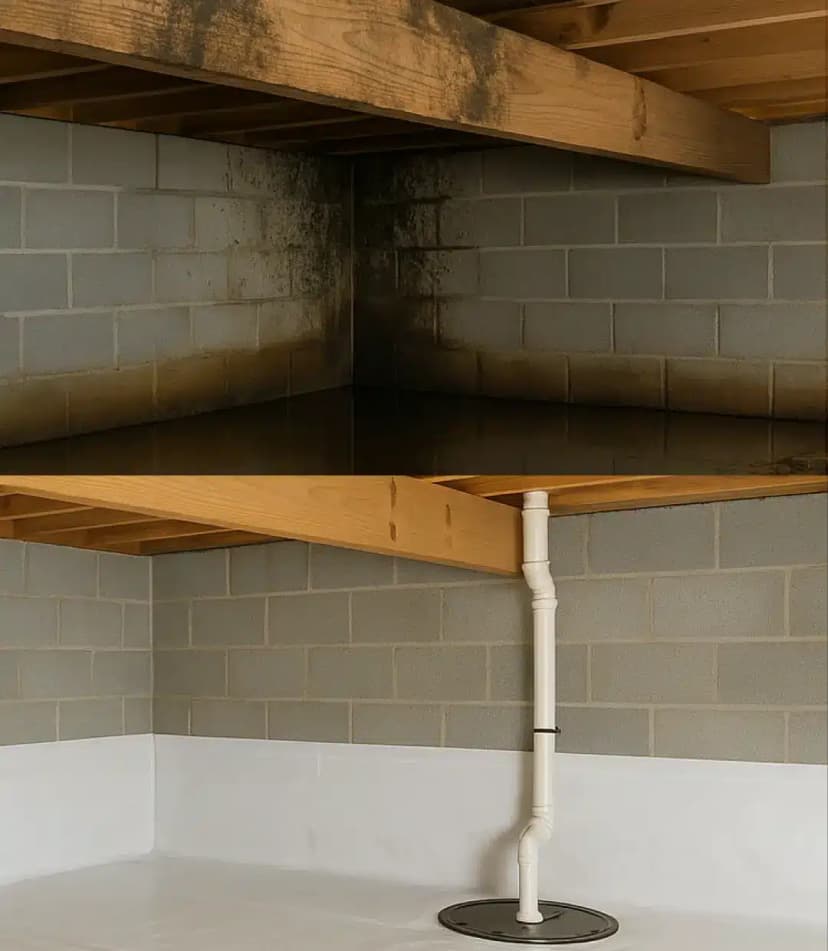
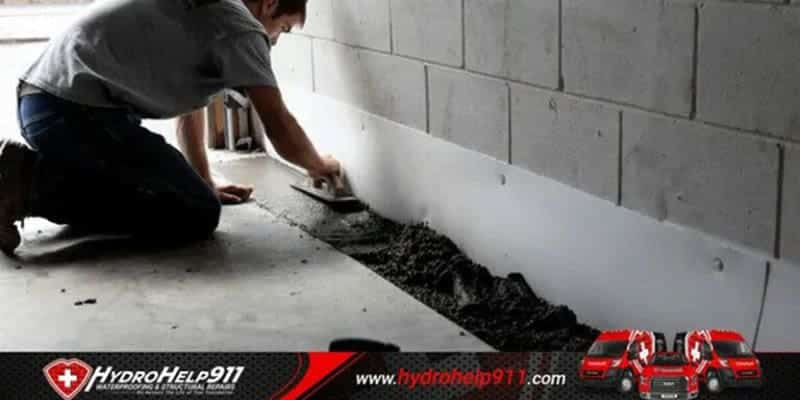
- Interior Drainage: An interior drainage system helps handle groundwater that seeps in.
How Does an Interior Drainage System Work?
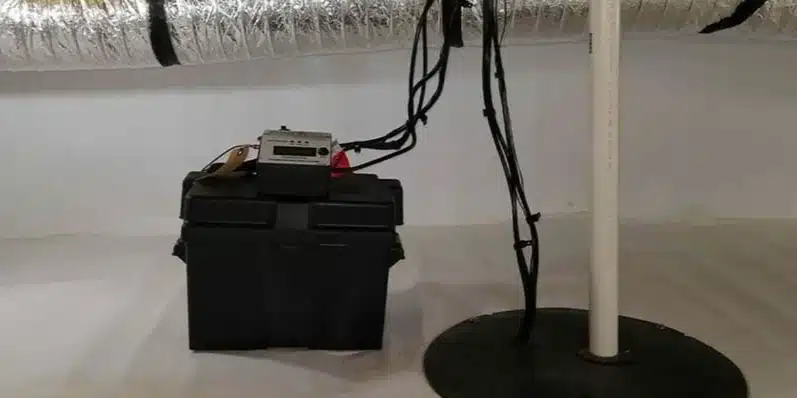
An interior drainage system (an interior French drain) is a perforated pipe set along the inside of the foundation, under the basement floor. It collects groundwater and carries it to a sump pump, which sends it out of the house.
How Does Basement Insulation Help?
Insulation reduces condensation, which forms when warm, humid air meets cool basement walls or floors. By keeping surfaces at a steadier temperature, insulation helps with lowering the humidity levels in the basement.
How Do You Keep Your Basement at the Ideal Humidity?
Knowing what causes basement humidity, controlling it and checking the levels regularly helps keep a basement comfortable and dry. For moisture that keeps coming back, HydroHelp911’s interior basement waterproofing can address the water at its source.
Next Step
Schedule a Free Inspection
Call or fill out our quick online form. We'll book a convenient time to assess your home at no cost.
Learn more about our basement waterproofing services.
Found this useful? Share it with someone working on their home.
Written by
Cory Parks
Owner & President, HydroHelp911
Cory Parks founded HydroHelp911 and leads its structural and moisture repair work for homeowners across North and South Carolina, from the clay soils of the Piedmont to the saturated, sandy ground along the coast.
More about CoryGet a Free Inspection
Two ways to start. Both are free, with no obligation.
Pick your own day in our calendar. You save $250 if you go ahead with the work.
Send a short form, and our office will call to book a time that suits you.
For new customers who book online through our website and then sign a contract.