Allergy symptoms that flare up at home often start in a damp crawl space below the floor
A moist crawl space grows mold and mildew, and a large share of the air you breathe upstairs is pulled from that space. Here is how crawl space moisture affects indoor air quality across the Carolinas and what a no-pressure inspection actually looks at.
Let's take the first step toward a healthy home.
A local specialist will inspect your foundation, walk you through the findings, and send a clear estimate. no cost, no pressure.
Allergic Reactions: diagnosed and explained.
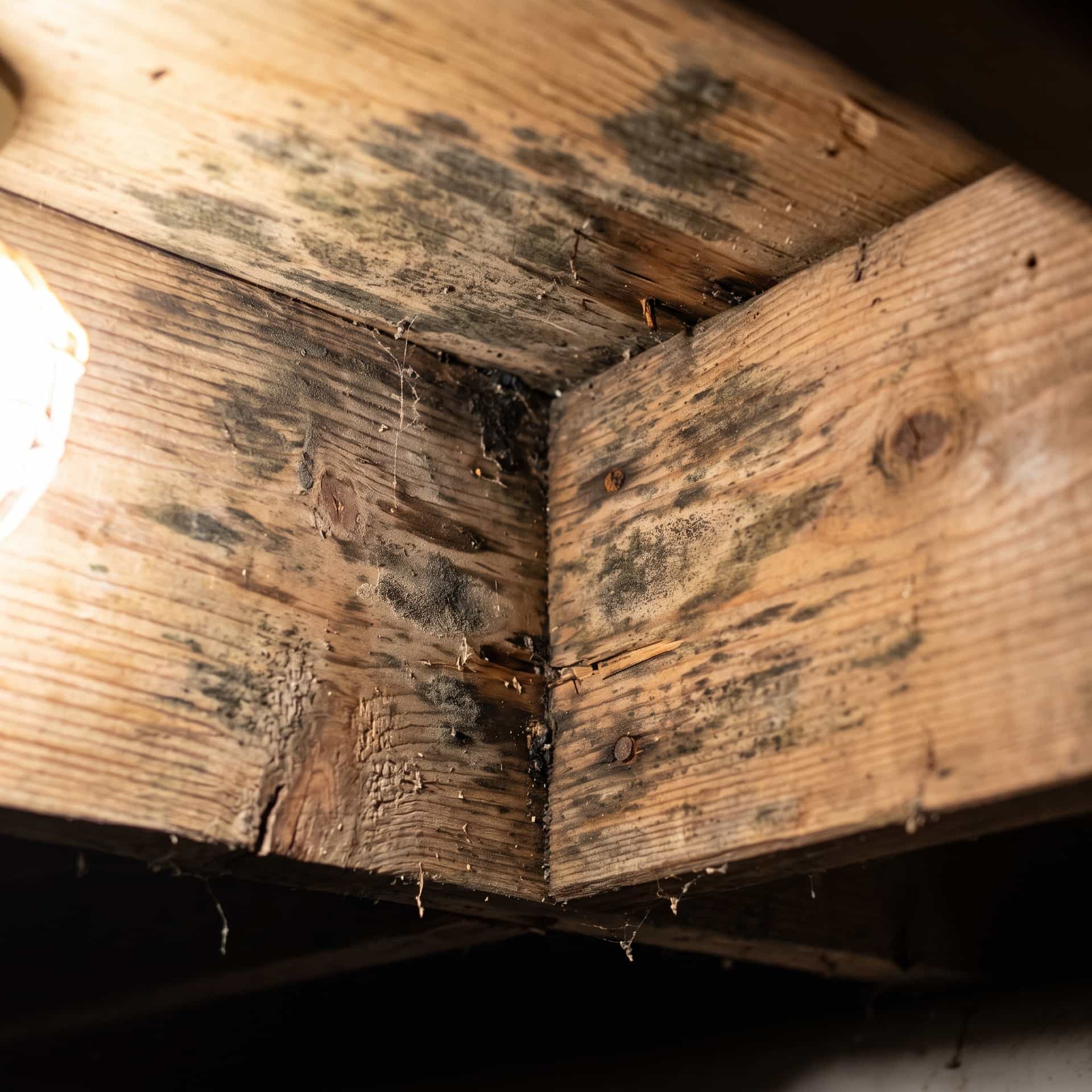
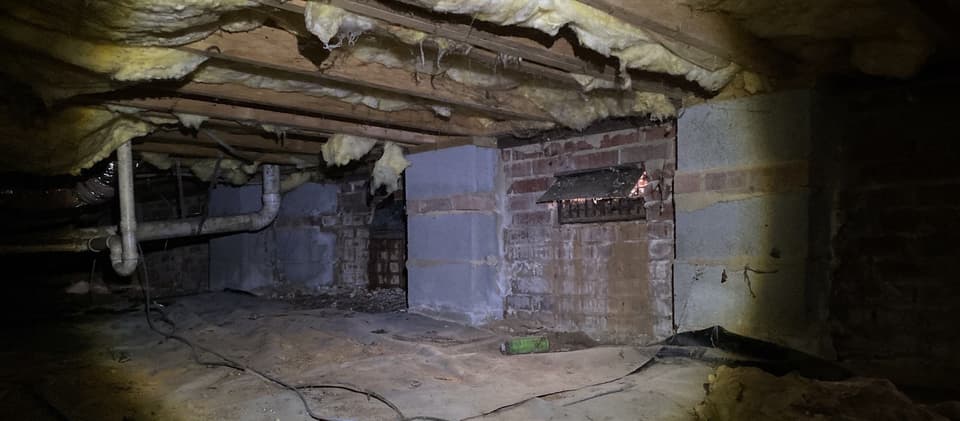
Allergic reactions that get worse inside your home, and ease when you leave, are a sign worth tracing rather than ignoring. The reason a crawl space matters is a basic feature of how air moves through a house. Warm air rises and escapes through the upper floors, which pulls replacement air upward from the lowest level of the home. In a house over a crawl space, a meaningful portion of the air you breathe in the living areas was first in that crawl space. This upward airflow is often called the stack effect. When the crawl space is damp, that rising air carries the crawl space environment with it. A crawl space that stays wet is a comfortable place for mold and mildew to grow on the soil, the wood framing, and the insulation, and for dust mites and other allergens to thrive in the humidity. As crawl space air rises into the home, it can carry mold spores, mustiness, and elevated humidity into the rooms where your family spends time, which is what shows up as worse congestion, sneezing, itchy eyes, or asthma symptoms indoors. The moisture is the root condition. Mold and mildew, the musty smell, and the allergens that bother sensitive people are downstream of a crawl space that does not stay dry. Because the source sits out of sight beneath the floor, you usually cannot confirm it from the living space alone. A no-pressure inspection enters the crawl space, measures the humidity and looks for standing water, condensation, and damp framing, and identifies where the moisture is coming from before any solution is discussed. HydroHelp911 addresses the moisture conditions in the crawl space. We do not perform mold remediation, and an inspection will tell you plainly what is driving the dampness and what controlling it involves.
Signs that crawl space moisture may be affecting your indoor air
Allergy or asthma symptoms that are worse at home
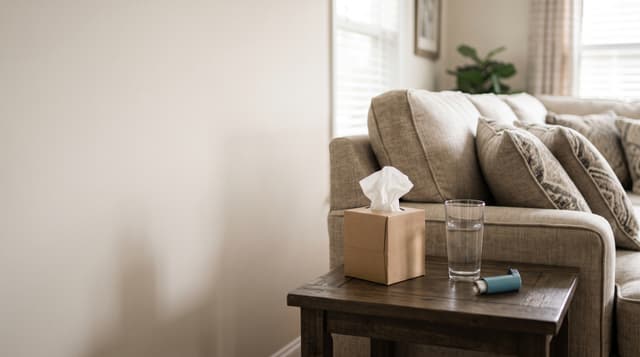
Congestion, sneezing, itchy or watery eyes, or asthma flare-ups that intensify indoors and ease when you are away can point to something in the air your home is circulating. When the symptoms track with time spent in the house rather than with the outdoor pollen season, the crawl space is worth ruling in or out.
A persistent musty or earthy smell inside the home
A musty odor that you notice in the living space, especially near floor vents or on the lowest level, often originates in a damp crawl space and rises with the air. The same moisture feeding that smell is the moisture that grows mold and mildew below the floor.
Visible mold, mildew, or staining in the crawl space
If you can access the crawl space, dark or fuzzy growth on the soil, the framing, or the underside of the subfloor, along with stained or damp wood, confirms that humidity is high enough to support mold and mildew under your home.
Damp, sagging, or discolored crawl space insulation
Fiberglass insulation between the floor joists that hangs down, looks darkened, or feels damp has been holding moisture. Wet insulation is a sign of a humid crawl space and can itself become a reservoir for mold and mildew that affects the air above.
High indoor humidity, condensation, or a clammy feel on the lowest floor
Windows that fog, a clammy or sticky feel in the lowest rooms, or humidity that stays high indoors even with the air conditioning running can reflect humid crawl space air being drawn upward into the home.
Standing water or wet soil under the home after rain
Puddles, saturated soil, or a crawl space that smells stronger after a storm show that water is reaching the area beneath the home. That water keeps the air saturated and feeds the conditions that affect indoor air quality.
What causes allergic reactions in Carolinas homes.
How crawl space repair specialists actually fix allergic reactions.
Solving allergic reactions means addressing the underlying soil, pressure, or settlement cause. Not just patching the visible damage. Below are the engineered solutions we install most often for this symptom in Carolinas homes.
Engineered crawl space repair solutions for this problem.
Each method is matched to a specific failure mode and soil profile. Browse the toolkit we draw from when diagnosing your home.
Crawl Space Access Well
A protected, recessed entry that holds back soil and surface water at a below-grade crawl space door across North and South Carolina, so the access stays dry, code-friendly, and easy to reach.
Controlling Moisture
Damp air under your home soaks the framing, raises a musty smell in the rooms above, and makes your HVAC work harder. Lasting moisture control across the Carolinas starts with measuring where the moisture comes from, not just drying the air once.
Crawl Space Doors
A secure, weather-resistant door fitted to the crawl space opening across North and South Carolina, sized to seal the gap, keep humidity and animals out, and still give your service crews easy access when they need it.
Crawl Space Drainage
An interior drainage system that collects and carries water out of the crawl space across North and South Carolina, so groundwater and runoff have somewhere to go instead of pooling beneath your floors.
Crawl Space Jacks
Adjustable steel support jacks installed in the crawl space carry the beams and joists holding up your floor, so a sagging, bouncy floor is stabilized and supported across North and South Carolina.
Crawl Space Ventilation
A clear look at how crawl space ventilation works in the humid Carolinas, when added airflow helps, and when controlling moisture at the source is the more honest fix. No-pressure inspection across North and South Carolina.
Why crawl spaces across the Carolinas need a sealed approach
Carolina summers are hot and humid, so a traditional vented crawl space pulls warm, moist outside air under your home for months at a time, where it cools and condenses on framing and ductwork. In the coastal markets around Wilmington and Brunswick County, a high water table adds constant ground moisture to that humid air, and in the Piedmont and SC Midlands the same heat and humidity load builds up under homes on clay soil that drains slowly. Left vented, these crawl spaces become a steady moisture source for your floors and air. Our team assesses ground moisture, outdoor humidity, condensation, and drainage together before recommending a sealed solution.
Piedmont clay and the crack patterns it produces
Much of the Piedmont, from Charlotte through the Triad, sits on clay-rich soil that holds water. Clay absorbs moisture in wet seasons and swells, then contracts in dry periods. That cycle pulls pressure on and off a foundation, pulling away from footings, creating voids beneath slabs, and producing the vertical and diagonal settlement cracks we see most frequently across the region.
Homes built on uncompacted clay backfill show the highest incidence of progressive settlement cracking in our inspection work. The same clay that looks stable through a normal year can move enough during a long wet spring or a hard summer drought to open a crack that keeps widening.
Coastal and Sandhills soils behave differently
In Wilmington, Brunswick County, and Leland, high water tables, saturated and sandy soils, and salt air drive a different set of failure modes than inland clay. Lateral water pressure, erosion, and corrosion are the drivers here, which is why coastal foundation and seawall work needs an approach that inland techniques don't account for.
Across the Sandhills near Fayetteville and Pinehurst, sandy soils drain differently again, and in the mountains around Asheville, hillside foundations, slopes, and heavy rainfall change the picture once more. We diagnose to the soil and climate of the specific home, not to the Carolinas generically.
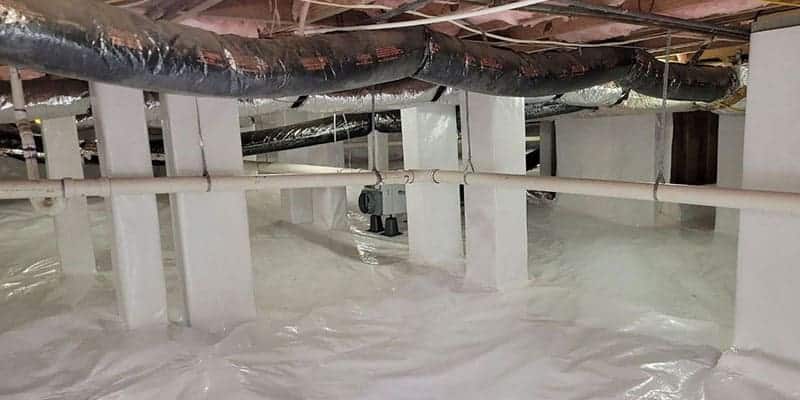
"When someone tells us their allergies are worse at home, the crawl space is usually the first place we look, because a lot of the air you breathe upstairs is pulled up from down there. We go under the house, measure the humidity, and find out where the water is coming from. We are not a mold company and we will tell you that. What we do is dry the crawl space out and seal it so the air rising into your home is coming from a dry space. If the crawl space is already dry, we will tell you that too. There is no pressure and no upsell here."
Care and expertise from a team that does this every day.
HydroHelp911 is locally owned and operated, with crews dedicated exclusively to foundation, basement, and concrete work across the Carolinas.
Foundation repair, waterproofing, and concrete leveling are our entire focus. not a sideline.
Deep experience with Carolinas soils, basements, and weather conditions.
Accredited with an A+ rating and thousands of homeowner reviews across the Carolinas.
Lifetime warranties available on many services, backed by the original installer.
Answers to common questions about Allergic Reactions.
Don't see your question here? Our team is happy to help. Reach out anytime.
Other crawl space repair warning signs to watch for.
If you see one, it's worth checking for the others. Most foundation problems show up as more than one symptom.
Serving North Carolina & South Carolina.
Local crews based in offices across the Carolinas, dispatched daily. If your town isn't listed, call us. we likely serve your area.
- Charlotte, NC
- Huntersville, NC
- Matthews, NC
- Greensboro, NC
- Winston-Salem, NC
- Asheville, NC
- Wilmington, NC
- Fayetteville, NC
- Greenville, SC
- Columbia, SC
Take the first step toward a healthy home.
A straightforward path from initial inspection to completed repairs.
Schedule your inspection.
A local specialist visits your home, evaluates the foundation, and answers your questions on site. No cost, no obligation.
Receive an estimate based on your needs.
We provide a clear, written estimate with a scope of work tailored to your home's specific issues. Typically within one business day.
Get your repairs.
Our certified crews complete the work on schedule and back it with product warranties of up to 25 years.
Over 1,750 homeowners have shared their experience.
A 4.9-star average across Google, with verified reviews from homeowners throughout North and South Carolina.
Two ways to start: book instantly, or request an estimate.
Schedule your inspection in seconds with our Driive booking tool, or share a few details and a local specialist will follow up within one business day.
- A local foundation specialist on site
- A complete walk-through of the findings
- A written estimate within one business day
- No cost, no obligation, no high-pressure sales