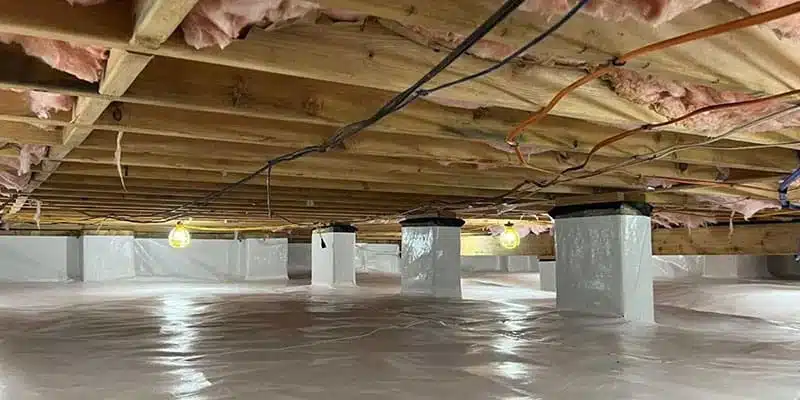

Crawl space wall insulation is often worth it in an unvented or encapsulated crawl space, where it helps keep the floors above warmer and the space drier. It is not always necessary: a crawl space that floods, or a dry, well vented one in a mild climate, may not need it.
This guide covers the materials and methods, the benefits, and when wall insulation may not be the right choice for your home.
Understanding Crawl Spaces & Their Types
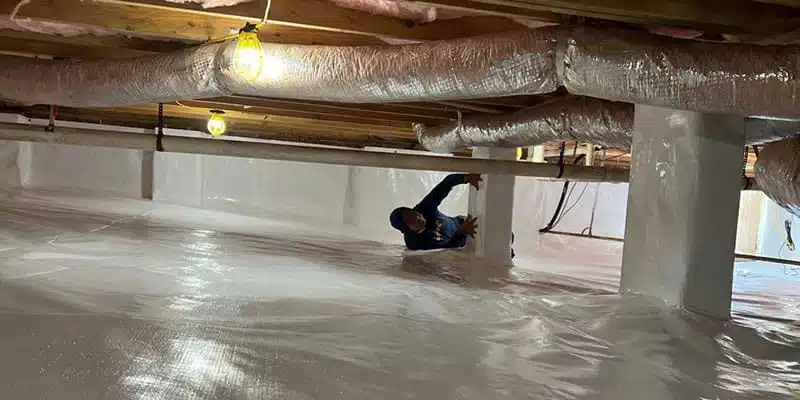
Crawl spaces are narrow, unfinished stretches beneath homes, typically about 1 to 3 feet high. They commonly provide access to plumbing, electrical wiring, and other utilities. Crawl spaces can be either vented or unvented, each with distinct characteristics and requirements.
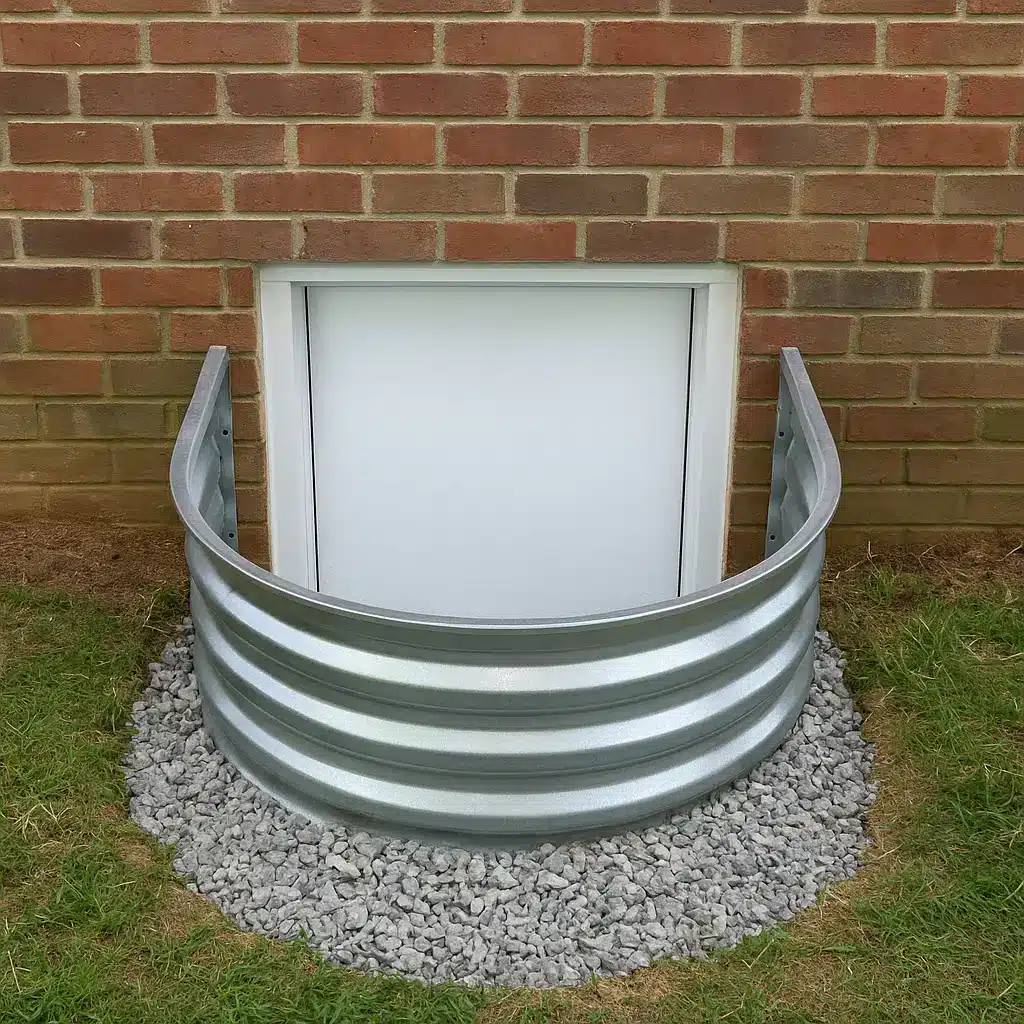
Vented vs. Unvented Crawl Spaces
Vented crawl spaces have openings to the outside air, intended to help with moisture control. However, they often bring in humid air, pests, and even cold air, leading to energy inefficiency and potential mold issues.
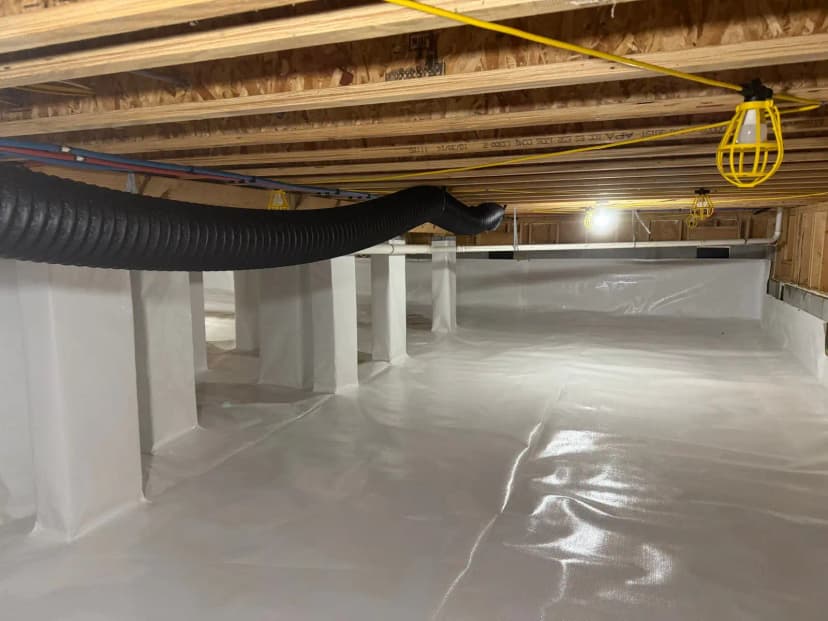
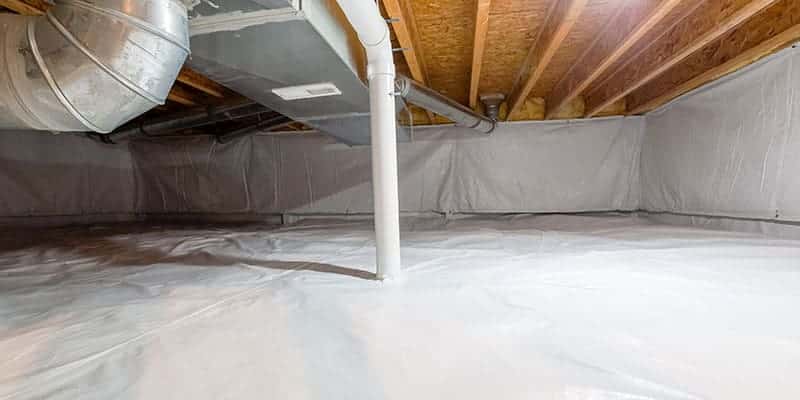
Unvented crawl spaces are sealed off from the outside air. They generally perform better in terms of energy efficiency when properly insulated and sealed.
What Are the Benefits of Insulating Crawl Space Walls?
Insulating crawl space walls can improve the comfort of your home. Here are some of the benefits:
- Energy Efficiency and Cost Savings
- Moisture Control and Mold Prevention
- Improved Indoor Air Quality
- Protection for the Wood Framing
Insulation Materials and Methods
Selecting the right insulation material for your crawl space helps you maximize moisture and temperature control. Here are some standard options:
- Foam Board: These rigid panels are easy to install and offer excellent moisture resistance and thermal performance. Foam board insulation is particularly suitable for unvented crawl spaces.
- Fiberglass: A preferred solution for vented crawl spaces, fiberglass is affordable and easy to install. However, it commonly requires a vapor barrier to prevent moisture issues.
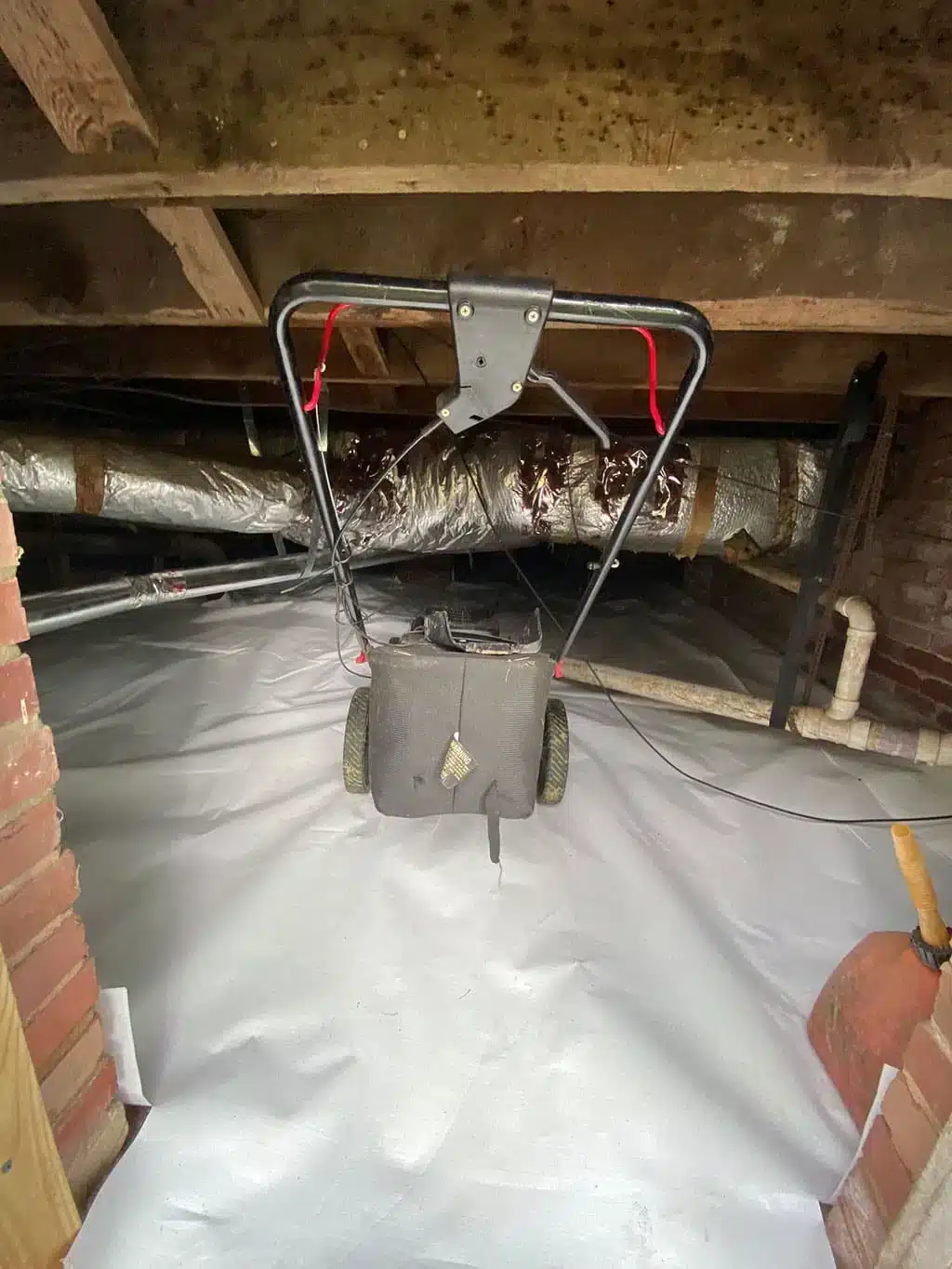
Foam Board vs. Fiberglass
For homeowners on a budget, fiberglass insulation is typically the lowest cost option. It is widely available and relatively easy to install. However, while more affordable upfront, fiberglass may require more maintenance over time compared to foam board.
Best Insulation for Vented Crawl Spaces
An effective method for insulating vented crawl spaces is to install fiberglass batts between the floor joists, combined with a vapor barrier laid on the ground to manage moisture.
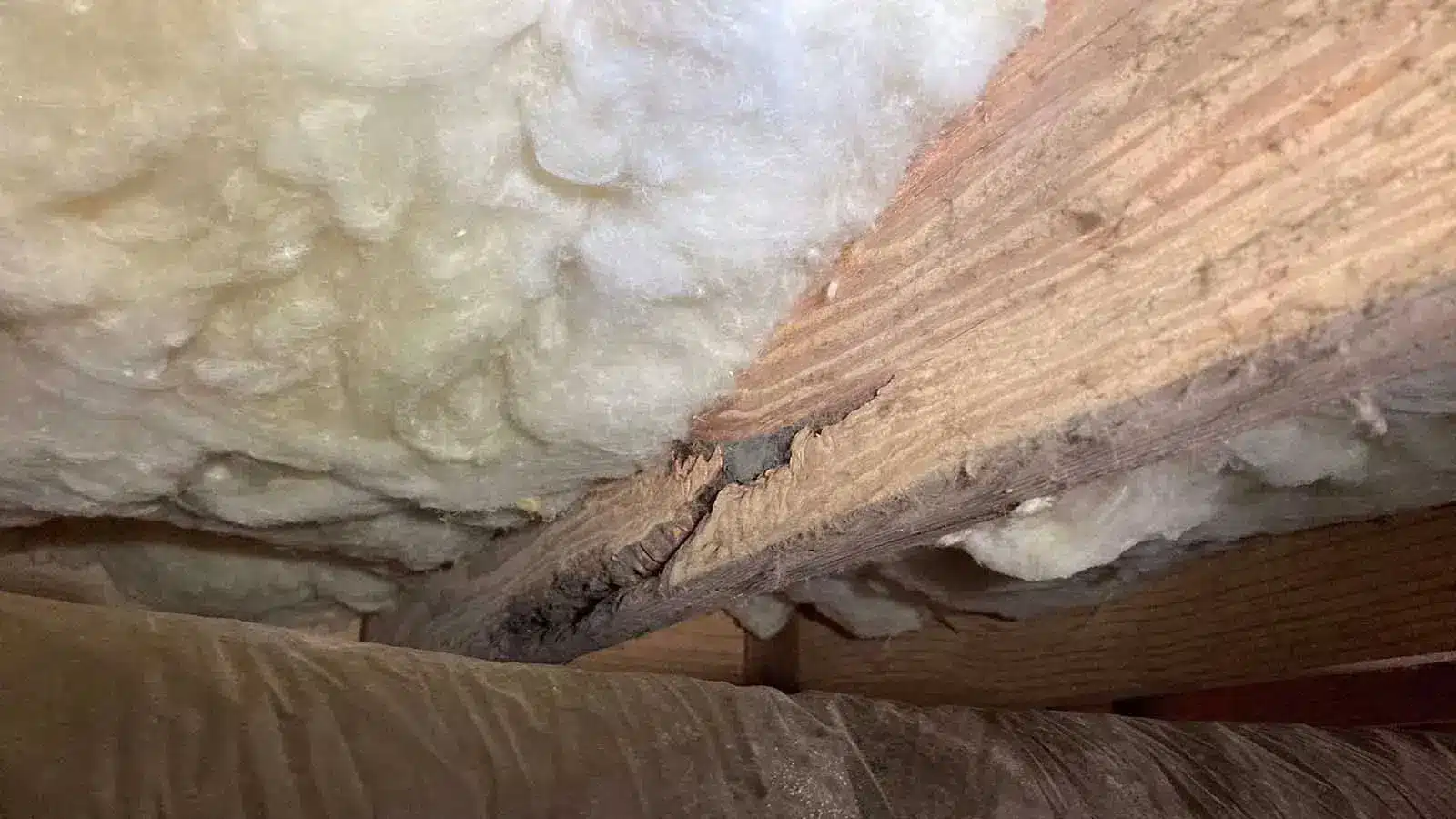
You could also use rigid foam board insulation between the floor joists and then seal the vent openings. Foam board or vent covers will reduce airflow while maintaining some ventilation for moisture control.
Best Insulation for Unvented Crawl Spaces
For unvented crawl spaces, rigid foam board attached to the walls is a common approach. HydroHelp911 does not install or recommend spray foam in crawl spaces.
Seal all seams between the boards with tape. This should create a continuous thermal barrier and enhance moisture control.
Is It Worth Insulating Crawl Space Walls?
The decision to insulate crawl space walls depends on several factors, including its condition, the climate, and your home’s overall energy efficiency needs.
One of the primary advantages of crawl space wall insulation is the potential for energy savings. By preventing heat transfer between the crawl space and the living areas above, insulated walls help maintain a consistent indoor temperature, reducing the burden on heating and cooling systems. While insulation typically brings to mind heat loss during winter, it’s equally beneficial in hotter regions, where it prevents heat gain.
A well insulated crawl space can also help protect ductwork and plumbing in the crawl space from condensation and freezing.
Insulating crawl space walls can also help with moisture. Crawl spaces are often damp, which can lead to mold, wood rot and pests. Rigid foam board on the walls resists moisture and helps keep the space dry.
Will Insulating a Crawl Space Make a House Warmer?
Yes, insulating a crawl space can make your house warmer during the winter by reducing heat loss through the floor. Insulation creates a barrier that keeps warm air inside your home.
Should You Insulate Floor Joists in a Crawl Space
Insulating the floor joists can be beneficial in vented crawl spaces. This approach will create a barrier that reduces heat transfer between the crawl space and the living area above, helping you maintain consistent indoor temperatures. In other words, no cold floors, better comfort during colder months, and consequently, lower energy consumption.
Should You Insulate Dirt Crawl Space Walls?
Insulation for dirt crawl space walls must prioritize stability, in addition to dampness control. Dirt walls are naturally uneven and porous, hence more susceptible to moisture infiltration and pest intrusion. Additionally, the lack of a solid surface requires careful preparation to ensure the material adheres properly and provides effective thermal and moisture barriers.
Rigid foam board insulation is often the best choice for dirt walls due to its resilience and ease of installation. Seams between the boards are sealed with tape to create a continuous layer. Fiberglass batts can be added between the floor joists for improved thermal performance if necessary, followed by proper sealing and regular maintenance.
Should You Insulate Wooden Crawl Space Walls?
Insulating wooden walls in a crawl space needs careful attention to moisture control, to protect the wood and keep the insulation working. Additionally, the choice of material and method must account for the potential for the wood to expand and contract with changes in temperature and humidity.
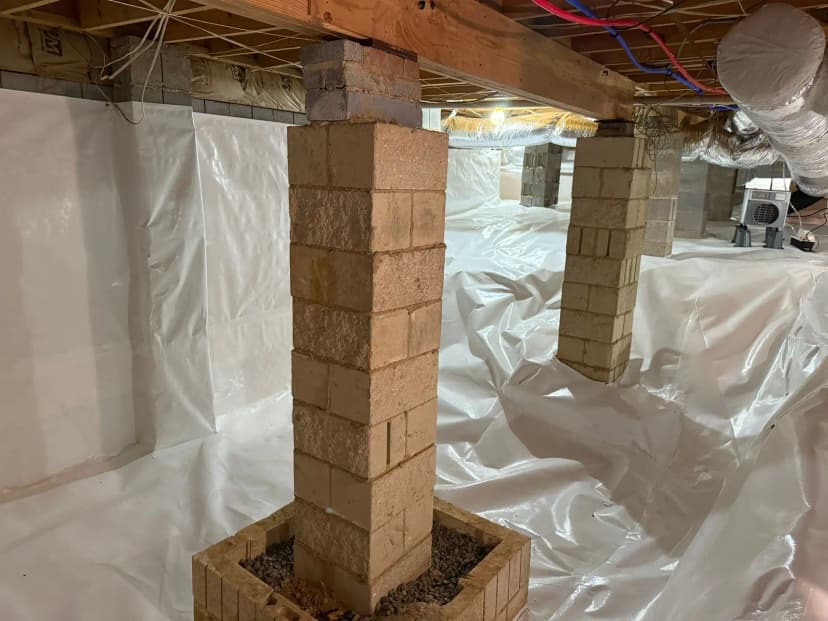
The best method for wooden crawl space wall insulation involves a combination of rigid foam board and a vapor barrier. The foam board insulates, and the barrier resists moisture. Seal the seams and edges with tape for a tight fit.
Should You Insulate Concrete Crawl Space Walls?
Insulating a crawl space with concrete walls involves specific considerations that differ from those with wooden or dirt surfaces. Concrete walls, while durable, are excellent conductors of heat, meaning they can allow its significant transfer between the crawl space and the exterior environment. This can lead to cold floors in winter and higher energy costs due to increased demand for heating systems. Furthermore, concrete is susceptible to water absorption, which can result in damp conditions indoors.
For those reasons, the insulation of concrete crawl space walls must address thermal and moisture control.
Rigid foam board insulation is popular due to its impermeability to water (a vapor barrier is still recommended to prevent moisture from penetrating the insulation). In some cases, an additional insulation layer, such as fiberglass batts, can be added between the floor joists for enhanced thermal protection.
When Is Insulating Crawl Space Walls Not the Right Choice?
There are situations where insulating a crawl space may not be necessary or even advisable:
- Severe Flood Risk: If your crawl space is prone to flooding, insulation could trap moisture and lead to mold and rot.
- Dry Crawl Spaces That Drain Well: In areas with slight moisture risk, the insulation cost may not justify the benefits.
- Properly Vented Crawl Spaces in Mild Climates: In such cases, the energy savings from insulation may be minimal.
How to Tell If Your Crawl Space Needs an Insulation Upgrade
- Observe your energy bills; if you notice a significant increase, it could be due to inefficient insulation.
- Cold floors and drafts are other signs that your crawl space insulation may be inadequate.
- Inspect the crawl space for visible damage or wear in the existing insulation, such as sagging floors, moisture damage, or pest infestations.
- Mold growth and musty odors also suggest that the insulation is not effectively managing moisture levels.
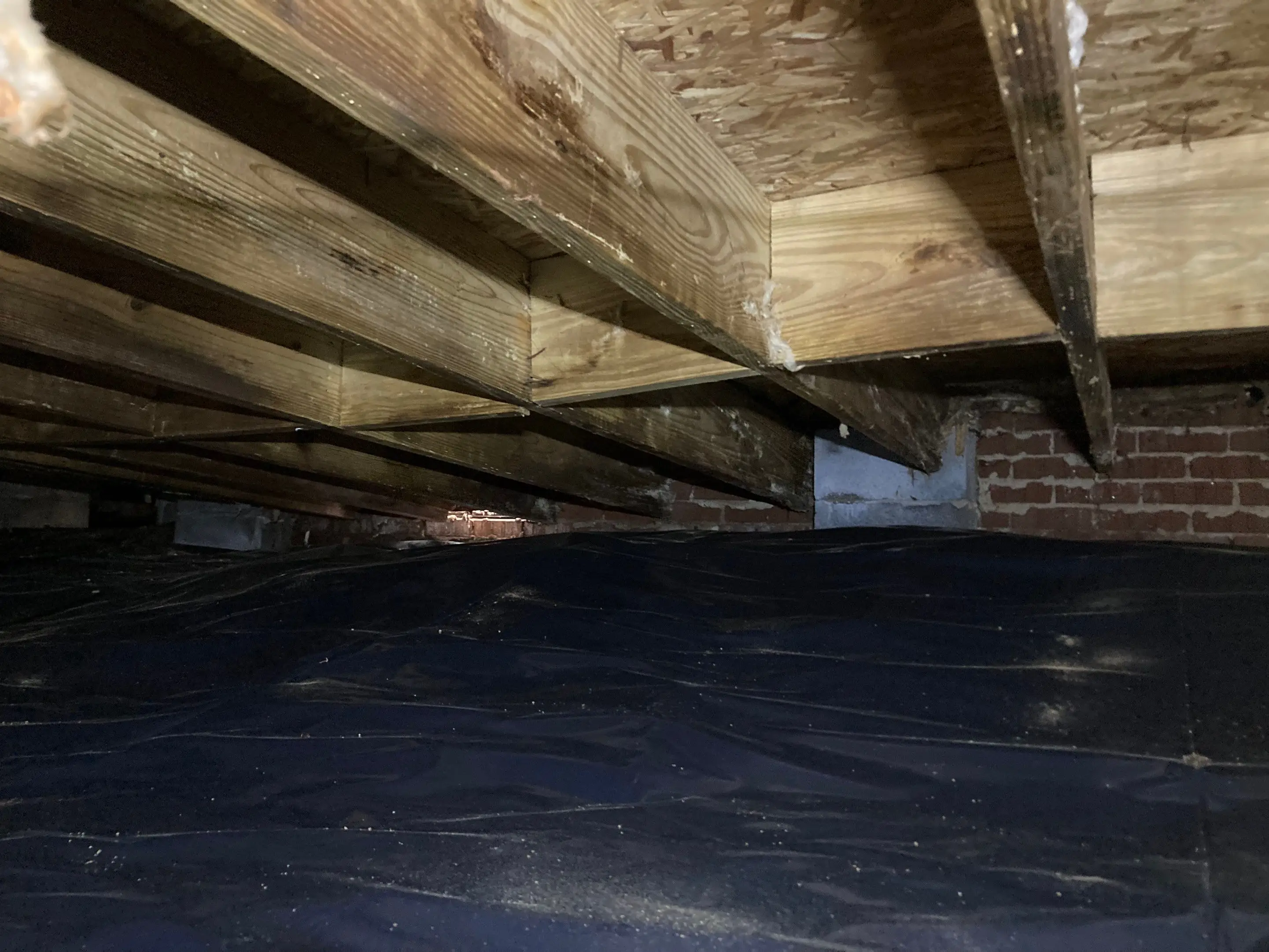
A professional inspection shows whether the insulation needs an upgrade or a simple repair, and which areas need work.
Should You Insulate a Crawl Space Yourself or Hire a Professional?
Doing the insulation yourself can save on labor, but it takes time, effort and knowledge to do correctly. Mistakes in insulation or moisture control can lead to problems that cost more to fix later.
A professional can choose suitable materials, install them, and address moisture or other problems in the crawl space at the same time. HydroHelp911 installs crawl space insulation and can handle the moisture control around it, such as crawl space waterproofing, in the same project.
Schedule a Free Crawl Space Insulation Inspection
At a free inspection, our inspector looks at your crawl space and gives you a written estimate for insulation and any moisture work it needs.
Next Step
Schedule a Free Inspection
Call or fill out our quick online form. We'll book a convenient time to assess your home at no cost.
Learn more about our crawl space repair services.
Found this useful? Share it with someone working on their home.
Written by
Cory Parks
Owner & President, HydroHelp911
Cory Parks founded HydroHelp911 and leads its structural and moisture repair work for homeowners across North and South Carolina, from the clay soils of the Piedmont to the saturated, sandy ground along the coast.
More about CoryGet a Free Inspection
Two ways to start. Both are free, with no obligation.
Pick your own day in our calendar. You save $250 if you go ahead with the work.
Send a short form, and our office will call to book a time that suits you.
For new customers who book online through our website and then sign a contract.