
Crawl Space Drainage Systems for Homes Across the Carolinas
When water gets under your home, drainage gives it a controlled path out before it can soak the soil and the framing. We install interior systems beneath the house, not yard or surface drains.
Get a Free Inspection
Two ways to start. Both are free, with no obligation.
Pick your own day in our calendar. You save $250 if you go ahead with the work.
Send a short form, and our office will call to book a time that suits you.
For new customers who book online through our website and then sign a contract.
What to Know About Drainage Systems
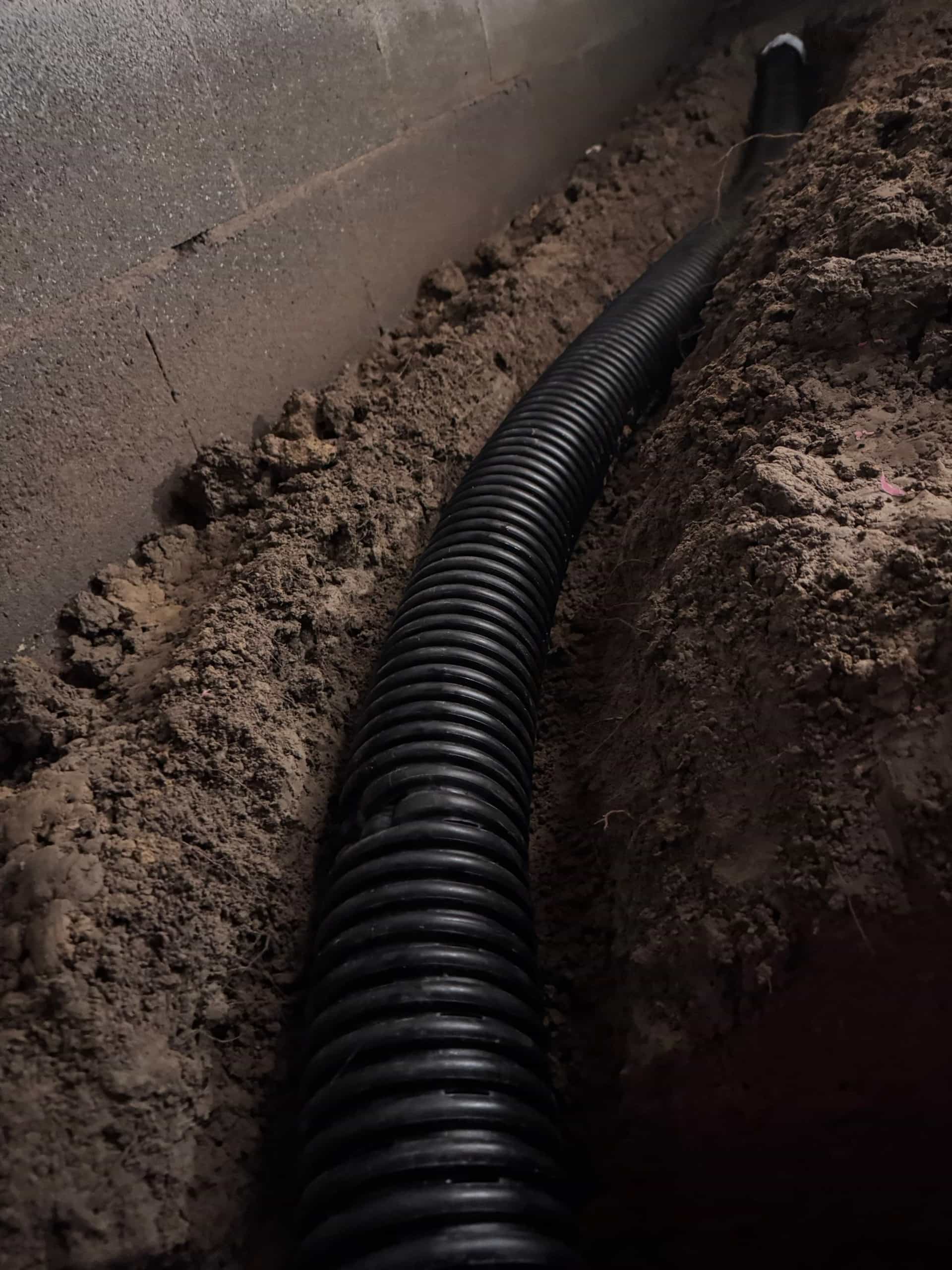
A crawl space drainage system catches water before it sits on the soil and gives it one route out. A channel set below the crawl space soil, along the perimeter walls and across low points, carries water by gravity to a sump basin at the low point. A sump pump lifts it out through a discharge line that releases it far enough from the foundation that it does not circle back.
Drainage is the collection half and the pump is the removal half, so we install them as one system. Without a pump, water sits in the basin, and without drainage, water has no reliable way to reach the pump. In most Carolina crawl spaces the drainage is also integrated with a liner across the soil and walls, so ground moisture is sealed off too.
Drainage does not address humidity already in the air, which calls for a dehumidifier and a sealed space, or change outside conditions that send water toward the home. A crawl space with only damp air does not need drainage. We size the system to the water volume your home actually faces.
The symptoms that usually lead to a crawl space drainage system are on the crawl space repair problem signs page, alongside the other signs that point to the same underlying cause.
How We Install a Crawl Space Drainage System
- Step 01
Free Inspection and Diagnosis of the Water Source
We trace where water comes from and how it moves under the home. Heavy Piedmont rain shed by clay soils, a high coastal water table near Wilmington, and runoff on a sloped Asheville lot leave different signs, from seepage through the floor to puddles after storms. We also confirm whether the issue is liquid water or humid air, because drainage fits only liquid water. If drainage is not what your crawl space needs, we will tell you plainly.
- Step 02
Confirm the Approach and Explain the Plan
We confirm that interior drainage is the right fit and design the layout around what the inspection found: where water enters, where it gathers, and how much the system has to handle. This is interior crawl space drainage installed beneath the home. Then we walk you through exactly what the work will involve, in plain terms, before anything begins.
- Step 03
Install the Interior Drainage Channel
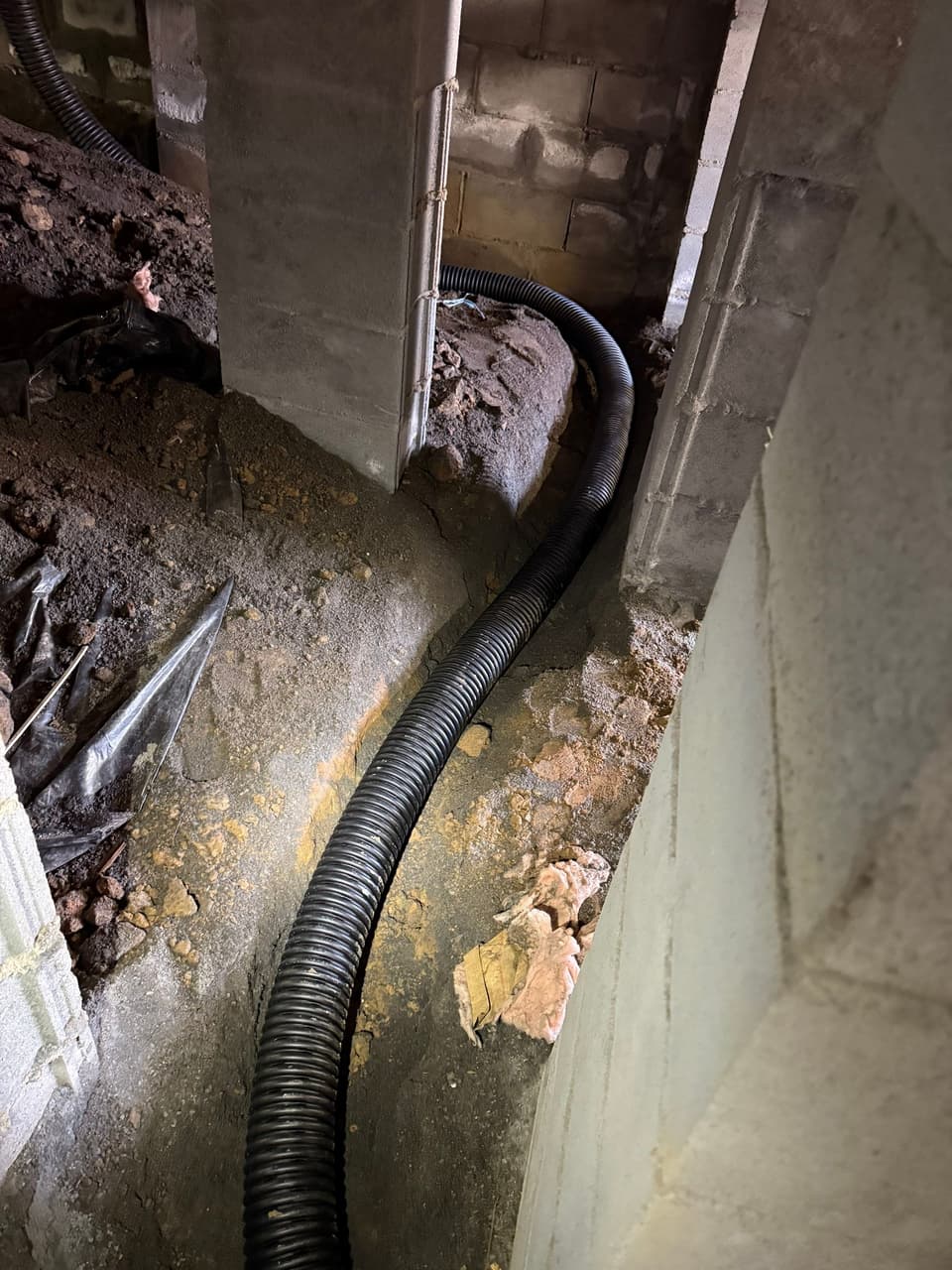
Our crew installs the drainage channel below the level of the crawl space soil, along the perimeter and across any low points where water collects, so water flows down into it before it can pool on the ground. The layout follows what the inspection showed about how water moves under your specific home, so the system reaches the areas that actually take on water.
- Step 04
Set the Sump Basin and Install the Pump
We set a sump basin at the low point and tie the drainage into it. A pump sized to the water volume the space has to move goes in the basin, as described under sump pump installation, with a discharge line that carries water far enough from the foundation that it does not circle back. Where a dry crawl space is critical, a battery backup keeps the system running through a power outage, often when a storm brings the most water.
- Step 05
Integrate the Vapor Barrier, Test, and Review
We integrate the drainage with a liner across the soil and walls so the crawl space floor stays dry overall, then test the full system to confirm water flows to the basin and the pump discharges it away from the home. We review the result with you, show you how the system works, and go over simple periodic checks, like testing the pump, that help keep it performing through the wet season.
How Does a Crawl Space Drainage System Move Water Out?
A drainage channel runs along the inside of the foundation, set in a shallow trench against the footing. It slopes toward a sump basin at the low point of the crawl space, and a pump lifts the water out through a discharge line.
What Affects the Cost of a Crawl Space Drainage System?
Care and Expertise From a Team Serving the Carolinas Since 2017
When the fix is a crawl space drainage system, our own crews do the work. HydroHelp911 handles crawl space repair and related structural and moisture work across North and South Carolina.
An inspector looks at your home, finds the source of the problem, and explains each finding in plain language. There is no obligation.
We are headquartered in Dallas, North Carolina, with eight offices across North and South Carolina.
Foundation repair, crawl space repair and encapsulation, basement waterproofing, framing repair, and concrete leveling are the whole focus of the team.
We have 1,300+ verified Google reviews (4.9 stars) from homeowners across the Carolinas and are BBB A+ Accredited.
For example, helical and push piers carry a lifetime warranty that no additional settlement will occur in the area of installed piers, once the final invoice is paid in full. Read the warranty terms.
Ask your inspector about financing when you get your written estimate. See financing options.

Common Questions About Drainage Systems
Don't see your question here? Call or fill out our quick online form, and our team will help.
It is an interior drainage system installed beneath the home, along the perimeter and low points of the crawl space, that collects water entering the space and channels it to a sump basin to be pumped away from the foundation. It is the collection half of a moisture system, working together with the sump pump that removes the water. This is interior crawl space drainage.
Which Crawl Space Repair Problem Signs Can a Crawl Space Drainage System Help With?
A sign can trace to more than one cause. These are the crawl space repair signs that can point to a cause this method addresses; the inspection shows which cause is at work in your home.
Groundwater Seepage
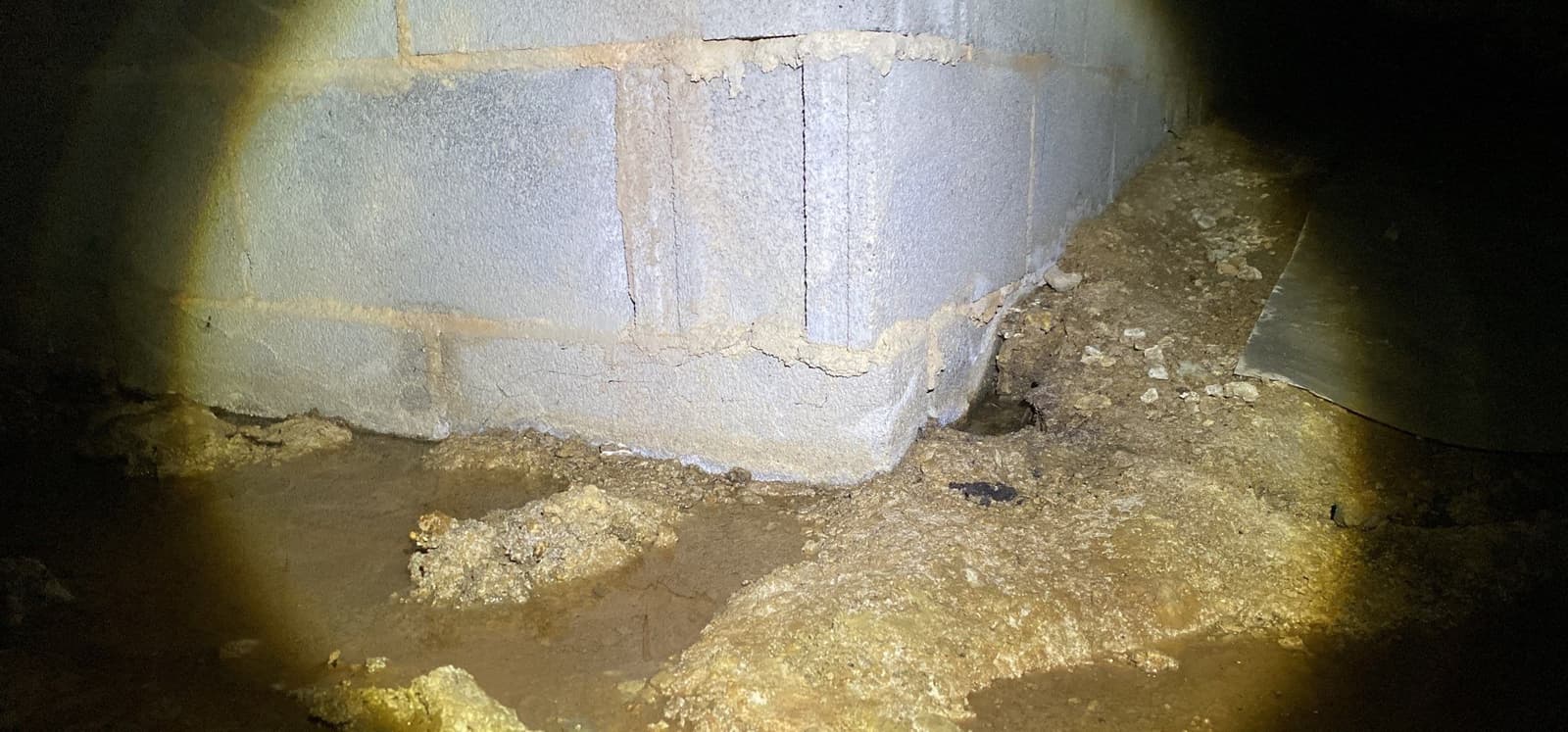
When the water table climbs or the ground around the house stays saturated, water can push up through the crawl space floor and pool against the foundation.
Learn More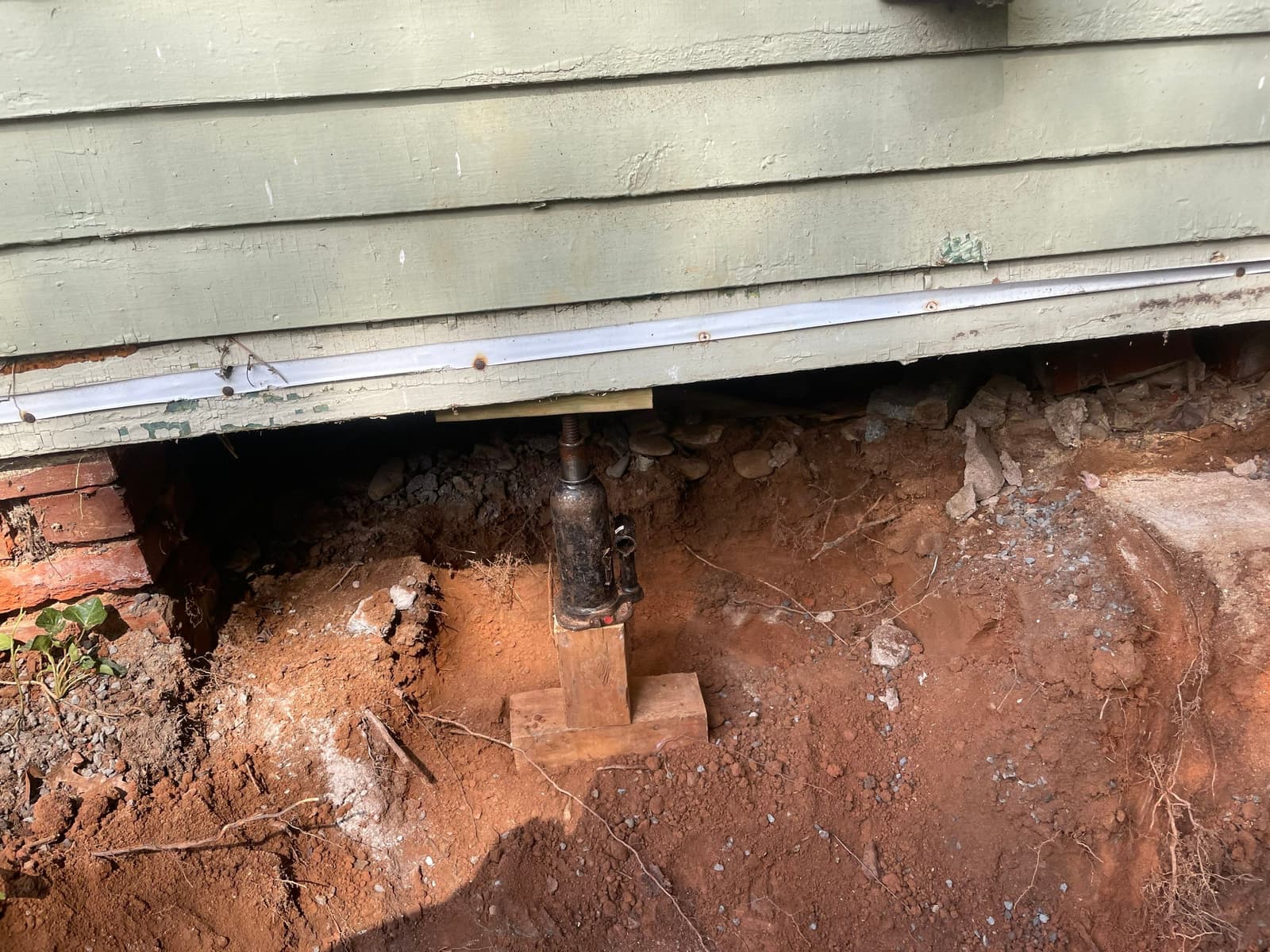
Sagging Floors
In most Carolinas homes, the cause of a floor that sags or feels bouncy is wood rot or weakened joists in a damp crawl space underneath.
Learn More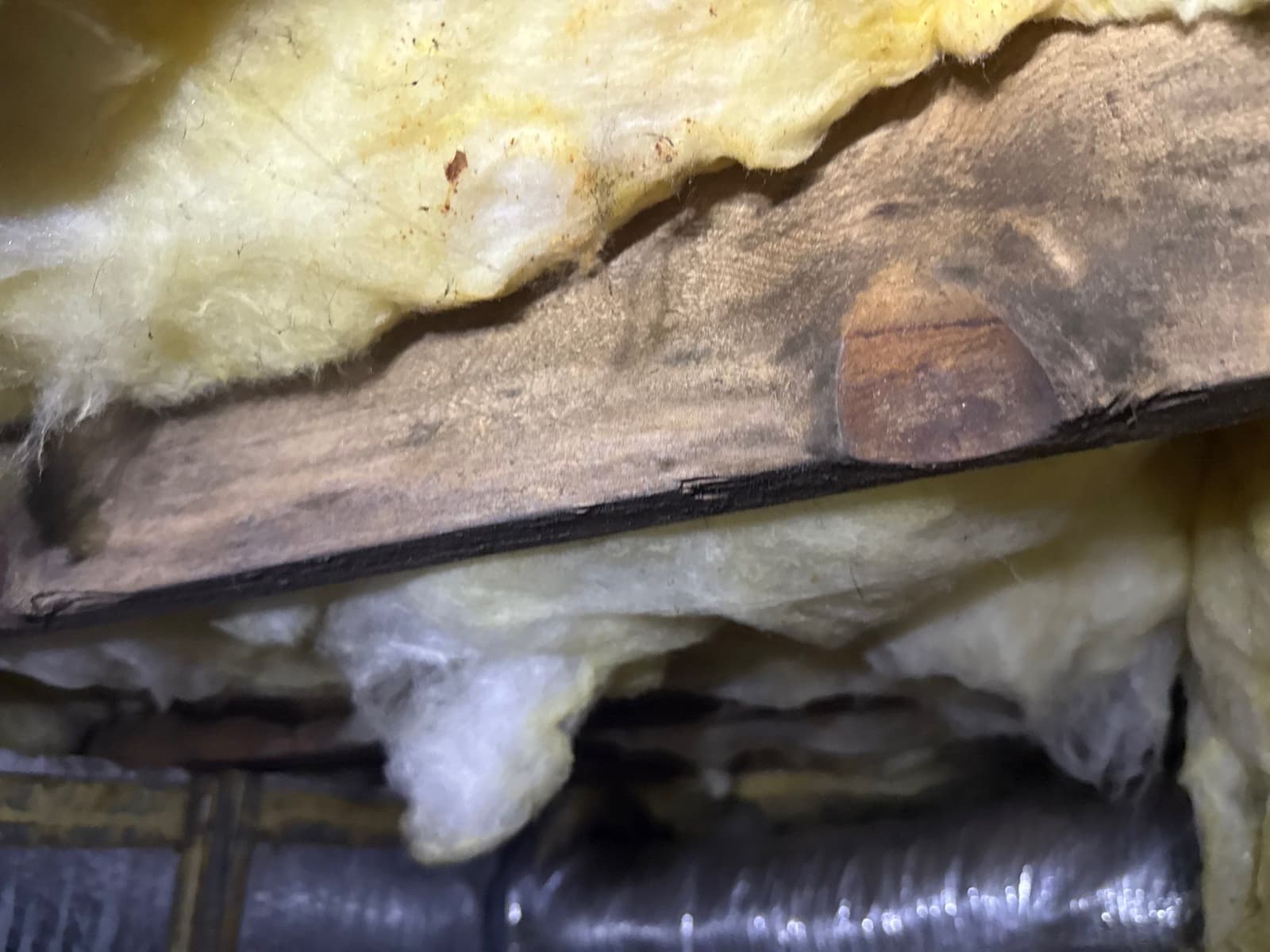
Moisture in Crawl Space
Damp soil, standing water, condensation, and humid outside air all leave a crawl space wet enough to soften wood, raise musty odors, and invite pests.
Learn MoreOther Crawl Space Repair Solutions We Install
Each solution fits a different cause. The inspection shows which one your home needs.
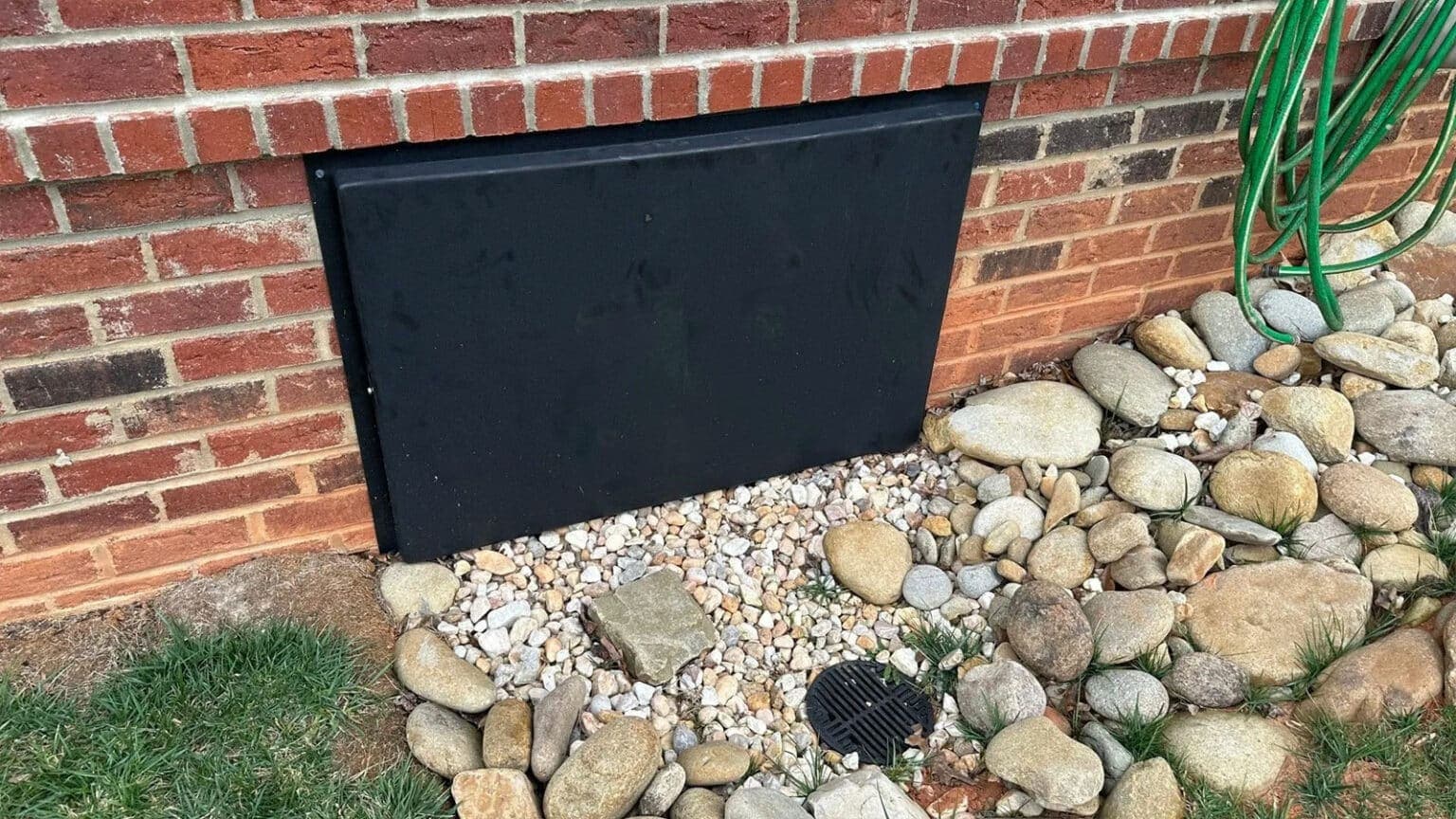
Crawl Space Access Wells
A protected, recessed entry that holds back soil and surface water at a crawl space door set below the surrounding ground, so the access stays dry and easy to reach.
Learn More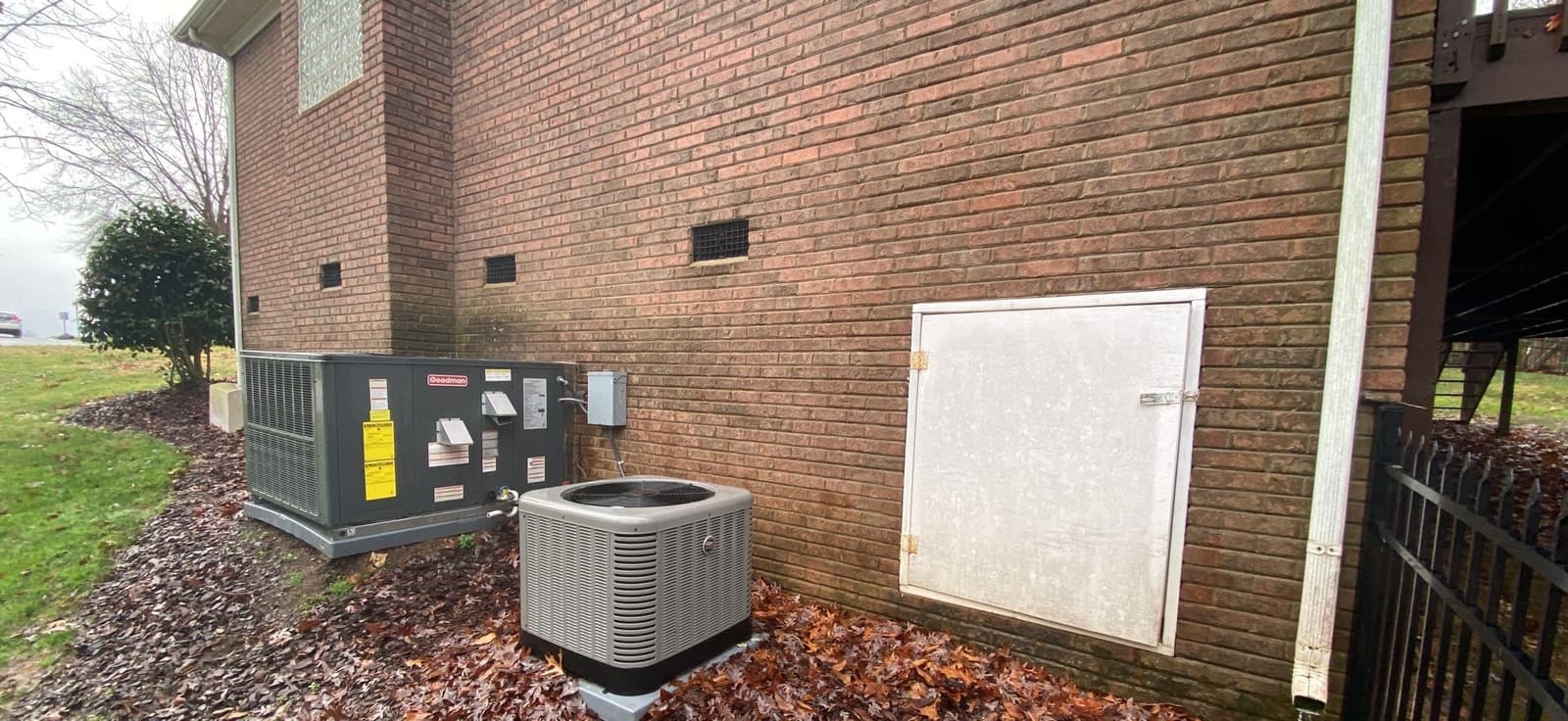
Crawl Space Doors
A secure door that resists weather, fitted to the crawl space opening, sized to seal the gap, keep humidity and animals out, and still give your service crews easy access when they need it.
Learn More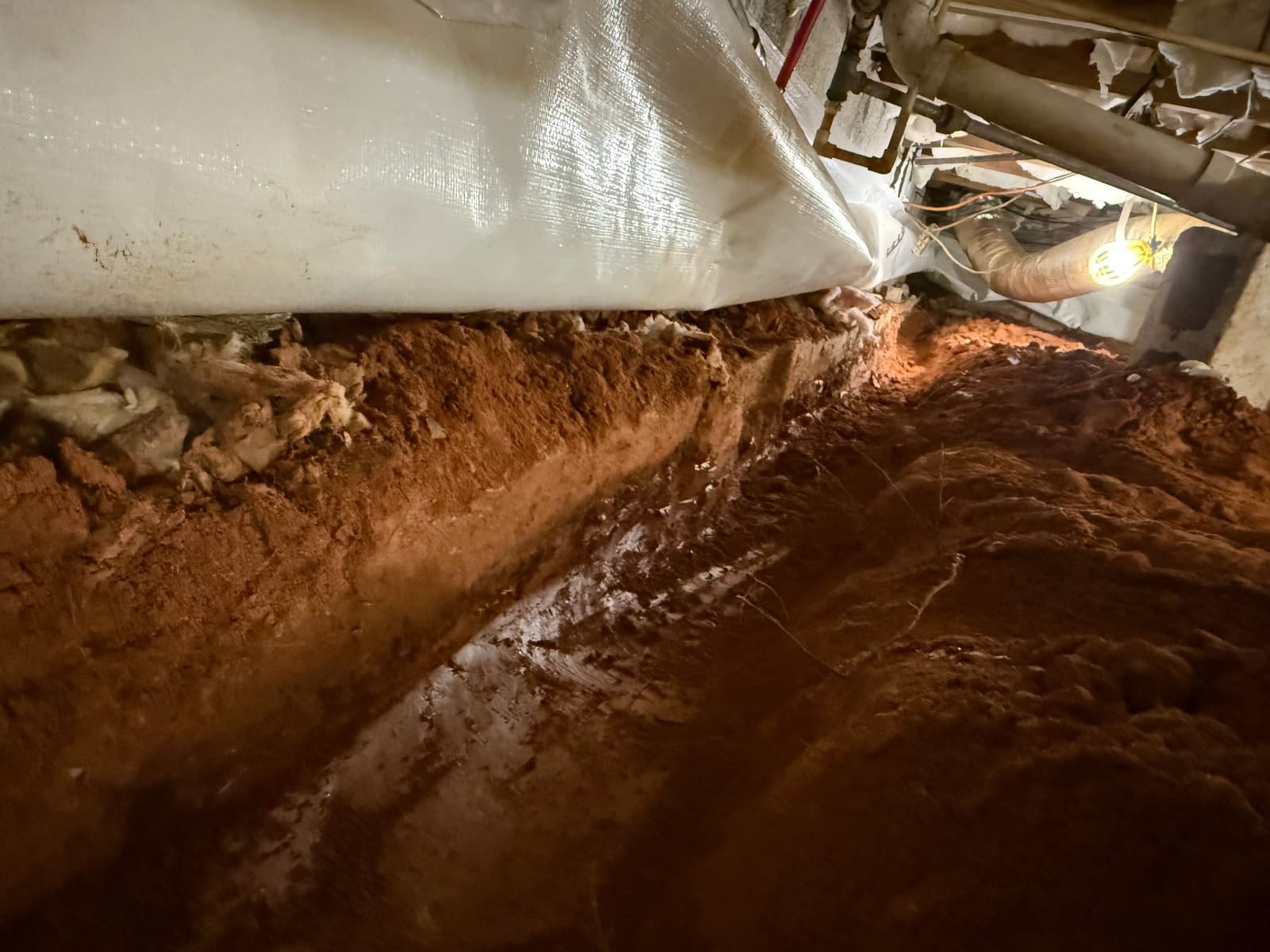
Crawl Space Drainage
An interior drainage system that collects and carries water out of the crawl space, so groundwater and runoff have somewhere to go and do not pool beneath your floors.
Learn More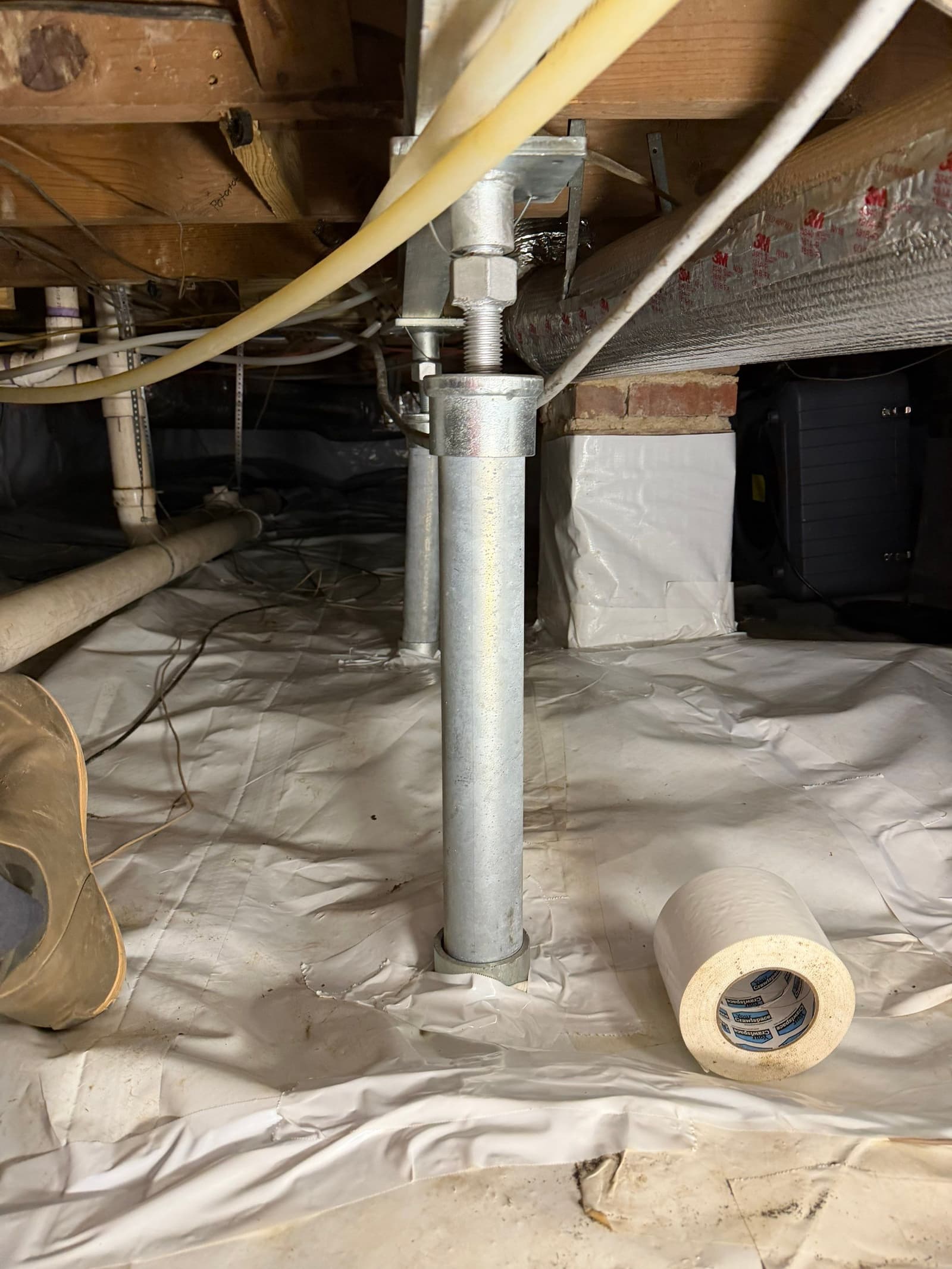
Crawl Space Jacks
Adjustable steel support jacks installed in the crawl space carry the beams and joists holding up your floor, so a sagging, bouncy floor is stabilized and supported.
Learn More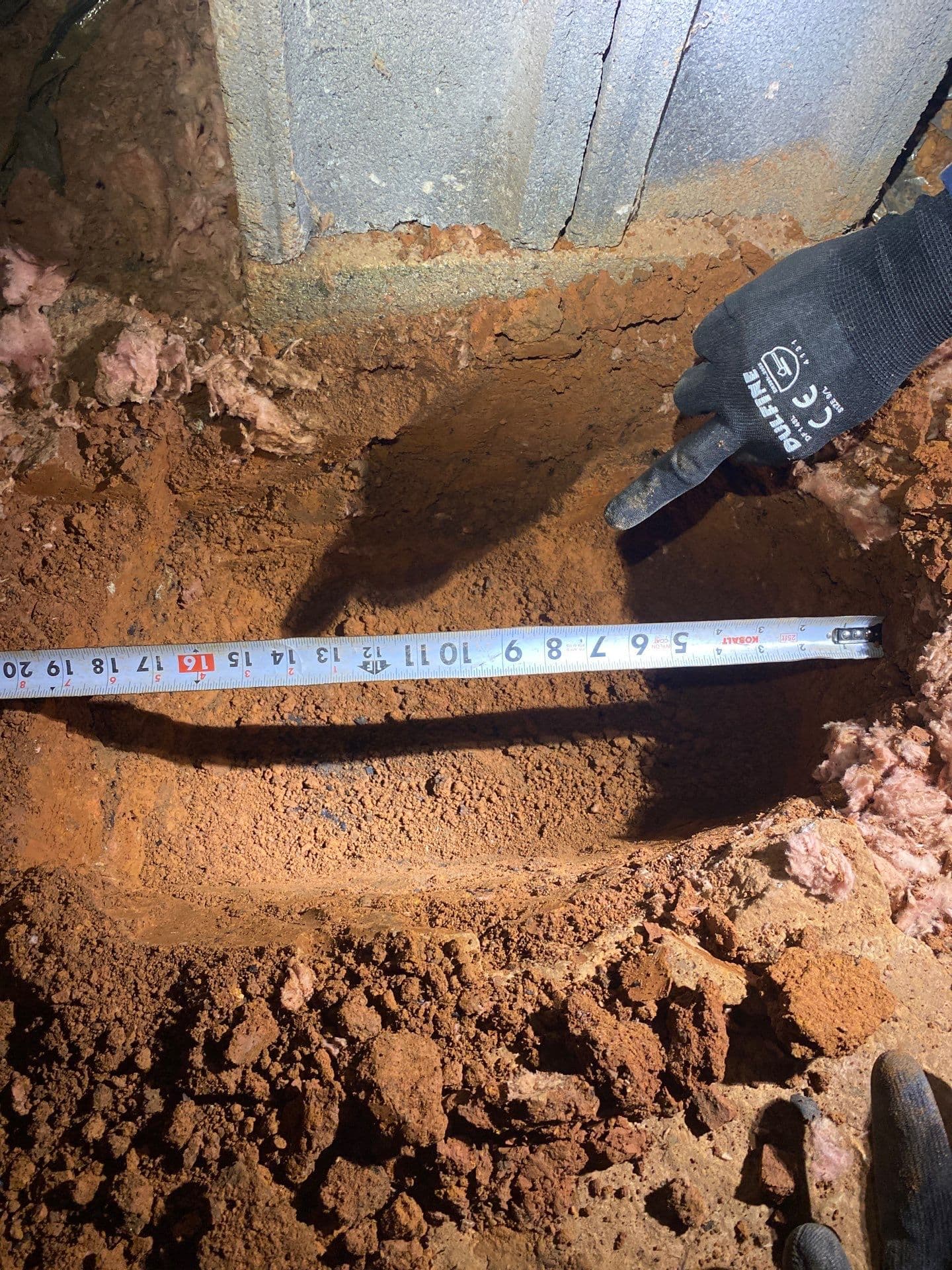
Crawl Space Water Removal
Pumping out the water sitting under your home, then finding why it got there, so the crawl space dries out and stays dry when the next storm arrives.
Learn MoreControlling Moisture
Damp air under your home soaks the framing, raises a musty smell in the rooms above, and makes your HVAC work harder.
Learn MoreGuides and Answers
More Reading on Crawl Spaces
An article from our team about crawl spaces and the repairs we make.
Crawl Space Repair
Drying Out Under a House
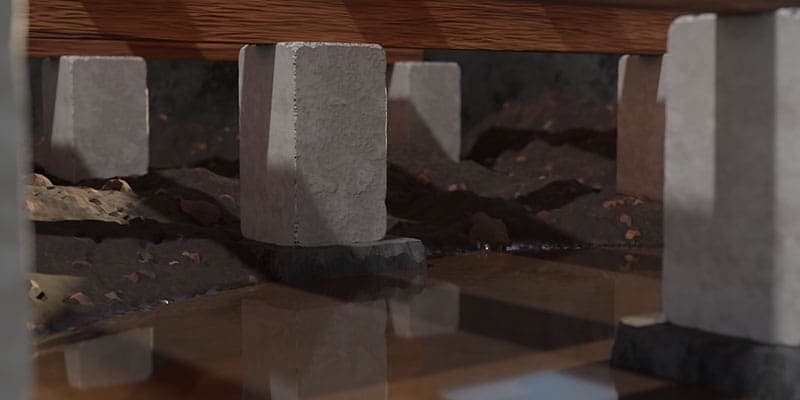
Moisture under a house usually comes from failing drainage, roof and yard water near the foundation, or foundation damage.

Get the Free Crawl Space Guide
A free guide for homes in North and South Carolina: where crawl space moisture comes from, the signs worth writing down, and how crawl space repair and encapsulation work, in plain language.
- A crawl space checklist to walk your home with
- Where crawl space moisture comes from, from the mountains to the coast
- How a vapor barrier and full encapsulation differ
- Questions to ask about a crawl space estimate
1,300+ Verified Google Reviews (4.9 Stars)
Before you choose a contractor for a crawl space drainage system, read how homeowners across North Carolina and South Carolina rate our work.
How Do I Book a Free Inspection?
Pick your own time online, or fill out our quick online form and we will book a convenient time to assess your home, no cost, no pressure.
- A free inspection of your home
- Every finding explained in plain language
- A written estimate at no cost
- No obligation
Not Sure Which Service You Need?
A free inspection covers all of it: one visit, clear findings, and a written estimate at no cost.