
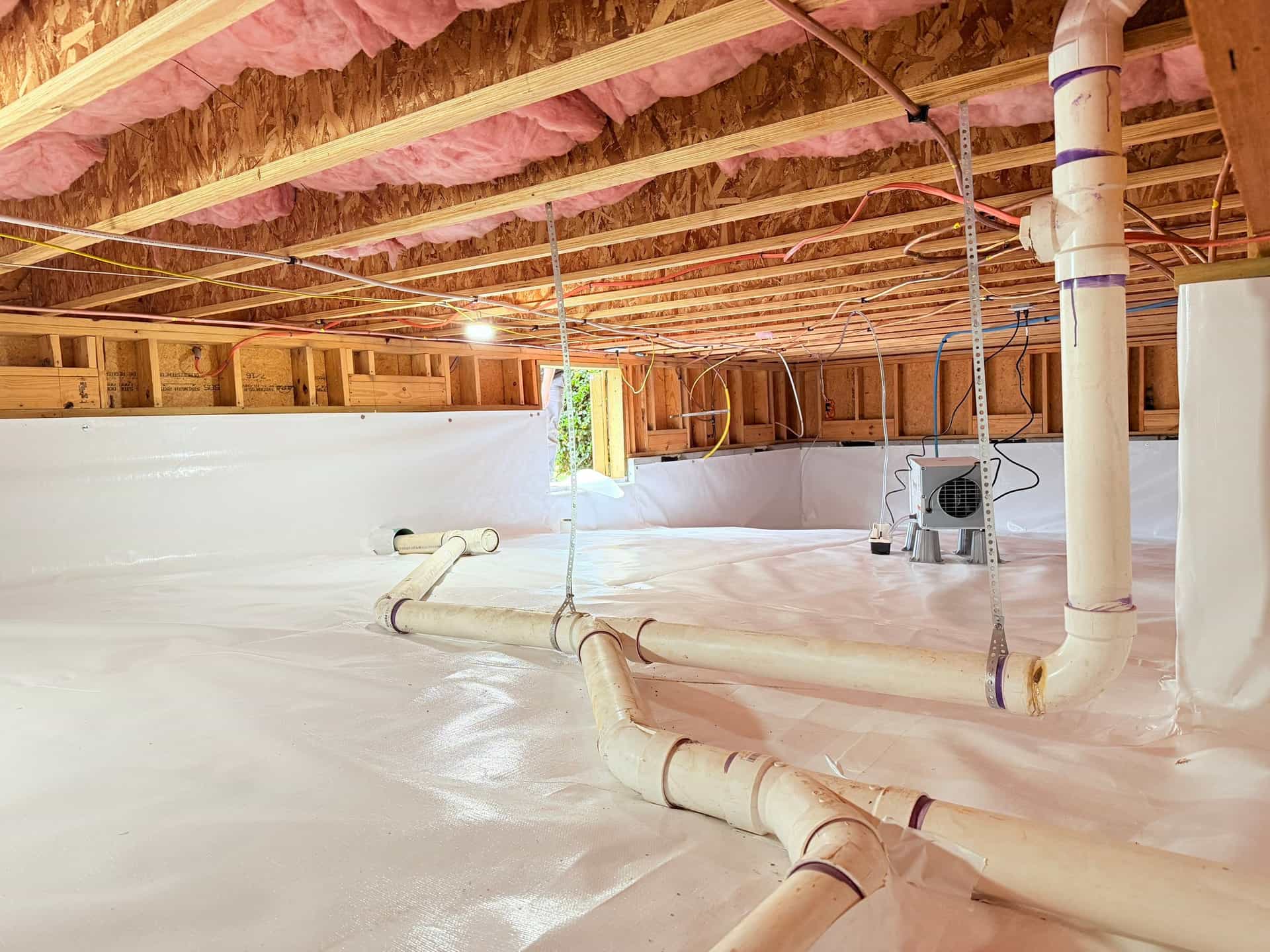
Crawl Space Vent Sealing: Closing the Openings That Let Outside Air In
Vent sealing closes the open vents in your foundation walls so humid Carolina air, drafts, and pests can no longer move under your home. It is one step in encapsulating a crawl space, and we confirm it is the right call before we seal anything. Free inspection across North and South Carolina.
Get a Free Inspection
Two ways to start. Both are free, with no obligation.
Pick your own day in our calendar. You save $250 if you go ahead with the work.
Send a short form, and our office will call to book a time that suits you.
For new customers who book online through our website and then sign a contract.
What to Know About Vent Sealing
Vent sealing closes a known opening. Each foundation vent is a deliberate gap in the crawl space wall, and sealing it shuts out air, drafts, and pests. The value comes from sealing every vent as part of encapsulating the crawl space, so vent sealing is almost always done alongside the rest of a sealed space.
In the humid Carolinas, the air coming through open vents is often more humid than the air under the home for much of the year, which feeds condensation on cooler surfaces. Sealing the crawl space vents shuts off that air, closes an easy path for pests, and stops the cold winter drafts that chill the floor above.
Sealing does not stop ground moisture vapor, which is the job of a vapor barrier across the floor and, in a full encapsulation, the walls. It does not remove humidity already in the air, the job of a dehumidifier in the sealed space, or handle storm water, which needs interior drainage and a sump pump. Engineered flood vents required by code in coastal flood areas are not sealed off.
The symptoms that usually lead to vent sealing are on the crawl space encapsulation problem signs page, alongside the other signs that point to the same underlying cause.
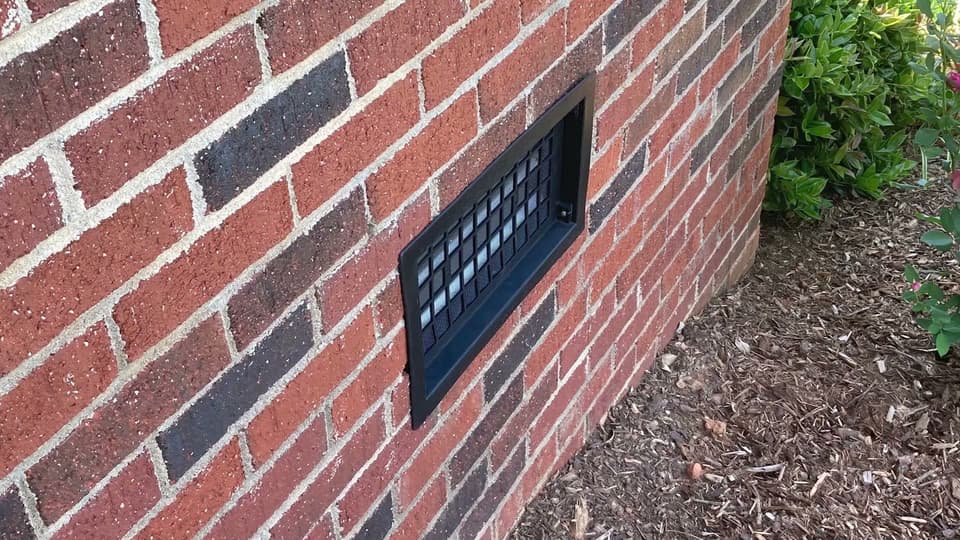
How We Seal Crawl Space Vents
- Step 01
Free Inspection and Vent Assessment
We get under the home to check what the air and soil are doing and to look at every foundation vent. We check the crawl space humidity, look for condensation on joists, subfloor, and ductwork, inspect the insulation, and find where moisture, drafts, and pests are getting in.
We also confirm whether each opening is a standard foundation vent or an engineered flood vent that exists for a reason. In coastal flood zones near Wilmington and Leland that distinction matters, and we will not recommend sealing a vent that should stay open.
- Step 02
Confirm That Sealing Is the Right Approach
Vent sealing only makes sense as part of closing the crawl space off from outside air. We confirm whether sealing the vents fits your home and explain how it works together with a vapor barrier, a dehumidifier, and drainage to actually keep the space dry. If your crawl space is better served by a different approach, or if the existing setup is sound, we will tell you plainly before any work begins, even when that means less work.
- Step 03
Prepare the Vent Openings
Our crew cleans out and prepares each vent opening so it can take a continuous, lasting seal. Proper preparation is what lets the seal bond fully to the foundation with no gap at the edges where humid air, drafts, and pests can still slip through. A sealed vent only performs as well as the seal around its perimeter, so the prep work is where a durable result starts.
- Step 04
Seal Each Vent as Part of the Encapsulation
We close and seal each standard foundation vent against the wall so the opening is fully shut. This is done as part of encapsulating the crawl space, alongside the liner on the soil and walls and, where the space is being conditioned, humidity control. The sealed vents are closing off a space that is also being kept dry at the source.
- Step 05
Verify the Seal, Clean up, and Review
We confirm each vent is fully sealed and the crawl space is holding the intended drier, more stable conditions, then clean the work area. We review the finished result with you and explain how the sealed space is meant to perform through the seasonal humidity swings common across the Carolinas, so you understand what changed and why, with no surprises and no obligation to add anything you do not need.
Photos From Our Work
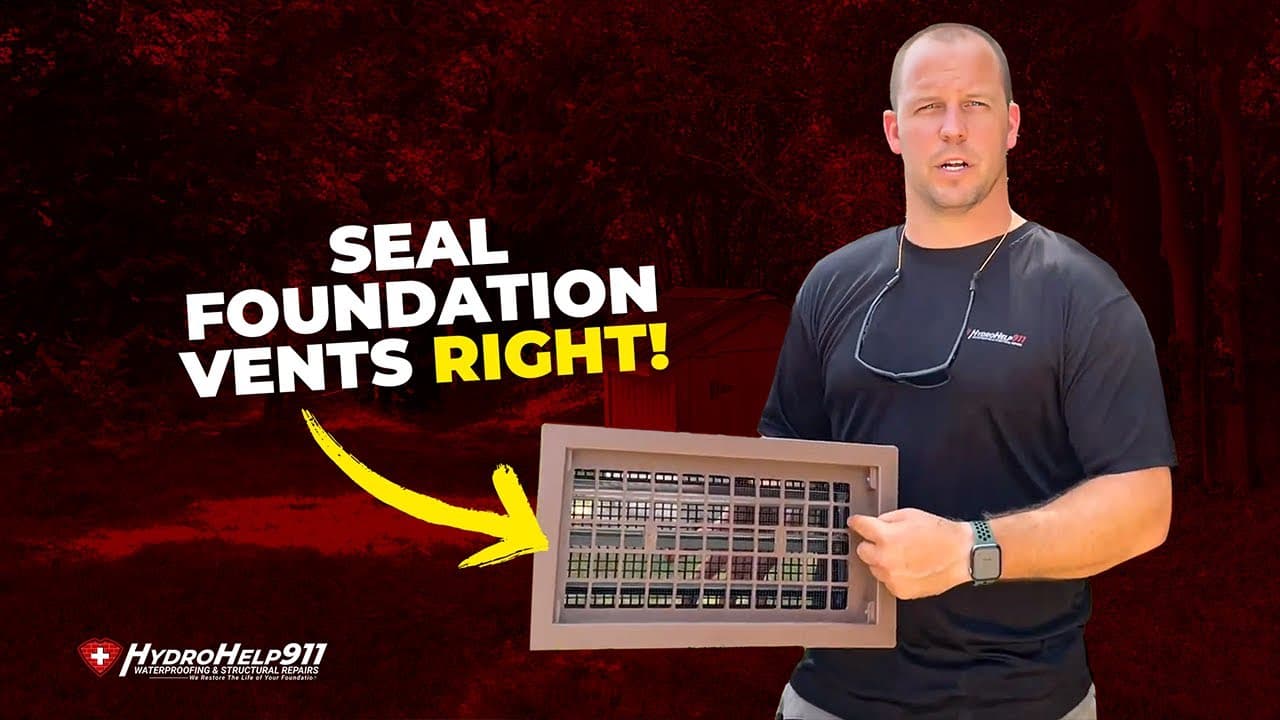
How to Seal Foundation Vents for a Dehumidifier
Care and Expertise From a Team Serving the Carolinas Since 2017
When the fix is vent sealing, our own crews do the work. HydroHelp911 handles crawl space encapsulation and related structural and moisture work across North and South Carolina.
An inspector looks at your home, finds the source of the problem, and explains each finding in plain language. There is no obligation.
We are headquartered in Dallas, North Carolina, with eight offices across North and South Carolina.
Foundation repair, crawl space repair and encapsulation, basement waterproofing, framing repair, and concrete leveling are the whole focus of the team.
We have 1,300+ verified Google reviews (4.9 stars) from homeowners across the Carolinas and are BBB A+ Accredited.
For example, helical and push piers carry a lifetime warranty that no additional settlement will occur in the area of installed piers, once the final invoice is paid in full. Read the warranty terms.
Ask your inspector about financing when you get your written estimate. See financing options.

Common Questions About Vent Sealing
Don't see your question here? Call or fill out our quick online form, and our team will help.
Vent sealing is the step in crawl space encapsulation where the open vents cut into your foundation walls are closed off. Sealing those openings shuts the path that humid outdoor air, cold drafts, and pests use to get under your home. In the Carolinas, the outdoor air that moves through open vents is humid for much of the year, so sealing them stops that air from condensing on the joists, subfloor, and ductwork. Vent sealing is done as part of encapsulating the crawl space, so the space holds a drier, more stable condition while the outdoor air changes hour by hour.
Which Crawl Space Encapsulation Problem Signs Can Vent Sealing Help With?
A sign can trace to more than one cause. These are the crawl space encapsulation signs that can point to a cause this method addresses; the inspection shows which cause is at work in your home.
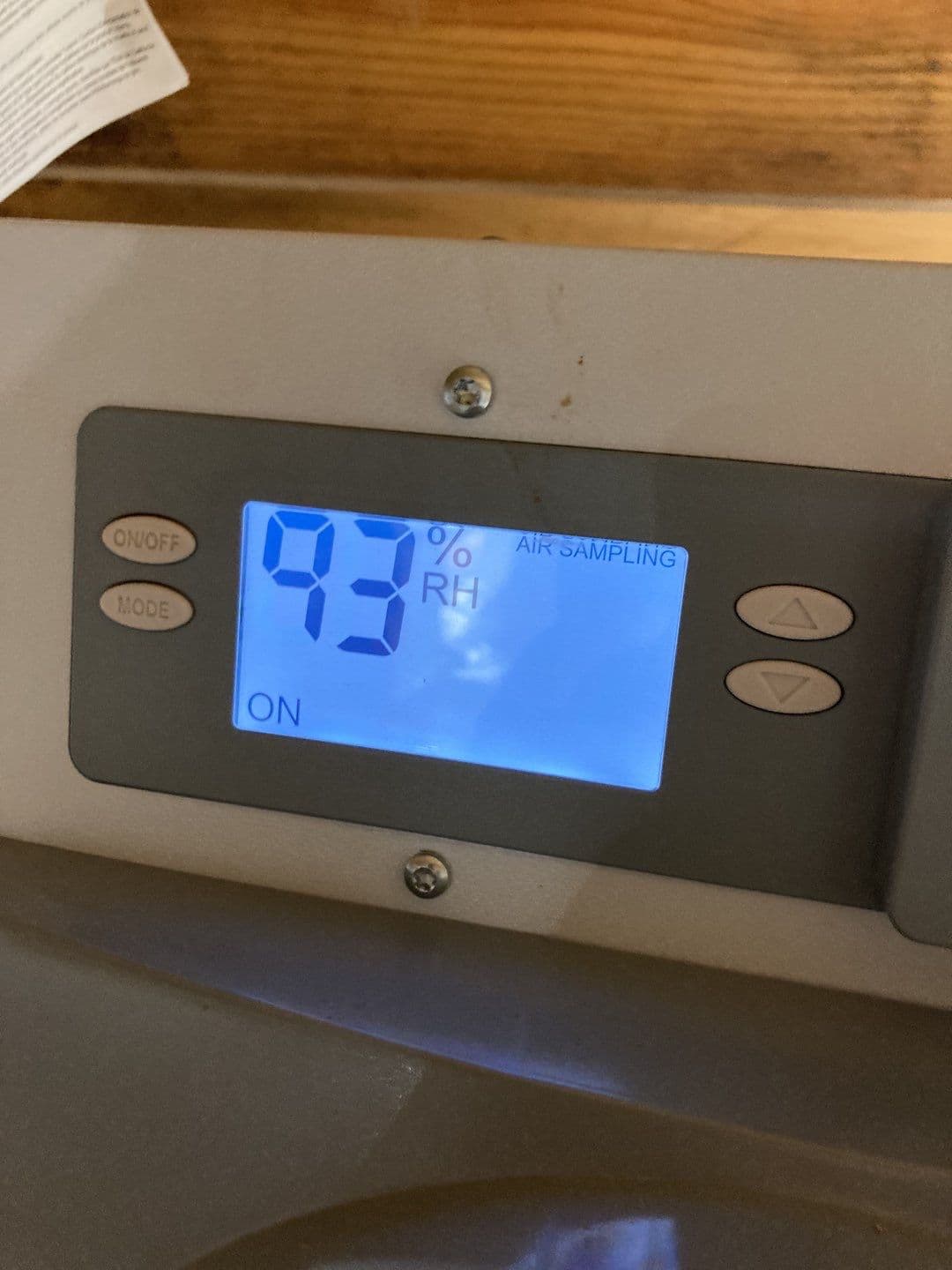
High Humidity Levels
Damp air under your home soaks the framing, raises a musty smell upstairs, and makes your HVAC work harder.
Learn More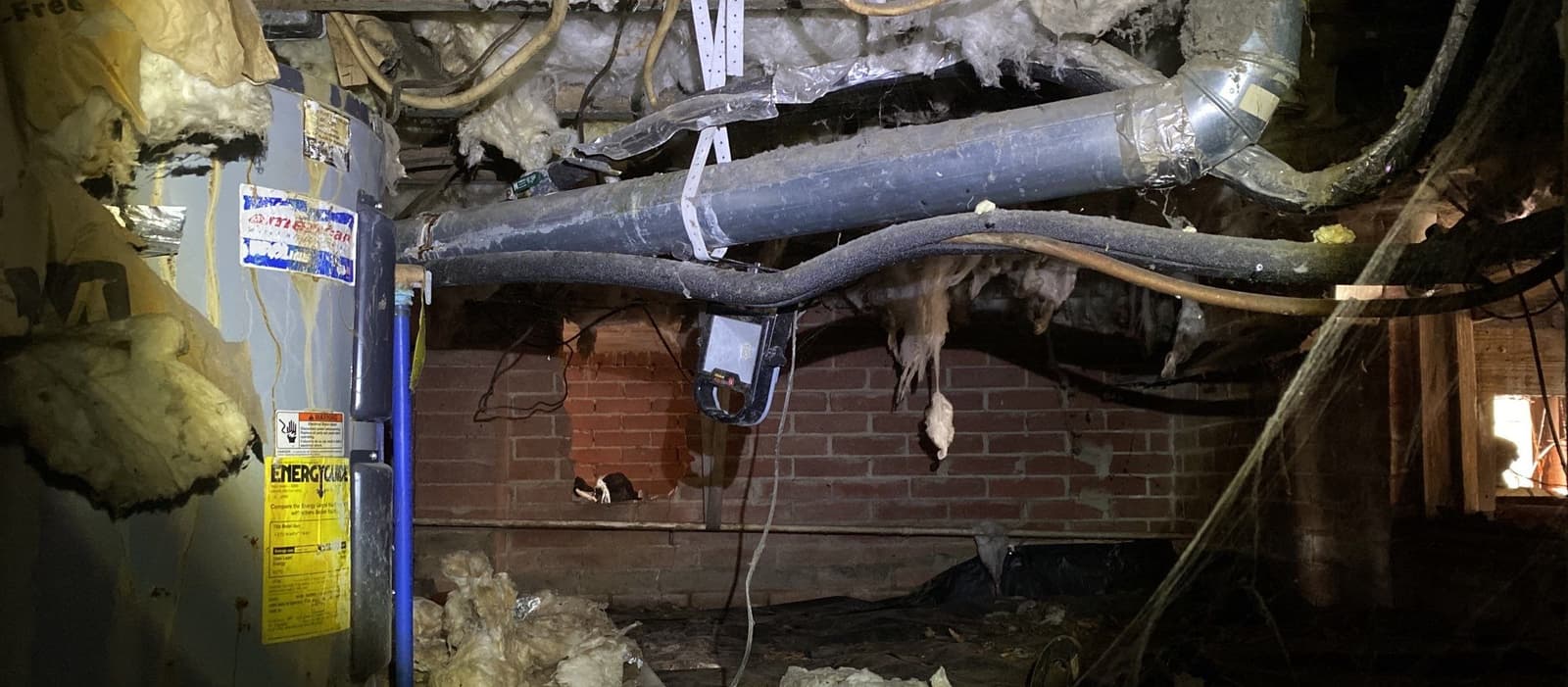
Musty Odors
That persistent earthy or stale smell usually starts under the floor.
Learn More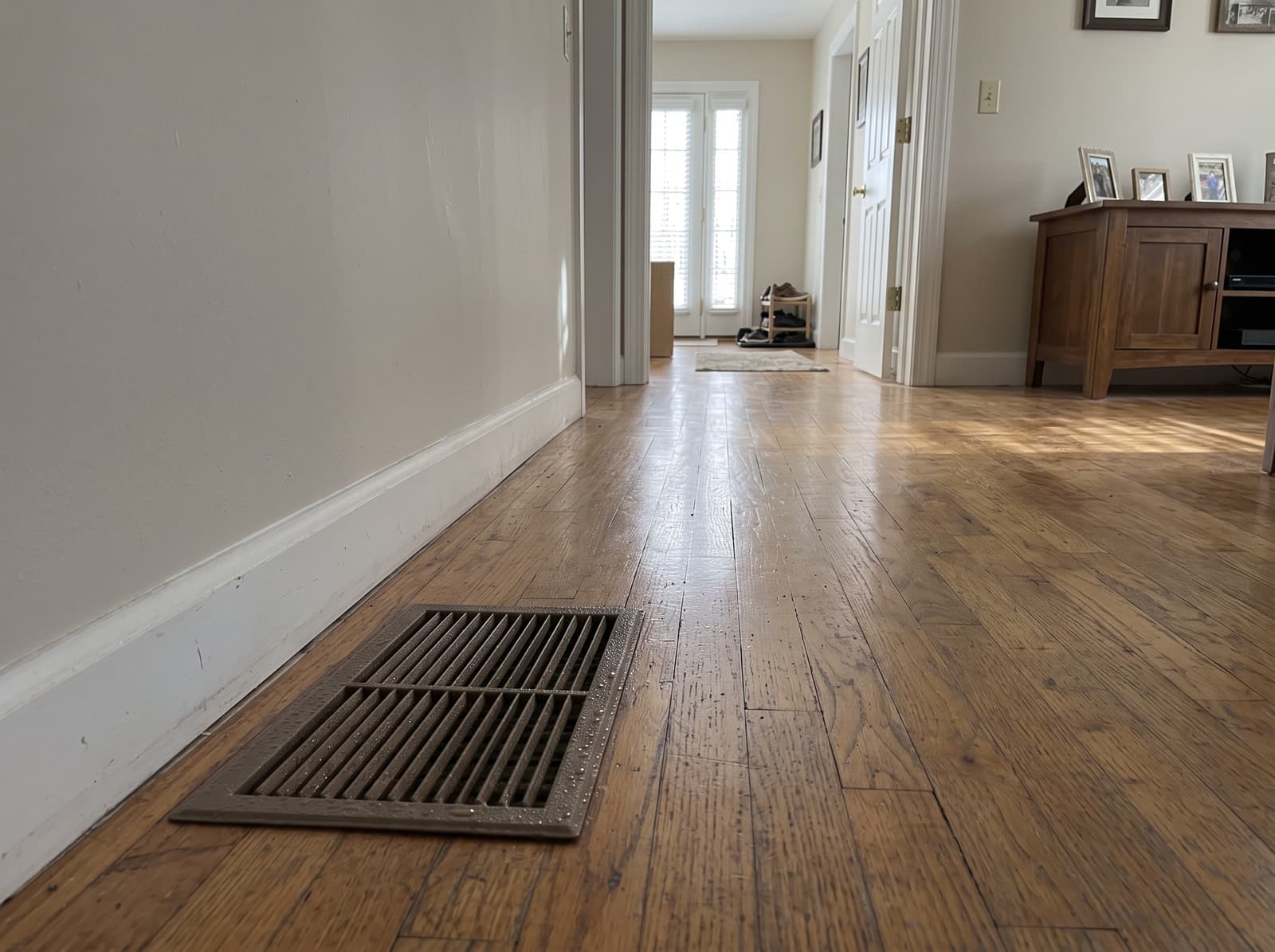
Condensation on HVAC Vents
When warm, humid air meets the cooler metal of supply vents and ductwork, water beads on the surface.
Learn More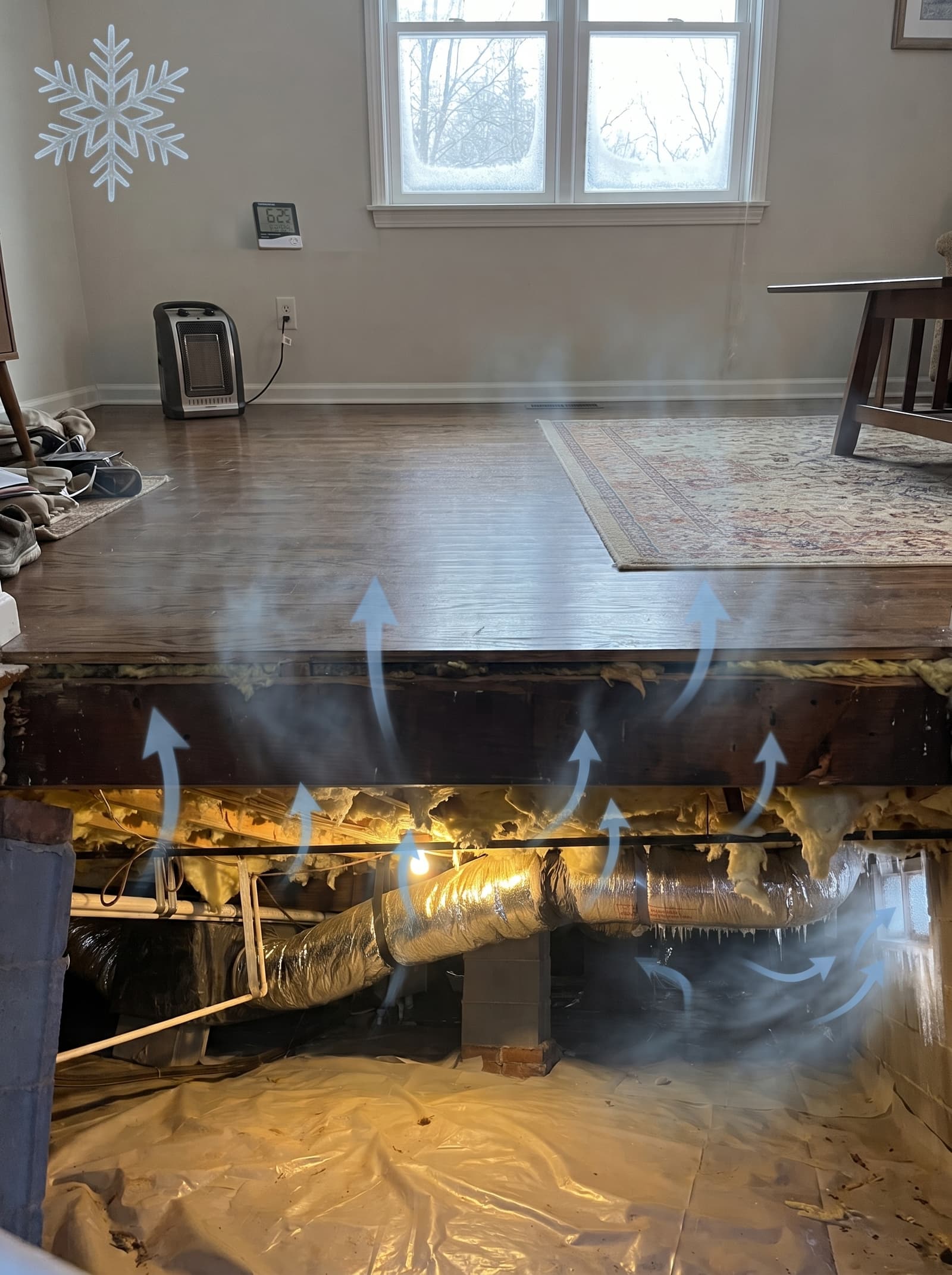
Cold Floors Above Crawl Space
When the floor over your crawl space feels cold underfoot in winter, the cause is almost always below it: insulation that has sagged or fallen, open vents pulling cold outdoor air under the home, or moisture that has soaked the batts and the framing.
Learn MoreOther Crawl Space Encapsulation Solutions We Install
Each solution fits a different cause. The inspection shows which one your home needs.
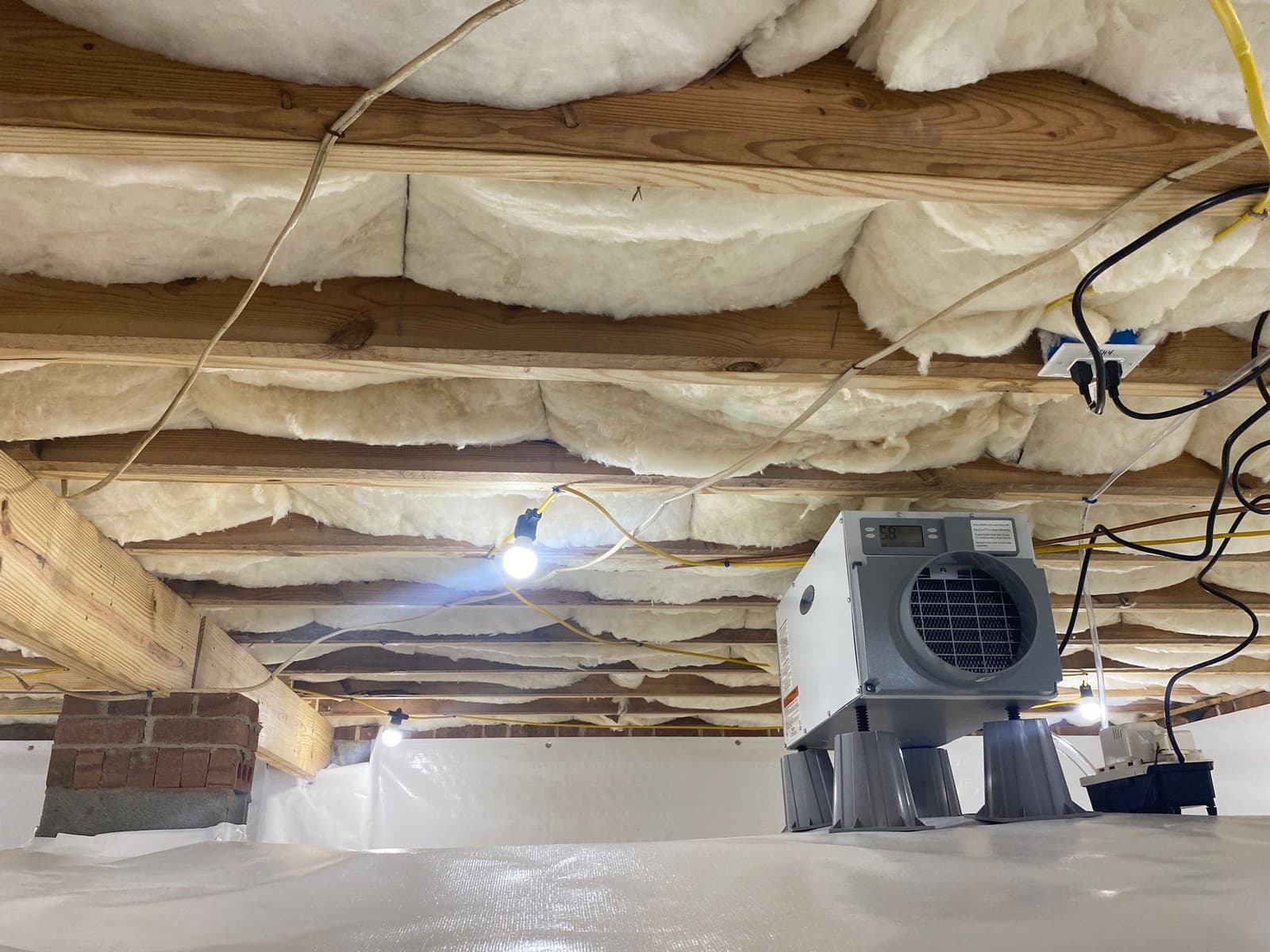
Dehumidifiers
Once your crawl space is sealed, a dehumidifier built for crawl spaces manages the humidity that remains in the conditioned air, so condensation, musty odors, and damp framing have less room to develop.
Learn More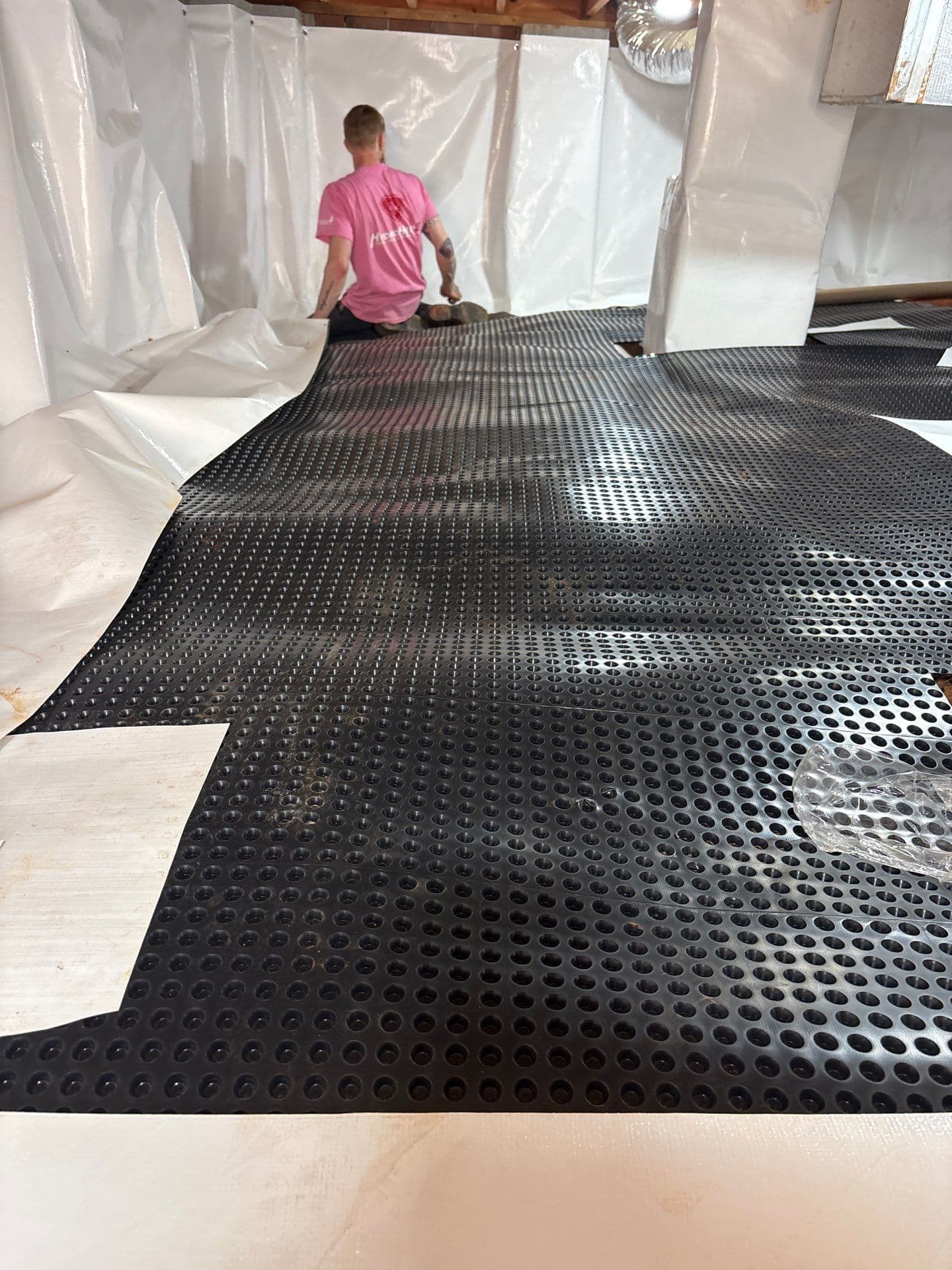
Crawl Space Drainage Systems
Encapsulation seals out vapor and humid air, but it cannot hold liquid water.
Learn More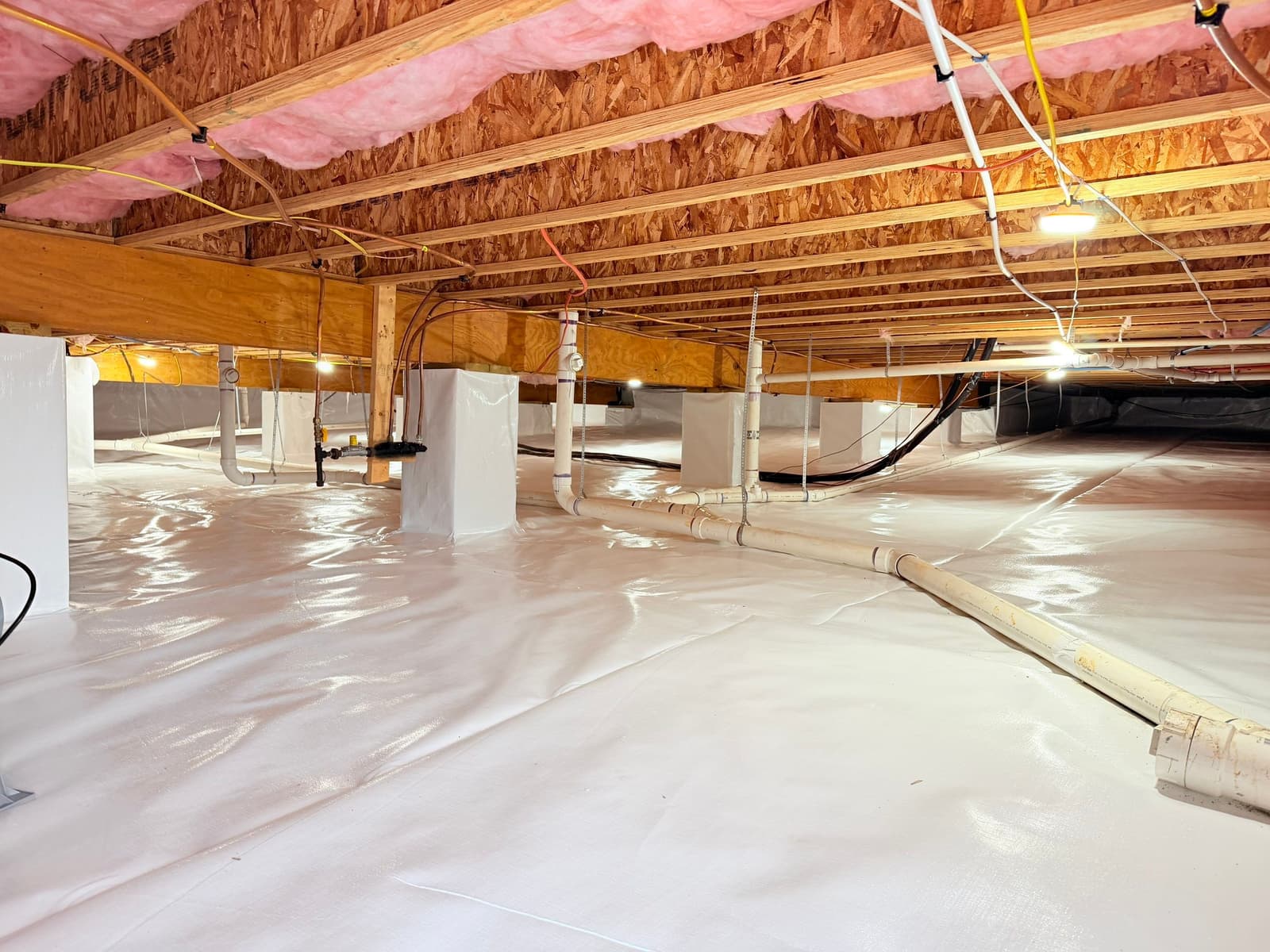
Insulation Installation
Installing or replacing crawl space insulation the right way for an encapsulated Carolina crawl space, so your home holds a more even temperature, your floors feel warmer, and less conditioned air is lost below the house.
Learn More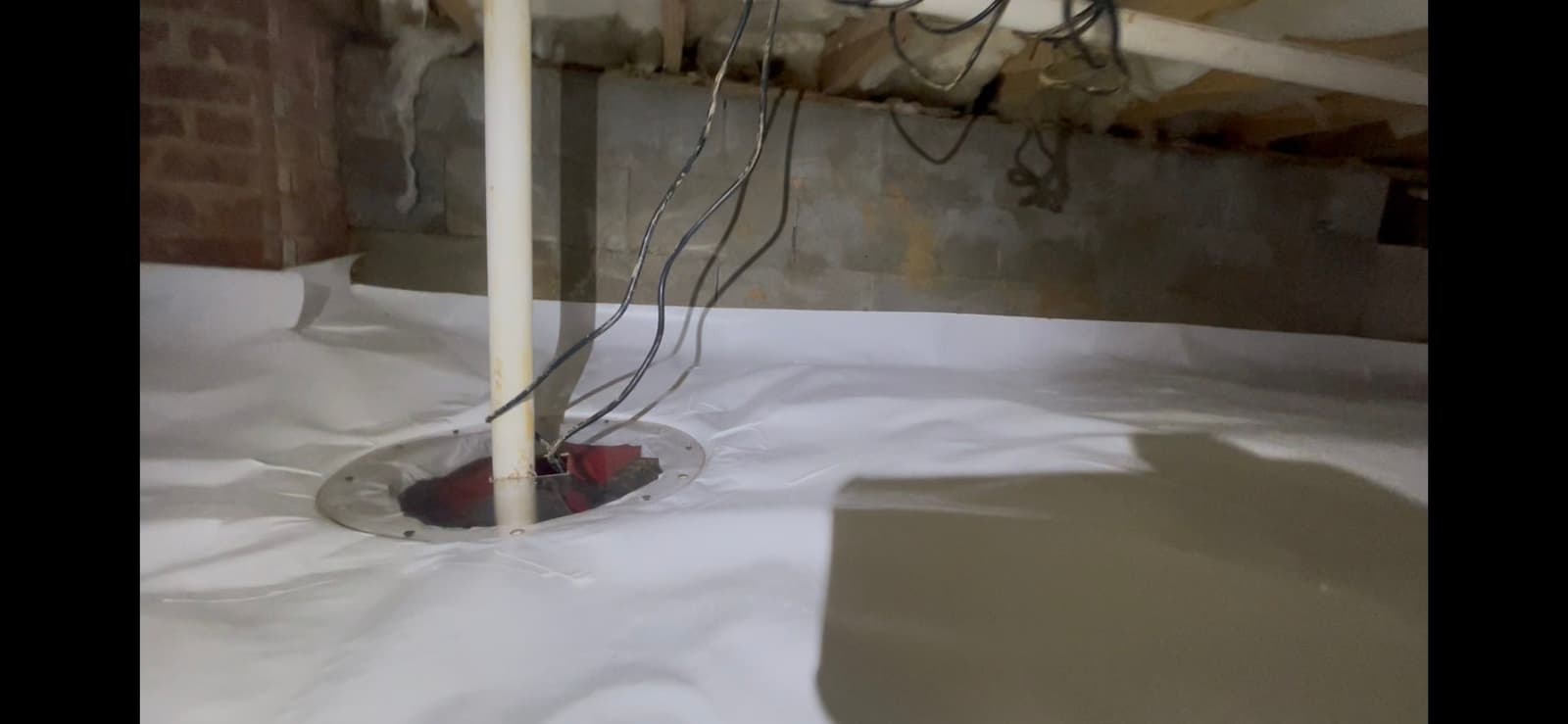
Sump Pumps
Encapsulation seals out moisture vapor and humidity, but it does not stop liquid groundwater from rising under your Carolina home.
Learn MoreGuides and Answers
More Reading on Crawl Spaces
An article from our team about crawl spaces and the repairs we make.
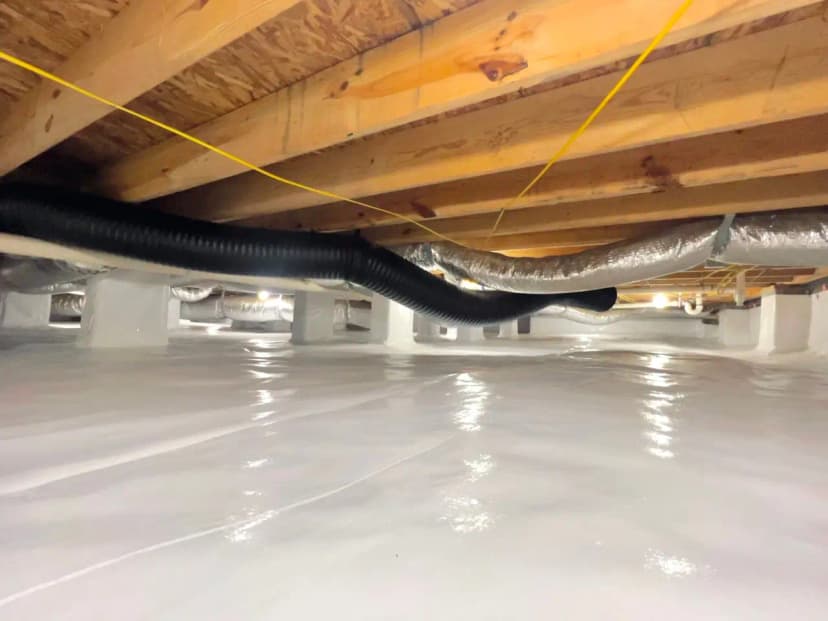
Crawl Space Encapsulation
Common Crawl Space Problems
The most common crawl space problems are standing water, humidity, mold, pests, sagging floors and wood rot.

Get the Free Crawl Space Guide
A free guide for homes in North and South Carolina: where crawl space moisture comes from, the signs worth writing down, and how crawl space repair and encapsulation work, in plain language.
- A crawl space checklist to walk your home with
- Where crawl space moisture comes from, from the mountains to the coast
- How a vapor barrier and full encapsulation differ
- Questions to ask about a crawl space estimate
1,300+ Verified Google Reviews (4.9 Stars)
Before you choose a contractor for vent sealing, read how homeowners across North Carolina and South Carolina rate our work.
How Do I Book a Free Inspection?
Pick your own time online, or fill out our quick online form and we will book a convenient time to assess your home, no cost, no pressure.
- A free inspection of your home
- Every finding explained in plain language
- A written estimate at no cost
- No obligation
Not Sure Which Service You Need?
A free inspection covers all of it: one visit, clear findings, and a written estimate at no cost.