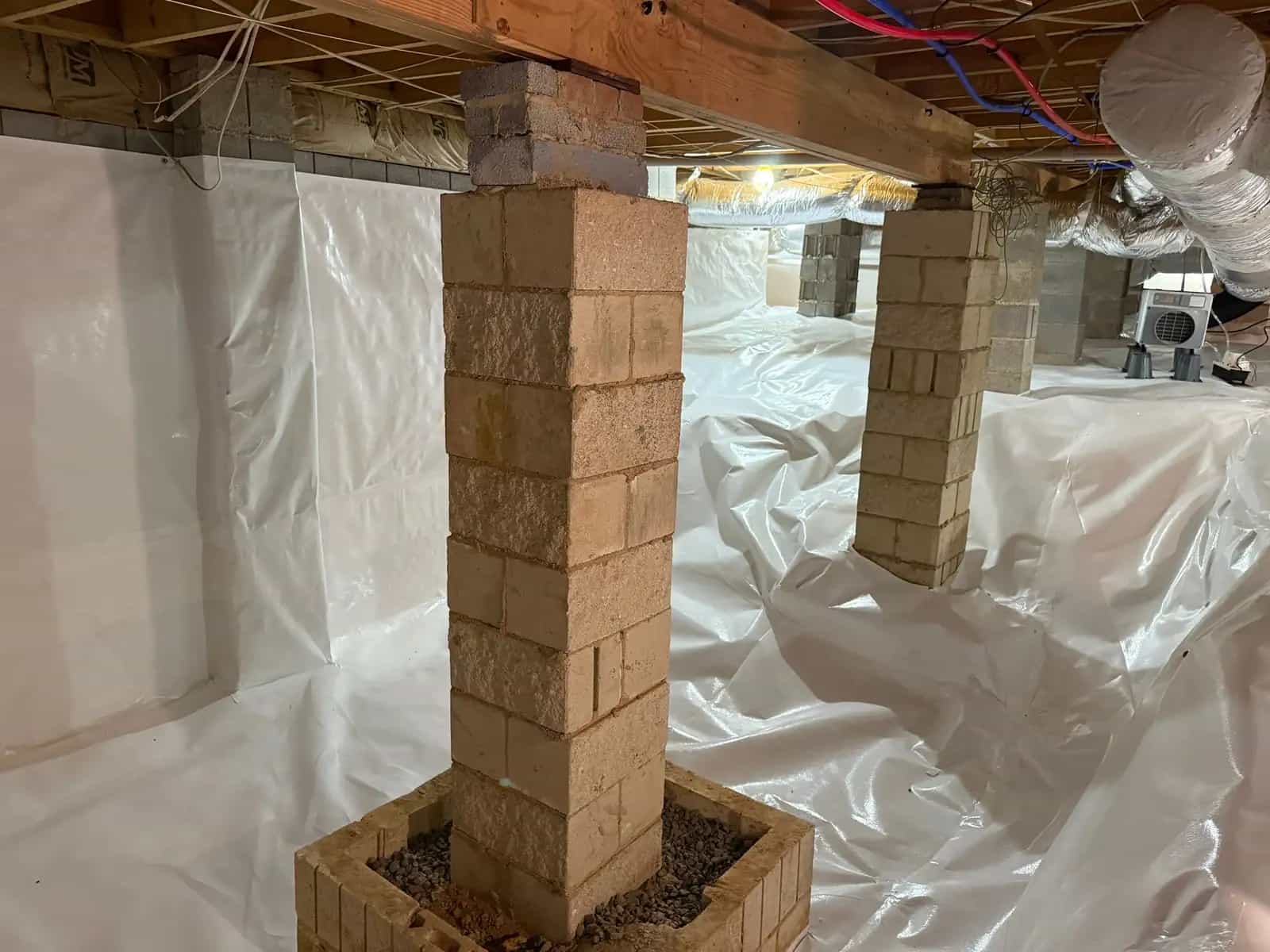
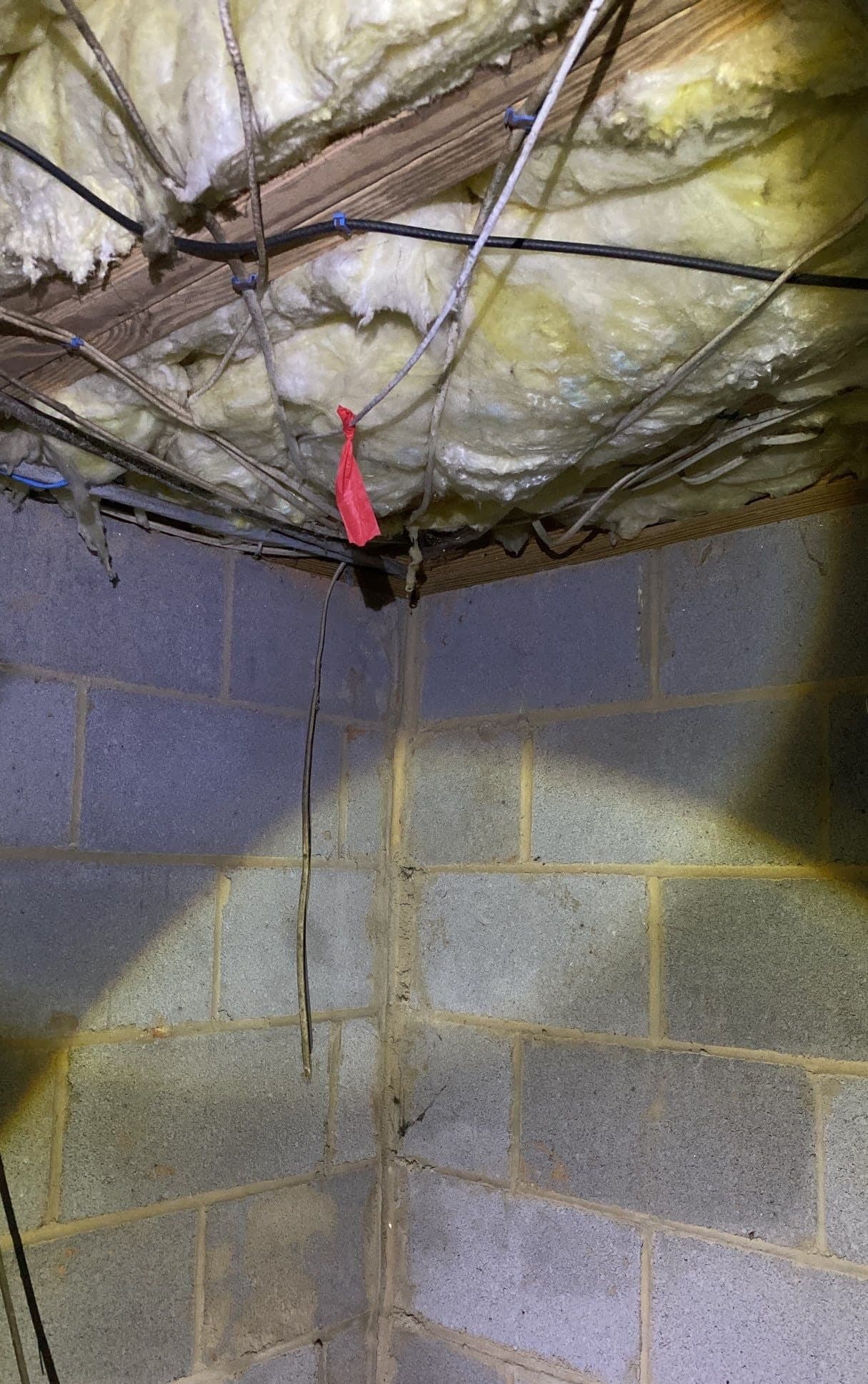
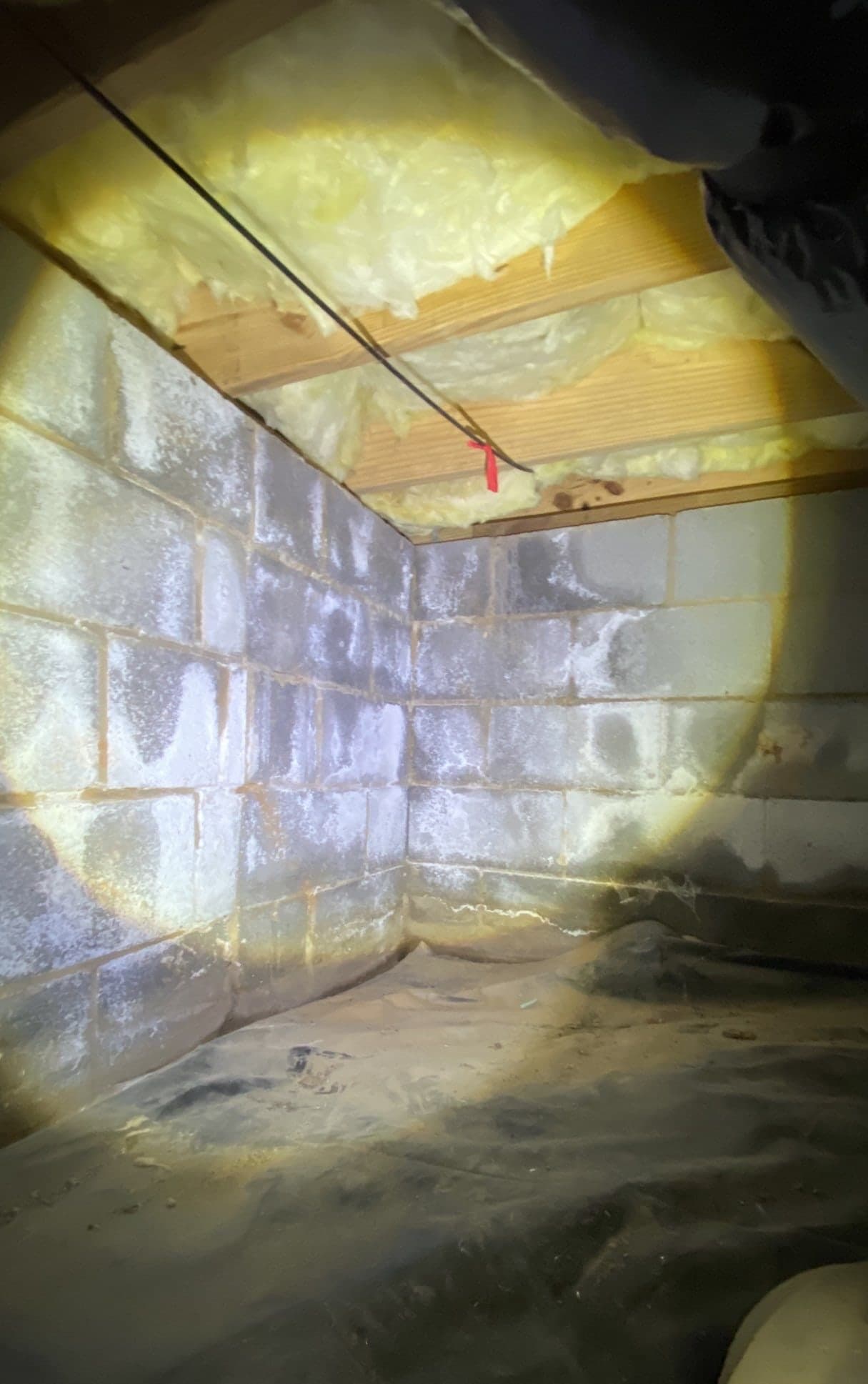
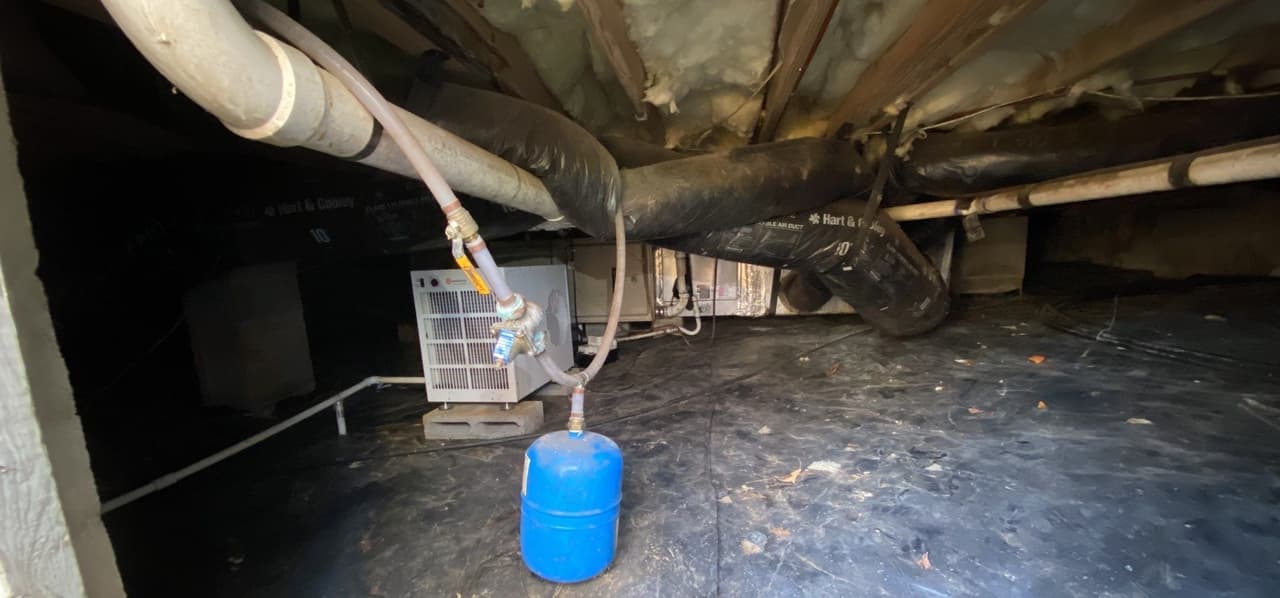
A trained inspector (not a salesperson) will look at your home, explain what they find in plain language, and send a written estimate.
Crawl Space Repair · North and South Carolina
Free Crawl Space Inspection Across the Carolinas
Every recommendation we make starts here, with getting under your home, finding what is actually happening, and telling you what we find. Looking for a reliable crawl space repair contractor? You're in the right place. Read on to learn more.
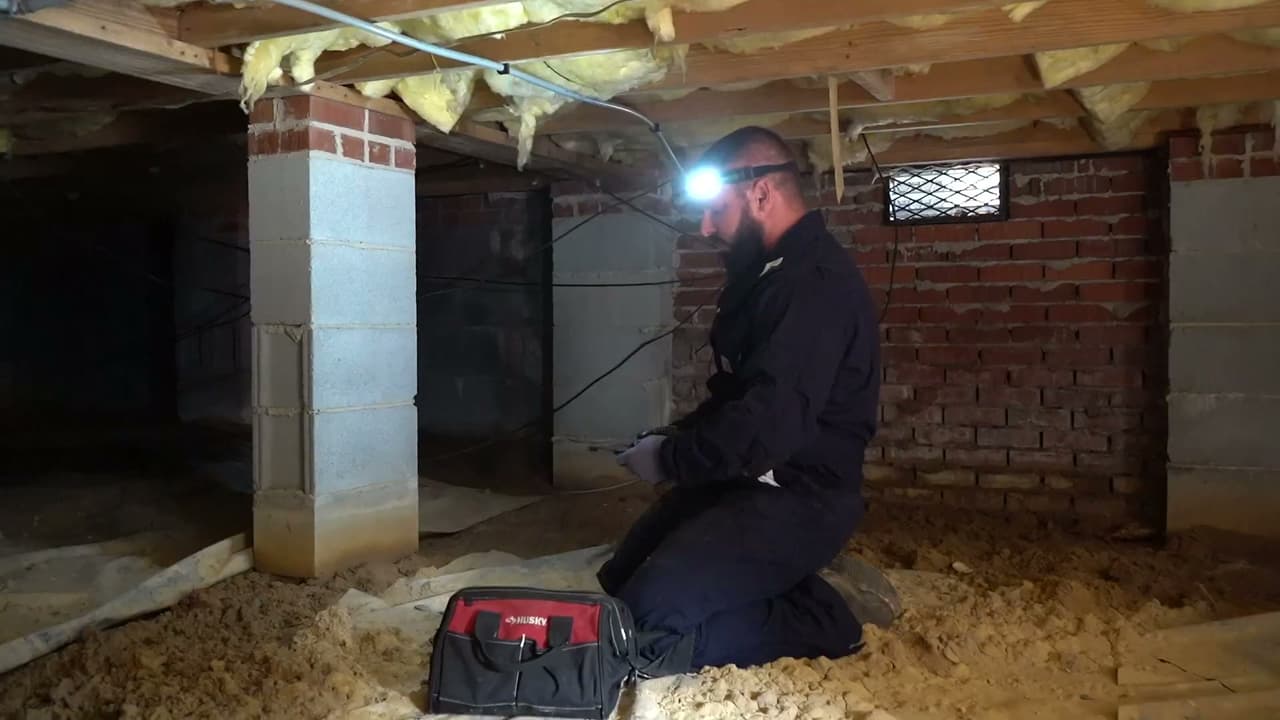
A free crawl space inspection is a visit from a HydroHelp911 inspector who gets under your home, checks the supports, framing, moisture, insulation and vents, and explains what is happening and why. You receive written documentation, typically an estimate with photographs, and videos if you ask for them. There is no cost for the inspection, and if your crawl space does not need work, we will tell you.
Free, with no obligation
Structure, moisture, insulation and vents
Written estimate with photographs
Videos on request
North Carolina · South Carolina
Get a Free Inspection
Two ways to start. Both are free, with no obligation.
The same symptom can have different causes, so the inspection looks at the whole crawl space.
A crawl space inspection looks at the whole space, because the same symptom can have different causes. A sagging floor might be a settled pier or a beam weakened by moisture, and a musty smell might come from the soil, the vents or standing water. The inspector checks the structure, the moisture, the insulation and liner, and the openings to the outside, then explains what is causing what you noticed.
Piers, beams, joists, sill plates and the subfloorThe Structure
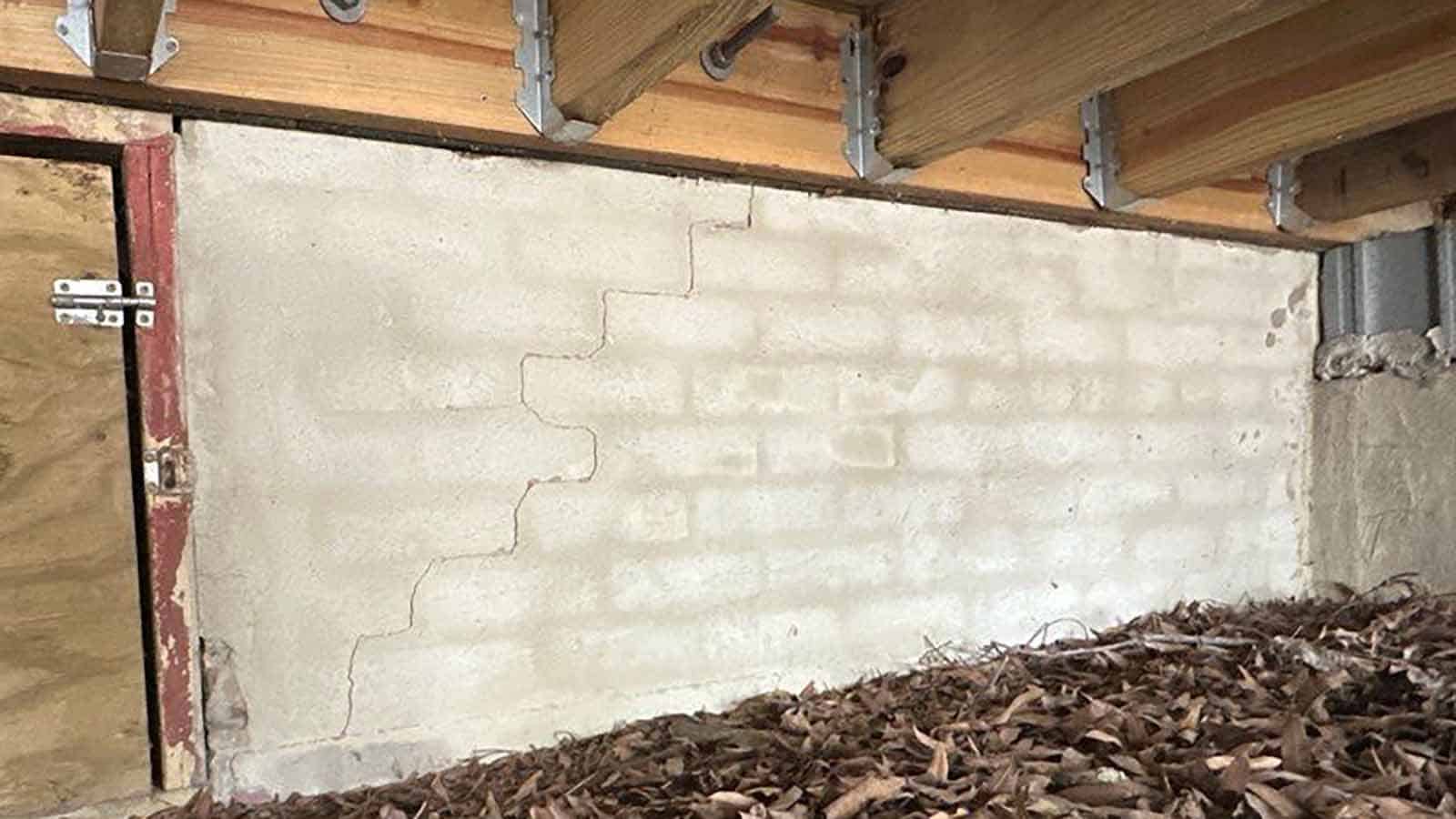
We look for settled supports, sagging or cracked framing, and soft or damp wood, and measure how level the floor is.
What a homeowner should understand about this repair, explained in plain language.
Would You Like the Guide by Email?
The Homeowner's Guide to Crawl Spaces, sent free to your inbox.
Free Homeowner Guide
The Homeowner’s Guide to Crawl Spaces
Where crawl space moisture comes from, a checklist of the signs, and how repair and encapsulation work.
HydroHelp911
North and South Carolina
Free Guide
Get the Free Crawl Space Guide
A free guide for homes in North and South Carolina: where crawl space moisture comes from, the signs worth writing down, and how crawl space repair and encapsulation work, in plain language.
A crawl space checklist to walk your home with
Where crawl space moisture comes from, from the mountains to the coast
How a vapor barrier and full encapsulation differ
Questions to ask about a crawl space estimate
Check your inbox
Your guide is on its way. If it has not arrived in a few minutes, check your spam folder, then add us to your contacts so the next one lands where it should.
A crawl space inspection is where every HydroHelp911 crawl space project begins. The idea is simple: a crawl space cannot be fixed correctly until you understand what is happening under the home.
Soft or sloping floors, musty odors, high indoor humidity, and rising energy bills are symptoms, and the same symptom can have different causes. A floor that sags in one area might be a settled pier, a beam rotted by years of dampness, or soil washed out from under a footing. Allergy symptoms worse at home might trace to ground vapor, humid air through open vents, or standing water.
Where a Foundation Inspection Looks
1Outside: cracks in brick or block, and gaps where a chimney or porch meets the house.
2Inside: drywall cracks at door corners, and doors and windows that stick or will not latch.
3The floors: whether they slope or bounce.
4Under the home: the piers, beams and joists in a crawl space, and signs of moisture.
5The soil and setting: clay that moves with the seasons, sandy soil and a high water table, or a hillside.
CH 02
What Happens During a Crawl Space Inspection?
We get into the crawl space and look at the whole picture. We check the piers, beams, joists, and subfloor for settlement, sagging, and wood rot, and we assess the moisture conditions: standing water, damp soil, condensation, humidity levels, the state of any vapor barrier and insulation, and where water is getting in.
We trace which of the four common moisture sources are at work, ground vapor, outdoor humidity, condensation, and drainage intrusion, because the fix depends on the source. We also account for your area: the clay and humidity of the Piedmont, hillside runoff around Asheville, the high water table near Wilmington and Brunswick County, sandy Sandhills soils, or the foothill clay and humid summers of the SC Upstate and Midlands.
CH 03
What Do You Receive After a Crawl Space Inspection?
You receive written documentation, typically an estimate with photographs of what the inspector found. Videos are provided if you ask for them, and where floors have moved, the inspection can include elevation measurements that show how far.
Many homeowners find the photos the most useful part, since few people ever see their own crawl space. If you choose to, you are welcome to share the documentation with your insurance carrier.
How Should You Prepare for a Crawl Space Inspection?
Very little preparation is needed. It helps to make sure the inspector can reach the crawl space door, which may mean moving stored items, plants or a grill from in front of it. If the access is inside the home, through a closet floor or a hatch, clearing a path to it helps too.
It also helps to note what you have noticed and when: a musty smell that is stronger in summer, a soft spot in the floor, or water after storms. Those details help the inspector connect what is happening under the house to what you see upstairs.
CH 05
How Often Should a Crawl Space Be Inspected?
There is no single schedule for every home. A crawl space that has had moisture or structural work is checked once a year through the annual maintenance program, which is $250 a year and keeps several warranties in force.
For a crawl space that has never been looked at, an inspection makes sense when you notice a change, such as a new smell, a soft or sloping floor, condensation on vents, or water after storms.
Watch
Do You Have to Go Into the Crawl Space for an Inspection?
1,300+verified Google reviews (4.9 stars)
Since 2017Serving the Carolinas
Eightlocal offices
Why Choose HydroHelp911
Care and Expertise From a Team Serving the Carolinas Since 2017
HydroHelp911 handles crawl space repair and related structural and moisture work across North and South Carolina. Every repair recommendation starts with a free inspection of the whole home.
01
Trained inspectors, not salespeople.
An inspector looks at your home, finds the source of the problem, and explains each finding in plain language. There is no obligation.
02
Locally owned in Gaston County.
We are headquartered in Dallas, North Carolina, with eight offices across North and South Carolina.
03
Serving the Carolinas since 2017.
Foundation repair, crawl space repair and encapsulation, basement waterproofing, framing repair, and concrete leveling are the whole focus of the team.
04
Rated 4.9 stars on Google.
We have 1,300+ verified Google reviews (4.9 stars) from homeowners across the Carolinas and are BBB A+ Accredited.
05
Written warranty terms.
For example, helical and push piers carry a lifetime warranty that no additional settlement will occur in the area of installed piers, once the final invoice is paid in full. Read the warranty terms.
06
Financing is available.
Ask your inspector about financing when you get your written estimate. See financing options.
Cory ParksOWNER & PRESIDENT
Recent Work
Recent Crawl Space Projects
Finished crawl space jobs from our crews, photographed on site. Open any project to see the full photo set and what we did.
Answer three quick questions about your home. We'll match what you see to the most likely cause and point you to the right next step.
1
Symptom
2
History
3
Your Result
Location: Crawl Space
What Are You Seeing in Your Crawl Space?
Pick the symptom that best describes it.
Frequently Asked Questions
Common Questions About Crawl Space Inspection
Don't see your question here? Call or fill out our quick online form, and our team will help.
We get into the crawl space and assess both structure and moisture. On the structural side we check the piers, beams, joists, and subfloor for settlement, sagging, and wood rot. On the moisture side we look at standing water, damp soil, condensation, humidity, the condition of the vapor barrier and insulation, and where water is entering. We also factor in your area's soil and climate, then explain what we found and what is causing it.
There is no fixed schedule for a crawl space that is sealed and showing no signs, but it is worth an inspection any time you notice new symptoms, such as soft or sloping floors, musty odors, rising humidity, or higher energy bills, or after water gets into the crawl space. An inspection shows you where things stand so you can plan with clear information.
Beyond the obvious dampness, an inspector reads for the cause behind the symptoms: which of the four moisture sources, ground vapor, outdoor humidity, condensation, or drainage intrusion, is at work, the condition of piers, beams, and joists, signs of settlement or wood rot, and the state of the vapor barrier and insulation. The goal is to connect the symptoms to a root cause in the soil, moisture, and structure, since that determines what work is actually warranted.
There is no cost. HydroHelp911 crawl space inspections are free, and there is no obligation to buy anything afterward. The point of the visit is a diagnosis, with the findings explained plainly whatever they turn out to be.
It can help. Many of the larger crawl space repairs, such as widespread wood rot, failed supports, and sagging floors, develop gradually from moisture that goes unmanaged. An inspection shows where the moisture is coming from and what it has affected so far, so you can plan the right repair with clear information.
Pricing & Scope
What Happens After the Free Inspection?
The inspection is free. Your inspector explains what they found in plain language, and when a repair is needed you receive a written estimate at no cost.
How Pricing Works
The crawl space inspection is free. If the inspection finds work worth doing, you receive a written estimate for it at no cost, and you decide at your own pace.
When Is This Not the Right Fix?
If the inspection shows your home does not need this repair, the inspector will tell you.
What Does the Free Inspection Include?
Your inspector explains every finding in plain language, and you get written documentation at no cost, typically an estimate with photographs.
Two ways to start. Both are free, with no obligation.