
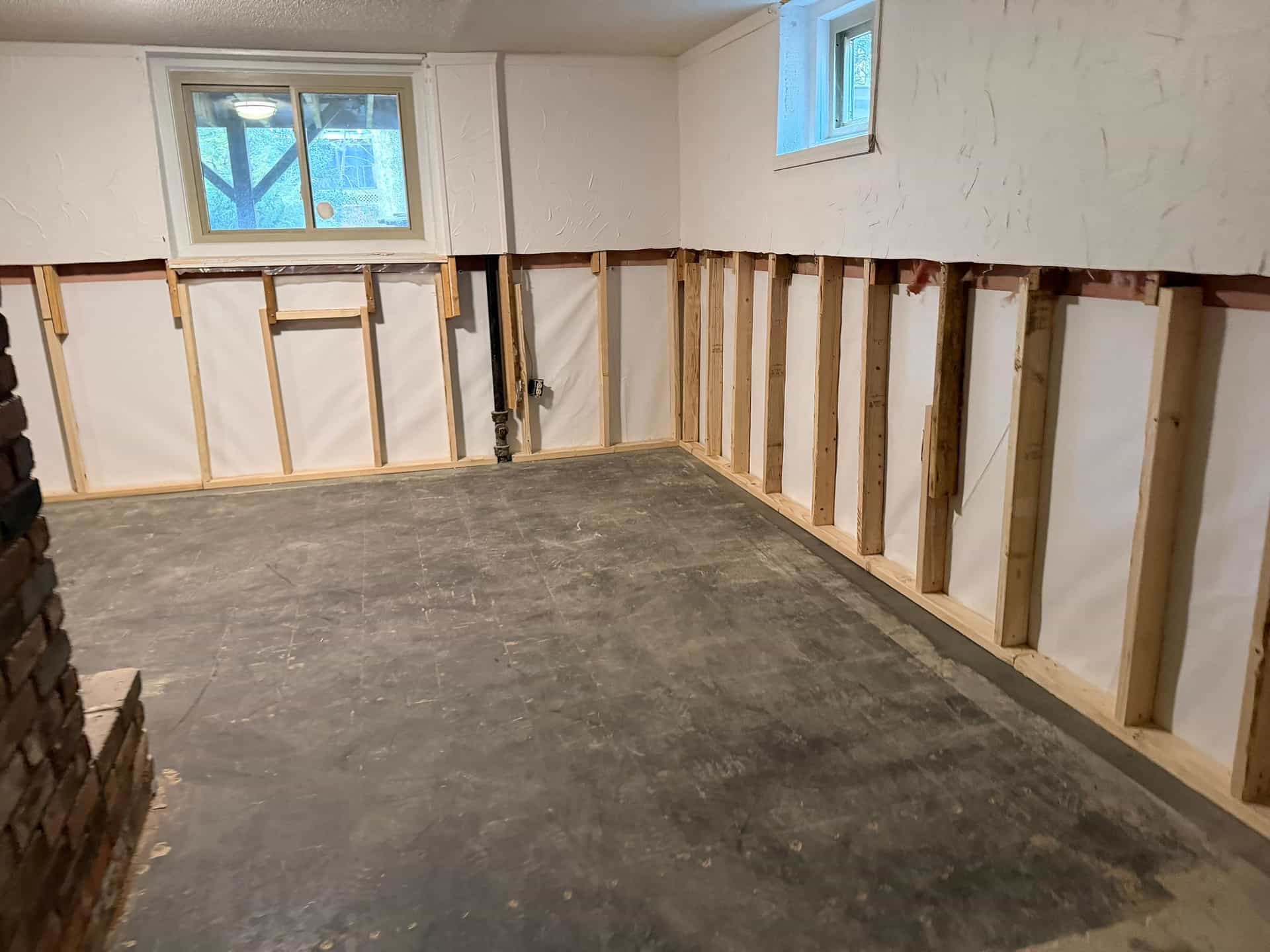
Basement Vapor Barriers: Holding Ground Moisture Back at the Walls
Even a basement with no standing water can feel damp, because moisture in the surrounding Carolina soil moves through concrete and block as vapor. A vapor barrier is the layer that resists moisture and holds that ground humidity back at the wall and floor. We confirm it is what your basement needs before we install anything.
Get a Free Inspection
Two ways to start. Both are free, with no obligation.
Pick your own day in our calendar. You save $250 if you go ahead with the work.
Send a short form, and our office will call to book a time that suits you.
For new customers who book online through our website and then sign a contract.
What to Know About Vapor Barriers
A vapor barrier is a continuous layer that resists moisture, fixed to the basement walls and, where appropriate, the floor. Ground humidity that would otherwise migrate through porous concrete and block is held at the surface and does not seep into the room. Any gap lets moisture through, so the aim is an unbroken layer that keeps working through the Carolina wetting and drying cycles with no moving part.
With the vapor held back, the air stays drier and condensation has less moisture to form from. Persistent dampness in our humid climate is what leaves a basement clammy, drives window condensation, produces the musty smell of air that never fully dries, and slowly damages finishes and stored belongings.
A vapor barrier handles vapor. Where liquid water is entering, an interior drainage system and a sump pump capture and remove it, and where a single crack is the entry point, crack repair seals it. The inspection separates humidity from seepage, so the work fixes the problem your basement actually has.
The symptoms that usually lead to a vapor barrier are on the basement waterproofing problem signs page, alongside the other signs that point to the same underlying cause.
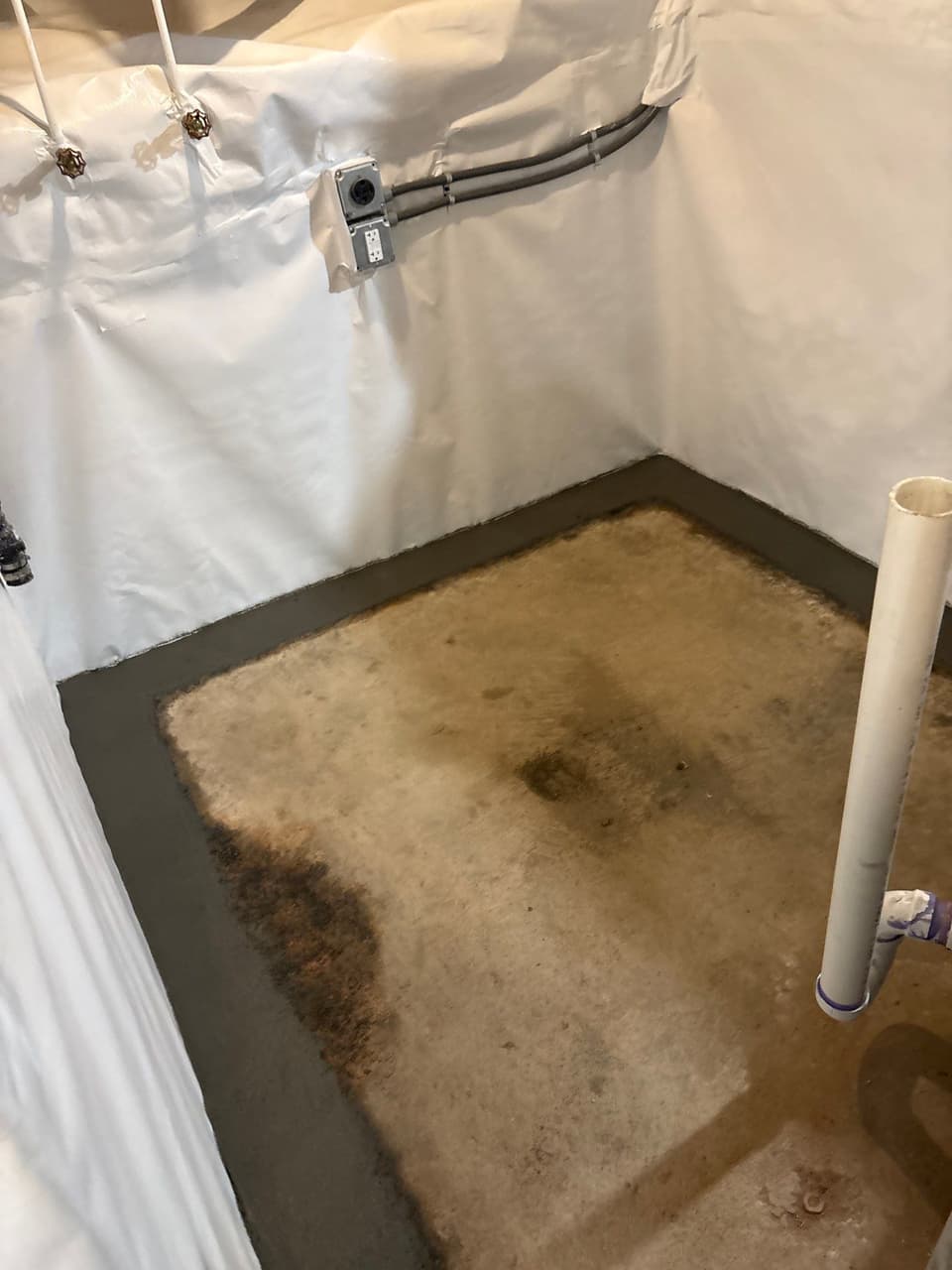
How We Install a Basement Vapor Barrier
Inspection and Moisture Diagnosis
We start in the basement and find where the moisture is coming from: ground vapor through the walls and floor, humid air, condensation on cooler surfaces, or liquid water at the wall or the cove joint where wall meets slab. In Piedmont clay around Charlotte and Greensboro, saturated coastal soils near Wilmington, or damp mountain hillsides around Asheville, the source shapes the plan. If the real issue is flowing water, we will tell you.
Explain the Plan and How the Barrier Fits
A vapor barrier handles humidity, but a basement with active water intrusion needs more than a barrier to stay dry. We walk you through whether the barrier stands alone or pairs with interior drainage, a sump pump, or crack repair, and exactly what the work involves, so you have a clear picture and a clear scope before anything begins. There is no obligation to add more than your basement actually requires.
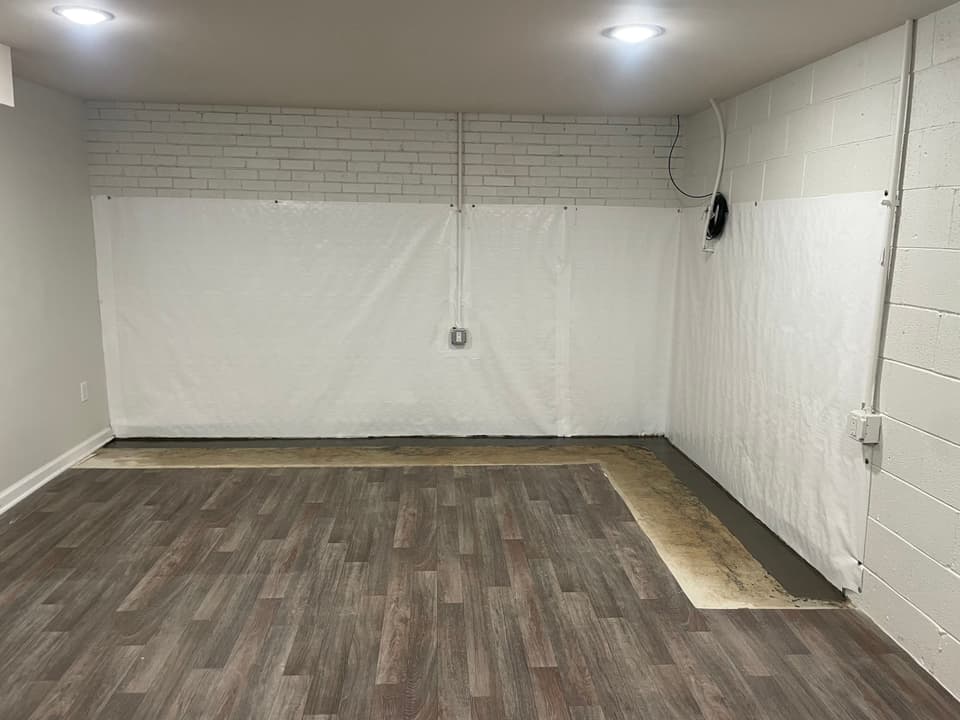
Prepare the Basement Walls and Floor
Our crew prepares the walls and, where appropriate, the floor so the barrier bonds to a clean, sound surface. Proper preparation is what lets the barrier form a continuous layer, which is the difference between a surface that holds ground vapor back and one that lets moisture slip through at the edges or gaps.
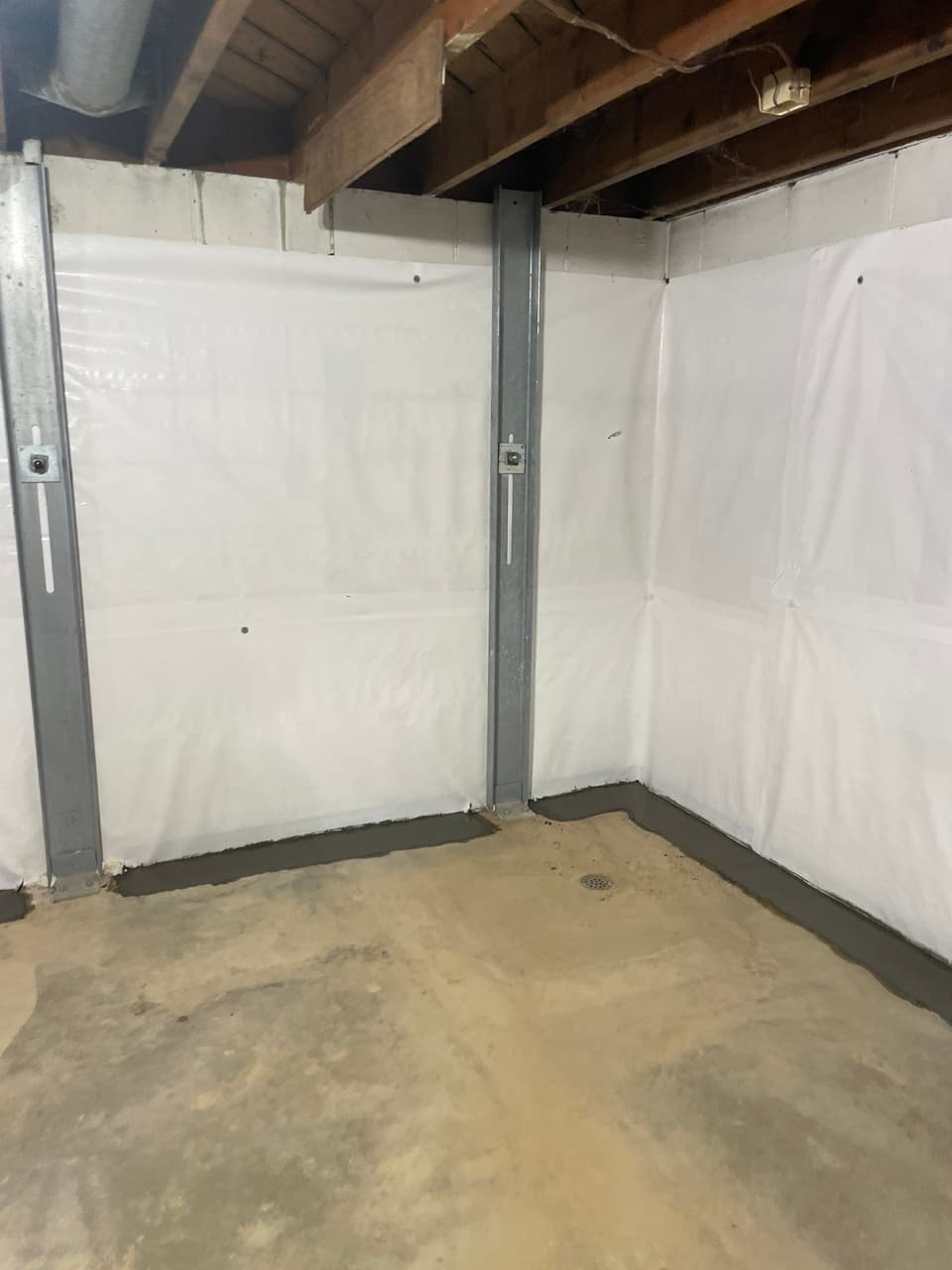
Apply the Vapor Barrier as a Continuous Layer
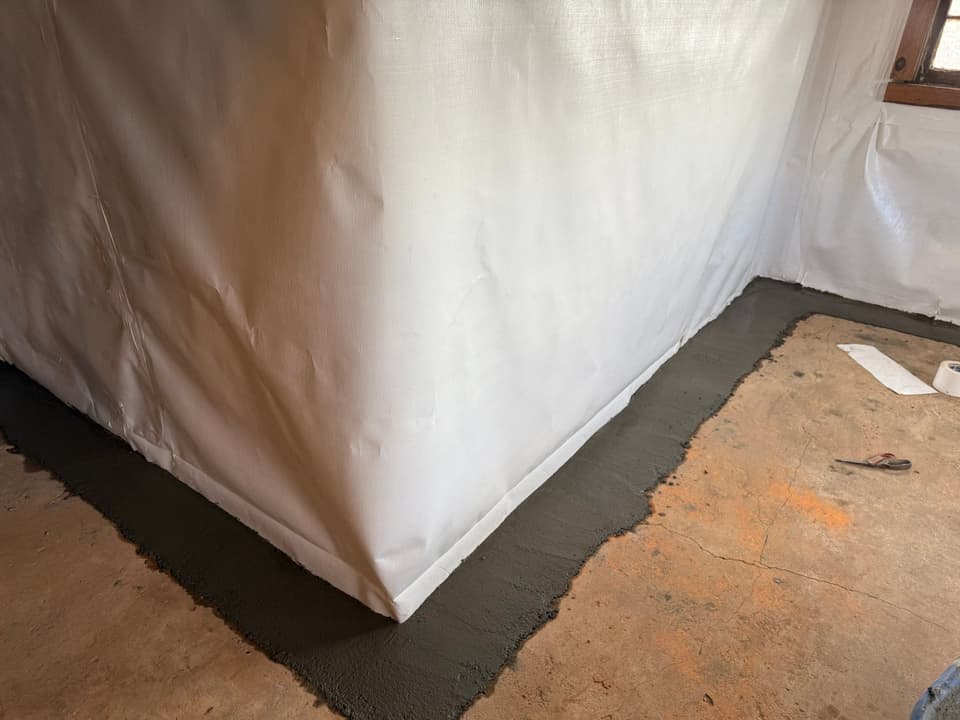
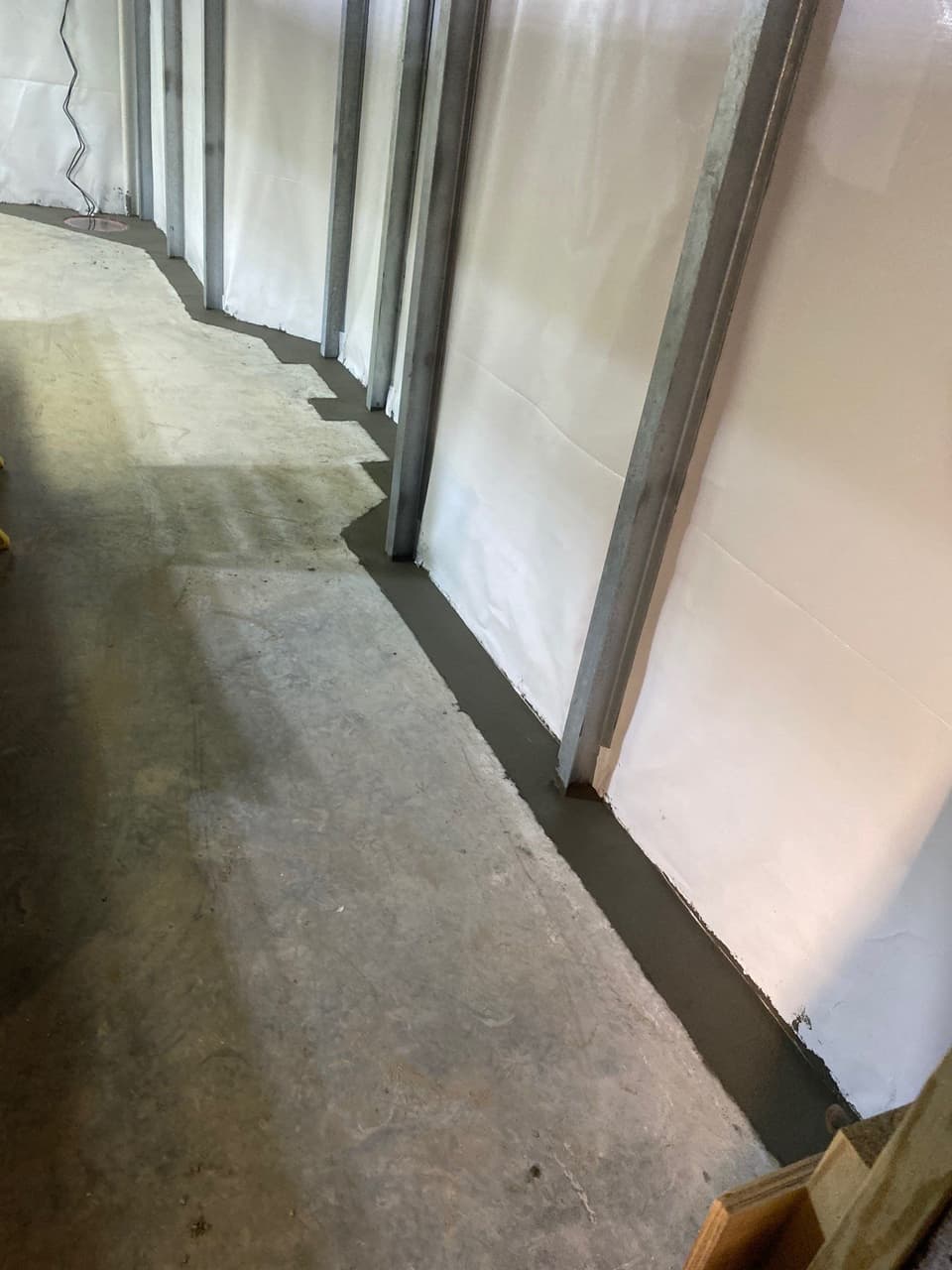
We apply a vapor barrier that resists moisture across the basement walls and, where it fits the plan, the floor, creating an unbroken surface that ground humidity cannot pass through. The goal is complete coverage of the areas where vapor migrates in, so the moisture is held back at the foundation and does not enter the room and raise the humidity.
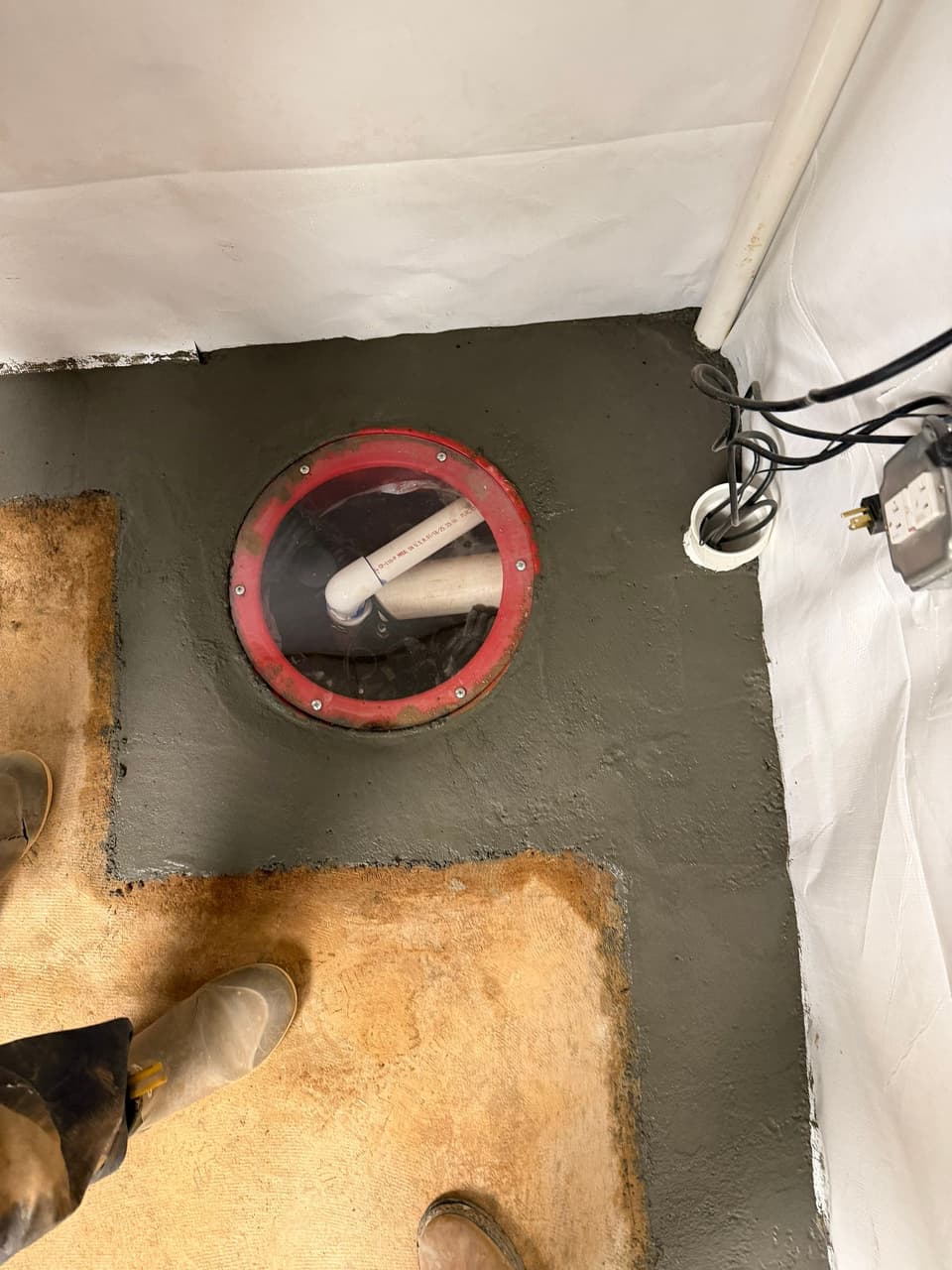
Verify Coverage, Clean up, and Review
We confirm the barrier covers the surfaces it needs to and that there are no gaps left for vapor to pass through, then clean the work area and review the finished result with you. We also go over how the barrier fits with any drainage, sump pump, or crack repair that protects it, so you understand how your basement stays dry and comfortable going forward.
Vapor Barriers on Our Job Sites
Photos from our own crews and projects. Swipe or use the arrows to see more.
Care and Expertise From a Team Serving the Carolinas Since 2017
When the fix is a vapor barrier, our own crews do the work. HydroHelp911 handles basement waterproofing and related structural and moisture work across North and South Carolina.
An inspector looks at your home, finds the source of the problem, and explains each finding in plain language. There is no obligation.
We are headquartered in Dallas, North Carolina, with eight offices across North and South Carolina.
Foundation repair, crawl space repair and encapsulation, basement waterproofing, framing repair, and concrete leveling are the whole focus of the team.
We have 1,300+ verified Google reviews (4.9 stars) from homeowners across the Carolinas and are BBB A+ Accredited.
For example, helical and push piers carry a lifetime warranty that no additional settlement will occur in the area of installed piers, once the final invoice is paid in full. Read the warranty terms.
Ask your inspector about financing when you get your written estimate. See financing options.

Common Questions About Vapor Barriers
Don't see your question here? Call or fill out our quick online form, and our team will help.
A vapor barrier blocks ground moisture from entering the basement as humidity. Moisture in the surrounding soil moves through porous concrete and block as water vapor, even when no liquid water is leaking in. The barrier is a layer that resists moisture, applied to the walls and, where appropriate, the floor, creating a continuous surface that vapor cannot pass through. The moisture is held back at the wall and floor and does not raise the humidity inside the basement, which keeps the space drier, easier to control, and less prone to the musty, clammy feel that constant dampness causes.
Which Basement Waterproofing Problem Signs Can a Vapor Barrier Help With?
A sign can trace to more than one cause. These are the basement waterproofing signs that can point to a cause this method addresses; the inspection shows which cause is at work in your home.
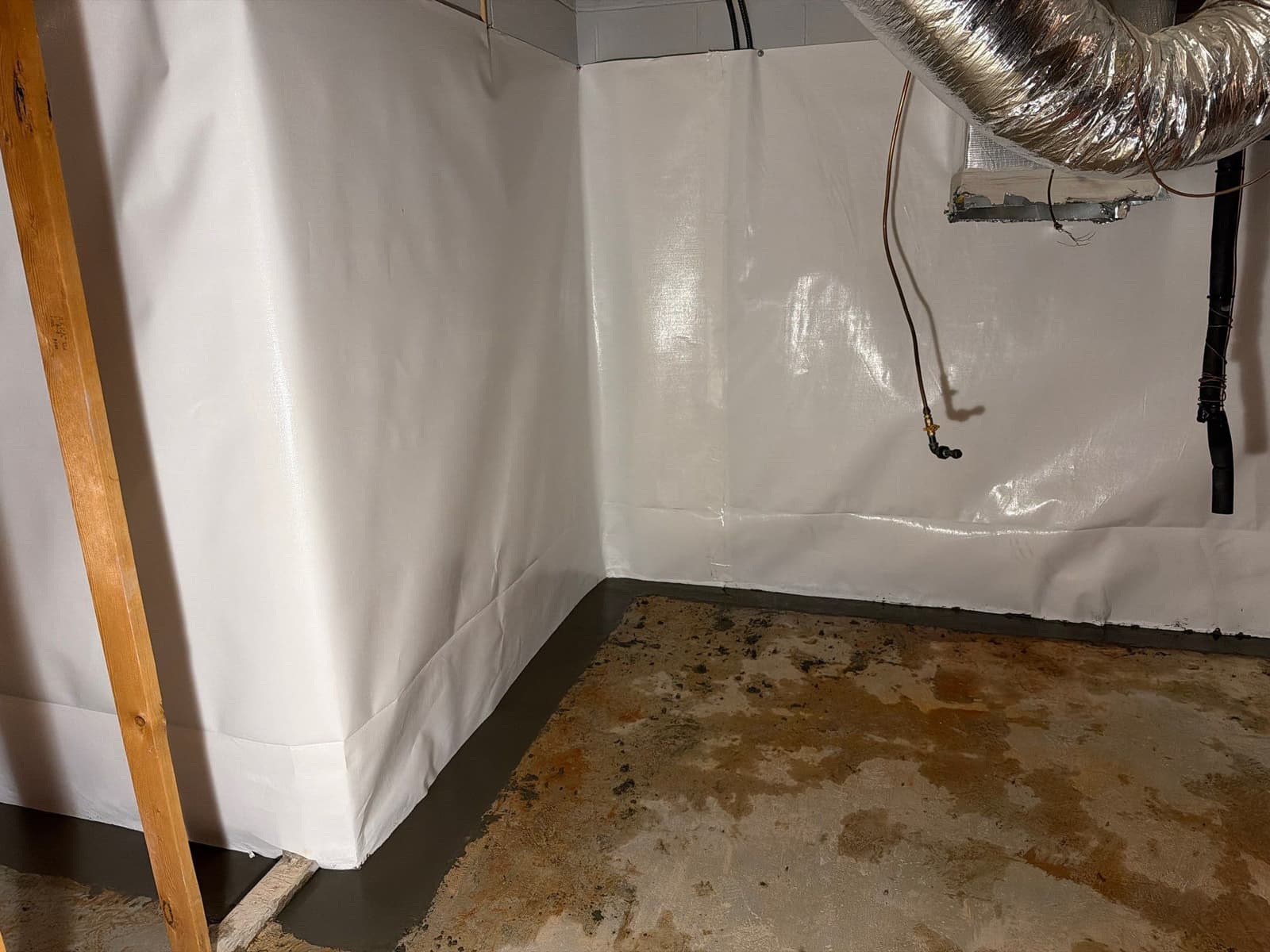
Musty Odors
In a Carolinas home, a stale, earthy odor usually traces to a damp basement, where humid air, wet walls, and microbial growth on cool surfaces send the smell up into the living space.
Learn More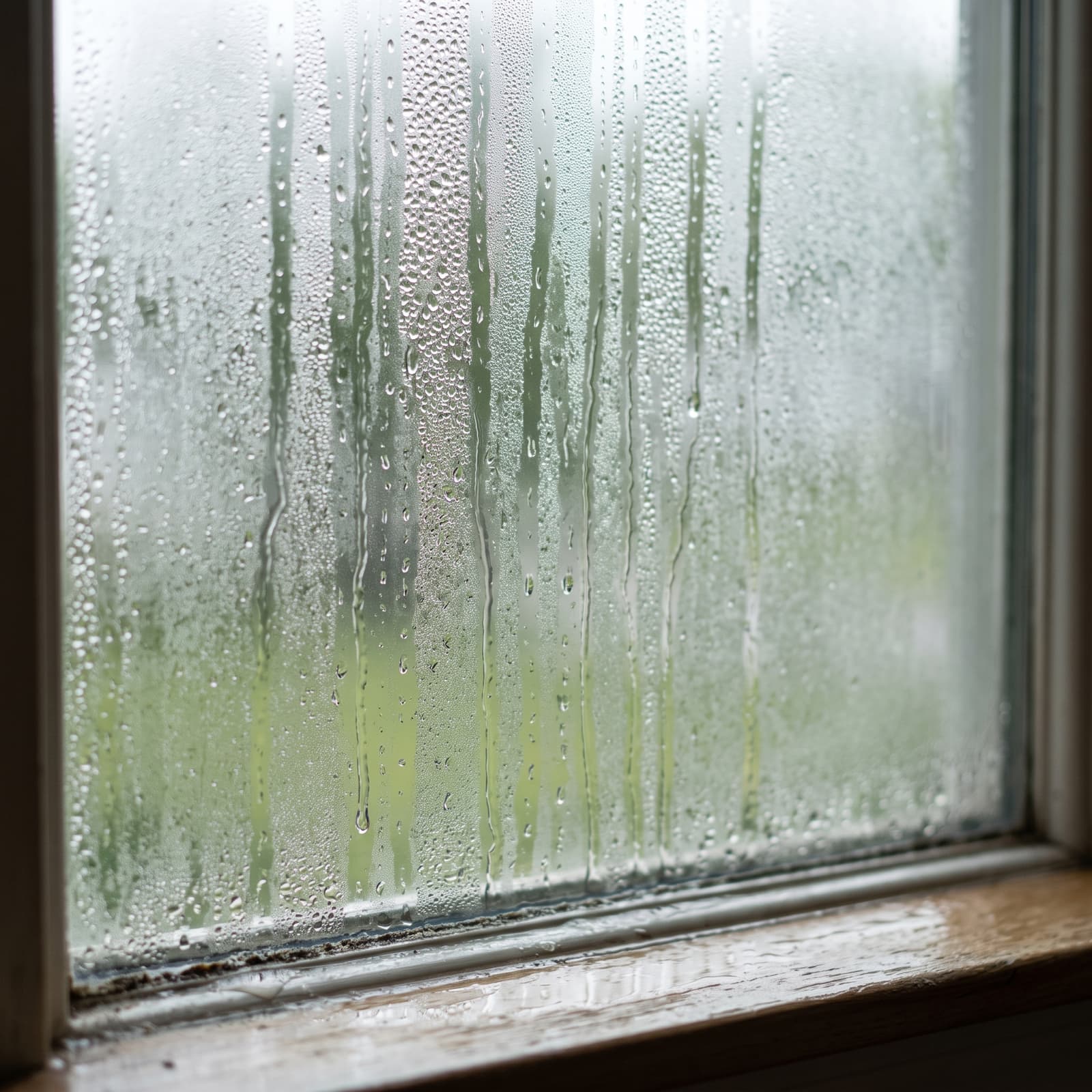
Condensation on Basement Windows
When humid basement air meets the cooler glass of a window below ground, water beads on the surface.
Learn More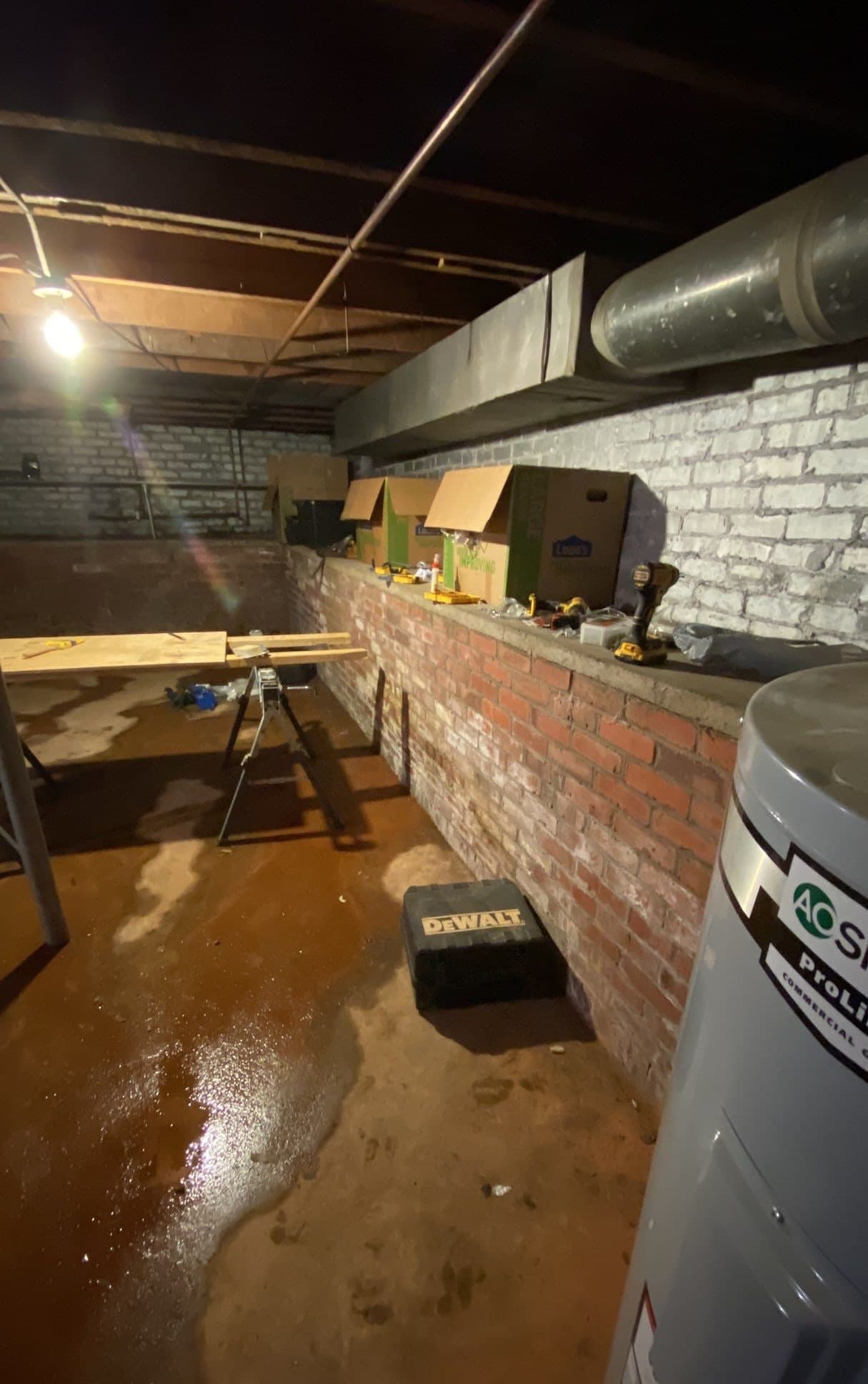
Efflorescence
Those chalky white deposits on a block or concrete wall are a record that water has been moving through the masonry and evaporating at the surface.
Learn More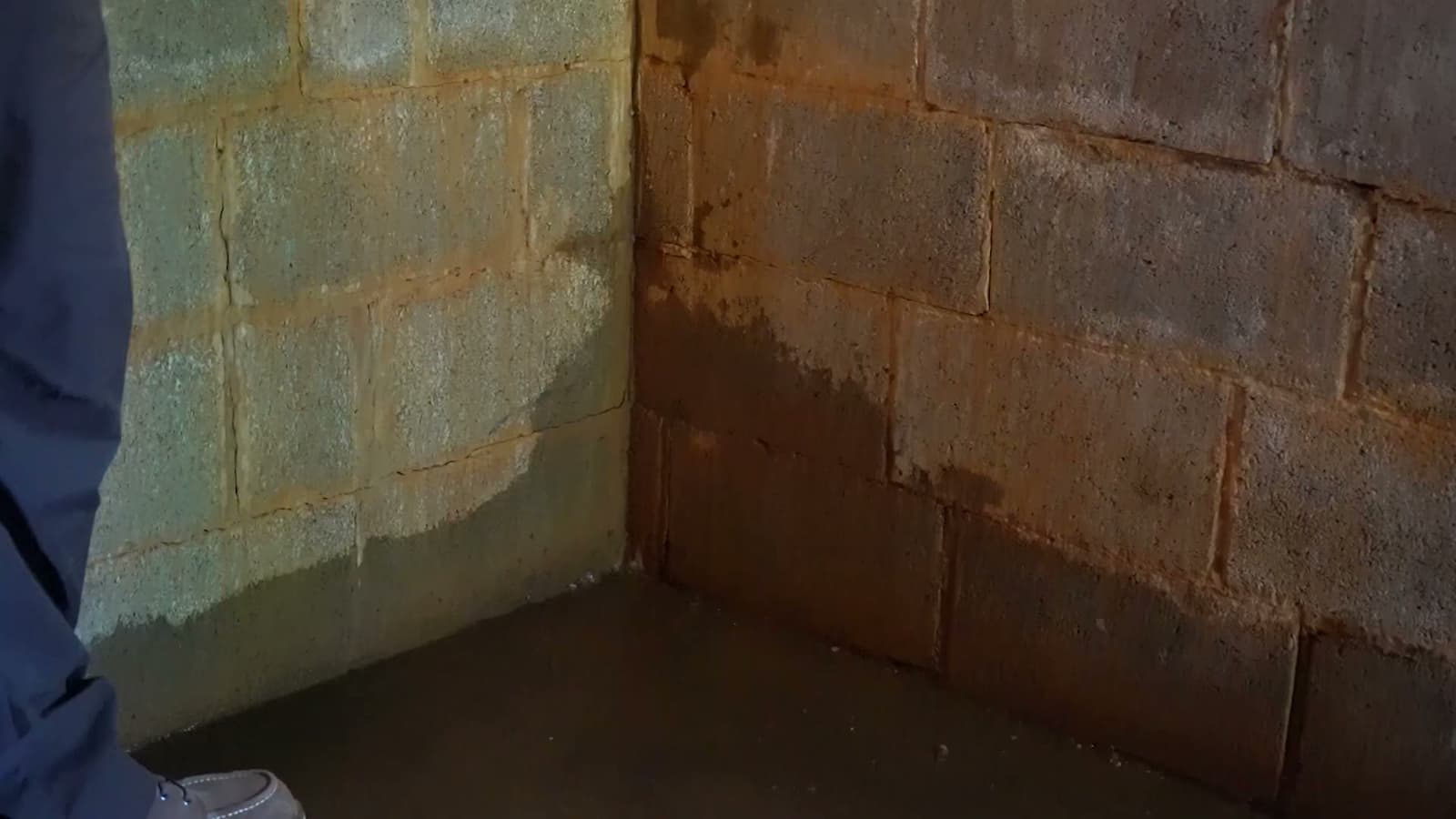
Wet Basement Walls
When the soil around a basement stays saturated, the water held against the wall builds pressure and finds the weakest path in, often the seam where the wall meets the slab.
Learn More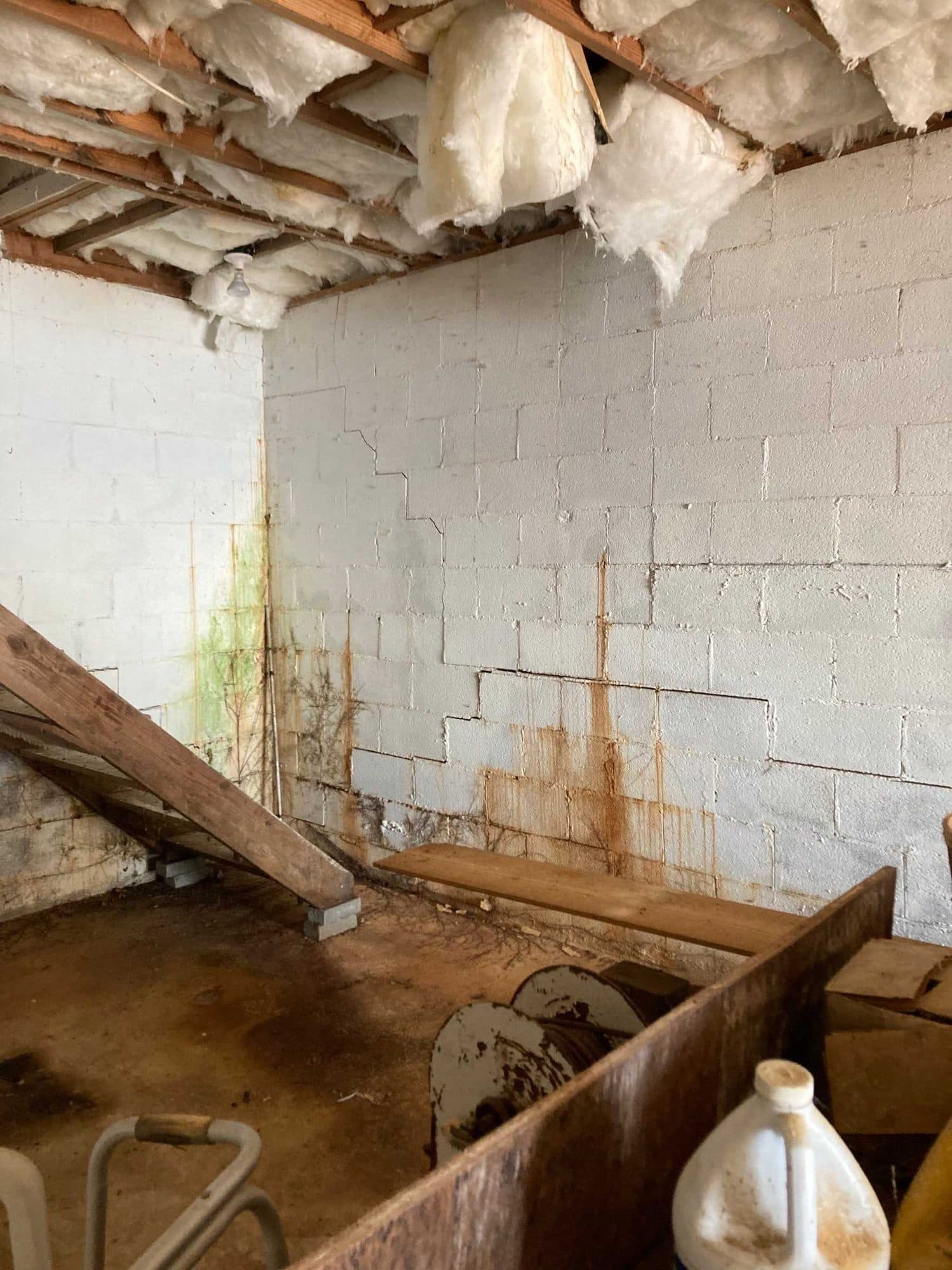
Peeling Paint or Wall Cracks
Paint that bubbles or flakes on a basement wall is telling you moisture is moving through the masonry.
Learn MoreOther Basement Waterproofing Solutions We Install
Each solution fits a different cause. The inspection shows which one your home needs.
Guides and Answers
A Guide About Vapor Barriers
An article from our team that goes deeper on this topic.
Crawl Space Repair
Is a Vapor Barrier Necessary?
A crawl space vapor barrier is often worth having in a humid climate.
1,300+ Verified Google Reviews (4.9 Stars)
Before you choose a contractor for a vapor barrier, read how homeowners across North Carolina and South Carolina rate our work.
How Do I Book a Free Inspection?
Pick your own time online, or fill out our quick online form and we will book a convenient time to assess your home, no cost, no pressure.
- A free inspection of your home
- Every finding explained in plain language
- A written estimate at no cost
- No obligation
Not Sure Which Service You Need?
A free inspection covers all of it: one visit, clear findings, and a written estimate at no cost.