CH 01
Why Are the Floors Above My Crawl Space Cold?
If the floors above your crawl space feel cold in winter, the crawl space is usually the reason. In a vented crawl space, outside air flows under the home, pulling heat out of the floors and making the heating system work harder. Piedmont winters around Charlotte, Greensboro, and Winston-Salem are cold enough that a poorly insulated crawl space shows up as cold floors and higher energy bills.
The same air movement works against you in summer, when humid outside air is drawn in. Cold floors over the crawl space are often the first sign homeowners notice, and the crawl space encapsulation solutions explain how sealing and insulation work together.
CH 02
What Are the Signs of Failing Crawl Space Insulation?
From inside the home, failing insulation usually shows up as cold floors in winter, rooms over the crawl space that are hard to keep comfortable, and energy bills that creep up. From under the house, it is easier to see.
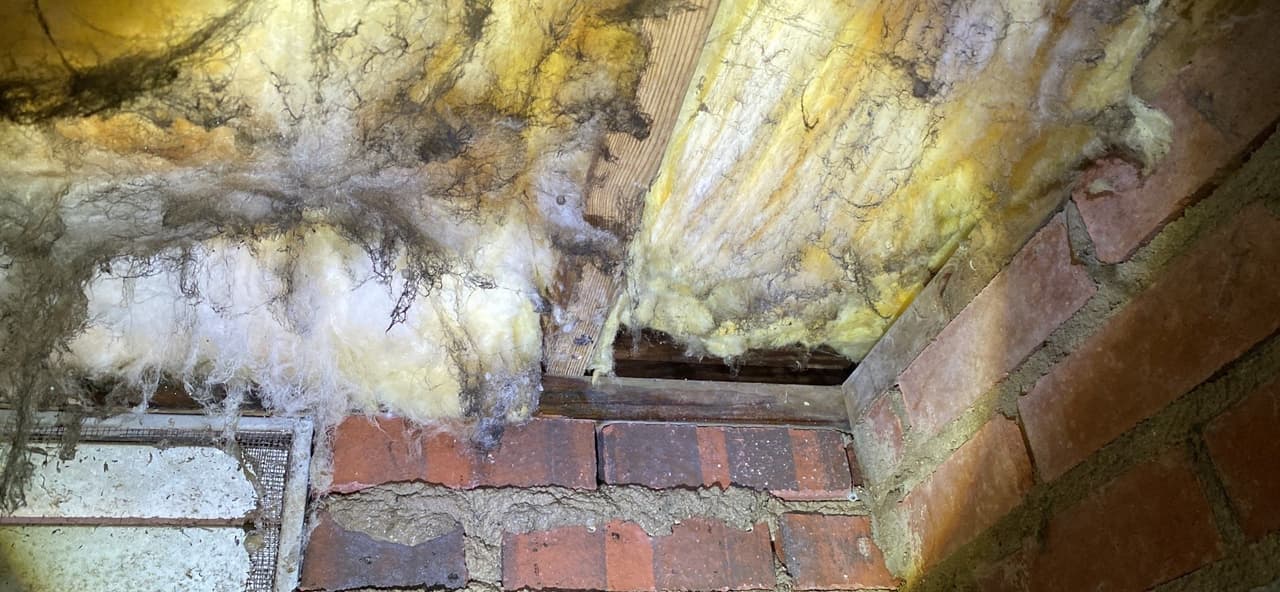
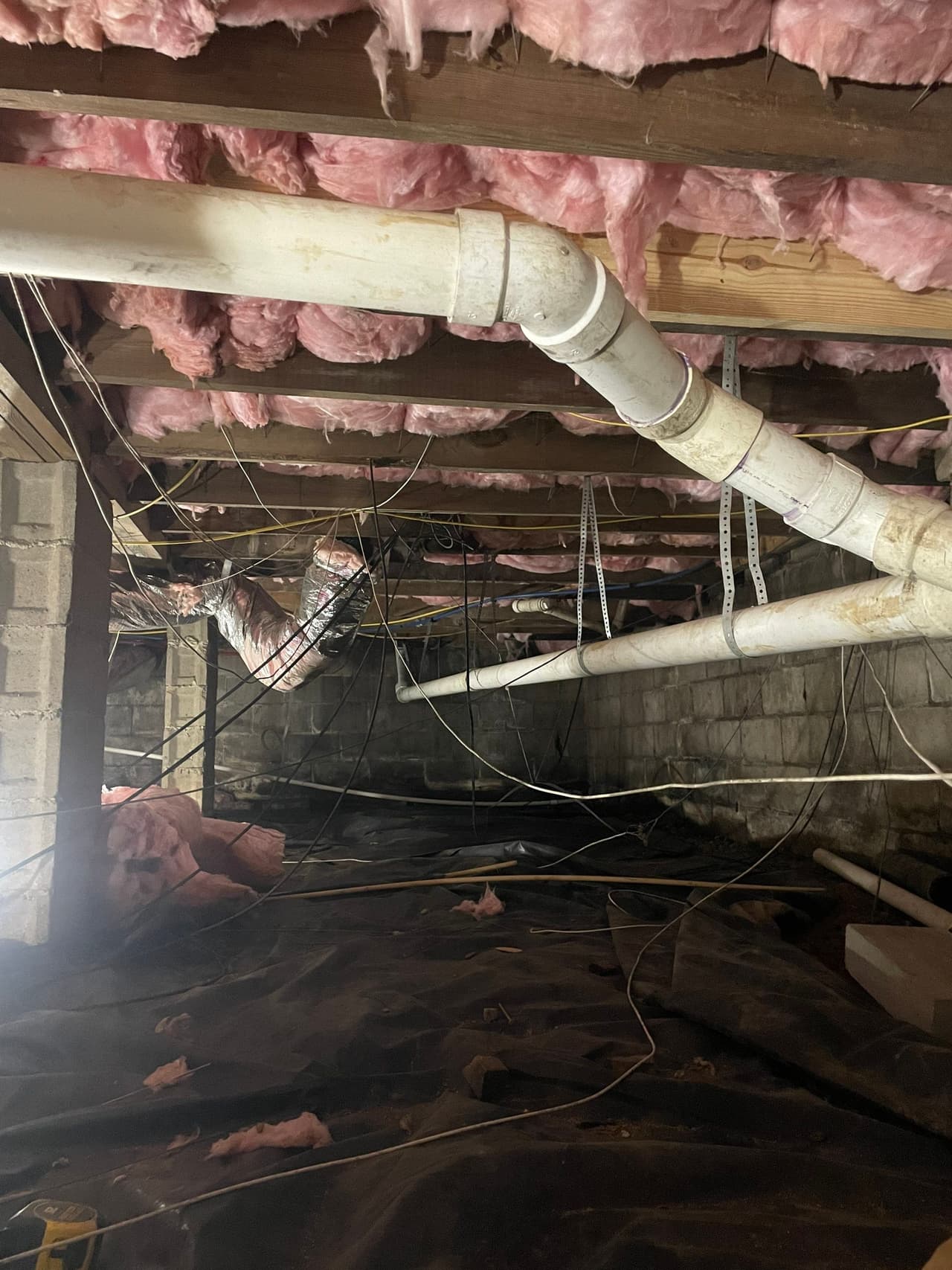
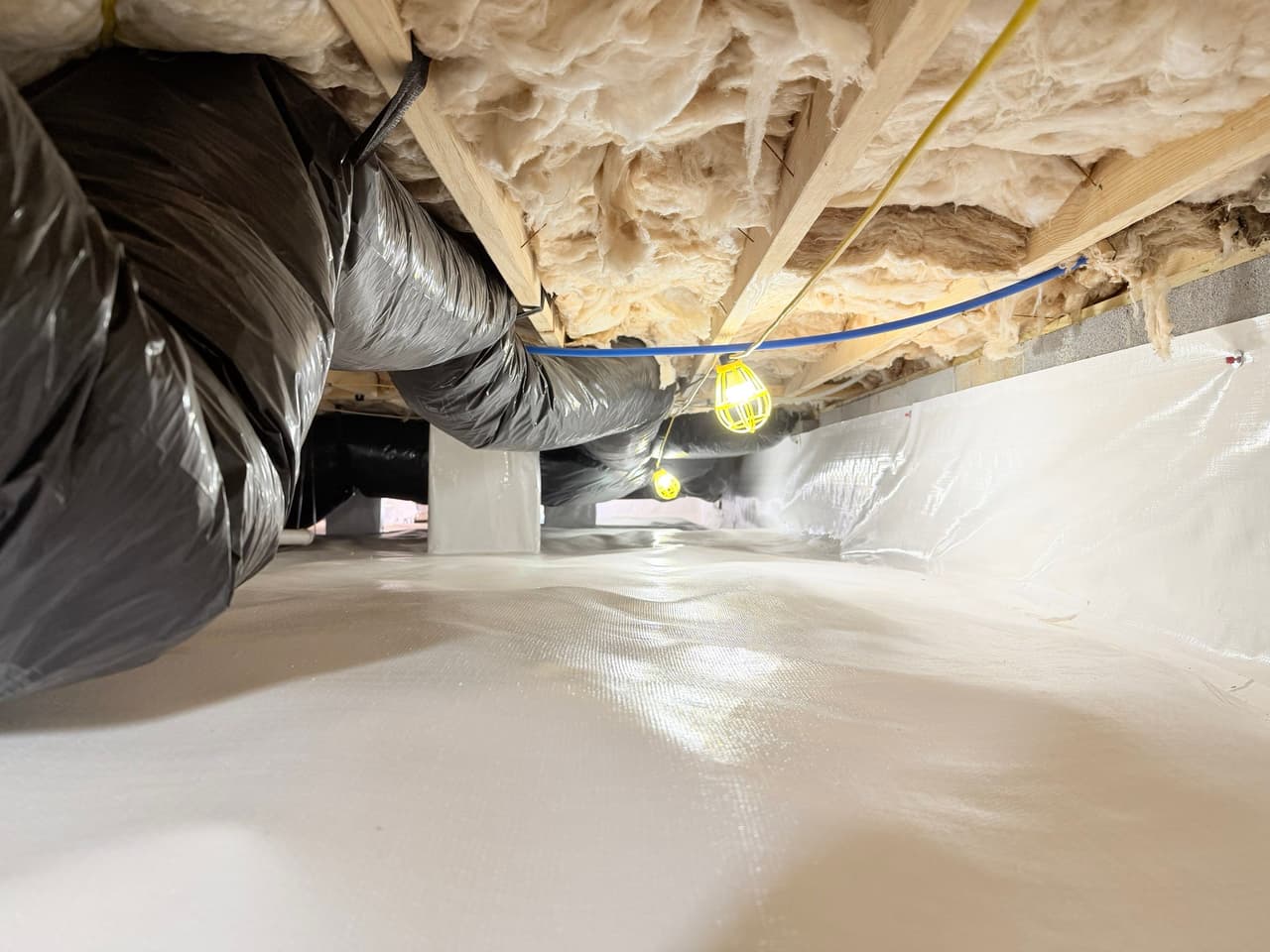
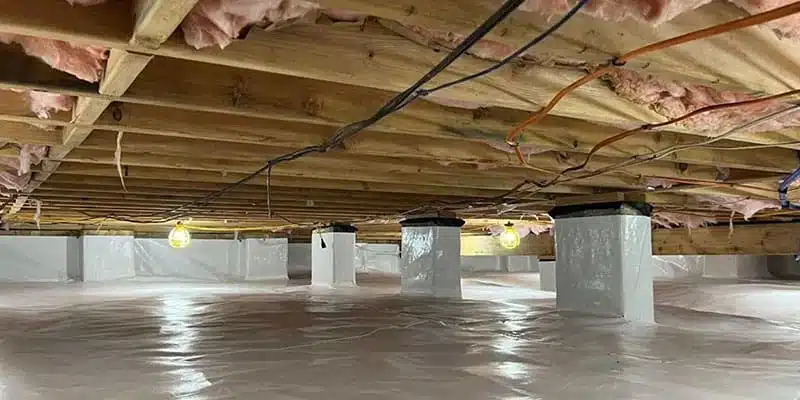
Fiberglass batts that have absorbed moisture turn dark, droop between the joists, and eventually fall onto the ground. Batts held up by wire supports can pull away from the subfloor and leave a gap that does little. Insulation that has been disturbed by animals is another common finding. Any of these is a sign the crawl space has a moisture or air problem as well as an insulation problem.
CH 03
Where Should Insulation Go in a Crawl Space?
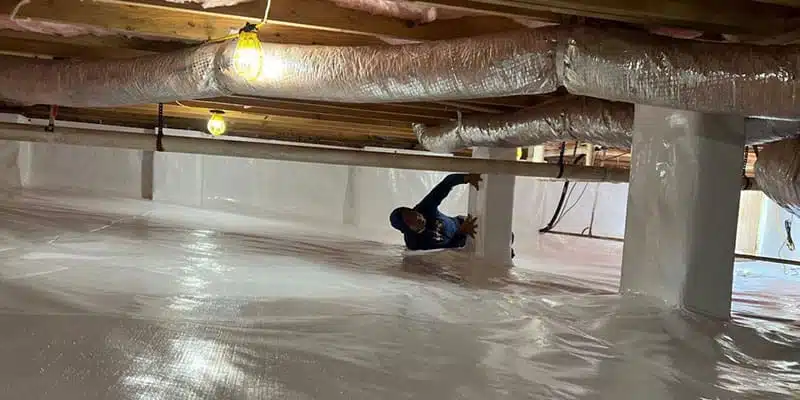
Where insulation goes depends on whether the crawl space is vented or sealed. In an encapsulated crawl space, where the vents are closed and the space is brought inside the moisture and thermal envelope of the home, insulating the foundation walls keeps the boundary continuous. In a crawl space that stays vented, insulation goes under the floor between the joists.
Old fiberglass batts are a common problem, because once they absorb moisture they sag, fall, and lose their value, so part of the work is often removing failed insulation first. The crawl space insulation solution walks through each step.
CH 04
Which Crawl Space Insulation Types Do Homeowners Ask About?
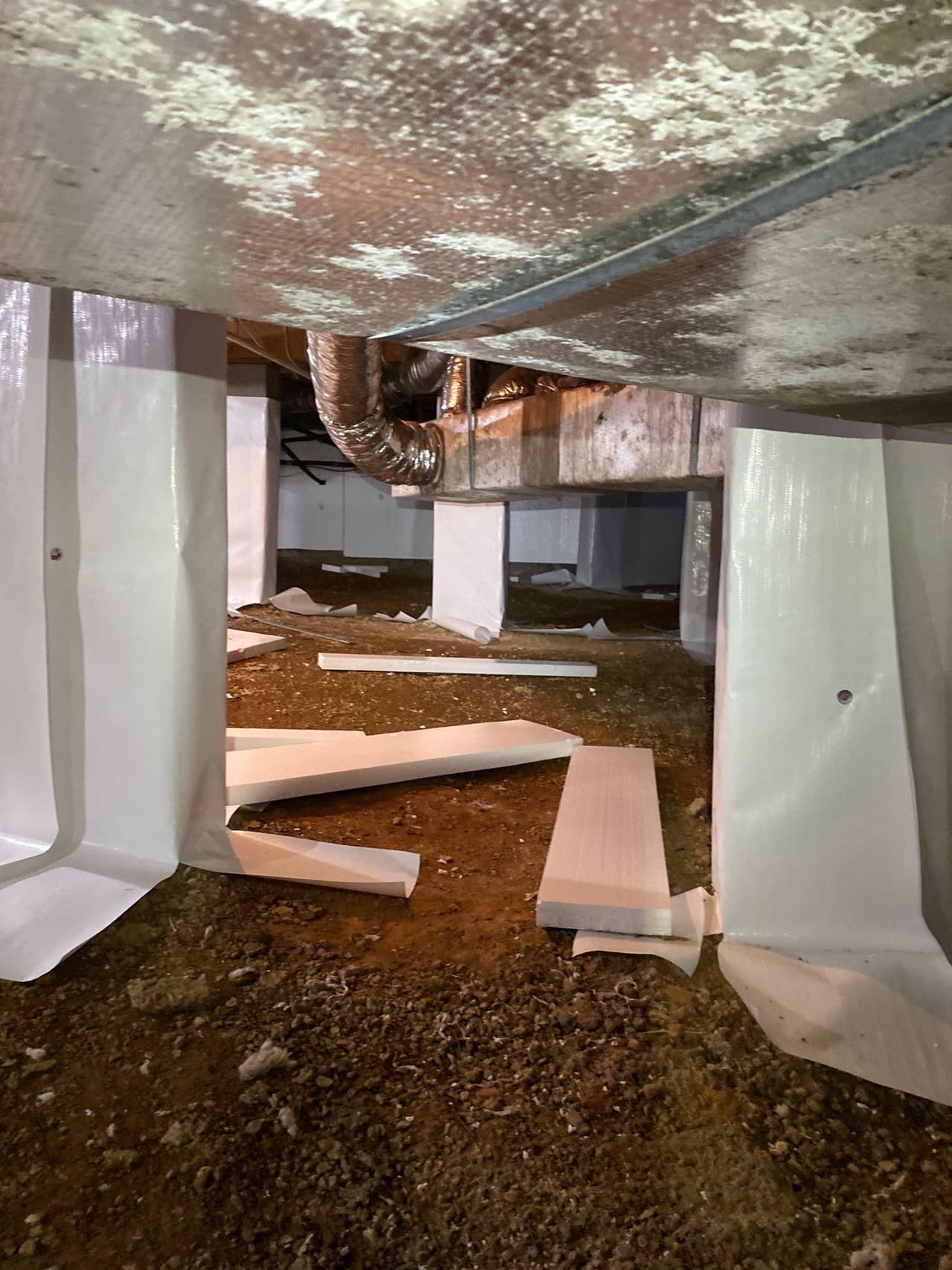
The three materials homeowners ask about most are fiberglass batts, rigid foam board, and spray foam. Fiberglass batts fit between the floor joists and are common in vented crawl spaces, but they absorb moisture and sag when the space is damp. Rigid foam board resists moisture and is a common choice on the foundation walls of a sealed crawl space.
Spray foam is a material some homeowners ask about. HydroHelp911 does not install or recommend it in crawl spaces, because it can trap moisture and it hides termite activity and wood rot from inspection. The right material for your home depends on whether the crawl space is sealed or vented and on its moisture conditions, which the inspection confirms.
CH 05
Why Does Insulation Need a Dry Crawl Space?
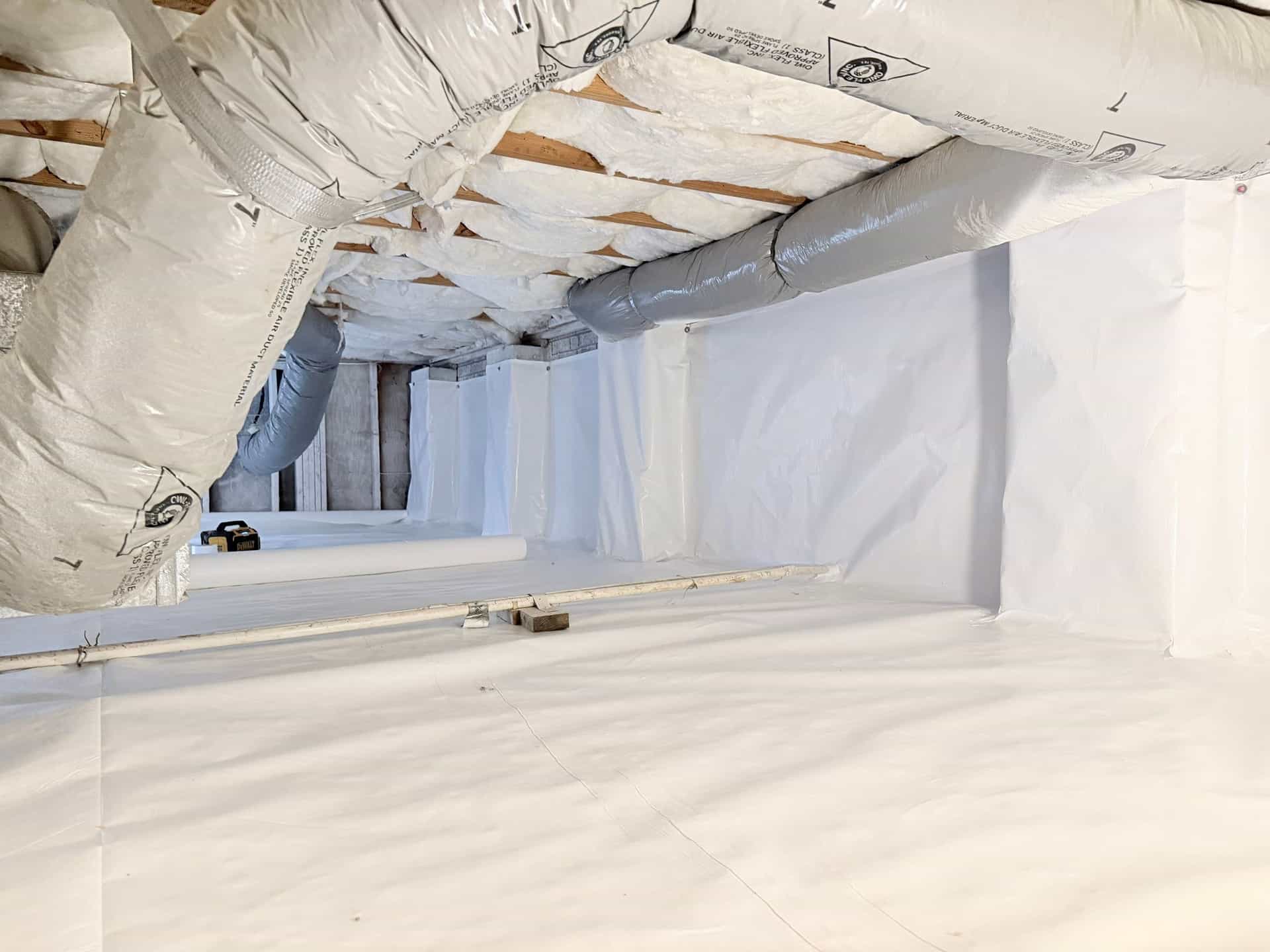
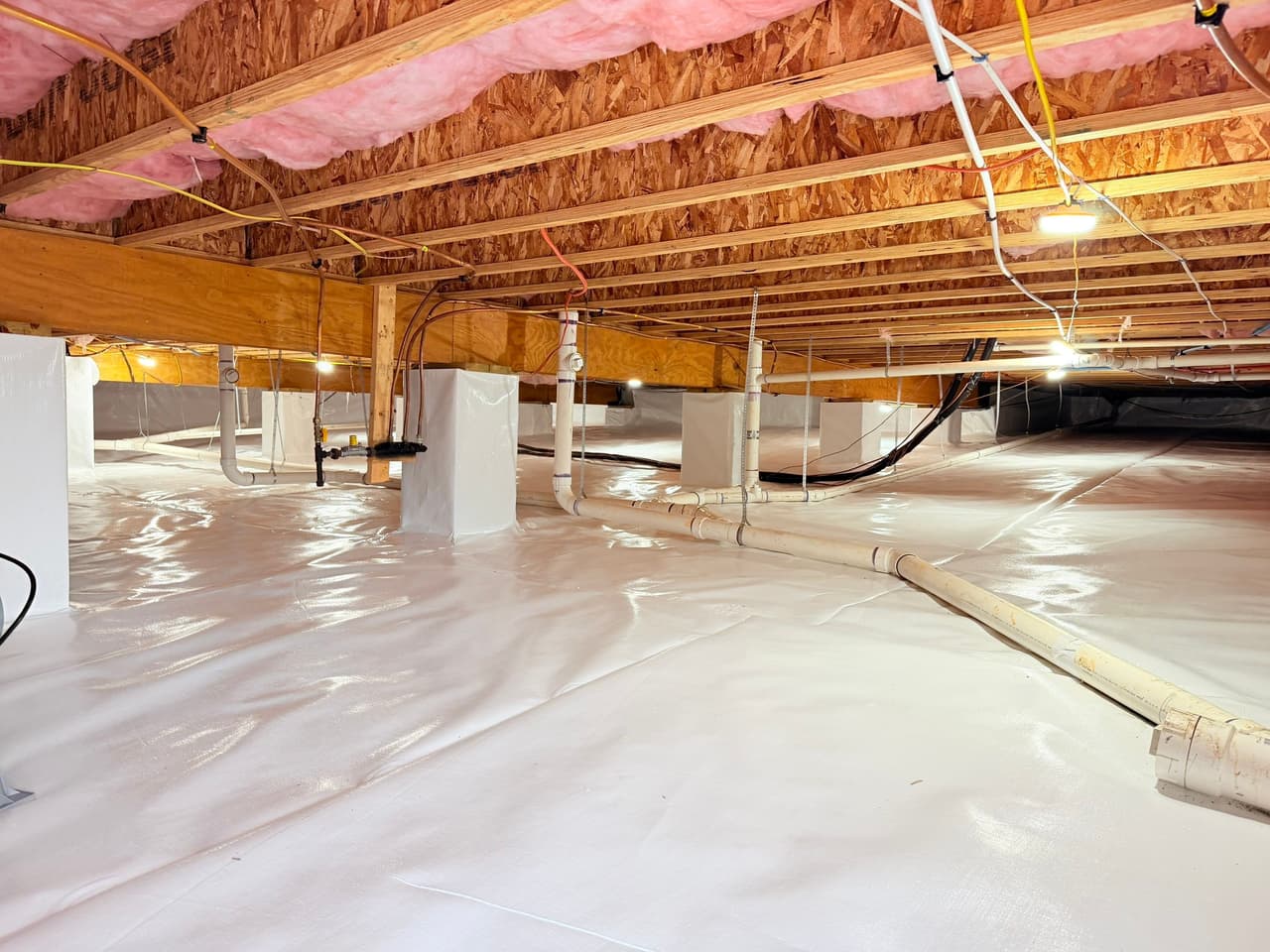
Insulation works best as part of a dry, controlled crawl space. Installing it in a space that is still damp invites the same moisture problems that ruined the original batts, so we address moisture first with a heavy crawl space liner and, where needed, vent sealing and humidity control.
During the inspection we look at how your crawl space is set up, whether existing insulation has failed, and what placement fits your home. Missing duct insulation can also show up as condensation around HVAC vents in summer.
CH 06
Do You Need Insulation After Crawl Space Encapsulation?
Insulation under the floor is there because a vented crawl space is open to outside air. Once a crawl space is encapsulated and air sealed with a dehumidifier, the space is closed off from that air, and a homeowner who did not put insulation back would still see a benefit right away. In that sense insulation is technically no longer needed once the space is sealed.
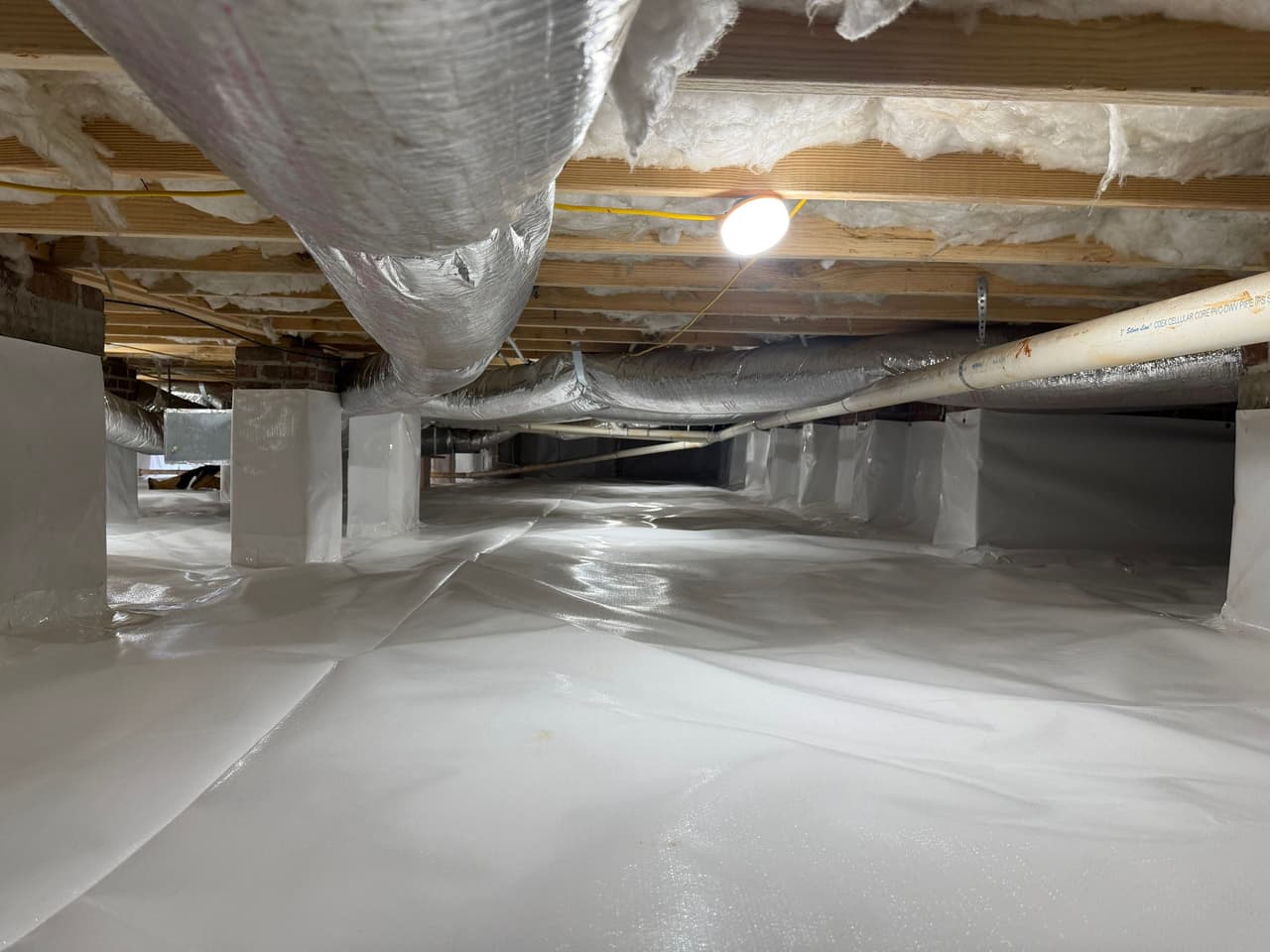
Building code still requires insulation, so HydroHelp911 insulates even when the crawl space is encapsulated. In a sealed crawl space that usually means insulation on the foundation walls, so the space stays inside the thermal envelope of the home.
CH 07
How Is Crawl Space Insulation Installed?
The work starts with removing what failed. Wet, sagging or fallen insulation is bagged and taken out, and the crawl space is checked for the moisture that ruined it. If the space needs it, the liner, closed and sealed vents, and humidity control go in before any new insulation.
In a sealed crawl space, insulation is fastened to the foundation walls so the space stays inside the envelope of the home. In a crawl space that stays vented, insulation is fitted between the floor joists and held tight against the subfloor. Either way, the goal is insulation that stays in place and stays dry.
CH 08
What Does Crawl Space Insulation Cost?
The main cost factors are the size of the crawl space, how much old insulation has to be removed, where the new insulation goes, and whether moisture work is needed first. You receive a written estimate after a free inspection, and financing is available.