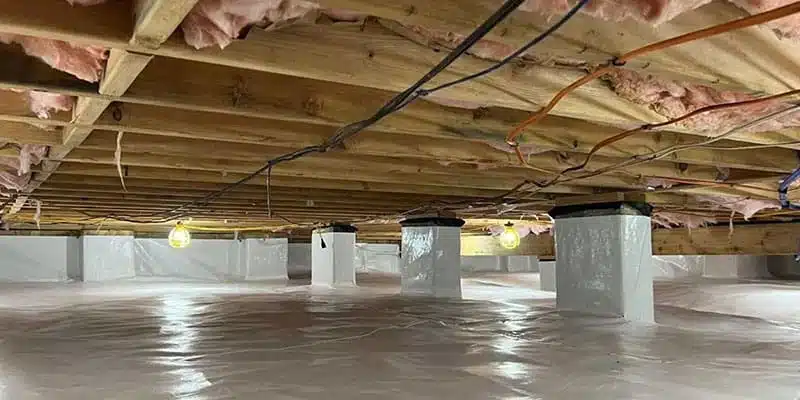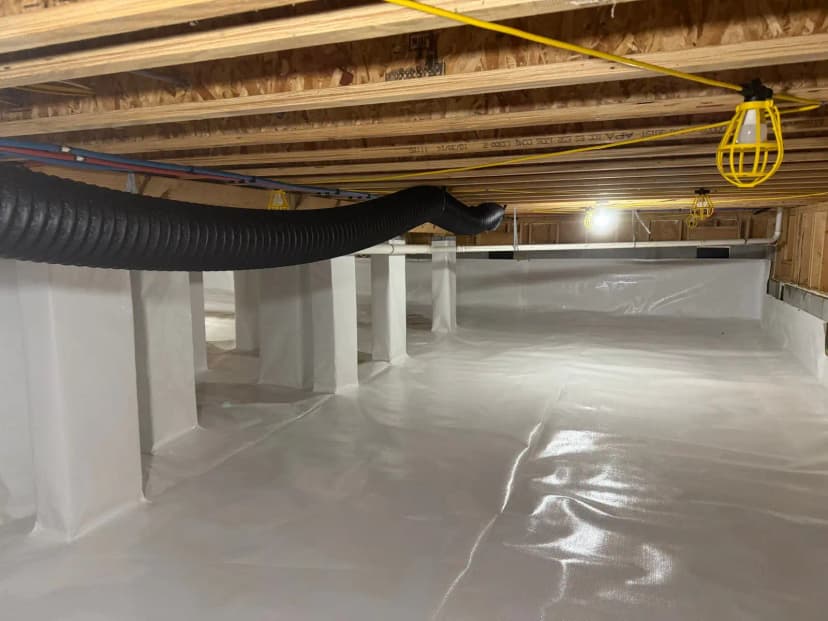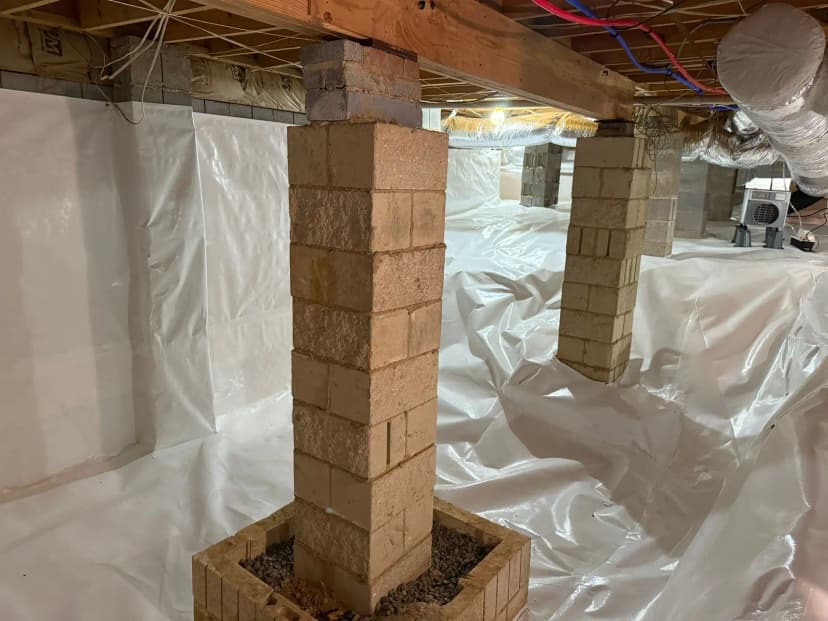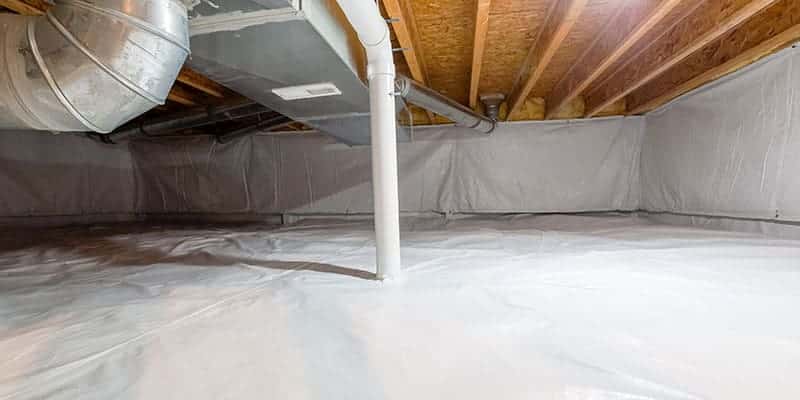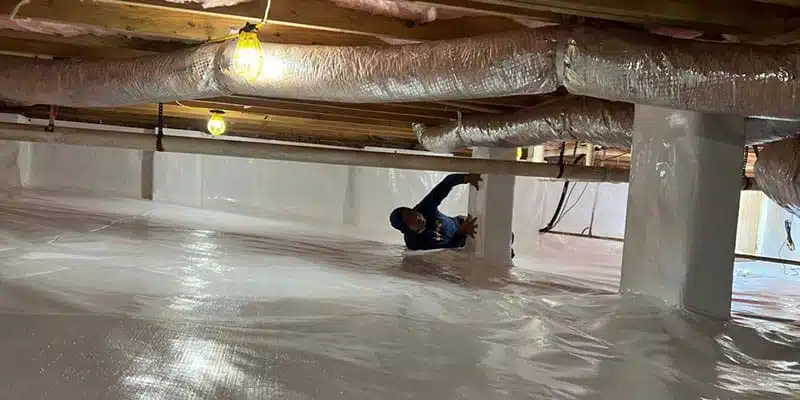

The purpose of crawl space insulation is to slow heat moving between the crawl space and the rooms above, which keeps floors warmer in winter, helps the house hold a steady temperature and can lower energy bills. Paired with moisture control, it also helps protect the crawl space from condensation.
This article explains how crawl space insulation works, its benefits and the materials used.
What Is a Crawl Space?
A crawl space is an unoccupied and often unfinished area between the ground and the home’s first floor. If you have a raised foundation, your house likely has one.
The crawl space often holds important parts of the home, such as plumbing, ductwork and electrical lines, so its condition matters.
What Is the Purpose of Crawl Space Insulation?
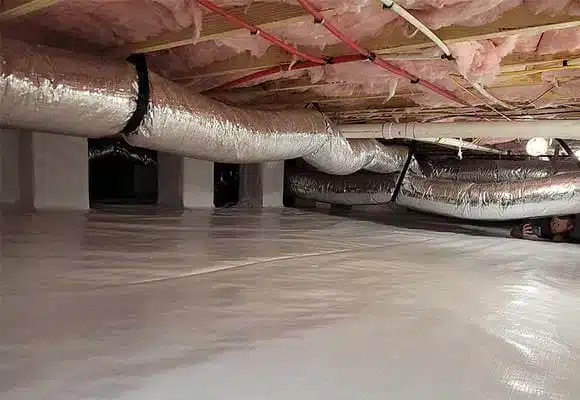
Crawl space insulation refers to the insulation material installed on the walls, floors, or ceilings of a crawl space. It helps keep a home’s temperature stable and comfortable by slowing heat and cold moving through the floor. Combined with moisture control, it can help limit the condensation that leads to mold and rot.
What Are the Benefits of Insulating Your Crawl Space?
Cold floors, high energy bills or a damp smell can be signs that your crawl space needs insulation. For many homes, the benefits are worth the cost.

Here are some reasons to insulate your crawl space:
Lower Energy Bills
Sealing air leaks and adding insulation can lower heating and cooling costs, and the savings depend on the home.
The crawl space is located right below the ground floor. If it’s not insulated, the cold from the ground can make the floors chilly. This makes the heater work extra hard to keep the house warm, which costs more money.
In many homes, the heating and cooling ducts also run through the crawl space, so a cold or poorly insulated crawl space can make the system work harder.
Prevention of Moisture and Mold
Most molds are found outdoors; they live in the soil, plants, and decaying matter. They can enter your house through flooding, leaks, damp areas, and condensation.
Mold needs three things to grow: humidity, warm temperature, and a food source. If you have moisture problems, you can limit mold by depriving it of one of these things.
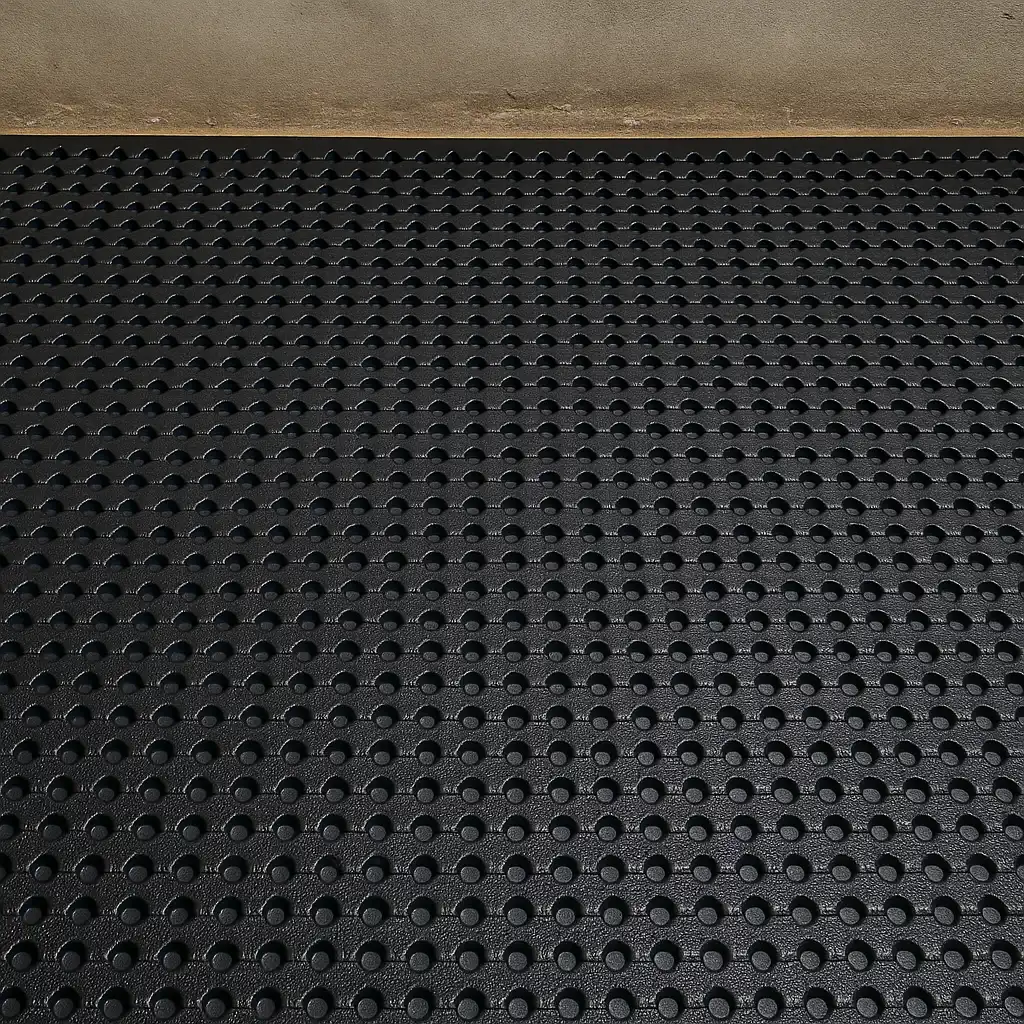
According to the National Insulation Association, insulation plays a part in preventing moisture problems. In a crawl space, insulation works best together with a vapor barrier or encapsulation that keeps ground moisture out.
Improved Air Quality
Reducing mold and excess moisture helps improve a home’s air quality, and sealing gaps during insulation work can limit outside air coming up from the crawl space.
Comfort
Insulation helps keep floors warmer in winter and rooms more even in temperature from season to season.
Common Types of Insulation Materials Used in Crawl Spaces
Not all insulating materials work the same, and not all materials suit the conditions of a crawl space.
These are the common ones.
Fiberglass Insulation
Fiberglass is a long used insulation material. It is affordable and fairly easy to install between floor joists. In a damp crawl space it can absorb moisture and sag, so it works best when the crawl space is kept dry, for example after encapsulation.
Foam Board Insulation
Foam board is a rigid panel, often faced with foil, that resists moisture and air. It gives a clean look on crawl space walls. It does not fill gaps on its own, so seams are taped, and it can take more work to fit in a crawl space with many obstacles.
Spray Foam Insulation
Spray foam is sprayed on and expands to fill gaps, cracks, and crevices. HydroHelp911 does not install or recommend spray foam in crawl spaces. Spray foam can trap moisture and can hide termite activity and wood rot from inspection. In HydroHelp911’s experience, the pest control companies it has spoken with will not warranty a crawl space against termites when spray foam is on the walls or floor.
Factors to Consider Before Insulating Your Crawl Space
The material that insulates best on paper is not necessarily the best choice for a crawl space. There are other factors to consider before installing insulation in a crawl space. Here are some of them:
Type of Crawl Space
- Vented Crawl Spaces: Vented crawl spaces have openings to the outside. The idea is that the natural airflow dispels moisture. In reality, open vents allow warm, humid air to flow in and condense on cooler surfaces. With full encapsulation and a dehumidifier, the vents stay closed all the time. Without encapsulation, the long standing guidance is to leave the vents open in the warm months and closed in the cold months so pipes do not freeze. If you have a vented crawl space, the insulation is typically installed under the subfloor between the floor joists.
- Sealed or Encapsulated Crawl Spaces: In sealed or encapsulated crawl spaces, the insulation is typically applied to the crawl space walls and subfloor. Encapsulation with a dehumidifier air seals the crawl space and helps right away, even when the old insulation is not replaced, although building code still requires insulation.
Insulation Material
Different insulation materials resist heat flow differently. The right choice depends on factors such as the local climate, the type of HVAC system used, and the part of the building being insulated (for example, roof, walls, or floors).
Accessibility and Safety
Not all crawl spaces are the same. Some crawl spaces have inaccessible areas that might render some material less effective.
For instance, if the crawl space is too small for a person to fit in, it might be challenging to install foam board insulation. Fiberglass may be a better choice in this case.
Cost, Durability, and ROI
The cost depends on the material and the size of the crawl space. A lower cost material is not always the better value if it does not hold up in crawl space conditions. The crawl space insulation installation page shows the range HydroHelp911 publishes for that work, and your free inspection gives you a written estimate.
How to Insulate a Crawl Space: DIY vs. Hiring a Pro
Once you take into account these factors, you can begin to insulate the crawl space. In general, here are the steps you’ll take:
- Dress in old clothing that you don’t mind getting dirty, bring a flashlight and thoroughly inspect the space.
- Remove any clutter, outdated insulation materials, and debris.
- Identify and seal any leaks, cracks, or openings, including vents, and do necessary repairs.
- Thoroughly dry the entire area.
- Lay down a vapor barrier.
- Install the insulation material. Each material requires a different installation method. Follow the manufacturer’s instructions.
A professional can help choose materials that suit your crawl space and handle the moisture control around the insulation.
Signs Your Crawl Space Needs Insulation
How do you know if your crawl space needs insulation? Ask yourself the following questions:
- Are your utility bills higher than expected?
- Do areas in your home have varying temperatures?
- Is the floor above your crawl space unusually cold or hot for the season?
- Do you notice drafty areas in your home?
- Have you experienced allergic reactions or respiratory issues recently?
- Do you notice bad smells in your house that you can’t pinpoint?
If you answered yes to most of these questions, your crawl space might need insulation, and an inspection can confirm it.
Next Step
Schedule a Free Inspection
Call or fill out our quick online form. We'll book a convenient time to assess your home at no cost.
Learn more about our crawl space repair services.
Found this useful? Share it with someone working on their home.
Written by
Cory Parks
Owner & President, HydroHelp911
Cory Parks founded HydroHelp911 and leads its structural and moisture repair work for homeowners across North and South Carolina, from the clay soils of the Piedmont to the saturated, sandy ground along the coast.
More about CoryGet a Free Inspection
Two ways to start. Both are free, with no obligation.
Pick your own day in our calendar. You save $250 if you go ahead with the work.
Send a short form, and our office will call to book a time that suits you.
For new customers who book online through our website and then sign a contract.