A trained inspector (not a salesperson) will look at your home, explain what they find in plain language, and send a written estimate.
Basement Waterproofing · North and South Carolina
Interior Basement Waterproofing Across the Carolinas
When water is already finding its way in, the most reliable answer is to collect it at the base of the wall and pump it back out before it reaches your floor. We find where it enters first, then size the interior system to your basement. Looking for a reliable basement waterproofing contractor? You're in the right place. Read on to learn more.
Interior waterproofing is about managing water once it has reached the basement. For a lot of Carolina homes, this is the most practical and durable approach. In the Piedmont, where clay soil around Charlotte, Greensboro, and the Triangle holds rainwater and presses it against the foundation, water tends to enter at the weakest point: the cove joint where the basement wall meets the floor slab.
North Carolina · South Carolina
Get a Free Inspection
Two ways to start. Both are free, with no obligation.
Interior basement waterproofing is a drainage system installed inside the basement along the base of the walls. It collects water where it seeps in, most often at the joint where the wall meets the floor, and carries it to a sump pump that sends it away from the house. It fits basements where liquid water is entering. When the only issue is damp air or one leaking crack, a smaller repair may fit better, and the inspection shows which applies.
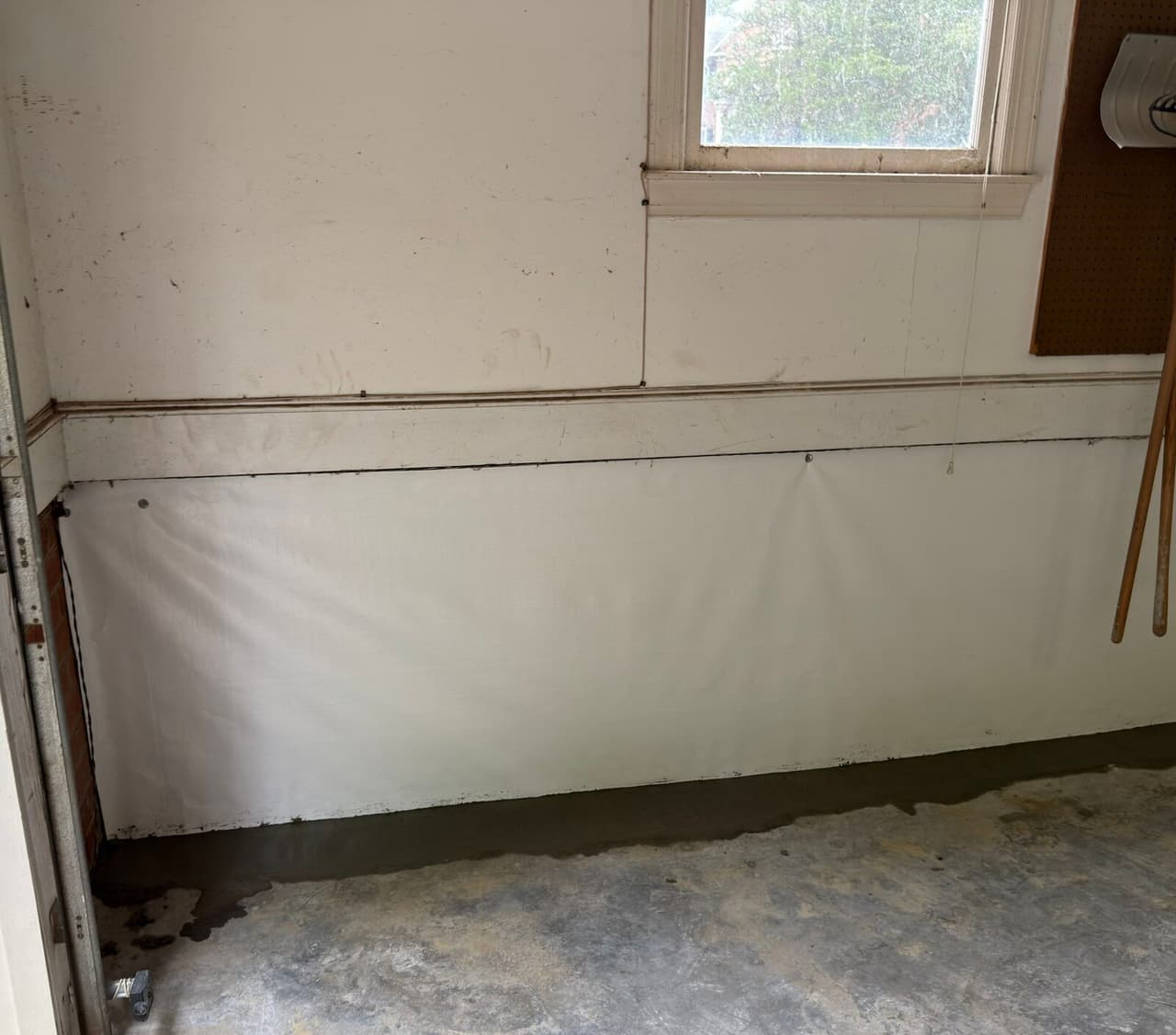
A wet line or puddles along the base of the wall after rainWater at the Wall and Floor Joint
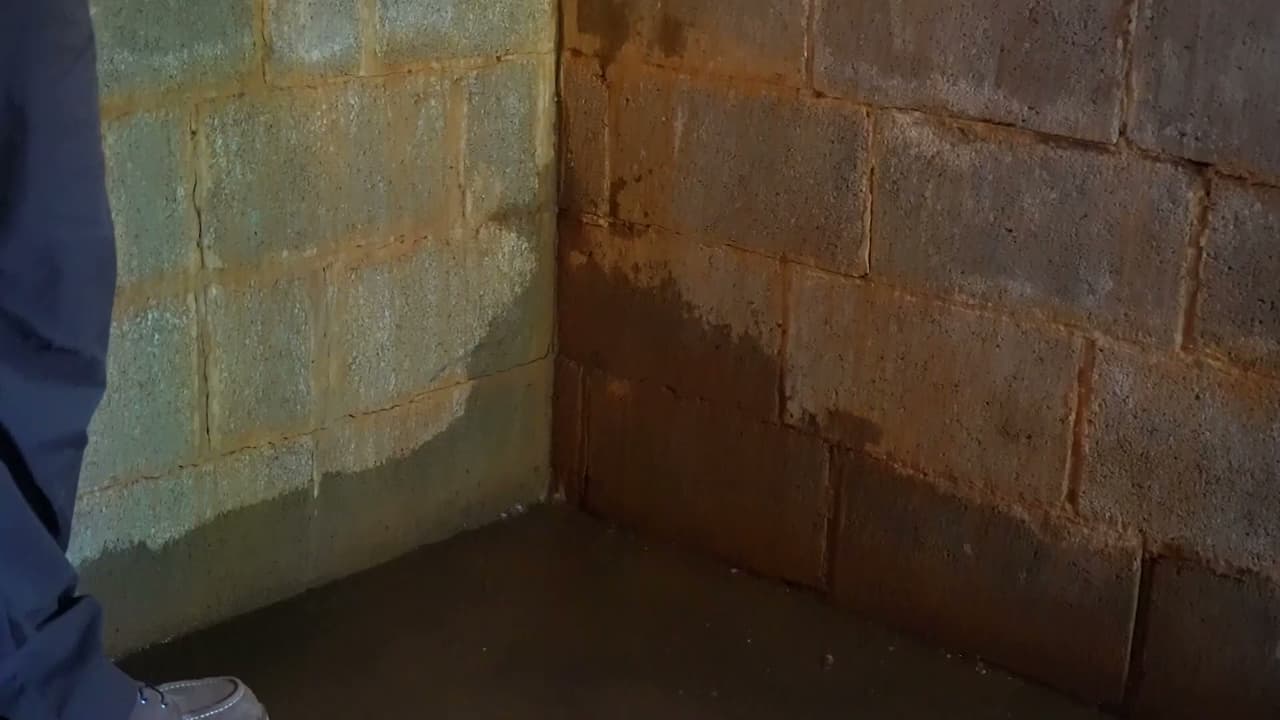
Water in saturated soil presses against the foundation and finds the seam where the wall meets the slab. This is the most common entry point we see, and an interior perimeter drain is built to collect water right there.
Damp patches, white mineral residue or peeling paint on block or concreteSeepage Through the Wall
Water can pass through porous block or small gaps in a poured wall. A wall treatment can direct that seepage down into the perimeter drain so it does not run across the floor.
Water that appears along one crack and nowhere elseOne Crack That Leaks
When a single crack is the only place water gets in, sealing that crack may be all the basement needs. The inspection checks whether the crack is stable before a seal is recommended.
A musty smell, condensation and a clammy feel, with dry floorsDamp Air With No Running Water
Moisture can come through walls and floor as vapor without ever showing up as water. That calls for moisture control at the surface, and a drainage system may not be needed.
What a homeowner should understand about this repair, explained in plain language.
Read the full guideHide the full guide
CH 01
What Is Interior Basement Waterproofing?
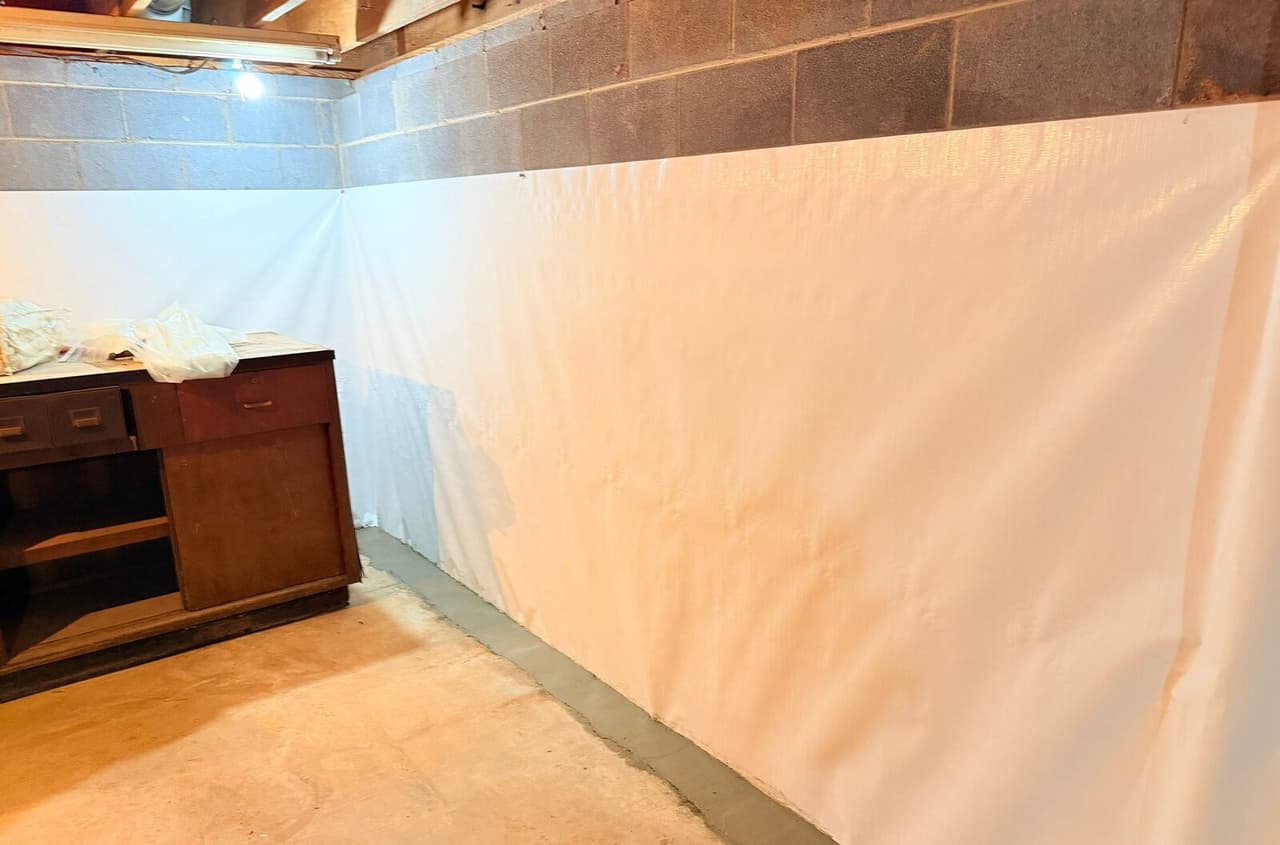
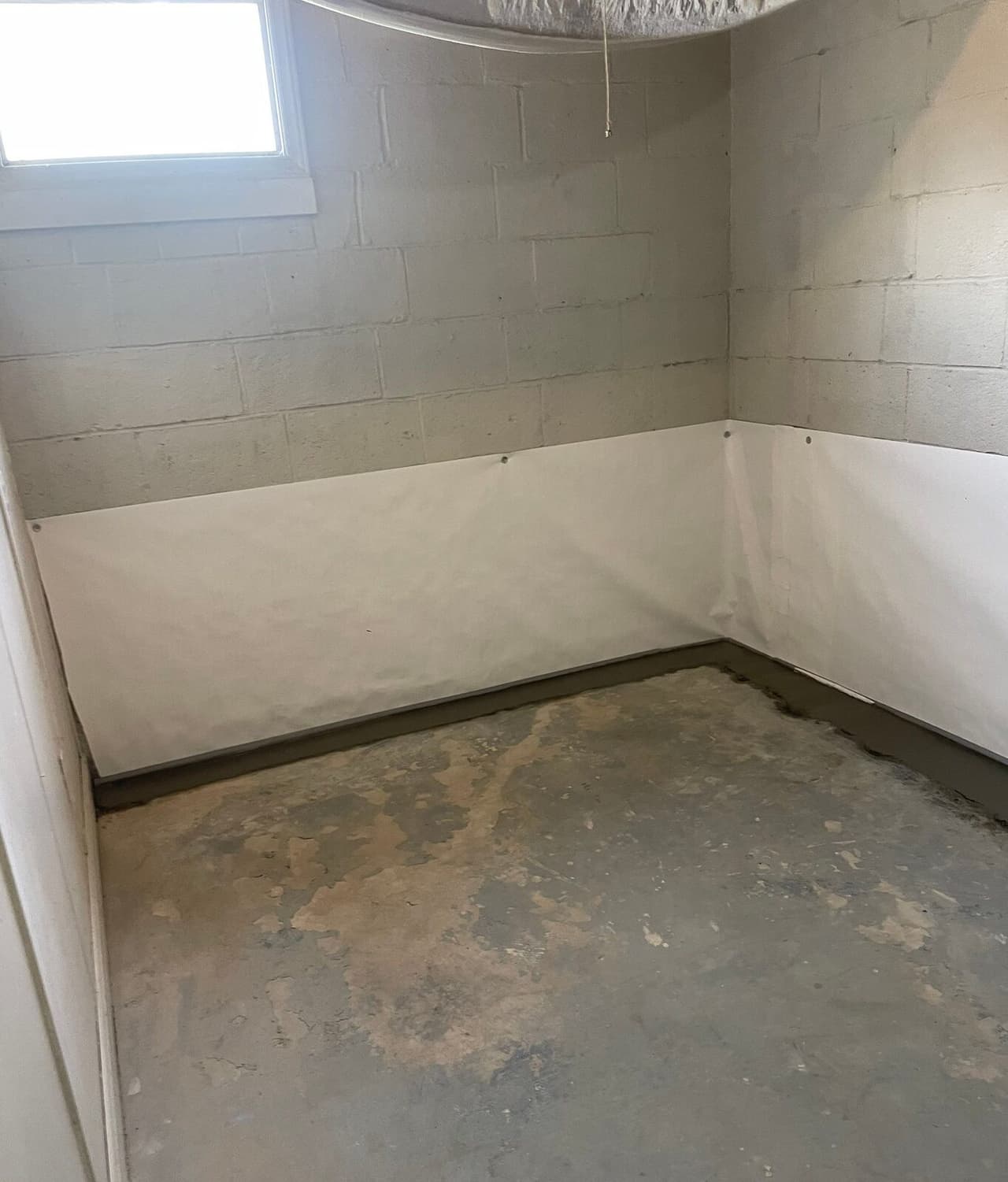
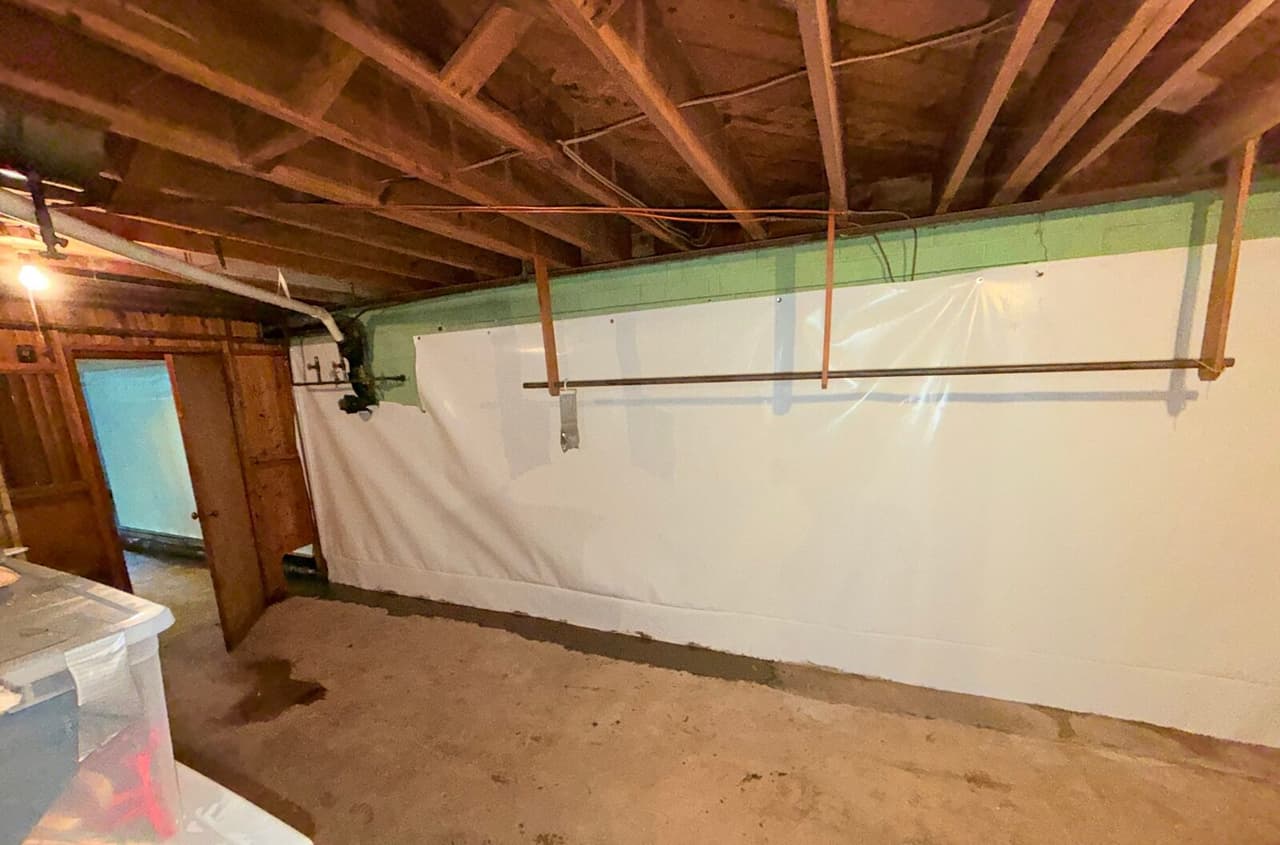
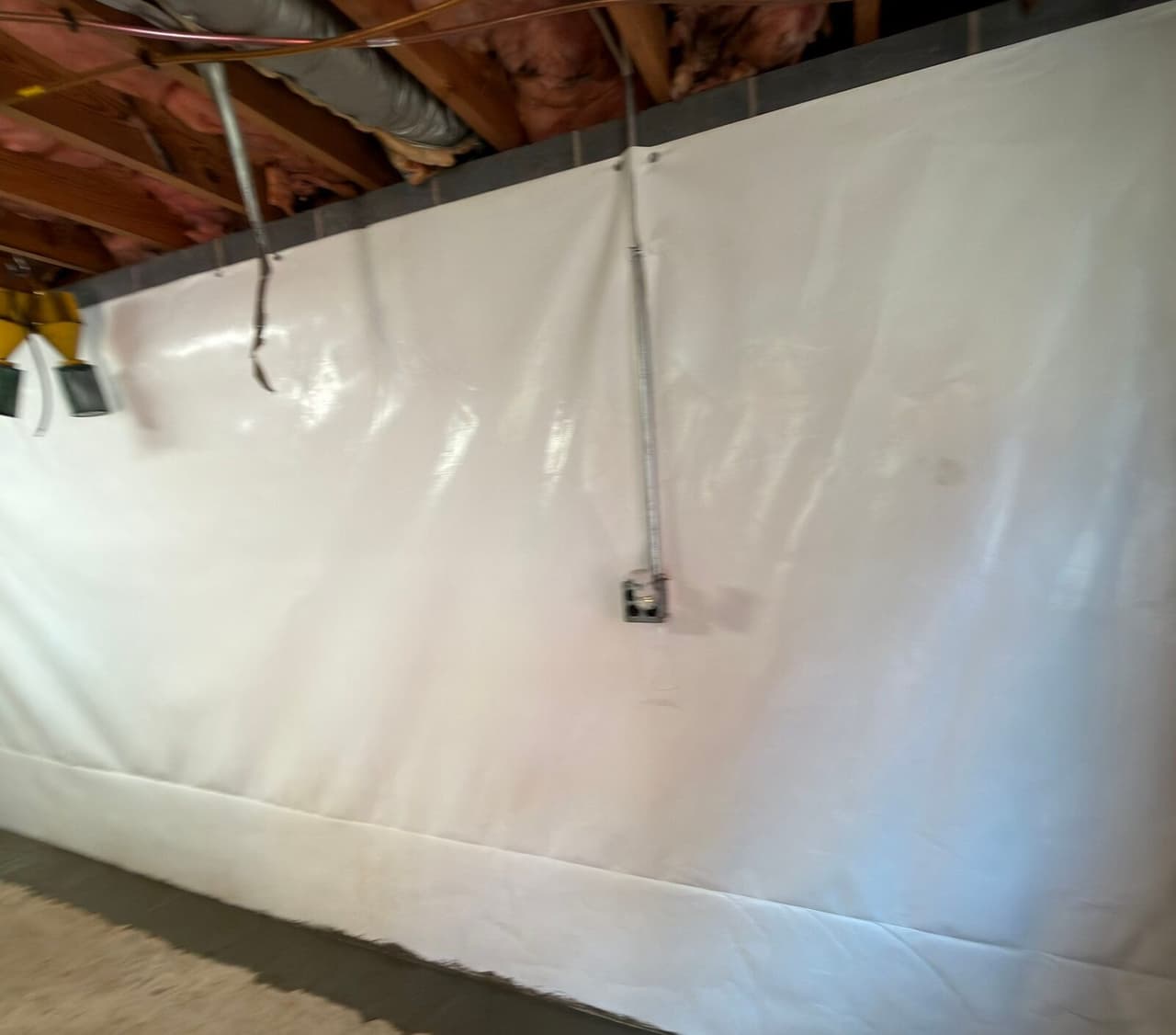
Interior basement waterproofing manages water once it reaches the inside of the foundation. The system is a drain that runs around the inside edge of the basement floor, a sump pit and pump that the drain feeds, and a wall treatment that guides seepage down into the drain. Together they catch water at the walls and send it out of the house before it spreads across the floor.
Because the work happens inside, the yard, plantings and walkways around the house are left in place. It is one of the basement waterproofing services we install across North and South Carolina, and it is the one we recommend when liquid water is coming in at the walls or the floor joint.
CH 02
Why Does Water Enter Where the Wall Meets the Floor?
Most basements are built in two pours: the footing and walls first, then the floor slab inside them. The seam between them is called the cove joint, and it is usually the easiest path for water. When the soil around the house fills with water after rain, that water presses against the foundation, and the pressure pushes it through the cove joint, through small cracks and through porous block.
That is why water at the cove joint is often the first sign homeowners notice, sometimes before any crack appears. In Piedmont clay around Charlotte, Greensboro and Winston-Salem, the soil can hold water against the walls for days after a storm. Near the coast around Wilmington, a high water table can keep that pressure in place for long stretches.
How Soil and Water Pressure Bow a Basement Wall
1Soil and water outside push against the wall, more so when the soil is saturated.
2A horizontal crack can open where the wall bends.
3Over time the wall can bow or lean inward.
CH 03
How Is an Interior Drainage System Installed?
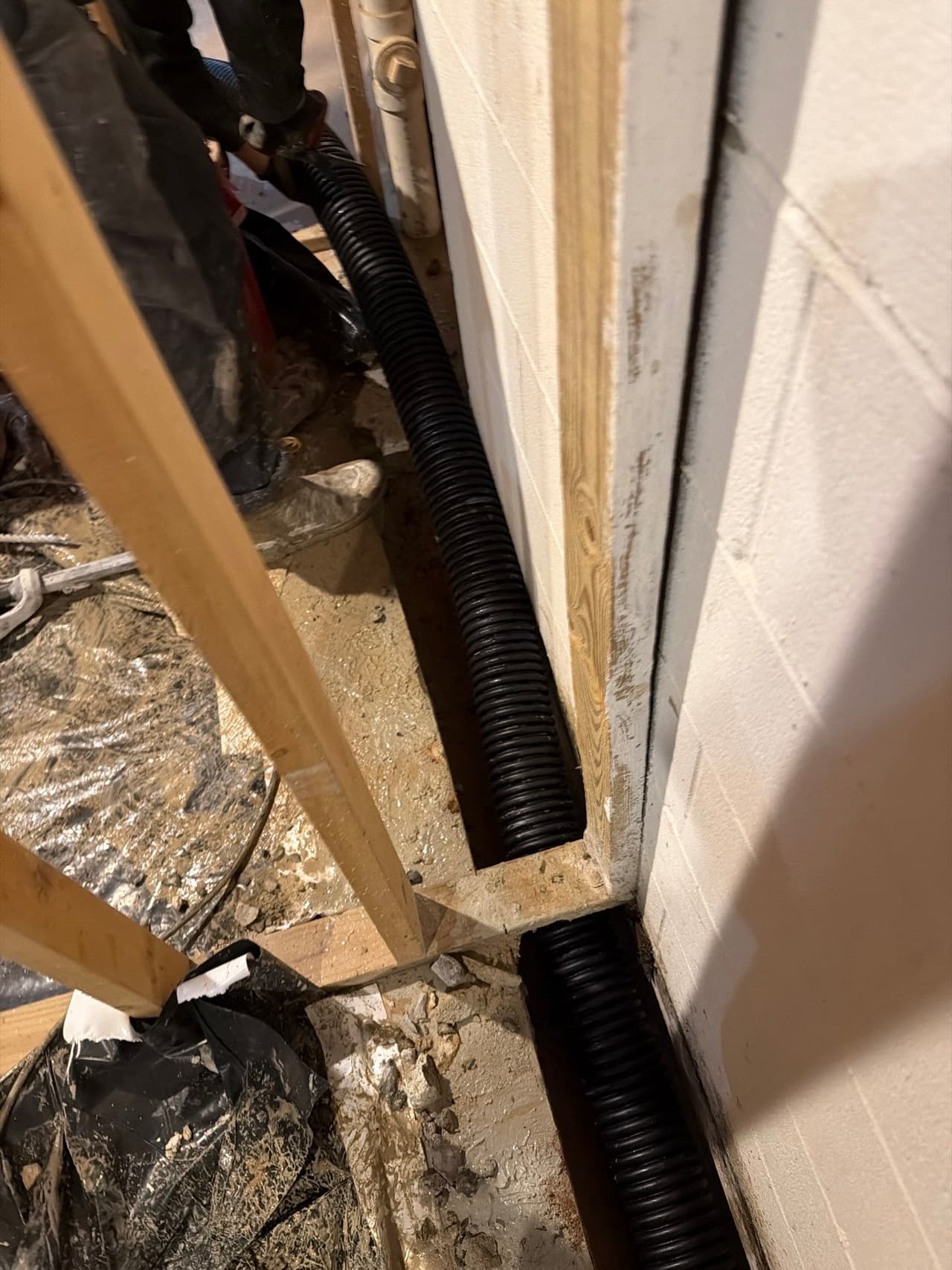
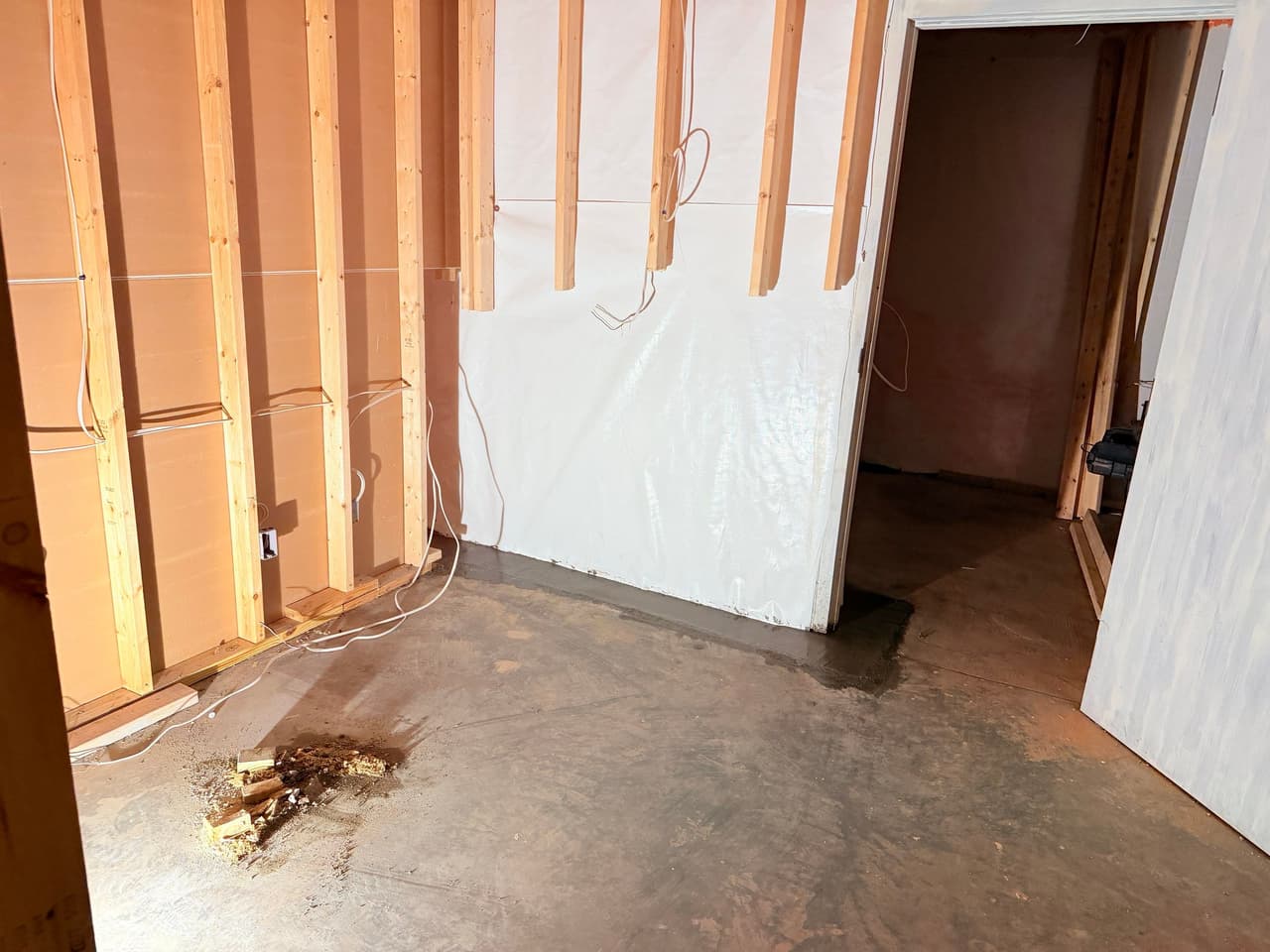
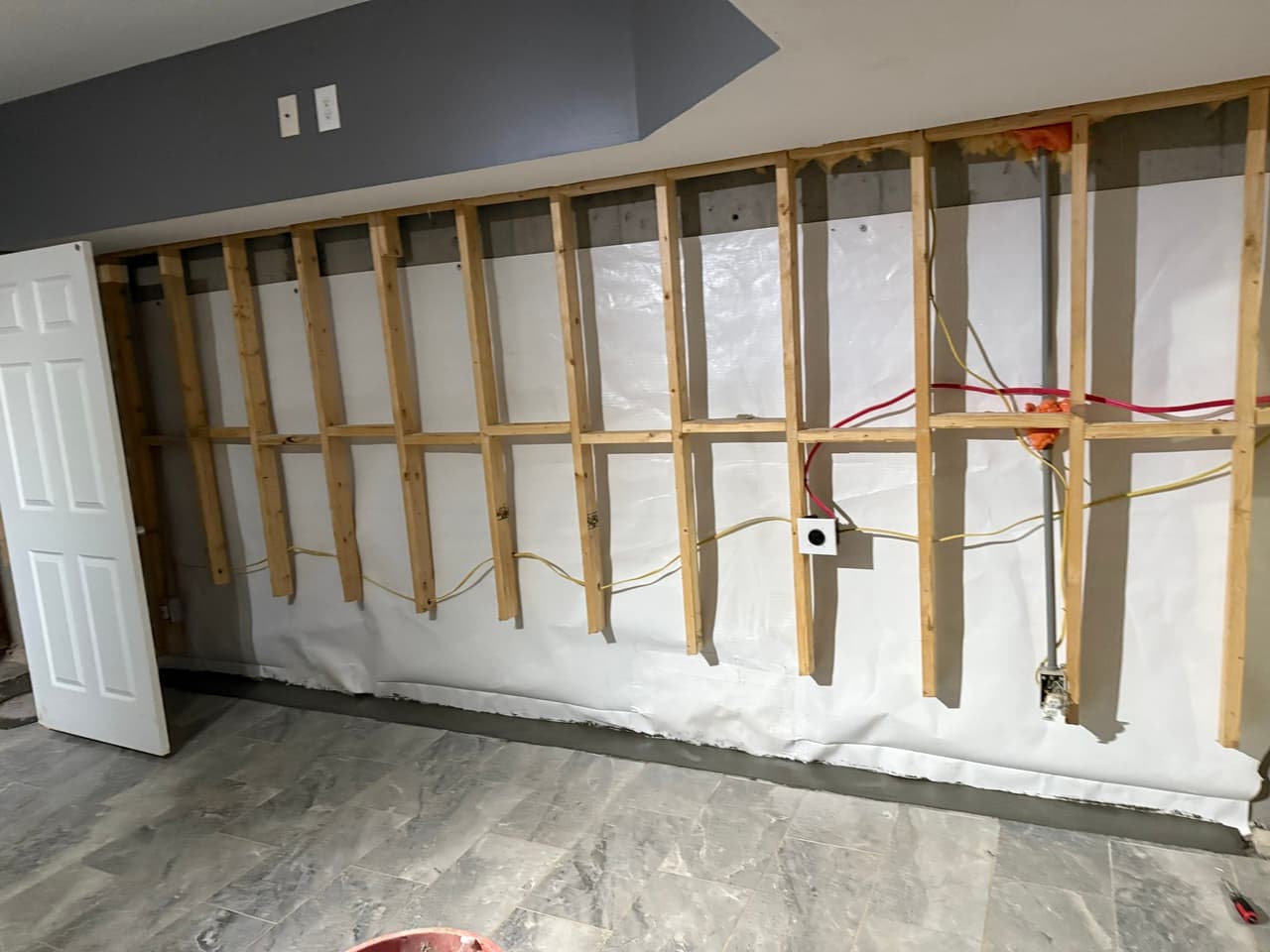
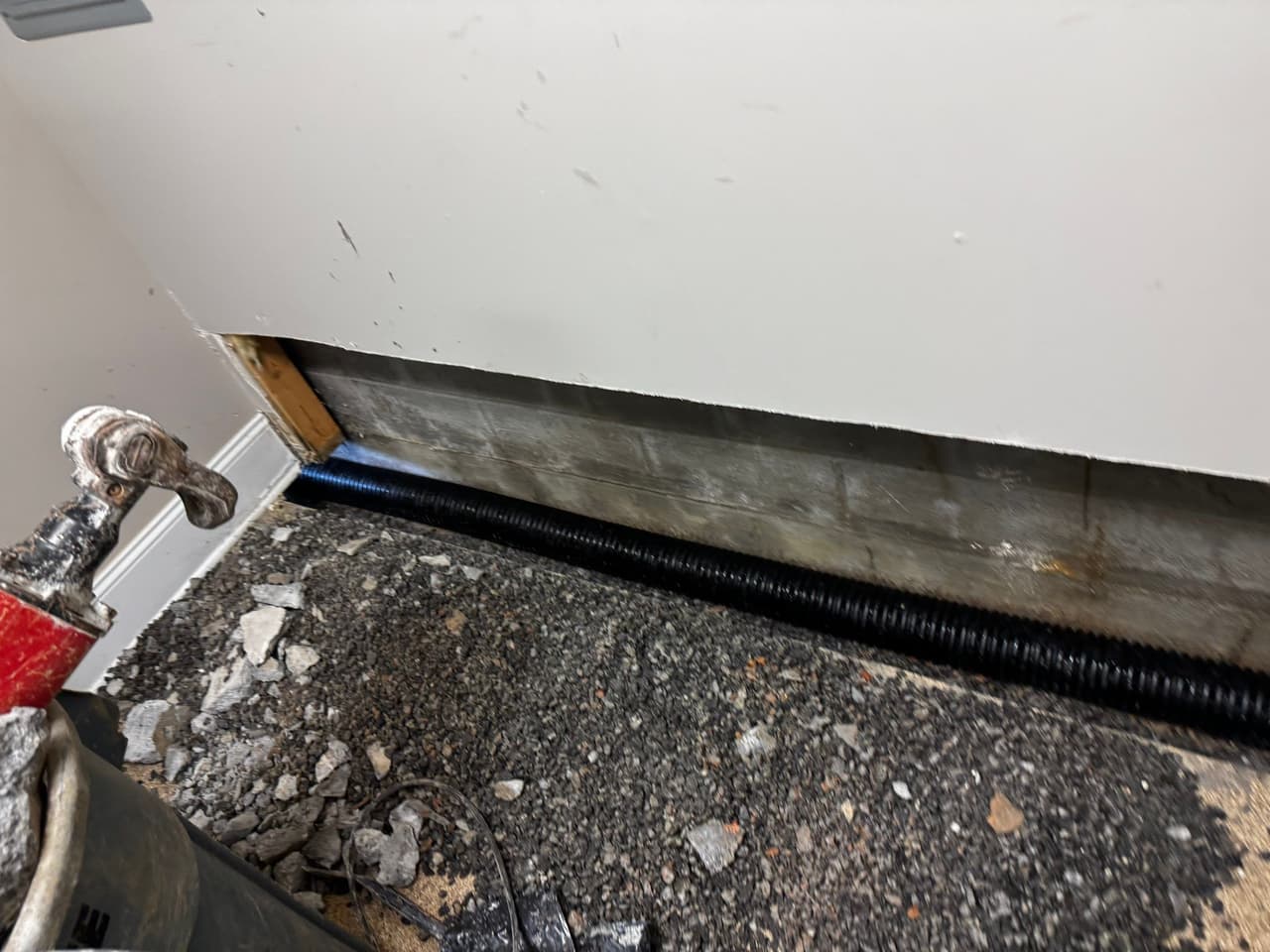
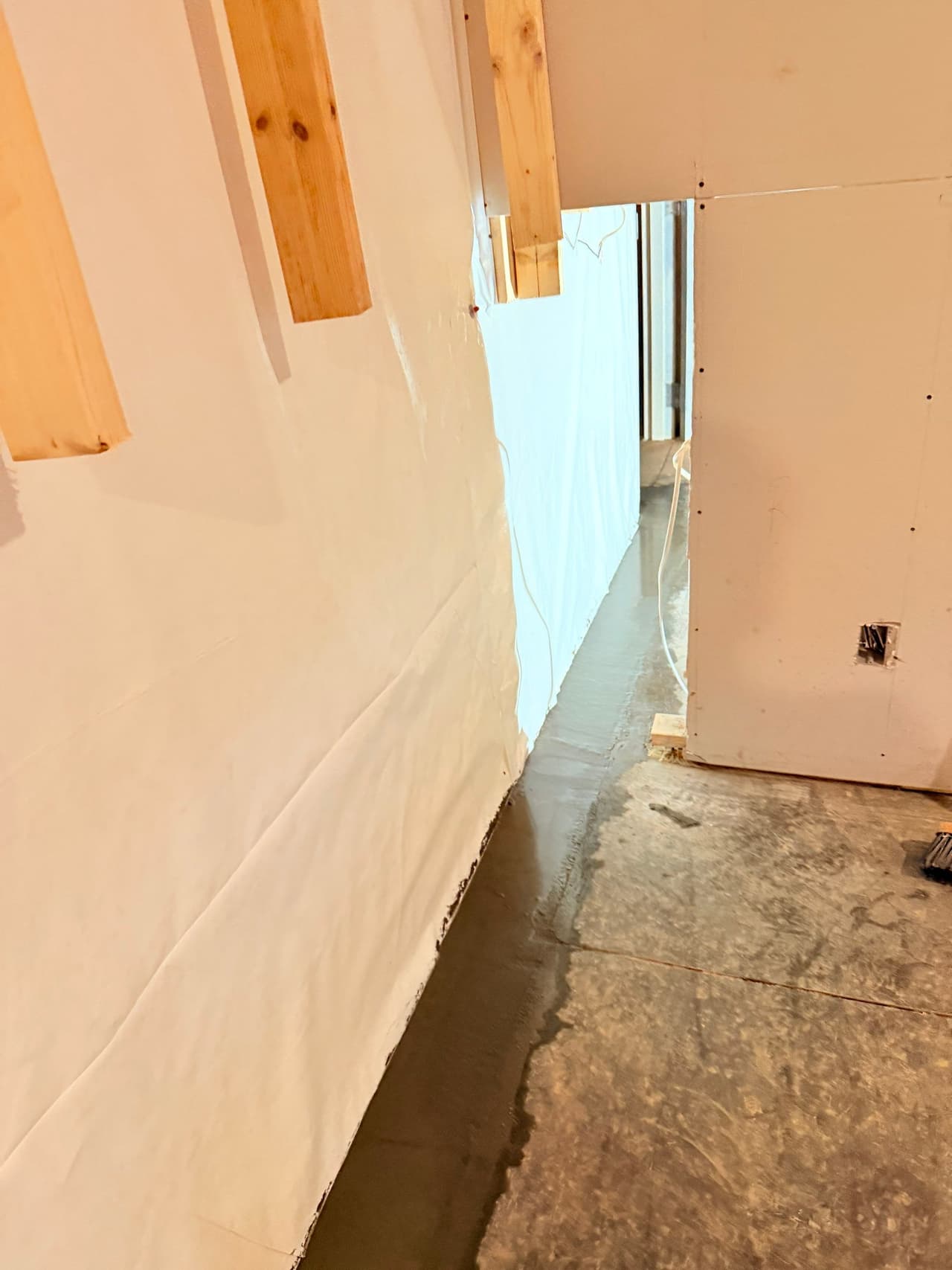
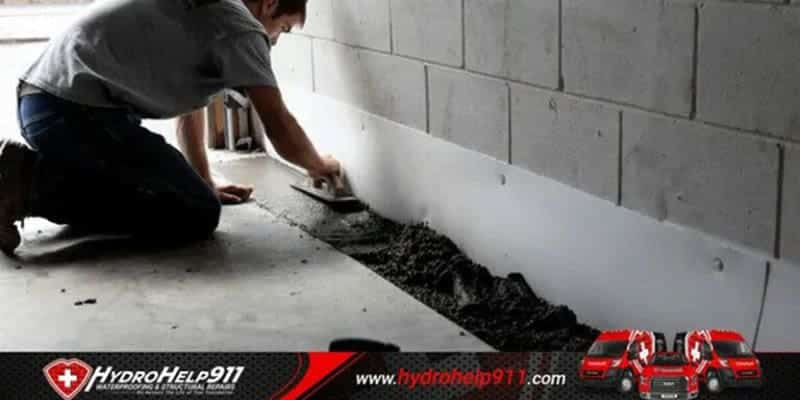
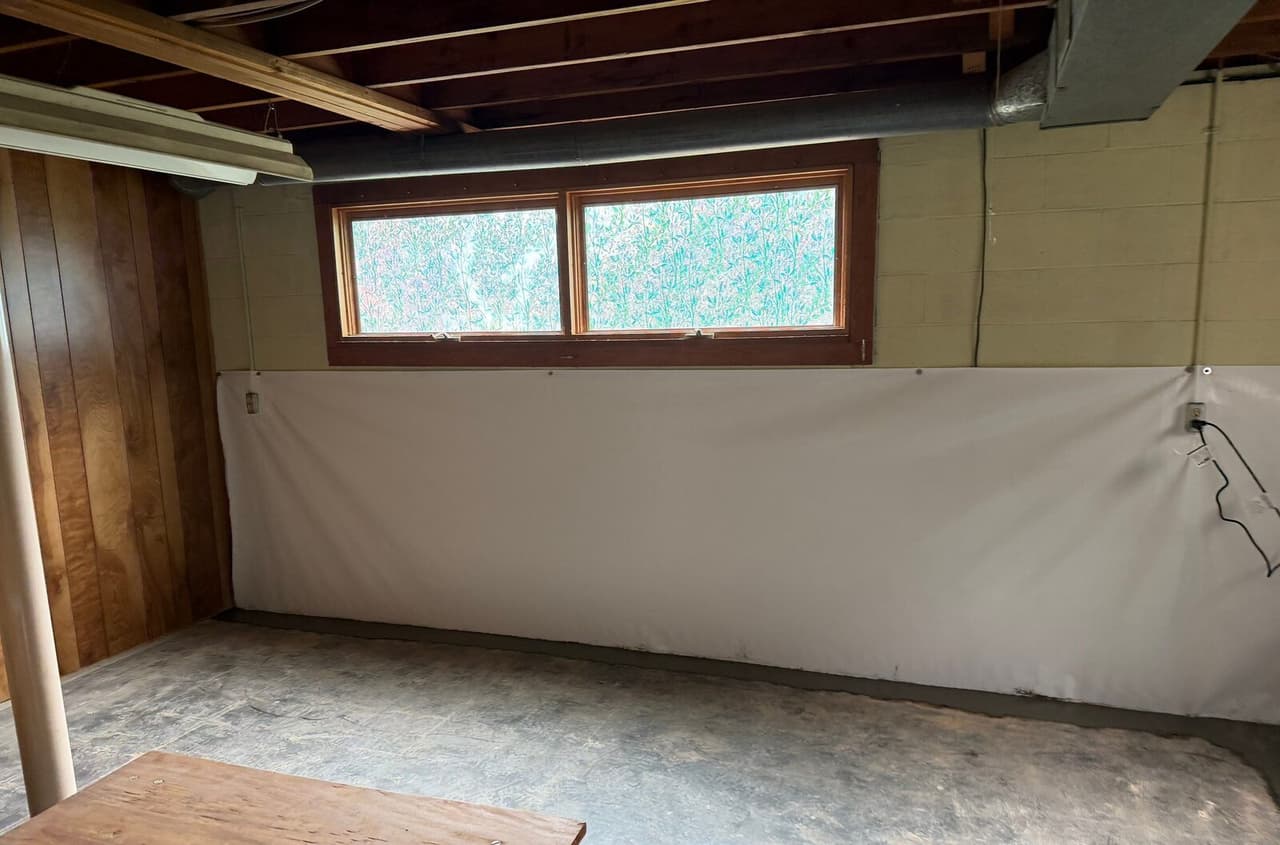
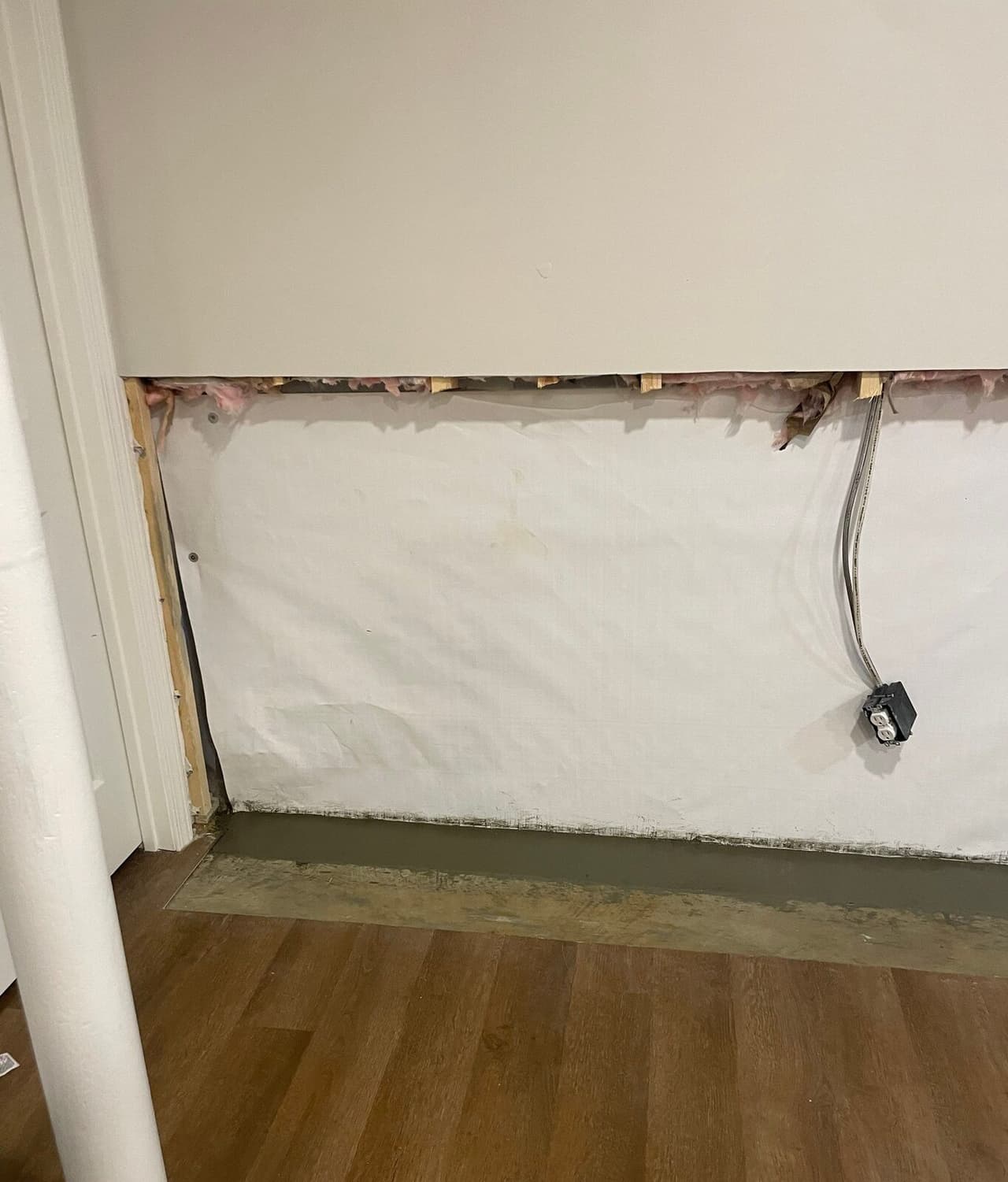
The crew opens a narrow channel in the floor along the inside of the foundation walls. A perforated drain pipe is set in that channel in clean gravel, sloped so water flows to a sump pit at a low point in the basement. Where the walls seep, a wall treatment is fastened along the base so water running down the wall is guided behind it and into the drain.
The channel is then filled back in with new concrete, leaving the system under the floor. The pump in the sump pit lifts the collected water and sends it out through a discharge line away from the house. The interior drainage system page explains each part in more detail.
CH 04
What Are the Signs a Basement Needs Interior Waterproofing?
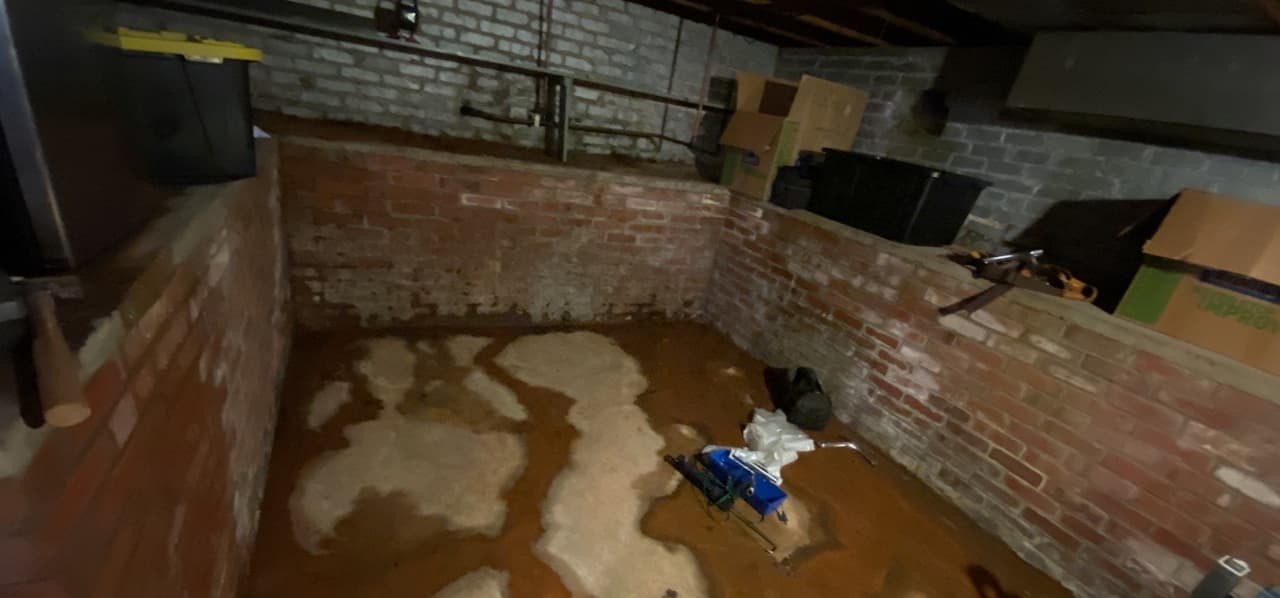
The clearest sign is water you can see: puddles along the walls after rain, a wet line where the wall meets the floor, or water spreading across the basement floor. Other signs build more slowly, such as white mineral deposits on the walls, peeling paint, rust on metal near the floor, and a musty smell that does not clear.
In a finished basement, the signs can hide behind the walls. Stained or soft drywall near the floor, swollen baseboards and carpet that stays damp can all point to water coming in at the foundation. We can check behind finishes during the inspection where access allows.
CH 05
Interior Drainage or a Vapor Barrier: Which Does Your Basement Need?
The two solve different problems. Interior drainage handles liquid water that is coming in. A vapor barrier on basement walls handles moisture that moves through concrete and block as vapor and raises the humidity in the room. Some basements need one, and some need both.
The inspection separates them. Water marks, puddles and a wet cove joint point to drainage. A clammy feel, condensation on windows and a musty smell with dry floors point to vapor. When both are present, the drainage is usually installed first, and the barrier works with it.
CH 06
What Happens During a Basement Waterproofing Inspection?
We walk the basement and look at where water has been: stains, mineral deposits, damp spots, the condition of the cove joint and any cracks in the walls or floor. We check the sump pit if there is one, along with the pump and discharge line that go with it.
You receive written documentation, typically an estimate with photographs of what we found. If the water comes from one crack, or the problem turns out to be humidity alone, we tell you so and recommend that smaller repair.
CH 07
What Does Interior Basement Waterproofing Cost?
The cost follows the length of wall that needs drainage, how the water is getting in, the sump system the drain feeds, whether the walls need a seepage treatment, and how easy the basement is to work in. A finished basement where walls must be opened is a larger project than an open, unfinished one. Your written estimate comes from the free inspection, and financing is available.
CH 08
What Warranty Comes With Interior Basement Waterproofing?
Interior basement waterproofing systems carry a lifetime warranty for the life of the property once the final invoice is paid in full, as long as the sump pump stays operational at all times and receives annual sump pump maintenance at the owner's expense.
The coverage applies to standing water within the perimeter of the installed drain. It does not cover plumbing leaks, mechanical failures, power outages, or GFCI and breaker trips, and finished materials such as flooring, drywall and cabinetry are not covered. The full list of terms is on our basement system warranty page.
A dry basement protects stored belongings, flooring and wood from water damage, rot and mold.
Read the Guide
Project Photos
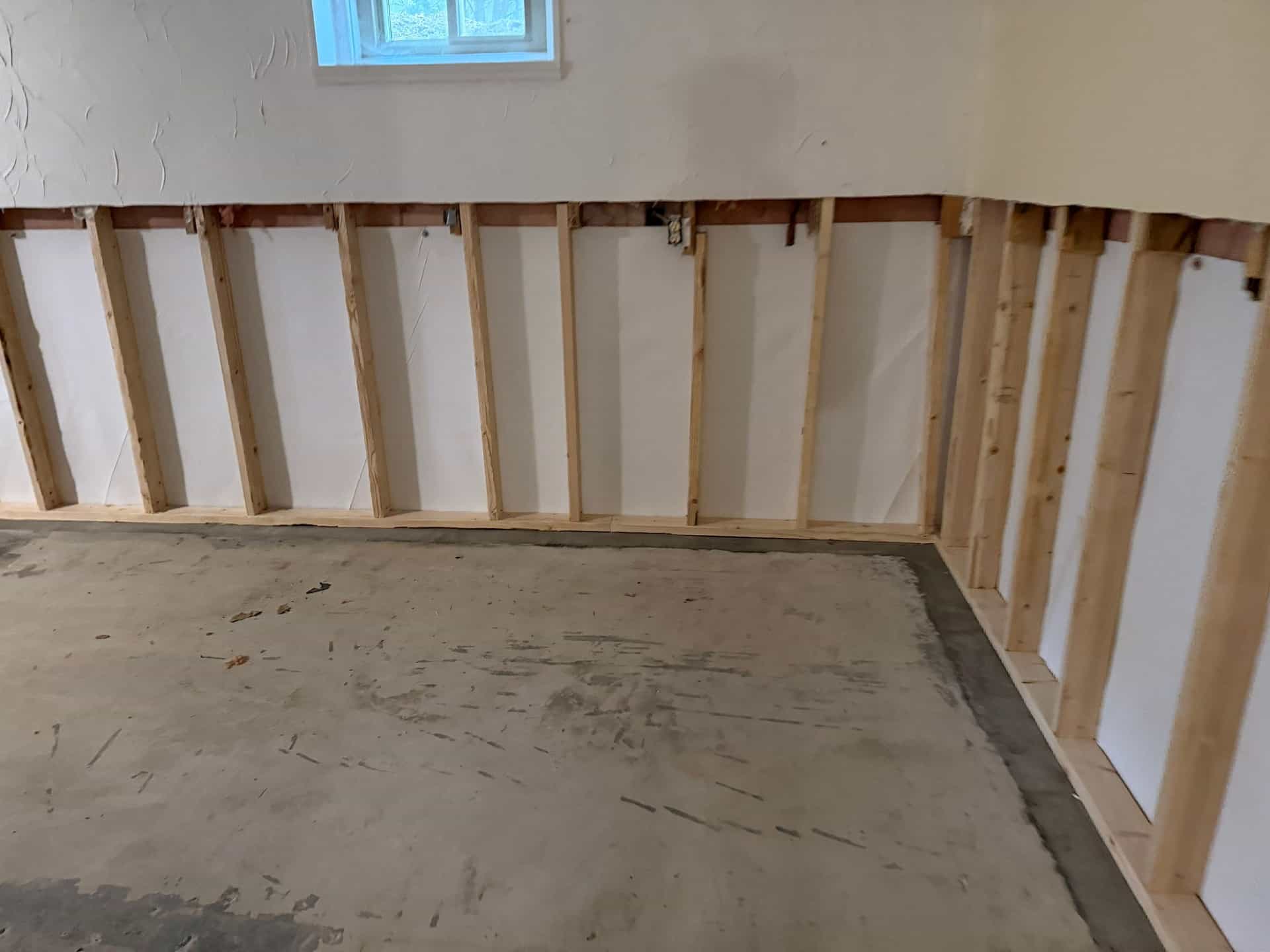
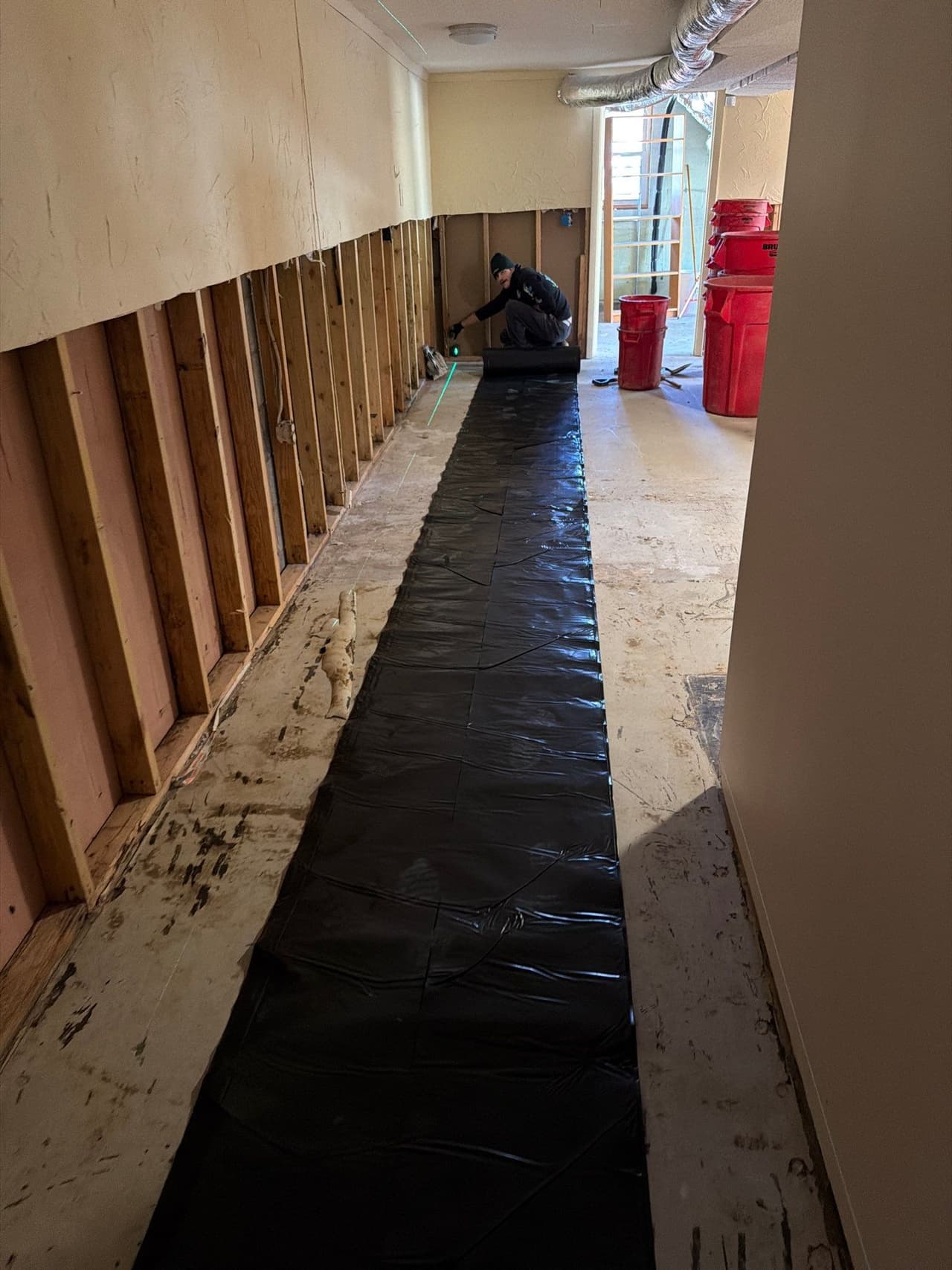
Photos From Our Basement Waterproofing Job Sites
Photos from our own crews and projects. Swipe or use the arrows to see more.
01 of 12
Why Choose HydroHelp911
Care and Expertise From a Team Serving the Carolinas Since 2017
HydroHelp911 handles basement waterproofing and related structural and moisture work across North and South Carolina. Every repair recommendation starts with a free inspection of the whole home.
01
Trained inspectors, not salespeople.
An inspector looks at your home, finds the source of the problem, and explains each finding in plain language. There is no obligation.
02
Locally owned in Gaston County.
We are headquartered in Dallas, North Carolina, with eight offices across North and South Carolina.
03
Serving the Carolinas since 2017.
Foundation repair, crawl space repair and encapsulation, basement waterproofing, framing repair, and concrete leveling are the whole focus of the team.
04
Rated 4.9 stars on Google.
We have 1,300+ verified Google reviews (4.9 stars) from homeowners across the Carolinas and are BBB A+ Accredited.
05
Written warranty terms.
For example, helical and push piers carry a lifetime warranty that no additional settlement will occur in the area of installed piers, once the final invoice is paid in full. Read the warranty terms.
06
Financing is available.
Ask your inspector about financing when you get your written estimate. See financing options.
Cory ParksOWNER & PRESIDENT
Recent Work
Recent Basement Waterproofing Projects
Finished basement waterproofing jobs from our crews, photographed on site. Open any project to see the full photo set and what we did.
Answer three quick questions about your home. We'll match what you see to the most likely cause and point you to the right next step.
1
Symptom
2
History
3
Your Result
Location: Basement
What Are You Seeing in Your Basement?
Pick the symptom that best describes it.
Frequently Asked Questions
Common Questions About Interior Waterproofing
Don't see your question here? Call or fill out our quick online form, and our team will help.
A perimeter drain is installed below the floor along the base of the walls. It collects water as it enters, usually at the joint where the wall meets the floor, and carries it to a sump pit. A sump pump then lifts the water and sends it away from the house. A wall treatment guides seepage down into the drain so it does not spread across the floor.
That seam, called the cove joint, is the natural weak point in a basement. In Piedmont clay, soil holds rainwater against the foundation, and that pressure pushes water through the joint where the wall and slab meet. It is often the first place water shows up, even before a crack does, and an interior perimeter drain is built to collect it right there.
That is what it is designed for. Heavy rain is when the soil around the foundation is most saturated, and the system collects the incoming water and pumps it out. For homes in areas that flood or have a high water table, such as parts of Wilmington and Brunswick County, we also discuss a backup pump so the system keeps working during a power outage.
No. An interior system is installed from inside the basement, along the base of the walls under the floor, so the yard, plantings and walkways around the house stay in place. The work involves opening a narrow channel in the basement floor, which is filled back in with new concrete when the drain is in.
Yes. The sump pump has to stay operational, and the warranty on an interior basement waterproofing system requires annual sump pump maintenance at the owner's expense. Our annual maintenance program is $250 a year.
The cost depends on the length of wall that needs drainage, how the water is getting in, the sump system the drain feeds, whether the walls need a seepage treatment, and whether finished walls have to be opened. A free inspection gives you a written estimate at no cost, and financing is available.
Pricing & Scope
How Is Your Repair Priced?
Every home is different, so every estimate is written for the home in front of us. A free inspection at your home gives you a written estimate at no cost, based on your scope, access, and conditions.
How Pricing Works
Pricing depends on the length of wall involved, how the water is getting in, the sump system it feeds, and access. You receive a written estimate after a free inspection.
When Is This Not the Right Fix?
Interior waterproofing is not the answer when the only problem is humid air and condensation, or when a single crack is the lone entry point and targeted crack repair fits better.
What Does the Free Inspection Include?
Your inspector explains every finding in plain language, and you get written documentation at no cost, typically an estimate with photographs.
Two ways to start. Both are free, with no obligation.