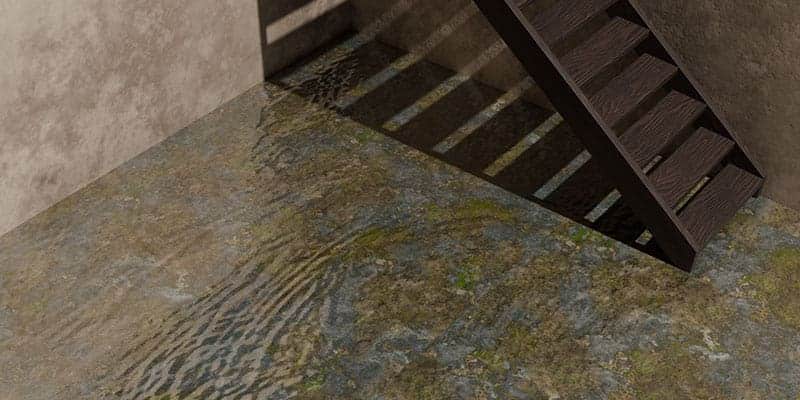

When your basement floods, the steps are to remove the standing water, dry the space, repair what the water damaged, and then find and fix the cause so it is less likely to happen again. Interior drainage and a sump pump are the usual long term fix for groundwater.
The sections below walk through each step.
Remove Standing Water
You’ll probably find standing water on your basement floor if your basement has flooded. Unsurprisingly, one of the first steps when responding to a flooded basement is removing the standing water.
The removal of standing water can occur in several ways. However, using a wet vacuum or some form of pump is the most efficient way to achieve this goal. It can also help to run a dehumidifier to dry out your basement more quickly.
Repair Damage the Flooding Caused
If your basement has flooded, there is a good chance of some form of water damage. Water can harm both the structural elements that comprise your basement and any items you store in it.
Start by assessing the state of any belongings, furniture, or other items that were in your basement when the flooding occurred. You’ll likely find that many of these items require significant repairs or replacements depending on the severity of the flood.
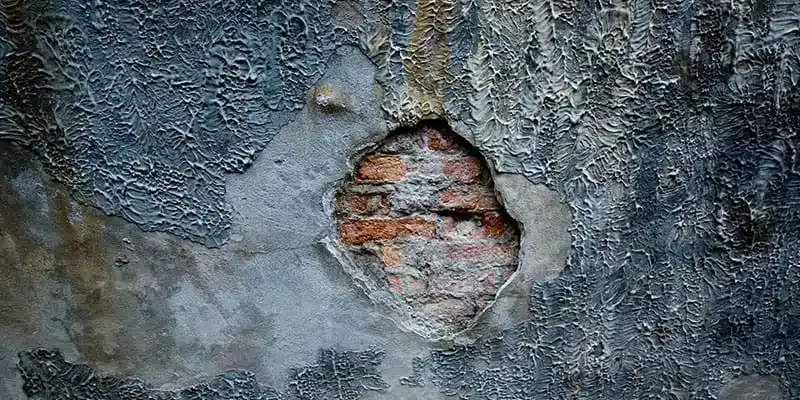
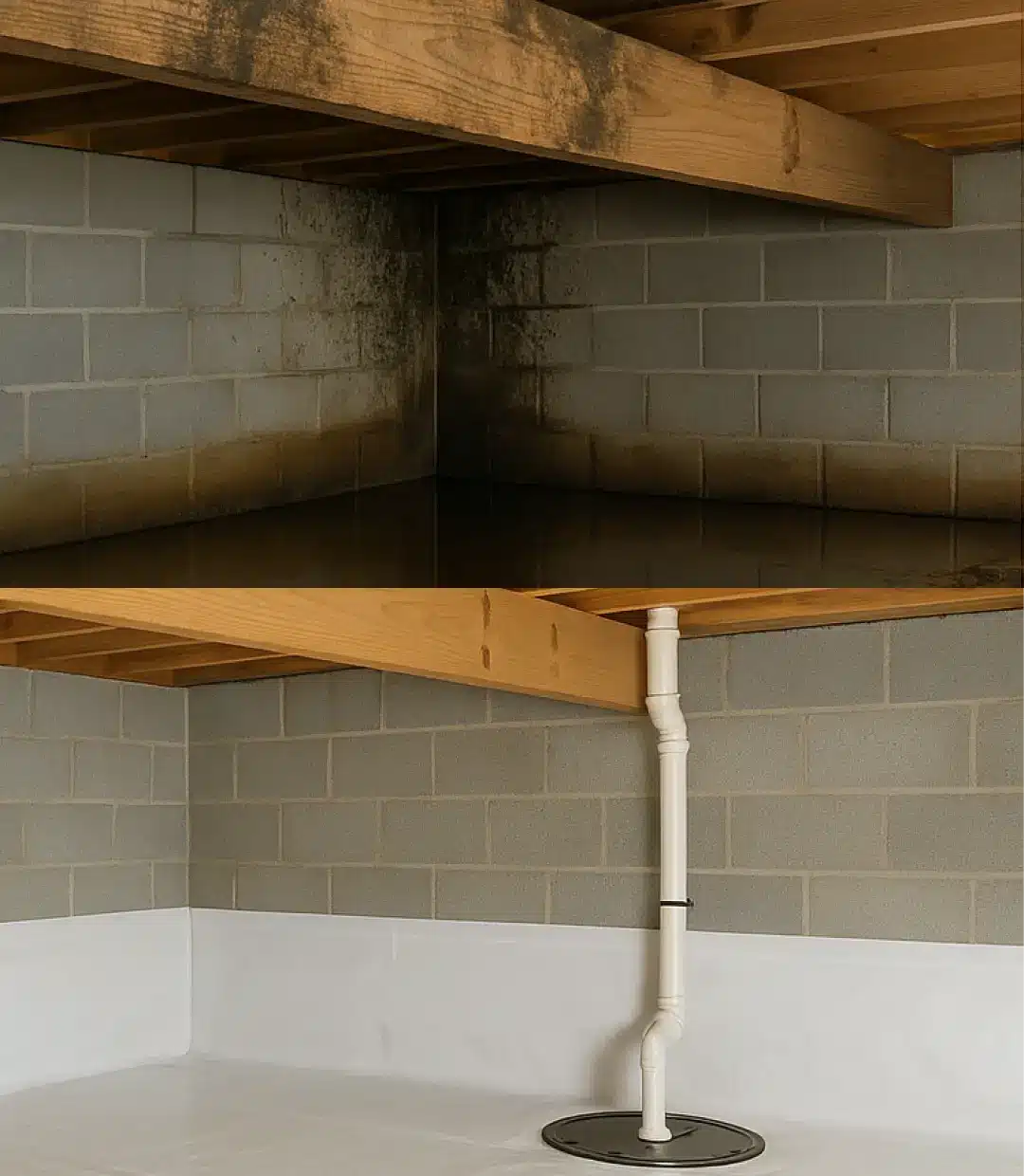
During this stage, you should also take a close look at the structural components of your basement. It is essential to address any wooden structures, as they are most susceptible to rot when excessive moisture or standing water is present.
Rotted joists, beams or other framing that the flood damaged should be repaired or replaced so the structure stays sound.
Resolve the Cause of the Flooding
After evaluating the state of your basement’s structures and any water damage to your stored belongings, it’s time to address the root cause of your basement flood. Below is a list of common factors that lead to basement flooding and a quick explanation of how to resolve them:
- Grading (homeowner tip): When the ground around the house is flat or slopes toward the foundation, water drains toward the basement, where it is more likely to seep in. Grading is homeowner or landscaping work.
- Gutters (homeowner tip): Clogged gutters can overflow and leave water next to the foundation, where it can seep into the basement. Cleaning the gutters regularly helps.
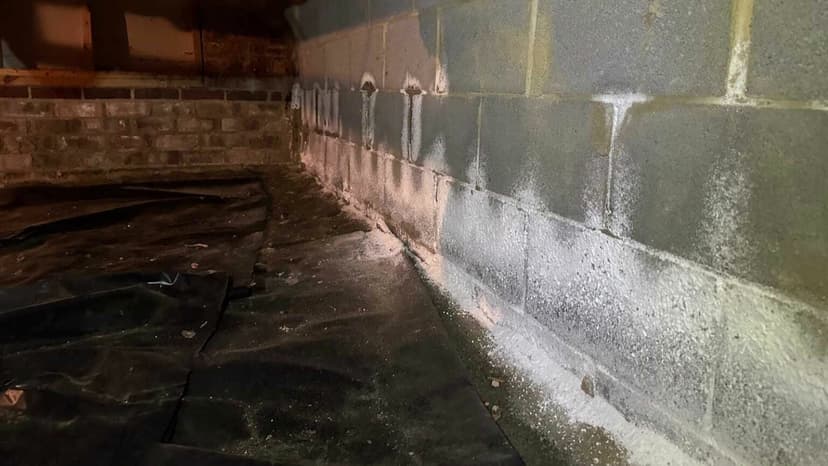
- Hydrostatic pressure: Water in the soil around the foundation can build pressure against the basement wall and push water through small cracks. An interior drainage system relieves that pressure by carrying the water to a sump pump.
- Drainage system failure: Sometimes, you may have a drainage system intended to prevent basement flooding. Unfortunately, flooding can still occur when this system becomes clogged, backed up, or damaged in some way. The best remedy in this case is to repair or replace the elements of your drainage system that have become faulty.
- Leaks in your plumbing system: Leaks in your plumbing system are also a common cause of basement floods. Hiring an experienced plumber allows you to diagnose the cause of your flooding and find the most appropriate solution.
- Foundation cracks: Regardless of the cause, if your basement foundation walls have cracks, there is a chance that water and moist air can get in. Sealing the cracks and addressing their cause helps keep water from leaking in.
How Can You Help Prevent Future Basement Floods?
The last step is to make future floods less likely. Improving the basement’s drainage is one of the main ways.
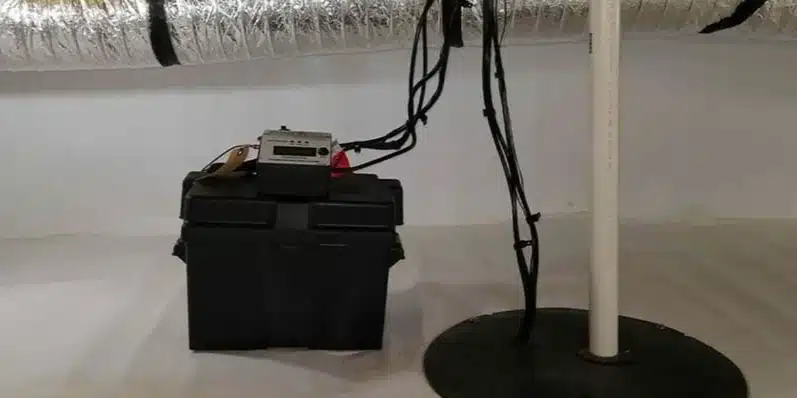
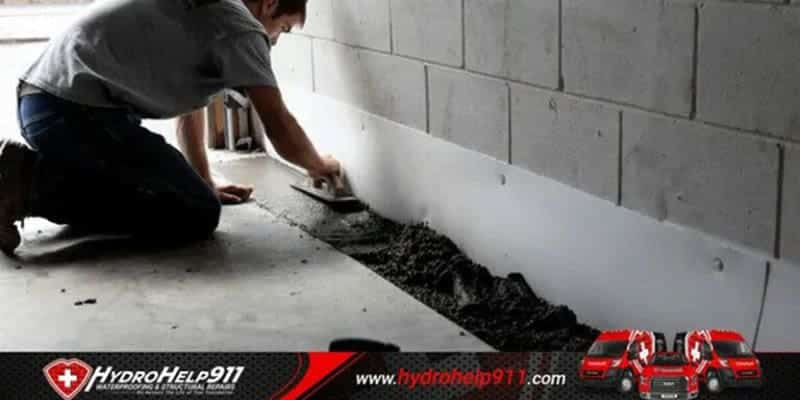
An interior basement drainage system collects water that reaches the basement and carries it out. It can include an interior French drain along the walls, floor drains and a sump pump. An inspection shows which parts your basement needs.
Along with drainage, consider interior basement waterproofing, which manages the water that reaches the walls and floor and carries it out of the house, which helps keep water from collecting in the basement.
Get Help With Your Flooded Basement
A flooded basement can be overwhelming, and a professional can help you find the cause. HydroHelp911 serves homeowners across North and South Carolina with interior basement waterproofing services and foundation repair.
Next Step
Schedule a Free Inspection
Call or fill out our quick online form. We'll book a convenient time to assess your home at no cost.
Learn more about our basement waterproofing services.
Found this useful? Share it with someone working on their home.
Written by
Cory Parks
Owner & President, HydroHelp911
Cory Parks founded HydroHelp911 and leads its structural and moisture repair work for homeowners across North and South Carolina, from the clay soils of the Piedmont to the saturated, sandy ground along the coast.
More about CoryGet a Free Inspection
Two ways to start. Both are free, with no obligation.
Pick your own day in our calendar. You save $250 if you go ahead with the work.
Send a short form, and our office will call to book a time that suits you.
For new customers who book online through our website and then sign a contract.