
Basement weep holes are small yet essential features in the construction of a home’s foundation. If you’ve ever noticed tiny holes drilled into the bottom of your basement walls, you’ve likely spotted weep holes.
Weep holes let water that collects inside a concrete block wall drain out, which relieves water pressure on the wall. This article covers what they are, how they work and how they help with water problems that can lead to basement repairs.
What Are Basement Weep Holes?
Weep holes are small openings or gaps in the basement walls that are drilled to allow water to escape from where it is most likely to accumulate. Think of weep holes like the drainage holes in a flower pot. Just like those holes let excess water escape to keep the plant’s roots from rotting, basement weep holes let water drain away to protect your walls and foundation.
Benefits of Basement Weep Holes
Weep holes are a simple but effective solution to many common basement problems.
Here are some of their benefits:
- Water Drainage: Weep holes help in protecting your basement walls from water damage. When it rains, water can collect behind or inside the walls, and when the cause is not addressed it can lead to leaks, mold and damage to the wall. Weep holes give that trapped water a way out.
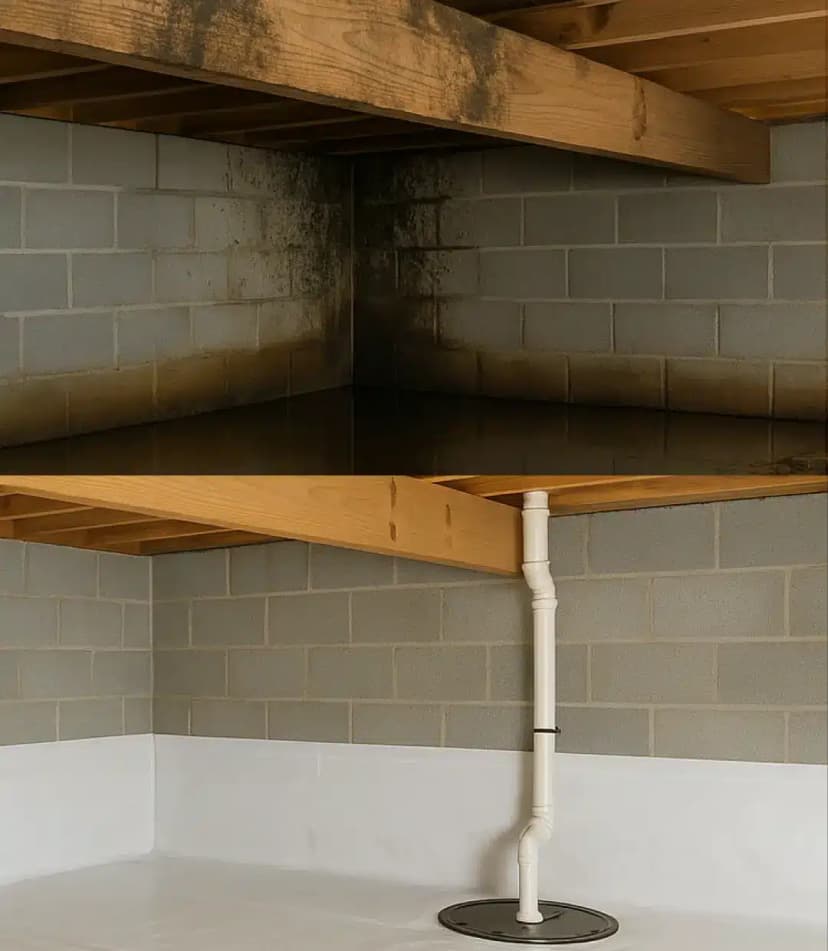
- Prevention of Mold and Mildew: Standing water and persistent moisture create an ideal environment for mold and mildew to thrive. This can affect not only your basement’s structural components but also your home’s indoor air quality. Weep holes let water escape, which can help with lowering levels of humidity and the chance of mold and mildew.
- Reduced Pressure on Walls: Water pressure can build up behind your walls, especially during heavy rains or poor drainage around your home. Over time, this water pressure can lead to cracks, leaks and bowing. Weep holes help relieve this pressure by letting water escape.
- Protecting Building Materials: Constant moisture can wear down concrete, wood and insulation. Managing water through weep holes helps protect these materials.
What Are the Signs Your Basement Needs Weep Holes?
If you have been dealing with dampness, leaks or minor flooding in your basement, the cause may be more than a leaky pipe. Water collecting inside the walls is one possibility. These signs can point to it:
- Visible Water Damage: If you notice any stains, peeling paint, or bubbling drywall on your basement walls, it may be a sign of water damage. These issues often point to water seeping in from the outside. Weep holes, usually paired with interior drainage, can give that water a controlled path out.
- Frequent Moisture or Damp Conditions: A consistently damp basement might mean water is finding its way inside. That moisture can lead to mold and mildew. Weep holes can help by letting water drain out of the walls.
- Cracks in Walls or Floor: The presence of cracks in your basement walls or floors might seem minor, but they’re often an early sign of potential water issues. These wall or floor cracks can let water seep through. Weep holes can help by giving water a controlled path out of the wall.
- Efflorescence: Efflorescence shows up as a white, powdery residue on your basement walls. It’s a sign of water evaporation leaving behind salt deposits and indicates that your basement walls are absorbing moisture. Installing weep holes can help reduce such water accumulation issues.
How Do Basement Weep Holes Work?
During rainy weather or when the ground is soaked, water may penetrate the walls of your basement. If your foundation is constructed with hollow concrete masonry units (CMUs), water has the potential to fill the voids inside these blocks. Water accumulation inside the blocks generates hydrostatic pressure, exerting force against the walls. Weep holes let that water drain out of the blocks, which reduces the pressure on the wall. Paired with an interior drainage system, the water is then carried to a sump.
What Are the Alternatives to Basement Weep Holes?
Basement Waterproofing
Interior basement waterproofing helps keep a basement dry. It manages the water that reaches the basement and removes water that gets in, which helps prevent mold, mildew and damage from moisture.
Interior French Drain Installation
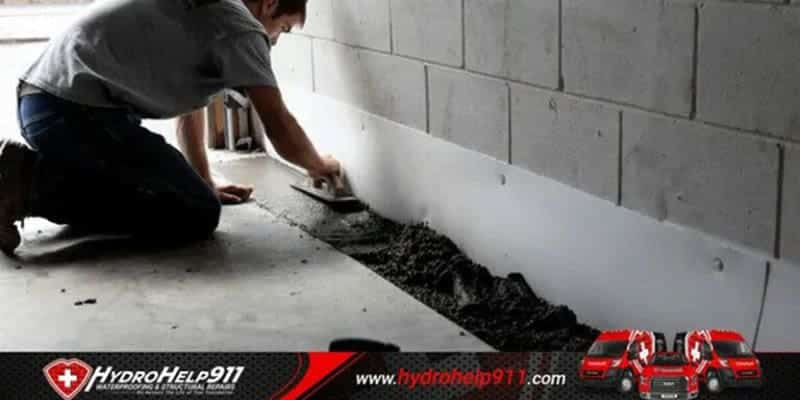
An interior French drain installation runs along the inside of the foundation wall, under the floor. A channel is cut, filled with gravel and fitted with a perforated pipe that collects water and carries it to a sump pump. It is a common way to manage water that reaches a basement or crawl space.
Sump Pump Installation
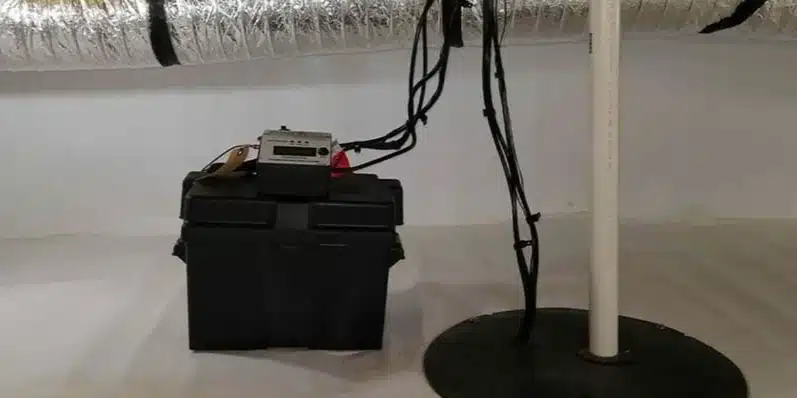
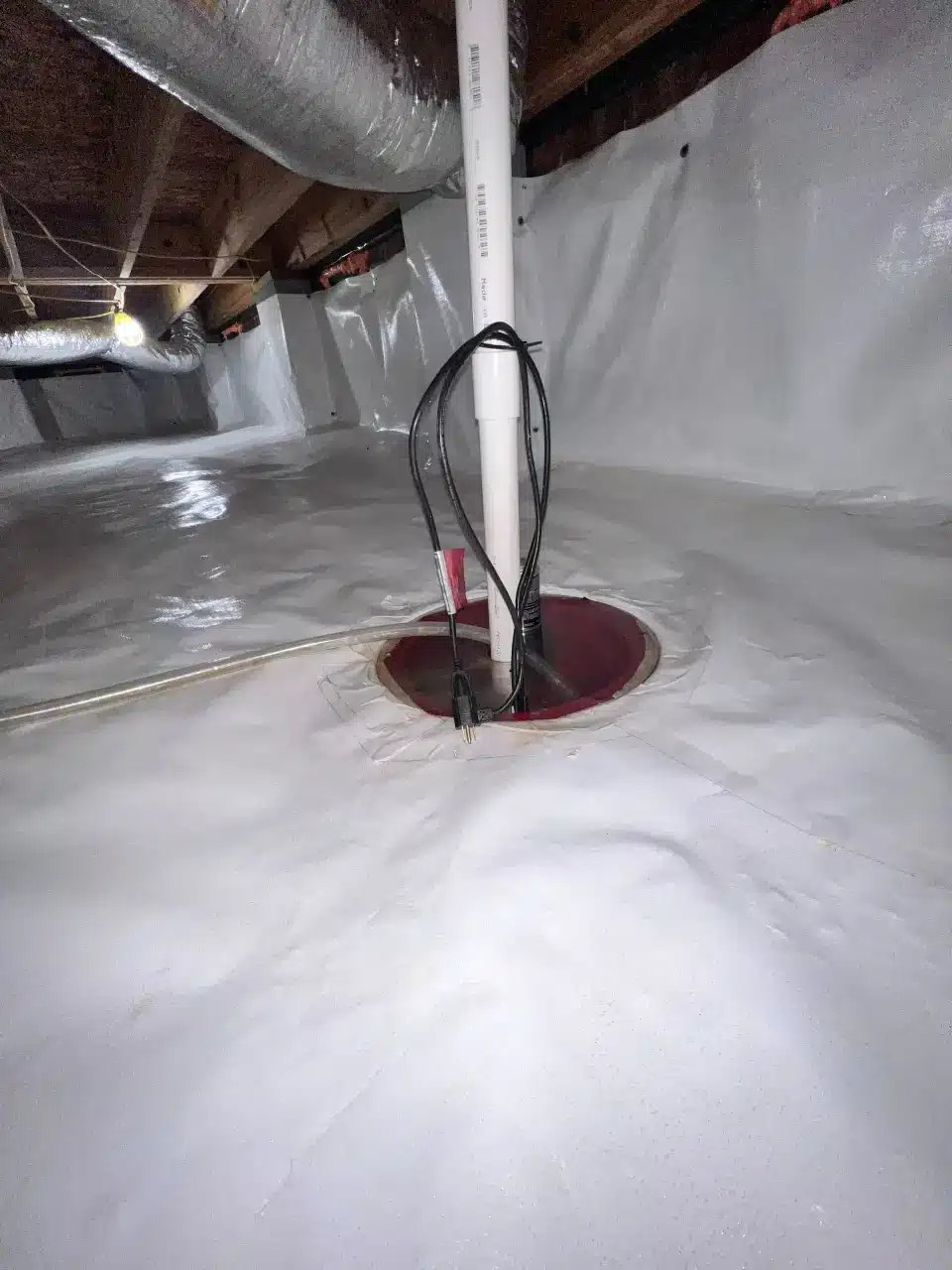
A sump pump helps keep a basement or crawl space dry. Water collects in a sump basin, usually at the lowest point, and when it reaches a set level the pump turns on and sends the water out of the house. This helps prevent standing water and the moisture problems that come with it.
How Do You Maintain Basement Weep Holes?
Weep holes work only while they stay open. These steps help:
- Regular Inspections: Periodically check your basement weep holes to ensure they aren’t blocked. Be on the lookout for dirt, debris, or plant growth that might obstruct water flow.
- Cleaning: If you find any blockages, clear them to keep the drainage functioning correctly. Routine cleaning allows water to escape freely, helping to prevent water buildup.
- Repairing Damage: Inspect the area around your basement weep holes for cracks or damage. Addressing them helps keep water from seeping into your basement.
- Ask a Professional: If you are unsure about the condition of your weep holes, or water problems keep coming back, a professional inspection can help.
Who Can Check Your Basement for Water Problems?
If you have noticed moisture or leaks in your basement, an inspection can show where the water comes from and what would help. HydroHelp911 serves homeowners across North and South Carolina with interior basement waterproofing.
Next Step
Schedule a Free Inspection
Call or fill out our quick online form. We'll book a convenient time to assess your home at no cost.
Learn more about our basement waterproofing services.
Found this useful? Share it with someone working on their home.
Written by
Cory Parks
Owner & President, HydroHelp911
Cory Parks founded HydroHelp911 and leads its structural and moisture repair work for homeowners across North and South Carolina, from the clay soils of the Piedmont to the saturated, sandy ground along the coast.
More about CoryGet a Free Inspection
Two ways to start. Both are free, with no obligation.
Pick your own day in our calendar. You save $250 if you go ahead with the work.
Send a short form, and our office will call to book a time that suits you.
For new customers who book online through our website and then sign a contract.