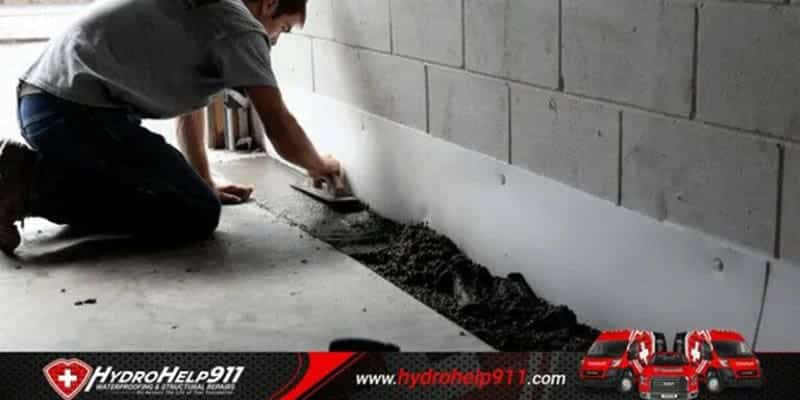

It is important to keep your basement dry because moisture can damage stored belongings, flooring and furniture, rot wood, rust metal and let mold grow. The main ways to keep it dry are repairing cracks, interior waterproofing and drainage, and a dehumidifier.
Because basements sit below ground, their humidity can be hard to control. This article covers why controlling moisture matters and the signs that a basement is too damp.
What Can Moisture Do to Your Basement?
When basement moisture is not controlled, it can lead to the problems below.
Damage to Stored Belongings
Although a basement is the perfect place to store some of your belongings, doing so comes with a risk. Standing water, condensation, and high levels of humidity can all cause water damage to any sensitive items you store downstairs. When the moisture is not addressed, the damage can spread.
Growth of Mold and Mildew
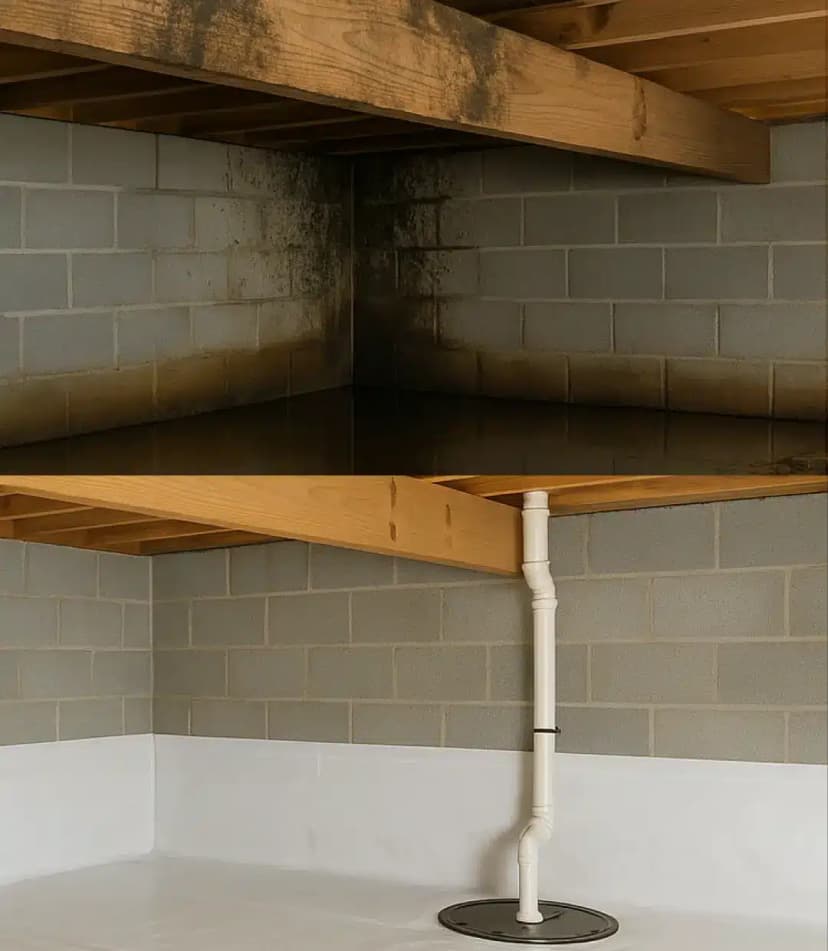
As the moisture and humidity levels in your basement grow, so does the risk of mold and mildew. Mold and mildew can also affect indoor air quality, especially for people with asthma. Eventually, spreading mold can even begin to affect the structural integrity of the wood that makes up your flooring structure.
Rot and Rust
Metal and wood in a basement do not hold up well when moisture stays high. Moisture leads to rot and rust, which wear these materials down.
Ruined Flooring and Furniture
Unsurprisingly, a lack of dryness in your basement can also cause damage to any flooring, carpeting, or furniture in your basement. This is especially true when you have standing water in your basement, which typically causes hardwood flooring to buckle and rot while also saturating carpets, making them a breeding ground for foul scents and bacteria.
What Are the Signs of Too Much Moisture in Your Basement?
If you notice any of these signs, a free inspection can show what is causing the moisture.
- Condensation: Condensation on walls, ceilings and other surfaces usually means the humidity is too high.
- Humidity: A hygrometer is one of the most precise ways to check whether your basement is dry enough. The EPA recommends keeping indoor humidity between 30% and 50%.
- Standing water: Standing water in a basement points to a water problem worth having inspected.
- Mold and mildew: As moisture builds, mold and mildew can spread more readily. Mold and mildew can also affect indoor air quality.
- Unpleasant scents: Another key indicator of excessive moisture is foul odors that arise from your basement. Unpleasant smells can result from mildew, rot, and other water problems.
- Having to empty your dehumidifier constantly: A dehumidifier that fills up again and again is a telltale sign that there is more moisture in the air than there should be.
Because basements are underground, they are prone to high humidity, especially in summer. If you notice any of these signs, addressing the moisture helps limit damage to your foundation and your belongings.
How to Keep Your Basement Dry

There are several ways to keep a basement dry. These are the main ones.
Stay on Top of Repairs
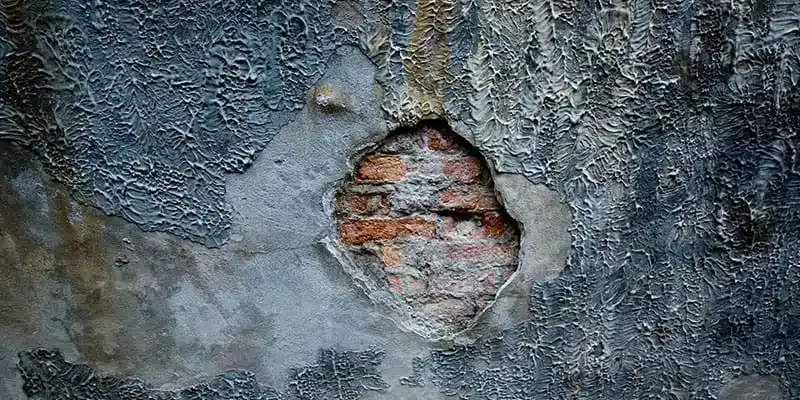
Large cracks in your foundation wall can allow water to seep through from the outside. Watching for foundation damage and keeping up with regular repairs can make it less likely that foundation damage will lead to water in your basement.
Look Into Waterproofing
Interior basement waterproofing manages the water that reaches the basement walls and floor and carries it out of the house, which helps keep the basement dry.
Rely on Dehumidification
Another excellent tool for maintaining basement dryness is a dehumidifier. Whether you have had moisture issues in the past or not, dehumidification will help you monitor and control the relative humidity in your basement.
Install an Interior Drainage System
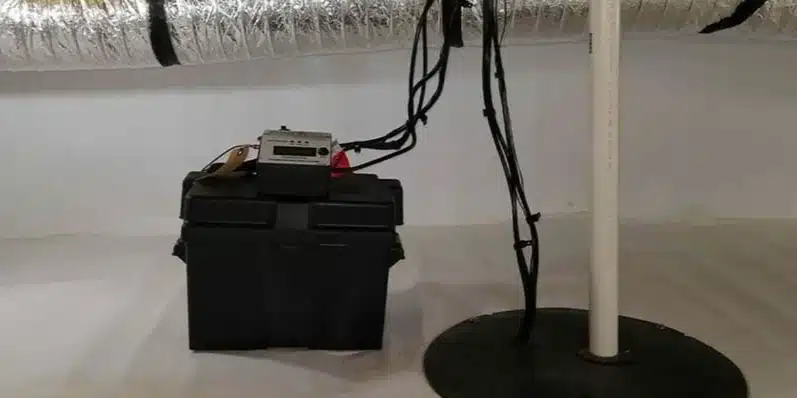
An interior basement drainage system collects water along the inside of the foundation and carries it to a sump pump, which sends it out of the house. It helps a basement handle heavy rain and high groundwater.
Need Help Keeping Your Basement Dry?
There are ways to both prevent and fix basement water problems, and a professional inspection is a good place to start. HydroHelp911 provides structural foundation repairs and waterproofing across North and South Carolina and can find the source of the water in your basement.
Next Step
Schedule a Free Inspection
Call or fill out our quick online form. We'll book a convenient time to assess your home at no cost.
Learn more about our basement waterproofing services.
Found this useful? Share it with someone working on their home.
Written by
Cory Parks
Owner & President, HydroHelp911
Cory Parks founded HydroHelp911 and leads its structural and moisture repair work for homeowners across North and South Carolina, from the clay soils of the Piedmont to the saturated, sandy ground along the coast.
More about CoryGet a Free Inspection
Two ways to start. Both are free, with no obligation.
Pick your own day in our calendar. You save $250 if you go ahead with the work.
Send a short form, and our office will call to book a time that suits you.
For new customers who book online through our website and then sign a contract.