
Chapter 01
Why Does Concrete Sink or Settle in the Carolinas?
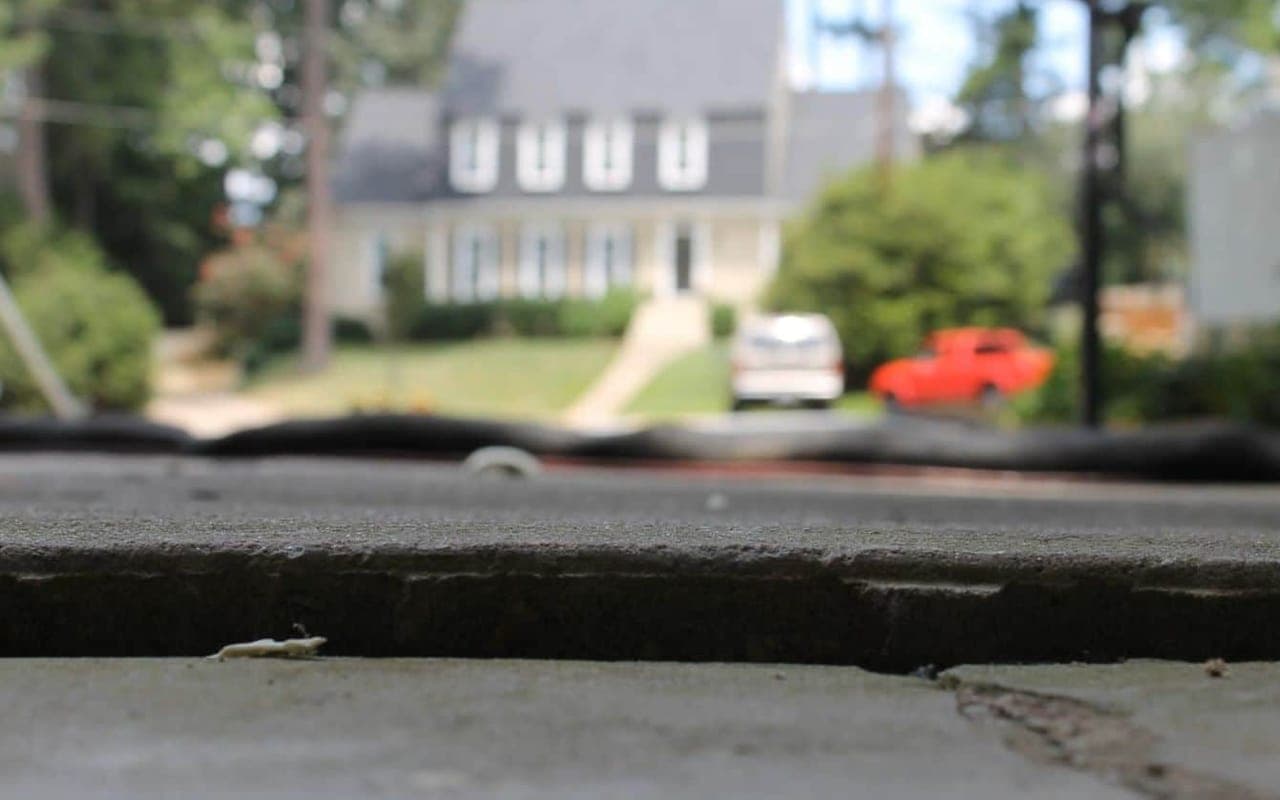
A walkway, patio or garage floor is only as steady as the soil under it. When that soil washes out, softens or compresses, the slab can drop with it. Across North and South Carolina, what the soil does depends a great deal on where you live.
Piedmont Clay Swells and Shrinks
In the Piedmont, including Charlotte, Gastonia, Huntersville, Matthews, Greensboro and the Triangle, clay soils absorb moisture during wet seasons and contract during dry periods. Slabs resting on clay can move up and down with those seasons. Around Greenville and Columbia in South Carolina, Piedmont and foothill clay, plus heat and humidity, add their own moisture load.
Coastal Sand Can Wash Out
In Wilmington, Leland and Brunswick County, a high water table and sandy, saturated soils shape how concrete fails. Slabs can settle as soil washes out from beneath them.
Slopes Move Water and Soil Downhill
Around Asheville, many homes sit on hillsides. Slopes, runoff and heavy mountain rainfall move water and soil downhill, and a path or patio can lose soil along its downhill edge.
Sandhills Soils Drain Differently
Around Fayetteville and Pinehurst, sandy soils drain and shift differently from Piedmont clay, so the causes of a sunken slab can differ too.
What Can Happen Under Any Slab
- Fill that was never fully compacted. Soil placed under a slab during construction may not have been compacted in even layers, and it can keep compressing under the slab for years.
- Old trenches. Soil put back into a utility trench often settles more than the soil around it, so a low line across a slab can follow an old trench.
- Water along the edges. Runoff and irrigation along the edge of a slab can wash soil out from under it.
- Tree roots. Roots can lift one side of a walkway or slab.
Chapter 02
A Checklist for Walking Around Your Home
Walk around your home with this list. Check off what you see, write down where it is and when you noticed it, and take a photo. Those notes are useful at an inspection, whatever the cause turns out to be.
A Sign Is Not a Diagnosis
A low slab or a crack can have more than one cause. Use this list as notes for a conversation with an inspector, not as a verdict on your concrete.
What to Write Down for Each Sign
- Where it is. A walkway, the patio, the steps, the pool deck, the garage or a room inside.
- What you see. Which section sits lower, which way a slab tips, where a crack runs.
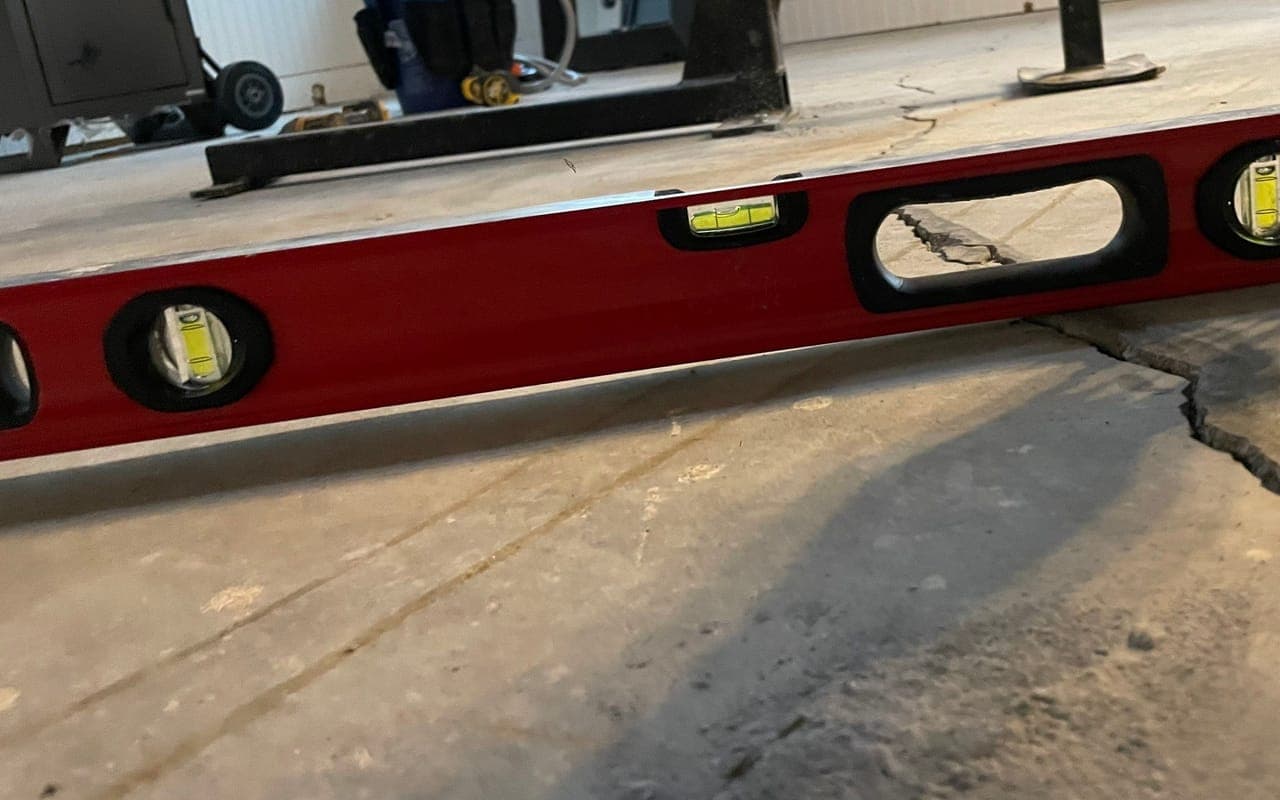
- How big it is. Hold a tape measure across a raised edge, or put a coin beside a crack in your photo.
- When you first noticed it. A rough date is fine.
- Where water goes. After a rain, where it collects and which way it runs. Read more about water collecting against a foundation.
Chapter 03
Why Does Sunken Concrete Matter?
A slab that has dropped is not only a question of looks. These are the things it can change around your home.
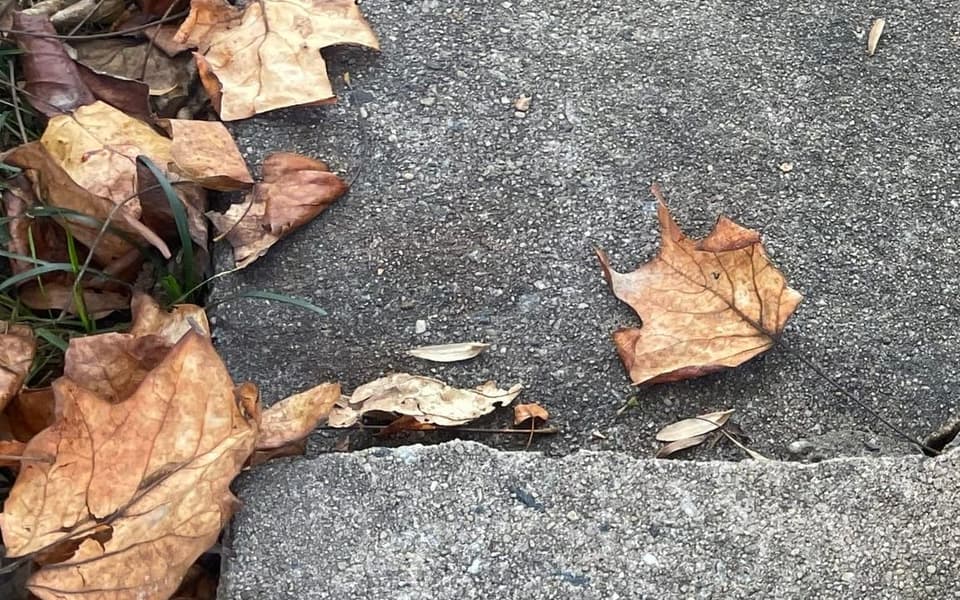
- Trip hazards. Where one section sits lower than the next, the raised edge can catch a foot. Read more about trip hazards.
- How it looks. A slab that has sunk, cracked or pitched to one side changes how the front of a home looks.
Small Cracks and Moving Cracks
Small cracks that form as new concrete dries and shrinks are common, and most of them do not affect the strength of the slab. Cracks that keep growing, or where one side sits higher than the other, are a different matter and are worth having inspected.
A Low Floor Inside the Home
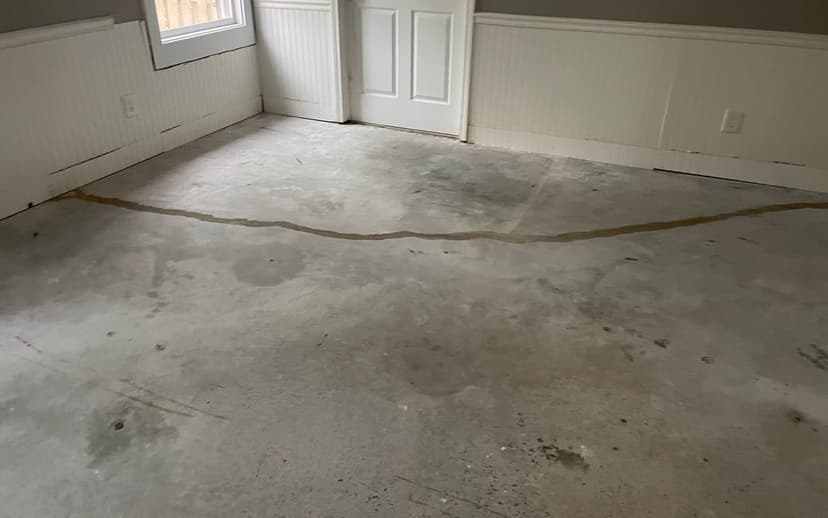
If your home is built on a concrete slab and a floor inside has dropped, we also lift and level settled slab foundations with polyurethane foam injection. Read more about slab lifting and leveling under a home.
Chapter 04
What Happens at a Free Inspection?
A free inspection is where your notes turn into answers, at no cost to you.
- 1
Schedule Your Free Inspection
Call or fill out our quick online form. We’ll book a convenient time to assess your home at no cost.
- 2
Get a Custom Repair Plan
A trained inspector (not a salesperson) looks at your concrete. No scare tactics, just clear, transparent advice you can trust.
- 3
Relax While We Handle the Fix
If you decide to go ahead, our team schedules the work and lifts the concrete.
What You Get Afterward
After the inspection you get written documentation, typically an estimate with photographs, and we can provide video of what we found if you ask.
Bring Your Checklist
Your notes and photos show the inspector what you have seen, including where water goes after a rain.
Chapter 05
What Is Polyurethane Foam Lifting?
We lift and level sunken concrete with polyurethane foam injection, also called polyjacking: polyurethane foam injected under a settled slab to lift and level it. The existing slab stays in place.
We use it for sidewalks and walkways, patios and porches, steps, garage floors, pool decks and interior concrete floors.
Our foundation repair work includes soil stabilization, for weak or shifting soil under a foundation or concrete slab.
Sealing Joints and Cracks
We also seal the joints between concrete sections and the cracks in a slab. Read more about joint and crack sealing.
Read more about polyurethane foam injection.
Chapter 06
How Does Foam Lifting Compare With Mudjacking and Replacement?
There is more than one way to deal with a sunken slab. Here is how the three you are most likely to hear about differ, so an estimate makes sense to you.
| What to Compare | Foam Lifting | Mudjacking | Replacement |
|---|---|---|---|
| What does the work | Polyurethane foam injected under the settled slab | A slurry made with cement, pumped under the slab | The old slab is broken out and a new one is poured |
| At HydroHelp911 | The method we use to lift and level concrete | Explained here so you can compare | Explained here so you can compare |
Mudjacking
Mudjacking uses a slurry made with cement, pumped under the slab. We lift concrete with polyurethane foam, and mudjacking is explained here so you can compare the two. Read more about mudjacking and polyjacking.
Replacement
Replacing concrete means breaking out the old slab and pouring a new one. We lift concrete with polyurethane foam, and replacement is explained here so you can compare.
Chapter 07
What Affects the Cost of Concrete Leveling?
Every slab is different, so your price comes from the written estimate after your free inspection. The size of the slab is one of the things that changes it.
We offer financing options. Ask your inspector about them at your free inspection, or read about financing.
Chapter 08
How Do You Compare Concrete Leveling Estimates?
If you are talking with more than one company, it can help to have each estimate in writing so you can compare them side by side.
Questions Worth Asking Any Contractor, Including Us
- What made the slab settle, and will lifting address it?
- Is my slab in good enough condition to lift?
- What material will you use under the slab, and why does it fit?
- Will the joints and cracks be sealed afterward?
- What does the warranty cover, what are its conditions, and when does it start?
- What is not included in the price?
Our polyurethane slab lifting warranties each come with written conditions, and no warranty of any kind starts until the final invoice is paid in full. The full terms are on our warranty page.
Chapter 09
Common Questions About Concrete Leveling
What kinds of concrete do you level?
We level sidewalks and walkways, patios and porches, steps, garage floors, pool decks and interior concrete floors.
Do you lift concrete in my area?
We lift and level concrete across our service area in North and South Carolina. Our offices are in Dallas, Huntersville, Matthews, Asheville, Greensboro and Wilmington in North Carolina, and in Greenville and Columbia in South Carolina.
When does a warranty start?
No warranty of any kind starts until the final invoice is paid in full. Every term, with its conditions, is on our warranty page.
Do you offer financing?
Yes. We offer financing options. Ask your inspector about them at your free inspection.
Why am I getting emails after asking for this guide?
When you ask for the guide, we email it to you, and we may follow up with a few short emails on the topics in it. Every one of these emails has an unsubscribe link, and one click stops them.
When You Are Ready
Get a Free Inspection for Your Concrete
HydroHelp911 has served homes across North and South Carolina since 2017. We have 1,300+ verified Google reviews (4.9 stars), and we are BBB A+ Accredited. Bring your checklist to a free inspection, where a trained inspector (not a salesperson) looks at your concrete.