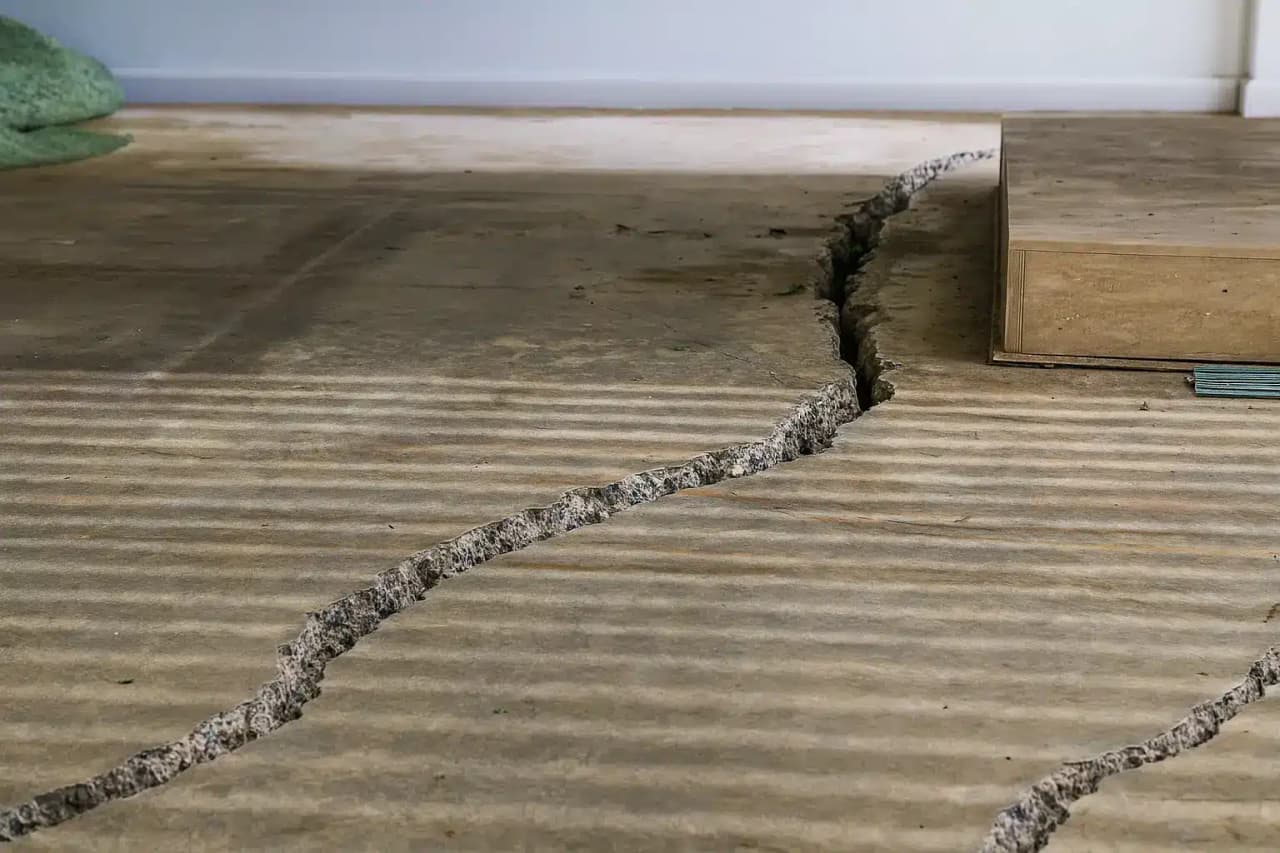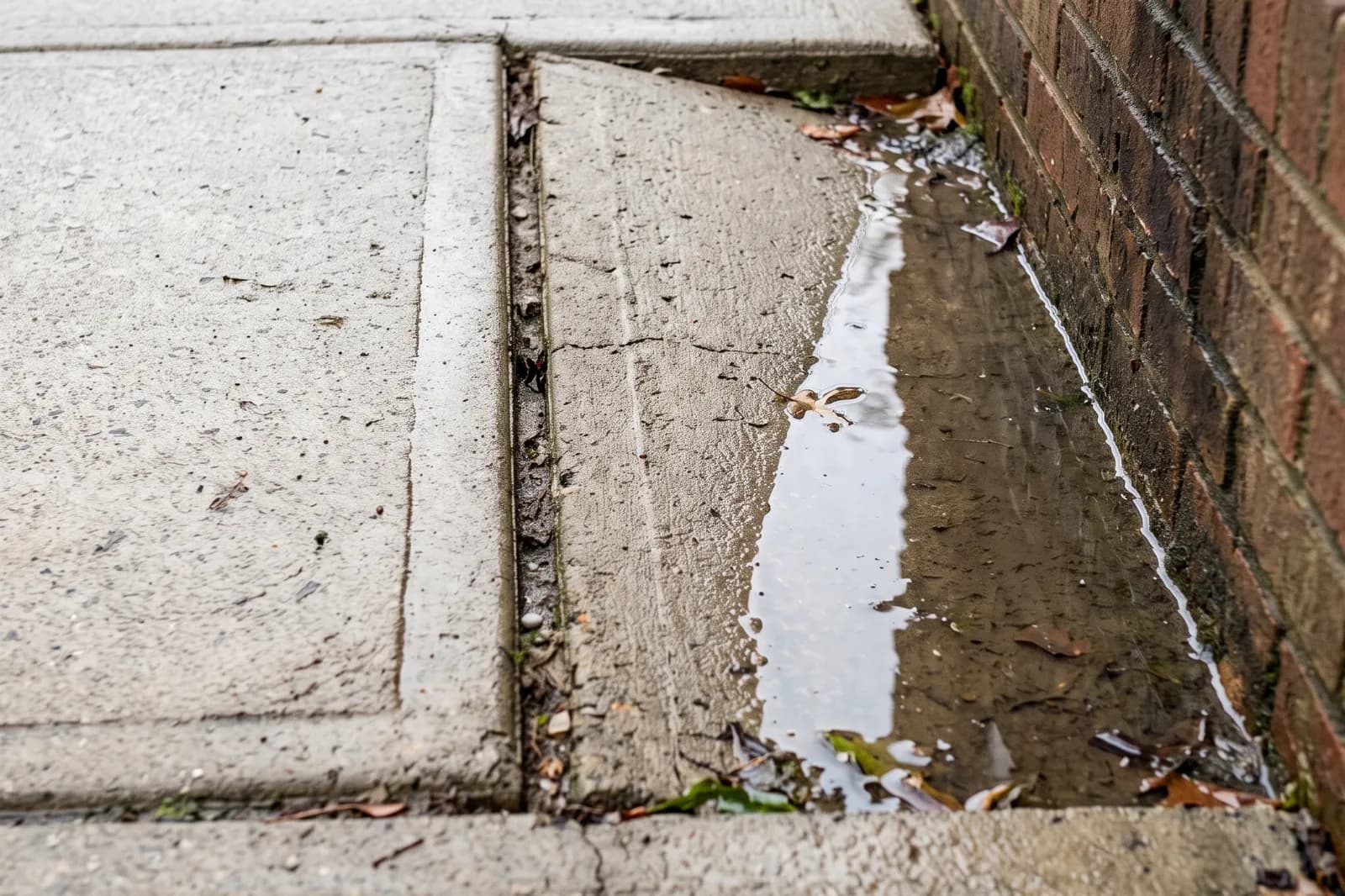

Mud jacking, sometimes called slab jacking or concrete lifting, is a method for raising a concrete slab that has settled below its original height. A slurry made with cement is pumped through small holes drilled into the surface, filling the empty space underneath and lifting the slab back toward level, and the existing slab stays in place. It is often one of the less disruptive options for settled driveways, sidewalks, patios, garage floors, and porch slabs.
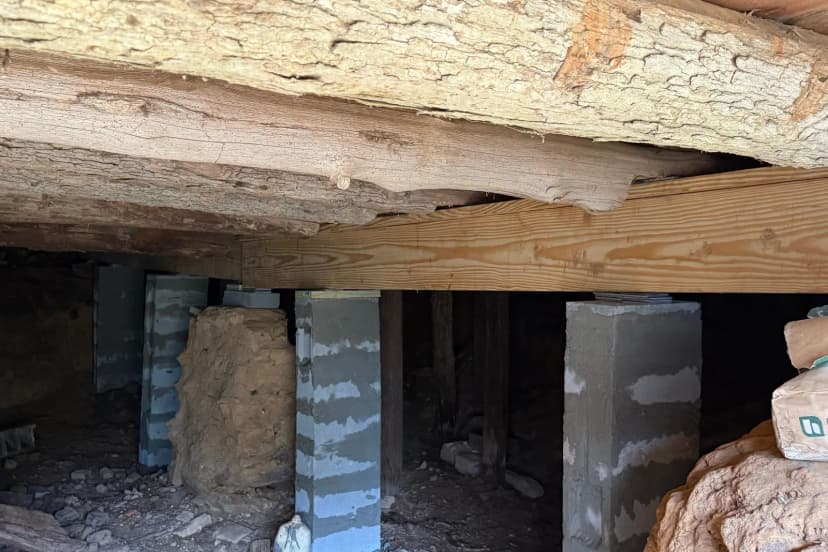
In the Carolinas, settled concrete usually traces back to what is happening in the soil beneath the slab. In the Piedmont, including Charlotte, Greensboro, Winston-Salem, and the Triangle, clay soils absorb water during wet seasons and shrink during dry spells, and that repeated swelling and shrinking can open gaps beneath slabs poured on top of it. In the Sandhills around Fayetteville and Pinehurst, sandy soils drain and shift differently, so a slab can settle as fine particles wash out and the support beneath it loosens. Fill soil that was not packed well when the slab was poured, and water that runs along the edge of a slab, can also wear away support.
Mud jacking suits some of these slabs, but not all of them. Whether a slab is a good candidate depends on its condition and on what is causing the settling. HydroHelp911 lifts settled concrete with polyurethane foam injection, and this page explains mud jacking so you can compare the two methods. Every concrete leveling visit starts with a free inspection of the slab and the cause of the settling.
What to Know About Slab and Mud Jacking and How the Method Works
HydroHelp911 lifts settled slabs with polyurethane foam, and this page explains mud jacking so you can compare the two. Mud jacking fills the empty space under a settled slab with a dense, flowing slurry of sand, cement, and water that supports the slab and pushes it back up.
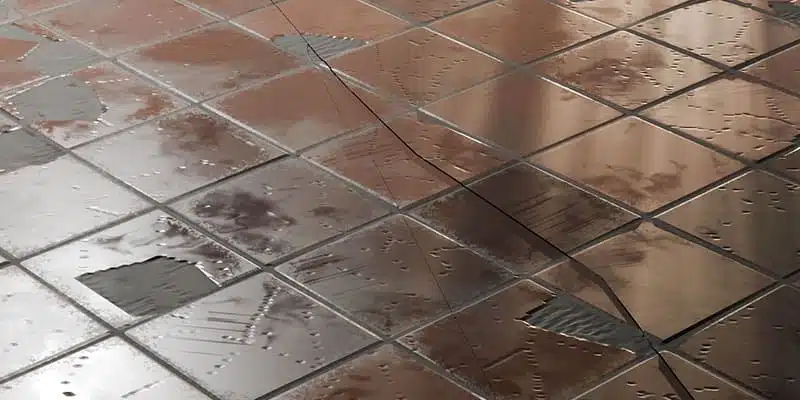
Small holes are drilled through the concrete and the slurry is pumped through them under pressure, raising the slab in small steps toward its original height. At the target height the holes are patched, and the cured slurry acts as a base beneath the concrete. Lifting a slab this way can help with a garage floor that cracked and dropped. To compare, the polyjacking with expanding foam page shows the method HydroHelp911 uses.
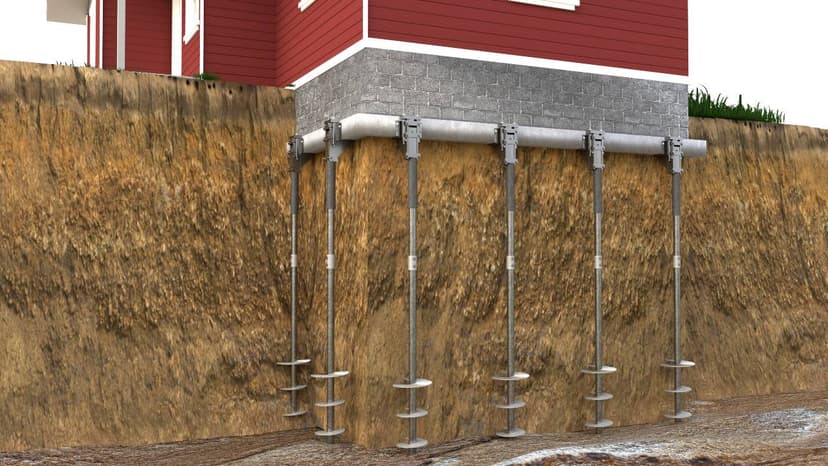
Mud jacking addresses the slab and the space under it. It does not change the deeper soil or how water reaches the slab, which may be what let it settle, so diagnosis matters. Beneath some slabs sits active Piedmont clay that keeps moving. Around others, the inspection finds water collecting along the slab edge. Then a deeper repair, such as steel piers under a slab foundation, may be needed.
Common Questions About Slab & Mud Jacking
What Is the Difference Between Mud Jacking and Slab Jacking?
The terms are often used the same way. “Slab jacking” and “concrete lifting” are general terms for raising a settled slab back to level. “Mud jacking” usually means doing that with a slurry made with cement pumped beneath the slab. Concrete can also be lifted with polyurethane foam, which is a different material. Which approach fits depends on the slab and the soil beneath it.
Mud Jacking vs Polyurethane Foam: Which Is Better for Lifting Concrete?
Neither is better for every slab. A cement slurry is a heavier, denser fill. Polyurethane foam is lighter, resists water, and adds less weight to the soil beneath the slab, which can matter where that soil is weak. The slurry’s weight can help on some slabs and work against it on others. The slab, the soil, and the access decide which material fits. HydroHelp911 lifts slabs with polyurethane foam injection.
Can Mud Jacking Be Used on Driveways, Sidewalks, and Patios?
Yes. Mud jacking is commonly used on home driveways, sidewalks, walkways, patios, porch slabs, and garage floors that have settled and become uneven. Whether it is the right fit depends on the condition of the slab and what caused the settling, which an inspection of the slab establishes.
Is Mud Jacking Less Disruptive Than Replacing the Concrete?
Often, yes. Mud jacking lifts the existing slab in place by drilling small holes and pumping slurry underneath, so the old concrete stays where it is. For a slab that is still sound but has settled, that usually means less demolition. If a slab is badly cracked or worn, replacement may make more sense.
How Much Does Mud Jacking Cost?
There is no set price for mud jacking, because the cost follows the slab and the soil beneath it. In general, mud jacking cost depends on the size of the slab, how far it has settled, how many injection points are needed, and access to the area. HydroHelp911 lifts settled slabs with polyurethane foam, and the free inspection ends with a written estimate at no cost before any work is scheduled.
Will Mud Jacking Fix the Reason My Slab Settled?
Not by itself. Mud jacking lifts the slab and fills the space beneath it, but it does not change deeper soil behavior or how water reaches the slab. Where the soil below is the problem, a deeper structural repair such as piers may be needed so the result is more likely to hold.
Next Step
Schedule a Free Inspection
Call or fill out our quick online form. We'll book a convenient time to assess your home at no cost.
Learn more about our foundation repair services.
Found this useful? Share it with someone working on their home.
Written by
Cory Parks
Owner & President, HydroHelp911
Cory Parks founded HydroHelp911 and leads its structural and moisture repair work for homeowners across North and South Carolina, from the clay soils of the Piedmont to the saturated, sandy ground along the coast.
More about CoryGet a Free Inspection
Two ways to start. Both are free, with no obligation.
Pick your own day in our calendar. You save $250 if you go ahead with the work.
Send a short form, and our office will call to book a time that suits you.
For new customers who book online through our website and then sign a contract.