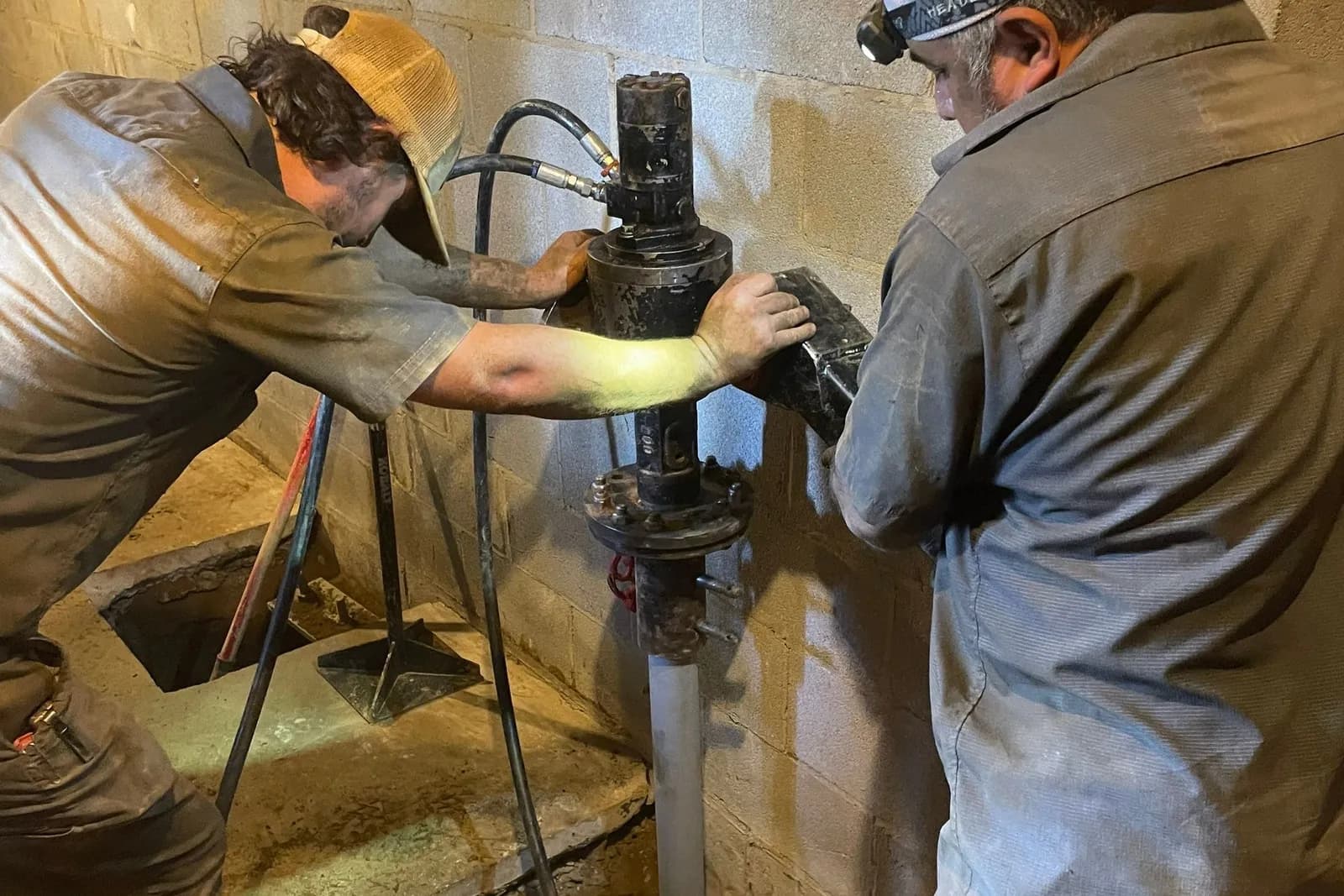

A micro pile, sometimes called a mini pile or pin pile, is a narrow pile made from a steel casing or threaded steel bar set in grout inside a drilled hole. It carries the weight of a structure down through weak upper soil to firmer soil or rock below. Because the piles are narrow, the drilling rigs that install them are compact, which is why micro piles come up for tight spaces such as narrow side yards, basement interiors and lots close to neighboring buildings.
Foundation settlement in the Carolinas usually starts with the soil under the footing. Across the Piedmont, clay soils swell when wet and shrink when dry, and that seasonal movement can let a footing drop. In the Sandhills and along the coastal plain, sandy soils can wash out or compress under load. On mountain lots, fill soil and slopes can settle unevenly. Whichever method carries the load, the goal is to reach soil below the layer that is moving.
HydroHelp911 supports settled foundations with helical piers and push piers, and this page explains micro piles so you can compare them. Every foundation repair starts with a free inspection that measures the settlement and looks at the soil and water around the home.
What to Know About Micro Piles and How the Method Works
HydroHelp911 underpins settled foundations with helical piers and push piers, and this page explains micro piles so you can compare them. A micro pile starts with a hole drilled through the weak soil, often with a compact rig.
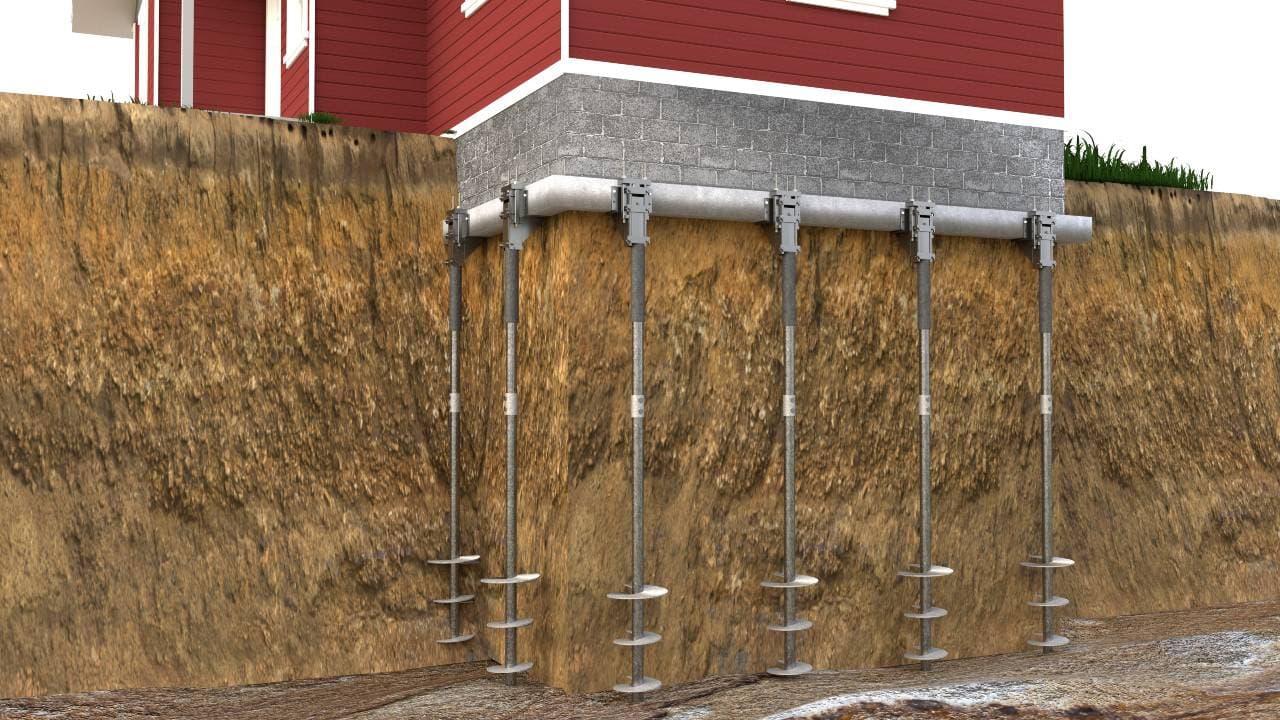
A steel casing or bar goes into the hole, and grout fills the space around it so the pile bonds with the soil or rock along its length. A bracket ties the foundation to the top of the pile, and the load of the home moves onto it. Helical and push piers reach firmer soil without drilling or grout: a helical pier is screwed in, and a push pier is pressed down using the weight of the home.
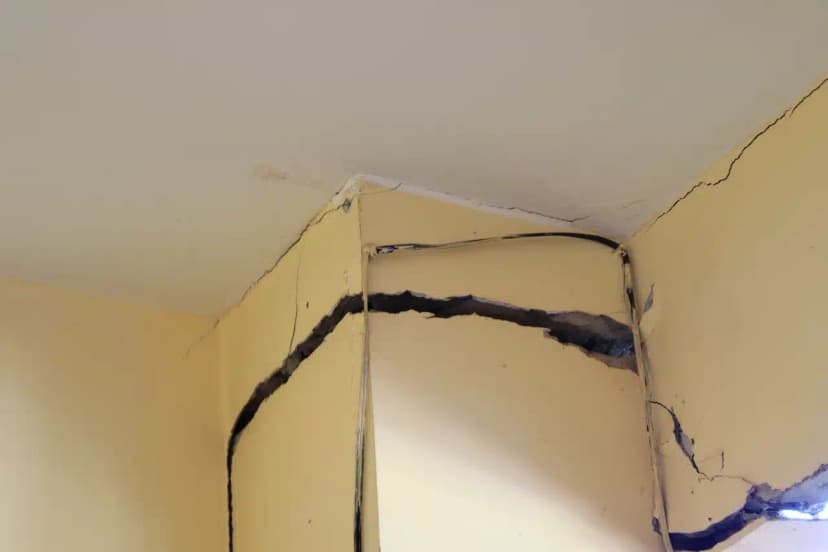
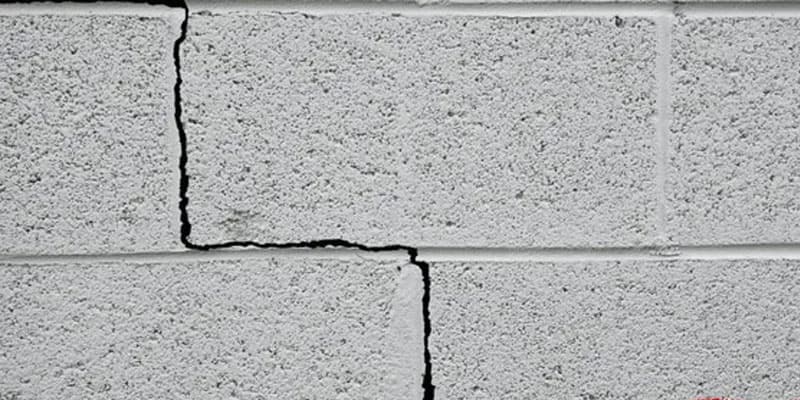
No pier or pile changes the soil behavior that let a footing settle in the first place. Signs such as a foundation sinking at one corner or stair step cracks in brick point to the cause, and the inspection looks at how water reaches the soil as well as how far the home has moved.
Common Questions About Micro Piles
What Is the Difference Between Micro Piles and Helical or Push Piers?
All three carry the weight of a home down to firmer soil. A micro pile is drilled and grouted in place. A helical pier is a steel shaft with helical plates that is screwed into the ground, and a push pier is a steel pipe pressed down hydraulically using the weight of the home. HydroHelp911 installs helical piers and push piers, and the inspection shows which of the two fits your home and soil.
Why Are Micro Piles Used in Tight Spaces?
The piles are narrow, so the drilling equipment that installs them is compact and can work in places a larger rig cannot reach, such as basement interiors, narrow side yards and lots close to other buildings. The inspection looks at access around your home when it plans a pier layout.
Why Do Foundations Settle in the Carolinas?
Most settlement starts with the soil. Piedmont clay swells in wet seasons and shrinks in dry ones, and over the years that movement can let a footing drop. Sandy soils in the Sandhills and on the coastal plain can wash out or compress, and fill soil on hillside lots can settle unevenly. Water draining toward the foundation adds to each of these, which is why the inspection looks at drainage as well as the settlement.
Can a Pile Lift My Foundation Back to Level?
Sometimes part of the way. Once a pier or pile carries the load, part of the settlement can often be recovered, but how much depends on the structure and how long it has sat out of level. The main goal of any pier or pile is to stop further settlement in the area it supports. The inspection measures how far the home has moved and explains what to expect.
How Much Do Micro Piles Cost?
There is no set price for micro piles, because the cost follows the depth to firmer soil, the number of piles, access and the load of the home. HydroHelp911 supports settled foundations with helical piers and push piers, and the free inspection ends with a written estimate at no cost before any work is scheduled.
Next Step
Schedule a Free Inspection
Call or fill out our quick online form. We'll book a convenient time to assess your home at no cost.
Learn more about our foundation repair services.
Found this useful? Share it with someone working on their home.
Written by
Cory Parks
Owner & President, HydroHelp911
Cory Parks founded HydroHelp911 and leads its structural and moisture repair work for homeowners across North and South Carolina, from the clay soils of the Piedmont to the saturated, sandy ground along the coast.
More about CoryGet a Free Inspection
Two ways to start. Both are free, with no obligation.
Pick your own day in our calendar. You save $250 if you go ahead with the work.
Send a short form, and our office will call to book a time that suits you.
For new customers who book online through our website and then sign a contract.