CH 01
How Do Termites Damage Crawl Space Framing?
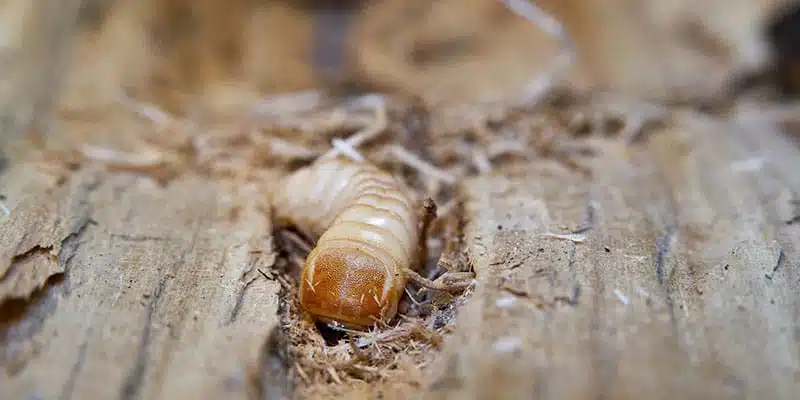
Subterranean termites, the kind most common in the Carolinas, live in the soil and travel up into a home through mud tubes they build on piers and foundation walls. They feed on wood from the inside, so a joist or sill plate can look sound on the surface while it has been hollowed out within.
Termites are drawn to damp wood, and the humid, wet crawl spaces common across the Piedmont and the coast keep framing at the moisture levels they like. By the time a homeowner notices, the damage may show up as a soft or sagging floor over the affected area.
CH 02
What Are the Signs of Termite Damage in a Crawl Space?
From inside the home, the signs include floors that feel soft or bouncy in one area, trim or flooring that sounds hollow when tapped, and doors that start to stick. Discarded wings near windows in spring can point to a swarm.
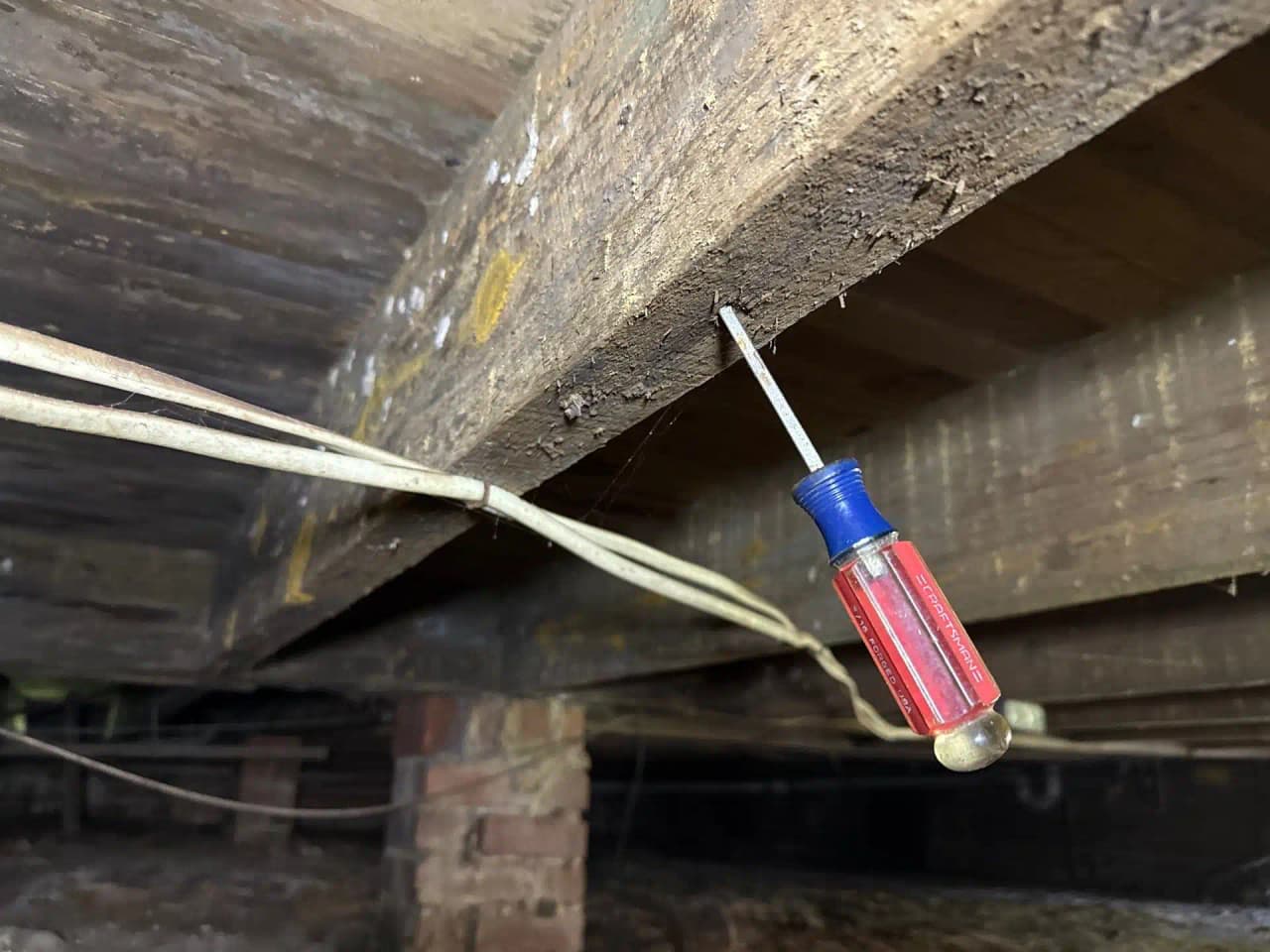
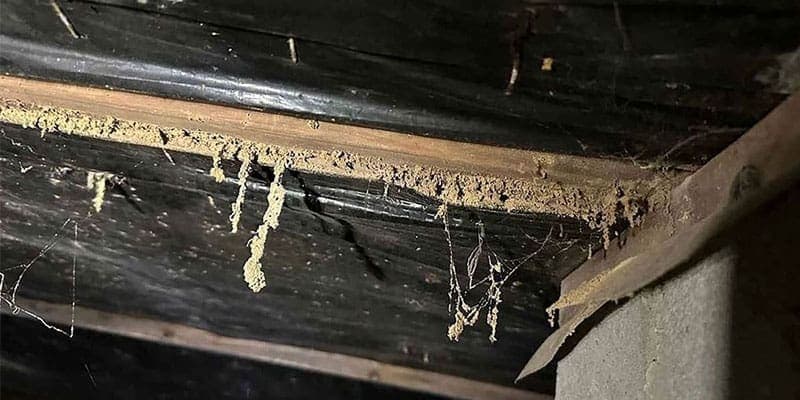
Under the house, the signs are mud tubes on piers and walls, wood that is hollow, blistered or crumbling, and sawdust like debris below damaged members. Wood near damp soil and leaking pipes deserves the closest look.
CH 03
Who Treats Termites, and Who Repairs the Wood?
These are two different jobs. Confirming whether termites are active and treating the colony is the work of a licensed pest professional, and that treatment usually comes before or alongside any structural work so new wood is protected.
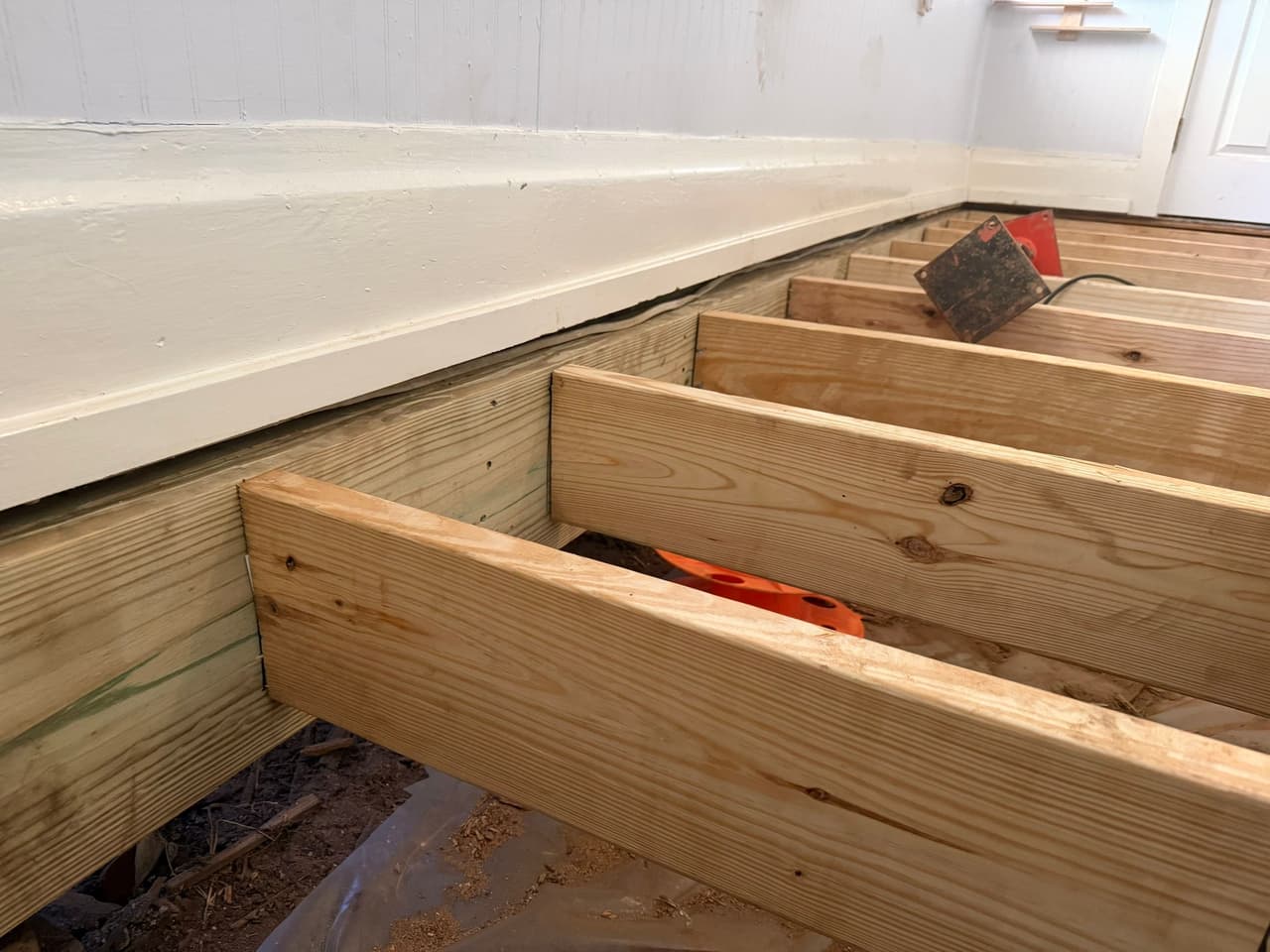
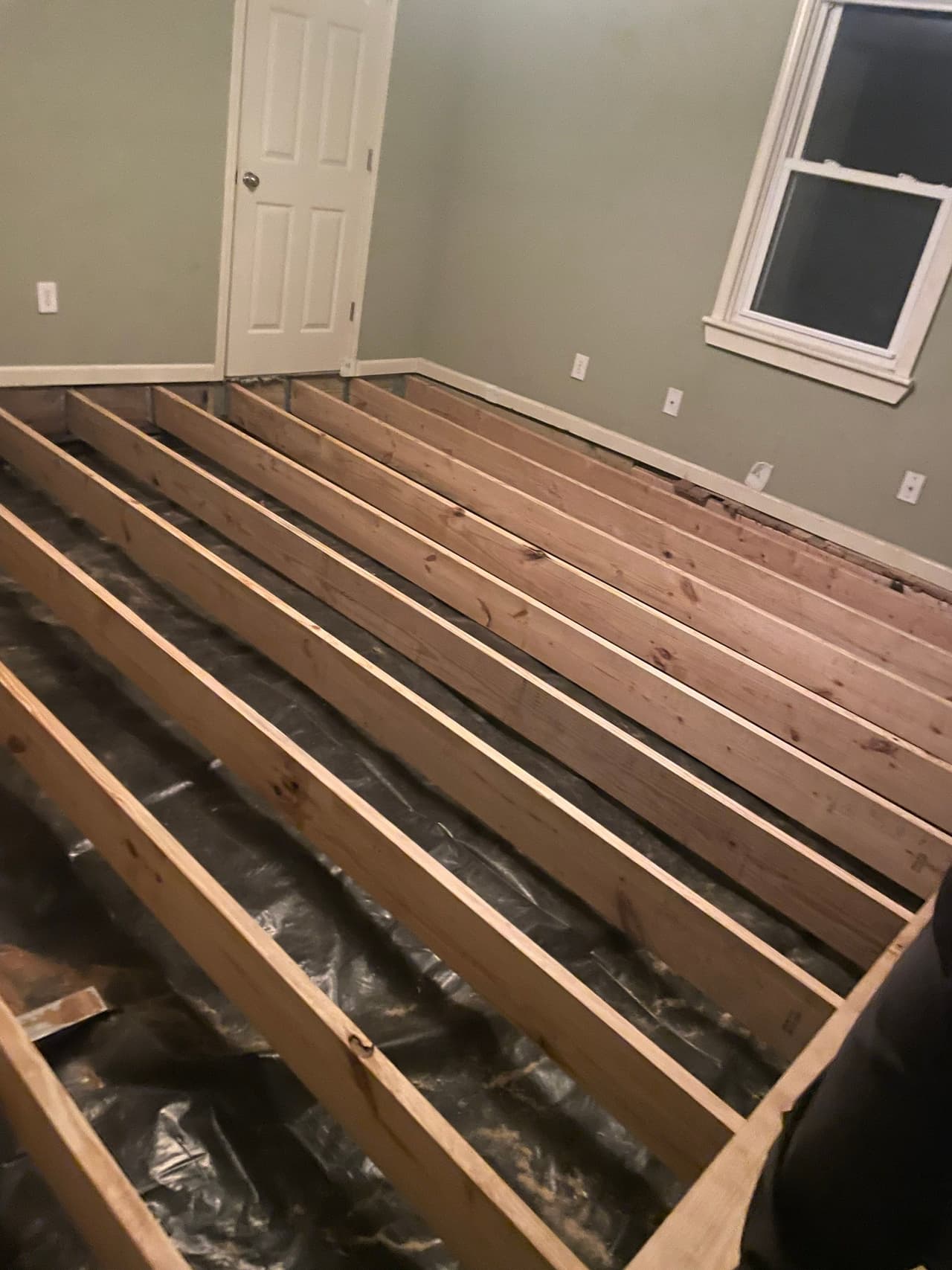
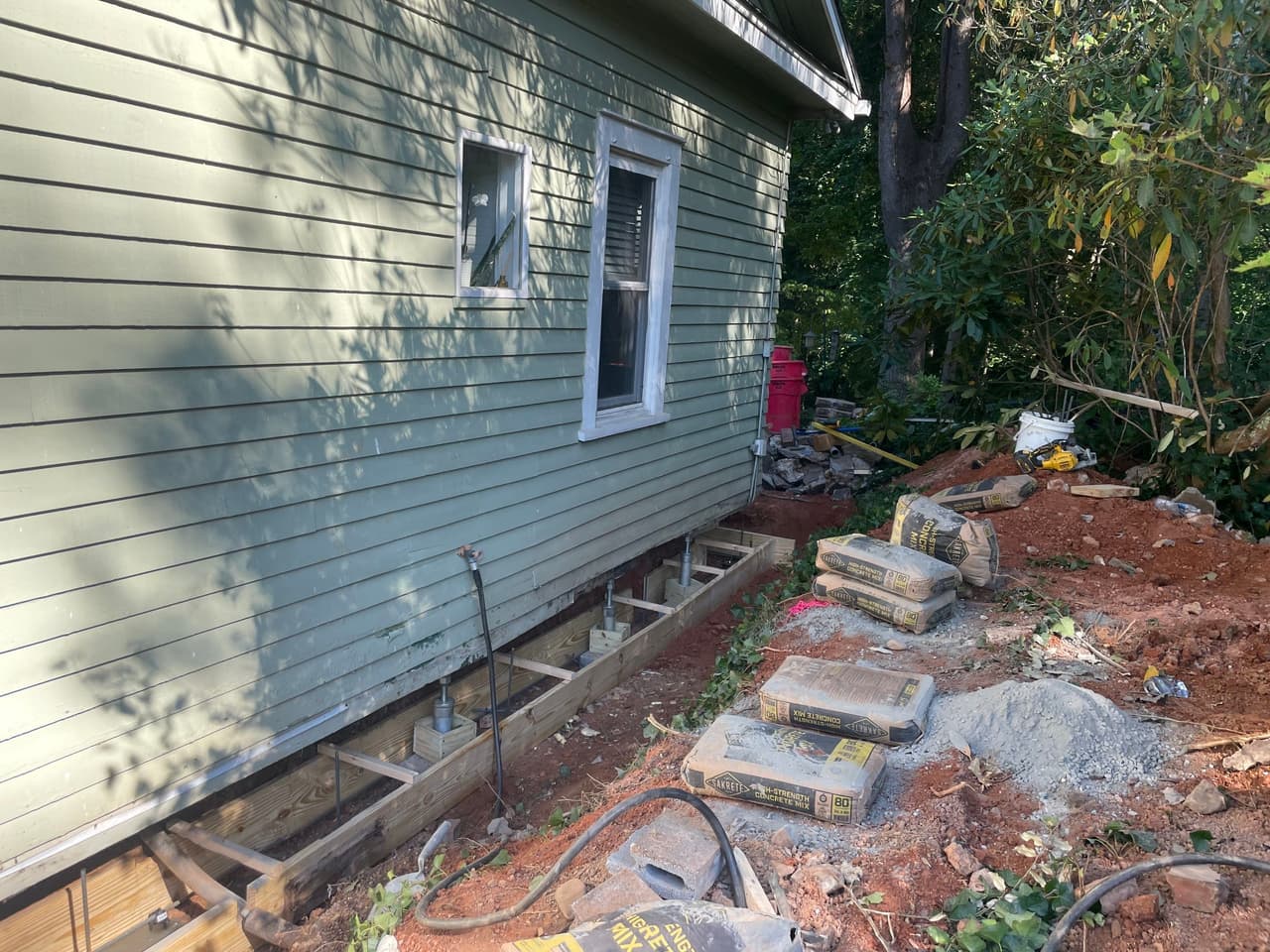
The structural side is about the framing. Joists, beams, sill plates and posts that have lost strength are repaired through framing repair: sistering new joists alongside damaged ones, replacing beams and sill plates, or adding support under the floor. The inspection decides which members need work.
CH 04
How Is Wood Weakened by Termites Repaired?
The repair depends on how much strength the wood has lost. A joist with limited damage can often be sistered, where new lumber is fastened alongside it to carry the load. A beam or sill plate that is badly damaged is usually replaced, with the floor supported while the work is done.
Where a floor has sagged, supports such as adjustable steel jacks under the beam can carry the load and bring the floor back toward level in stages. Larger floor framing work is covered under floor framing repair.
CH 05
Why Does Moisture Matter After Termite Damage?
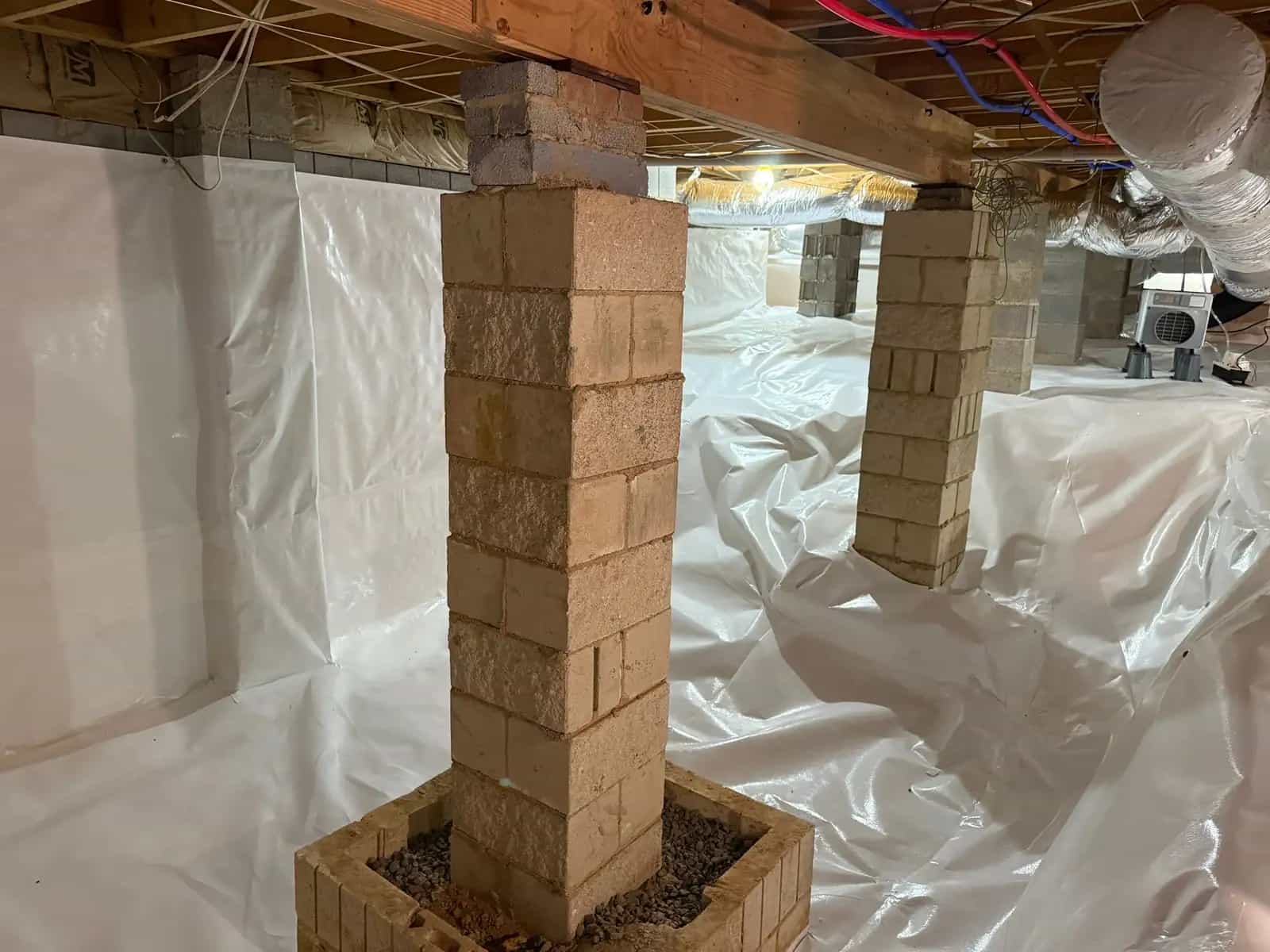
Termites and moisture often go together. A crawl space that stays damp keeps wood at the moisture levels termites like, and it can also rot the same framing. Drying the space with a sealed crawl space liner, sealed vents and a dehumidifier helps protect the new and existing wood.
The inspection checks the moisture sources, such as ground vapor, humid air through open vents, and water that reaches the floor, so the repair plan covers the conditions as well as the damage.
CH 06
Does Insurance or a Warranty Cover Termite Damage?
Many homeowners insurance policies exclude termite damage, and coverage differs by policy, so your insurer is the one to ask. After an inspection you receive written documentation, typically an estimate with photographs, and you are welcome to share it with your carrier.
HydroHelp911's wood structural warranty does not cover termite damage. Our warranty terms list each one with its conditions.