A trained inspector (not a salesperson) will look at your home, explain what they find in plain language, and send a written estimate.
Crawl Space Repair · North and South Carolina
Pests in the Crawl Space: Why They Get In and What Helps
Open vents, gaps and damp soil make a crawl space easy for pests to enter and stay in. Here is what draws them, and how a sealed, dry crawl space changes that. Looking for a reliable crawl space repair contractor? You're in the right place. Read on to learn more.
Pests get into crawl spaces for two reasons: a way in and a reason to stay. Open foundation vents, torn screens, gaps around pipes and a loose access door give rodents and insects a way in, and damp soil, humid air and softened wood give many of them the conditions they look for. A crawl space that is sealed and dry offers fewer of both.
Open vents and gaps let pests in
Damp soil and wood give them a reason to stay
Encapsulation seals and dries the space
Active infestations need a licensed pest professional
North Carolina · South Carolina
Get a Free Inspection
Two ways to start. Both are free, with no obligation.
Pests need a way in and a reason to stay; a sealed, dry crawl space offers fewer of both.
Pests usually need two things from a crawl space: a way in and a reason to stay. Open vents, torn screens, gaps around pipes and a loose access door are the common ways in. Damp soil, humid air, standing water and softened wood are the common reasons to stay. Sealing and drying the space addresses both, and that work is part of crawl space encapsulation. An active infestation needs treatment from a licensed pest professional.
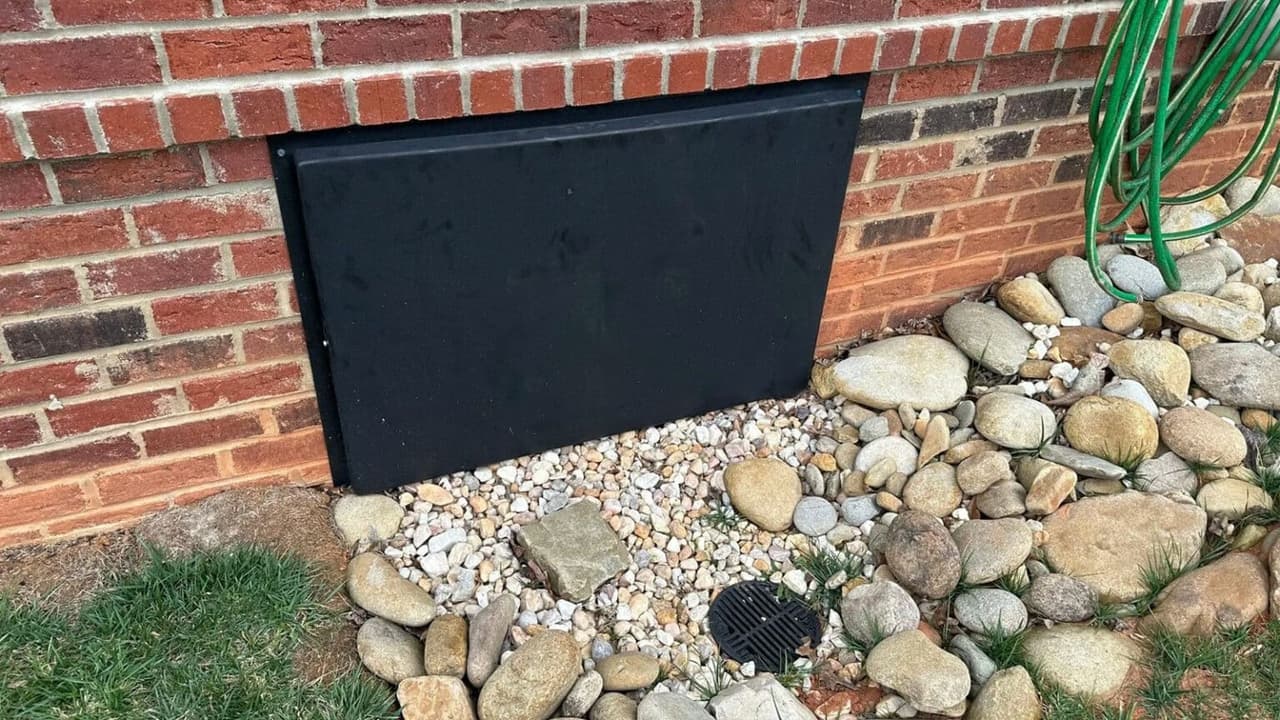
Damaged vent screens and debris inside the ventsOpen Vents and Torn Screens
Open foundation vents are an easy way in. Sealing them is part of encapsulating the crawl space.
What a homeowner should understand about this repair, explained in plain language.
Would You Like the Guide by Email?
The Homeowner's Guide to Crawl Spaces, sent free to your inbox.
Free Homeowner Guide
The Homeowner’s Guide to Crawl Spaces
Where crawl space moisture comes from, a checklist of the signs, and how repair and encapsulation work.
HydroHelp911
North and South Carolina
Free Guide
Get the Free Crawl Space Guide
A free guide for homes in North and South Carolina: where crawl space moisture comes from, the signs worth writing down, and how crawl space repair and encapsulation work, in plain language.
A crawl space checklist to walk your home with
Where crawl space moisture comes from, from the mountains to the coast
How a vapor barrier and full encapsulation differ
Questions to ask about a crawl space estimate
Check your inbox
Your guide is on its way. If it has not arrived in a few minutes, check your spam folder, then add us to your contacts so the next one lands where it should.
An open, damp crawl space can be an easy place for pests to get into and stay. Rodents and insects are drawn to crawl spaces across the Carolinas for the same reasons: gaps and torn vent screens give them a way in, and damp soil, standing water, humid air and softened wood give many of them the conditions they look for.
A crawl space that stays wet through a humid Piedmont summer, or sits damp over a high water table near Wilmington, is usually more attractive to pests than one that is sealed and dry. The same dampness under the floor that softens framing is part of the picture.
CH 02
What Are the Signs of Pests in a Crawl Space?
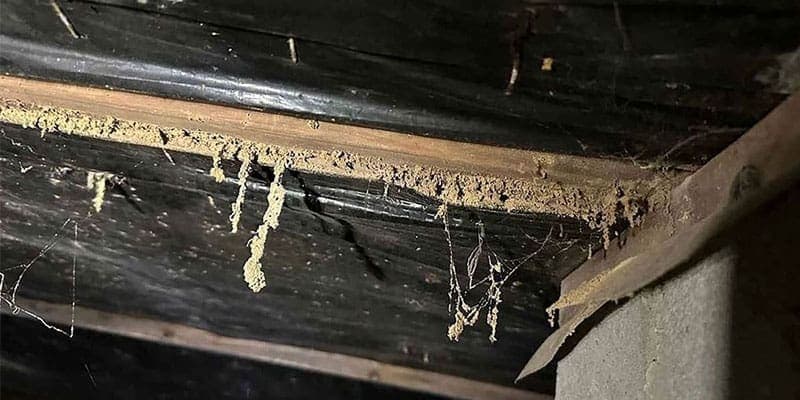
Signs often show up in the house first: scratching or movement under the floor at night, droppings near floor registers, and a stronger musty smell. Under the house, the common findings are insulation that has been pulled down or tunneled through, droppings on the liner or soil, chewed duct wrap, and torn vent screens.
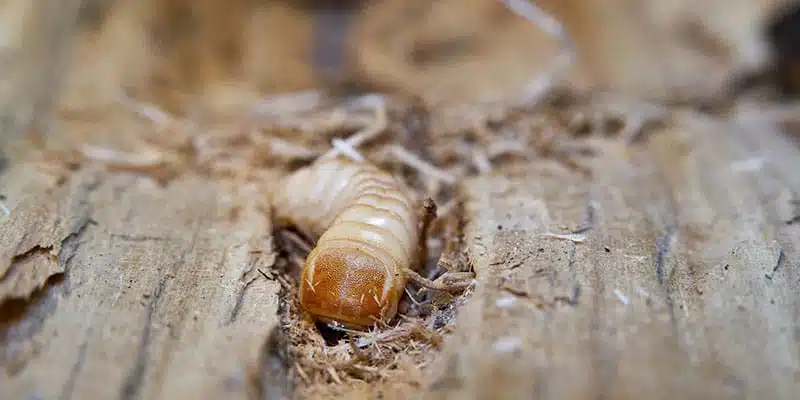
Mud tubes on piers or foundation walls can point to termites, and wood that is soft or hollow near damp areas is worth a closer look. If an inspection finds signs of an active infestation, we will tell you, so you can call a licensed pest professional.
CH 03
How Does Encapsulation Make a Crawl Space Less Inviting to Pests?
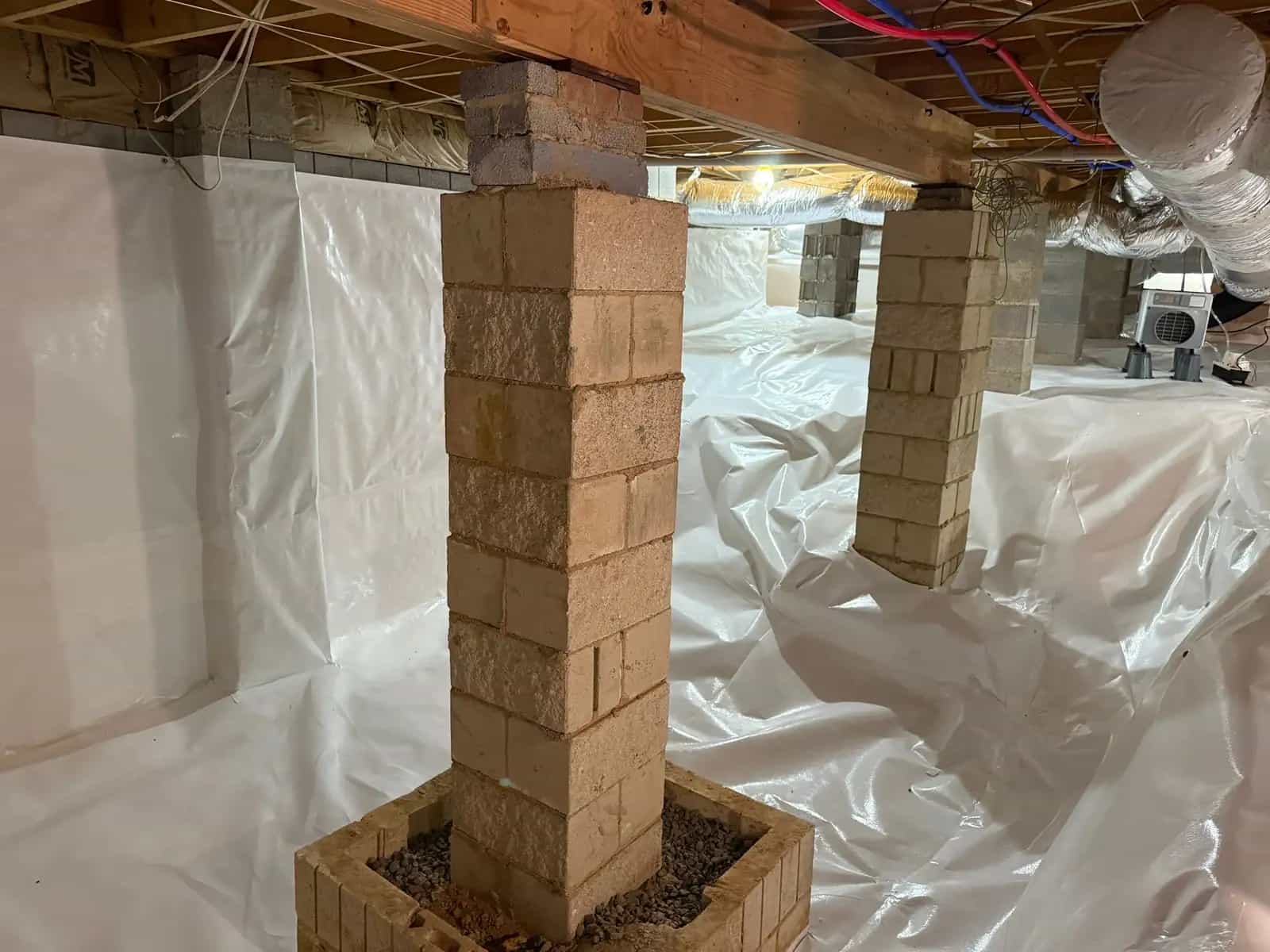
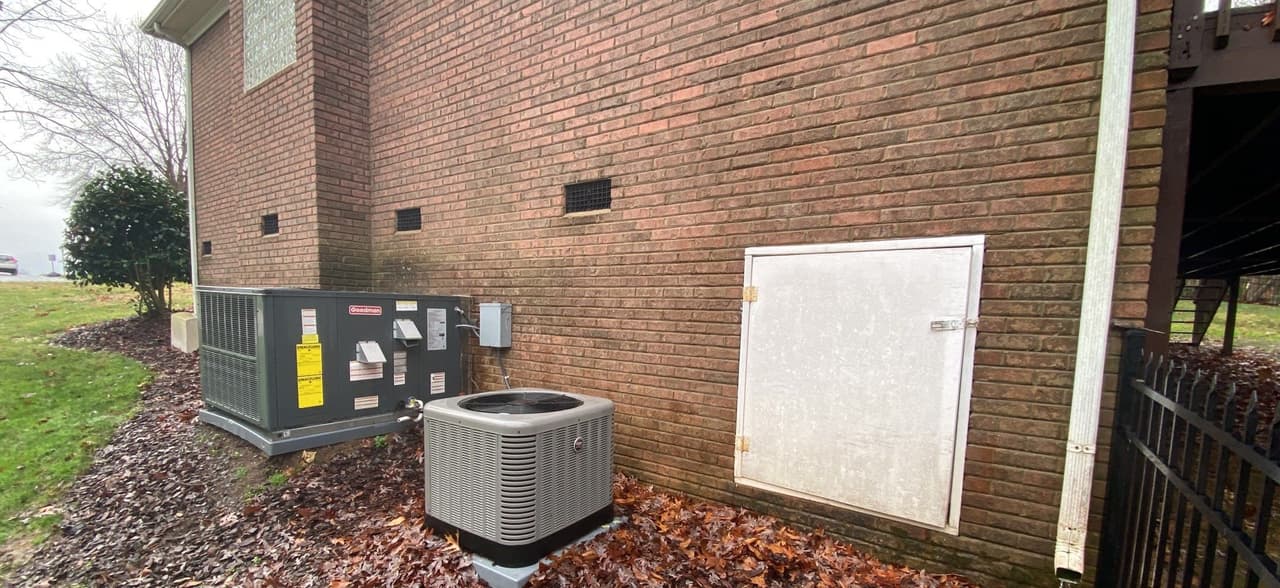
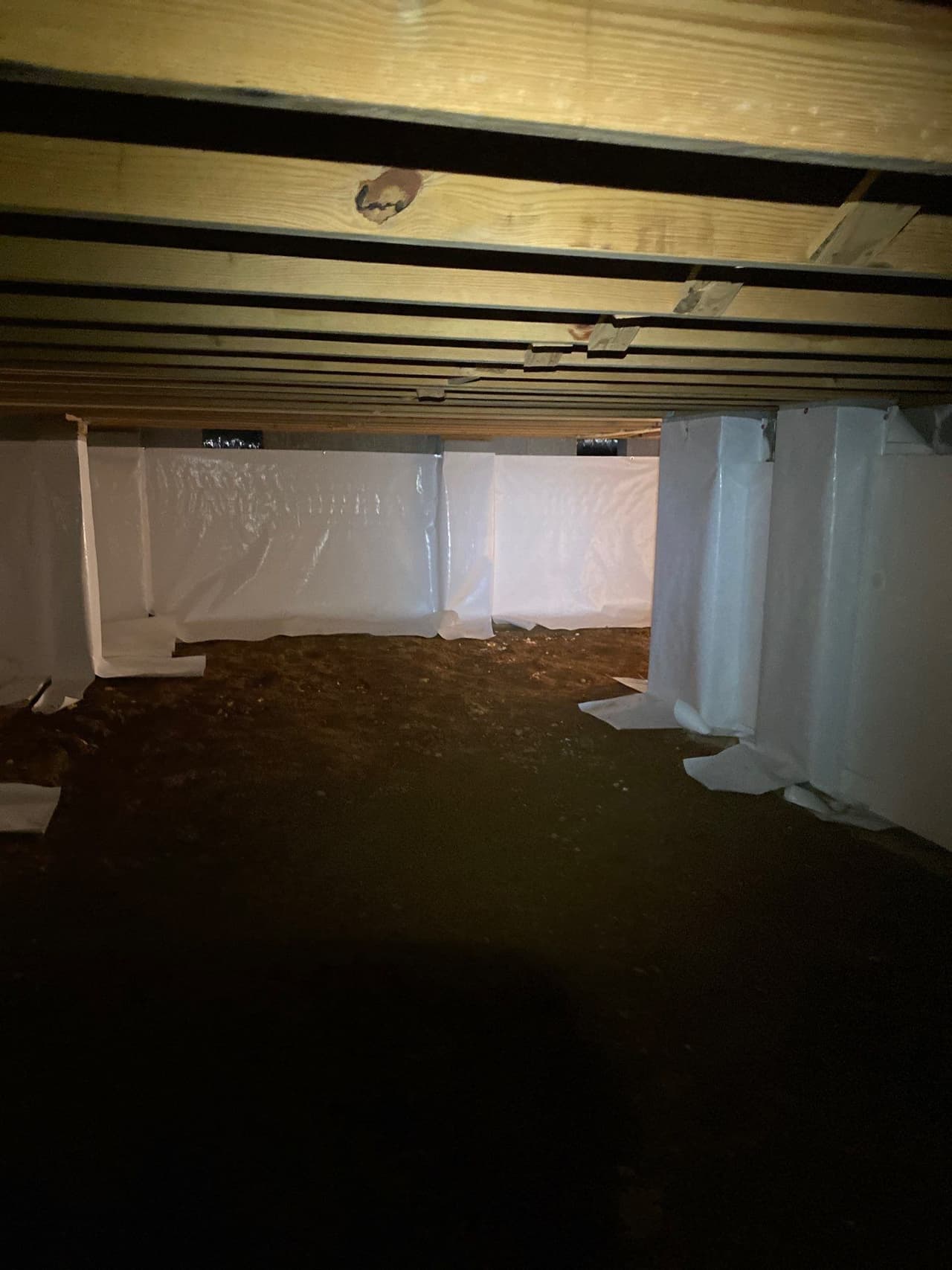
Encapsulation is the crawl space work that addresses both reasons pests come in. The foundation vents are closed with fitted, sealed vent covers, gaps at the perimeter are sealed, and a liner covers the ground and runs up the walls. A sealed access door closes the one opening you still use.
With the openings closed, a dehumidifier holds the humidity down and the space stays dry. A crawl space that is sealed and dry offers pests fewer ways in and fewer reasons to stay. Sealing is a preventive step; it does not remove pests that are already living under the house.
CH 04
What If There Is Already an Active Infestation?
An active infestation needs treatment from a licensed pest professional. Sealing a crawl space with pests still inside can trap them there, so treatment usually comes first, and the sealing and drying work follows.
If an inspection finds wood that pests or moisture have weakened, that is a structural question. Joists, beams and posts that have lost strength are repaired through framing repair work.
CH 05
Does Spray Foam in a Crawl Space Affect Termite Coverage?
Homeowners sometimes ask about spray foam insulation on crawl space walls. HydroHelp911 does not install or recommend spray foam in crawl spaces, because it can trap moisture and hide termite activity and wood rot from inspection.
In HydroHelp911's experience, the termite companies it has spoken with will not warranty a crawl space against termites when spray foam is on the walls or floor. If you have a termite bond, ask your provider before any insulation work.
CH 06
What Does It Cost to Seal a Crawl Space Against Pests?
Sealing a crawl space is part of encapsulation, so the cost follows the encapsulation plan: the size of the crawl space, the number of vents and gaps, and whether a dehumidifier or a new door is needed. You receive a written estimate after a free inspection, and our vapor barrier and liner page explains the sealing work in more detail.
Termites are drawn to moisture, so keeping a crawl space dry with encapsulation and a dehumidifier helps protect it.
Read the Guide
Why Choose HydroHelp911
Care and Expertise From a Team Serving the Carolinas Since 2017
HydroHelp911 handles crawl space repair and related structural and moisture work across North and South Carolina. Every repair recommendation starts with a free inspection of the whole home.
01
Trained inspectors, not salespeople.
An inspector looks at your home, finds the source of the problem, and explains each finding in plain language. There is no obligation.
02
Locally owned in Gaston County.
We are headquartered in Dallas, North Carolina, with eight offices across North and South Carolina.
03
Serving the Carolinas since 2017.
Foundation repair, crawl space repair and encapsulation, basement waterproofing, framing repair, and concrete leveling are the whole focus of the team.
04
Rated 4.9 stars on Google.
We have 1,300+ verified Google reviews (4.9 stars) from homeowners across the Carolinas and are BBB A+ Accredited.
05
Written warranty terms.
For example, helical and push piers carry a lifetime warranty that no additional settlement will occur in the area of installed piers, once the final invoice is paid in full. Read the warranty terms.
06
Financing is available.
Ask your inspector about financing when you get your written estimate. See financing options.
Cory ParksOWNER & PRESIDENT
Recent Work
Recent Crawl Space Projects
Finished crawl space jobs from our crews, photographed on site. Open any project to see the full photo set and what we did.
Answer three quick questions about your home. We'll match what you see to the most likely cause and point you to the right next step.
1
Symptom
2
History
3
Your Result
Location: Crawl Space
What Are You Seeing in Your Crawl Space?
Pick the symptom that best describes it.
Frequently Asked Questions
Common Questions About Reducing Pests
Don't see your question here? Call or fill out our quick online form, and our team will help.
Crawl spaces offer pests two things: a way in and a reason to stay. Gaps, open foundation vents and torn screens give rodents and insects access, and damp soil, humid air, standing water and softened wood provide the conditions many of them look for. In the humid Carolinas, a crawl space that stays wet is especially appealing.
Damp crawl spaces in the Carolinas commonly attract mice and rats, along with insects drawn to moisture and wood. What they share is the access an unsealed crawl space provides and the dampness inside it. Identifying and treating the pests themselves is the work of a licensed pest professional.
By closing the ways in and drying the space. Encapsulation seals the foundation vents and gaps, covers the ground with a liner, adds a sealed access door, and controls humidity with a dehumidifier. An active infestation is treated by a licensed pest professional first.
Sealing closes the openings pests use and drying removes the damp conditions that draw them, so a sealed, dry crawl space is less likely to attract or harbor pests. It is a preventive step and does not guarantee a crawl space will stay pest free. An existing infestation needs treatment from a licensed pest professional.
Closing the vents, sealing the gaps and the door, and covering the ground for moisture control also closes many of the openings pests use, so it helps as a side benefit of encapsulation. Treating an active infestation is the role of a licensed pest professional.
Sealing a crawl space is part of encapsulation, so the cost follows the encapsulation plan: the size of the crawl space, the number of vents and gaps, and whether a dehumidifier or a new door is needed. You receive a written estimate after a free inspection, at no cost.
Customer Reviews
1,300+ Verified Google Reviews (4.9 Stars)
Before you choose a crawl space repair contractor, read how homeowners across North Carolina and South Carolina rate our work.
An inspector looks at your crawl space, explains what they find, and gives you a written estimate when a repair is needed. The related repair we install is Crawl Space Encapsulation.