Regional Context
Crawl Space Encapsulation in Asheville: local soil context
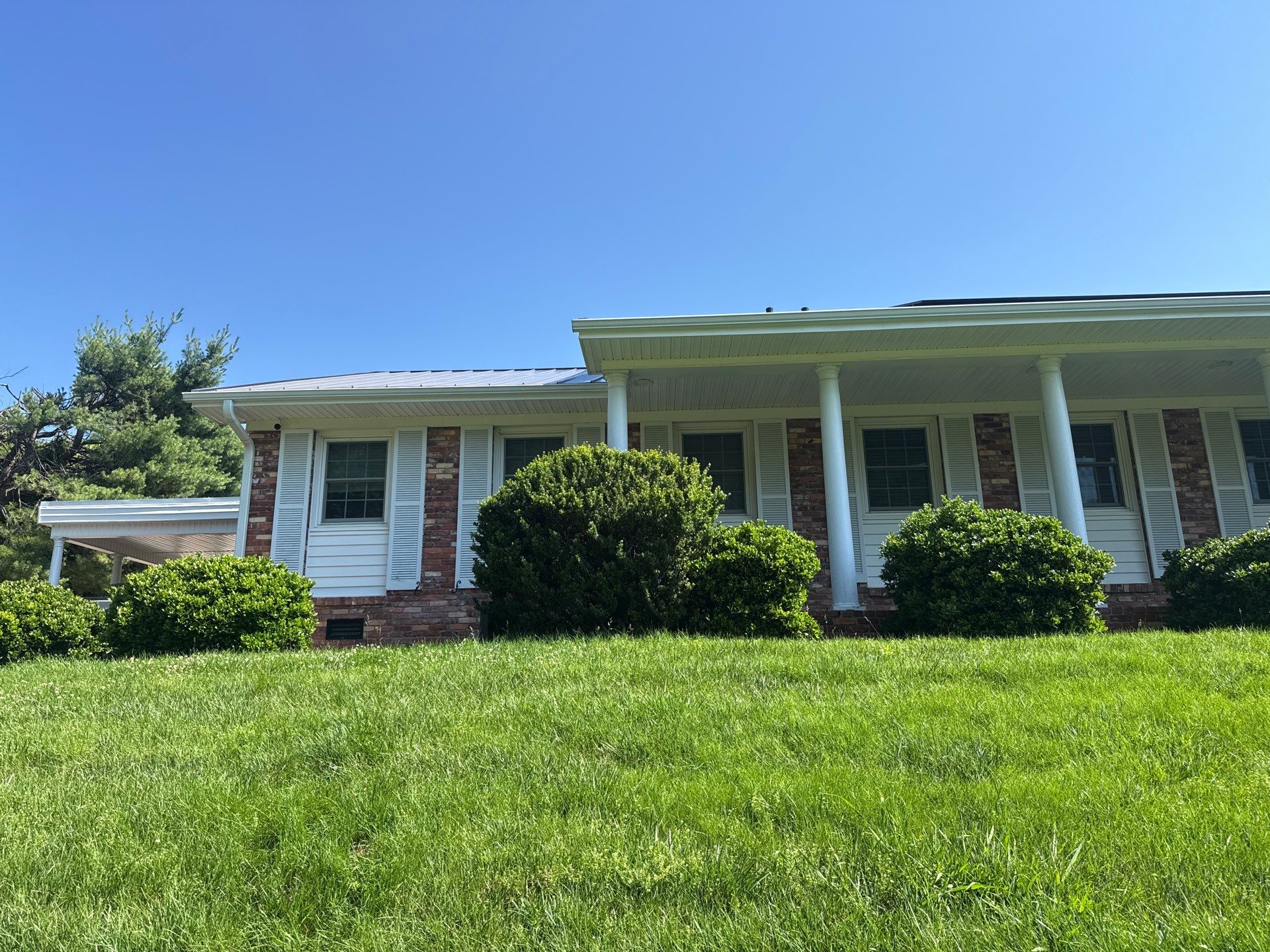
Asheville sits on Evard-Cowee gravelly loam on mountain slopes with Moderate expansion risk. Our Crawl Space Encapsulation approach is matched to that soil, not one-size-fits-all. Asheville-area mountain soils sit on slopes, which changes everything. Evard and Cowee gravelly loams shed water downhill, and heavy seasonal rainfall plus runoff load hillside foundations and crawl spaces differently than flat Piedmont ground. Slope assessment matters as much as soil here.
Piedmont
Clay-rich soil belt
Charlotte to the Triad
Wet / dry
Seasonal moisture swing
Soil expands, then contracts
Coastal
High water table & salt air
Wilmington & Brunswick County
NC + SC
Local, no-pressure crews
Offices across the Carolinas
Piedmont clay and the crack patterns it produces
Much of the Piedmont, from Charlotte through the Triad, sits on clay-rich soil that holds water.
Clay absorbs moisture in wet seasons and swells, then contracts in dry periods. That cycle pulls
pressure on and off a foundation, pulling away from footings, creating voids beneath slabs, and
producing the vertical and diagonal settlement cracks we see most frequently across the region.
Homes built on uncompacted clay backfill show the highest incidence of progressive settlement
cracking in our inspection work. The same clay that looks stable through a normal year can move
enough during a long wet spring or a hard summer drought to open a crack that keeps widening.
Coastal and Sandhills soils behave differently
In Wilmington, Brunswick County, and Leland, high water tables, saturated and sandy soils, and
salt air drive a different set of failure modes than inland clay. Lateral water pressure, erosion,
and corrosion are the drivers here, which is why coastal foundation and seawall work needs an
approach that inland techniques don't account for.
Across the Sandhills near Fayetteville and Pinehurst, sandy soils drain differently again, and in
the mountains around Asheville, hillside foundations, slopes, and heavy rainfall change the picture
once more. We diagnose to the soil and climate of the specific home, not to the Carolinas generically.