A trained inspector (not a salesperson) will look at your home, explain what they find in plain language, and send a written estimate.
Crawl Space Repair · North and South Carolina
Tree Roots and Your Foundation: What Root Barriers Do
Large trees pull moisture from the soil under a home, and in Piedmont clay that can add to foundation movement. Here is how roots affect soil and what an inspection checks. Looking for a reliable crawl space repair contractor? You're in the right place. Read on to learn more.
A root barrier is a sheet set upright in the soil between a tree and a house to steer roots down and away from the foundation. Large trees near a home can pull enough water from clay soil in a dry summer to shrink it, which can add to the seasonal movement under footings and piers. Trees are usually one factor among several.
Large trees can dry out clay soil
Roots are usually one factor among several
A barrier only affects future root growth
Settled supports are repaired directly
North Carolina · South Carolina
Get a Free Inspection
Two ways to start. Both are free, with no obligation.
Roots affect a foundation mostly through the moisture in the soil.
Tree roots affect a foundation mainly through moisture. A large tree close to a home draws water from the soil, and in Piedmont clay that can shrink the ground near the footings more than the weather alone would. Roots are usually one factor among several, alongside seasonal clay movement, crawl space moisture and soil that washed out under a footing.
A mature tree near the side where the floor dipsA Large Tree Close to the House
Roots may be drying the clay on that side. An arborist is the right resource for the tree itself.
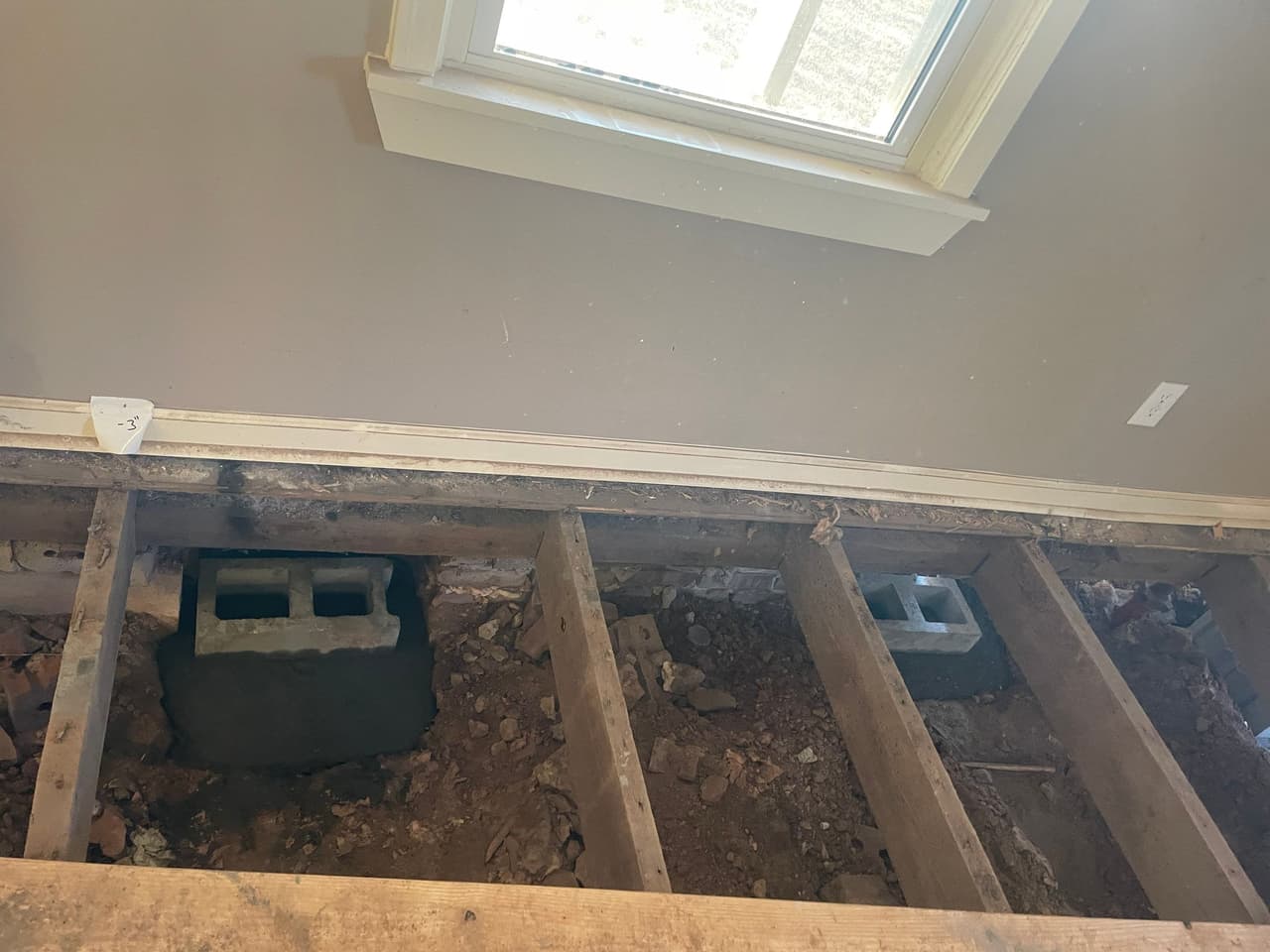
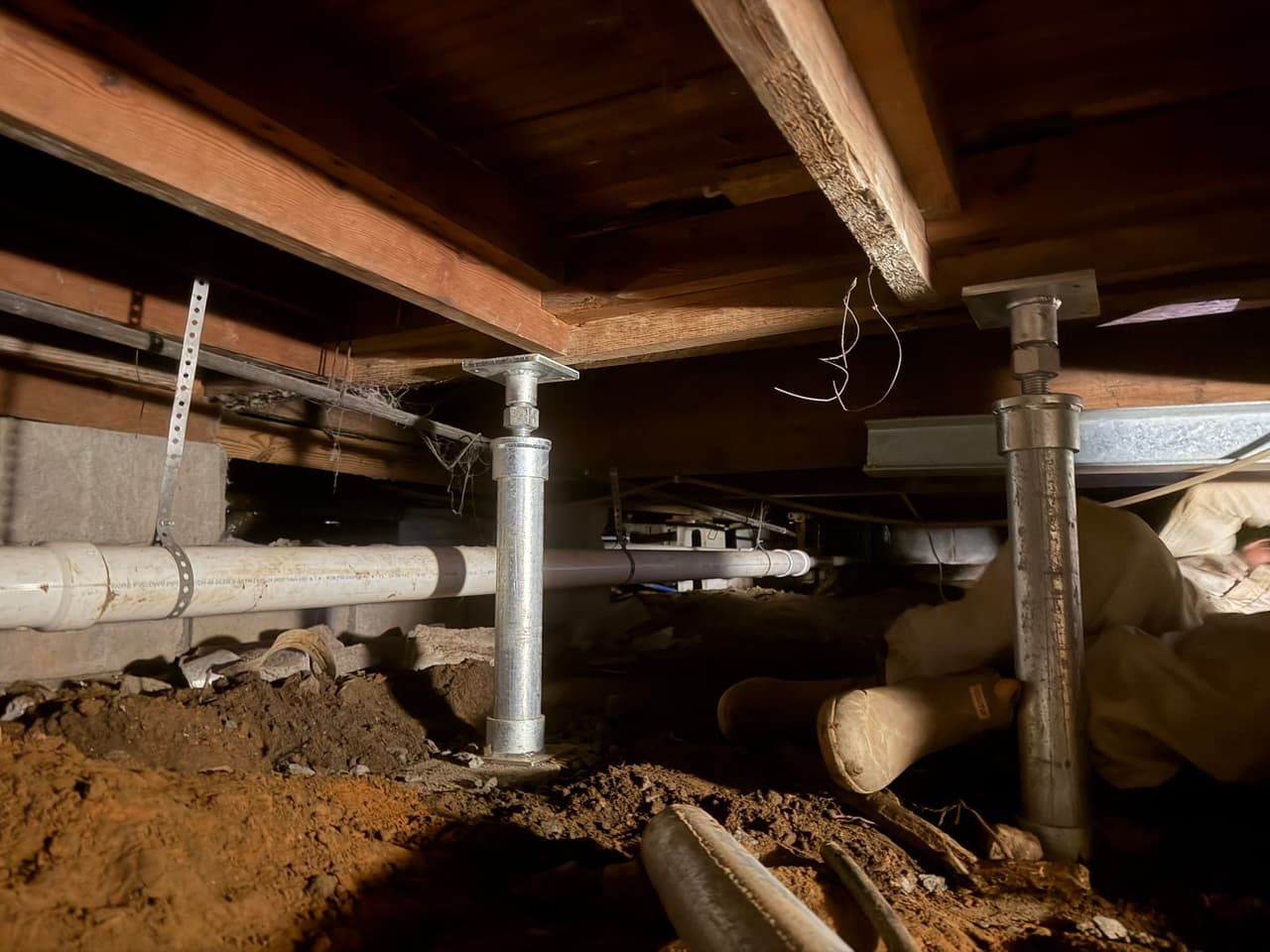
A dip in the floor along the line of a beamA Pier That Has Settled
Whatever moved the soil, the settled support is given firm bearing again.
What a homeowner should understand about this repair, explained in plain language.
Would You Like the Guide by Email?
The Homeowner's Guide to Crawl Spaces, sent free to your inbox.
Free Homeowner Guide
The Homeowner’s Guide to Crawl Spaces
Where crawl space moisture comes from, a checklist of the signs, and how repair and encapsulation work.
HydroHelp911
North and South Carolina
Free Guide
Get the Free Crawl Space Guide
A free guide for homes in North and South Carolina: where crawl space moisture comes from, the signs worth writing down, and how crawl space repair and encapsulation work, in plain language.
A crawl space checklist to walk your home with
Where crawl space moisture comes from, from the mountains to the coast
How a vapor barrier and full encapsulation differ
Questions to ask about a crawl space estimate
Check your inbox
Your guide is on its way. If it has not arrived in a few minutes, check your spam folder, then add us to your contacts so the next one lands where it should.
Can Tree Roots Affect a Foundation in the Carolinas?
They can add to foundation movement, mostly by changing the moisture in the soil. This matters most in the Piedmont, where clay already swells when wet and shrinks when dry.
A mature tree close to the house draws water out of the surrounding soil, and during a dry Carolina summer that can shrink the clay near the foundation more than the weather alone would. That adds to the seasonal movement that stresses footings and piers, and it can show up as a floor dipping over one side of a raised home.
How Clay Soil Moves Around a Footing Through the Year
1Wet season: clay soil takes on water and swells, pressing on the footing and the foundation walls.
2Dry season: the same clay shrinks and pulls back, and the soil under the footing can drop.
CH 02
What Are the Signs Roots May Be Involved?
The signs of soil movement are the same whatever the cause: floors that slope or dip, doors that stick, and cracks in drywall or masonry. What points toward roots is where the movement is. A dip on the side of the house nearest a large tree, especially one that gets worse in dry summers, is worth noting.
Roots are rarely the only factor. Crawl space moisture, soil that washed out from under a footing, and supports that were undersized from the start can produce the same signs, which is why the inspection looks at all of them.
CH 03
What Is a Root Barrier?
A root barrier is a sheet of durable material set upright in the soil between a tree and a house. It steers roots downward and away, so they do not spread into the soil right next to the foundation. The idea is to keep the soil near the footings from drying out as much in a dry season.
A barrier only affects future root growth. It does not lift or level a home that has already moved, and it does not repair a support that has settled.
Movement that affects a whole foundation is covered under foundation repair. When a tree is a concern in its own right, an arborist is the right resource for the tree.
CH 05
How Does Crawl Space Moisture Fit In?
Roots dry the soil out; crawl space moisture does the opposite. Water that stands under a home can soften the ground beneath pier footings and keep the framing damp. Both swings in soil moisture can move supports.
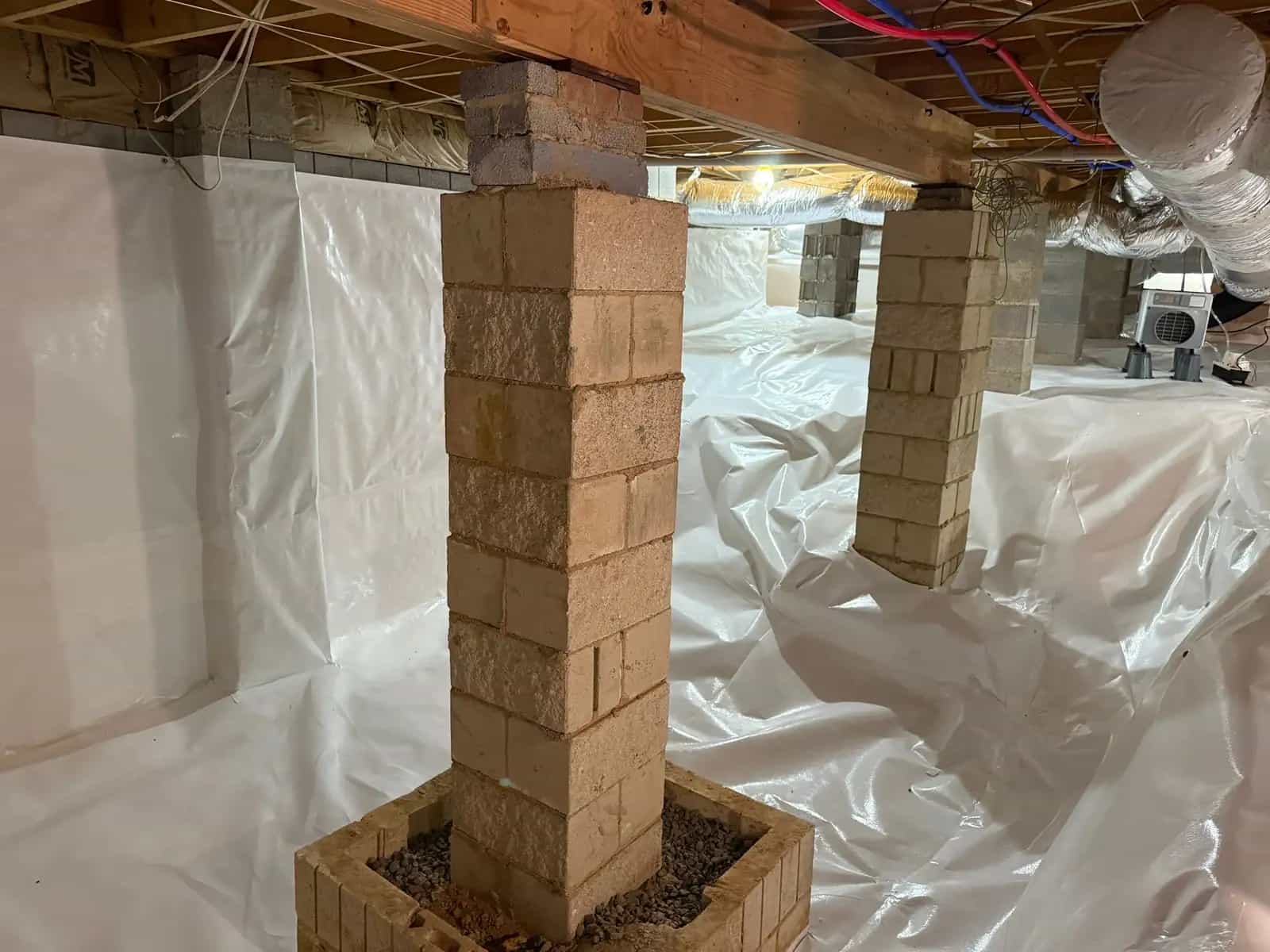
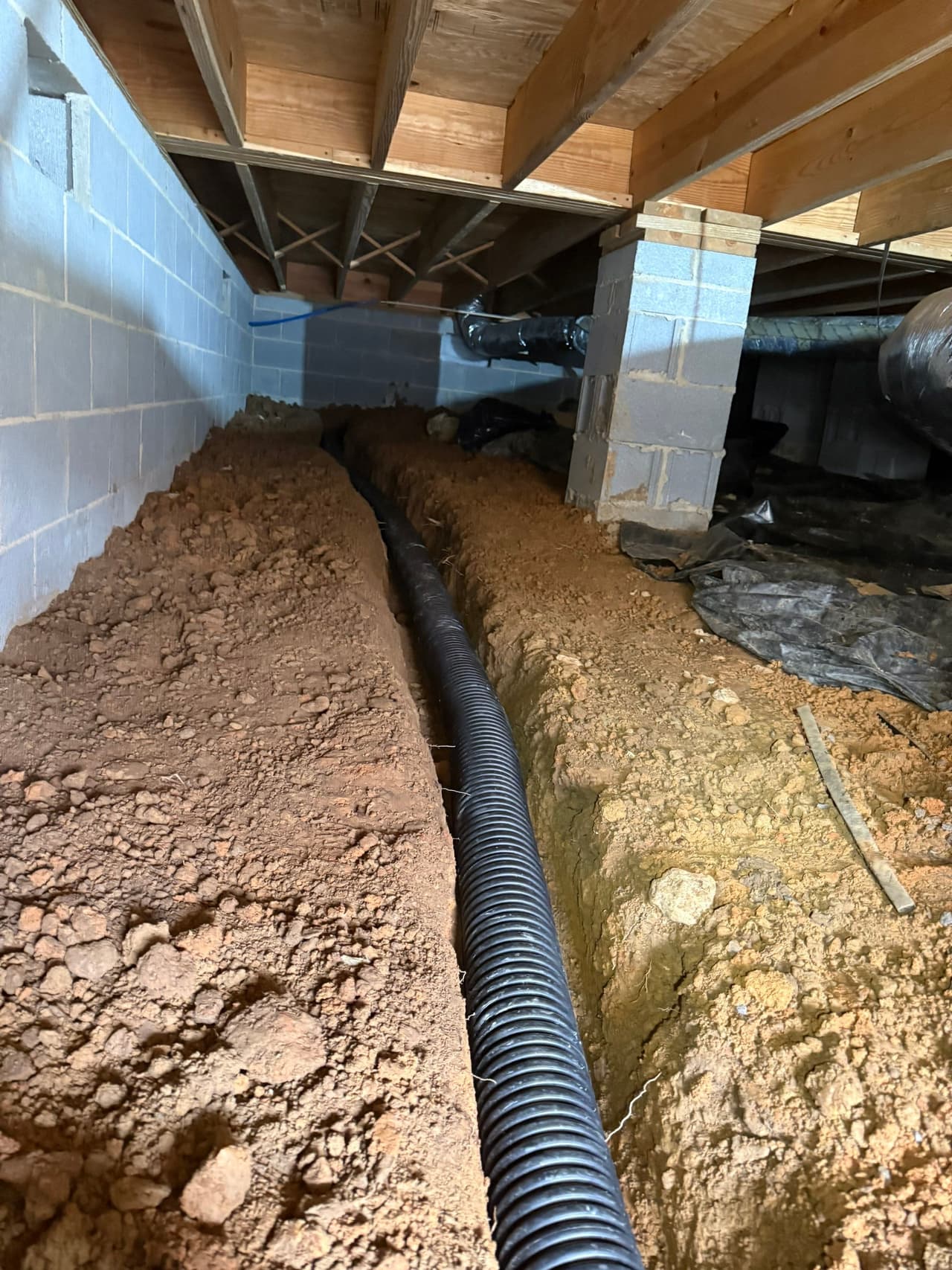
Keeping the crawl space dry with crawl space drainage to a sump where water gets in and a liner over the soil helps keep conditions under the home steadier.
Why Choose HydroHelp911
Care and Expertise From a Team Serving the Carolinas Since 2017
HydroHelp911 handles crawl space repair and related structural and moisture work across North and South Carolina. Every repair recommendation starts with a free inspection of the whole home.
01
Trained inspectors, not salespeople.
An inspector looks at your home, finds the source of the problem, and explains each finding in plain language. There is no obligation.
02
Locally owned in Gaston County.
We are headquartered in Dallas, North Carolina, with eight offices across North and South Carolina.
03
Serving the Carolinas since 2017.
Foundation repair, crawl space repair and encapsulation, basement waterproofing, framing repair, and concrete leveling are the whole focus of the team.
04
Rated 4.9 stars on Google.
We have 1,300+ verified Google reviews (4.9 stars) from homeowners across the Carolinas and are BBB A+ Accredited.
05
Written warranty terms.
For example, helical and push piers carry a lifetime warranty that no additional settlement will occur in the area of installed piers, once the final invoice is paid in full. Read the warranty terms.
06
Financing is available.
Ask your inspector about financing when you get your written estimate. See financing options.
Cory ParksOWNER & PRESIDENT
Recent Work
Recent Crawl Space Projects
Finished crawl space jobs from our crews, photographed on site. Open any project to see the full photo set and what we did.
Answer three quick questions about your home. We'll match what you see to the most likely cause and point you to the right next step.
1
Symptom
2
History
3
Your Result
Location: Crawl Space
What Are You Seeing in Your Crawl Space?
Pick the symptom that best describes it.
Frequently Asked Questions
Common Questions About Root Barriers
Don't see your question here? Call or fill out our quick online form, and our team will help.
A root barrier is a sheet set upright in the soil between a tree and a home's foundation. It steers roots downward and away from the soil right next to the footings, which helps keep that soil from drying out as much in a dry season.
They can add to foundation movement, especially in Piedmont clay. A large tree close to a home draws water from the soil, and in a dry summer that can shrink the clay near the foundation and add to seasonal movement under footings and piers. Trees are usually one factor among several, which an inspection sorts out.
Root barriers come up most often when a large tree sits close to a foundation in clay soil and the movement is on that side of the house. Whether roots are a real factor is something an inspection and, for the tree itself, an arborist can help answer.
Depth depends on the tree, how its roots grow and the soil. A barrier that is too shallow lets roots pass under it. An arborist is a good resource for questions about a specific tree.
No. A barrier only affects future root growth. A support that has already settled is given firm bearing again, and the floor is brought back toward level, through pier and beam or foundation repair.
The cost depends on what the inspection finds: how many supports have settled, how far the floor has moved, and whether moisture under the home also needs work. You receive a written estimate after a free inspection, at no cost.
Customer Reviews
1,300+ Verified Google Reviews (4.9 Stars)
Before you choose a crawl space repair contractor, read how homeowners across North Carolina and South Carolina rate our work.
Schedule a Free Inspection of the Supports Under Your House
An inspector looks at the supports under your house, explains what they find, and gives you a written estimate when a repair is needed. The related repair we install is Pier and Beam Repair.