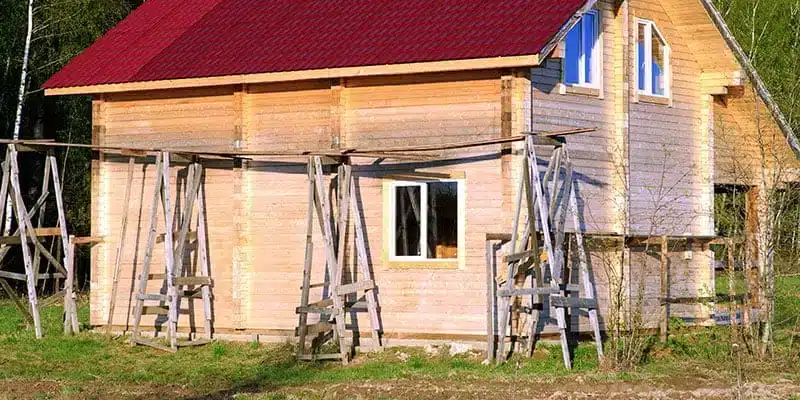

To help prevent your house from shifting, keep water away from the foundation, control moisture in the crawl space and watch for early signs such as new cracks or sticking doors. Foundations shift when the soil under them moves, and when a foundation has already shifted, piers or crawl space supports are the usual repair.
This article covers why foundations shift, the signs to watch for, ways to help prevent it and the role of foundation repairs.
What Does It Mean When Foundations Shift?
Foundation shifting happens when the ground beneath your home moves. This movement can be caused by soil settling, extreme weather changes, or tree roots growing too close to your house. Over time, these shifts can lead to cracks in your walls, uneven floors, and doors or windows that won’t close properly. These are common signs to watch for.
Uniform Settlement
Uniform settlement happens when your home’s foundation sinks evenly into the ground. When it takes place, your whole house settles down smoothly. It might not cause as many cracks or uneven floors as the other type of settlement, but it can still lead to problems like drainage issues or the house sitting too low.
Differential Settlement
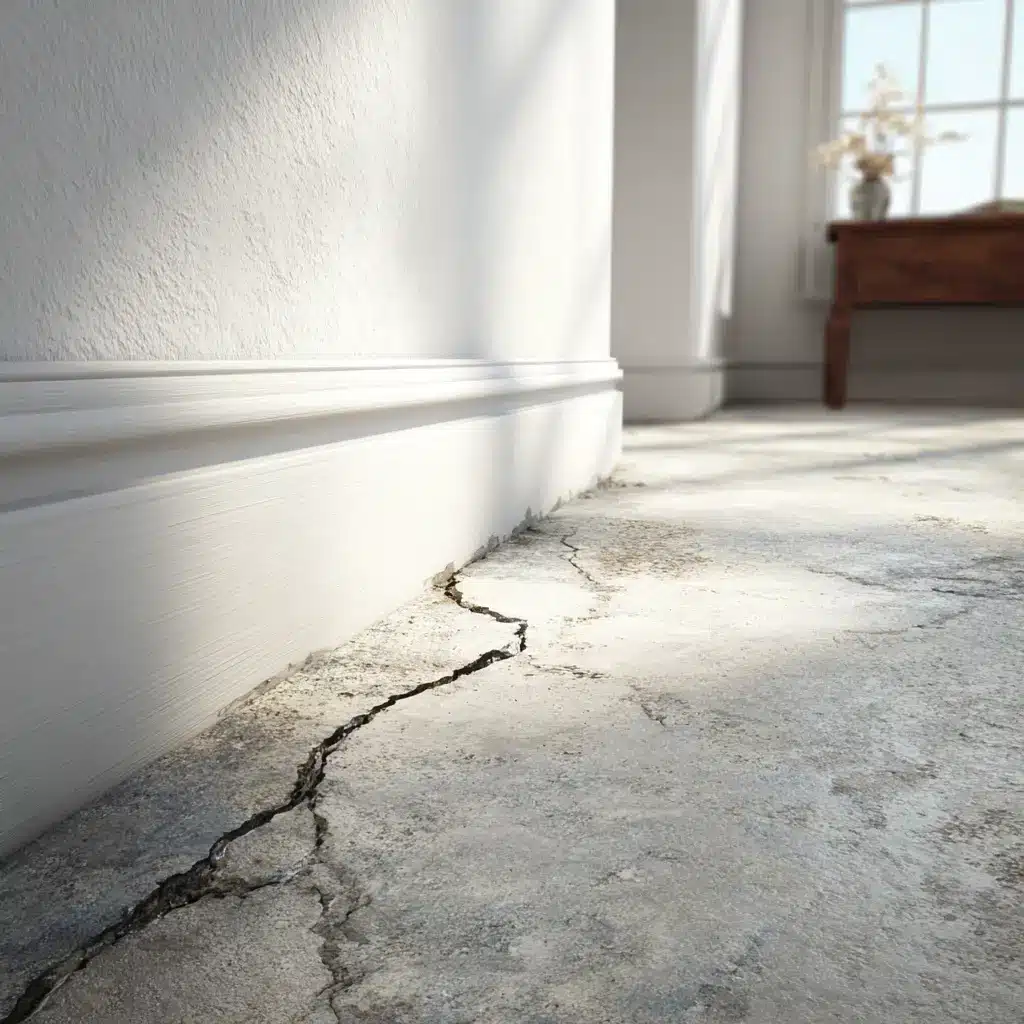
Differential settlement happens when different parts of the foundation sink at different rates. It can lead to more serious problems, including cracks in the walls, uneven floors and misaligned doors and windows, and when the cause is not addressed those problems can grow.
Why Do Foundations Shift?
Foundation shifts occur when the ground beneath your home moves; here are some potential causes:
- Soil Conditions: One of the main reasons foundations shift is the soil under them. In the Carolina Piedmont, clay rich soil swells when it is wet and shrinks when it is dry, which can push on the foundation and leave gaps under it. On the coast, sandy soil and a high water table are the bigger factors.
- Poor Drainage: Water can pool near the foundation if the yard does not drain well, and saturated soil supports a foundation less well. Gutters and downspouts that carry roof water away from the house help; they are homeowner maintenance.
- Weather Changes: Heavy rain, drought and extreme heat can change the soil, which can lead to shifting. It is worth checking the foundation after big weather events.
What Are the Signs of Foundation Movement?
Foundation movement can cause problems in your home. Here are some common signs to look out for:
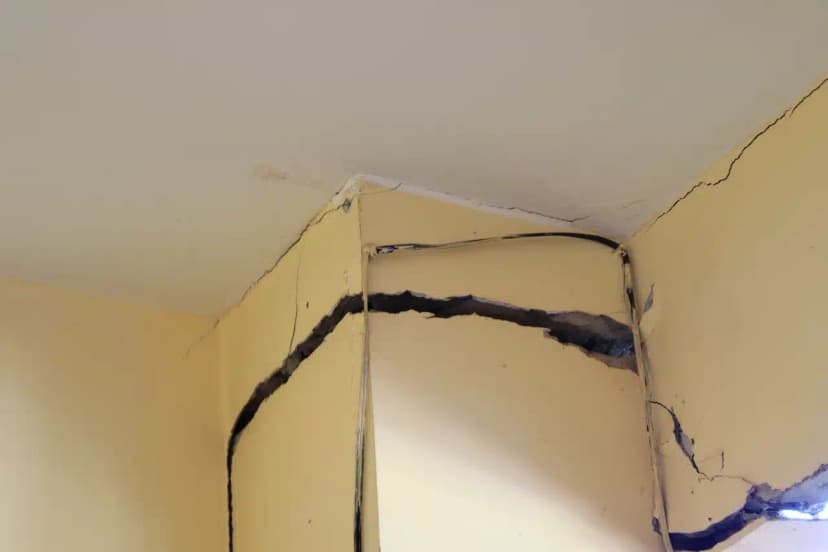
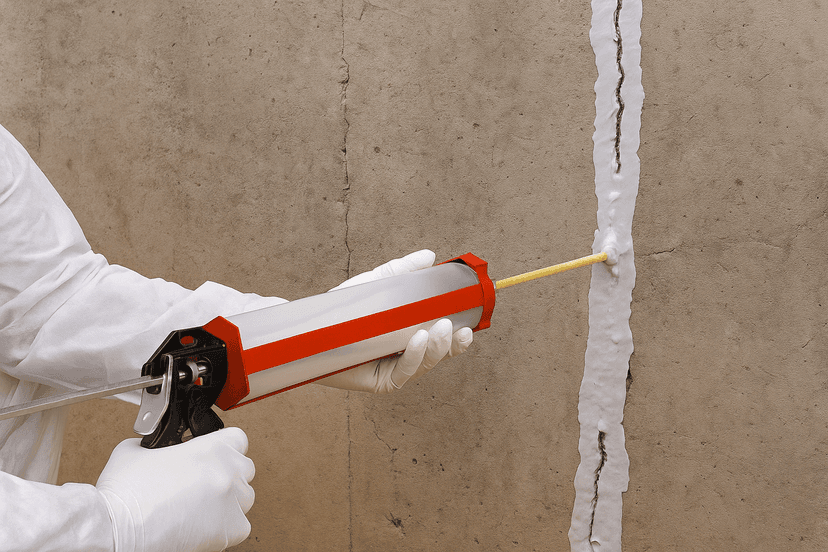
- Cracks in Walls and Floors: One of the first signs of foundation movement is cracks in your walls or floors. You may notice small cracks in drywall or larger cracks in brick and masonry. Horizontal cracks are often the more concerning kind.
- Sloping or Uneven Floors: Uneven or sagging floors can be one of your home’s most noticeable indicators of foundation issues. A floor where a ball rolls toward one side can mean the foundation or the support under the floor has moved.
- Sticking Doors and Windows: It may be due to a shifting foundation if doors and windows are difficult to open or close. It happens because the frames may become warped as the foundation moves. Check for gaps around the frames, as they may indicate foundation problems.
- Bowed or Leaning Walls: If your basement walls are bulging or curved, this could indicate significant foundation movement. As the walls bow or lean further, they can weaken, which may affect the overall stability of your home.
- Foundation Displacement: When certain areas of your home appear to sink lower or rise higher than others, it may be a clear signal of foundation displacement. This unevenness can indicate potential issues with the foundation.
How Can You Help Prevent Foundation Movement?
These steps help:
- Homeowner tip, gutters and downspouts: Clean, working gutters and downspouts that carry water away from the house help keep the soil around the foundation from soaking.
- Check for leaks: Leaking pipes can soak the soil around your home, which can contribute to shifting. Damp spots on floors or walls can be a sign of a leak, and leaks can also lead to mold.
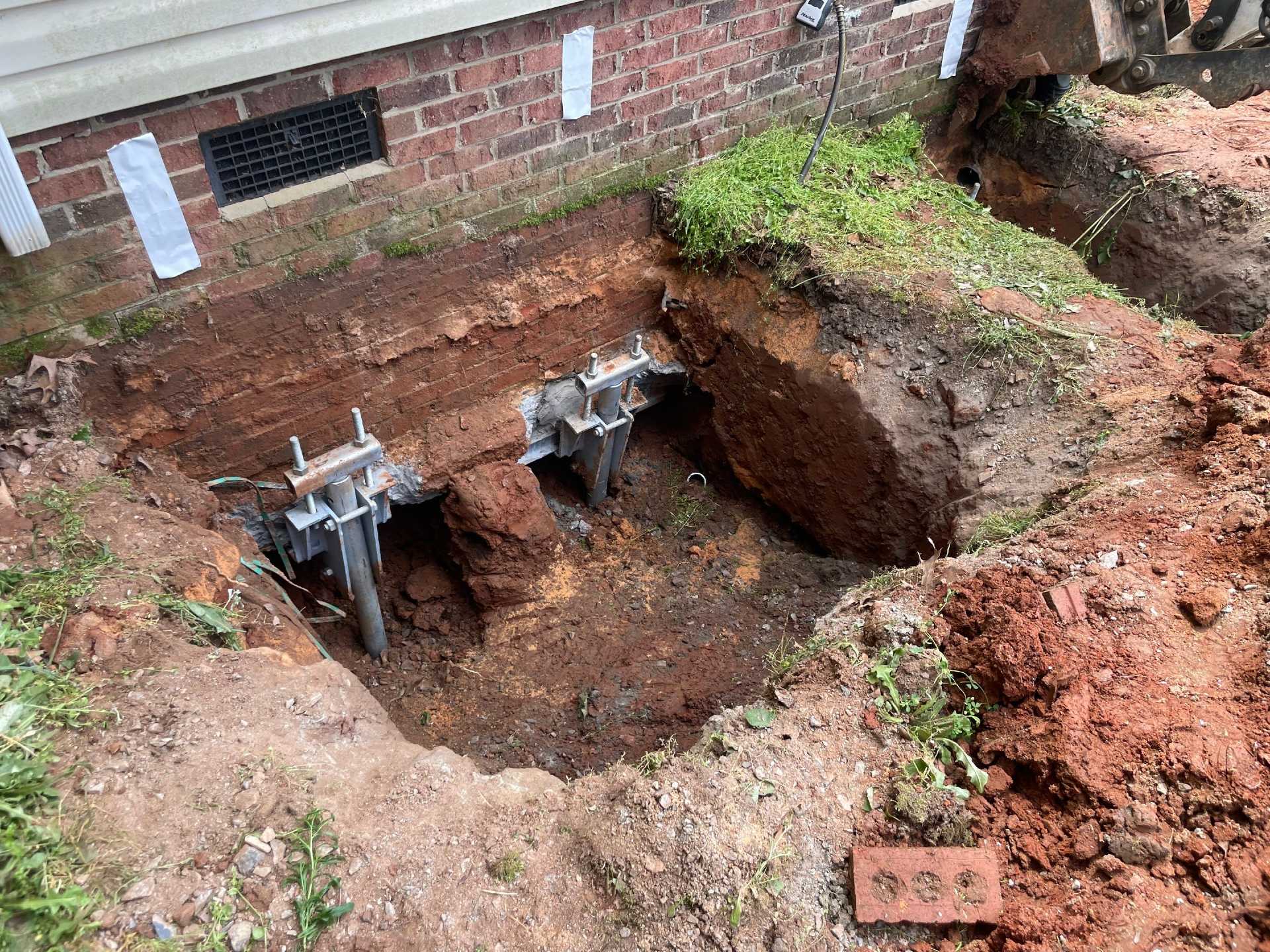
- Encapsulation (vapor barrier installation): Sealing your crawl space with a vapor barrier as part of encapsulation helps keep ground moisture out of the crawl space and lowers humidity, which helps protect the wood framing and the air in your home.
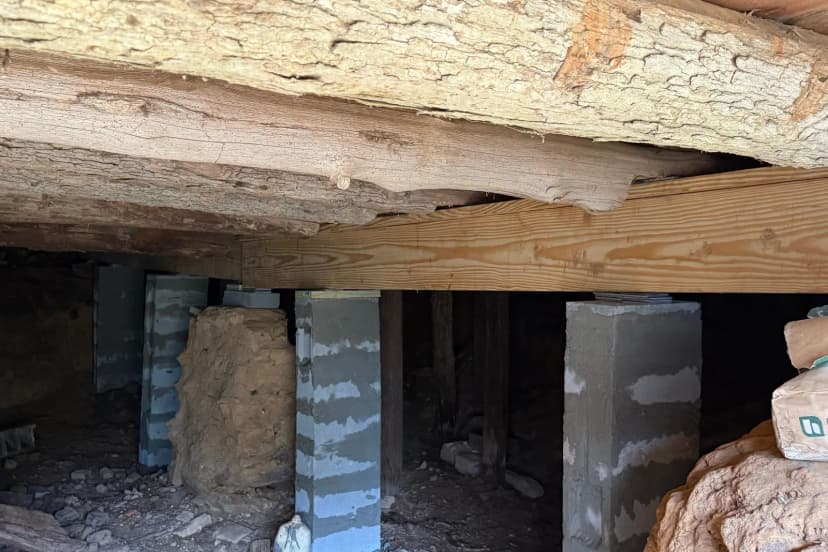
- Crawl space supports: Adjustable screw jacks in your crawl space give the floor framing solid points of support and help keep sagging floors from getting worse.
- Regular checks: Look over your home inside and out for cracks in walls and doors or windows that stick. Noticing changes early helps.
How Is a Shifting Foundation Repaired?
These repair methods help stabilize a foundation that has shifted:
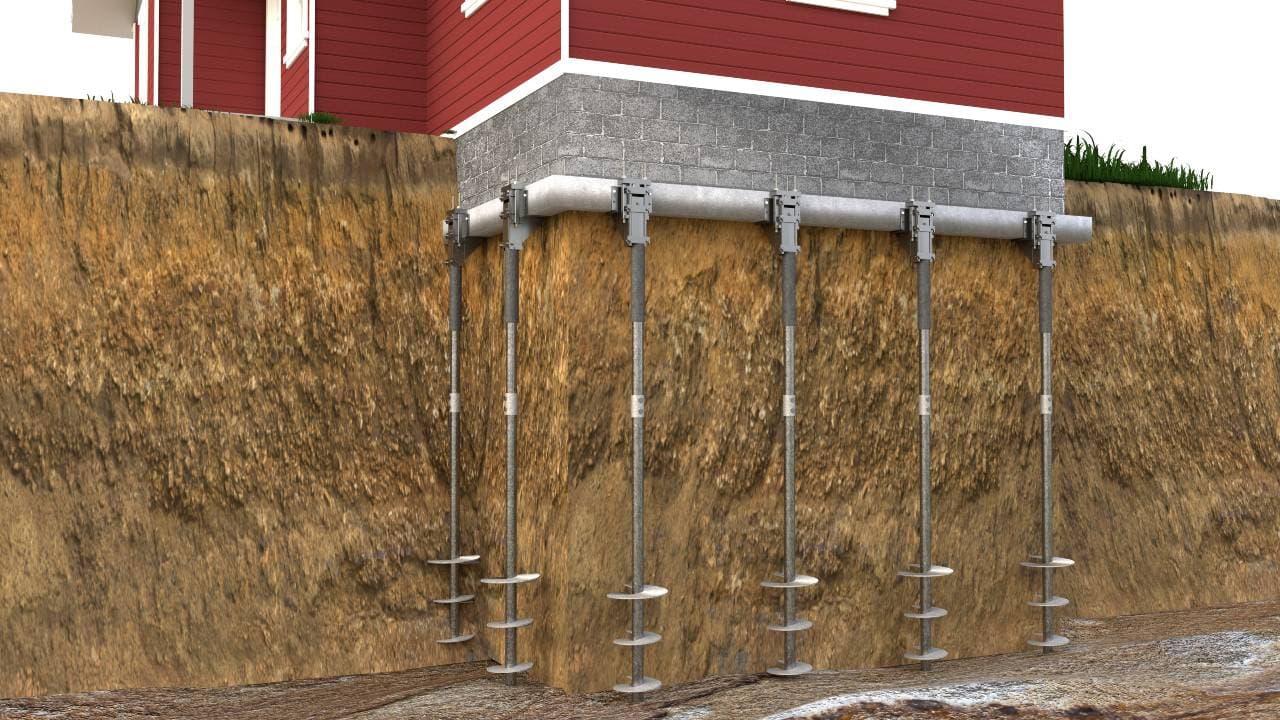
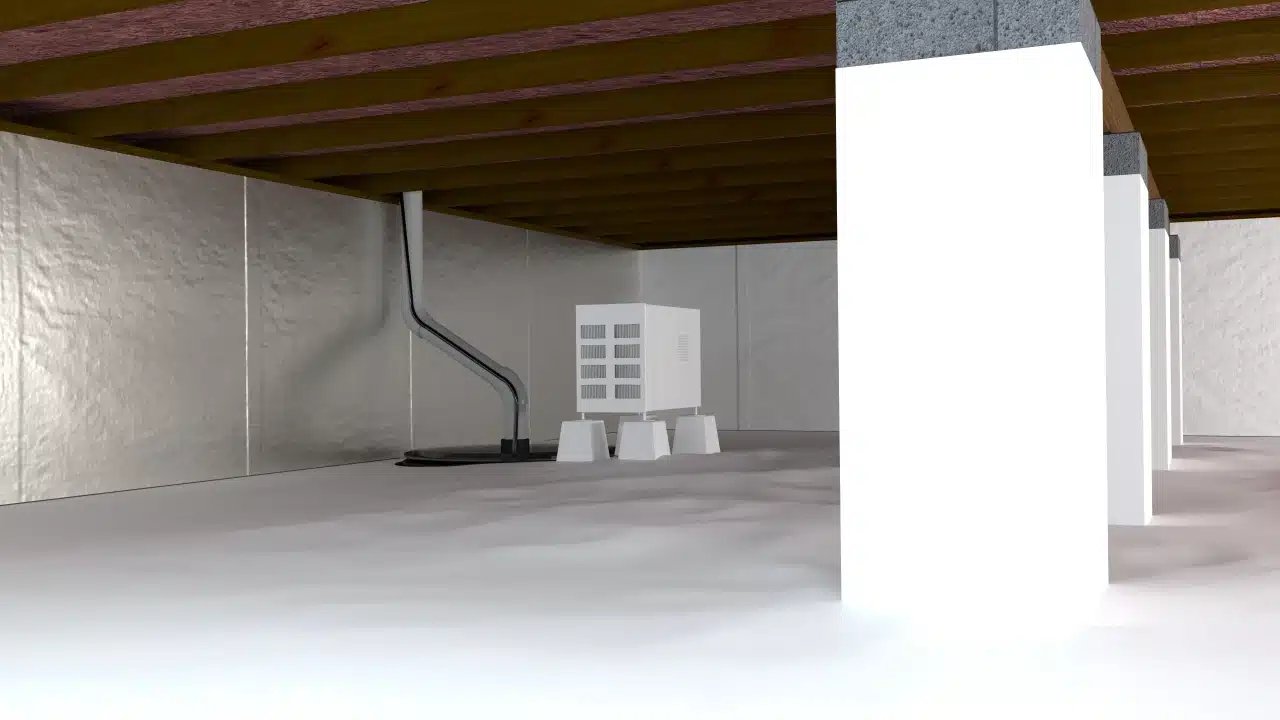
- Pier Installation: Pier installation is a method used to support and stabilize a foundation. Professionals install sturdy columns, called piers (helical or push), which are long, strong supports, into the ground beneath your foundation. These piers go deep enough to reach solid soil or bedrock, where they can hold up the weight of your home.
- Crawl Space Support: Crawl space support includes various tools and components to hold up the floors in homes with crawl spaces. These supports help maintain the stability and structure of your home by preventing sagging or uneven floors. Crawl space support uses steel, wood or concrete support posts installed in the crawl space to carry the weight of the house down to the ground and help keep the floors above level.
- Wall Anchors stabilize walls that are bowing or cracking from soil or water pressure. They are anchored in firm soil outside the wall and help stabilize it against further inward movement; they do not straighten it.
- Concrete lifting: Sunken concrete slabs can be lifted back toward level with polyurethane foam injection.
Get Help With a Shifting Foundation
Your home’s foundation is its backbone that supports and keeps your home stabilized. Cracks in your walls or uneven floors may be signs of foundation movement.
If you notice signs of foundation shifting in your home, HydroHelp911 can inspect it, explain what is happening and recommend the repair that fits. We serve homeowners across the Carolinas, starting with a free inspection.
Next Step
Schedule a Free Inspection
Call or fill out our quick online form. We'll book a convenient time to assess your home at no cost.
Learn more about our foundation repair services.
Found this useful? Share it with someone working on their home.
Written by
Cory Parks
Owner & President, HydroHelp911
Cory Parks founded HydroHelp911 and leads its structural and moisture repair work for homeowners across North and South Carolina, from the clay soils of the Piedmont to the saturated, sandy ground along the coast.
More about CoryGet a Free Inspection
Two ways to start. Both are free, with no obligation.
Pick your own day in our calendar. You save $250 if you go ahead with the work.
Send a short form, and our office will call to book a time that suits you.
For new customers who book online through our website and then sign a contract.