
Small cracks from normal settling are common in most homes, and many of them are cosmetic. Cracks that keep growing, run horizontally or in a stair step pattern, let water in or come with sticking doors and uneven floors can point to foundation movement, and an inspection shows which kind you have.
Cracks in a home are unsettling, so this guide covers which ones are usually normal, what causes them and how they are repaired.

Are All Settling Cracks the Same?
Every home settles. Soil moves, temperatures change, and building materials expand and contract. That normal movement often causes small cracks, such as hairline cracks in drywall or minor gaps near windows or doors, that can be patched and painted.
When cracks grow longer, wider or more jagged, they may be more than cosmetic, and an inspection can show what is causing them.
How Can You Tell What a Crack Means?
You do not need to be a structural engineer to notice when something has changed. These are the common types:
Vertical Cracks
Vertical cracks in foundation walls often come from normal settling. They are usually the least concerning, but they are worth watching. If one grows or lets water in, an inspection can show the cause.
Horizontal Cracks
A horizontal crack along a basement wall can mean pressure from the soil outside, often from soil movement or water. Over time, the wall may start to bow.
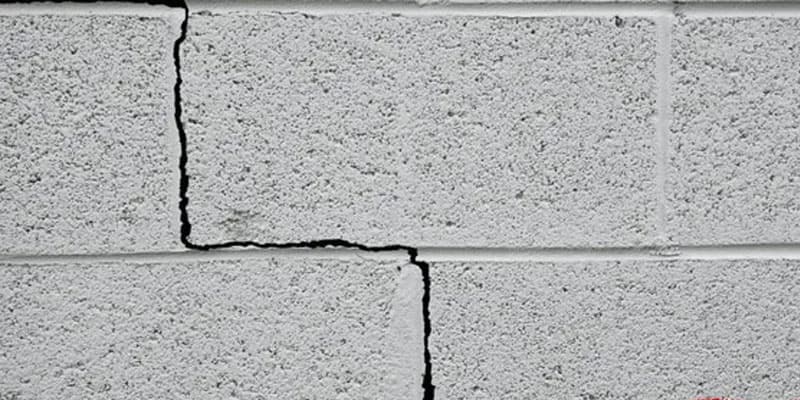
Stair Step Cracks
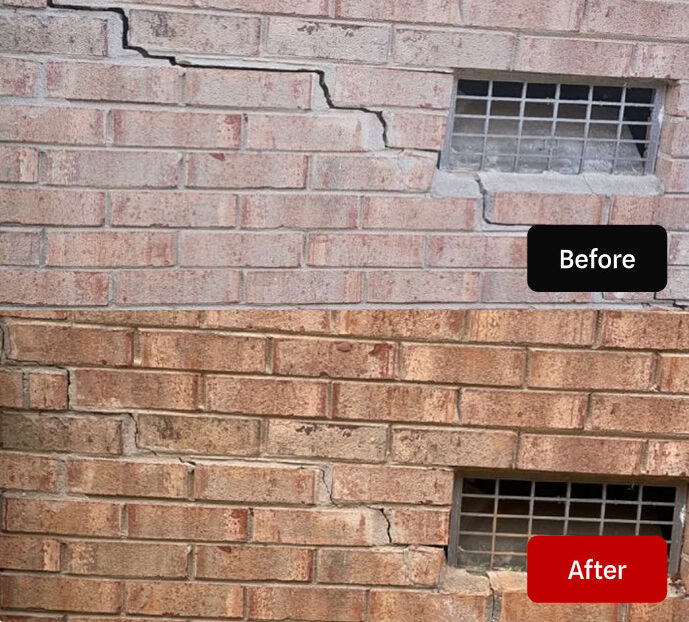
If a crack in a brick or block foundation runs in a stair step pattern, especially near corners, it can point to foundation movement. It is one of the more common signs of settlement in homes on soil that shrinks and swells.
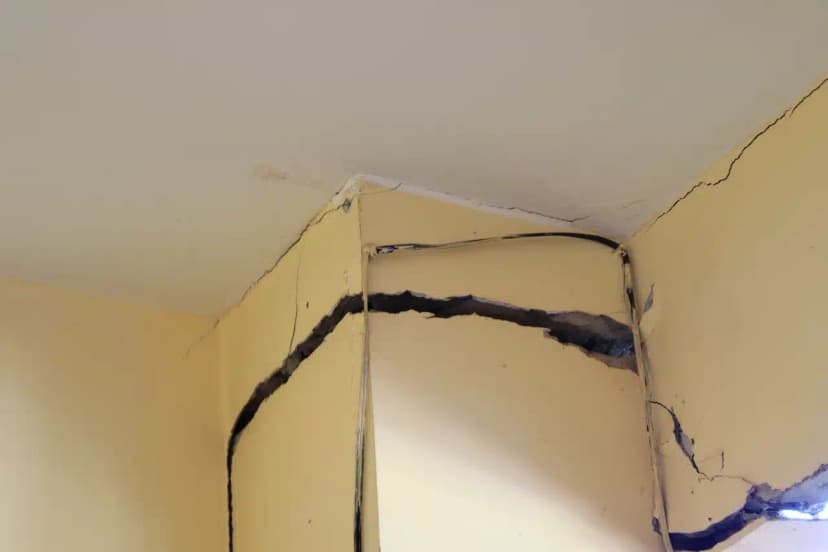
Drywall Cracks
Drywall cracks often show up above windows, doors and in ceiling corners. Some are cosmetic. If doors are sticking, floors are uneven, or cracks come back after repairs, the house itself may be shifting.
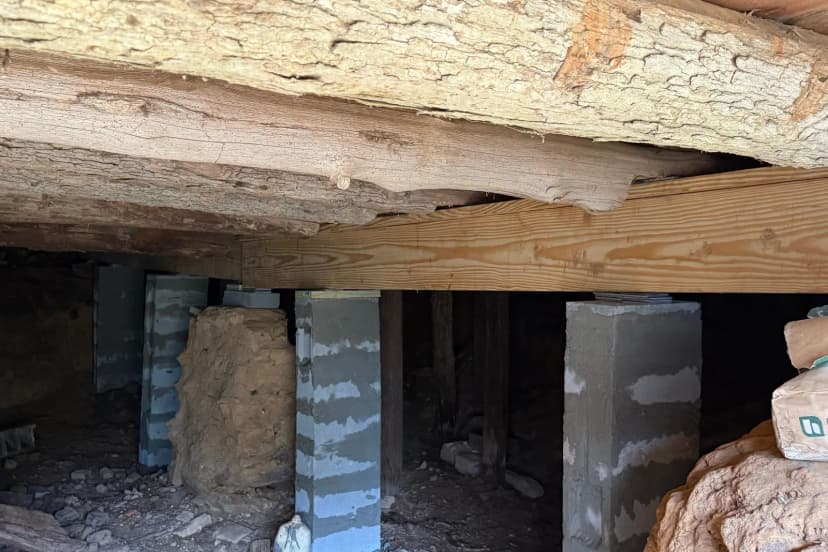
Floor Settling or Uneven Floors
Sloping or bouncing floors often point to a problem below the surface, such as foundation settlement or weakened support beams in the crawl space.
Why Do Settling Cracks Happen?
These are the usual causes:
- Expansive Soil: The Carolina Piedmont has clay rich soil that swells when wet and shrinks when dry, and that movement pushes on the foundation.
- Poor Drainage: Water that does not drain away from the home can erode soil or saturate the ground, which can lead to movement.
- Footing or Construction Problems: Sometimes the cause goes back to how the home was built.
- Time and Gravity: Even well built homes settle. How they settle makes the difference.
When Should You Have a Settling Crack Inspected?
Size is only part of it. What the crack is doing matters too:
- Is it growing?
- Is it horizontal or stair step?
- Is water getting in?
- Are doors and windows harder to open?
- Are your floors uneven?
If you answer yes to any of these, the cracks may be more than cosmetic. An inspection can show what is causing them.
How Does HydroHelp911 Repair Settling Cracks?
We look for the cause of a crack before recommending a repair, because a repair works best when it addresses that cause.
Foundation Crack Repair
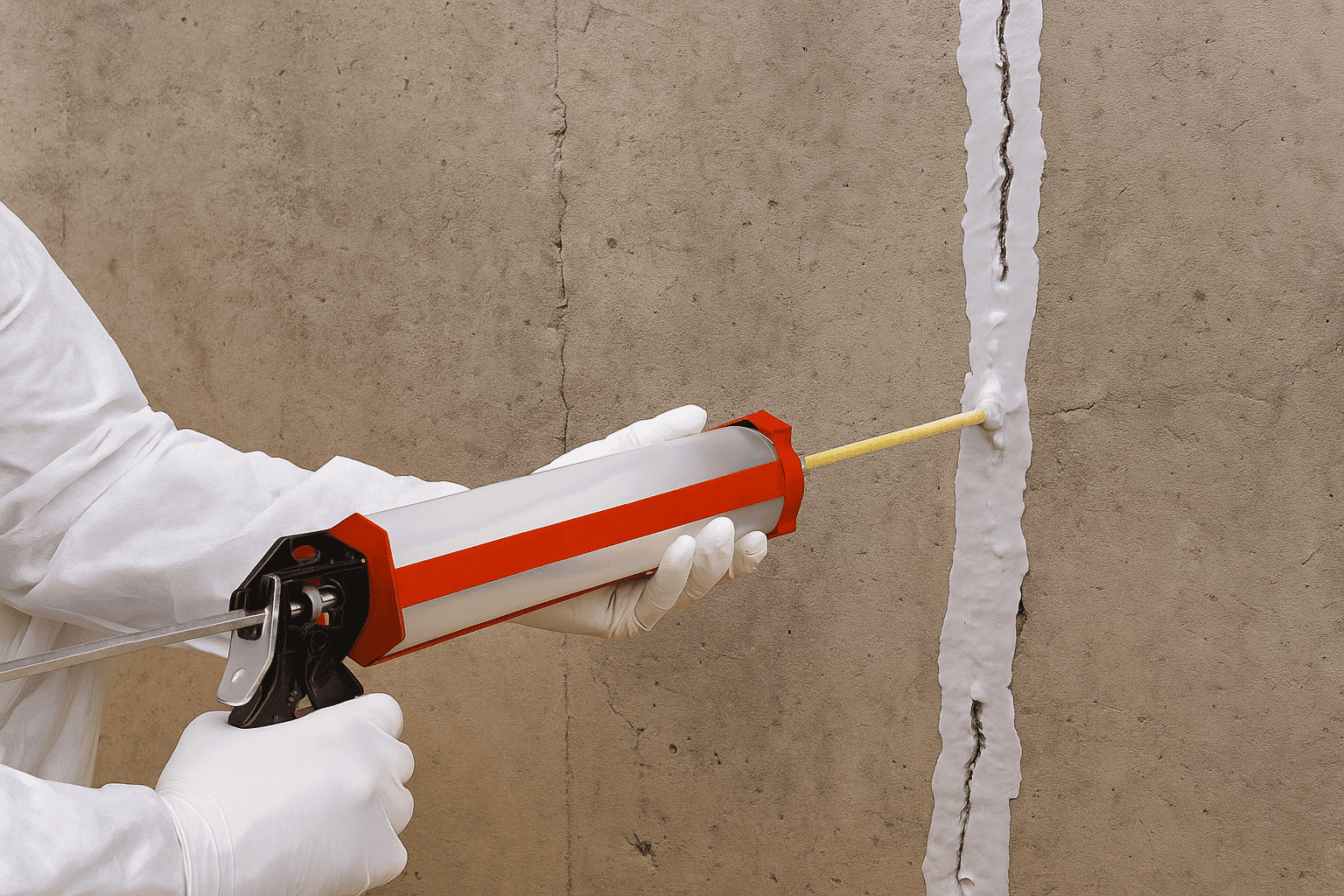
Our crack repair work seals cracks with injection and, where a wall needs it, adds structural reinforcement. Addressing what caused the crack helps keep new cracks from forming.
House Leveling
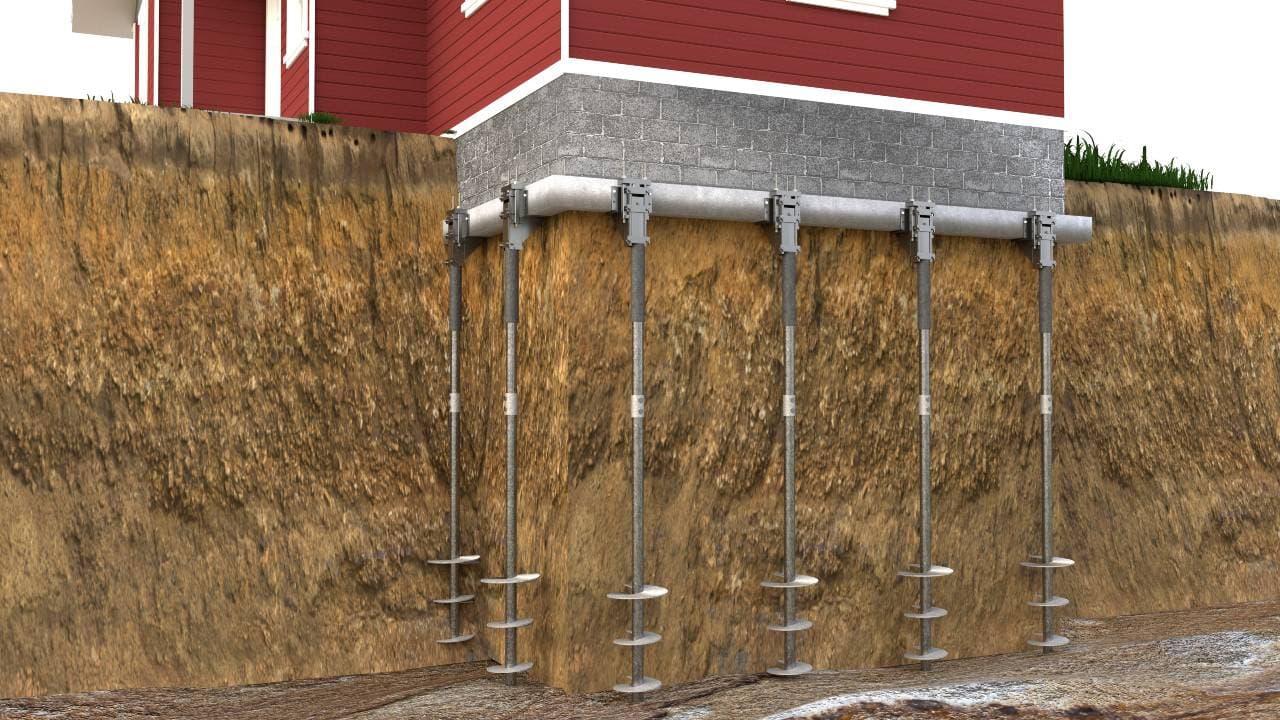
Using pier systems such as helical or push piers, we stabilize the foundation and, where the house allows, lift it back toward level.

Crawl Space Support
Sagging floors often trace back to the crawl space. Adjustable crawl space jacks can support the floor framing from below, and a vapor barrier helps control the moisture that can weaken wood.
Basement Wall Stabilization
For bowing or cracked basement walls, wall anchor systems or carbon fiber straps stabilize the wall against further inward movement. They do not straighten the wall.
Why Does a Crack Inspection Matter?
A free inspection shows what is causing a crack and whether it needs repair. The inspection costs nothing.
So, Are House Settling Cracks Normal?
Often, yes. Small cracks from natural settling are common. Cracks that grow, shift, leak or multiply are different, and they are worth having inspected.
An inspection shows what is happening. Caulk can cover a crack, but it does not address what caused it.
Schedule a Free Foundation Inspection
We will inspect your foundation and crawl space and explain what we find, with no pressure. Schedule your free foundation inspection.
Next Step
Schedule a Free Inspection
Call or fill out our quick online form. We'll book a convenient time to assess your home at no cost.
Learn more about our foundation repair services.
Found this useful? Share it with someone working on their home.
Written by
Cory Parks
Owner & President, HydroHelp911
Cory Parks founded HydroHelp911 and leads its structural and moisture repair work for homeowners across North and South Carolina, from the clay soils of the Piedmont to the saturated, sandy ground along the coast.
More about CoryGet a Free Inspection
Two ways to start. Both are free, with no obligation.
Pick your own day in our calendar. You save $250 if you go ahead with the work.
Send a short form, and our office will call to book a time that suits you.
For new customers who book online through our website and then sign a contract.