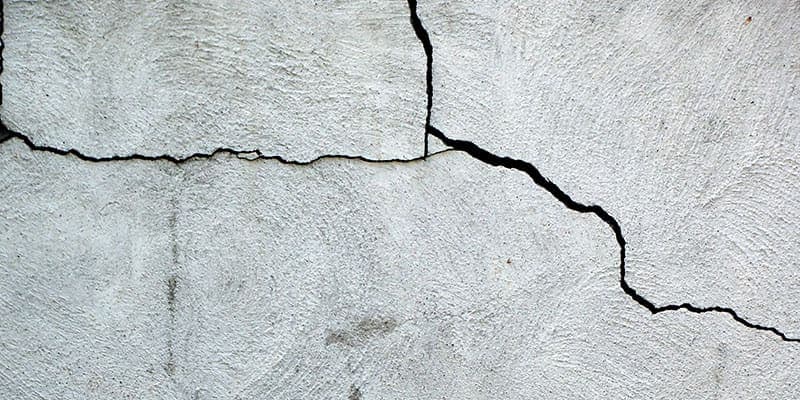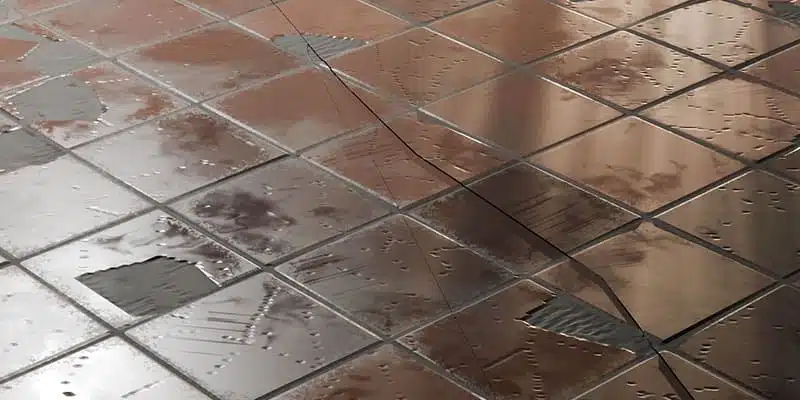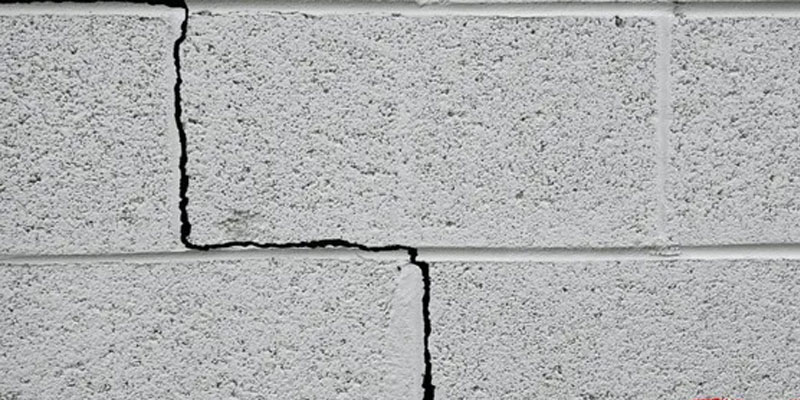

A hairline crack is a very thin, surface crack that usually comes from concrete shrinking as it cures, and it is usually cosmetic. A structural crack is wider, may go through the wall, often runs horizontally or in a stair step pattern, and can grow, which can point to foundation movement. The difference between hairline and structural cracks often shows most clearly in how a crack changes over time.
This guide explains what each type of crack means, why it happens and how foundation crack repair addresses it.
What Is a Hairline Crack?
A hairline crack is a very thin crack in concrete. These cracks often show up when concrete dries and shrinks, especially in new foundations or patios.
Are Hairline Cracks a Structural Problem?
Most hairline cracks are cracks that are not structural, which means they don’t harm the strength of your home. But they still matter.
Water can seep in through small cracks. This can lead to mold, mildew, or even more damage over time. Bugs and pests can also enter through hairline cracks. So, even though these cracks are usually not structural, they can still let water and pests in.
Common Causes of Hairline Cracks
Hairline cracks can happen when concrete dries too fast or when a new home settles a little bit after being built. They also show up due to changes in temperature or from shrinking while the concrete cures. If you’re seeing tiny cracks but no other problems, it’s likely a hairline crack. It is still worth keeping an eye on it, or sealing it to help keep moisture out.
What Is a Structural Crack?
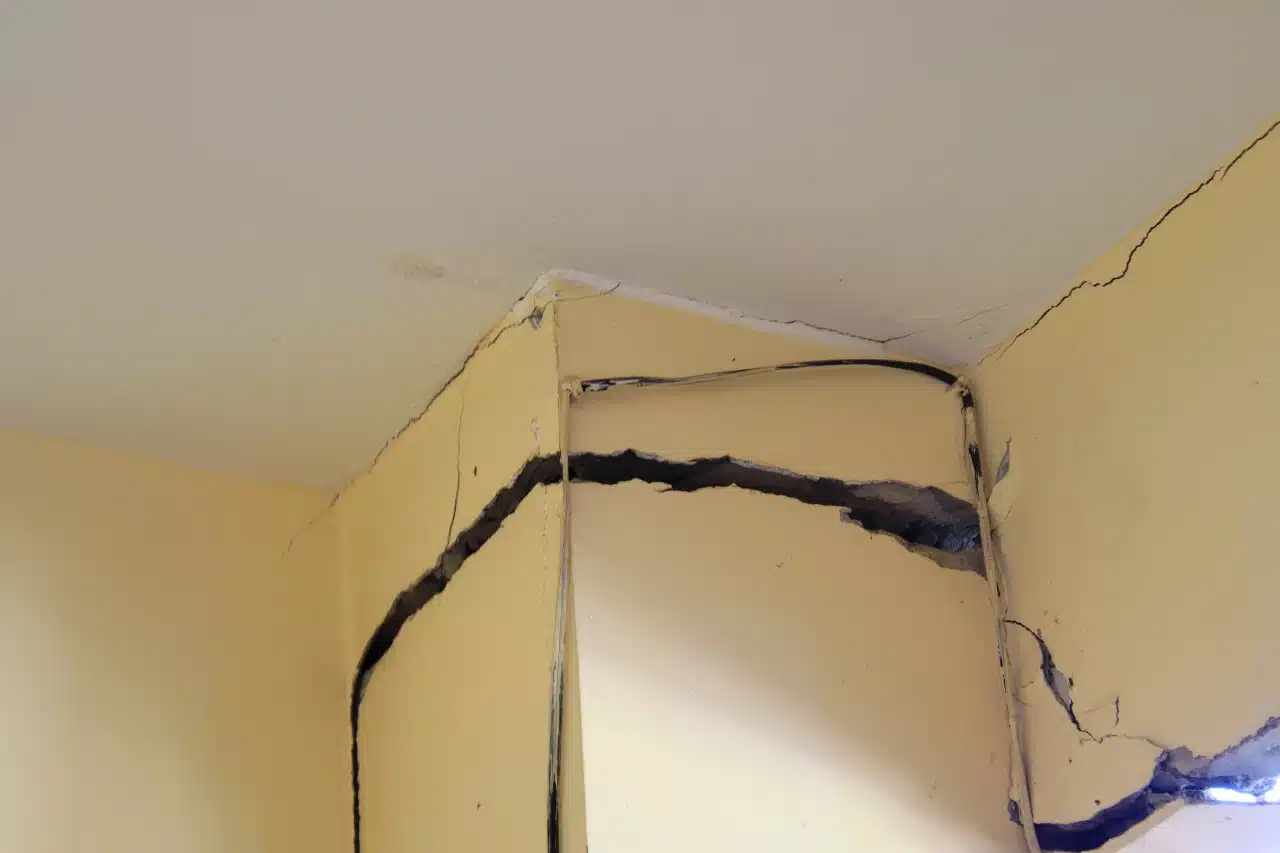
A structural crack is more serious. These cracks can show that your home’s foundation is moving or shifting.
Signs of a Structural Crack
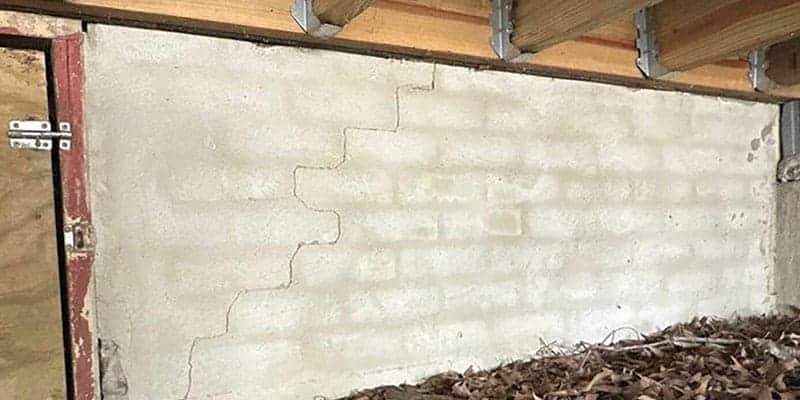
You might be dealing with a structural crack if the crack is wide, goes all the way through the wall, or forms a stair step shape in brick or block walls. Cracks that are horizontal, jagged, or continue to grow are also signs. If doors or windows start sticking or won’t close, it may point to a deeper foundation problem.
What Causes Structural Cracks?
Structural cracks can be caused by soil moving under the home, water damage from poor drainage, or freeze and thaw cycles in colder weather. Sometimes, tree roots push against the foundation, or poor construction methods weaken the structure. When the cause is not addressed, these cracks can grow and can lead to uneven floors, wall damage or other foundation problems.
How Can You Tell a Hairline Crack From a Structural Crack?
Knowing whether a crack is just a hairline crack or a structural crack can be tricky. Here are some tips:
| Feature | Hairline Crack | Structural Crack |
|---|---|---|
| Width | Very thin | Wider, often wide enough to see into |
| Pattern | Thin and straight | Stair step, horizontal or jagged |
| Depth | Surface only | Goes through the wall |
| Change Over Time | Stays the same | Gets bigger or longer |
| Impact | Cosmetic | May point to structural movement |
Width alone does not decide it. When you are not sure, a professional inspection can tell you.
Why Do Foundation Cracks Matter?
A small crack can grow. Cracks can let water in, which can lead to mold, and they can let ants, termites or rodents in.
A crack can also be a sign that a home is settling unevenly. When that is not addressed, it can lead to uneven floors, leaning walls, cracked ceilings or water in a basement or crawl space.
What Is Foundation Crack Repair?
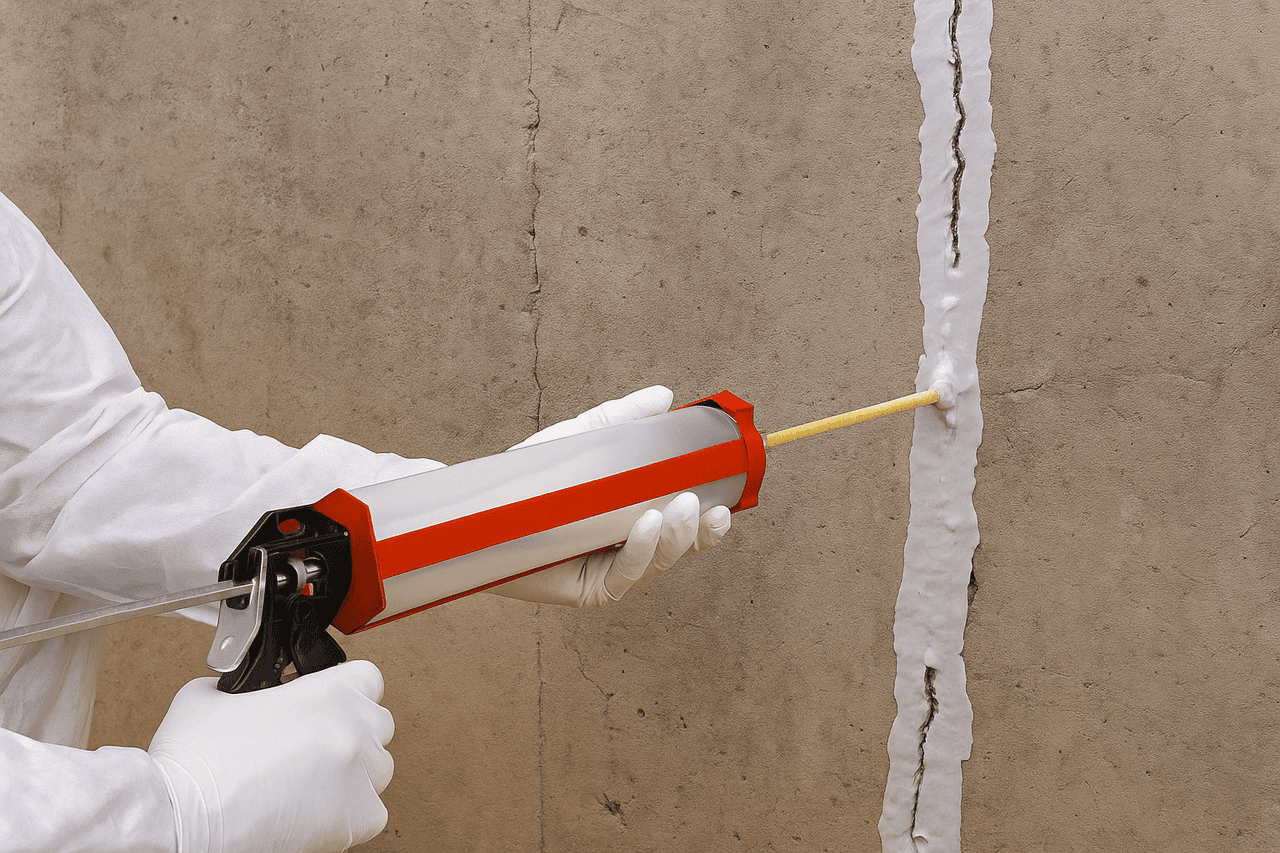
Foundation crack repair means sealing or reinforcing cracks in a foundation and addressing what caused them. The repair method depends on the crack type.
How Are Hairline Cracks Repaired?
Hairline cracks are often repaired by injecting epoxy or polyurethane into the crack. Surface sealants can be used to keep out water. It’s also a good idea to monitor the crack over time to see if it grows or changes.
How Are Structural Cracks Repaired?
Structural cracks need more than sealing. Carbon fiber reinforcement can strengthen a wall that has started to bow, and wall anchors or braces can stabilize a bowing wall against further inward movement. In some cases, underpinning with piers is used to stabilize a settling foundation.
Each repair starts with an inspection that finds the cause of the crack and the repair that fits it.
Can You Repair a Foundation Crack Yourself?
It might be tempting to fix a crack yourself with a quick patch from the hardware store. But a patch may not address what caused the crack.
DIY repair often only treats the surface. You might seal the crack, but not fix what caused it in the first place. That means the crack can come back or get worse.
The wrong material can also cause problems. A product that does not bond well with concrete can leave leaks or a poor seal.
Without an inspection, signs of a structural problem can be missed, and the cause can go unaddressed. That is why a foundation inspection can help.
When Should You Call a Professional?
Not sure what kind of crack you have? Here are signs a foundation expert should take a look:
If the crack is growing, if you see more cracks forming, or if the crack goes through the wall, it needs a closer look. Horizontal or stair step cracks also deserve a closer look. If your doors or windows won’t close right, or if the crack is leaking water, a professional inspection can show the cause.
Even if a crack seems small, having it checked can tell you where you stand.

How Can You Help Prevent Future Cracks?
You cannot stop every crack, but a few homeowner habits help: keep gutters clean, make sure downspouts drain away from the house, plant large trees well away from the foundation, and watch for early signs such as sticking doors or sloping floors.
Get Help With Foundation Crack Repair
Whether it is a small hairline crack or a structural crack, an inspection can show what is causing it. Our team will take a close look, explain what is going on in plain terms and recommend the repair that fits.
Next Step
Schedule a Free Inspection
Call or fill out our quick online form. We'll book a convenient time to assess your home at no cost.
Learn more about our foundation repair services.
Found this useful? Share it with someone working on their home.
Written by
Cory Parks
Owner & President, HydroHelp911
Cory Parks founded HydroHelp911 and leads its structural and moisture repair work for homeowners across North and South Carolina, from the clay soils of the Piedmont to the saturated, sandy ground along the coast.
More about CoryGet a Free Inspection
Two ways to start. Both are free, with no obligation.
Pick your own day in our calendar. You save $250 if you go ahead with the work.
Send a short form, and our office will call to book a time that suits you.
For new customers who book online through our website and then sign a contract.