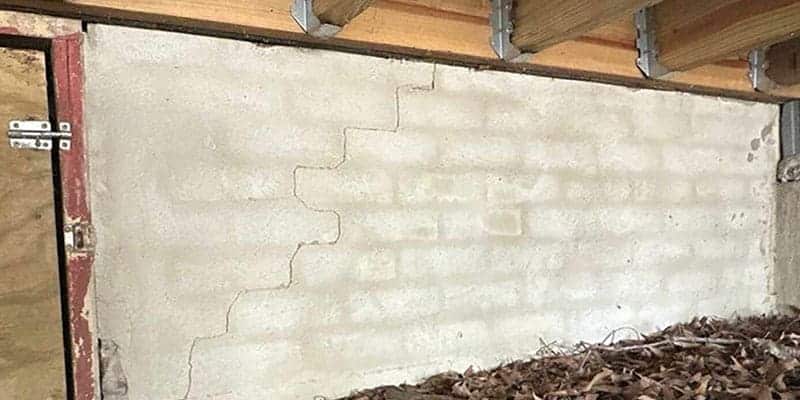

How serious a crack in the foundation of a house is depends on its cause. Cracks from concrete shrinking as it cured, or from a small amount of even settlement after construction, are usually not a structural concern. Cracks from water pressure or uneven settlement can point to structural issues that need repair. This article covers the common causes of foundation cracks, how to tell them apart and how they are repaired.
Are All Foundation Cracks a Cause for Concern?
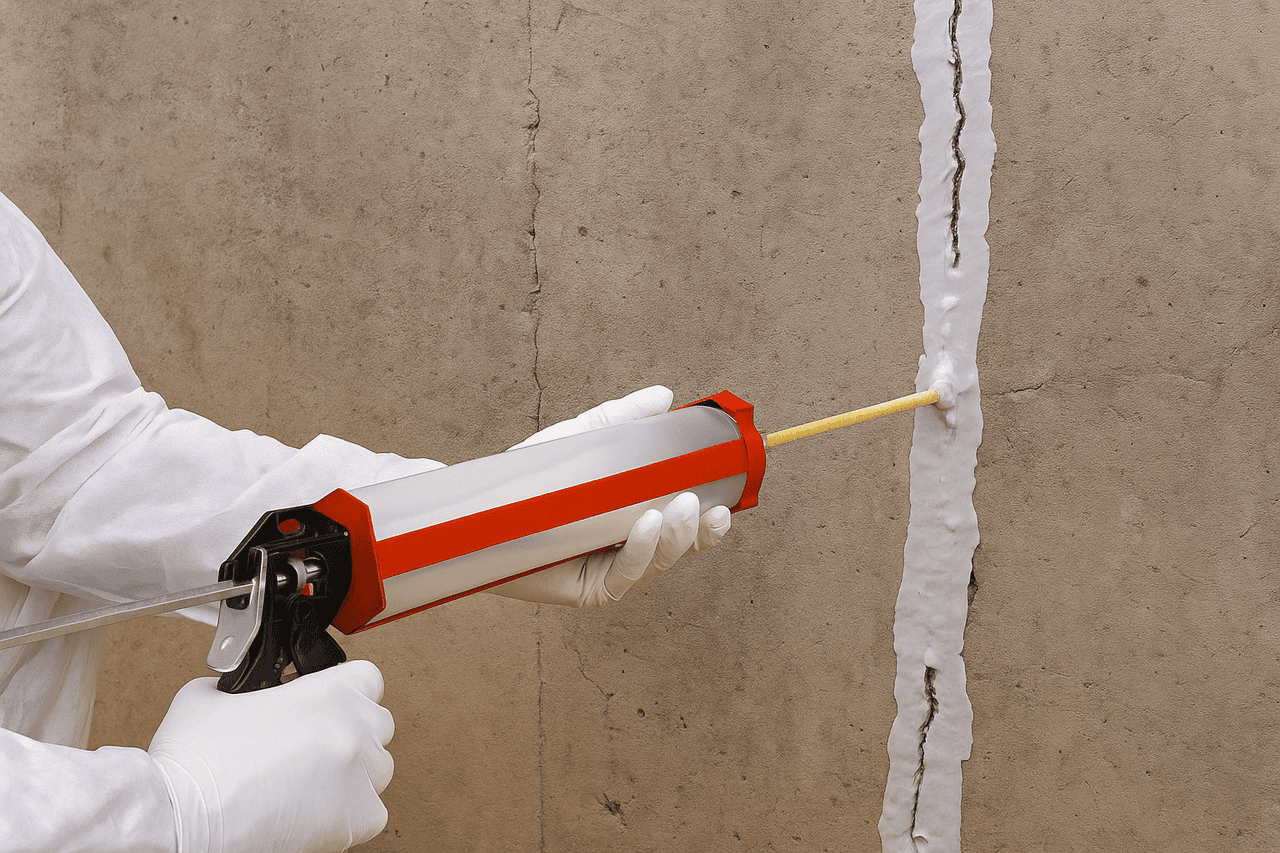
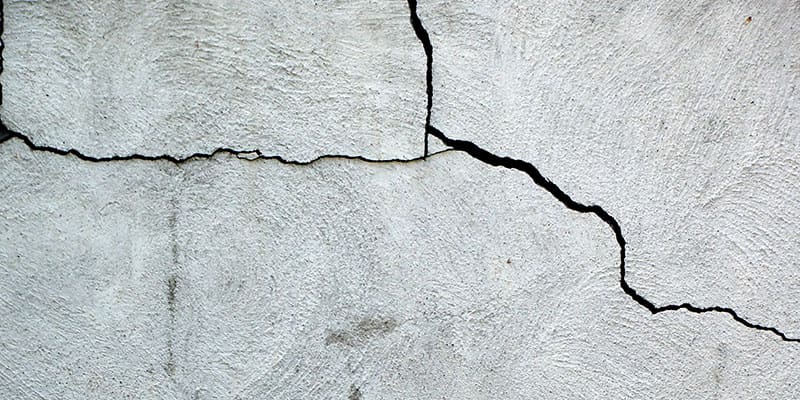
It is natural to worry about a crack in your house’s foundation, but not all cracks are a structural concern. Some foundation cracks are just unsightly and don’t affect the structural integrity of your home’s foundation. For example, it is typical for poured concrete foundations to exhibit cracks due to shrinkage during the concrete curing process. While these cracks could allow water to enter your basement or crawl space and for that reason should be sealed, they aren’t structural.
Foundation cracks can also result from a normal process known as foundation settlement. A small amount of uniform settlement after construction is pretty common and may cause a few cracks. An inspection shows whether a crack comes from normal settlement.
A free inspection shows what a foundation crack means. Small hairline cracks that do not get longer or wider and do not let water in are often cosmetic, and an inspection confirms whether that is the case. The next section covers signs that call for a closer look.
What Are the Signs a Foundation Crack Needs a Closer Look?
If you notice any of these, it is worth having the crack inspected:
- A crack that is getting wider: A widening crack often points to ongoing movement.
- A crack that is getting longer: Like widening, a crack that keeps growing longer often comes from a structural problem.
- Water coming in: A crack that lets water seep through needs attention. Look for dampness, mold and mildew, water stains or the water itself.
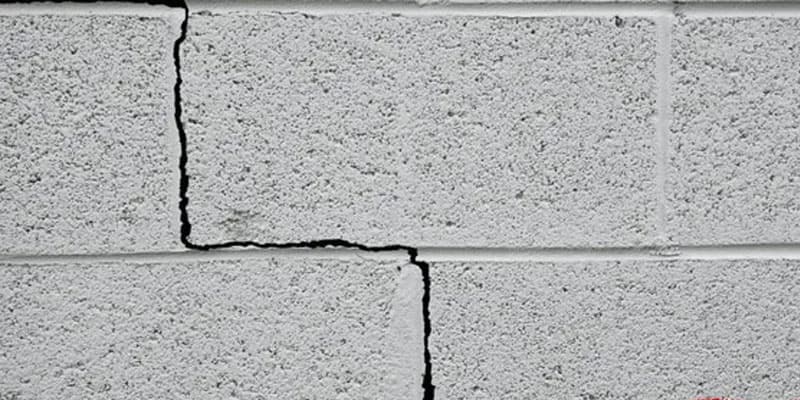
- Crack direction: Horizontal, diagonal and stair step cracks often point to a foundation problem. A single vertical hairline crack in a poured concrete wall is usually minor, while several vertical cracks close together can be a sign of something more.
Common Causes of Foundation Cracks and Repair Solutions
Most structural cracks in a house’s foundation come from hydrostatic pressure or differential settlement.
Hydrostatic Pressure
Hydrostatic pressure is the force water puts on the surfaces it touches.
When water does not drain away from a foundation, it collects in the soil next to the walls and presses against them. Over time, that pressure can crack the wall, make it bow or cause other foundation problems.
When water pressure is the cause, the repair usually relieves the pressure with interior drainage and stabilizes the wall if it has moved.
Differential Settlement
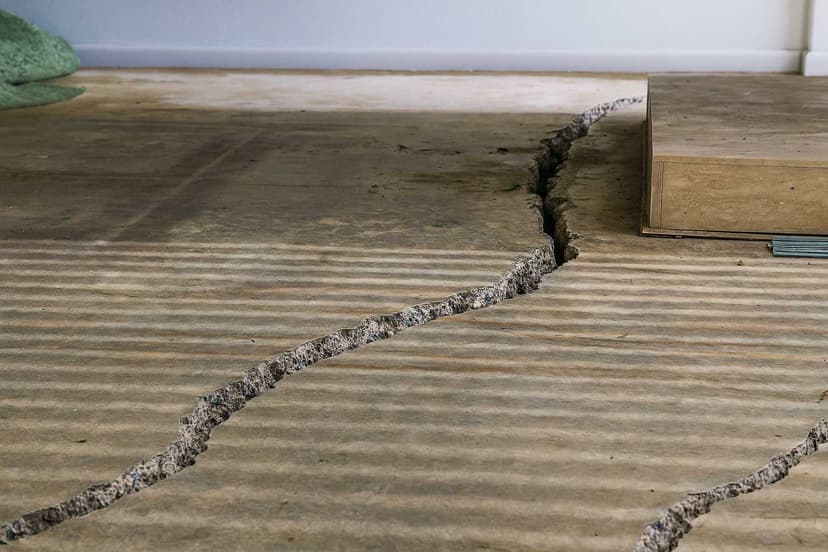
A small amount of uniform settlement is normal after construction. Differential settlement is different: it happens when parts of the foundation shift unevenly, and that uneven movement often cracks the foundation.
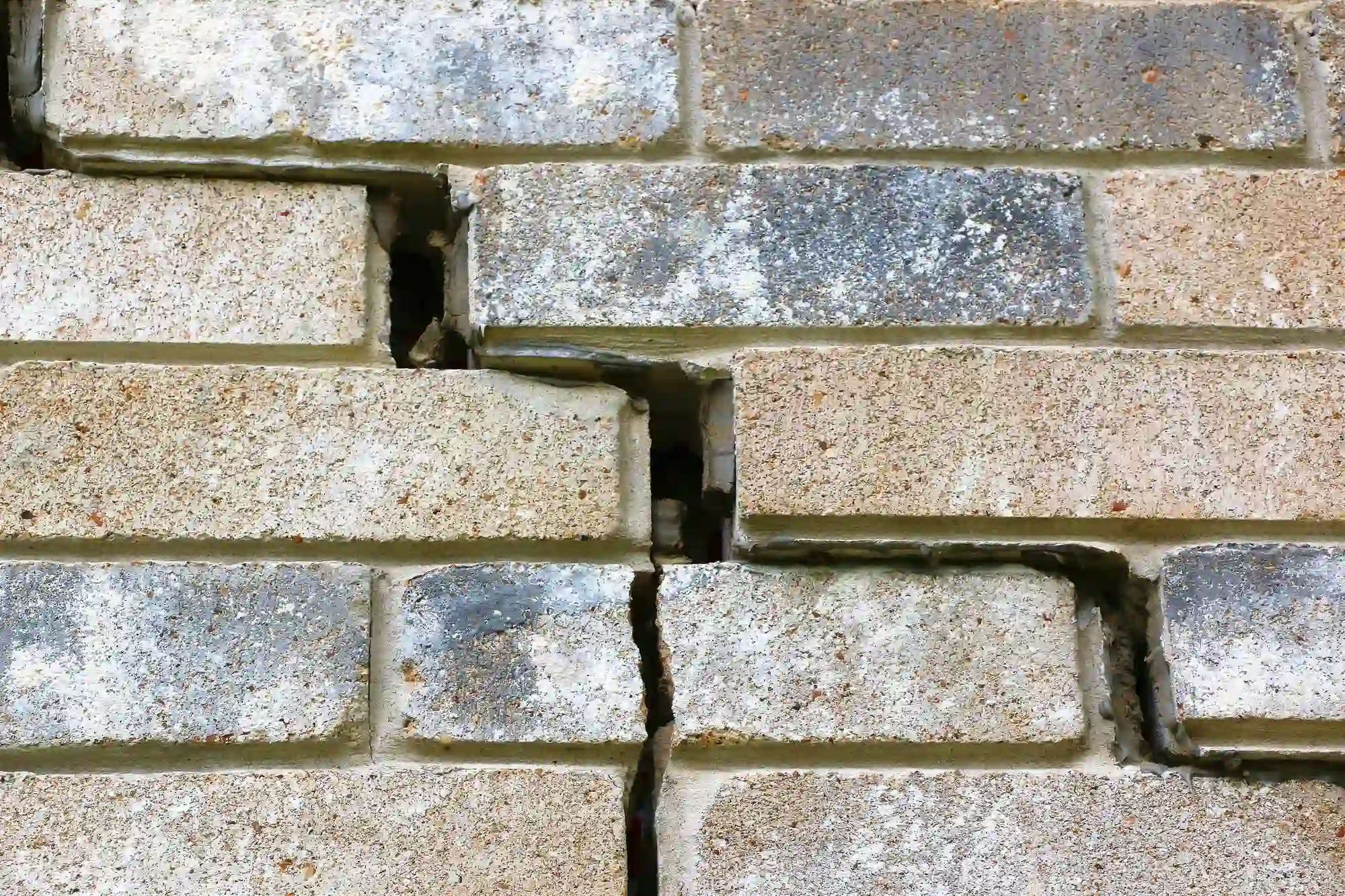
Differential settlement is usually repaired with piers. The two main types are push and helical piers, and both help stabilize the foundation against further settlement in the area where they are installed.
The piers are installed down to firmer soil and then attached to the foundation with brackets. Through that connection, the crew can often lift the foundation back toward level without causing damage.
What Should You Do About a Crack in Your Foundation?
A DIY patch can be tempting, but a foundation repair that misses the cause may not hold. A professional inspection finds what caused the crack and the repair that fits it.
Find a Foundation Expert for Your House
HydroHelp911 offers foundation repair services to homeowners across North and South Carolina, and has since 2017. If you notice a crack that concerns you, a free inspection shows what it means.
Next Step
Schedule a Free Inspection
Call or fill out our quick online form. We'll book a convenient time to assess your home at no cost.
Learn more about our foundation repair services.
Found this useful? Share it with someone working on their home.
Written by
Cory Parks
Owner & President, HydroHelp911
Cory Parks founded HydroHelp911 and leads its structural and moisture repair work for homeowners across North and South Carolina, from the clay soils of the Piedmont to the saturated, sandy ground along the coast.
More about CoryGet a Free Inspection
Two ways to start. Both are free, with no obligation.
Pick your own day in our calendar. You save $250 if you go ahead with the work.
Send a short form, and our office will call to book a time that suits you.
For new customers who book online through our website and then sign a contract.