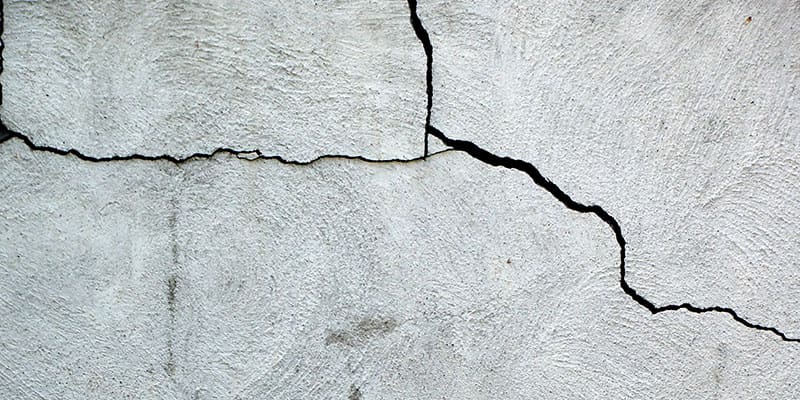

Have you noticed cracks in your home’s foundation? If so, you may be wondering how to fix them.
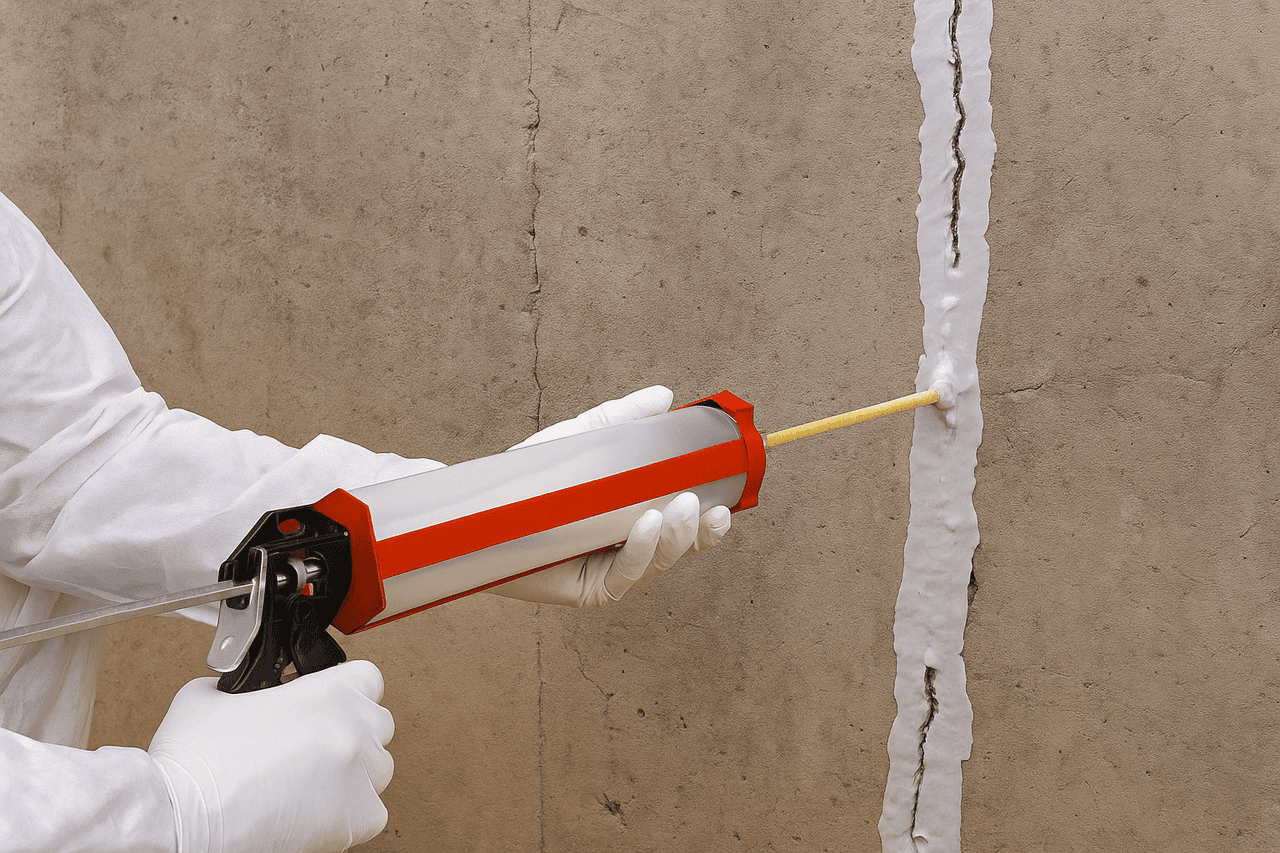
A foundation crack can be sealed from the outside of the wall or repaired from inside the basement or crawl space. This article explains, as general information, how an exterior crack repair works. HydroHelp911 repairs foundation cracks from the inside, and the sections below cover those methods too.
What Are Foundation Cracks?
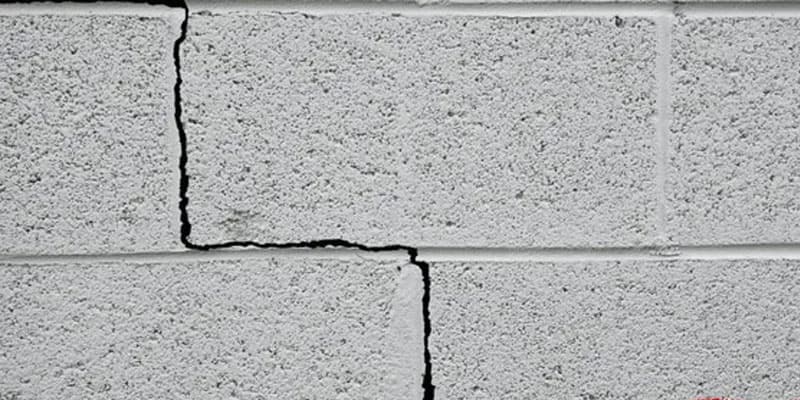
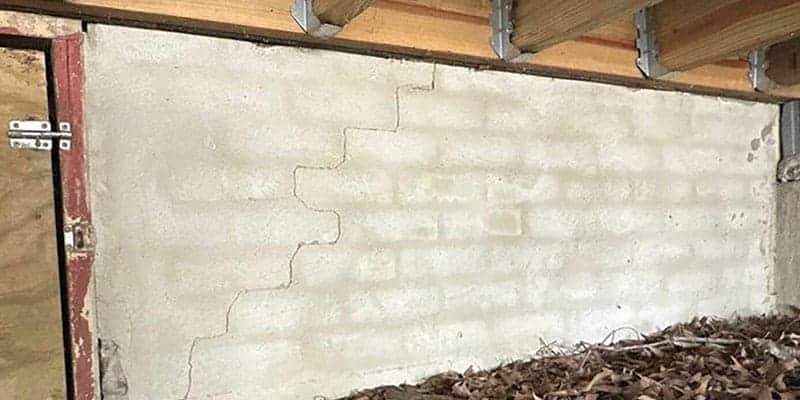
Foundation cracks are openings or fissures in the foundation of a building or home. They can result from various factors and vary significantly in size, shape, and severity. The foundation is a critical part of the structure, providing stability and support. Although minor cracks are usually harmless and part of the natural aging process of a structure, more significant or developing cracks can indicate underlying issues. They may compromise the foundation and the overall structural integrity of the building.
What Causes Foundation Cracks?
Many factors can cause foundation cracks. Some of the most common include:
Soil Movement
Expansive soils are soils that significantly change in volume with water content fluctuations. The primary soil responsible for this behavior is clay soil. It expands when the soil absorbs water (e.g., rainfall, irrigation, or leaks). The expansion exerts upward pressure on the foundation, leading to heaving, an upward movement of the structure. During dry periods, the previously expanded soil loses moisture and contracts. This shrinkage can cause the foundation to settle or sink. This behavior can make the foundation move unevenly, causing cracks and other structural issues.
Soil settlement refers to the downward movement of the ground and foundation due to the consolidation and compaction of soil under load over time.
- Even Settlement: When the entire structure settles evenly, minor issues may arise but are generally less severe.
- Uneven Settlement: This occurs when different parts of the foundation settle at different rates or extents, leading to tilting, cracking, and other structural problems.
Water Problems
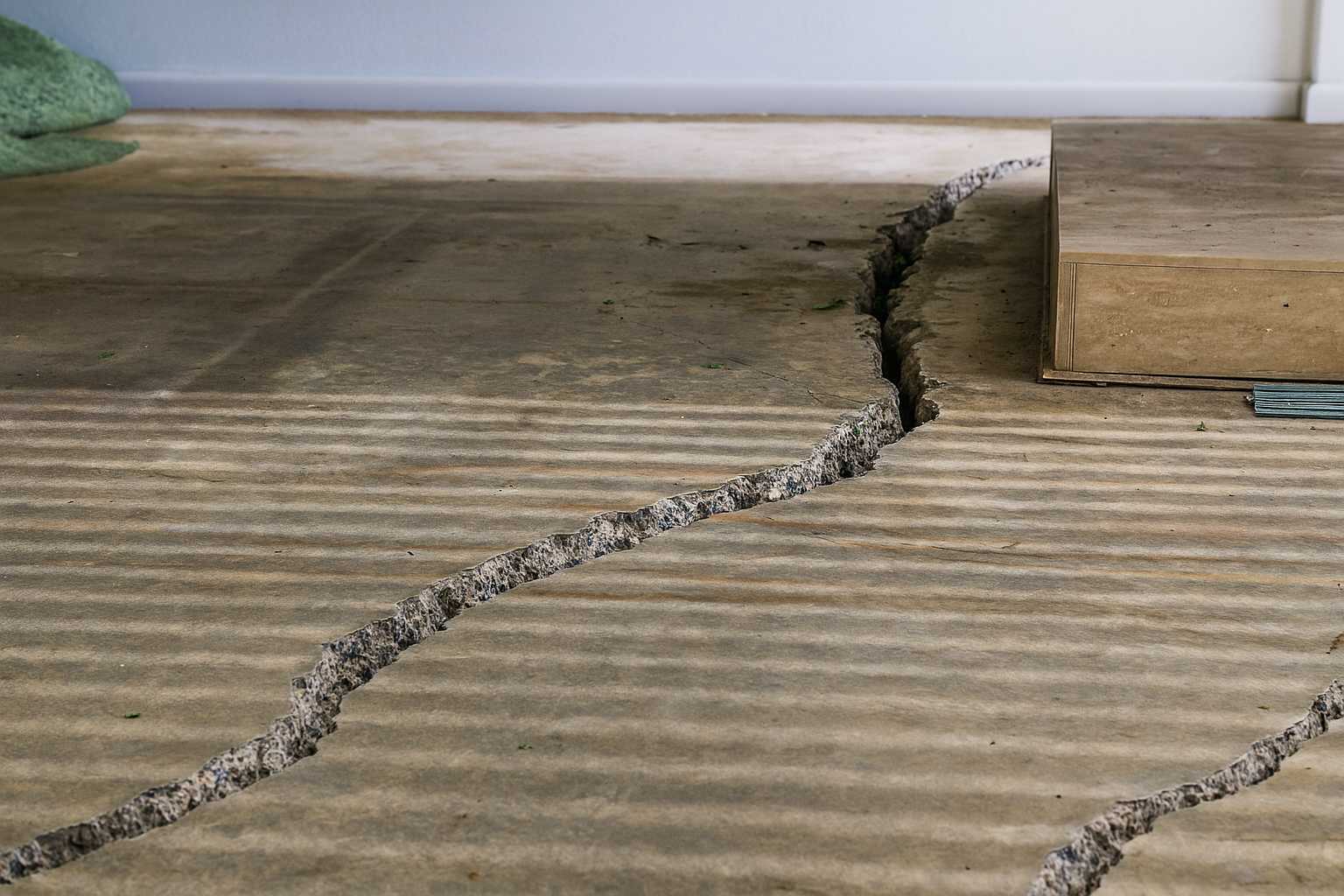
Water problems are a significant contributor to foundation issues. Poor drainage and water leakage around the foundation can lead to water accumulation, which in turn affects the stability of the soil and the integrity of the foundation itself. When water doesn’t drain away from the foundation adequately, it can pool around the structure’s base.
This pooling can cause the soil to become saturated, especially in soils that absorb and hold water (e.g., clay). Saturated soil expands and exerts pressure on the foundation walls and footings. This pressure can make your foundation walls bow, crack, and even move.
Leaks from pipes can lead to water infiltration, and poor ventilation can cause condensation to seep into the foundation material.
Temperature Changes
In regions with freezing temperatures, water can infiltrate small cracks in foundation materials. When surrounding temperatures drop, this water freezes and expands, causing the cracks to expand and potentially leading to significant foundation damage over time.
Design Flaws
Flaws in design or architectural plans, such as improper load distribution or unsupported overhangs, can result in uneven stress on the foundation, causing cracks and other issues.
Footings that are too shallow or improperly constructed may not provide adequate support. This can lead to the foundation settling or shifting, resulting in cracks and structural instability.
Using a concrete mix with improper proportions of cement, aggregate, and water can also compromise the strength and durability of the foundation, making it more susceptible to cracks and other damage.
Tree Roots
Large trees too close to a foundation can have extensive root systems that grow under and around the foundation. These roots can cause the soil to shift, leading to foundation displacement and cracks.
Heavy Rain and Flooding
Excessive water from heavy rain or flooding can saturate the soil around the foundation, which can lead to erosion, soil movement and a weaker foundation.
How Does HydroHelp911 Fix Foundation Cracks From the Inside?
Many foundation cracks can be repaired from inside the home. Our interior crack repair starts with a free inspection to find what caused the crack, because the repair works best when the cause is addressed along with the crack. Depending on the crack and the wall, the repair may include:
- Crack injection: Epoxy or polyurethane crack injection fills the crack from the inside face of the wall to seal it against water.
- Carbon fiber reinforcement: Carbon fiber straps are bonded across a crack to help hold the wall in place.
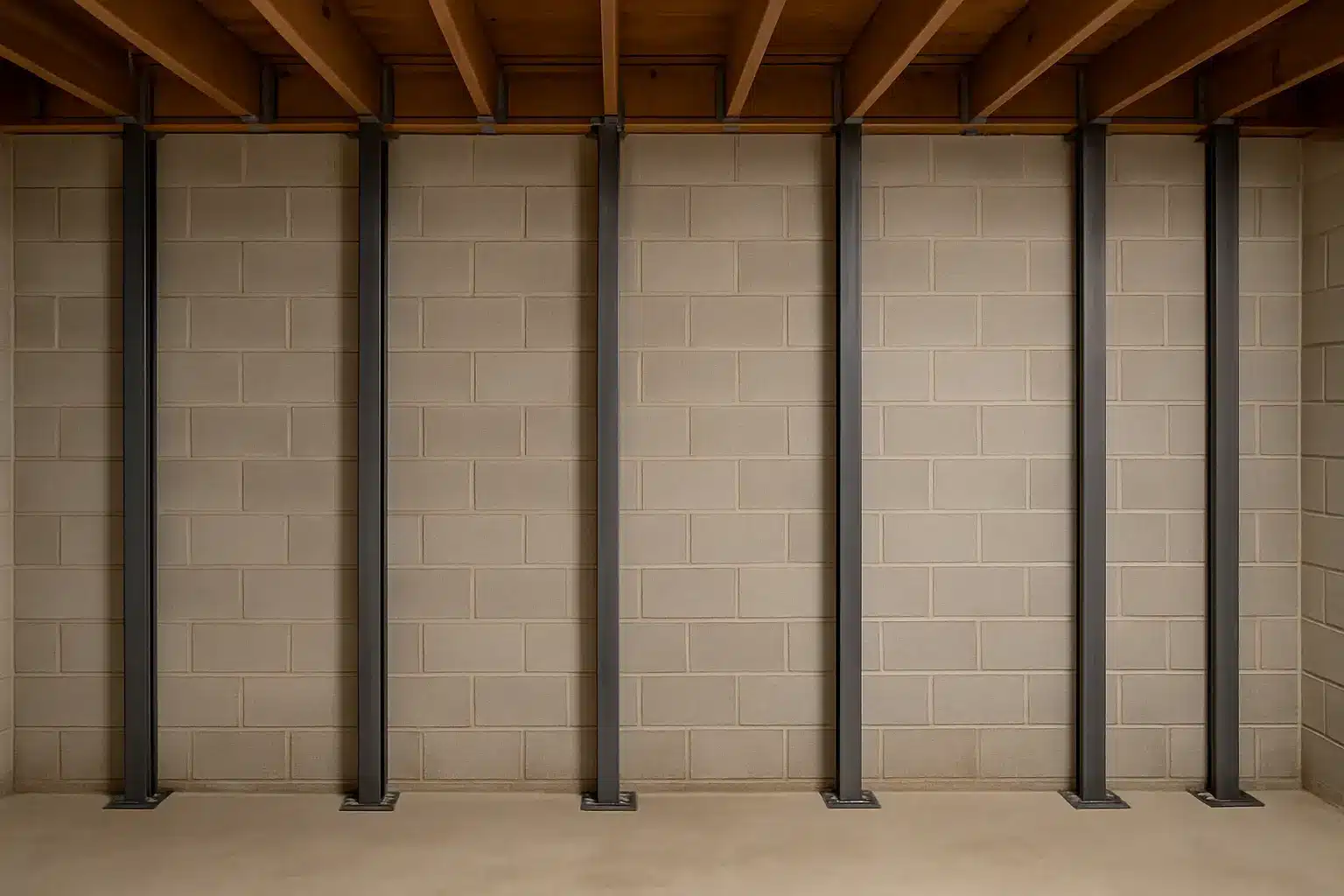
- Wall stabilization: When a crack comes from a wall bowing inward, anchors set in firm soil or steel wall braces can stabilize the wall against further movement.
- Interior drainage: When water comes in through a crack, an interior drainage system and sump can carry that water out from inside the basement or crawl space.
Our inspectors explain which method fits your home. Our repairs carry warranties with conditions, explained on our warranty page.
Some homeowners consider repairing a foundation crack themselves. A professional inspection can tell you whether a crack needs repair at all and what caused it, so the repair addresses the source.
How Does Fixing Foundation Cracks From the Outside Work?
An exterior crack repair works on the outside face of the foundation wall. As general information, it usually means digging the soil away from the wall to expose the full length of the crack, cleaning the crack, sealing the outside face of the wall and putting the soil back. Because the wall has to be exposed below grade, it is a bigger job around the outside of the house.
Do All Foundation Cracks Need a Repair?
Not all foundation cracks require repair, but assessing them carefully is essential. Here are some general guidelines:
- Hairline Cracks: These are often a normal part of the foundation settling process. An inspection shows whether a crack needs repair, and a crack that changes over time is worth showing to an inspector.
- Vertical Cracks: Vertical cracks are usually less concerning and can result from normal settling. A professional should evaluate them to determine if repair is necessary.
- Horizontal and Diagonal Cracks: These can be more serious and might indicate pressure on the foundation walls or shifting of the soil. Such cracks usually require professional evaluation and repair.
- Cracks with Water Seepage: Any crack allowing water to enter your basement or crawl space should be addressed to prevent mold, mildew, and further structural damage.
A foundation specialist can inspect any crack to find the cause and the right repair.
When Should You Call a Foundation Professional?
These are signs a foundation inspector should take a look:
- If you notice cracks that are wide, long, or growing over time
- If you see horizontal or diagonal cracks
- If you observe water entering through foundation cracks
- Any noticeable shifting, settling, or movement of the foundation
- Walls that seem to be bowing or bulging inward
- Problems in opening or closing doors and windows or noticing gaps around them
- Floors that slope or feel uneven
If you notice any of these signs, schedule a free inspection with HydroHelp911. Our trained inspectors (not salespeople) look at your foundation and give you a written estimate for any repairs it needs. We serve homeowners across our service area in North and South Carolina.
Next Step
Schedule a Free Inspection
Call or fill out our quick online form. We'll book a convenient time to assess your home at no cost.
Learn more about our foundation repair services.
Found this useful? Share it with someone working on their home.
Written by
Cory Parks
Owner & President, HydroHelp911
Cory Parks founded HydroHelp911 and leads its structural and moisture repair work for homeowners across North and South Carolina, from the clay soils of the Piedmont to the saturated, sandy ground along the coast.
More about CoryGet a Free Inspection
Two ways to start. Both are free, with no obligation.
Pick your own day in our calendar. You save $250 if you go ahead with the work.
Send a short form, and our office will call to book a time that suits you.
For new customers who book online through our website and then sign a contract.