
There is no fixed settlement period for a house. Much of a new house’s settling often happens in its first year or two, as it goes through its first seasons of wet and dry soil, but homes can keep settling slightly for years. Even settling is normal; settling that is uneven, or that keeps cracking walls and sticking doors, is worth an inspection.
If your home is newly built, you have probably heard it will settle over time. This article covers what that means, how long it can take and when settling is a problem.
What Is House Settlement?
According to Forensic Engineers Inc., settlement is the downward movement of soil under the weight of a structure, such as a house. Some settling is a normal process for homes, especially new ones.
When it happens unevenly, though, it can cause problems that need foundation repair.
What Is the Difference Between Normal and Differential Settlement?
Normal settlement is the even sinking of a house as it adjusts to the soil it sits on. It happens gradually and evenly across the structure, and it typically does not affect the house’s structure. Watching for changes over time is usually enough, with minor repairs as needed.
Differential settlement happens when different parts of the house settle at different rates. This uneven settling can lead to structural problems, and it often goes with poor soil compaction, changes in soil moisture or poor drainage.
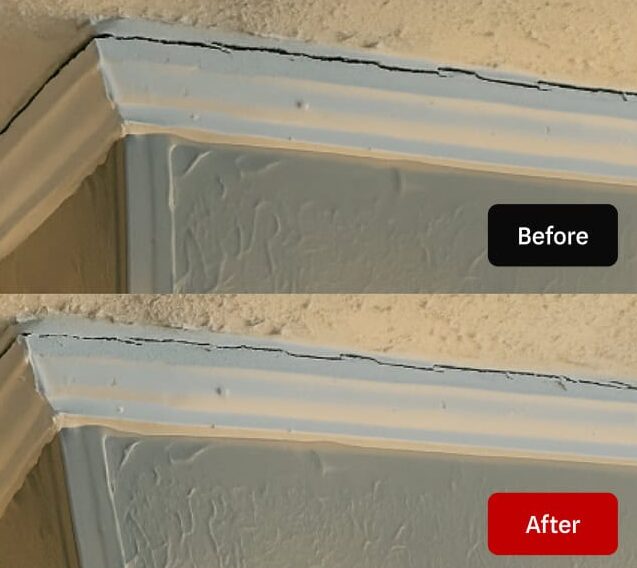
If your house shows signs of differential settlement, a foundation specialist can assess it and recommend a repair, such as underpinning, interior drainage or soil stabilization.
How Long Does It Take for a House to Settle?
How long a house takes to settle varies. Much of a new house’s settling often happens in the first year or two, as it goes through changing seasons, temperatures and soil movement.
Settling is not always limited to those first years. Homes can keep settling slightly over time, and there is no standard timeline for when a house stops settling.
What Causes a House to Settle?
House settling is common as a building adjusts to the ground under it. Several factors can cause or add to it:
Soil Condition
Different soils carry weight differently. Sand and gravel generally hold up a load better than silt and clay. In the Carolina Piedmont, many homes sit on clay rich soil; on the coast, sandy soil and a high water table are more common. So, depending on the soil where you live, a house may settle more or less.
If the soil was not compacted well before construction, the ground can also settle after the house is built.
Weight of the House
The weight of the house, including additions and changes over the years, presses on the foundation and the soil under it. On soil that was not compacted well, or that carries less weight, that load can lead to settling.
Moisture Content
Changes in soil moisture can make soil expand when wet and shrink when dry. This is especially true of clay soils. Poor drainage or grading can let water collect around the house, which can make the soil swell or wash away.
Seasonal Changes
Each season brings different moisture levels. Heavy spring rain can make soil expand, and dry summer weather can make it shrink.
In colder areas and higher elevations, the ground can freeze and thaw. Water expands when it freezes, which can move the soil or the foundation.
Construction Methods
Poor construction, such as a poorly built foundation, can lead to uneven settling. A foundation that is designed and built for its soil helps limit settling problems.
Tree Roots and Vegetation
Large trees near the house can pull a lot of moisture from the soil, which can make it shrink and settle. Roots can also push soil aside, and removing large trees can change the soil’s moisture too.
Flooding and Heavy Rain
Floods and heavy rain can saturate the soil, which can weaken its support of the house and wash soil away.
Nearby Construction
Construction near your home can cause vibrations that move soil. Digging nearby can also change the soil under your house.
What Are the Signs of House Settlement?
These signs can mean your house is settling:
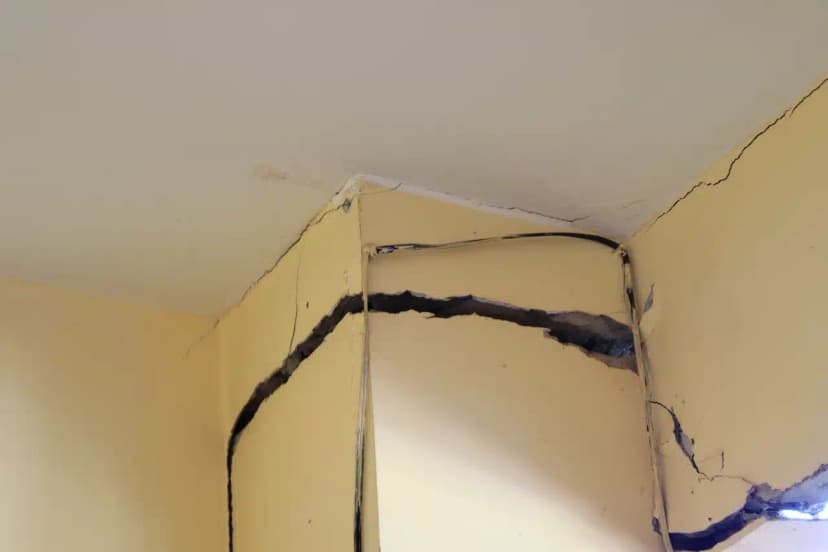
- Small, thin cracks in walls or ceilings
- Minor cracks in the foundation
- Gaps around windows, doors or trim
- Cracks in brick, drywall or other surfaces
- Gaps where wood joints are coming apart
- Gaps between cabinets and walls
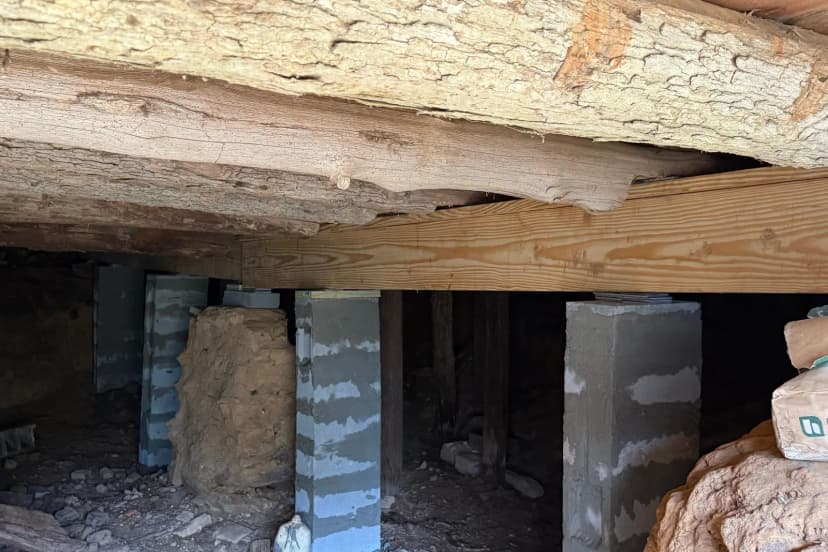
- Uneven or tilted floors
- Water collecting in the basement
- Pipes that break as the house shifts
- Sagging or gaps in the roofline
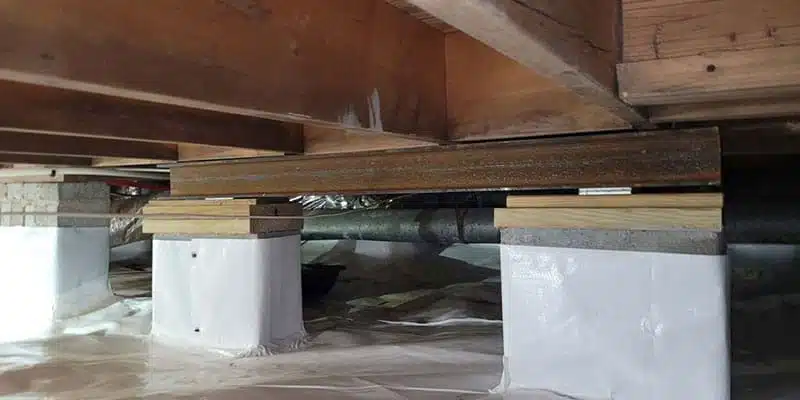
How Is House Settling Repaired?
Monitoring Minor Settling
Some settling is minor. Keeping a log of what you see, such as the size of a crack or a door that starts to stick, helps you notice changes, and an inspection can tell you whether it needs repair.
When the signs are getting worse, these are common repairs.
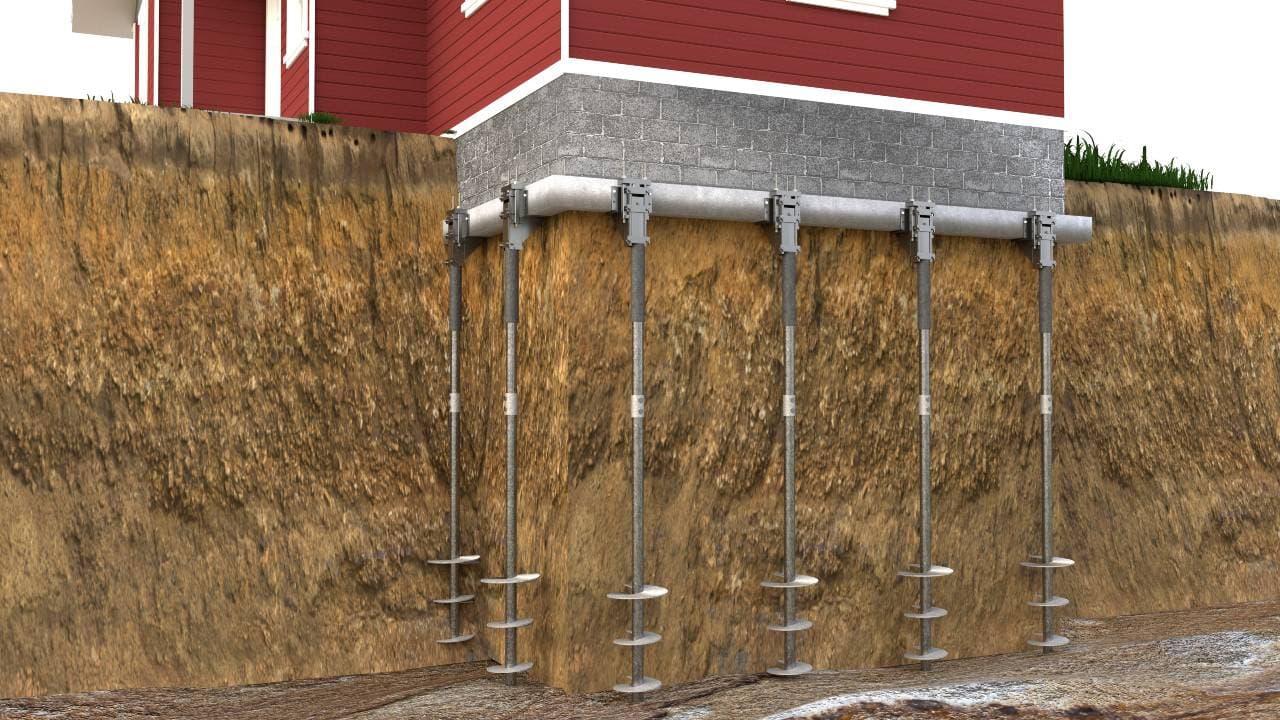
Steel Push Piers
Steel push piers are steel pipes driven deep into the ground beneath a foundation to reach stable soil or rock. They are used to stabilize, and in many cases lift back toward level, the parts of a building that have settled unevenly. The piers are driven hydraulically through the weak soil until they reach a depth that provides support.
Helical Piers
Helical piers, or screw piles, are steel shafts with plates shaped like a screw that are turned into the ground. Like push piers, they are used to stabilize and lift structures. The helix plates spread the load, and helical piers work well where heavy equipment access is limited, where soils carry less weight and where the water table is high.
When Should You Call a Foundation Professional?
Contact HydroHelp911 if you notice:
- Large or uneven cracks in your foundation or walls
- Stairs and floors that are noticeably sloping
- Doors and windows that have become harder to open and close
- Gaps between walls and the ceiling or floor
- Walls that are bowing
- Countertops that have separated from cabinets or walls
- A chimney separating from the house
Get a Free Inspection
If you are seeing any of these signs, HydroHelp911 offers a free inspection and estimate for homeowners across North and South Carolina, and we will recommend the repair that fits your home.
Next Step
Schedule a Free Inspection
Call or fill out our quick online form. We'll book a convenient time to assess your home at no cost.
Learn more about our foundation repair services.
Found this useful? Share it with someone working on their home.
Written by
Cory Parks
Owner & President, HydroHelp911
Cory Parks founded HydroHelp911 and leads its structural and moisture repair work for homeowners across North and South Carolina, from the clay soils of the Piedmont to the saturated, sandy ground along the coast.
More about CoryGet a Free Inspection
Two ways to start. Both are free, with no obligation.
Pick your own day in our calendar. You save $250 if you go ahead with the work.
Send a short form, and our office will call to book a time that suits you.
For new customers who book online through our website and then sign a contract.