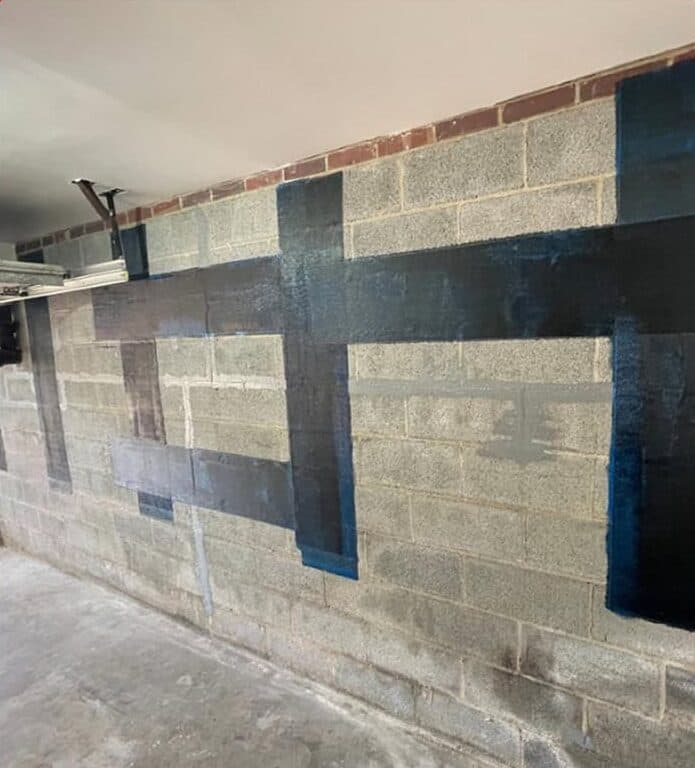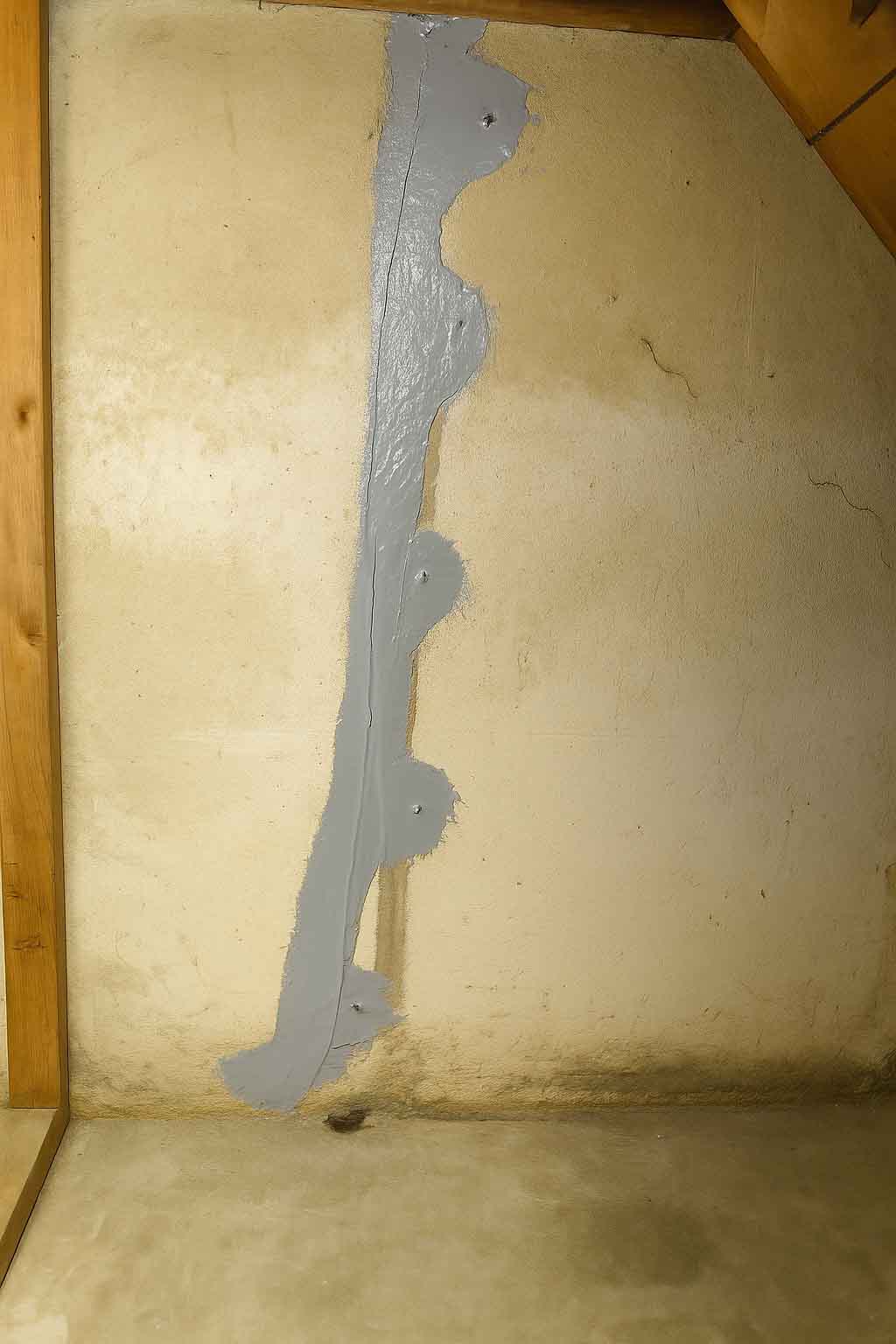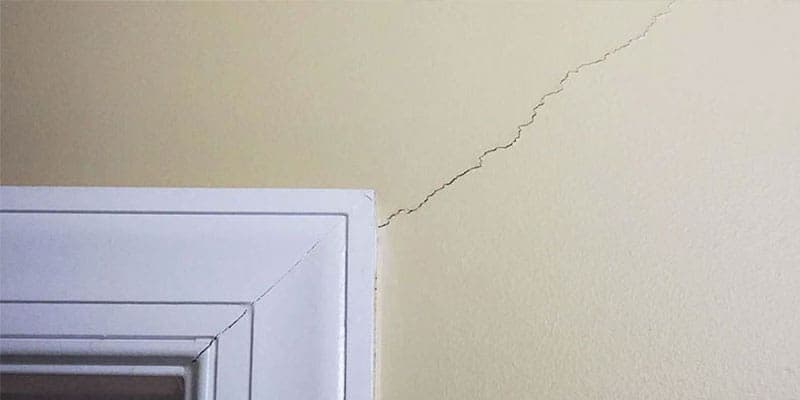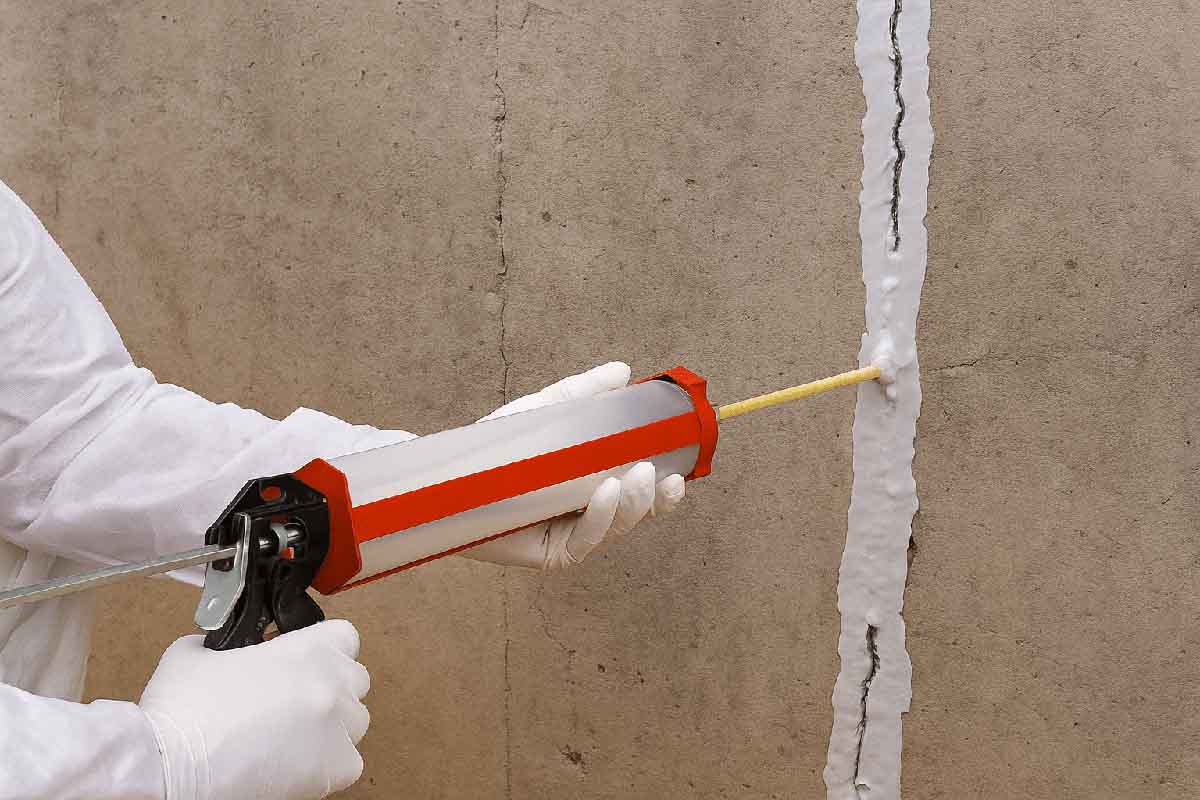

To seal a foundation crack, the two most common methods are epoxy injection and polyurethane injection. Epoxy is the usual choice for a dry crack in a stable wall, because it cures into a rigid bond. Polyurethane is the usual choice for a crack that leaks, because it expands, seals against water and stays flexible. A crack from a bowing or settling wall needs structural repair as well as sealing.
Homeowners often ask us whether a crack is a big deal, whether they can seal it themselves and who to call. Not all cracks are the same, and neither are the methods used to seal them. This guide compares the two most common foundation crack repair methods: epoxy crack repair and polyurethane injection.
Why Do Foundation Cracks Form?
Foundation cracks usually come from one of three things:
- Shrinkage: Concrete shrinks as it cures, which creates hairline cracks.
- Settlement: The home shifts as the soil underneath moves, from rain, drought or poor grading.
- Pressure: Water pressure from outside (hydrostatic pressure) pushes against the walls.
The type of crack says a lot about what is going on. Depending on the cause, foundation crack sealing may be enough, or the wall may need reinforcement or piers.
If the crack is not structural, sealing it properly can help prevent larger problems later.

How Does Epoxy Crack Repair Work?
Epoxy is a two part resin used to bond concrete across a crack.
How It Works
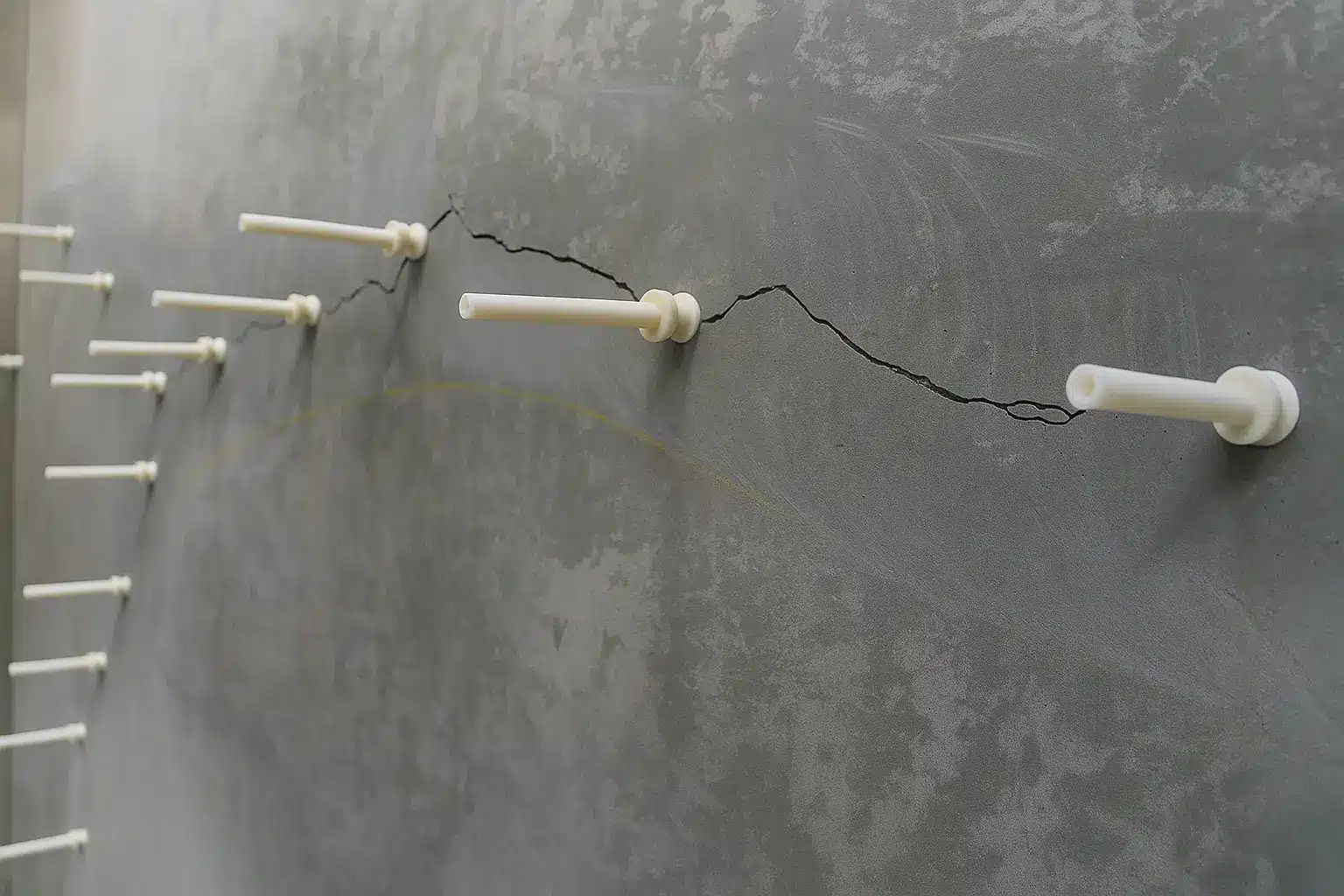
We clean out the crack, install injection ports and pump in two part epoxy resin under pressure. When it cures, it forms a rigid bond across the crack.
Best For
- Dry cracks
- Vertical or diagonal cracks from shrinkage or minor settling
- Cracks in a stable wall that need a structural bond
Not Ideal For
- Wet or actively leaking cracks
- Cracks that are still moving
- Very wide or irregular cracks
Pros of Epoxy Crack Repair
- High strength bond across the crack
- Flows into fine cracks
- Holds up well when the wall is stable and dry
Cons
- Does not stop water if the crack is still leaking
- Rigid: the crack can reopen if the foundation moves again
- Takes longer to install and cure than polyurethane
Bottom Line
If the crack is dry and the wall is stable, epoxy is a strong option.
How Does Polyurethane Injection Work?
Polyurethane is a flexible, expanding resin used to seal cracks that leak or may move.
It is not as rigid or strong as epoxy, but it seals against water, stays flexible and installs quickly.
How It Works
We inject a flexible polyurethane resin into the crack. As it reacts with moisture, it expands and fills the crack, forming a seal against water that can flex with the wall.
Best For
- Leaking cracks or cracks exposed to moisture
- Cracks that may move with the seasons
- Poured concrete walls
Not Ideal For
- Major structural repairs
- Dry cracks that need a rigid bond
Pros of Polyurethane Injection
- Expands to fill the crack
- Works on wet or weeping cracks
- Flexible, so it can move with the wall through seasonal changes
- Cures quickly, with little disruption
Cons
- Does not add structural strength
- May not bond well in very dry cracks without wetting them first
- May need another application if the wall keeps moving
Bottom Line
Polyurethane is a common choice for sealing leaking cracks and controlling moisture. It is less about structure and more about keeping the basement dry.
How Do I Know Which One I Need?
There is no universal rule, but this table shows how the choice usually goes:
| Crack Type | Usual Method | Why |
|---|---|---|
| Hairline crack, dry | Epoxy | High strength bond across the crack |
| Leaking crack | Polyurethane | Expands and seals against moisture |
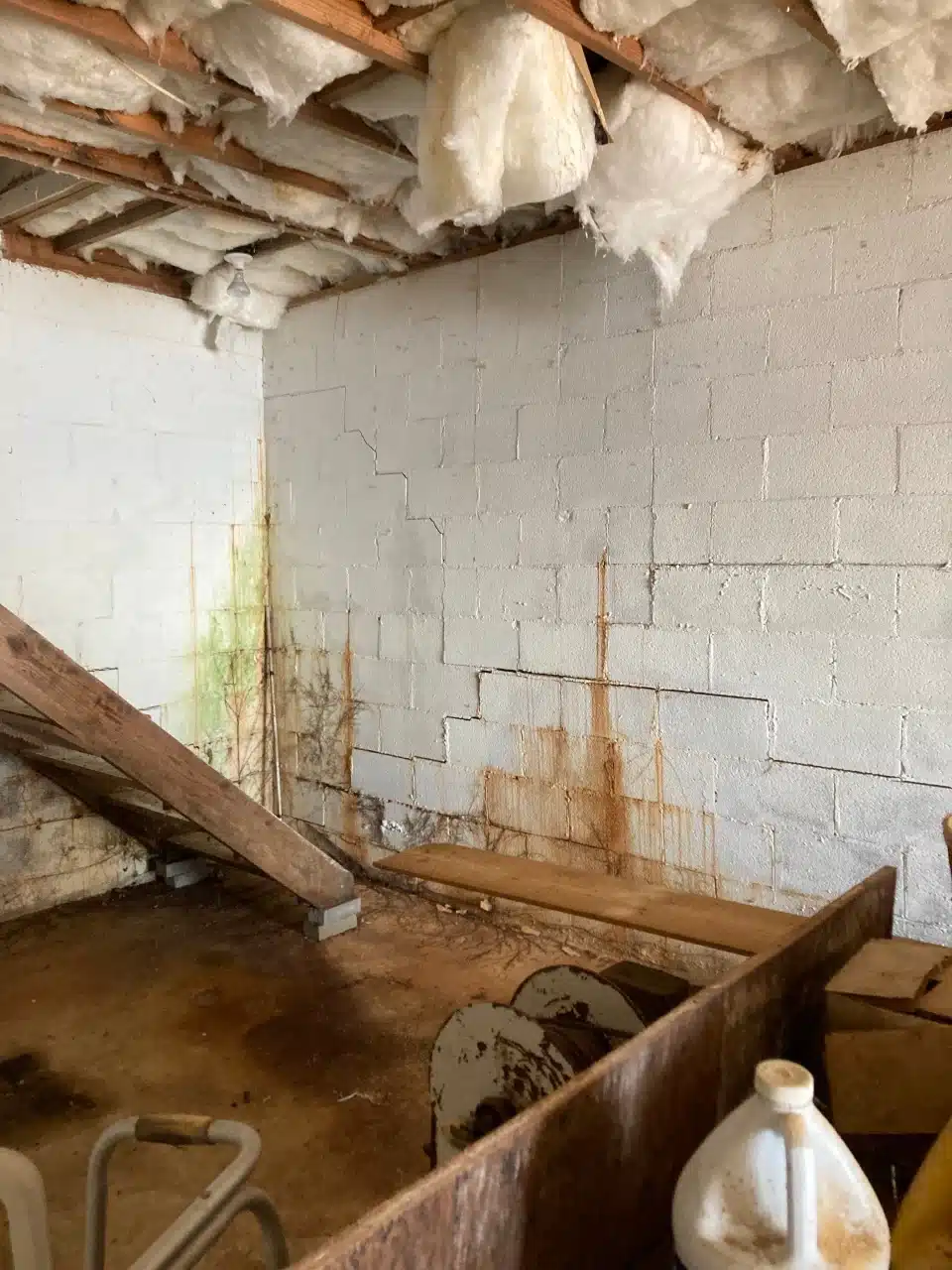
| Bowing wall with cracks | Structural repair as well | The wall needs reinforcement such as carbon fiber or anchors |
| Cracks reappearing after repair | Polyurethane, plus finding the cause | Flexibility helps where walls move |
A trained inspector looks at:
- The direction of the crack
- Its width and depth
- Moisture conditions
- The likely cause, such as settlement or water pressure
At HydroHelp911, we look at the whole foundation and build a repair plan that makes sense for your home.
For more information, see Cracks in Basement Walls: What Do They Mean?
When Is Sealing a Foundation Crack Not Enough?
Crack sealing is not always the whole answer.
If your foundation has structural movement, sagging floors or repeated cracks, sealing alone will not address the cause. The repair may also need:
- Steel helical piers to stabilize a sinking foundation
- Carbon fiber reinforcement for bowing walls
- Interior drainage systems to relieve water pressure
That is why we start with an inspection, with no scare tactics.
Can I Seal Foundation Cracks Myself?
Sometimes. Store bought kits can work on small cracks near the surface. They do not have the pressure injection equipment professional crews use, so they reach less of the crack.
If the crack is structural or leaking heavily, a DIY sealant may hide the symptom while the cause continues. A professional inspection can tell you which kind of crack you have.
For more information, see Fixing Foundation Cracks From the Outside.
Summary of Epoxy vs Polyurethane
How do you seal foundation cracks, and what is the best method? The two most common foundation crack repair methods are epoxy crack repair and polyurethane injection.
- Epoxy is used for dry cracks in a stable wall, where it bonds the concrete.
- Polyurethane is used for wet or moving cracks, where it expands to seal leaks and flexes with the wall.
HydroHelp911 offers professional foundation crack sealing across North and South Carolina, matched to the type and cause of your crack.
Schedule a Free Foundation Crack Inspection
At HydroHelp911, we offer free inspections, clear advice and repairs using epoxy, polyurethane or structural systems. We will tell you what your crack needs, and what it does not. Book your free foundation inspection online.
Next Step
Schedule a Free Inspection
Call or fill out our quick online form. We'll book a convenient time to assess your home at no cost.
Learn more about our foundation repair services.
Found this useful? Share it with someone working on their home.
Written by
Cory Parks
Owner & President, HydroHelp911
Cory Parks founded HydroHelp911 and leads its structural and moisture repair work for homeowners across North and South Carolina, from the clay soils of the Piedmont to the saturated, sandy ground along the coast.
More about CoryGet a Free Inspection
Two ways to start. Both are free, with no obligation.
Pick your own day in our calendar. You save $250 if you go ahead with the work.
Send a short form, and our office will call to book a time that suits you.
For new customers who book online through our website and then sign a contract.