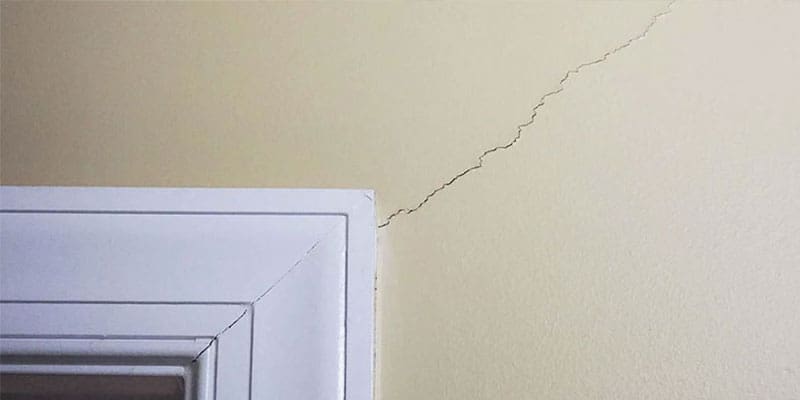

There is no single best foundation repair method for every crack. Epoxy injection suits dry, stable cracks in poured concrete; polyurethane injection suits cracks that leak; carbon fiber straps suit walls that have started to bow; and piers or wall anchors suit cracks caused by settlement or soil pressure. The best method is the one that matches what caused your crack.
At HydroHelp911, we see every kind of foundation crack, from hairline shrinkage cracks to wide cracks that leak. This guide walks through the main foundation repair methods for cracks, how each one works and when each one makes sense.
For more information, see Hairline vs Structural Cracks.
Why Do Foundation Cracks Happen?
Cracks have a cause. In the Carolinas, the most common causes we see are:
- Foundation settlement: soil shifting or sinking under the home, often clay rich Piedmont soil that shrinks in dry periods
- Hydrostatic pressure: water building up against the outside of a basement wall
- Concrete shrinkage: a normal part of curing that creates small cracks
- Freeze and thaw cycles and temperature swings: movement that stresses rigid concrete
- Poor drainage or grading: water collecting around the foundation
A crack rarely closes on its own, and the right repair depends on its cause.
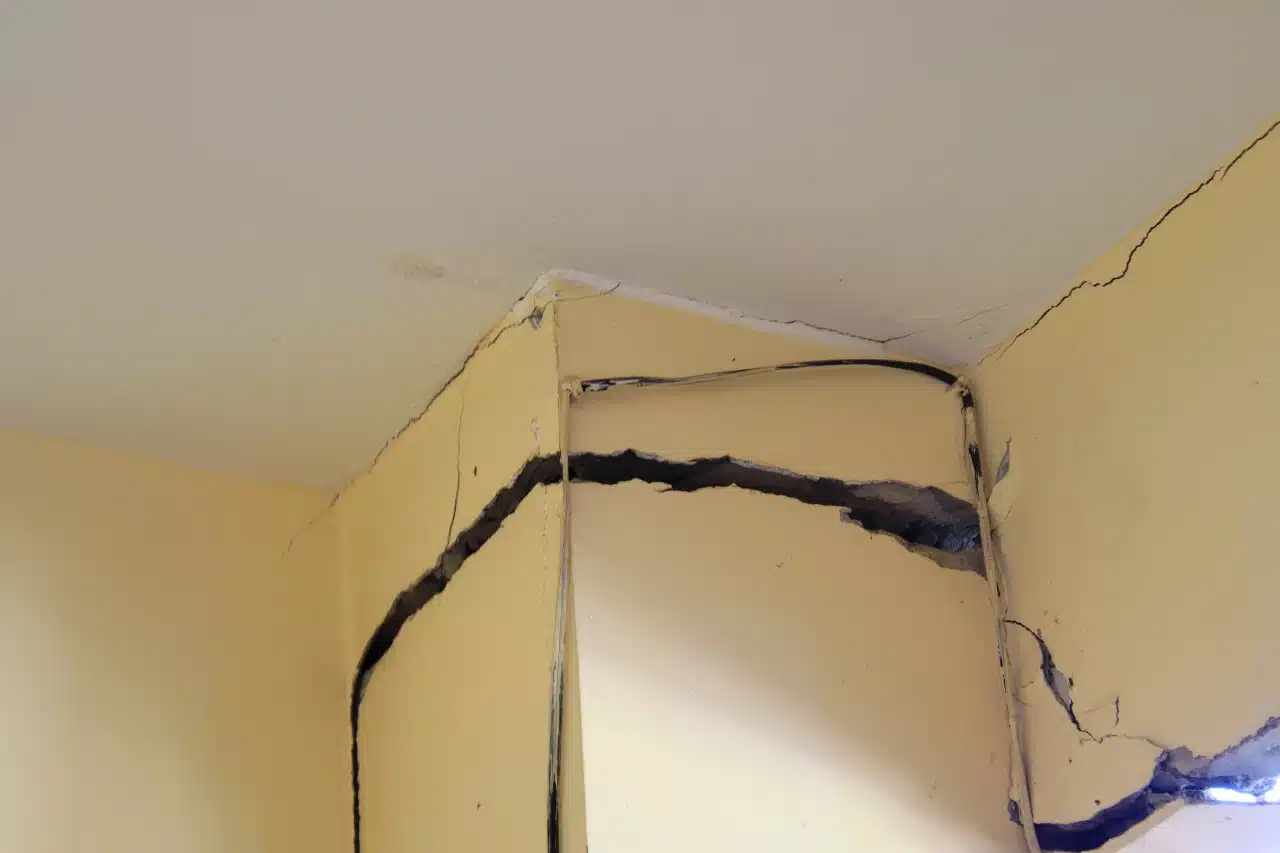
What Are the Foundation Crack Repair Methods?
Epoxy Crack Injection
Best for: Dry cracks in poured concrete that are not moving. Not ideal for: Wet, leaking cracks or walls that are still moving.
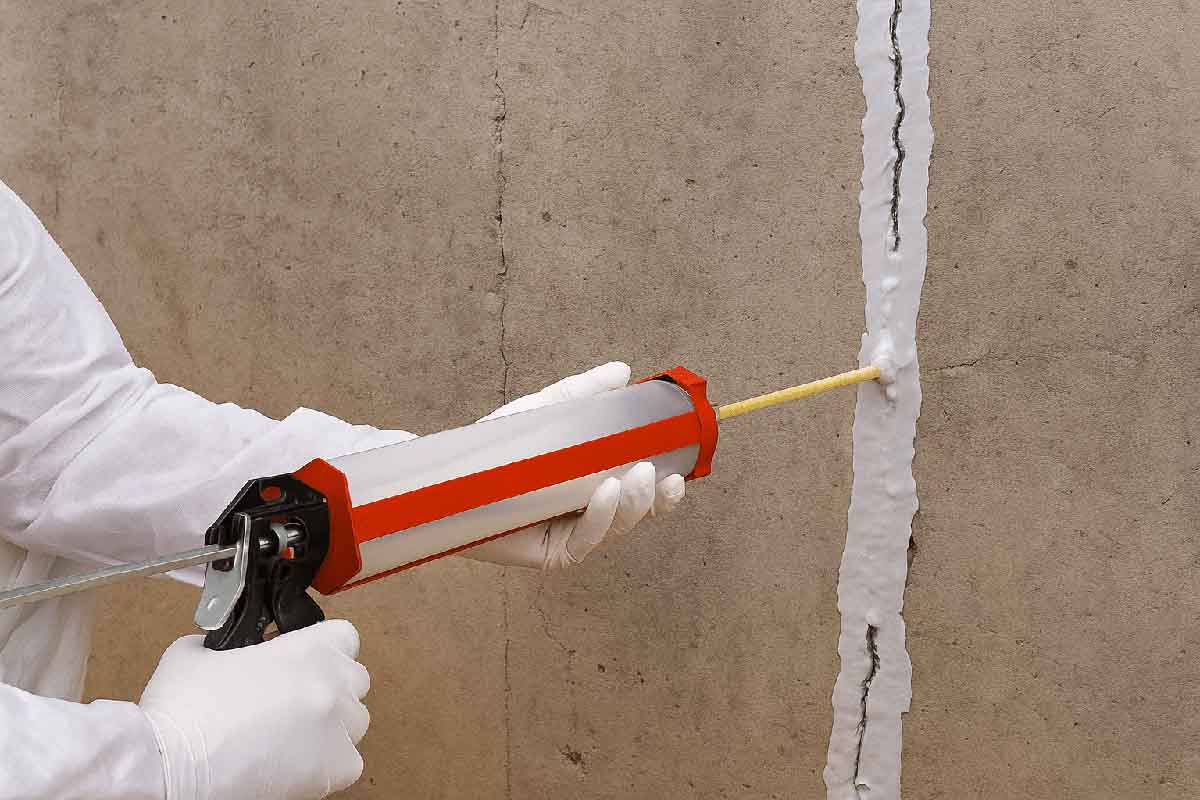
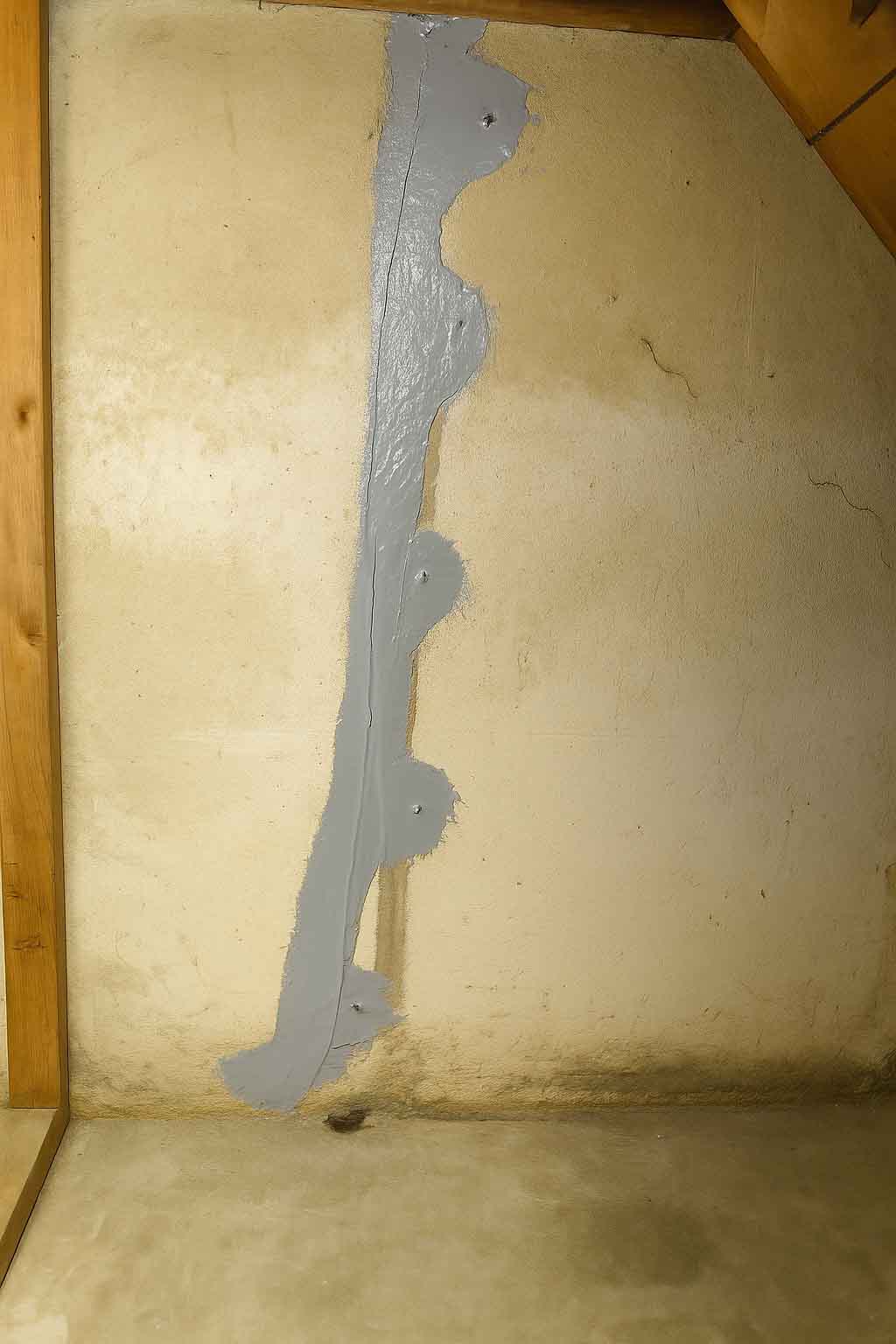
Epoxy crack injection fills the crack under pressure, and the epoxy cures into a rigid bond.
Why epoxy is used:
- It bonds the two sides of a crack in a wall that is stable
- It flows into thin cracks
- It works well on vertical or diagonal cracks
What to know:
- Epoxy is rigid, so if the wall moves again, the crack can reappear
- It is not the usual choice for a crack that is actively leaking
We typically recommend epoxy when the wall is stable and dry and the homeowner wants a structural bond across the crack.
Polyurethane Foam Injection
Best for: Leaking cracks in poured concrete walls. Not ideal for: Structural cracks that need reinforcement.
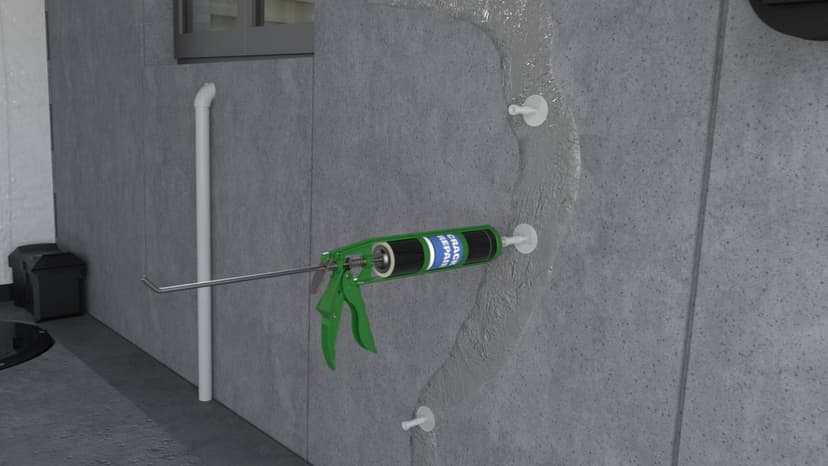
Polyurethane injection expands inside the crack and forms a seal against water that can flex with the wall. It does not fix structural problems, but it is a common choice for leaks.
Why polyurethane is used for leaks:
- It can seal cracks that are leaking
- It stays flexible
- It fills irregular gaps
When it is used:
- Water is coming through the crack
- The crack changes with the seasons
- The goal is to seal out water
At HydroHelp911, we often use polyurethane injection as part of a larger foundation repair, especially paired with structural reinforcement.
Crack Sealing (Surface Sealants)
Best for: Hairline cracks that are not leaking or affecting the structure. Not ideal for: Deep, structural or wet cracks.
Crack sealing covers the surface of a crack. It can help with surface water and appearance, but it does not address the cause.
Surface sealants, such as masonry caulk or waterproof paint, are best for minor cosmetic cracks or as a temporary step.
Crack sealing is used when:
- The crack is hairline thin
- A larger repair is planned later
- The area needs protection from surface water
Carbon Fiber Reinforcement
Best for: Structural cracks in walls that have started to bow. Not ideal for: Hairline or surface cracks.
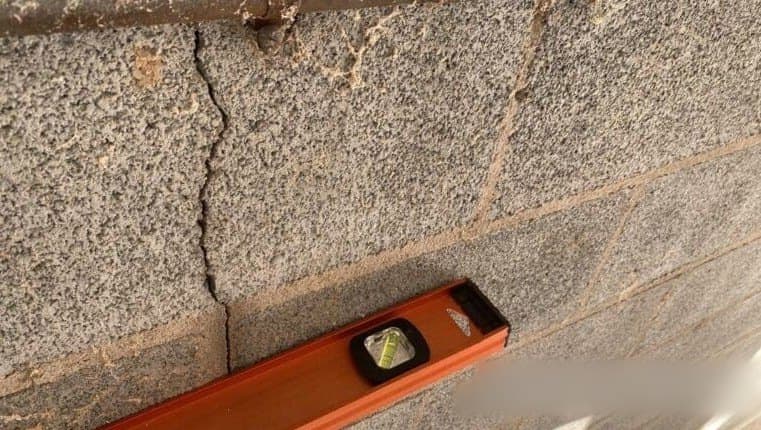
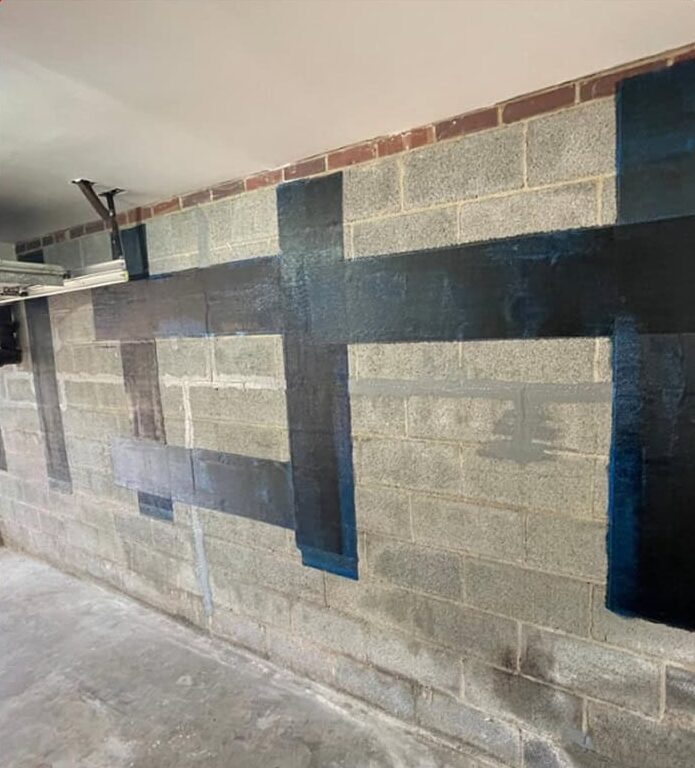
If a basement wall is bowing inward, or cracks run in a stair step pattern along concrete blocks, carbon fiber reinforcement straps are a common repair.
They are thin, sit nearly flat against the wall, and help stabilize foundation walls.
Benefits of carbon fiber:
- High strength for its weight
- Helps keep cracked walls from moving further
- Installed with little disturbance
- Warranty terms and conditions on our warranties page
We use this method when a wall needs structural support, often along with crack injection.
Wall Anchors and Pier Systems
Best for: Foundation settlement, larger horizontal cracks and sinking foundations. Not ideal for: Hairline, cosmetic cracks.
When a crack is a symptom of foundation movement, the repair goes below the surface.
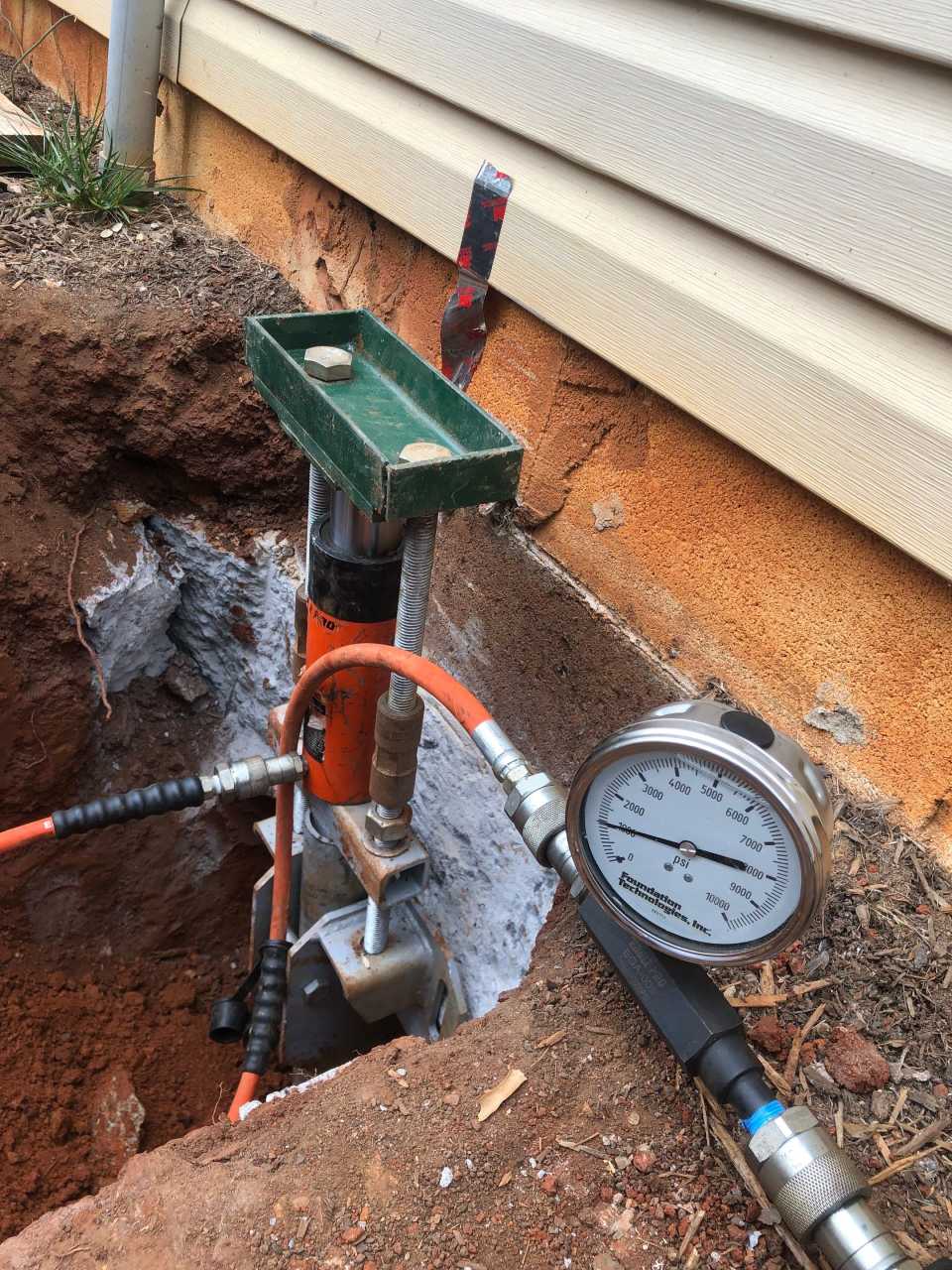
Our foundation pier systems (helical or push piers) reach more stable soil below the weak upper layers. Once installed, they support the foundation and help stabilize it against further settlement, and in many cases they can lift it back toward level.
Wall anchors stabilize a bowing wall against further inward movement; they do not straighten it.
If you have cracks along with:
- Uneven floors
- Doors that stick
- Noticeable settlement or tilting
this is the kind of repair we are likely to recommend.
So, What Is the Best Foundation Repair Method?
The short answer: there is not one best method.
The best foundation crack repair method is the one that fits your crack, soil, structure and budget.
That is why every repair HydroHelp911 does starts with a free inspection and a repair plan for your home. We look at the whole structure and recommend a repair that addresses the cause of the crack.
How Does HydroHelp911 Repair Foundation Cracks?
- We inspect the foundation inside and around the house
- We identify the cause: soil movement, water, construction problems or something else
- We match the repair: from injection to full stabilization
- Trained crews do the work, and where a repair carries a warranty, its conditions are on our warranties page
- We keep you informed: no surprises
Summary
What is the best foundation crack repair method? It depends on the type and cause of the crack. Epoxy crack injection suits dry, stable cracks, while polyurethane injection suits leaks. Carbon fiber reinforcement suits walls that have started to bow, and pier systems or wall anchors are used when cracks come from foundation settlement or soil pressure. HydroHelp911 offers foundation crack repair across North and South Carolina matched to each home.
Schedule a Free Foundation Crack Inspection
A free inspection shows what is behind a crack. We will assess it, explain the options and give you a clear plan, whether it is a simple seal or a structural repair.
Next Step
Schedule a Free Inspection
Call or fill out our quick online form. We'll book a convenient time to assess your home at no cost.
Learn more about our foundation repair services.
Found this useful? Share it with someone working on their home.
Written by
Cory Parks
Owner & President, HydroHelp911
Cory Parks founded HydroHelp911 and leads its structural and moisture repair work for homeowners across North and South Carolina, from the clay soils of the Piedmont to the saturated, sandy ground along the coast.
More about CoryGet a Free Inspection
Two ways to start. Both are free, with no obligation.
Pick your own day in our calendar. You save $250 if you go ahead with the work.
Send a short form, and our office will call to book a time that suits you.
For new customers who book online through our website and then sign a contract.