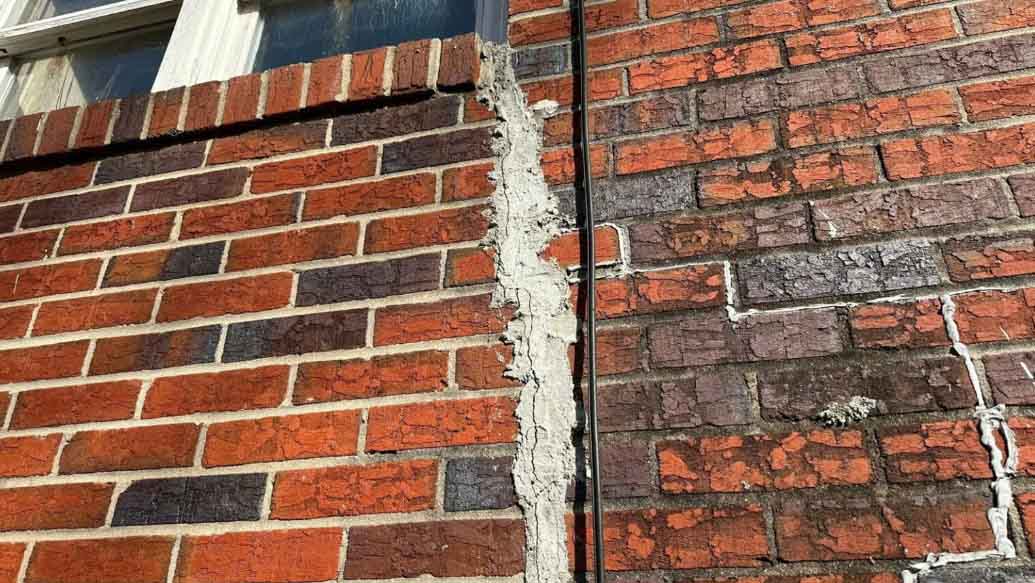

Yes, some foundation cracks are normal. Small, vertical hairline cracks often come from concrete curing or minor settling and are usually not a structural concern. Cracks that are wide, horizontal, stair stepped, leaking or growing are different: they often point to foundation settlement or pressure and are worth a professional look.
Owning a home comes with surprises, and a new crack in the basement wall is one of them. This guide covers how to tell normal cracks from serious ones, what causes them and how they are repaired.

Are All Foundation Cracks the Same?
Homes settle, concrete shrinks as it cures, and Carolina weather swings between wet and dry. So some small foundation cracks are normal.
That is why it helps to understand the difference between normal and serious cracks in a foundation.
What Does a Normal Foundation Crack Look Like?
Homeowners across the Carolinas often ask us about a hairline crack in the basement wall and whether to be worried.
In many cases, small, vertical hairline cracks are a result of concrete curing or minor settling. They can appear in the first couple of years after construction and often are not a structural concern.
What Are Normal Cracks Usually Like?
- Vertical or slightly diagonal and narrow
- Not leaking water or paired with bowing walls
- Stable over time, not growing longer or wider
A common crack can still be worth a look, especially if it changes.
For more information, see Are House Settling Cracks Normal?
When Do Foundation Cracks Signal Something Serious?
If you see cracks that are wider, spreading, leaking or paired with other signs, you may be dealing with foundation settlement cracks, and those are worth a professional look.
What Are the Signs a Foundation Crack Is Not Normal?
- Cracks that are wide or getting wider
- Horizontal or stair step cracks in block walls
- Cracks along with bowing walls, sinking floors or sticking doors
- Water coming in, or musty smells
- Daylight showing through the crack
This is where professional foundation crack repair comes in.
What Causes Serious Foundation Cracks?
In the Carolina Piedmont, homes sit on clay rich soil that swells in wet seasons and shrinks in dry ones, and humidity and uneven rainfall add to that movement. On the coast, sandy soil and a high water table are the bigger factors.
These are the usual causes:
- Poor soil compaction during construction
- Water pooling around the foundation
- Drought or heavy rain
- Tree roots pulling moisture from the soil
- Aging materials in older homes
All of these can lead to foundation settlement cracks.
For more information, see Cracks in Basement Walls: What Do They Mean?

Why Do Foundation Cracks Matter?
When the cause of a crack is not addressed, it can lead to:
- Moisture coming in, which can lead to mold and wood rot
- Further movement that can lead to sagging floors and weakened supports
How Does HydroHelp911 Fix Foundation Cracks?
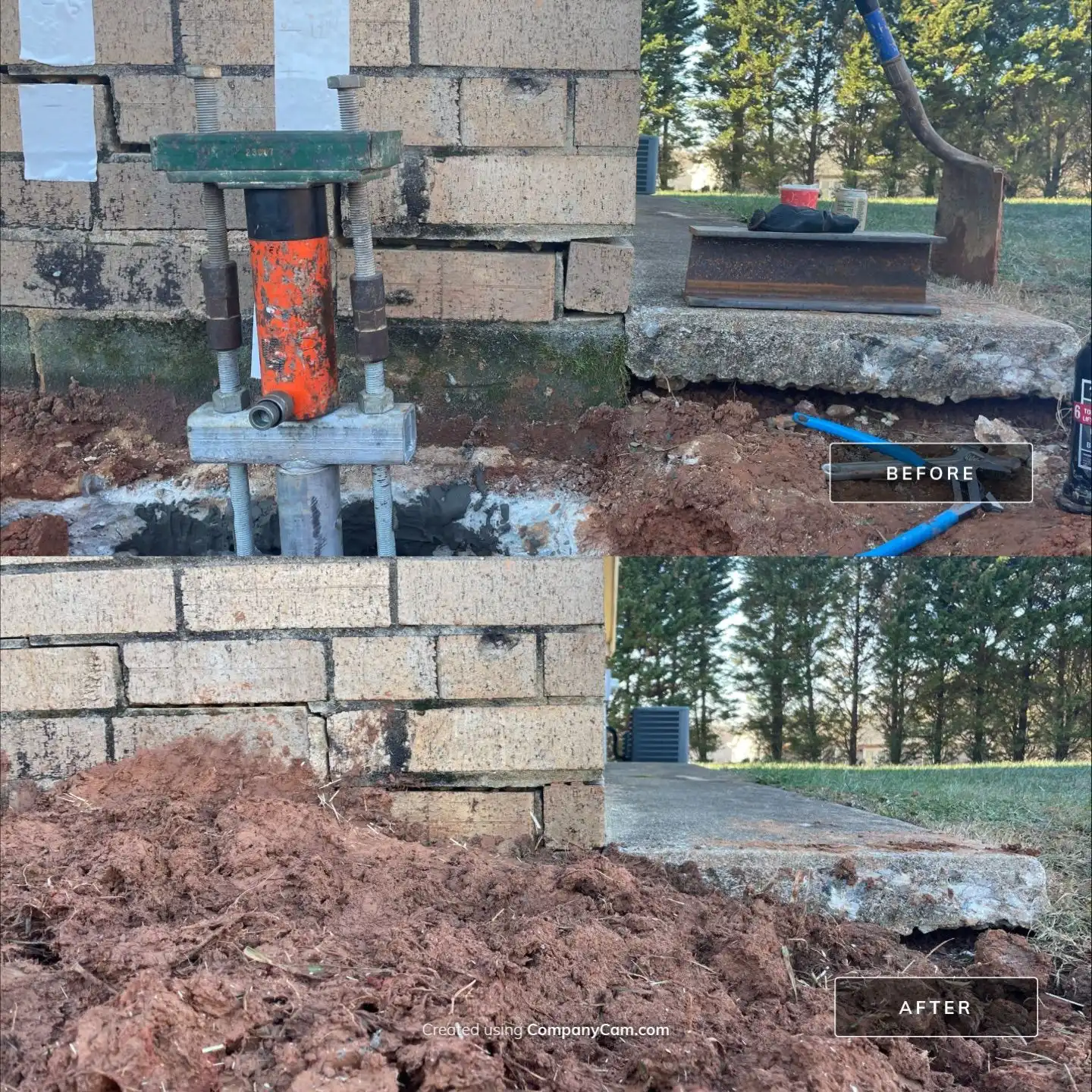
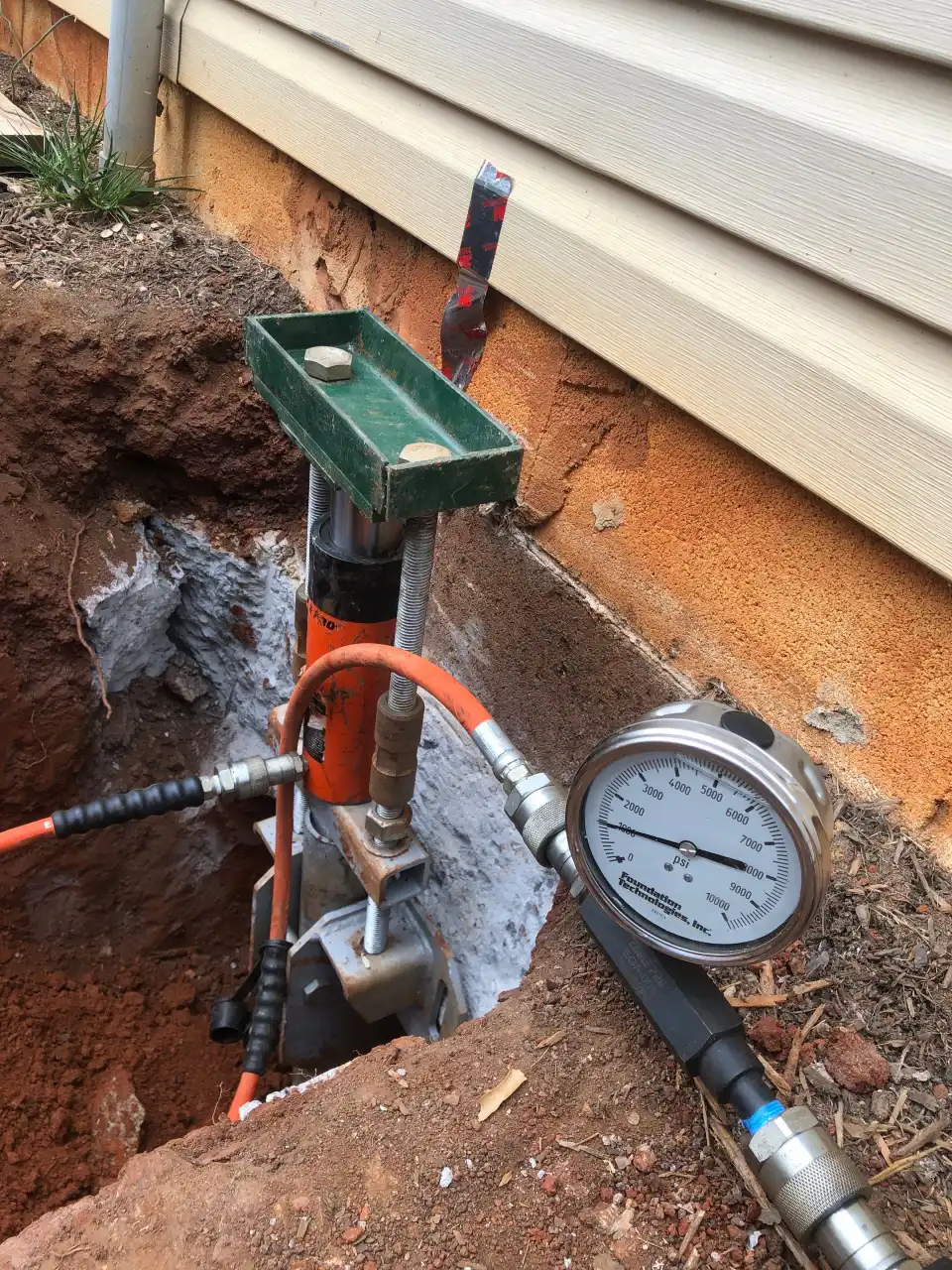
We use foundation crack repair methods that match the cause, such as:
- Helical pier systems and push piers to stabilize a settling foundation
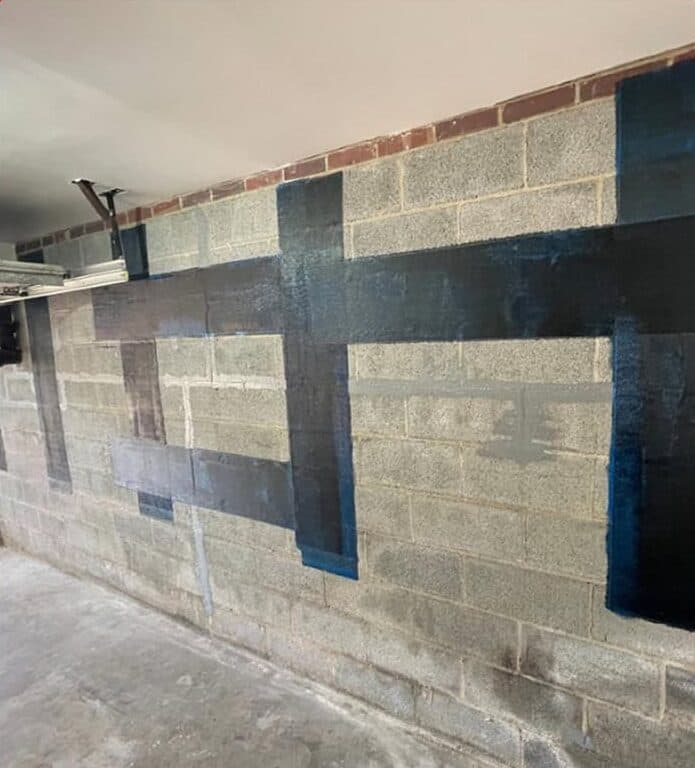
- Carbon fiber straps to reinforce bowing walls
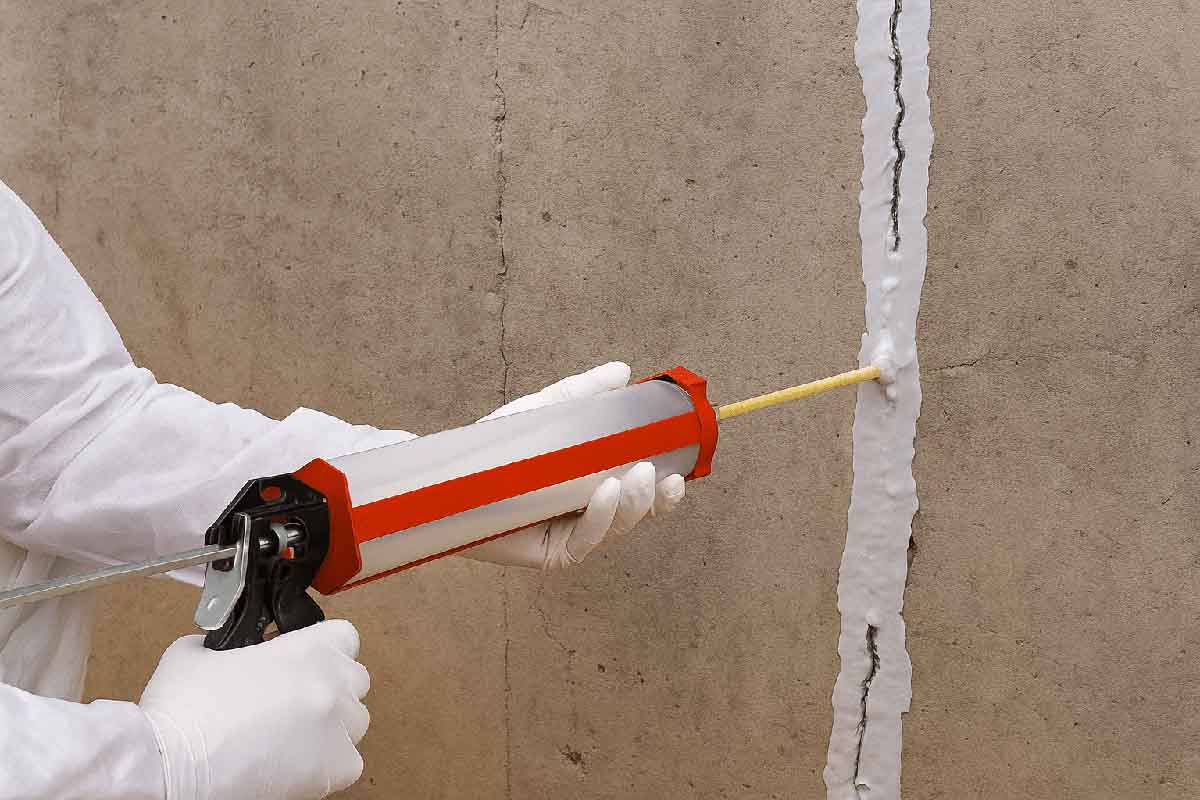
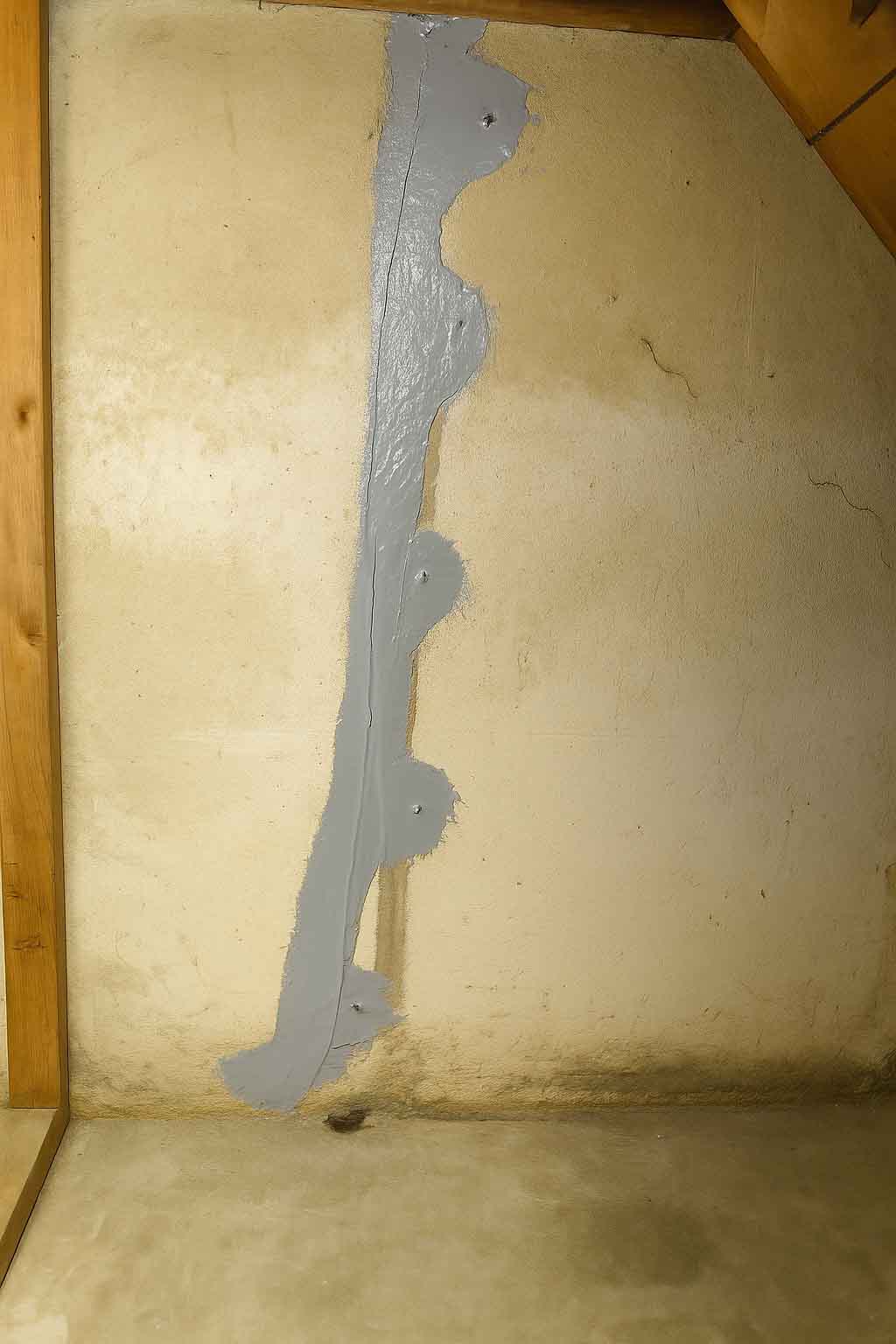
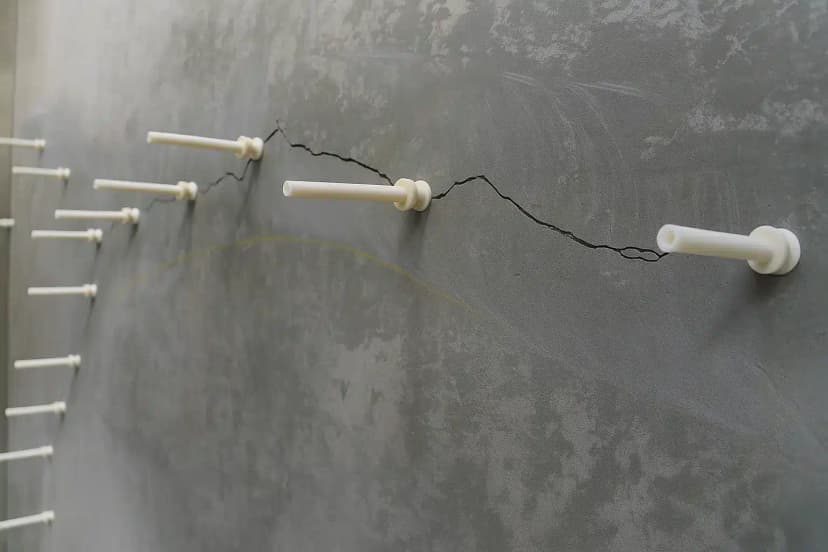
- Epoxy and polyurethane injection to seal cracks
- Interior drainage where water is part of the cause
Each home gets a repair plan for that home. Our warranty terms and their conditions are on our warranties page.
How Much Does It Cost to Fix Foundation Cracks?
How much it costs to fix foundation cracks depends on the crack’s length and type, the repair method and whether the crack comes from movement that needs stabilization first. Your free inspection gives you a written estimate.
A Quick Summary: Are Foundation Cracks Normal?
Some small, vertical foundation cracks are normal, especially in the first years after construction. They usually come from concrete shrinking or mild settling.
Cracks that are wide, horizontal, leaking or growing over time often point to foundation settlement, and an inspection shows what they need.
If you are unsure whether your crack is normal or serious, HydroHelp911 offers free inspections and foundation crack repair across North and South Carolina. We explain what we find and how it can be repaired, without scare tactics.
Next Step
Schedule a Free Inspection
Call or fill out our quick online form. We'll book a convenient time to assess your home at no cost.
Learn more about our foundation repair services.
Found this useful? Share it with someone working on their home.
Written by
Cory Parks
Owner & President, HydroHelp911
Cory Parks founded HydroHelp911 and leads its structural and moisture repair work for homeowners across North and South Carolina, from the clay soils of the Piedmont to the saturated, sandy ground along the coast.
More about CoryGet a Free Inspection
Two ways to start. Both are free, with no obligation.
Pick your own day in our calendar. You save $250 if you go ahead with the work.
Send a short form, and our office will call to book a time that suits you.
For new customers who book online through our website and then sign a contract.