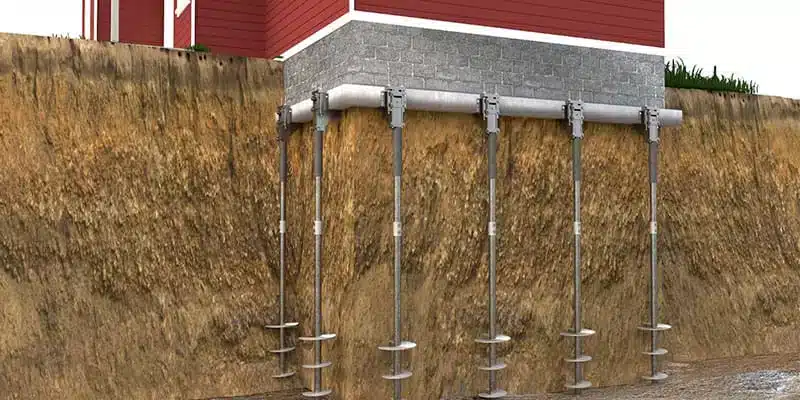

House leveling is a foundation repair that lifts a house that has settled unevenly back toward level. It is usually done with steel push piers or helical piers that are installed down to firmer soil, connected to the foundation with brackets and then used to raise and support the settled sections.
This article covers why houses become unlevel, how house leveling works and the signs that a house may need it.
Why Do Houses Become Unlevel?
Before we discuss how house leveling works, let’s discuss why a house might become unlevel. The primary cause of an unlevel house is a phenomenon called foundation settlement.
Foundation settlement occurs when the soil below your home shifts or sinks. When this happens, your foundation and the rest of your home will move along with the soil. Following construction, a minor amount of uniform settlement is normal and does not typically cause structural damage.
The other type, differential settlement, involves uneven shifts in the foundation, and it can damage the structure.
When differential settlement happens, it can lead to a range of problems in the home. The next section covers the main ways a house is leveled and stabilized.
How Do You Fix an Unlevel House?
Leveling a House With Push Piers
Installing push piers is one way of leveling a house that has experienced differential settlement. To employ this method, a foundation repair team will use a hydraulic pump to push a set of piers deep into the earth until they reach a firm layer of soil or bedrock.
At the top, the piers attach to the foundation with a bracket, which connects the house to the firmer soil below. Once the connection is made, the crew can lift the house back toward level without causing damage.
Installing push piers can bring a house back toward level and help stabilize the foundation against further settlement in the area where they are installed. How much lift is practical depends on the house and the soil, and the inspector sets expectations first.
Leveling a House With Helical Piers
The second method of leveling a home we’ll describe is similar to the first. The only difference here is the type of piers involved in the house leveling.
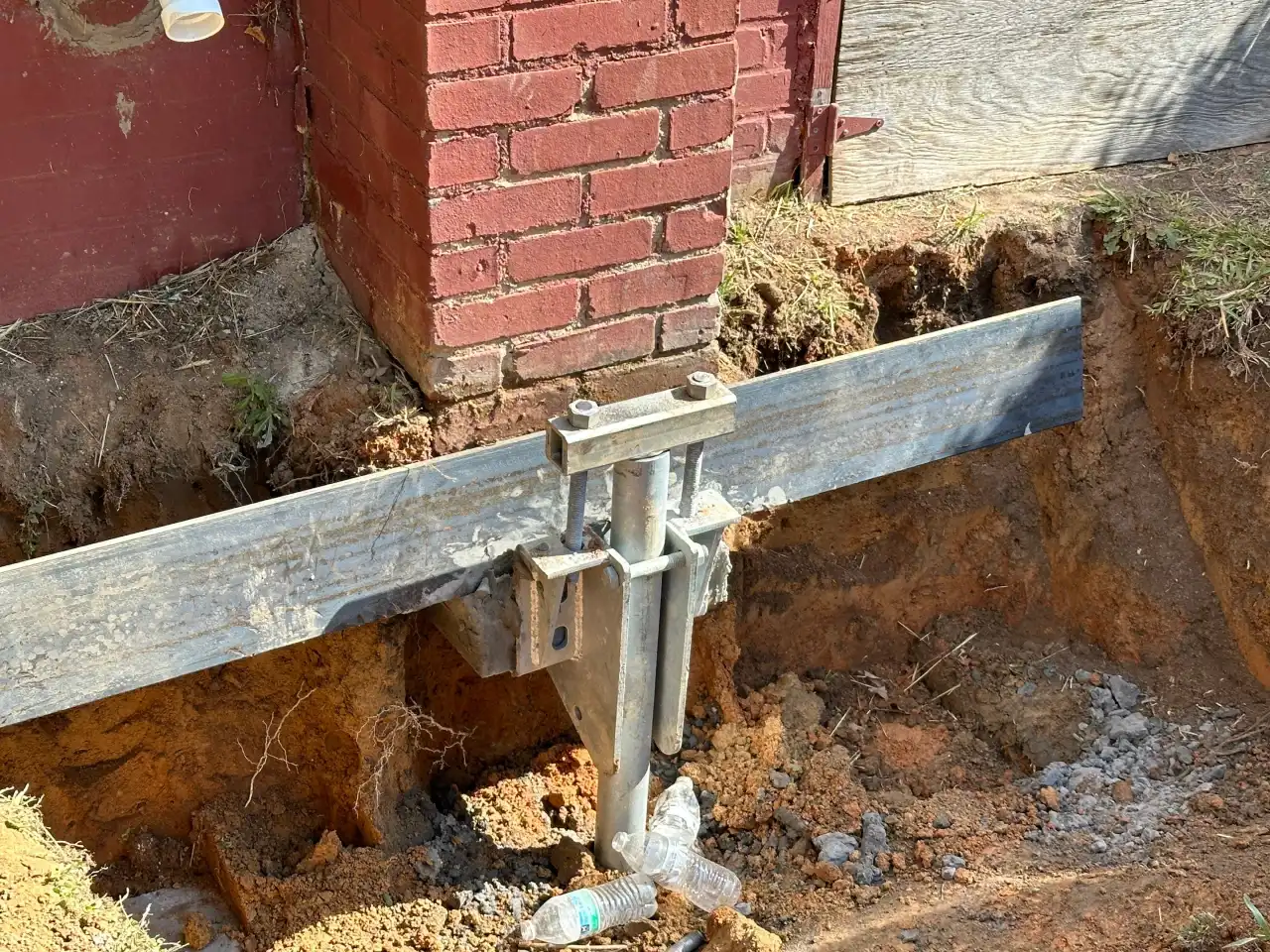
Instead of push piers, the inspector may recommend screw shaped helical piers, which are turned into the ground until their plates bear on stable soil.
Like push piers, helical piers attach to the foundation with a bracket. Once the connection is made, the crew can lift the house back toward level and the piers help stabilize it against further settlement.
What Are the Signs of Differential Foundation Settlement?
These signs can mean a home has settled unevenly and may need leveling:
- Stuck doors
- Jammed windows
- Foundation cracks
- Bulging foundation walls
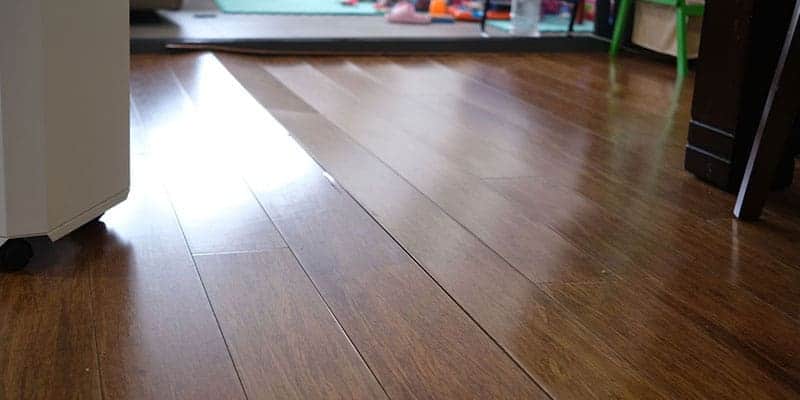
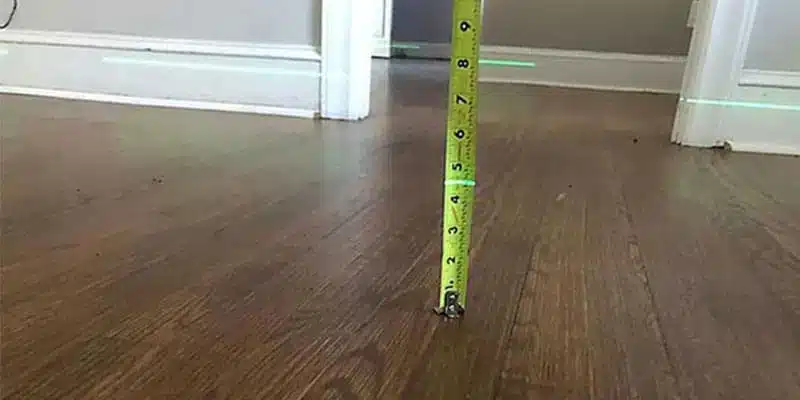
- Sloping floors
- Drywall cracks
When differential settlement is not addressed, it can keep damaging the home. If you notice any of these signs, a foundation inspection can find the cause of the foundation problems and the repair that fits.
Talk to a Foundation Expert
HydroHelp911 serves homeowners across both Carolinas with foundation repair, house leveling and crawl space repair, starting with a free inspection.
Next Step
Schedule a Free Inspection
Call or fill out our quick online form. We'll book a convenient time to assess your home at no cost.
Learn more about our crawl space repair services.
Found this useful? Share it with someone working on their home.
Written by
Cory Parks
Owner & President, HydroHelp911
Cory Parks founded HydroHelp911 and leads its structural and moisture repair work for homeowners across North and South Carolina, from the clay soils of the Piedmont to the saturated, sandy ground along the coast.
More about CoryGet a Free Inspection
Two ways to start. Both are free, with no obligation.
Pick your own day in our calendar. You save $250 if you go ahead with the work.
Send a short form, and our office will call to book a time that suits you.
For new customers who book online through our website and then sign a contract.