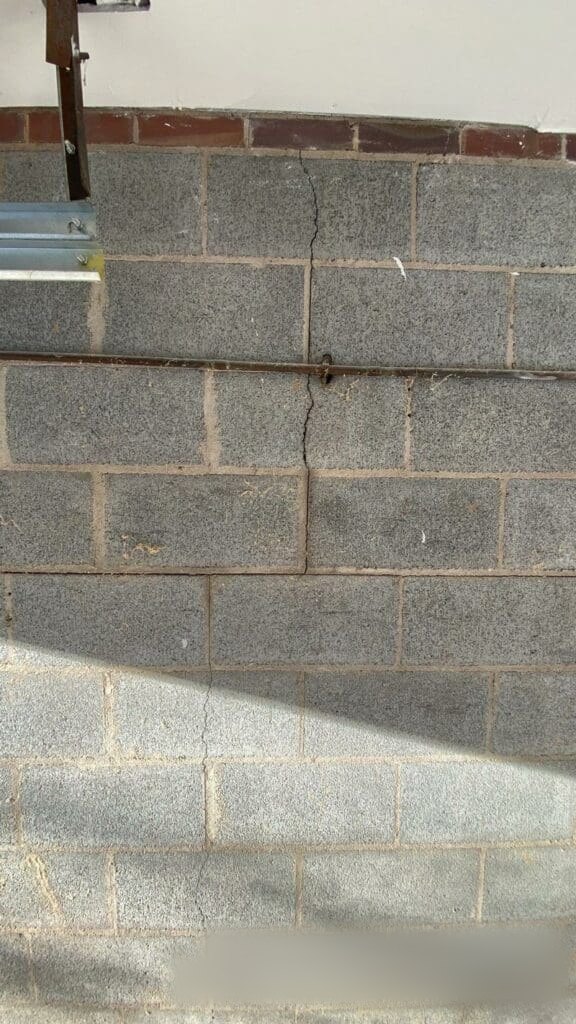

When a foundation crack is not repaired and its cause is not addressed, water can come through it, and the movement or pressure that opened it can continue. Over time that can lead to moisture damage, bowing walls, uneven floors and sticking doors. Many small vertical cracks are cosmetic, so an inspection is the way to know whether a crack is a problem.
Plenty of homeowners spot a crack, decide it is probably fine and move on, and sometimes it is. This guide covers when foundation cracks are a problem, what they can lead to and how they are repaired.
Are Foundation Cracks Cosmetic or Structural?
Cracks in a foundation fall into two main groups:
- Cosmetic cracks: Usually thin, vertical lines that appear as concrete cures or settles. They are worth watching.
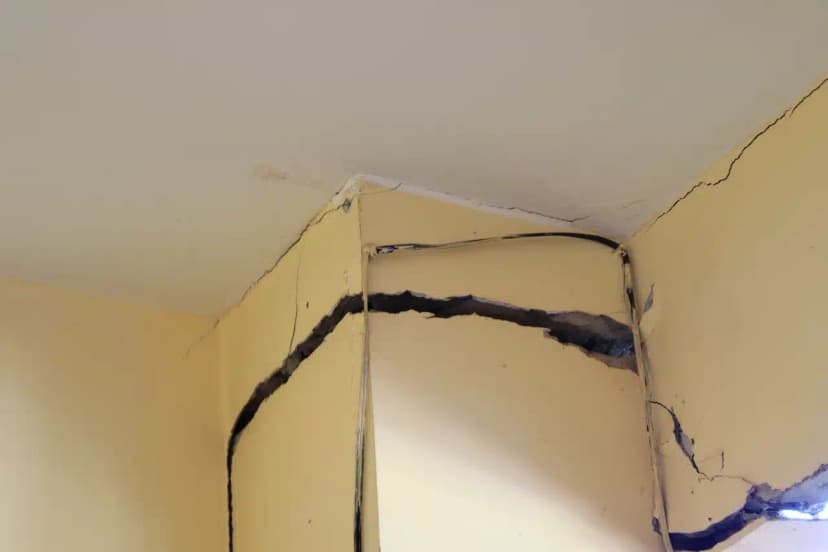
- Structural cracks: Wider, deeper, horizontal or stair step cracks. They can signal shifting, bowing or settling of the foundation, and they are worth a professional inspection.
It is not always easy to tell the two apart. An inspection shows which kind of crack you have.
What Problems Can Foundation Cracks Cause?
Water Intrusion and Moisture Damage
A crack can let water seep into your home, especially during heavy rain. Once moisture gets in, it can lead to:
- Mold and mildew
- Musty odors that spread through floors and HVAC ducts
- Rot in wood framing and damp insulation
- Poorer indoor air quality
A small foundation crack can turn into a basement waterproofing problem.
Structural Movement Over Time
The forces behind a crack, such as shifting soil, water pressure and poor drainage, can keep working on the foundation. Over months or years, when the cause is not addressed, this can lead to:
- Bowing or leaning basement walls
- Cracked drywall and ceilings inside
- Sagging or uneven floors
- Doors and windows that stick
These can be signs that the structure is moving.

Problems Throughout the House
Foundation movement can also show up in the rest of the home:
- Uneven floors that are easy to trip on
- Cracks in plaster and drywall
- Water near electrical equipment in a damp basement
- Crumbling concrete or masonry

How Does Foundation Crack Repair Work?
A crack does not close on its own, and many widen with seasonal movement. Foundation crack repair addresses the crack and the cause behind it.
At HydroHelp911, we use repairs matched to your home, including:
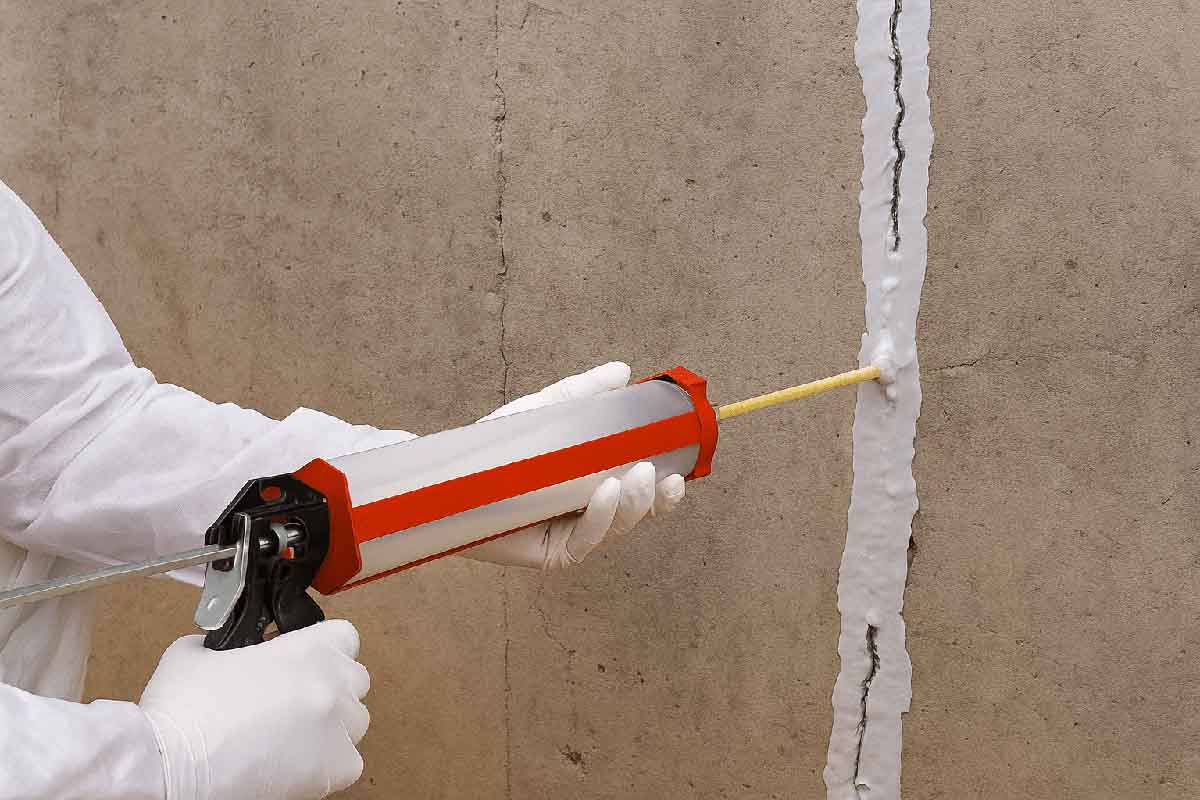
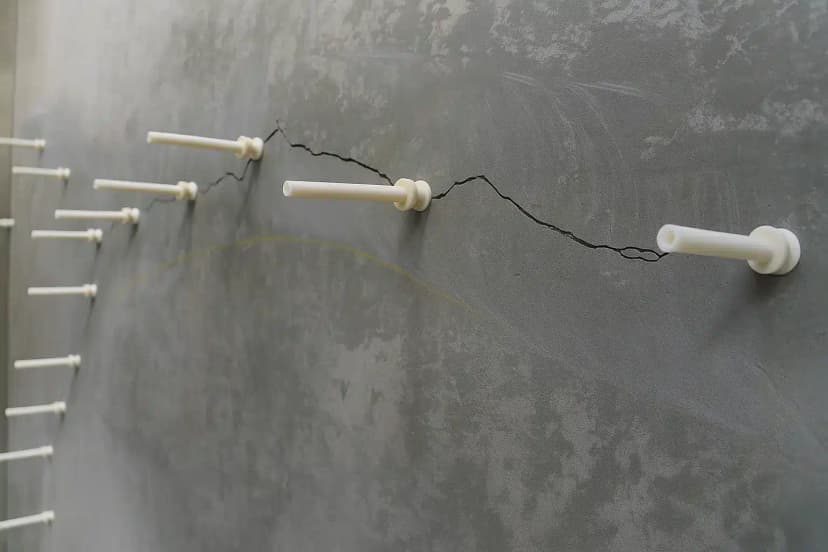
- Pressure injection with polyurethane or epoxy to seal a crack in a foundation and block water
- Wall anchors or braces for bowing walls
- Helical or push piers to stabilize foundations that have settled
- Crawl space repair and encapsulation when moisture comes in from below
Every repair starts with a free inspection, because the right repair starts with the right diagnosis.

What Should You Do If You See Cracks?
Here is a quick checklist:
- Watch the crack: is it getting wider or longer, or changing shape?
- Check for other signs: sticking doors, sloping floors or water stains
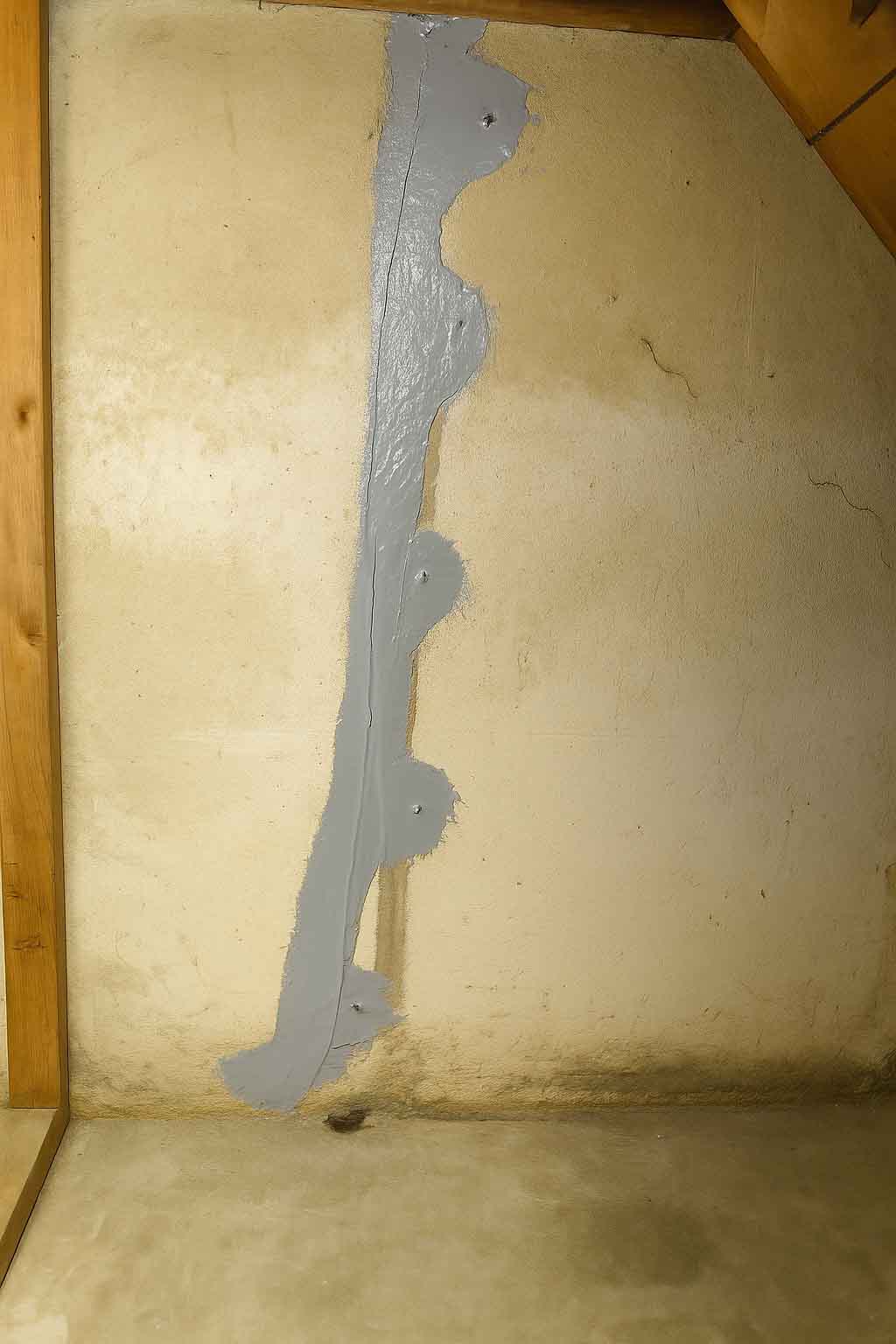
- Know the limits of caulk: a DIY patch can hide the crack without addressing the cause
- Schedule a professional inspection from a team that works on foundation and moisture problems
Schedule a Free Foundation Crack Inspection
Foundation problems can build slowly, with water or settling showing up over time. Book your free foundation crack inspection with HydroHelp911, and we will give you answers and a repair plan for your home, with no pressure. Warranty terms and their conditions are on our warranties page.
Next Step
Schedule a Free Inspection
Call or fill out our quick online form. We'll book a convenient time to assess your home at no cost.
Learn more about our foundation repair services.
Found this useful? Share it with someone working on their home.
Written by
Cory Parks
Owner & President, HydroHelp911
Cory Parks founded HydroHelp911 and leads its structural and moisture repair work for homeowners across North and South Carolina, from the clay soils of the Piedmont to the saturated, sandy ground along the coast.
More about CoryGet a Free Inspection
Two ways to start. Both are free, with no obligation.
Pick your own day in our calendar. You save $250 if you go ahead with the work.
Send a short form, and our office will call to book a time that suits you.
For new customers who book online through our website and then sign a contract.