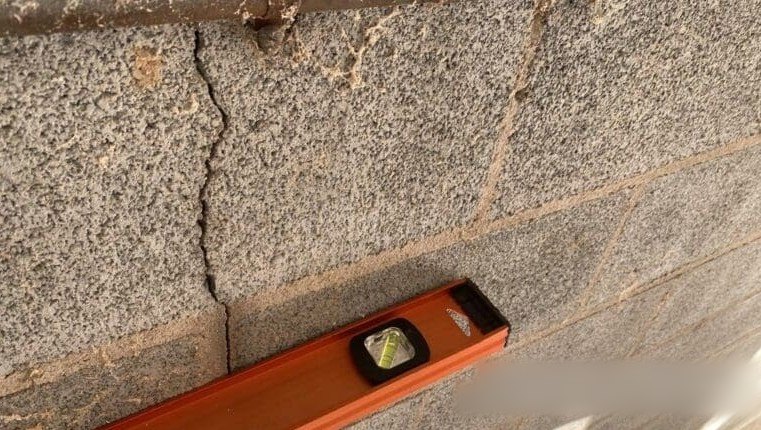

Most foundation cracks come from soil movement under or around the house, water pressure against the foundation, construction or material problems, tree roots, seasonal weather and heavy loads. The cause matters because the right repair depends on it.
At HydroHelp911, homeowners across North and South Carolina ask us this question often, and there is usually more than one cause behind a cracked foundation. This post covers the most common causes of foundation cracks, why they happen and what they can mean for your home.
What Are the Most Common Causes of Foundation Cracks?
Soil Movement and Settlement
This is one of the most common reasons for foundation cracks in homes.
Your home sits on soil. When that soil shifts, whether from moisture, poor compaction or natural settling, it can push, pull or drop parts of the foundation unevenly.
How Does Soil Movement Crack a Foundation?
- Expansive clay soil, common in the Carolina Piedmont, swells when wet and shrinks when dry.
- That movement puts pressure on the foundation from underneath or from the sides.
- Over time, the stress can cause vertical, horizontal or stair step cracks.
When the cause is not addressed, this kind of movement can lead to a sinking foundation, bowing walls and further cracking.
How it is repaired: Helical pier underpinning uses steel piers that reach more stable soil and help stabilize the foundation against further settlement in the area where they are installed.
Water Around the Foundation
Water that collects around the foundation, from poor drainage, clogged gutters or ground that slopes toward the house, builds hydrostatic pressure. That means soil heavy with water pushes against the foundation walls.
What Are the Signs of Water Related Foundation Damage?
- Cracks near basement windows or doors
- Damp or musty smells in the crawl space
- Efflorescence (white powdery residue) on concrete walls
Over time, that moisture can lead to cracks, and cracks can let in more water.
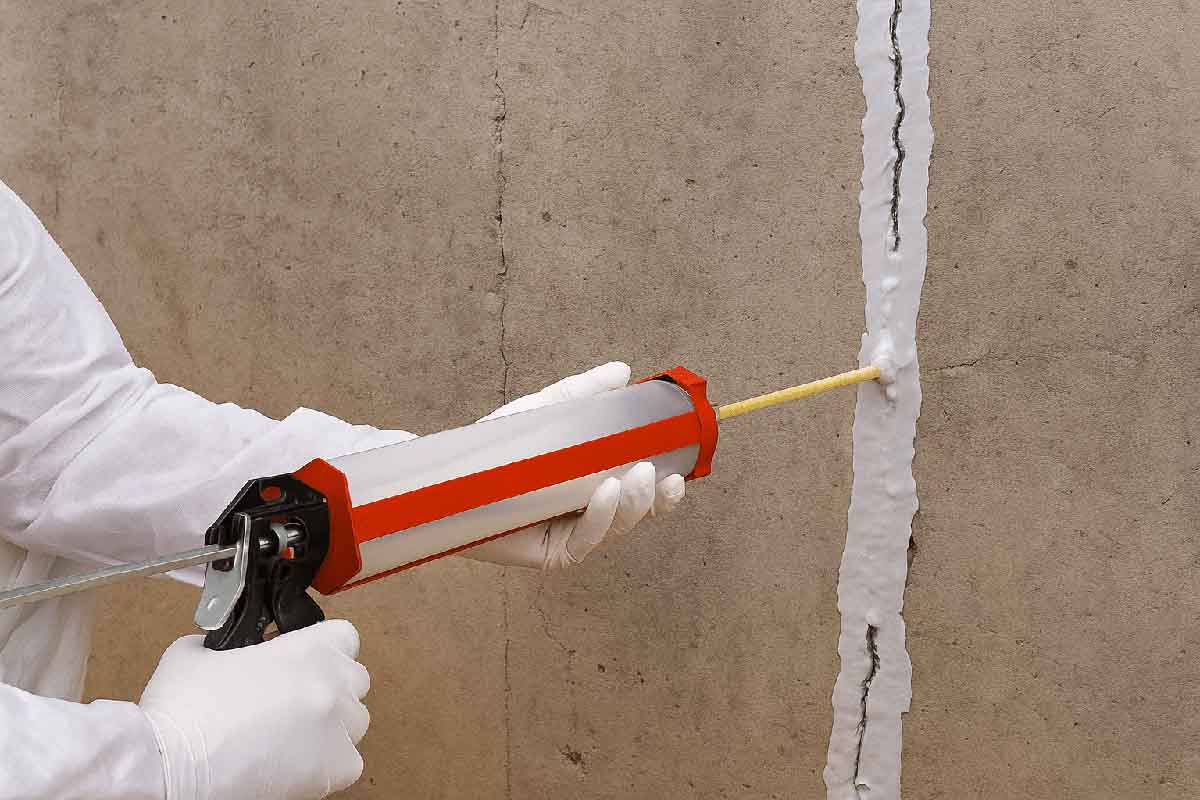
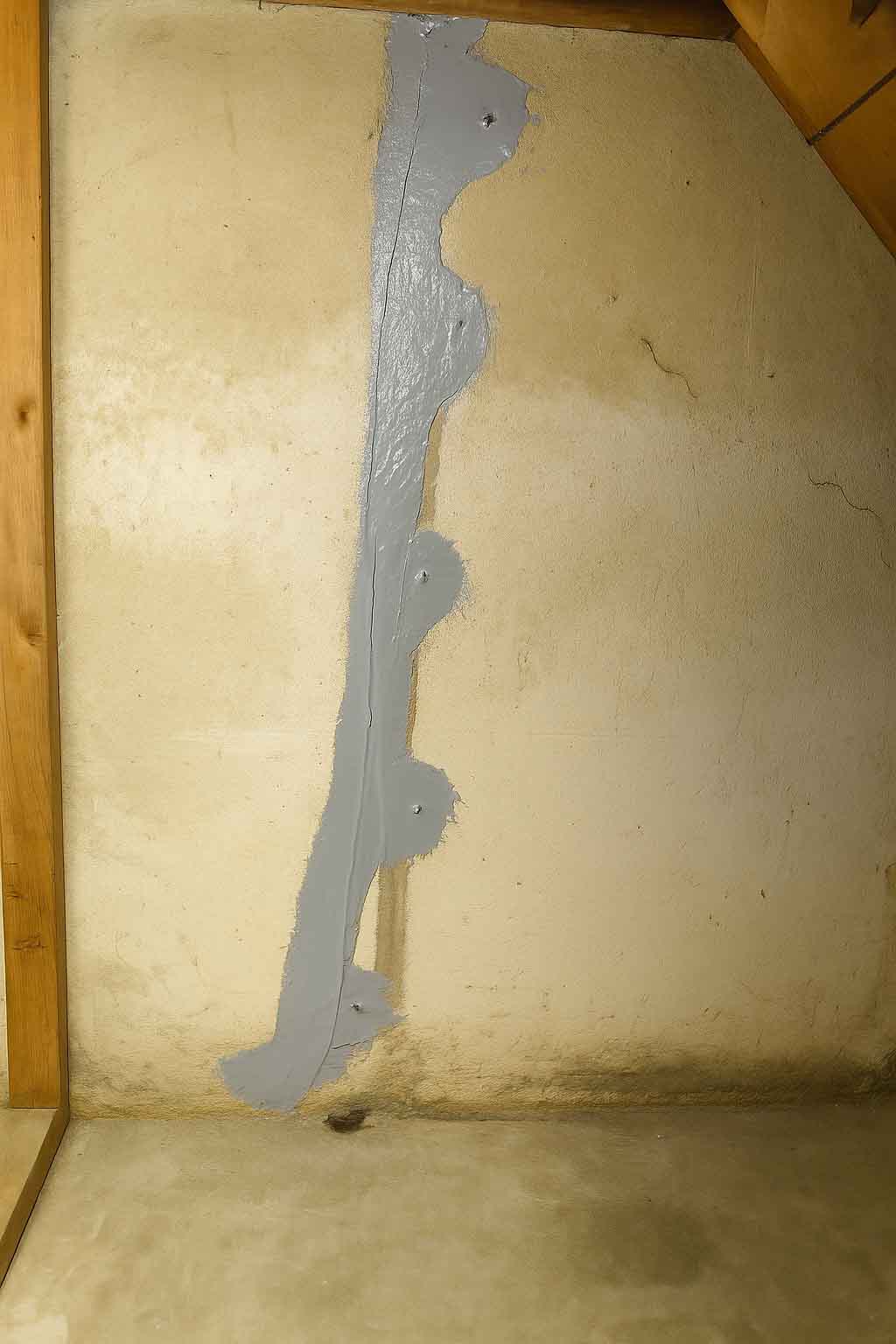
How it is repaired: Foundation crack repair paired with interior drainage (such as an interior French drain and sump pump) addresses both the crack and the water. Interior drainage relieves the water pressure, and the crack is sealed.
Construction or Material Problems
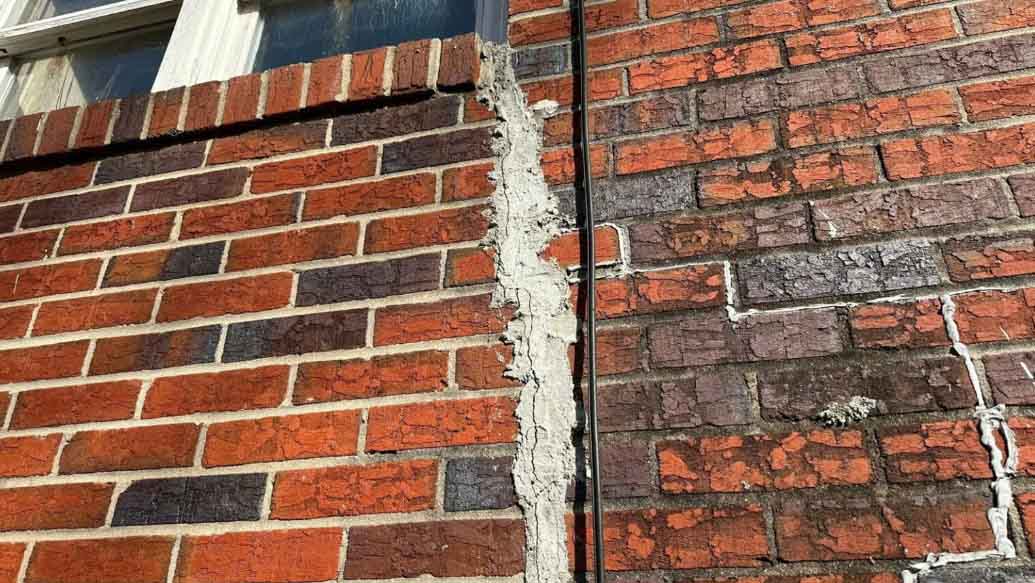
Sometimes foundation cracks appear because of how the foundation was built.
What Construction Problems Can Cause Cracks?
- Too little reinforcement, such as missing rebar or weak footings
- Concrete that shrinks more as it cures
- A foundation poured on soil that was not compacted well
These issues can cause early cracking, sometimes within a few years of the home being built, so newer homes can have foundation cracks too.
How it is repaired: An inspection shows what the foundation needs. The repair may reinforce weak areas or add foundation supports.
Tree Roots and Vegetation
Large trees close to the house can affect a foundation in two ways:
- Roots displace soil, which creates uneven pressure.
- Roots draw moisture out of the soil, which can make it shrink and lead to settlement.
This tends to show up in drier months, when the soil shrinks.
How it is repaired: Stabilizing the settled area addresses the foundation. Trees and landscaping are a homeowner decision, often made with an arborist or landscaper.
Seasonal Weather in the Carolinas
The Carolinas see humid summers, rainy springs and occasional freezing winters. Those temperature and moisture swings make the soil expand and contract, which stresses the foundation over time.
A hairline crack can widen in cold weather and let in water during spring storms, and freeze and thaw cycles can add to that. This is why some foundation cracks change from year to year.
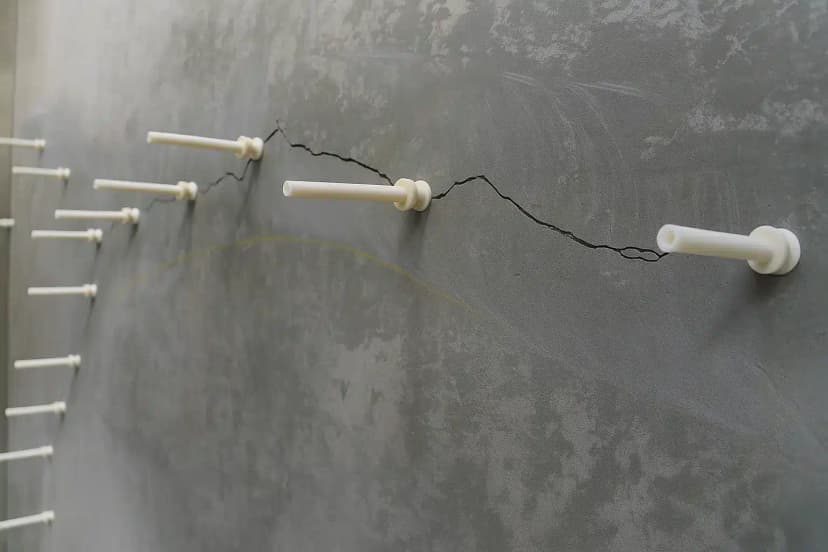
How it is repaired: Foundation crack repair with polyurethane or epoxy injection seals the crack. Moisture control in the crawl space or basement can help keep indoor humidity steady.

Heavy Loads or Structural Changes
Sometimes the cause is what sits on top of the foundation.
A second story, a large deck or structural changes made without reinforcing the foundation can lead to cracks. Heavy features such as stone fireplaces can also stress a foundation that was not designed for the load.
How it is repaired: Piers can support the added load, and wall anchors can stabilize a wall that has started to move inward. We see this often in older homes with newer additions.
What Are the Signs of Foundation Problems?
You do not need to be a contractor to spot the signs. Look for:
- Cracks in basement walls or floors
- Doors and windows that stick or will not latch
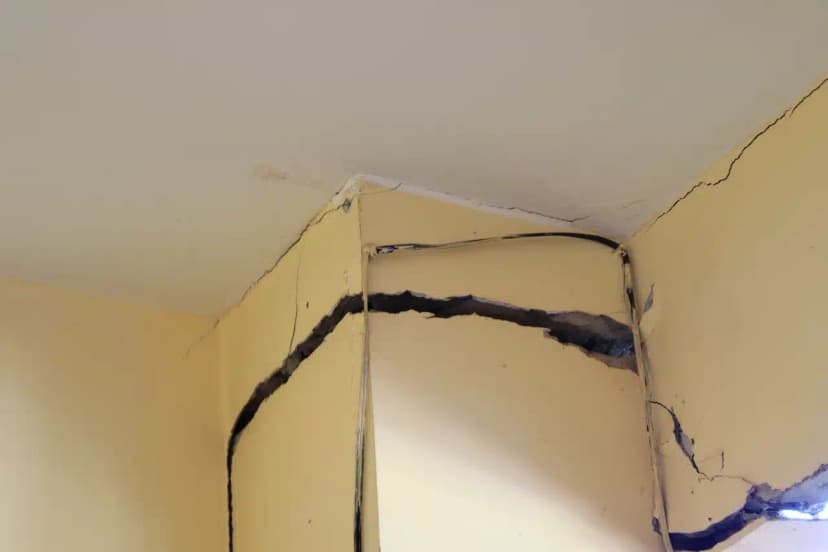
- Gaps between walls and ceilings
- Sloping or sagging floors
- Water stains or pooling in crawl spaces
Why Does Foundation Crack Repair Matter?
A foundation crack does not close on its own. When the cause is not addressed, it can lead to:
- A larger repair later
- Water getting in, and mold from that moisture
- Further movement in the foundation
A free inspection shows what is causing the crack.
Foundation Crack Repair in North and South Carolina
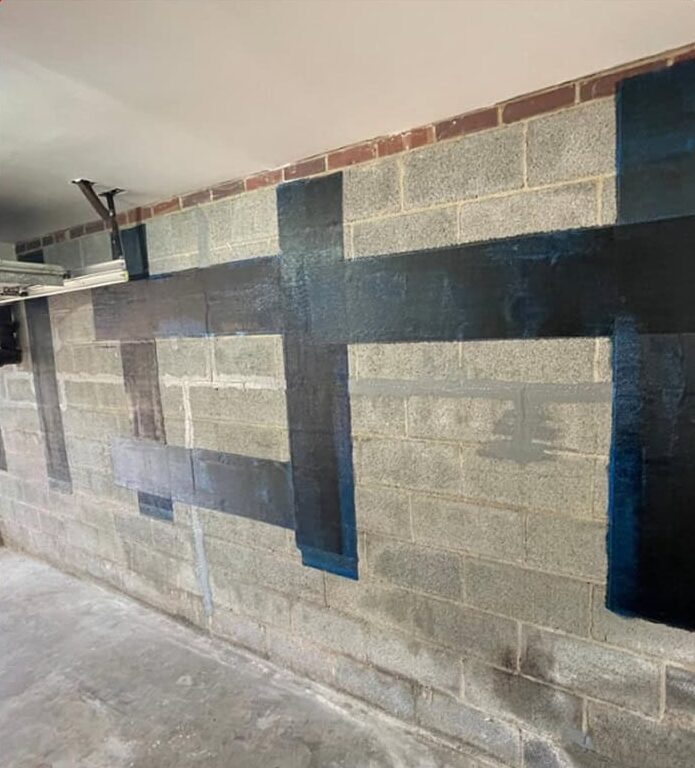
At HydroHelp911, we diagnose and repair foundation cracks, from water related cracks to cracks from soil settlement. Our team serves homeowners across North and South Carolina with:
- Free inspections
- A repair plan for your home
- Repairs backed by warranties, with terms and conditions on our warranties page
Permanent solutions, not patch jobs: we look for what caused the crack so the repair can address it.
Next Step
Schedule a Free Inspection
Call or fill out our quick online form. We'll book a convenient time to assess your home at no cost.
Learn more about our foundation repair services.
Found this useful? Share it with someone working on their home.
Written by
Cory Parks
Owner & President, HydroHelp911
Cory Parks founded HydroHelp911 and leads its structural and moisture repair work for homeowners across North and South Carolina, from the clay soils of the Piedmont to the saturated, sandy ground along the coast.
More about CoryGet a Free Inspection
Two ways to start. Both are free, with no obligation.
Pick your own day in our calendar. You save $250 if you go ahead with the work.
Send a short form, and our office will call to book a time that suits you.
For new customers who book online through our website and then sign a contract.